Podcast
Behind the Bastards
The book explores the concept of societal collapse and decline, arguing that popular perceptions of such events as sudden and catastrophic are inaccurate. Instead, the author emphasizes the gradual and often subtle processes that lead to decline, using historical examples like the Maya civilization to illustrate these dynamics.
The basic thrust of your book is that the way in which we think about civilizations falling or collapsing or however you you know the ways in which folks tend to discuss that and we're talking about t...
— Episode: It Could Happen Here Weekly 19
Episode: It Could Happen Here Weekly 19
The book explores the concept of societal collapse and decline, arguing that popular perceptions of such events as sudden and catastrophic are inaccurate. Instead, the author emphasizes the gradual and often subtle processes that lead to decline, using historical examples like the Maya civilization to illustrate these dynamics.
The basic thrust of your book is that the way in which we think about civilizations falling or collapsing or however you you know the ways in which folks tend to discuss that and we're talking about the Maya or the Romans Is is very different from what archaeologists who tend to study these cultures how they tend to perceive of What you might more accurately call a decline or you know, the decentralization or whatever I think there's a number of terms that we could use but these ideas that like you have these civilizations and then they suddenly fall apart Are not really based in rigorous historical analysis.
It became obvious to me over time that People were taking these courses not just to learn how to deal with being lost out in the wilderness Which is sort of was my vision What do you do if you unexpectedly have to spend a night out in the woods or or two or three? They're really thinking about what I do when things fall apart. How do I take care of myself? How do I take care of my family using these skills that you could use in a situation where things had fallen apart?
You know a lot of that stems from the research of some other archaeologists and they um You know You're exactly right. We don't think about that. We're not taught about it that way, you know, we sort of have this this contradictory and sort of uh, um, uh Doubly problematic way of talking about this first for a long time. We denied uh, sort of the the how Traumatic and and how much of a genocide it was when europeans arrived um and then After denying that we sort of say well native americans are Gone and no longer relevant so we can cease to talk about them, uh, of course That's not true. And one of the things that we see when we look more in detail at The histories or we listen to the oral histories or we look at the archaeology is that there are a number of things that that that people did and do to uh To create the outcomes that they want and that was no different for the native american groups, you know I mean they had ways of dealing with disease and some of them will be will be able to Understand it via our sort of our system right isolating people cleanliness minimizing contact Especially with sort of problematic groups like the colonizers um You know, but in other ways there are things that are going to be unfamiliar to us and we're not going to see The effectiveness or the value in it But one of the things that that all of these things did that these groups were doing was created or maintained group identity and cohesion and allowed the perseverance of of community and so there are You know, it's it's easy to think about people as sort of passive victims of something especially When it serves your purpose to to think about it in these ways And we just see that it's it's not the case
One of the things I talk about in In my book are ideas of you know, diversity and inclusion which we talk about in certain ways now and often I think unfortunately it's talked about as if It's done to benefit The people that are marginalized and left out Only and while it is partly that it benefits everybody, of course, I mean anyone in a business knows anybody in a university knows uh the benefits of Diversity in the same way anybody that's trying to do something Understands the benefit of a diverse range of experiences You know, that's why we make these multidisciplinary teams that go out and do things Uh, you know, it's so that you have this this wide variety that can help you keep going
I really am hoping that this sort of uh community-based idea Becomes the way we think about things, uh, you know, it doesn't mean it's easy or that we're gonna like it It doesn't mean that that's what I want. I mean tell you the truth. I would love it if it was just me out in the woods With my family, you know, I can do that It's much harder to be part of a community and make things work for a big group of people But that's just the way it's going to be
Episode: It Could Happen Here Weekly 19
The book discussed the way in which we think about civilizations falling, arguing that the popular conception of sudden collapse is inaccurate and that declines are often more gradual and uneven. It also highlighted the importance of community and local knowledge in navigating potential societal disruptions.
The basic thrust of your book is that the way in which we think about civilizations falling or collapsing or however you you know, the ways in which folks tend to discuss that when we're talking about the Maya or the Romans is is very different from what archaeologists who tend to study these cultures, how they tend to perceive of what you might more accurately call a decline or, you know, a decentralization or whatever. I think there's a number of terms that we could use.
And I'm kind of wondering how the idea to write this sort of came together because you started it before the COVID-19 pandemic.
A huge percent of the population was engaged directly in agriculture. And, you know, here in the well, in the industrialized world is typically less than five percent, less than that, even in the United States.
And it's not just because of that last move. It's because of the last 10 moves.
It is absolutely the right thing to do to try to have two, three weeks of relatively storable food, some water, you know, some other emergency supplies.
Episode: It Could Happen Here Weekly 17
The author, an underwater archaeologist, wrote a book about collapses throughout history and how they actually differ from the popular conceptions of them. He also talks about the misconception of jungles and how lost cities are often discovered by asking the local people.
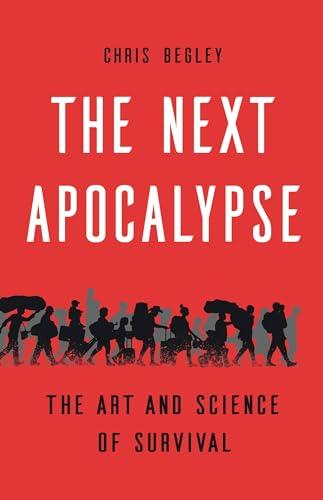
I've been reading this very good book just started last night. And I think we're going to have the author on the show soon. Chris Begley, he's an underwater archaeologist, and he wrote a book called The Lost City of the Apocalypse that's about collapses throughout history and how they actually differ from the popular conceptions of them.
And one of the points he makes is that this idea of like lost cities in dark jungles and whatnot is based entirely on misconceptions, first of all, about like what jungles are. And then second, unlike these these very Eurocentric ideas towards what lost means, like he points out that every time there's been a lost city discovered, it's because archaeologists just like ask the people living there where the ruins were.
And they're like, oh, yeah, it's like right over there. Like we've known about this since forever. It was never lost. We just stopped living in that specific area.
And the other thing he points out is that like this idea of a jungle as like a difficult and primeval place is ridiculous. If you had to pick anywhere to be stranded in the world of terms of bio regions, you would pick a jungle like the Amazon because it's pretty easy to survive there.
It's called The Next Apocalypse, and it's very good so far.
Episode: It Could Happen Here Weekly 17
The book examines collapses throughout history and how they differ from the popular conceptions of them. The author also discusses the concept of lost cities in dark jungles, explaining that they were never truly lost but were merely abandoned by the people who lived there.
And I think we're gonna have the author on the show soon Chris Begley. He's an underwater archaeologist and he wrote a book called The next apocalypse that's about Collapses throughout history and how they actually differ from the popular
He actually talks about a lot of the stuff we talked about in this show And one of the points he makes is that This idea of like lost cities in dark jungles and whatnot is based entirely on
misconceptions first of all about like what jungles are and then second on like the these these very Eurocentric ideas towards what lost means like he points out that every time there's been a lost
City or civilization discovered it's because archaeologists just like asked the people living there where the ruins were in there. Oh, yeah It's like right over there. Like we've known about this since forever. It was never lost We just stopped living in that specific area
It's called the next apocalypse and it's it's very good so far. Chris Begley is the author
Episode: It Could Happen Here Weekly 19
The book focuses on the historical perspective of societal collapse and how it contrasts with the common fictional narratives. It explores the impact of climate change, globalization, and the politicization of crises on societal resilience.
The basic thrust of your book is that the way in which we think about civilizations falling or collapsing or however you you know the ways in which folks tend to discuss that and we're talking about the Maya or the Romans Is is very different from what archaeologists who tend to study these cultures how they tend to perceive of What you might more accurately call a decline or you know the decentralization or whatever I think there's a number of terms that we could use but these ideas that like you have these civilizations and then they suddenly fall apart Are not really based in rigorous historical analysis. Usually there's some cases as you go into the book
The big thing for me was How it became politicized so quickly, you know that was You know in the You know you know well now you see all of the memes you know Talking about the zombie movies where half the population doesn't believe there's zombies or something You know that was never really on the radar at least not on my radar Before and so now You know it is because clearly Not only do these things happen and then you have a group of people that are dealing with it You have obviously the dynamics within the group which which of course we knew but to see it play out in this way in this sort of dramatic way that really altered the course of History, I mean the pandemic could have turned out You know differently.
It's uneven It's not equal for everybody It's not Equal over space and time and certainly depending on your position in society There's different ways in which it It plays out for you You know and that's something that we see we see it from you know access to Vaccines to Well, I mean even things like you know, if we think about folks that are unvaccinated now there's a you know a chunk of those people that are Doing it for a sort of political reasons or other ideological reasons, but there's also a big A big group of those folks that are doing it because History shows that they should be wary of anything that Society tries to do to them and so, you know, you have these these things playing out for different ways for you know people from different regions of the country or political orientations or race or ethnicity or You know a whole variety of things and so seeing how uneven it was the pandemic Makes me think that you know, it certainly was that way then
The last time that humans lived where a significant portion of the population was Hunters and gatherers that is not farmers there was like 1 15th of the current population, you know less than 500 million people in the world So even a catastrophic disaster that you know reduced us to 85 percent of you know 15 percent of the current population We're still going to have more people in the world than ever lived without agriculture. And so we're gonna have to um Recreate some of these systems and you know agriculture by and large is going to be a community-based
A huge percent of the population Was engaged directly in agriculture And you know here in the it well in the industrialized world is typically less than five percent less than that even in the united States most people like me don't Don't engage in it and you know I know something about gardening perhaps like everybody else but you know I'm not a farmer. I don't really have that collective Wisdom and if I had to do that, um You know Probably it's like a lot of other things when everything's easy. It's not so bad Yeah When it goes bad, it really helps to know what you're doing and of course everything goes bad sooner or later and so um you know that's that kind of uh things very important, you know, and I think also there could certainly local systems and some flexible scale Would be really important you know, so i'm also like you a proponent of Of this sort of thing you know if we can get everybody to participate in ways that we aren't now That'll give us some flexibility What if what if we do have supply chain problems Well, we have a number of people in the community that are already doing some of this stuff that could maybe be Expanded or get us through this Period so yeah yeah
Episode: It Could Happen Here Weekly 19
The book challenges the common perception of societal collapses as sudden events, suggesting a more gradual decline based on historical analysis.
The basic thrust of your book is that the way in which we think about civilizations falling or collapsing or however you you know, the ways in which folks tend to discuss that when we're talking about the Maya or the Romans is is very different from what archaeologists who tend to study these cultures, how they tend to perceive of what you might more accurately call a decline or, you know, a decentralization or whatever. I think there's a number of terms that we could use.
The big thing for me was how it became politicized so quickly.
And that's the that's really something that, you know, even with covid, it shows that right, you know, the the problems are not only the existence or the appearance of this virus, but first of all, how did it appear? And that has to do with, you know, decreasing habitat for wild animals and the proximity of human populations to animals.
The stockpiling, you know, as well.
And one of the things that, you know, that I found was that the last time that humans lived, where a significant portion of the population was hunters and gatherers, that is not farmers. There was like one 15th of the current population, you know, less than 500 million people in the world.
Episode: It Could Happen Here Weekly 17
It is a book about collapses throughout history and how they differ from popular conceptions of them. It was said to be a very good book, specifically about a third of the way through, and that it talked about a lot of the stuff mentioned in the podcast.
I've been reading this very good book just started last night. And I think we're going to have the author on the show soon. Chris Begley, he's an underwater archaeologist, and he wrote a book called The Lost City of the Apocalypse that's about collapses throughout history and how they actually differ from the popular conceptions of them. And he actually talks about a lot of the stuff we talk about in this show.
And one of the points he makes is that this idea of like lost cities in dark jungles and whatnot is based entirely on misconceptions, first of all, about like what jungles are. And then second, unlike these these very Eurocentric ideas towards what lost means, like he points out that every time there's been a lost city discovered, it's because archaeologists just like ask the people living there where the ruins were. And they're like, oh, yeah, it's like right over there. Like we've known about this since forever. It was never lost. We just stopped living in that specific area.
It's called The Next Apocalypse, and it's very good so far.
Episode: It Could Happen Here Weekly 17
The book examines historical collapses and how they differ from popular conceptions. The author debunks the misconception of lost cities and jungles, arguing that the idea of 'lost' is Eurocentric and that such cities were never truly lost, but rather abandoned. The book also highlights the unique features of jungles, specifically the Amazon, and how they are not barren but rather contain food forests that were deliberately engineered by native populations.
And I think we're gonna have the author on the show soon Chris Begley
It's called the next apocalypse and it's it's very good so far
I think we're gonna have him on next week