The Clash of Civilizations and the Remaking of World Order
Samuel P. Huntington
Mentioned 5 months ago
It Could Happen Here Weekly 220
There’s a reason the History Channel has produced hundreds of documentaries about Hitler but only a few about Dwight D. Eisenhower. Bad guys (and gals) are eternally fascinating. Behind the Bastards dives in past the Cliffs Notes of the worst humans in history and exposes the bizarre realities of th...
Recently mentioned
Samuel P. Huntington
Mentioned 5 months ago
It Could Happen Here Weekly 220
Robert D. Kaplan
Mentioned 5 months ago
It Could Happen Here Weekly 220
Elizabeth J. Perry
Mentioned 5 months ago
It Could Happen Here Weekly 220

J.R.R. Tolkien
Mentioned 5 months ago
Part One: How Jeffrey Epstein Helped Build the Modern World
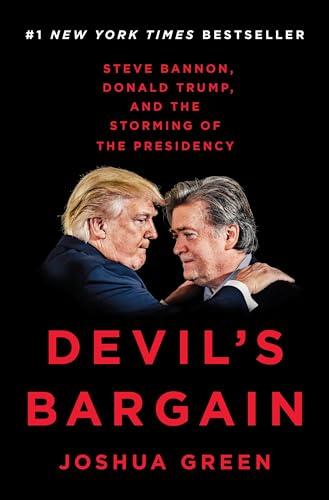
Joshua Green
Mentioned 5 months ago
Part One: How Jeffrey Epstein Helped Build the Modern World
Professor Gilles Deleuze
Mentioned 5 months ago
It Could Happen Here Weekly 219
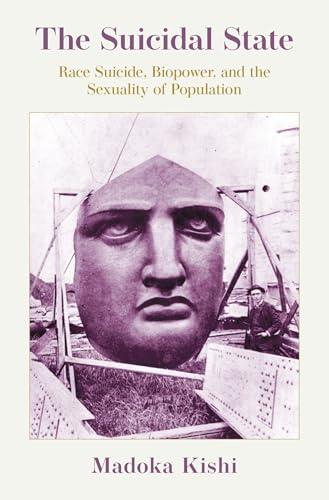
Madoka Kishi
Mentioned 5 months ago
It Could Happen Here Weekly 219
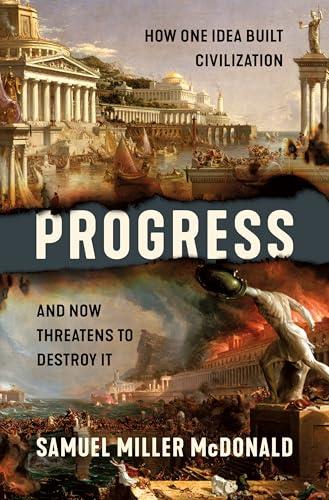
Samuel Miller McDonald
Mentioned 5 months ago
It Could Happen Here Weekly 219
Klaus Mann
Mentioned 5 months ago
It Could Happen Here Weekly 219
Mentioned 5 months ago
The Greg Bovino Episode Extravaganza!
Robert A. Heinlein
Mentioned 5 months ago
The Greg Bovino Episode Extravaganza!
John Lindsay-Poland
Mentioned 5 months ago
It Could Happen Here Weekly 218
Building Solidarity During This Crisis (and the Next)
It was mentioned as a long book, but the last two chapters were recommended as valuable for their exploration of mutual aid in a historical and biological context.
Mutual Aid is quite long.
— Episode: It Could Happen Here Weekly 88
It was mentioned as a long book, but the last two chapters were recommended as valuable for their exploration of mutual aid in a historical and biological context.
Mutual Aid is quite long.
Kropotkin's book Mutual Aid is quite long.
A really good book that was recommended to help understand and get started with mutual aid.
Well, well first I hope that people have read Mutual Aid by Dean Spade.
Strongly recommended as a good starting point for learning about mutual aid.
I hope that people have read Mutual Aid by Dean Spade.
It was strongly recommended as a good book to get started with understanding mutual aid.
Well, well first I hope that people have read "Mutual Aid" by Dean Spade.
Recommended as a primer for those interested in getting into mutual aid work.
I hope that people have read Mutual Aid by Dean Spade.
It was strongly recommended as a primer on mutual aid.
Well, well first I hope that people have read Mutual Aid by Dean Spade.
Strongly recommended as a good starting point for learning about mutual aid.
Well, first, I hope that people have read Mutual Aid by Dean Spade.
A John, Dave, and Amy Novel (John Dies at the End, 4)
It was mentioned as the fourth book in the John Dies at the End series, and was heavily recommended for its humor, having impacted the speaker's sense of humor since childhood.
It is the fourth novel in the John Dies at the End series, which I started reading when I was like 12 or 13 and has had a big impact on my sense of humor.
— Episode: Part Four: MKUltra: When The CIA Tried t...
It was mentioned as the fourth book in the John Dies at the End series, and was heavily recommended for its humor, having impacted the speaker's sense of humor since childhood.
It is the fourth novel in the John Dies at the End series, which I started reading when I was like 12 or 13 and has had a big impact on my sense of humor.
So I cannot recommend your books enough.
the title is, If This Book Exists, You're in the Wrong Universe.
It has a lime green cover.
If you buy books based purely on the color of the cover, this one is neon lime green.
It was mentioned as being available in various formats and was recommended due to its humorous and insightful content regarding the MKUltra topic.
It's called If This Book Exists, You're in the Wrong Universe. That is coming out right around the time you're listening to this.
It has a lime green cover. You cannot miss it on the shelf if you go buy it in a physical bookstore, which virtually none of you will do.
Find Jason's book there.
It was promoted as a work of fiction, a sequel to the movie 'John Dies at the End', and was discussed as a follow-up book within the same universe.
It is not a book about MKUltra or anything we're talking about today. It is a work of fiction that is a sequel to the film and movie John Dies at the End, which fans of mine know that well, people who have never heard of me. Look it up.
This is a sequel to the book/film John Dies at the End that exists as both of those things. If you're a fan of that series, this is the latest book.
It is the sixth book in the John Dies at the End series, and was being promoted during the episode. It was mentioned as being episodic and able to be enjoyed without reading the other books in the series.
The one that is coming out, the one that I am here promoting is the sixth, called If This Book Exists, You're in the Wrong Universe. It is part of the John Dies at the End franchise.
Again, the title is, If This Book Exists, You're in the Wrong Universe.
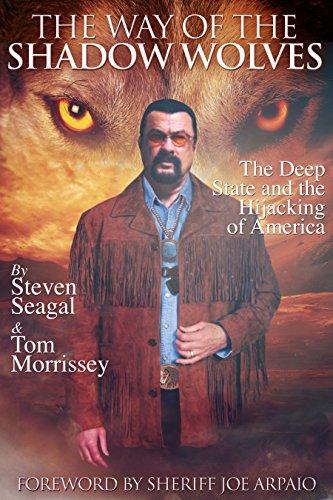
It was mentioned as a book Steven Seagal had written, allegedly about Barack Obama's supposed attempt to conquer the country. The content was described as Fox News talking points filtered through Alex Jones' craziness.
He did write luck He did write a book recently The Way Of The Shadow Wolves with someone else
— Episode: Part Two: Steven Seagal Is So Much Worse...
It was mentioned as a book Steven Seagal had written, allegedly about Barack Obama's supposed attempt to conquer the country. The content was described as Fox News talking points filtered through Alex Jones' craziness.
He did write luck He did write a book recently The Way Of The Shadow Wolves with someone else
We will we'll we'll that has to be another there was just too much. There's you're acting. I couldn't cover it It's about how obama tried to conquer the country It's really like all of the fox news talking points like filtered through alex jones' craziness into the mind of a very very dumb man who doesn't care about the truth
It was described as a terrible book that Sheriff Joe Arpaio wrote the introduction for, which was mentioned during a discussion about Arpaio's posse.
Joe Arpaio wrote the intro to Steven Seagal's terrible book, The Way Of The Shadow Wolves.
Horrible. Don't read it. But listen to our episode on it.
It was mentioned that Steven Seagal had recently written a book that supposedly focused on Obama attempting to conquer the country, which was described as a combination of Fox News talking points and Alex Jones's style of rhetoric.
He did write luck He did write a book recently The Way Of The Shadow Wolves with someone else
We will we'll we'll that has to be another there was just too much. There's you're acting. I couldn't cover it It's about how obama tried to conquer the country It's really like all of the fox news talking points like filtered through alex jones' craziness into the mind of a very very dumb man who doesn't care about the truth
It was described as a terrible book, and Sheriff Arpaio wrote the introduction for it.
Joe Arpaio wrote the intro to Steven Seagal's terrible book, The Way Of The Shadow Wolves.
It was described as a self-published, poorly-written book with a ridiculous cover featuring a photoshopped image of Steven Seagal and a wolf. The story was described as being nonsensical, with terrible grammar and an overarching plot that seemed to involve cartel and jihadist activity.
It's called The Way Of The Shadow Wolves the deep state
It's written by Steven Seagal and a fellow named Tom Morrissey
Vulture called it completely batshit insane the Phoenix New Times called it garbage and breathtakingly bad Hard to follow who's speaking Fight scenes that were even more boring than the dialogue.
How does that pig blood feel asshole? Is it starting to course through your veins maybe even my god profit? Maybe oh my god off the profit. Oh my god
I have a special delivery from you from the Prophet. He laughs and then He Does a deep stab into the Persian's throat killing him instantly.
It was described as a terrible book, with Joe Arpaio writing the introduction. It was mentioned as part of the discussion about Arpaio's posse and Steven Seagal's involvement.
Joe Arpaio wrote the intro to Steven Seagal's terrible book, The Way Of The Shadow Wolves.
It was described as a self-published, poorly written book, with a ridiculous cover and a plot involving Steven Seagal's self-insert character, a US Marshal, battling the deep state and jihadists.
It's called The Way Of The Shadow Wolves the deep state.
the deep state and the hijacking of America
Vulture called it completely batshit insane the Phoenix New Times called it garbage and breathtakingly bad Hard to follow who's speaking Fight scenes that were even more boring than the dialogue.
How does that pig blood feel asshole? Is it starting to course through your veins maybe even my god profit? Maybe oh my god off the profit. Oh my god And then may and then it continues it says I have a special delivery from you from the Prophet. He laughs and then He Does a deep stab into the Persian's throat This is a quote from the book killing him instantly. He drops to the ground on his way to meet Allah.
It's unreadable, it's It's it's one of the worst things I've ever read in my life It was to you. It compares poorly to true allegiance
The First 5,000 Years,Updated and Expanded
It was recommended for its discussion of chartelism, a school of economic thought that pre-dates MMT, and for its exploration of the history of money, which dates back 5,000 years.
And he kind of introduced me to ideas from a school of economic thought called chartelism.
— Episode: It Could Happen Here Weekly 29
It was recommended for its discussion of chartelism, a school of economic thought that pre-dates MMT, and for its exploration of the history of money, which dates back 5,000 years.
And he kind of introduced me to ideas from a school of economic thought called chartelism.
And chartelism is kind of the theoretical forebear of MMT.
And chartelism over 100 years before this is putting out very similar ideas around money that is created by states in order to marshal physical resources. They call it biophysical resources.
And Graeber goes through these wonderful examples of silver and other metals being used as international means of payment.
But he says, in order to get from the domestic money into the international money, you need to have these linkages of experts in the temple and the trade networks to get together and make credit instruments, which knit them together into this trade network.
Anthropologist David Graeber, in his book *Debt: The First 5,000 Years*, described the consequences of an IMF austerity program in Madagascar in which a malaria outbreak killed 10,000 people because the government had to cut mosquito eradication programs due to IMF-imposed austerity.
The anthropologist David Graeber described the consequence of one such IMF austerity program in Debt the first 5,000 years quote For almost two years. I had lived in the highlands of Madagascar Shortly before I arrived there had been an outbreak of malaria It was a particularly virulent outbreak because malaria had been wiped out in Highland, Madagascar many years before So that after a couple of generations most people had lost their immunity The problem was it took money to maintain those mosquito eradication programs since there had to be periodic tests to make sure mosquitoes weren't starting to breed again and Spraying campaigns if it was discovered that they were not a lot of money But owing to IMF imposed austerity programs the government had to cut the monitoring program 10,000 people died. I met young mothers grieving for lost children One might think it would be hard to make a case that the loss of 10,000 human lives is really justified in order to ensure That Citibank wouldn't have to cut its losses on one irresponsible loan. That wasn't particularly important to its balance sheet anyways
David Graeber's book, "Debt: The First 5,000 Years", was mentioned as being a better, more important read than "The Heart of Empire."
But I think like, you know, and there was like a lot of like people saying things about like the Agora, you know Democracy the sort of political the political and count space of encounter and that stuff wasn't all wrong Like I mean, I'm sort of being a little sarcastic with a lot of it but I think like like there there was a lot of You know Part of how we I think we should understand the over discussed under and under you know Like over analyzed word neoliberalism that like has largely become meaningless one of the things I should I think I think it's valuable for understanding is a process by which capitalism responded to the long 60s by Disorganizing its production process such that the long 60s could never happen again, right? so like like the for the control the like the concentration of workers within within production in such a way that they could be agitated by students and then like sort of radically unionized Wildcat and sort of like almost overthrow government, right? Like the neoliberalism is like, you know, it smashes the unions Yes, but it also it also like Distributes out the active production right so that so that that's not so easily done. And I think one of the real Problems of you know that was facing social movement, you know in the period, you know the long period like, you know You had stuff like in the US again This is where I know the best but like, you know, you have the LA uprising which is huge And you have you know, the the glow the summit hopping movement and anti globalization which you know It could attack a target but there wasn't really a sense of like how it felt hard to do a local struggle beyond like literally like a Revolutionary riot like LA which you know, you can't really precipitate I mean, you can't really precipitate a movement either obviously, but I think like but like but like a A political a political movement a form of political organizing that didn't require something on the level of George Floyd Which is what the LA rebellion was, right? but that also didn't require like an action from capital that you were like striking against right like the the the You know the summits or whatever and that again and like all of these areas are very important This is not to like, you know, obviously like this is with with respect for those movements But yeah, we felt I think it felt like we were in a political wilderness and I think that that like Occupy really and the movement of the squares globally, I think Really like demonstrated that it was possible to practice a kind of street politics even without You know a shop floor where you can organize even without you know a Capital P party to organize within and I think that was really important I think it also scared a lot of people who and continues to who are committed to those politics. Yeah, and To the 20th century workers movement or the 19th and 20th century labor movement Which they somehow fantasize will come back if they just wish hard enough and write books or whatever and I think like So I think that was powerful. I also think like like Yeah, sorry, we can move on to legacy later but yes, I think that was like I think that was very much like an important thing was was just like and you know, I Graduated college in 2009 So I was like part of that millennial generation that like, you know had gone into incredibly deep Debt Yeah, like we'd have a college degree and then like the bottom fell out of the economy. There were no jobs And like I think there were a lot of you know, like people who like had anticipated a middle-class life Of some kind not that I really had at that point But whatever like but a lot of people like in my economic cohort like had Suddenly facing you know proletarianization right and I think that was one of the strengths of the movement I think that was that you know, like I mentioned the statistics in great in Spain and Greece Like I think that was a global aspect of this kind of movement Arab Spring to like there was there was a lot of like that was really a response to the economic crisis Obviously those folks were already more proletarian than the people who the young people in the squares movements But they they innovated they created the tactics in Arab Spring right, um, Tahrir Square most famously in Cairo and I think like those creating a meeting place where you didn't require a Pre-constructed like political community in order to engage was a strength and a weakness And I think it also, you know as a result of the dynamics of the General Assembly It led to a lot of people who were already confident who are already feeling good being able to like take more power, right like And I think it also was a very white movement certainly in New York But but I think I think across the country. It was largely it was largely, you know, it was it was majority white in a way that You know by higher percentages than any movement that we've really been part of since was And that was obviously a limit for reasons that will be obvious to everyone Including the idea that like a lot of people pushed that like the police are part of the 99% Yeah, right
The book introduced the speaker to the idea of chartelism, which is a school of economic thought that pre-dates modern monetary theory, or MMT, and puts out similar ideas on money being created by states in order to marshal resources.
And a book that really shaped my initial understanding was David Graeber's Debt, The First 5,000 Years.
And it's excellent. It's very long and it's a bit scattered, but I love what he put together with it.
So it's about the origins of money. And origins of money, it turns out, are at least 5,000 years ago, as the title says.
The book was mentioned as a good book, in comparison to "Heart of Darkness", a book that was said to be "embarrassingly" important. The book was described as "important."
But I think like, you know, and there was like a lot of like people saying things about like the Agora, you know Democracy the sort of political the political and count space of encounter and that stuff wasn't all wrong Like I mean, I'm sort of being a little sarcastic with a lot of it but I think like like there there was a lot of You know Part of how we I think we should understand the over discussed under and under you know Like over analyzed word neoliberalism that like has largely become meaningless one of the things I should I think I think it's valuable for understanding is a process by which capitalism responded to the long 60s by Disorganizing its production process such that the long 60s could never happen again, right? so like like the for the control the like the concentration of workers within within production in such a way that they could be agitated by students and then like sort of radically unionized Wildcat and sort of like almost overthrow government, right? Like the neoliberalism is like, you know, it smashes the unions Yes, but it also it also like Distributes out the active production right so that so that that's not so easily done. And I think one of the real Problems of you know that was facing social movement, you know in the period, you know the long period like, you know You had stuff like in the US again This is where I know the best but like, you know, you have the LA uprising which is huge And you have you know, the the glow the summit hopping movement and anti globalization which you know It could attack a target but there wasn't really a sense of like how it felt hard to do a local struggle beyond like literally like a Revolutionary riot like LA which you know, you can't really precipitate I mean, you can't really precipitate a movement either obviously, but I think like but like but like a A political a political movement a form of political organizing that didn't require something on the level of George Floyd Which is what the LA rebellion was, right? but that also didn't require like an action from capital that you were like striking against right like the the the You know the summits or whatever and that again and like all of these areas are very important This is not to like, you know, obviously like this is with with respect for those movements But yeah, we felt I think it felt like we were in a political wilderness and I think that that like Occupy really and the movement of the squares globally, I think Really like demonstrated that it was possible to practice a kind of street politics even without You know a shop floor where you can organize even without you know a Capital P party to organize within and I think that was really important I think it also scared a lot of people who and continues to who are committed to those politics. Yeah, and To the 20th century workers movement or the 19th and 20th century labor movement Which they somehow fantasize will come back if they just wish hard enough and write books or whatever and I think like So I think that was powerful. I also think like like Yeah, sorry, we can move on to legacy later but yes, I think that was like I think that was very much like an important thing was was just like and you know, I Graduated college in 2009 So I was like part of that millennial generation that like, you know had gone into incredibly deep Debt Yeah, like we'd have a college degree and then like the bottom fell out of the economy. There were no jobs And like I think there were a lot of you know, like people who like had anticipated a middle-class life Of some kind not that I really had at that point But whatever like but a lot of people like in my economic cohort like had Suddenly facing you know proletarianization right and I think that was one of the strengths of the movement I think that was that you know, like I mentioned the statistics in great in Spain and Greece Like I think that was a global aspect of this kind of movement Arab Spring to like there was there was a lot of like that was really a response to the economic crisis Obviously those folks were already more proletarian than the people who the young people in the squares movements But they they innovated they created the tactics in Arab Spring right, um, Tahrir Square most famously in Cairo and I think like those creating a meeting place where you didn't require a Pre-constructed like political community in order to engage was a strength and a weakness And I think it also, you know as a result of the dynamics of the General Assembly It led to a lot of people who were already confident who are already feeling good being able to like take more power, right like And I think it also was a very white movement certainly in New York But but I think I think across the country. It was largely it was largely, you know, it was it was majority white in a way that You know by higher percentages than any movement that we've really been part of since was And that was obviously a limit for reasons that will be obvious to everyone Including the idea that like a lot of people pushed that like the police are part of the 99% Yeah, right
David Graeber, who was involved in the early days of Occupy, had claimed that the police were hesitant to clear the encampment because of the fear of being hacked. This was due to an earlier hacking campaign called Anti-SEC.
David Graeber rest in peace who is there in the early days organizing claimed and That he had he had heard and talked to the some of the like Overheard the police talking about the reason they didn't sweep at the occupy encampment the first day when we were pretty weak frankly Or the first week was because there were a bunch of guy Fox masks and they were scared They were scared They were gonna get hacked They were scared we were gonna hack them and steal their yeah, so so it was a weird time indeed Yeah Yeah
The book was mentioned as a better book than Heart of Empire.
There was a lot of people talking about embarrassingly about heart and neck Riz, sort of like really a really a much better book that was important was also David Graeber's Debt.
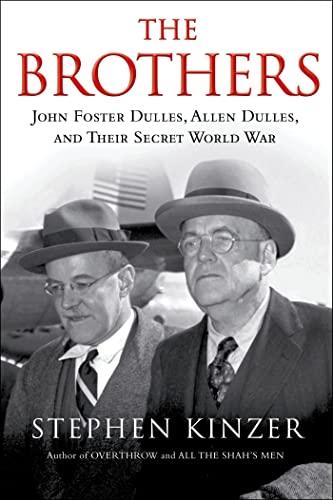
John Foster Dulles, Allen Dulles, and Their Secret World War
It was described as providing a good overview of the Dulles brothers' childhood, including their upbringing and the influence of their family, particularly their grandfather and uncle.
early every summer morning in the first years of the 20th century, two small boys awoke as dawn broke over Lake Ontario. Their day began with a cold bath, the only kind their father allowed. After bre...
— Episode: Part One: How The Dulles Brothers Create...
It was described as providing a good overview of the Dulles brothers' childhood, including their upbringing and the influence of their family, particularly their grandfather and uncle.
early every summer morning in the first years of the 20th century, two small boys awoke as dawn broke over Lake Ontario. Their day began with a cold bath, the only kind their father allowed. After breakfast, they gathered with the rest of their family on the front porch for a Bible reading, sang a hymn or two, and knelt as their father led them in prayer. Their duty done, they raced to the shore where their grandfather and uncle were waiting to take them out to stalk the wily smallmouth bass.
muscular, assertive foreign policy that would force weaker countries to trade with Americans on terms Americans considered fair.
Sullivan and Cromwell played an important role in the development of modern capitalism by helping to organize what its official history calls some of America's greatest industrial, commercial and financial enterprises.
It was recommended as a good starting point to learn about the Dulles brothers, and served as a basis for much of the podcast's discussion about their lives and influence.
quote all were gregarious intrigued by possibilities liked to do things had three bright ideas a day shared the optimism of stock market plungers and were convinced that every problem had its handle and that the CIA should find a way to reach it the intelligence historian thomas powers has written they also tended to be white anglo-saxon patricians from old families with old money at least at the beginning and they somehow inherited traditional british attitudes towards the colored races of the world not the puka sahib arrogance of the indian raj but the mixed fascination and condescension of men like te lawrence who were enthusiastic partisans of the alien cultures into which they dipped for a time and rarely doubted their ability to help until it was too late these were the best men who formed the core of the early CIA most came from privileged backgrounds that isolated them from ordinary life and had gone to the right schools during the war they had traded genteel lives for death-defying adventures upon returning home they found the quiet routines of peace unfulfilling
It was described as providing a good overview of the Dulles brothers' childhood and upbringing, particularly the influence of their influential family members.
early every summer morning in the first years of the 20th century, two small boys awoke as dawn broke over Lake Ontario. Their day began with a cold bath, the only kind their father allowed. After breakfast, they gathered with the rest of their family on the front porch for a Bible reading, sang a hymn or two, and knelt as their father led them in prayer. Their duty done, they raced to the shore where their grandfather and uncle were waiting to take them out to stalk the wily smallmouth bass.
muscular, assertive foreign policy that would force weaker countries to trade with Americans on terms Americans considered fair.
Sullivan and Cromwell played an important role in the development of modern capitalism by helping to organize what its official history calls some of America's greatest industrial, commercial and financial enterprises.
It was recommended as a starting point for learning about the Dulles brothers, summarizing their history, personalities, and actions throughout their careers.
quote all were gregarious intrigued by possibilities liked to do things had three bright ideas a day shared the optimism of stock market plungers and were convinced that every problem had its handle and that the CIA should find a way to reach it
the intelligence historian thomas powers has written they also tended to be white anglo-saxon patricians from old families with old money at least at the beginning and they somehow inherited traditional british attitudes towards the colored races of the world not the puka sahib arrogance of the indian raj but the mixed fascination and condescension of men like te lawrence who were enthusiastic partisans of the alien cultures into which they dipped for a time and rarely doubted their ability to help until it was too late
It was described as giving a good overview of the Dulles brothers' upbringing, particularly their summers spent with their influential grandfather on Lake Ontario.
early every summer morning in the first years of the 20th century, two small boys awoke as dawn broke over Lake Ontario. Their day began with a cold bath, the only kind their father allowed. After breakfast, they gathered with the rest of their family on the front porch for a Bible reading, sang a hymn or two, and knelt as their father led them in prayer. Their duty done, they raced to the shore where their grandfather and uncle were waiting to take them out to stalk the wily smallmouth bass.
The native inhabitants had proved themselves incapable of maintaining a respectable and responsible government and lacked the energy or will to improve the advantages with which Providence had given them.
Sullivan and Cromwell played an important role in the development of modern capitalism by helping to organize what its official history calls some of America's greatest industrial, commercial and financial enterprises.
It was mentioned as a book that potentially led to the Bosnian genocide, although it was said in a joking context.
We probably don't have the Bosnian genocide without The Pelican Brief obviously, right?
— Episode: Part One: The Bastards of Reality Televi...
It was mentioned as a book that potentially led to the Bosnian genocide, although it was said in a joking context.
We probably don't have the Bosnian genocide without The Pelican Brief obviously, right?
The book was mentioned in relation to another book that was being challenged, and it was implied that the two were similar in content.
The Pelican Brief, basically identical.
It was mentioned as a possible book that featured Carlos the Jackal, though it was not confirmed.
Is he the one in The Pelican Brief?
It was mentioned in passing as a book that might have contributed to the Bosnian genocide, in a humorous and sarcastic way.
We probably don't have the Bosnian genocide without The Pelican Brief obviously, right?
It was mentioned as a possible book that Carlos the Jackal may have been featured in, although this was not confirmed.
Is he the one in The Pelican Brief?
It was mentioned as a possible book featuring Carlos the Jackal, although it was later clarified that he was featured in 'The Day of the Jackal'.
Is he the one in The Pelican Brief?
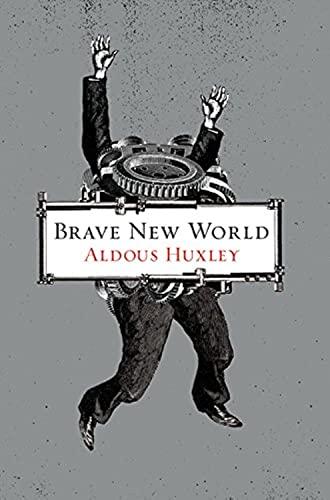
Brave New World is a dystopian novel set several hundred years in the future where emotions and individuality are conditioned out of children, and everyone belongs to everyone else. The novel contrasts with Island by showing how humans can become less than human due to technological and sociological efforts.
Brave New World and Ireland, right?
— Episode: It Could Happen Here Weekly 23
Brave New World is a dystopian novel set several hundred years in the future where emotions and individuality are conditioned out of children, and everyone belongs to everyone else. The novel contrasts with Island by showing how humans can become less than human due to technological and sociological efforts.
Brave New World and Ireland, right?
Brave New World is the more famous of the two.
Brave New World, Brave New World, it's really up there with 1984 in terms of its notoriety. It is one of the quintessential dystopias.
It's set several hundred years into the future.
Brave New World, it's written before Huxley had psychedelics. It was like his version of drug use is so different in that book, it's more like a pacifying drug.
The book is set hundreds of years in the future, and is one of the quintessential dystopias. It is a world state where emotions and individuality are conditioned out of children, and everyone belongs to everyone else. Children are created in factories and generated to be part of specific classes.
I read Brave New World in high school, but I have not read Ireland.
It is like one of the quintessential dystopias.
They say things like by Ford's name and that kind of thing, you know?
They don't do like genetic, um, like coding, whatever. They just, they do a chemical concoctions in those sort of test tubes.
It is really interesting that that, he changes what drugs do in his books. After he starts doing them.
It is a quintessential dystopia, set several hundred years in the future, where emotions and individuality are conditioned out of children, and everyone belongs to everyone else. Children are created in factories, and assigned to specific social classes based on their genetic predispositions.
It is the more famous of the two. I don't think a lot of people have heard of Ireland compared to Brave New World. Because I mean, Brave New World is like... I read Brave New World in high school, but I have not read Ireland.
And it's like, it really says a lot about society that we read about the dystopias, but not the utopias.
But anyway, Brave New World, Brave New World, it's really up there with 1984 in terms of its notoriety. It is one of the quintessential dystopias.
It's set several hundred years into the future. Unlike 1984, which took place several decades ago, Brave New World was set in 2540 CE. So yeah, we're several hundred years Star Trek times.
But however, in the book, it isn't called 2550 CE. It's called 632 AF. AF standing for after Ford, because in this world, and I'm sure we'll get into this a bit, Henry Ford, the assembly line guy, the Model T guy, he is basically God. He is the God of their world, you know?
It's set several hundred years in the future and is a quintessential dystopia. Emotions and individuality are conditioned out of children in this society, where people are bred to belong to specific classes and are literally conditioned through chemicals and hormones. The story follows individuals within this society and contrasts it with the reservations where people are less restricted.
It is the more famous of the two. I don't think a lot of people have heard of Ireland compared to Brave New World.
It is like one of the quintessential dystopias.
They say things like by Ford's name and that kind of thing, you know?
It is like kind of like what's happening today, you know, in terms of the Greek alphabet.
And like they are literally conditioned, you know? So like in the factory, in the baby making factory, which is in this case, literal and not a euphemism for the womb.
It was mentioned as featuring research suggesting an inverse correlation between intelligence and fertility, and the book promoted a world population policy.
Aldous Huxley in 1948 cited research that suggested an inverse correlation between intelligence and fertility.
Basically, Huxley was pointing out that like intelligent people have less children and he called for a world population policy.
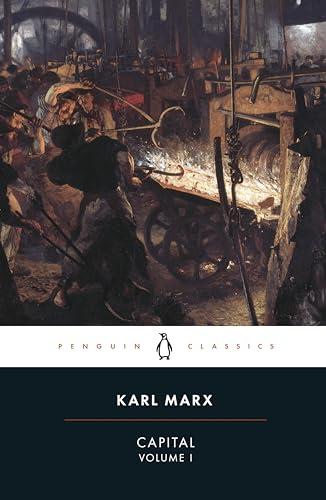
Volume I (Das Kapital series Book 1)
It was discussed as being a book that explored labor and the idea of immiseration theory, suggesting that workers' lives gradually worsen under capitalism.
Das Kapital is a book written way back in 1867 by Karl Marx, who Karl Marx was the founder of the Marx Brothers.
— Episode: Part Two: The Second American Civil War...
It was discussed as being a book that explored labor and the idea of immiseration theory, suggesting that workers' lives gradually worsen under capitalism.
Das Kapital is a book written way back in 1867 by Karl Marx, who Karl Marx was the founder of the Marx Brothers.
They transform his life into working time and drag his wife and child beneath the wheels of the juggernaut of Capital, but all production of surplus value or at the same time methods of accumulation and every extension of accumulation becomes conversely a means for the development of these methods.
This is a big part of Marxist theory. And it suggests, Marx kind of suggested that immiseration is what tends to produce revolutions.
in Marx's words, quote, 'destroy the actual content of his labor by turning it into a torment.'
In this book, Marx details the relationship between the worker and the boss, including the concept of surplus value.
So Marx was a experiment, a psychological experiment run by the by Harvard University that was included in 1897. But he wrote he wrote a bunch of books and one of those books is Capital and in Capital.
It was discussed in relation to immiseration theory, which posits that worker quality of life is gradually eroded by capitalist practices to increase profits, potentially leading to revolutions.
Das Kapital is a book written way back in 1867 by Karl Marx, who Karl Marx was the founder of the Marx Brothers.
destroy the actual content of his labor by turning it into a torment.
They transform his life into working time and drag his wife and child beneath the wheels of the juggernaut of Capital, but all production of surplus value or at the same time methods of accumulation and every extension of accumulation becomes conversely a means for the development of these methods.
It follows therefore that in proportion as Capital accumulates, the situation of the worker, be his payment higher low must grow worse.
The book was written by Karl Marx and explores Marxist economic theory, including the concept of surplus value.
So Marx was a experiment, a psychological experiment run by the by Harvard University that was included in 1897. But he wrote he wrote a bunch of books and one of those books is Capital and in Capital.
It was discussed as being very boring, but also important for its labour theories, particularly the 'immiseration theory'. It was mentioned in relation to the treatment of coal miners in the past.
Das Kapital is a book written way back in 1867 by Karl Marx, who Karl Marx was the founder of the Marx Brothers.
destroy the actual content of his labor by turning it into a torment.
They transform his life into working time and drag his wife and child beneath the wheels of the juggernaut of Capital, but all production of surplus value or at the same time methods of accumulation and every extension of accumulation becomes conversely a means for the development of these methods.
This is a big part of Marxist theory.
in proportion as Capital accumulates, the situation of the worker, be his payment higher low must grow worse.
It was described as a very boring book about Karl Marx's theories on labor and immiseration, the idea that cutting wages and benefits leads to a decline in worker quality of life and can cause revolutions.
Das Kapital is a book written way back in 1867 by Karl Marx, who Karl Marx was the founder of the Marx Brothers.
And immiseration theory is the idea that because cutting wages and benefits to workers is the easiest way to increase profits, right?
destroy the actual content of his labor by turning it into a torment.
This is a big part of Marxist theory.
in proportion as Capital accumulates, the situation of the worker, be his payment higher low must grow worse.
Secrets and Lies in a Silicon Valley Startup
It was described as a really good book that provided additional context to Holmes's childhood ambitions, showing a middle ground between her idealized self-image and a more critical perspective.
Bad Blood by John Kerry Rue provides, it's a really good book, provides additional context to Holmes's childhood ambition.
— Episode: Part One: Elizabeth Holmes: The CEO Who...
It was described as a really good book that provided additional context to Holmes's childhood ambitions, showing a middle ground between her idealized self-image and a more critical perspective.
Bad Blood by John Kerry Rue provides, it's a really good book, provides additional context to Holmes's childhood ambition.
Carrie Rhues interviews with people who knew Holmes as a child people who demands you actually finish the game even once it becomes clear that they're going to win because you can't roll the die without landing on one of their properties.
She usually won, but when she lost she would run off in a huff.
Carrie Ru notes that more than once she ran through the screen of the condo's front door.
That's pretty on brand.
It was described as a good book that provided more context about Elizabeth Holmes' childhood ambitions, offering a perspective between how she presented herself to Fortune and what Dr. Fuse described.
Bad Blood by John Kerry Rue provides, it's a really good book, provides additional context to Holmes's childhood ambition.
Liz the baby.
It was discussed in relation to Justin Maxwell, a Theranos employee who recommended the book, along with others, to Elizabeth Holmes before quitting. The book provided a look into how Holmes treated her employees.
She responded that she'd look for it when she was back at work the next morning.
Justin got angry and stormed off.
Elizabeth came by his office a little later to say she understood why he was upset but warned him, "don't ever walk off on me again."
Justin tried to remind himself that Elizabeth was very young and still had a lot to learn about running a company.
Lying as a disgusting habit and it flows through conversations here like it's our own currency the cultural disease here is what we should be keering before we try to tackle obesity.
It was described as a really good book that provided additional context to Holmes's childhood ambition, offering a middle ground between her self-portrayal and Dr. Fuse's perspective.
Bad Blood by John Kerry Rue provides, it's a really good book, provides additional context to Holmes's childhood ambition.
Liz the baby.
She usually won, but when she lost she would run off in a huff.
That's pretty on brand.
That one I believe because that both sounds like someone who grows up to do what she did and also sounds like a nine year old.
It was mentioned during a discussion about a product called Silent Cicada, which makes a personal air conditioner, as the book was about how pesticides are killing everything.
Silent Cicada, which makes me think of the book Silent Spring
— Episode: It Could Happen Here Weekly 114
It was mentioned during a discussion about a product called Silent Cicada, which makes a personal air conditioner, as the book was about how pesticides are killing everything.
Silent Cicada, which makes me think of the book Silent Spring
It was mentioned in relation to DDT, a pesticide made famous in the book, as the speaker assumed the other person was referencing it when they said 'DDT'.
And now I assume that you always carry a full canister of DDT on you at all times.
The Language of Fanaticism
It was mentioned in the context of Amway and its cult-like characteristics, particularly how it gaslights individuals into believing that failure is a personal shortcoming, not a systemic issue.
at Amway, the world's biggest MLM, anyone who works for an employer as opposed to an upline mentor is said with disdain to have a J-O-B or jackass of a boss.
— Episode: Part Two: Amway: The Gravedigger of Demo...
It was mentioned in the context of Amway and its cult-like characteristics, particularly how it gaslights individuals into believing that failure is a personal shortcoming, not a systemic issue.
at Amway, the world's biggest MLM, anyone who works for an employer as opposed to an upline mentor is said with disdain to have a J-O-B or jackass of a boss.
When you work for someone else, you will never get paid what you're worth, Amway's recruits are all taught to say.
It was cited as a source for information regarding William Penn Patrick and his Holiday Magic scheme, noting how his language and messaging were used as evidence against him.
Patrick's behavior was unhinged from all angles, but when the FTC brought him to court, their most compelling argument against him and what eventually allowed them to shut down Holiday Magic was their points about his speech.
Ultimately, the court ruled that Patrick's deceptive hyperbole, loaded buzzwords and gaslighting disguised as inspiration were what defined him as a pyramid schemer.
The book was mentioned in relation to the Amway business model, particularly the way Amway recruits were taught to view those who worked for traditional employers with disdain.
at Amway, the world's biggest MLM, anyone who works for an employer as opposed to an upline mentor is said with disdain to have a J-O-B or jackass of a boss.
When you work for someone else, you will never get paid what you're worth, Amway's recruits are all taught to say.
The book was quoted to highlight that William Penn Patrick's deceptive language, buzzwords, and gaslighting techniques were used to argue that Holiday Magic was a pyramid scheme and led to its shutdown.
Patrick's behavior was unhinged from all angles, but when the FTC brought him to court, their most compelling argument against him and what eventually allowed them to shut down Holiday Magic was their points about his speech.
Ultimately, the court ruled that Patrick's deceptive hyperbole, loaded buzzwords, and gaslighting disguised as inspiration were what defined him as a pyramid schemer.
The book was mentioned in the context of the Amway business model and how it manipulates its members into believing they're at fault if they fail, using techniques similar to those employed by cults.
at Amway, the world's biggest MLM, anyone who works for an employer as opposed to an upline mentor is said with disdain to have a J-O-B or jackass of a boss.
The book 'Cultish' was referenced when discussing Holiday Magic, mentioning how the court used Patrick's deceptive language and gaslighting as evidence for his pyramid scheme.
Patrick's behavior was unhinged from all angles, but when the FTC brought him to court, their most compelling argument against him and what eventually allowed them to shut down Holiday Magic was their points about his speech.
Ultimately, the court ruled that Patrick's deceptive hyperbole, loaded buzzwords and gaslighting disguised as inspiration were what defined him as a pyramid schemer.
The Complete and Uncut Edition
The mass death of the saiga antelope is compared to the plague in Stephen King's book "The Stand." Both events involve a deadly outbreak that spreads quickly and results in a horrifying number of casualties.
It sounds and honestly looks like Captain Trips, like the plague from Stephen King's "The Stand" that killed all of the people. Like just this horrible plague that makes everybody ble...
— Episode: It Could Happen Here Weekly 7
The mass death of the saiga antelope is compared to the plague in Stephen King's book "The Stand." Both events involve a deadly outbreak that spreads quickly and results in a horrifying number of casualties.
It sounds and honestly looks like Captain Trips, like the plague from Stephen King's "The Stand" that killed all of the people. Like just this horrible plague that makes everybody bleed out and drop where they're standing.
The bacterial infection affecting the saiga antelope was compared to a fictional plague from Stephen King's 'The Stand.'
It's like the worst cold ever, but also with your organs bleeding inside, which doesn't sound great. It sounds and honestly looks like Captain Trips.
Like just this horrible plague that makes everybody bleed out and drop where they're standing.
The podcast compares the symptoms of the saiga antelope plague to Captain Trips, the plague from Stephen King's novel "The Stand", that kills many people through internal bleeding and other gruesome means.
It sounds and honestly looks like Captain Trips, like the plague from Stephen King's "The Stand", that killed all of the people.
The speaker compared the symptoms of hemorrhagic septicemia to those of Captain Trips, the plague from Stephen King's novel "The Stand."
It's like the worst cold ever, but also with your organs bleeding inside, which doesn't sound great. It sounds and honestly looks like Captain Trips. Like the plague from Stephen King's "The Stand" that killed all of the people.
The book features a deadly plague known as Captain Trips, which causes internal bleeding and other gruesome symptoms. The saiga antelope deaths were described as similar to the effects of Captain Trips.
It sounds and honestly looks like Captain Trips, like the plague from Stephen King's The Stand that killed all of the people, like just this horrible plague that makes everybody bleed out and drop where they're standing.
The book mentions a plague called Captain Trips which causes internal bleeding and death. The symptoms of the bacterial infection suffered by the saiga antelope are described as similar to Captain Trips.
It's like the worst cold ever, but also with your organs bleeding inside, which doesn't sound great.
It sounds and honestly looks like Captain Trips.
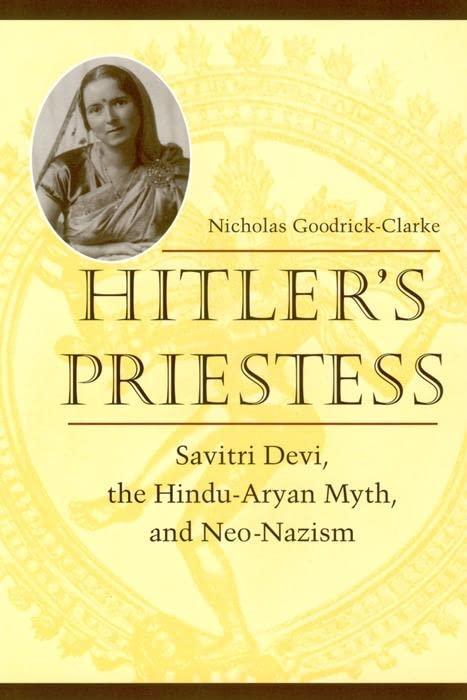
Savitri Devi, the Hindu-Aryan Myth, and Neo-Nazism
The book provided a decent, albeit flawed, biography of Savitri Devi, relying heavily on her own recollected memories of her life.
Le Conte de L'Ile's own tragic view of the universe. His romantic colors were always tinged with somber pessimism strongly appealed to Maximilani.
— Episode: CZM Rewind: Part One: Savitri Devi The W...
The book provided a decent, albeit flawed, biography of Savitri Devi, relying heavily on her own recollected memories of her life.
Le Conte de L'Ile's own tragic view of the universe. His romantic colors were always tinged with somber pessimism strongly appealed to Maximilani.
He regarded all religious symbols as fragments of a divine truth, but the profusion of faiths over time convinced him of the relative value and ultimate vanity of every doctrine.
Maximiani admits that she did not yet connect Hitler with her own dream of a new racial order based on her view of classical Greek antiquity.
Years later, she would recall that she spent such a sunlit afternoon upon the Acropolis on 9th October 1923, the fateful day of Hitler's Putsch when he and his followers had attempted to coup against the Bavarian government and staged a march to the Feldherne Hall in the center of Munich.
The police successfully broke up the march and 16 martyrs of the early Nazi movement fell beneath the hail of bullets. When the tales of the incident were published in the world press the following day, there was some discussion over lunch at the International Home Hostel, which is where she was crashing at the time.
It was described as the only decent biography of Savitri Devi, which was used as a major source for the podcast, and it contained information regarding her early life and her fascination with Hinduism.
disgusted her and turned her against mankind.
Lecont de Lille's own tragic view of the universe his romantic colors were always tinged with somber pessimism strongly appealed to Maximilani.
He regarded all religious symbols as fragments of a divine truth but the profusion of faiths over time convinced him of the relative value and ultimate vanity of every doctrine.
Beset by a sense of cosmic futility Lecont de Lille rejected Christianity and evoked the stoical heroism of barbarian and exotic peoples in his famous poem, cycle poems Barberes.
He was also powerfully attracted to Hinduism following the translation of its sacred texts in the 1840s, Maximilani felt a profound sympathy with Lecont de Lille's view of life's fragility, the vanity of existence and the illusion of the world his romantic poems about the ancient Egyptians the Scandinavians, the Celts and Hindus their proud paganism and heroic action yet final resignation in the face of death and oblivion confirmed her own aversion to Christianity and helped her form her own fatalistic world view.
It was described as the only decent biography of Savitri Devi, and was repeatedly mentioned throughout the podcast as a source of information about her life and ideology.
disgusted her and turned her against mankind.
Lecont de Lille's own tragic view of the universe his romantic colors were always tinged with somber pessimism strongly appealed to Maximilani. He regarded all religious symbols as fragments of a divine truth but the profusion of faiths over time convinced him of the relative value and ultimate vanity of every doctrine. Beset by a sense of cosmic futility Lecont de Lille rejected Christianity and evoked the stoical heroism of barbarian and exotic peoples in his famous poem, cycle poems Barberes. He was also powerfully attracted to Hinduism following the translation of its sacred texts in the 1840s, Maximilani felt a profound sympathy with Lecont de Lille's view of life's fragility, the vanity of existence and the illusion of the world his romantic poems about the ancient Egyptians the Scandinavians, the Celts and Hindus their proud paganism and heroic action yet final resignation in the face of death and oblivion confirmed her own aversion to Christianity and helped her form her own fatalistic world view.
years later she would recall that she spent such a sunlit afternoon upon the Acropolis on 9th October 1923 the fateful day of Hitler's Putsch when he and his followers had attempted to coup against the Bavarian government and staged a march to the Feldherne Hall in the center of Munich.
It was discussed as the main source of information about Savitri Devi, and the podcast host noted it was a decent biography mainly based on Devi's own writing.
disgusted her and turned her against mankind.
Lecont de Lille's own tragic view of the universe his romantic colors were always tinged with somber pessimism strongly appealed to Maximilani.
He regarded all religious symbols as fragments of a divine truth but the profusion of faiths over time convinced him of the relative value and ultimate vanity of every doctrine.
Beset by a sense of cosmic futility Lecont de Lille rejected Christianity and evoked the stoical heroism of barbarian and exotic peoples in his famous poem, cycle poems Barberes.
He was also powerfully attracted to Hinduism following the translation of its sacred texts in the 1840s, Maximilani felt a profound sympathy with Lecont de Lille's view of life's fragility, the vanity of existence and the illusion of the world his romantic poems about the ancient Egyptians the Scandinavians, the Celts and Hindus their proud paganism and heroic action yet final resignation in the face of death and oblivion confirmed her own aversion to Christianity and helped her form her own fatalistic world view.
years later she would recall that she spent such a sunlit afternoon upon the Acropolis on 9th October 1923 the fateful day of Hitler's Putsch when he and his followers had attempted to coup against the Bavarian government and staged a march to the Feldherne Hall in the center of Munich.
It was mentioned as the only decent biography of Savitri Devi, it was referenced several times as a source for information on her life and views. This is a paperback book.
disgusted her and turned her against mankind.
Lecont de Lille's own tragic view of the universe his romantic colors were always tinged with somber pessimism strongly appealed to Maximilani.
He regarded all religious symbols as fragments of a divine truth but the profusion of faiths over time convinced him of the relative value and ultimate vanity of every doctrine.
Beset by a sense of cosmic futility Lecont de Lille rejected Christianity and evoked the stoical heroism of barbarian and exotic peoples in his famous poem, cycle poems Barberes.
Maximilani felt a profound sympathy with Lecont de Lille's view of life's fragility, the vanity of existence and the illusion of the world his romantic poems about the ancient Egyptians the Scandinavians, the Celts and Hindus their proud paganism and heroic action yet final resignation in the face of death and oblivion confirmed her own aversion to Christianity and helped her form her own fatalistic world view.
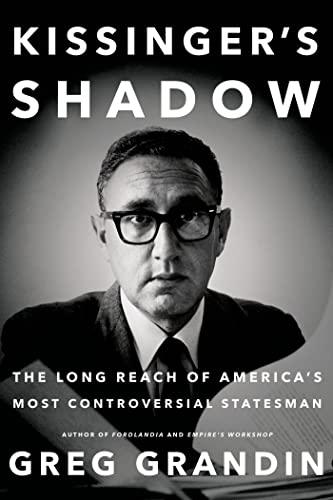
The Long Reach of America's Most Controversial Statesman
Greg Grandin's *Kissinger's Shadow* examines Kissinger's development of his political philosophy, noting that he adopted a worldview that emphasized action and power over morality and justice.
From these thinkers, Kissinger cobbled together his own view of how history operated.
— Episode: CZM Rewind: Kissinger Parts 1-3
Greg Grandin's *Kissinger's Shadow* examines Kissinger's development of his political philosophy, noting that he adopted a worldview that emphasized action and power over morality and justice.
From these thinkers, Kissinger cobbled together his own view of how history operated.
Kissinger finds this logic intoxicating, but he did disagree with Spengler about Spengler's primary contention, which is that civilizational decay was inevitable.
Having lost a sense of purpose, civilizations lurch outward to find meaning.
Kissinger accepted Spengler's critique of past civilizations, but rejected his determinism.
The fact that Kissinger participated in an intrigue that extended the war for five pointless years, seven, if you count the fighting between the 1973 Paris Peace Accords and the 1975 fall of Saigon is undeniable.
The book 'Kissinger's Shadow' by Greg Grandin was referenced in the podcast as a source for information about Henry Kissinger's involvement in secret bombing campaigns in Cambodia, including his role in the 40 Committee.
And I'm going to quote from Kissinger's Shadow by Greg Grandin.
Sitton, based on recommendations he received from General Creighton Abrams, the commander of military operations in Vietnam, would work up a number of targets in Cambodia to be struck.
Then he would bring them to Kissinger and Haig in the White House for approval.
Kissinger was very hands on revising some of Sitton's work.
I don't know what he was using as his reason for varying them, Sitton later recalled.
This book by Greg Grandin was referenced in the podcast to discuss Henry Kissinger's role in extending the Vietnam War and his actions during the 1968 election.
And I'm going to quote again from Kissinger's Shadow by Greg Grandin.
The activities of the Nixon team went far beyond the bounds of justifiable political combat. It constituted direct interference in the activities of the executive branch and the responsibilities of the chief executive, the only people with authority to get to negotiate on behalf of the nation.
The activities of the Nixon campaign constituted a gross, even potentially illegal interference in the security affairs of the nation by private individuals,
The fact that Kissinger participated in an intrigue that extended the war for five pointless years, seven if you count the fighting between the 1973 Paris Peace Accords and the 1975 fall of Saigon is undeniable.
It was recommended as the best book to read regarding Kissinger's influence and how toxic it was on the US and its foreign policy. It was viewed as a comprehensive look into the damage he caused.
If you want an actual biography of Kissinger's whole life and time and power I recommend Walter Isaacson's 1992 book Kissinger.
I actually think Isaacson is too fair to Henry Kissinger.
But even so even though he clearly like does not wholly condemn the man I find the book utterly damning.
The book 'Kissinger's Shadow' by Greg Grandin was referenced in the context of how Kissinger and Haig would approve bombing targets in Cambodia, and Kissinger's role in expanding domestic surveillance.
And I'm going to quote from Kissinger's Shadow by Greg Grandin.
Kissinger's Shadow.
Kissinger, according to Marvin and Bernard Kolb, knew almost instinctively that he would be able to control the bureaucracy and thus help reorder American diplomacy only to the degree that he became indistinguishable from the president and his policies.
The test had no military or scientific benefit, but was seen as something of a ritual by the right fireworks to celebrate the end of Johnson's presidency when many hawks like Curtis LeMay felt the United States had fallen behind on nuclear development.
Greg Grandin, author of Kissinger's Shadow, sees the bombing campaign in Cambodia and Laos as the terminal phase in what he calls the crack up of America's domestic consensus, which had begun under Johnson.

Life After Warming
Mentioned as a book that came out after "Desert", which views climate change as an absolute.
This was written before Climate Leviathan. This was written before The Uninhabitable Earth.
— Episode: It Could Happen Here Weekly 21
Mentioned as a book that came out after "Desert", which views climate change as an absolute.
This was written before Climate Leviathan. This was written before The Uninhabitable Earth.
The legendary assassination thriller
It was mentioned as one of Forsyth's most famous books which made him wealthy, highlighting his transition from journalism to a successful fiction author. It wasn't directly discussed in the context of Africa or coups.
His most famous book was probably The Day of the Jackal, which made him wealthy.
— Episode: Part One: The Dumbest Coup In World Hist...
It was mentioned as one of Forsyth's most famous books which made him wealthy, highlighting his transition from journalism to a successful fiction author. It wasn't directly discussed in the context of Africa or coups.
His most famous book was probably The Day of the Jackal, which made him wealthy.
It was mentioned as the source of Carlos the Jackal's nickname, and the movie based on the book was also briefly mentioned.
Well, that's actually where his name came from. But when they made the movie about it, it was pretty inspired.
It was mentioned as the book that Carlos the Jackal's nickname was derived from and that the movie was loosely inspired by the book.
Well that's actually where his name came from.
It was mentioned as a work that made Forsyth wealthy and, thus, put him in a position to undertake his disastrous coup attempt in Equatorial Guinea.
His most famous book was probably The Day of the Jackal, which made him wealthy.
It was mentioned as the book that made Frederick Forsyth wealthy, which allowed him to attempt a coup, and then later write a book about it which was a step-by-step guide for mercenaries to plan future coups.
His most famous book was probably The Day of the Jackal, which made him wealthy.
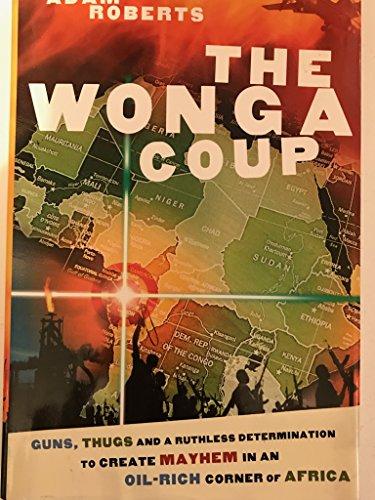
Guns, Thugs and a Ruthless Determination to Create Mayhem in an Oil-Rich Corner of Africa
It was discussed as the source of information for the podcast episode, describing the attempted coup and the involvement of Simon Mann, among others. The book provided insights into the motivations, planning, and the eventual failure of the mercenary operation.
'Mann however was a little different.'' ''He was as likely to wear a crumpled business suit'' ''and rimless spectacles as camouflage or chest webbing.'' ''He was an early example of a new sort of merc...
— Episode: Part Two: The Dumbest Coup In World Hist...
It was discussed as the source of information for the podcast episode, describing the attempted coup and the involvement of Simon Mann, among others. The book provided insights into the motivations, planning, and the eventual failure of the mercenary operation.
'Mann however was a little different.'' ''He was as likely to wear a crumpled business suit'' ''and rimless spectacles as camouflage or chest webbing.'' ''He was an early example of a new sort of mercenary,'' ''the type familiar with company law,'' ''bank transfers and investor agreements'' ''as with the workings of a Browning pistol.'
'families told of husbands and fathers who scrabbled at the chance of well-paid work.'' ''No questions asked.'
'you can see why this is tempting. It's fun, it could work, you trust the leaders.'' ''Some of the guys did it for the kicks because life is boring.'
'it was a casual conversation at a drinks party around a swimming pool about a security project at an African mine.'
'The two most potent general threats are, one, as it is potentially a very lucrative game, we should expect bad behavior, disloyalty, rampant individual greed, irrational behavior, kids in toy shop style, backstabbing, bumfucking, and similar ungentlemanly activities. Two, if the result is not seen by the outside world as noticeably better than the current situation, our position there and anything other than the very short term will be hard to sustain, and our involvement will be more likely to be the subject of unfavorable scrutiny.'
It was quoted to describe the state of Fernando Poe under Spanish colonialism and how it was ill-prepared for independence due to a lack of development and political rights for the native population.
So I'm going to quote next from a book called The Wonga Coup by Adam Roberts for a picture of how Fernando Poe fared under colonialism.
Quote, in 1936, the British novelist Graham Green, who was generally fond of West Africa, dismissed the dreadful little Spanish island where there existed a mild form of slavery that enabled a man to pawn his children.
Towards the end of its two centuries of rule, Spain did little to improve the lives of those it ruled.
The colonial power set up an economy based on cocoa plantations and a reasonable school system.
By the second half of the 20th century, equatorial Guineans were less poor than most Africans thanks to exports of cocoa.
But few Spaniards settled and native Africans were denied political rights and economic chances.
When independence loomed, the Spanish organized hasty polls to find a new government.
Spain, under its own dictator, General Franco, was hardly qualified to promote democracy, and equatorial Guinea was ill-prepared when in late 1968 it became the 126th member of the United Nations.
It was discussed as a book that was written about the attempted coup in Equatorial Guinea, which was a successful book for the author despite the failed attempt.
But the first part was really just a more general description about the history of coups in Africa as both a literary tradition and as a real attempted thing ending with the terrible story of the dictators of Equatorial Guinea.
...where you like attempt to overthrow a sovereign nation in order to make a profit and fail but still get rich off of the book.
...by the turn of the year, Wales's ideas and presumably Mann's had expanded to something grander in Equatorial Guinea.
...He proposed forming a company controlled by Mann and his closest plotters to run Equatorial Guinea with Moto as a puppet leader.
...the two most potent general threats are, one, as it is potentially a very lucrative game, we should expect bad behavior, disloyalty, rampant individual greed, irrational behavior, kids in toy shop style, backstabbing, bumfucking, and similar ungentlemanly activities.
It was quoted to provide a depiction of how Fernando Poe fared under colonialism, highlighting the lack of development and the exploitation of the native population.
Quote, in 1936, the British novelist Graham Green, who was generally fond of West Africa, dismissed the dreadful little Spanish island where there existed a mild form of slavery that enabled a man to pawn his children.
Towards the end of its two centuries of rule, Spain did little to improve the lives of those it ruled.
By the second half of the 20th century, equatorial Guineans were less poor than most Africans thanks to exports of cocoa.
No food in the shops, no water, no electricity, no kerosene for the lamps. At night we walked in blackness.
Nightclubs and schools closed. Missionaries were chased from the country.
It provided a historical summary of the period of Spanish colonialism in Equatorial Guinea and details of the suffering inflicted on the local population.
Quote, in 1936, the British novelist Graham Green, who was generally fond of West Africa, dismissed the dreadful little Spanish island where there existed a mild form of slavery that enabled a man to pawn his children.
Towards the end of its two centuries of rule, Spain did little to improve the lives of those it ruled.
The colonial power set up an economy based on cocoa plantations and a reasonable school system.
Health campaigns reduced the impact of tropical diseases, at least on Fernando Poe.
But few Spaniards settled and native Africans were denied political rights and economic chances.
It was quoted to provide context on the Spanish colonial history of Equatorial Guinea, including a mild form of slavery and a cocoa-based economy, that ultimately led to its poor state during independence.
Quote, in 1936, the British novelist Graham Green, who was generally fond of West Africa, dismissed the dreadful little Spanish island where there existed a mild form of slavery that enabled a man to pawn his children.
Towards the end of its two centuries of rule, Spain did little to improve the lives of those it ruled. The colonial power set up an economy based on cocoa plantations and a reasonable school system. Health campaigns reduced the impact of tropical diseases, at least on Fernando Poe.
But few Spaniards settled and native Africans were denied political rights and economic chances.
No food in the shops, no water, no electricity, no kerosene for the lamps. At night we walked in blackness. Yes, for 11 years we walked in blackness.
Nightclubs and schools closed. Missionaries were chased from the country. Macias, like Pol Pot in Cambodia, launched a campaign against the educated and they began to disappear.
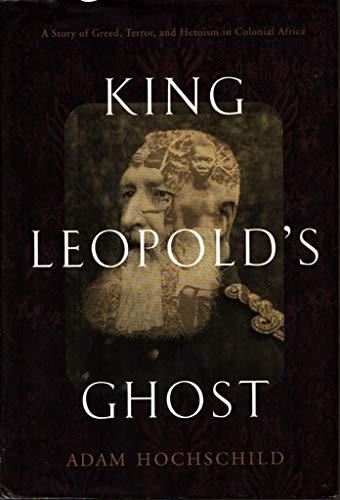
A Story of Greed, Terror, and Heroism in Colonial Africa
It was mentioned as a good book about King Leopold II and Henry Morton Stanley, describing the latter as a monster who exploited the Congo and its people.
And one of my sources is King Leopold's Ghost, which is really big, a really good book by Adam Haaschild.
— Episode: Part One: Henry Morton Stanley: The Expl...
It was mentioned as a good book about King Leopold II and Henry Morton Stanley, describing the latter as a monster who exploited the Congo and its people.
And one of my sources is King Leopold's Ghost, which is really big, a really good book by Adam Haaschild.
And the Stanley that Adam describes as a monster who shot his way through the Congo to discover the source of the river,
It was as if through his handwriting he were trying to pull himself out of disgrace and turn the script of his life from one of poverty to one of elegance.
It was mentioned as a source which painted Stanley as a villain, a stark contrast to the more recent, positive portrayals of him.
And one of my sources is King Leopold's Ghost, which is really big, a really good book by Adam Haaschild.
And the Stanley that Adam describes as a monster who shot his way through the Congo to discover the source of the river, shot his way back out and then connived a bunch of African chiefs to hand over their land by making them sign treaties they couldn't read and giving them cloth in return.
It was as if through his handwriting he were trying to pull himself out of disgrace and turn the script of his life from one of poverty to one of elegance.
Henry held out for six weeks before changing sides he had been through hell with his fellow southerners and felt disloyal but as a foreigner embroiled in the war by chance of his new significance Stanley's behavior was not forgivable.
The documentary version of "King Leopold's Ghost" was mentioned, where a historian, Jacques Delpechin, was interviewed. Delpechin, an African, said that the textbooks taught that Leopold was the greatest benefactor the Congo ever had because he sacrificed his fortune for the Congolese.
what we learned in the textbooks was that Leopold was the greatest benefactor the Congo ever had because he sacrificed his fortune for the Congolese.
keep your head down, think small, look after yourself. These constituted the lessons of Leopold. The spirit once comprehensively crushed does not recover easily. For 75 years from 1885 to 1960, Congo's population had marinated in humiliation. No malevolent witch doctor could have devised a better preparation for the coming of a second great dictator.
It was mentioned as one of the sources, describing Stanley as a monster who used violence and deception to conquer the Congo.
King Leopold's Ghost
It was as if through his handwriting he were trying to pull himself out of disgrace and turn the script of his life from one of poverty to one of elegance.
Adam Hochschild's book was mentioned, and it appears to have been used as a source for some of the information shared in the episode regarding the Congo.
In 1869, Stanley received an urgent telegram from Bennett, his boss. Come to Paris on important business.
It was described as a good book by Adam Hochschild which portrayed Stanley as a monster who used violence and trickery to achieve his goals in the Congo.
And the Stanley that Adam describes as a monster who shot his way through the Congo to discover the source of the river,
shot his way back out and then connived a bunch of African chiefs to hand over their land by making them sign treaties they couldn't read and giving them cloth in return.
It was as if through his handwriting he were trying to pull himself out of disgrace and turn the script of his life from one of poverty to one of elegance.
that he promptly agreed to do so
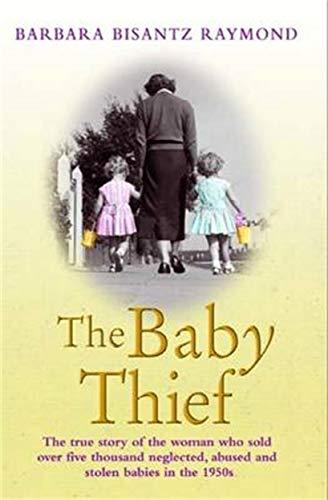
The True Story of the Woman Who Sold Over Five Thousand Neglected, Abused and Stolen Babies in the 1950s.
It was mentioned as a source of information regarding Georgia Tann's falsifying of birth dates of children to make them appear younger and more desirable for adoption.
According to the book The Baby Thief, Georgia frequently falsified the birth dates of many children she placed for adoption.
— Episode: Part Two: The Woman Who Invented Adoptio...
It was mentioned as a source of information regarding Georgia Tann's falsifying of birth dates of children to make them appear younger and more desirable for adoption.
According to the book The Baby Thief, Georgia frequently falsified the birth dates of many children she placed for adoption.
According to The Baby Thief...
By the late 1930s single mothers were not only being prevented from bonding with their babies but often even from seeing them.
Mothers were sometimes blindfolded during labor.
Some social workers urged pregnant way young women to sign forms allowing doctors to circumcise their child if it turned out to be a boy so that the workers could keep mothers uninformed of even their baby's gender.
It was discussed as a chilling but excellent piece of journalism that details the life and crimes of Georgia Tann, including details of her first child abduction and the methods she used to steal and sell babies.
she became obsessed with finding adoptive homes for children who had already had homes. She would acquire these children through kidnapping or deceit.
Georgia felt she was taking children from trashy people and elevating the children.
One spring morning, she drove from Model T to a cabin in Jasper County near her hickory hometown. A sleep inside was Rose Harvey, who was young, poor, widowed, and pregnant and suffering from diabetes. Who two-year-old son Onyx played on the back porch. Georgia lured the sturdy black-haired brown-eyed boy into her car.
she developed both her business and the institution of adoption by doing something unprecedented, making homeless children acceptable, even irresistible to childless couples.
she didn't openly affix price tags to children but instead charged fees for transporting them to their new homes.
The Baby Thief was discussed in relation to Georgia Tann's falsifying of birth dates to satisfy client requests for younger children, often reducing their age to make them seem more desirable.
According to the book The Baby Thief, Georgia frequently falsified the birth dates of many children she placed for adoption.
According to The Baby Thief...
By the late 1930s single mothers were not only being prevented from bonding with their babies but often even from seeing them.
Mothers were sometimes blindfolded during labor.
Some social workers urged pregnant way young women to sign forms allowing doctors to circumcise their child if it turned out to be a boy so that the workers could keep mothers uninformed of even their baby's gender.
It was described as a chilling read but an excellent piece of journalism, and detailed one of Georgia Tann's first baby abductions, with information about the circumstances and people involved.
she became obsessed with finding adoptive homes for children who had already had homes. She would acquire these children through kidnapping or deceit.
Georgia felt she was taking children from trashy people and elevating the children.
One spring morning, she drove from Model T to a cabin in Jasper County near her hickory hometown. A sleep inside was Rose Harvey, who was young, poor, widowed, and pregnant and suffering from diabetes. Who two-year-old son Onyx played on the back porch. Georgia lured the sturdy black-haired brown-eyed boy into her car.
she developed both her business and the institution of adoption by doing something unprecedented, making homeless children acceptable, even irresistible to childless couples.
she didn't openly affix price tags to children but instead charged fees for transporting them to their new homes.
It was mentioned as a source of information on Georgia Tann's actions, including falsifying birth dates of children to make them appear younger and more desirable for adoption.
According to the book The Baby Thief, Georgia frequently falsified the birth dates of many children she placed for adoption.
According to The Baby Thief...
By the late 1930s single mothers were not only being prevented from bonding with their babies but often even from seeing them.
Mothers were sometimes blindfolded during labor.
Some social workers urged pregnant way young women to sign forms allowing doctors to circumcise their child if it turned out to be a boy so that the workers could keep mothers uninformed of even their baby's gender.
It was described as a chilling read and an excellent piece of journalism, providing detailed information about Georgia Tann's early baby abductions and her methods.
She became obsessed with finding adoptive homes for children who had already had homes. She would acquire these children through kidnapping or deceit.
One spring morning, she drove from Model T to a cabin in Jasper County near her hickory hometown. A sleep inside was Rose Harvey, who was young, poor, widowed, and pregnant and suffering from diabetes. Who two-year-old son Onyx played on the back porch. Georgia lured the sturdy black-haired brown-eyed boy into her car.
she developed both her business and the institution of adoption by doing something unprecedented, making homeless children acceptable, even irresistible to childless couples.
She didn't openly affix price tags to children but instead charged fees for transporting them to their new homes.
She placed with no regard to whether children would be happy in their adoptive homes. It was hidden myths. She was trying to place every child in Memphis. She wanted to get her hands on every child. She could.
It was discussed as the basis for a John Wayne movie that Jack Idema enjoyed as a child, and was written after the author completed special forces training.
He was the only US journalist who ever had a real in depth embed with US special forces, Robin Moore. Now more was the author of the book The Green Berets which that John Wayne movie that Jack Adima h...
— Episode: Part Two: Jack Idema: The War On Terror'...
It was discussed as the basis for a John Wayne movie that Jack Idema enjoyed as a child, and was written after the author completed special forces training.
He was the only US journalist who ever had a real in depth embed with US special forces, Robin Moore. Now more was the author of the book The Green Berets which that John Wayne movie that Jack Adima had loved as a kid was based on.
And in order to write the Green Berets more it had to do something no civilian journalist had ever done. He was through special forces training and qualification and like qualified as a Green Beret.
It was a best-selling book that was adapted into a movie, and it was initially written as fiction to avoid revealing military secrets. It also became a source of contention between the government and Robin Moore.
He writes this book, The Green Berets, which is like it's like on the bestseller list for more than a year. It's a huge hit.
And he publishes this book as a fiction book because he has to do that in order to pretend he's not giving away operational secrets.
The government considers prosecuting him because he's writing about a bunch of shit he shouldn't be writing about.
It was discussed as the basis for a John Wayne film that Jack Idema enjoyed as a child. It was also mentioned that Robin Moore underwent special forces training to write the book.
Now more was the author of the book The Green Berets which that John Wayne movie that Jack Adima had loved as a kid was based on.
It was a best-selling book that John Wayne purchased the film rights to, making a pro-war movie about the Vietnam War to increase public support. The government did not prosecute the author, possibly due to Wayne's involvement.
He writes this book, The Green Berets, which is like it's like on the bestseller list for more than a year. It's a huge hit.
And the reason one of the reasons apparently that they don't go through prosecuting him is that John Wayne buys the film rights from Robin Moore in order to make a movie.
He basically says I want to make the first pro war movie about the Vietnam War to try and build public support for this thing.
It was discussed as the basis for a John Wayne film that Jack Idema enjoyed as a child, and it was mentioned that the author underwent special forces training to write the book.
Now more was the author of the book The Green Berets which that John Wayne movie that Jack Adima had loved as a kid was based on.
It was mentioned as the book that inspired a John Wayne movie and that Jack Idema loved as a child. Robin Moore, the author, also underwent Green Beret training to write it.
Now more was the author of the book The Green Berets which that John Wayne movie that Jack Adima had loved as a kid was based on.
And in order to write the Green Berets more it had to do something no civilian journalist had ever done. He was through special forces training and qualification and like qualified as a Green Beret.
Note: The book recommendations on this page are discovered automatically from podcast transcripts, and may be incorrect or incomplete.
Podcast Name