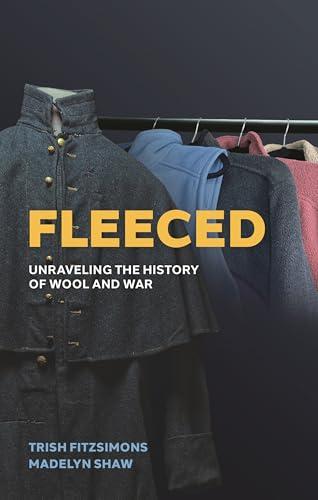
Fleeced
Trish FitzSimons
Mentioned 4 months ago
The Longest Fence in the World
Design is everywhere in our lives, perhaps most importantly in the places where we've just stopped noticing. 99% Invisible is a weekly exploration of the process and power of design and architecture. From award winning producer Roman Mars. Learn more at 99percentinvisible.org.
Recently mentioned
Trish FitzSimons
Mentioned 4 months ago
The Longest Fence in the World
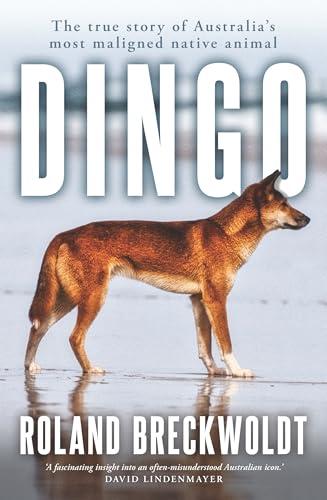
Roland Breckwoldt
Mentioned 4 months ago
The Longest Fence in the World
Annabel Barber
Mentioned 5 months ago
Artistic License Redux
Keith Houston
Mentioned 5 months ago
The Em Dash
Laurence Sterne
Mentioned 5 months ago
The Em Dash
Jane Austen
Mentioned 5 months ago
The Em Dash
Herman Melville
Mentioned 5 months ago
The Em Dash
Charlotte Bronte
Mentioned 5 months ago
The Em Dash
Charles Dickens
Mentioned 5 months ago
The Em Dash
Wendy MacNaughton
Mentioned 6 months ago
Audio Flux
Lin Johnson
Mentioned 6 months ago
Exit Interview With Michael Bierut
Roman Mars
Mentioned 6 months ago
Beyond the 99% Invisible City
The Complete Guide (Color Travel Guide)
It was another Black travel guide published around the same time as the Green Book, listing NAACP chapter locations in each city and taking a more overtly political tone.
There were actually other Black travel guides published around the same time that did. One called Travel Guide, for instance, listed where the NAACP chapters were in each city. They were much more att...
— Episode: The Green Book redux
It was another Black travel guide published around the same time as the Green Book, listing NAACP chapter locations in each city and taking a more overtly political tone.
There were actually other Black travel guides published around the same time that did. One called Travel Guide, for instance, listed where the NAACP chapters were in each city. They were much more attuned with civil rights and a more political tone.
The episode mentioned another contemporaneous black travel guide that listed NAACP chapters in each city and was more overtly political than the Green Book.
There were actually other black travel guides published around the same time that did one called Travel Guide, for instance. Travel Guide listed where the NAACP chapters were in each city.
How Ancient India Transformed the World
The book "Golden" tackles the power of silence in a noisy world. Two stories in the book involve a politician who gave up politics to become a Jesuit novice and a death row inmate who discovered Buddhist practices to find peace in prison.
And the name of the book was Life in Relationship to Death.
— Episode: Twenty Thousand Hertz- Golden
The book "Golden" tackles the power of silence in a noisy world. Two stories in the book involve a politician who gave up politics to become a Jesuit novice and a death row inmate who discovered Buddhist practices to find peace in prison.
And the name of the book was Life in Relationship to Death.
And I sat there and read it for almost a week while the jury's in deliberation.
You know, Life in Relationship to Death, it was where I was.
That book is called Golden, The Power of Silence in a World of Noise.
The two stories you just heard came from the book Golden, The Power of Silence in a World of Noise.
It was discussed as a book about silence and its importance in a noisy world, offering advice on how to find it in daily life, not just through retreats.
I'm Lee Mars. I'm your big sister What do you do besides that when I'm not big sistering you I? Write books or I've written a book about silence
The book is called golden the power of silence in a world of noise And so it is about silence about why it's important about what it is and how to find it in any situation
So this is not a book for people running off to retreats and silent retreats for example For months on end this is really about finding silence in the midst of a noise soaked busy full life
So tell everyone again the name of the book it's called golden the power of silence in a world of noise Written by your big sister Lemar's and Justin Zorn
her book is called golden you should buy it
The Incredible Story of the Black Men Who Became America's First Paramedics
It was described as a new and incredible book detailing the history of the Freedom House Ambulance Service and the black men who became America's first paramedics, and was suggested to be included in everyone's Christmas list.
Kevin Hazzard, who reported this piece, subsequently released a whole book on Freedom House called American Sirens, the incredible story of the black men who became America's first pa...
— Episode: Freedom House Ambulance Service: America...
It was described as a new and incredible book detailing the history of the Freedom House Ambulance Service and the black men who became America's first paramedics, and was suggested to be included in everyone's Christmas list.
Kevin Hazzard, who reported this piece, subsequently released a whole book on Freedom House called American Sirens, the incredible story of the black men who became America's first paramedics.
It is new. It is out now. You should buy it. You should read it. It should be on all your Christmas lists. It's incredible.
Kevin Hazard's book about the Freedom House ambulance service that goes into much more depth and detail is called American Sirens, the incredible story of the black men who became America's first paramedics. You should get it.
It was described as a new book that tells the incredible story of the black men who became America's first paramedics, and was recommended to be bought, read, and included on Christmas lists.
Kevin Hazzard, who reported this piece, subsequently released a whole book on Freedom House called American Sirens, the incredible story of the black men who became America's first paramedics.
It is new. It is out now. You should buy it. You should read it. It should be on all your Christmas lists.
Kevin Hazard's book about the Freedom House ambulance service that goes into much more depth and detail is called American Sirens, the incredible story of the black men who became America's first paramedics.
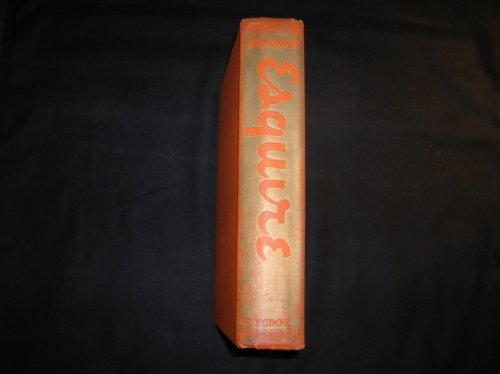
The book was mentioned in passing during a discussion on Esquire covers designed by George Lois, particularly a controversial Floyd Patterson cover that predicted Patterson's knockout in a boxing match.
And they did covers for the next nine, 10 years. Lois went on to create a catalog of 92 Esquire covers.
— Episode: Cover Story
The book was mentioned in passing during a discussion on Esquire covers designed by George Lois, particularly a controversial Floyd Patterson cover that predicted Patterson's knockout in a boxing match.
And they did covers for the next nine, 10 years. Lois went on to create a catalog of 92 Esquire covers.
The book, or rather a compilation of magazine covers, was mentioned as a way to highlight the controversial and impactful magazine cover designs of George Lois.
Lois went on to create a catalog of 92 Esquire covers.
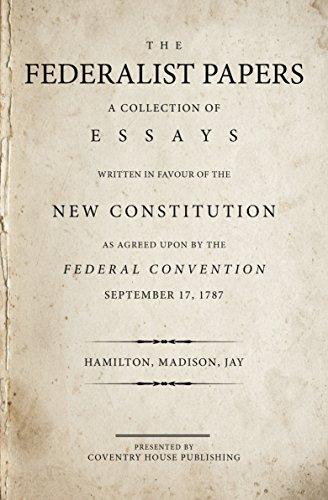
A Collection of Essays Written in Favour of the New Constitution
The hosts noted that Alexander Hamilton argued in a Federalist essay that banning titles of nobility would prevent serious threats to the republic.
Alexander Hamilton wrote in one of the Federalist essays that so long as titles of nobility are excluded, there can never be serious danger that the government will be any other than that of the peopl...
— Episode: Constitution Breakdown #3: Sen. Elizabet...
The hosts noted that Alexander Hamilton argued in a Federalist essay that banning titles of nobility would prevent serious threats to the republic.
Alexander Hamilton wrote in one of the Federalist essays that so long as titles of nobility are excluded, there can never be serious danger that the government will be any other than that of the people.
Roman referenced Hamilton's writing in the Federalist Papers when discussing how to keep the presidency from being a feeble executive.
How do we ensure that the president, as Hamilton wrote in the Federalist Papers, is not a feeble executive?
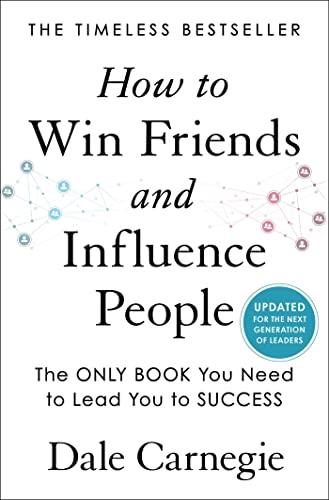
Updated For the Next Generation of Leaders (Dale Carnegie Books)
The podcast mentioned Dale Carnegie's sixth principle from this book, which states that a person's name is the sweetest and most important sound to them.
I think it was Carnegie who said that the one word that the person would always prefer over all the other words in the vocabulary is his name.
— Episode: And The Winner Is
The podcast mentioned Dale Carnegie's sixth principle from this book, which states that a person's name is the sweetest and most important sound to them.
I think it was Carnegie who said that the one word that the person would always prefer over all the other words in the vocabulary is his name.
Dale Carnegie's principle number six from How to Win Friends and Influence People is remember that a person's name is to that person the sweetest and most important sound in any language.
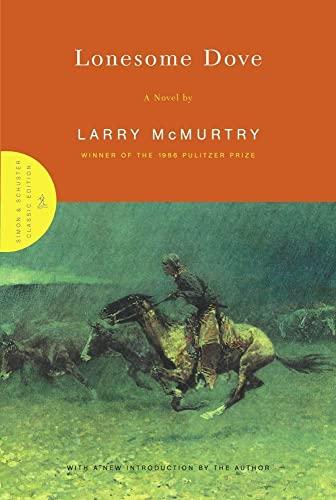
A Novel (Lonesome Dove, 3)
It was discussed as a Pulitzer Prize-winning book that was later adapted into a TV miniseries, focusing on a cattle drive through the American West in the 1870s, shortly before the landscape changed drastically due to barbed wire.
There's a pretty famous novel about the old American West called Lonesome Dove.
— Episode: Devil’s Rope
It was discussed as a Pulitzer Prize-winning book that was later adapted into a TV miniseries, focusing on a cattle drive through the American West in the 1870s, shortly before the landscape changed drastically due to barbed wire.
There's a pretty famous novel about the old American West called Lonesome Dove.
It's one of the best books ever written, I think.
So in the book, a group of cowboys from Texas, cattlemen as they were once called, drives a huge herd of cattle through the great open west, all the way from Texas up to Montana.
The book, which is fiction, takes place in the 1870s.
And the reason we're talking about it is that basically everything about that scene was about to become impossible.
They mentioned it as a big, long novel that they recommend reading multiple times.
My favorite other big long book that I think is worth reading probably multiple times is Lonesome Dove.
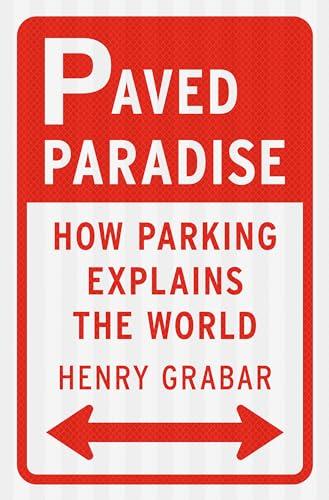
How Parking Explains the World
The book examines the parking crisis in American cities, highlighting the complex history and politics of parking regulations, and their impact on urban design, housing, and transportation. The book provides a detailed account of how parking policies have reshaped cities for the last 80 years.
Parking has a special place in the mind because we think of LA as a sort of an iconic place to drive With its famous freeways and its palm-lined boulevards and all that so I think it's a place where p...
— Episode: Paved Paradise
The book examines the parking crisis in American cities, highlighting the complex history and politics of parking regulations, and their impact on urban design, housing, and transportation. The book provides a detailed account of how parking policies have reshaped cities for the last 80 years.
Parking has a special place in the mind because we think of LA as a sort of an iconic place to drive With its famous freeways and its palm-lined boulevards and all that so I think it's a place where perhaps you get the highest level of contrast between the kind of utopian idea of driving and The dirty reality that is looking for a parking spot in LA that dirty reality plays out all the time on the local news
Here's Henry Grabar these parking minimum laws would become Virtually ubiquitous in the United States in the second half of the 20th century But in LA at this time, I think you can understand the logic because they're sitting there and they're saying we are Struggling to create as much parking as possible both on the part of the city government Which is building public parking like the massive Pershing Square parking garage and also the private, you know entrepreneurs and department store owners themselves who are saying our survival depends upon Finding parking while this rule made a lot of sense for a city without mass public transportation It also had some gnarly consequences Suddenly lots of apartment buildings in the city weren't compliant with parking regulations
The bungalow courts weren't alone if developers wanted to build a two or three story brick apartment building They needed to buy the lot next door to just for the parking People in LA saw the negative consequences of parking minimums pretty much right away Like even in the early 30s the LA Times published this article that the parking requirements essentially made it so no Multi-story masonry buildings were being built anymore in LA. So very early on you can see the consequences But Los Angeles didn't back off their parking laws
So if you're building a condo, for example in Los Angeles in the 1990s, you need to include 2.25 to 2.5 covered on-site parking spaces for every unit So let's do the math on this Roman You're a developer in a Los Angeles neighborhood and you have a small parcel You inherited from your grandfather and it's a blank lot and you'd like to put some some housing on this lot Help to solve your city's housing crisis if you want to build five units You are required to include five times two point five twelve point five and then round up thirteen parking spaces Thirteen parking spaces on an infill lot. You can't fit those on the ground floor So now you're now you're talking about a two-story garage or potentially an extremely expensive underground excavation just to put five condos on this lot and Five is not a large number that's the size of your average sort of infill brownstone on the Upper West Side and And suddenly that kind of construction becomes completely impossible Because of both the geometry of putting those parking spaces on a small lot and also the cost because building parking is very expensive
So we're back with Henry Gabbar Congratulations on the book. It is so good. I loved reading it. It's easy breezy. It has some stuff I know some stuff it was brand new to me Why did you decide to focus on parking for the last two five six seven years of your life? Cuz I just love it so much Roman can't get enough of it No, but The truth is that I I'm a journalist I write about cities and so I write about urban subjects like housing and transportation and flooding and infrastructure and in subject after subject and in story after story this thing kept coming up and this thing was this like vast system of parking that we've Established but that no one really understands and that exerts all these like hidden consequences On the way that all these other city systems work It can be something as basic as like why do we not have bus rapid transit? Like why do buses get stuck in traffic and and they have to run behind all these cars and and the answer is often just Because the city is unwilling to mess with the street parking, right? I also just think it's interesting Yeah, I mean, I know there's like a joke that like a parking That's so boring and I've definitely heard people say like oh wow parking fun But then you get them talking about it and it turns out that like everybody's got an opinion
It was mentioned that Henry Grabar has a new book coming out next year, called 'Paved Paradise: How Parking Explains the World'.
Henry has a new book coming out next year called Paved Paradise how parking explains the world
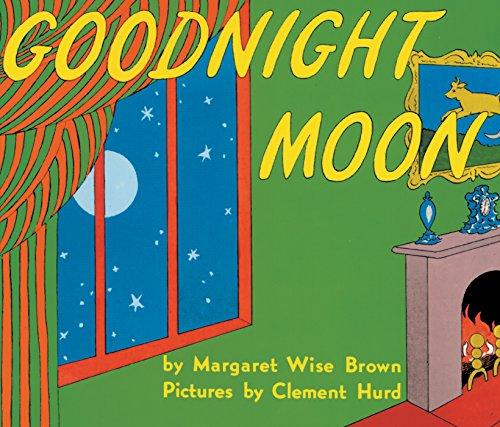
Goodnight Moon was inspired by a ritual Margaret Wise Brown would do to get herself out of bed when feeling sad. She would look at different objects in her room and count her blessings. Goodnight Moon simply reversed the ritual, a list you read to fall asleep. Anne Carol Moore, however, hated the book because it was influenced by the Bank Street school and contained no magical elements.
The beginning of Goodnight Moon really is nothing more than a list. Documenting the objects in the bedroom of a little bunny getting ready to go to sleep. In the great green room, the...
— Episode: Goodnight Nobody [rebroadcast]
Goodnight Moon was inspired by a ritual Margaret Wise Brown would do to get herself out of bed when feeling sad. She would look at different objects in her room and count her blessings. Goodnight Moon simply reversed the ritual, a list you read to fall asleep. Anne Carol Moore, however, hated the book because it was influenced by the Bank Street school and contained no magical elements.
The beginning of Goodnight Moon really is nothing more than a list. Documenting the objects in the bedroom of a little bunny getting ready to go to sleep. In the great green room, there was a telephone and a red balloon and a picture of... there's no plot, no tension, just things. The cow jumping over the moon.
Goodnight bears, goodnight chairs... and yet everyone knows what to do when they get there. Which is chime in, right? What about this one next to it? And then you come to the page that says, Goodnight nobody, nobody. Well, what do you do with that? And it's up to the child to decide. And that's pure Bank Street. And I would say pure magic. And Ann Carol Moore hated it.
The report described Goodnight Moon as an unbearably sentimental piece of work. Which is just funny when I think of unbearable sentimentality as like the jacket copy of a book you would write for Ann Carol Moore. But it didn't matter. Goodnight Moon had the stink of Bank Street on it. The book was not recommended for purchase by expert.
That's how real it is to him.
Much as she did for children's books, I can't help feeling her influence was baleful on the whole. Am I wrong?
It was initially disliked by a prominent children's librarian, Ann Carroll Moore, resulting in the New York Public Library not carrying it until 1972, but it eventually became a huge success, selling millions of copies.
Goodnight Moon, of course one of the most beloved children's books of all time, was not on the list.
The famous picture book where the little toddler rabbit says goodnight to all the objects in its massive bedroom.
And this librarian's name, according to the press release, was Ann Carroll Moore.
The report described Goodnight Moon as an unbearably sentimental piece of work.
The book was not recommended for purchase by expert.
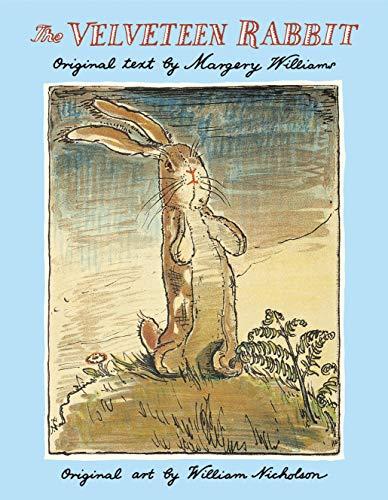
It was mentioned as a popular book that used the skull and crossbones as its cover image.
Treasure Island kind of novels.
— Episode: 580- Mr Yuk
It was mentioned as a popular book that used the skull and crossbones as its cover image.
Treasure Island kind of novels.
Disobedient Music Distribution since 1929
The author of this book is Barry Kernfeld, who is a musicologist who has written a lot about the history of jazz and music piracy. The book discusses the history of fake books, which were collections of music that jazz musicians would use to learn tunes.
Check out Barry Kernfeld's books, Pop Song Piracy and the story of fake books.
— Episode: 438- The Real Book [rebroadcast]
The author of this book is Barry Kernfeld, who is a musicologist who has written a lot about the history of jazz and music piracy. The book discusses the history of fake books, which were collections of music that jazz musicians would use to learn tunes.
Check out Barry Kernfeld's books, Pop Song Piracy and the story of fake books.
The Inner Workings of Conversation
The book discusses how filler words and phrases, like 'um,' 'uh,' and 'like,' are informative and serve an important function in communication.
He says the reason fillers and filler words are so important Is that most of the time when you're talking you're talking with another person you're having a conversation It's this kind of creative act...
— Episode: Mini-Stories: Volume 18
The book discusses how filler words and phrases, like 'um,' 'uh,' and 'like,' are informative and serve an important function in communication.
He says the reason fillers and filler words are so important Is that most of the time when you're talking you're talking with another person you're having a conversation It's this kind of creative act that you're participating in together. And so
Time's moving fast and in a way you Need to do your part to cooperate with that person Don't waste the time too much and at the same time, you know
You've got your own sort of selfish interests. You might want to continue to be the person talking and so It's important to kind of have what we call traffic signals in The use of language and by traffic signals
He means that we constantly have to send each other signs letting the other person know where the conversation might be going who should be talking when all these little things that kind of regulate the flow of the pattern and
So there's a whole level of language, which is really about Structuring language itself.
It was explained that filler words, such as 'um' and 'uh', serve an important function in conversation. They act as traffic signals, helping to structure the flow of the conversation and communicate information to the listener. The book 'How We Talk' by Nick Enfield was cited as a source for this information.
The reason fillers and filler words are so important Is that most of the time when you're talking you're talking with another person you're having a conversation It's this kind of creative act that you're participating in together.
It's important to kind of have what we call traffic signals in The use of language and by traffic signals
He means that we constantly have to send each other signs letting the other person know where the conversation might be going who should be talking when all these little things that kind of regulate the flow of the pattern and
So there's a whole level of language, which is really about Structuring language itself.
There's not actually a lot of clues
The book chronicles the evolution of the calculator, starting with ancient tools like the abacus and tally sticks, and moving through the development of the slide rule and mechanical calculators, ultimately culminating in the creation of the pocket calculator.
My name is Keith Houston and I am the author of Empire of the sum the rise and reign of the pocket calculator
— Episode: Empire of the Sum
The book chronicles the evolution of the calculator, starting with ancient tools like the abacus and tally sticks, and moving through the development of the slide rule and mechanical calculators, ultimately culminating in the creation of the pocket calculator.
My name is Keith Houston and I am the author of Empire of the sum the rise and reign of the pocket calculator
The slide rule was a major innovation that came along in the 1600s.
The slide rule made calculations a lot faster and less error prone than using the log charts and pen and paper.
I have a fondness for the slide rule as an object. My father graduated with a degree in mathematics and I remember seeing slide rules around his house and this very cool-looking But tiny and humble tool was the basis of mid-century engineering
It was used to get the Apollo 11 to the moon. It was used to design airplanes It was used to build rockets and I have to admit it does look a little complicated and daunting if you don't know how to use it
It explores the history of the calculator, covering various forms, from ancient tools like abacuses and tally sticks to modern calculators. It examines how the evolution of calculators shaped our built environment and technological advancements.
My name is Keith Houston and I am the author of Empire of the sum the rise and reign of the pocket calculator.
The slide rule was a major innovation that came along in the 1600s.
I have a fondness for the slide rule as an object. My father graduated with a degree in mathematics and I remember seeing slide rules around his house and this very cool-looking but tiny and humble tool was the basis of mid-century engineering.
So, thank you Keith so much. This is marvelous. It was so much fun and to look back at this sort of nerdy history. Thanks. Not so thank you again for having me.
go read his book Empire of the sum the rise and reign of the pocket calculator.
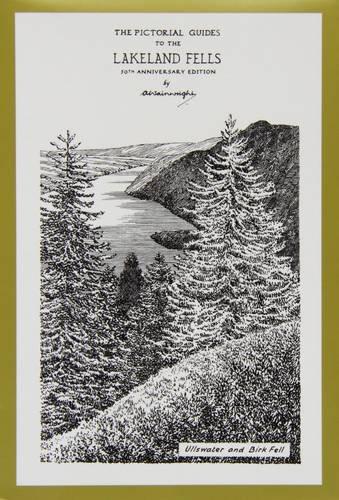
Alfred Wainwright's "Pictorial Guide to the Lakeland Fells" is a set of seven books that have become a staple for hikers in Cumbria, England. The books feature handwritten texts and detailed drawings of the scenery and paths.
On a shelf at my parents house in Cumbria are these seven faded books honestly they look a bit like something out of Lord of the Rings if you open them up you won't find any typesetting just handwritt...
— Episode: Trail Mix
Alfred Wainwright's "Pictorial Guide to the Lakeland Fells" is a set of seven books that have become a staple for hikers in Cumbria, England. The books feature handwritten texts and detailed drawings of the scenery and paths.
On a shelf at my parents house in Cumbria are these seven faded books honestly they look a bit like something out of Lord of the Rings if you open them up you won't find any typesetting just handwritten texts along with meticulously detailed pen and ink drawings of the scenery and various paths up the local mountains.
This set of seven books make up a pictorial guide to the Lakeland fells by Alfred Wainwright the books were published between 1953 and 1966 and have become a staple for many Cumbrians as well as for tourists to the area.
Wainwright described it as the cornerstone of the northwestern fells because it sits at the end of the western end of Bassins White Lake where the River Doer went to returns more.
If I open up book six, The Northwestern Fells and turn to Sale Fell there are no page numbers by the way, there are sketches of the Withup Valley with sheep silhouetted in the foreground. Here's a passage about the local deer which praises the forestry commission for tolerating them and a little jab at the hunters who don't.
They give you pictures and it helps you to set in your mind the sort of topography of where you're going and you know you'll be walking up to oh yeah he said there's this tree here or there's this waterfall here and it sort of brings it all into sort of context because they are very very detailed.
Alfred Wainwright's seven-volume set of books about the Lakeland fells was published between 1953 and 1966 and included handwritten text and pen and ink drawings of the scenery and paths. They are considered a staple for Cumbrians and tourists and are so popular that the 214 Lake District peaks are often called Wainwright's.
On a shelf at my parents house in Cumbria are these seven faded books honestly they look a bit like something out of Lord of the Rings if you open them up you won't find any typesetting just handwritten texts along with meticulously detailed pen and ink drawings of the scenery and various paths up the local mountains.
This set of seven books make up a pictorial guide to the Lakeland fells by Alfred Wainwright the books were published between 1953 and 1966 and have become a staple for many Cumbrians as well as for tourists to the area.
Even today GPS is useful but a book doesn't need a battery and there's nothing quite like a carefully drawn illustration.
These books have become so popular that the 214 Lake District peaks in their pages are actually known as Wainwright's.
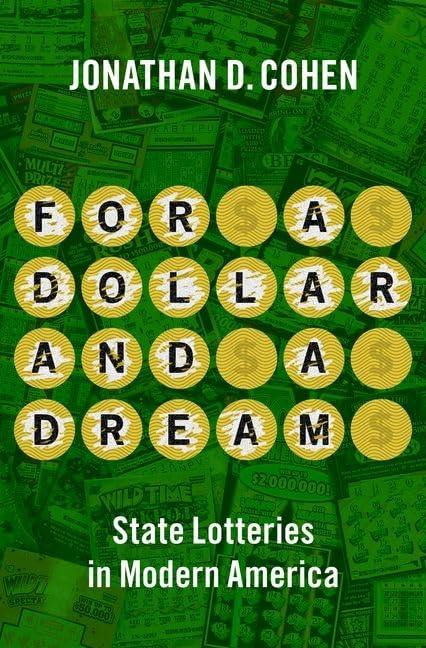
State Lotteries in Modern America
It discussed how the lottery, a seemingly harmless form of entertainment, has become a pervasive social phenomenon that fuels an irrational belief in quick riches and serves as a regressive tax on the poor.
And he says it isn't just the people playing the lottery who irrationally think the game will solve all their financial woes.
— Episode: For a Dollar and a Dream
It discussed how the lottery, a seemingly harmless form of entertainment, has become a pervasive social phenomenon that fuels an irrational belief in quick riches and serves as a regressive tax on the poor.
And he says it isn't just the people playing the lottery who irrationally think the game will solve all their financial woes.
Jonathan says it isn't just the people playing the lottery who irrationally think the game will solve all their financial woes.
The states running the lotteries also suffer from the same delusion.
That is, of course, how we have lotteries in the first place is voters, policymakers who believed wishfully, stupidly, hopefully that a lottery would solve all of their financial problems.
And despite mounting evidence, you know, even after other states that failed and failed and failed again, these voters and policymakers reasoned that a lottery would solve all their financial problems in the exact same way that gamblers are sort of hooked on this belief that it's going to work for them.
The book is called For a Dollar and a Dream State Lotteries in Modern America.
Jonathan D. Cohen, a historian, explained that the lottery is not a solution to financial problems for either the players or the states. This was discussed in his book, "For a Dollar and a Dream: State Lotteries in Modern America."
Jonathan D. Cohen. He's a historian and author of the book For a Dollar and a Dream, State Lotteries in Modern America.
The book is called For a Dollar and a Dream State Lotteries in Modern America.
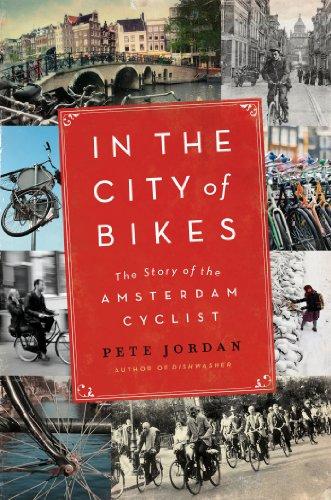
The Story of the Amsterdam Cyclist
It was written by an American who lived in Amsterdam for decades and covered the history of cycling in Amsterdam. It was mentioned when talking about the Dutch cyclists' defiance of Nazi rules and how they were an ongoing source of frustration for the invaders.
And he wrote a book about the history of Amsterdam cycling called In the City of Bikes.
— Episode: De Fiets Is Niets
It was written by an American who lived in Amsterdam for decades and covered the history of cycling in Amsterdam. It was mentioned when talking about the Dutch cyclists' defiance of Nazi rules and how they were an ongoing source of frustration for the invaders.
And he wrote a book about the history of Amsterdam cycling called In the City of Bikes.
And he talks about the ways that the cyclists resisted, for example.
But there was also a lot of collaboration that happened between Dutch officials and the Nazis.
And so the first my bike back phrase grew out of that complicated history and the country's genuinely dark and horrific experience of the war.
But Pete said that his perception is that as time has passed, the phrase has become something more like a running joke, you know, a dark running joke in a lot of ways.
Pete Jordan, who has lived in Amsterdam for decades, wrote a book about the history of cycling in the city called "In the City of Bikes." The book details the way that Dutch cyclists, particularly those in Amsterdam, were known for breaking rules, even during Nazi occupation.
And he wrote a book about the history of Amsterdam cycling called In the City of Bikes.
And he talks about the ways that the cyclists resisted, for example.
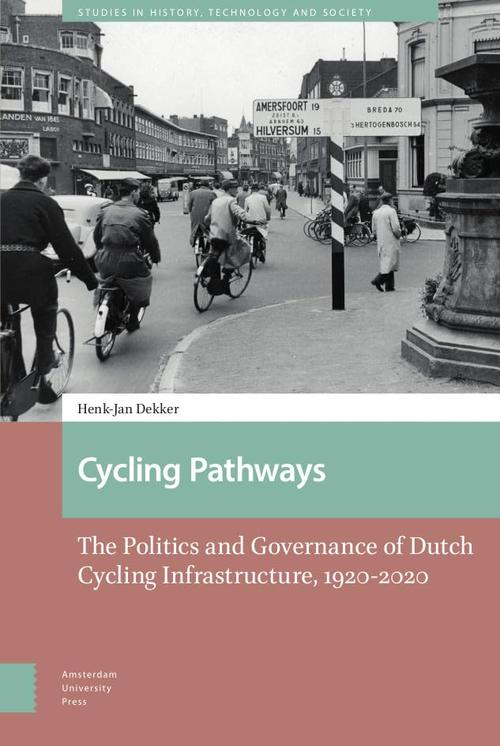
The Politics and Governance of Dutch Cycling Infrastructure, 1920-2020 (Studies in History, Technology and Society)
It was a book that covered the cycling movement in the Netherlands and was used as a source for the episode.
Extra special thanks to Hank-Jan Dekker, whose book Cycling Pathways really helped us understand the cycling movement in the Netherlands, but whose interview didn't make it into the e...
— Episode: De Fiets Is Niets
It was a book that covered the cycling movement in the Netherlands and was used as a source for the episode.
Extra special thanks to Hank-Jan Dekker, whose book Cycling Pathways really helped us understand the cycling movement in the Netherlands, but whose interview didn't make it into the episode.
For anyone who wants a deep dive into this history, Hank-Jan's book is excellent and very comprehensive.
Hank-Jan Dekker wrote a book titled "Cycling Pathways" that focused on the cycling movement in the Netherlands. The book is described as excellent and comprehensive.
For anyone who wants a deep dive into this history, Hank-Jan's book is excellent and very comprehensive.
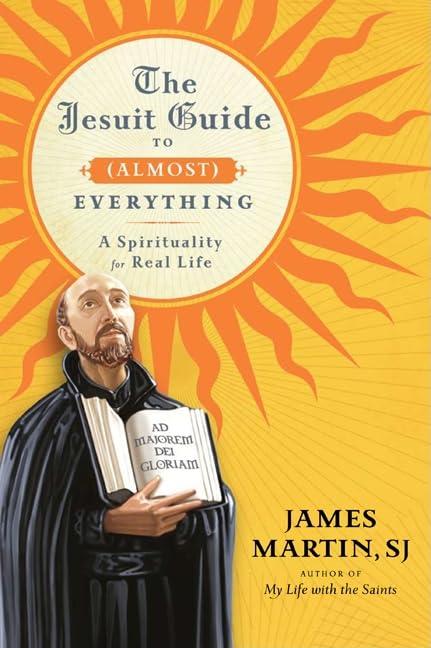
A Spirituality for Real Life
Cyrus Habib mentioned reading this book about Jesuit life, which sparked his interest in becoming a Jesuit novice.
I had read James Martin's book, The Jesuit Guide to Almost Everything, in which he talks about his life as a Jesuit.
— Episode: Twenty Thousand Hertz- Golden
Cyrus Habib mentioned reading this book about Jesuit life, which sparked his interest in becoming a Jesuit novice.
I had read James Martin's book, The Jesuit Guide to Almost Everything, in which he talks about his life as a Jesuit.
The book was about the life of a Jesuit and helped Cyrus to plant the seed of interest in a life in a religious order.
I had read James Martin's book, The Jesuit Guide to Almost Everything, in which he talks about his life as a Jesuit.
Note: The book recommendations on this page are discovered automatically from podcast transcripts, and may be incorrect or incomplete.
Podcast Name