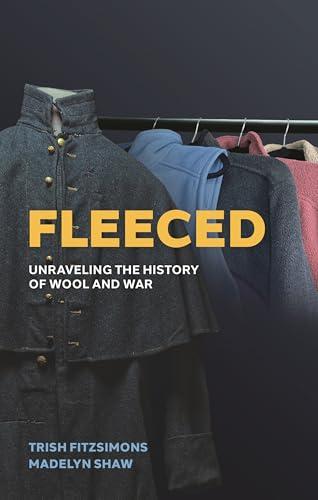
Fleeced
Trish FitzSimons
Mentioned 4 months ago
The Longest Fence in the World

Design is everywhere in our lives, perhaps most importantly in the places where we've just stopped noticing. 99% Invisible is a weekly exploration of the process and power of design and architecture. From award winning producer Roman Mars. Learn more at 99percentinvisible.org.
Recently mentioned
Trish FitzSimons
Mentioned 4 months ago
The Longest Fence in the World
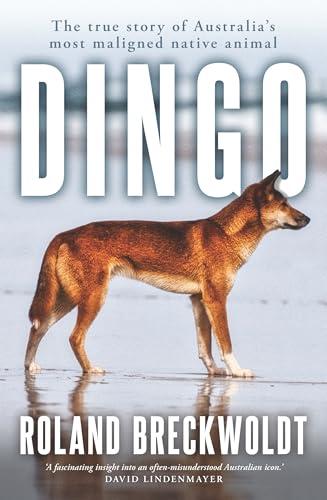
Roland Breckwoldt
Mentioned 4 months ago
The Longest Fence in the World
Annabel Barber
Mentioned 5 months ago
Artistic License Redux
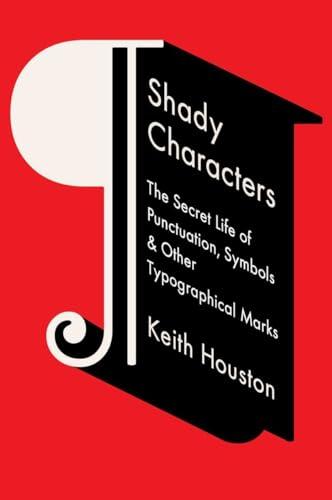
Keith Houston
Mentioned 5 months ago
The Em Dash
Laurence Sterne
Mentioned 5 months ago
The Em Dash
Jane Austen
Mentioned 5 months ago
The Em Dash
Herman Melville
Mentioned 5 months ago
The Em Dash
Charlotte Bronte
Mentioned 5 months ago
The Em Dash
Charles Dickens
Mentioned 5 months ago
The Em Dash
Wendy MacNaughton
Mentioned 6 months ago
Audio Flux
Lin Johnson
Mentioned 6 months ago
Exit Interview With Michael Bierut
Roman Mars
Mentioned 6 months ago
Beyond the 99% Invisible City
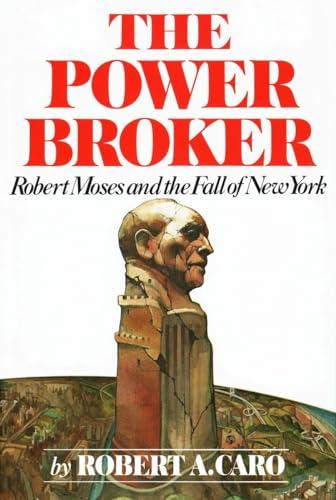
Robert Moses and the Fall of New York
The podcast highlighted the book as essential for understanding New York's infrastructure and power dynamics, with hosts such as Roman Mars, David Sims, and Brandy Zadrozny recommending it and inviting listeners to join a year‑long book club. They described it as a masterful, Pulitzer‑winning biography that exposed Robert Moses’s ruthless pursuit of power and its impact on the city, calling it the “Bible of New York History.”
The podcast focused on the book's fifth part, "The Love of Power," discussing the personality of Robert Moses and how he used his influence to shape New York City's landscape. The book was described as a masterful work of storytelling and a compelling portrait of an American.
That's pages 499 to 606 in my book and later in this episode our special book club guest is Mike Shorter He is the creator behind beloved sitcoms like parks and recreation the good place Brooklyn 99
I love it's such a it's such a New York II way to say it
And then the next paragraph starts the new parkways solve the problem for about three weeks and this is I love it's such a it's such a New York II way to say it
But I mean apparently probably part of the procedure who knows anyway but the I I also just like this this part of this doesn't work on me I mean I own a couple of cars you know like a big family but I do not enjoy driving
I've gone on trips where I have to drive down Canal Street and it takes more than 26 minutes because it's so incredibly traffic jam
The Power Broker, a Pulitzer Prize-winning book, was recently completed by Brandy Zadrozny. She shared insights into how the book explores the press's relationship with power, its impact on journalism, and what aspects remain constant.
What struck me about this book from the beginning was I knew who Robert Caro was. I had never read his books, but like I'd known a little bit about his story.
The very first thing is just it's kind of he's realizing a dream for so many of us, you know, like the idea of turning every page is a real luxury.
It kind of has the vague shape of a conspiracy theory like instead of you know infrastructure being done by committee and through goodwill and trying to make the world better place.
The truth is that real conspiracies operate like this in sort of banal ways in paper pushing and behind the scenes meetings and you know through the New York Times and it's like it takes however many pages several hundred over a thousand something.
It's almost like you are vaccinating someone against that conspiracy theory with another conspiracy that is kind of a dead conspiracy.
The Power Broker was described as the 'Bible of New York History' and was strongly recommended for understanding how the levers of government work. The speaker, David Sims, had been asked about it in the middle of the night and recounted how he had been given the book by a journalist and told that it was essential for understanding the city.
I love this book.
I feel great. I do think that I mean in my sort of public persona, especially on my podcast, I do talk about my love of like, you know, city subways and urbanism and you know thing like some maybe that's.
Well, I don't know. Do you want my life story here? It's not going to be that long but so I'm the child of two New York City journalists reporters.
I've been very very just adorably listening to the stuff you guys have put out so far.
I think I made the right choice, will see what life turns out. I mean dionetics is got a got a big volcano on the cover that's pretty exciting.
The speaker recommended listeners pick up a copy of the book and join the 99% Invisible Power Broker book club.
If you haven't already pick up a copy of The Power Broker by Robert Carroll and join our Power broker book club new episodes of the 99% visible breakdown of The Power Broker hosted by me and Elliot Kalin.
The book was recommended to listeners, as part of a year-long book club dedicated to the book, with new episodes breaking down the book, released monthly in the same feed.
If you haven't already done so You should pick up a copy of The Power Broker by Robert Caro And join our year-long Power Broker book club New episodes of the 99% visible breakdown of The Power Broker Hosted by me and Elliot Kalin Will drop monthly right here in this feed It is so much fun I hope you can join us
You can find us on all the usual social media And we just started up a 99PI Discord server Come join me and the rest of the staff To talk about The Power Broker You know, what you've been reading Architecture, recommendations, books, podcasts You're listening to, anything As long as it is, you know, fun and nice You can find a link to that As well as every past episode of 99PI At 99PI.org
The book was mentioned as a recommendation for listeners to read and join a book club discussion. The discussion focuses on the book, architecture, movies, and books.
If you haven't already, pick up your copy of The Power Broker by Robert Caro, and you can join our Power Broker discussion book club.
You can talk about architecture, you can talk about books, you can talk about movies, as long as you're nice, you can talk about whatever you want to.
It was a tour de force of journalism, history, and biography about Robert Moses, a man who is said to have built more structures and moved more earth than anyone in human history.
I learned about The Power Broker when I first started to cover cities and infrastructure on the radio, this massive book that's about 1,200 pages long is the most important and complete explanation of how cities are formed, how neighborhoods are destroyed
Bridges are erected, roads are laid down, parks are designed, fortunes are made, lives are ruined, and power is amassed.
The Power Broker, which is subtitled Robert Moses and the Fall of New York, changed all that. It is a tour de force of journalism, history, and biography.
I also think it is really fun to read and is strongly in contention for the best book ever written.
He's the man behind the parks. He's the man who builds parks, he builds bridges, he builds roads and he wants to build this enormous bridge across the Long Island Sound.
Robert Caro says how did this guy get this power?
Robert Caro is the closest thing to like a geological formation, his work, his body of work feels like we're watching this eruption of lava that takes and moving of tectonic plates that's going to build something and it's gonna last as long as civilization lasts.
I've read it once before and you've read it once before we're reading again for the project of this podcast which, thank you Roman for asking me to be part of this, because for years I said I'm gonna reread The Power Broker someday.
It's an amazing story about how power works and what one person can do to completely change the face of an American city, and I'm telling you it's riveting and it's powerful.
The Power Broker is a Pulitzer Prize-winning book that provides a detailed and critical account of Robert Moses, a powerful figure in New York City politics who shaped the city's infrastructure and development. The episode focuses on the second section of Part 6, discussing Moses's corrupt network and his use of power and money to achieve his goals.
pages 703 to 806 in my book and later in this episode our special guest is Shiloh Frederick
pages 703 to 806 in my book
I think this is where I'm getting off the train. We're getting out of the car
I'm gonna take you talk to you about bank finances
the city section of
It was described as a very good and daunting read, a biography of Robert Moses, who was a significant figure in the development of New York City and its surroundings.
I've read it. It's so good. It's daunting but power through it. It really is worth it.
The podcast discussed sections of Robert Caro's book, focusing on Robert Moses's career and legacy, including his control over New York City's infrastructure and his methods of achieving his goals. Specific chapters, focusing on Moses's imperial control, his workaholism, and the numerous evictions caused by his projects, were analyzed.
He has a voracious appetite for power and a voracious appetite for work
loves it like he wants it. He wants to be doing this
They did not have to evict from their homes tens of thousands of protesting voters... demolish those homes...tunnel under or cut across subways and elevated railroads...sewers and water mains and gas mains and telephone and electric conduits and cables...
You have to hack your way with a meat axe.
The only consideration that mattered was Robert Moses's will
The book was read over a year on the show, examining the impact of Robert Moses on urban development.
So on the show last year as a project, we read The Power Broker over a year. That is a person in Robert Moses who both built things and bragged about them quite a lot.
The hosts discussed how they each read the book three times, noting new insights each time and praising its depth and narrative about Robert Moses.
This is a special bonus episode of the 99% Invisible Breakdown of The Power Broker.
One of the questions we want to start with was just about our impressions of the book. We've each read it three times... what is your favorite part of The Power Broker?
I think the end is more fun for me than previous... because I was looking for plot details of his fall and not relishing the details of it.
The Secret Life of Punctuation, Symbols, and Other Typographical Marks
The book was highlighted as a must‑read for 99% Invisible listeners, with the host urging fans to explore it alongside the creator's other works. It was also introduced by its author during a discussion of punctuation history, underscoring its relevance to the episode's theme. Additionally, a specific chapter on the octothorpe was noted for its insight into the symbol's varied historical uses.
The podcast host recommends this book as well, suggesting that any 99% Invisible fan would enjoy it.
Also while you're at it go read his other books to Shady Characters and the book. They're all so good any 99p I fan will love them
It was briefly mentioned alongside another book by the same author, suggesting it is also worth checking out.
Also while you're at it go read his other books to Shady Characters and the book. They're all so good any 99p I fan will love them
It was mentioned by Keith Houston, the author, and discussed in relation to the topic of punctuation marks and their history.
He's a returning 99 PI guest and author of the book Shady Characters.
He's the author of a book called Shady Characters, the secret life of punctuation symbols and other typographical marks.
It was mentioned as containing a chapter about the octothorpe and its various uses throughout history, like in proofreading or on Swedish maps.
It's got a whole chapter on this symbol. And it has a lot of other random uses as well.
The book examined the history of punctuation marks, including the emdash, and explained how their rules evolved over centuries.
This is Keith Houston, author of the book Shady Characters, The Secret Life of Punctuation, Symbols, and Other Typographical Marks. He says that while punctuation crept into writing systems around the 3rd century BCE, the rules that governed them remained both complex and inconsistent well into the 11th and 12th centuries.
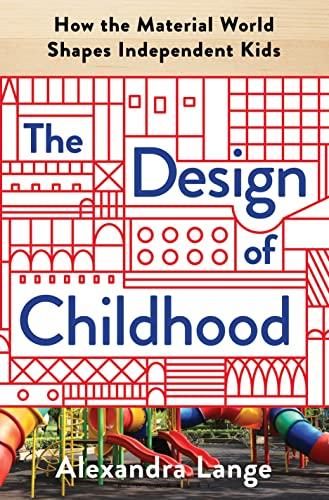
How the Material World Shapes Independent Kids
The book was highlighted across several episodes for its focus on how design influences children’s independence and play, with Roman Mars and author Alexandra Lange noting its subtitle and linking it to examples from Sesame Street and public space design. It was referenced when discussing the flexibility of blocks in early education, the history of playgrounds, and Robert Moses’s rejection of a major play concept, illustrating its relevance to urbanism and childhood development. The hosts presented it as a valuable resource for understanding the material world’s impact on kids.
This book, whose subtitle references giving children independence, was mentioned in the context of discussing design and childhood. The speaker referenced a clip from Sesame Street that perfectly illustrated the book's point about empowering children through independence.
She's the author of The Design of Childhood. And like me, Alexandra loves Sesame Street.
It's right there in the subtitle of my book.
The subtitle of this book speaks to giving children independence, which the guest found perfectly illustrated by a clip about running an errand. The book discusses design and childhood, particularly focusing on public spaces not being hostile to teenagers.
She's the author of The Design of Childhood. And like me, Alexandra loves Sesame Street.
It's right there in the subtitle of my book.
Vaccine Science and Myth
John Green mentioned 'Turtles All the Way Down' as one of his most recent books, and he discussed how his recent book was titled 'The Anthropocene Reviewed'.
His other podcast and most recent book is called the Anthropocene reviewed
— Episode: Dear John and Roman
John Green mentioned 'Turtles All the Way Down' as one of his most recent books, and he discussed how his recent book was titled 'The Anthropocene Reviewed'.
His other podcast and most recent book is called the Anthropocene reviewed
John Green mentioned "Turtles All the Way Down" as one of his books. This podcast was a crossover episode with the "Dear Hank & John" podcast.
His other podcast and most recent book is called the Anthropocene reviewed
It is everything I love about everything if you like 99 PI you will love the Anthropocene reviewed
John Green mentioned his book, Turtles All the Way Down, and stated that it was his most recent one, while also describing himself as a best-selling author, YouTuber, podcaster, educator and marvelous human.
his other podcast and most recent book is called the Anthropocene reviewed
It is everything I love about everything if you like 99 PI you will love the Anthropocene reviewed But in the meantime, here's me guest hosting dear Hank and John with John green. Enjoy
It was mentioned as one of John Green's best-selling books alongside 'The Fault in Our Stars'.
I love this show. It's by John Green. He's the author of best-selling books like The Fault in Our Stars and Turtles All The Way Down.
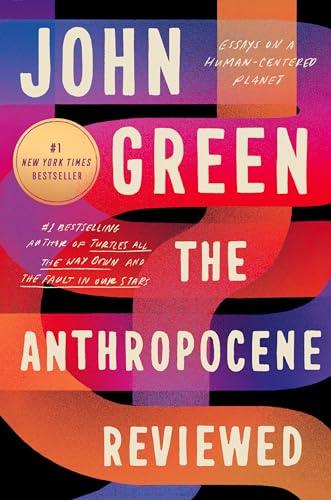
Essays on a Human-Centered Planet
Roman Mars repeatedly highlighted the title as a recent work by John Green, describing it as everything he loves about everything and urging listeners who enjoyed the podcast to read it. He enthusiastically recommended the book in each of the three episodes, positioning it as a natural extension of the show's themes.
The Anthropocene Reviewed, by John Green, was discussed as a recent book by John Green, and Roman Mars stated it is everything he loves about everything. Roman Mars highly recommended it to listeners who enjoyed the 99% Invisible podcast.
It is everything I love about everything if you like 99 PI you will love The Anthropocene Reviewed
Roman Mars specifically mentioned "The Anthropocene Reviewed" as a podcast and a recent book by John Green. He enthusiastically praised the book and its contents.
His other podcast and most recent book is called The Anthropocene Reviewed
It is everything I love about everything if you like 99 PI you will love The Anthropocene Reviewed
The podcast host, Roman Mars, mentioned John Green's most recent book, The Anthropocene Reviewed, and recommended it to listeners who enjoy 99% Invisible.
his other podcast and most recent book is called The Anthropocene Reviewed
It is everything I love about everything if you like 99 PI you will love The Anthropocene Reviewed But in the meantime, here's me guest hosting dear Hank and John with John green. Enjoy
Roman Mars mentioned the title as both a book and a podcast and noted it as one of his favorite episodes.
my book and podcast, The Anthropocene Reviewed, which is actually one of my favorite episodes.
The Fraying Wires Between Americans and Our Energy Future
The book was highlighted as a comprehensive history of America’s electric grid, covering its early regulation, later deregulation, and the ways society both utilizes and loses electricity. Roman Mars introduced the author and referenced the title while discussing the development of New York City’s grid and the 1977 blackout. Listeners were given context for how the grid’s evolution impacts everyday life, but no explicit endorsement was offered.
It was discussed as a history of how society uses and loses electricity, and its author was introduced as the book's author.
He wrote The Grid.
The hosts highlighted the title as a groundbreaking work that stemmed from Upton Sinclair's undercover experience in Chicago meatpacking plants, exposing dangerous, unsanitary conditions for immigrant workers. They noted that, although Sinclair aimed to sway public sentiment, the book inadvertently provoked outrage that led to federal food safety reforms. The episode also featured a graphic passage read aloud to illustrate the stark realities described in the novel.
It was cited as Upton Sinclair's bestselling novel that exposed unsanitary meatpacking conditions, influencing public attitudes toward meat consumption. A graphic passage from the book was read aloud.
Journalist Upton Sinclair's bestselling novel, The Jungle, was meant to raise the alarm of the unsanitary and appalling working conditions at meat processing plants.
There would be meat stored in great piles in rooms and the water from leaky roofs would drip over it and thousands of rats would race about on it.
The episode explained that Sinclair wrote The Jungle after going undercover in Chicago meatpacking plants, using it to expose the harsh conditions faced by immigrant workers.
In 1904, the journalist Upton Sinclair went undercover working in meatpacking plants in Chicago. Then he wrote a novel based on his experiences called The Jungle. He described poor, newly arrived immigrants, mostly from Eastern Europe, who worked in dangerous, squalid conditions.
Even if Sinclair's book didn't do exactly what he wanted it to, it was still influential. Federal laws were enacted to enforce inspections and sanitation.
When people are deported in droves, it leaves a vacuum. When refugees aren't allowed to come, it leaves a vacuum. And when there's no one left to slaughter our cows, we're reminded of a truth Upton Sinclair tried to tell us in The Jungle.
The episode noted that Sinclair went undercover in Chicago meatpacking plants, then authored The Jungle to expose brutal conditions and immigrant exploitation, which sparked public outrage and helped drive reform.
In 1904, the journalist Upton Sinclair went undercover working in meatpacking plants in Chicago. Then he wrote a novel based on his experiences called The Jungle. He described poor, newly arrived immigrants, mostly from Eastern Europe, who worked in dangerous, squalid conditions.
But it wasn't those brutal conditions that captured the public's outrage. As Sinclair later said, quote, I aimed at the public's heart and by accident, I hit it in the stomach. Even if Sinclair's book didn't do exactly what he wanted it to, it was still influential.
When people are deported in droves, it leaves a vacuum. When refugees aren't allowed to come, it leaves a vacuum. And when there's no one left to slaughter our cows, we're reminded of a truth Upton Sinclair tried to tell us in The Jungle.
It was mentioned as the only book allowed in solitary confinement, as a tool for religious penitence.
It was believed that isolation would bring the inmate closer to God so you would be locked up with one book guess what book Bible obviously and You were not allowed to talk but you were to reflect upo...
— Episode: The Panopticon Effect
It was mentioned as the only book allowed in solitary confinement, as a tool for religious penitence.
It was believed that isolation would bring the inmate closer to God so you would be locked up with one book guess what book Bible obviously and You were not allowed to talk but you were to reflect upon your sins basically
The Bible was the only book allowed for prisoners during solitary confinement, and they were expected to reflect upon their sins while reading it.
guess what book? Bible obviously and You were not allowed to talk but you were to reflect upon your sins basically
Michael compared the simple design of the maroon paperback to the plain cover of the Holy Bible, King James edition, noting its lack of imagery.
I only knew one other book that looked like that and that was the Bible. The Bible said Holy Bible, King James edition. And that's all I had on the cover.
The book was highlighted as an early example of using the em dash to create a rambling, stream‑of‑consciousness style, and the host praised it as a timeless source of comedy, calling it hilarious. Roman Mars referenced it in multiple episodes to illustrate how humor can span centuries. The discussion conveyed strong admiration for its inventive narrative and comedic craft.
The host cited the classic novel as an example of enduring comedic craft, calling it a hilarious book.
I use an example from the book Tristram Shandy by Laurence Stern, which is a hilarious book.
The hosts cited the classic novel as an example used in Elliot's book to illustrate how humor spans centuries.
I use an example from the book Tristram Shandy by Laurence Stern, which is a hilarious book.
The novel was highlighted as an early example of using the Mdash to mimic a rambling, streamofconsciousness narrative style.
Nowhere is this more obvious than a rambling, satirical novel called Tristram Shandy, written by Lawrence Stern in 1759.
50th Anniversary Edition (Modern Library)
The host highlighted the book as a seminal collection of Jacobs' observations that championed pedestrian‑friendly, community‑based planning and critiqued mid‑20th‑century slum clearance. He described it as hugely popular and influential, calling it the "Bible for urbanists" and a love letter to what thriving cities already did right. In a later episode it was referenced as a modern example of mixed‑use, neighborhood‑focused planning contrasted with top‑down approaches.
The book Death and Life of Great American Cities by Jane Jacobs was mentioned as an example of modern thinking about city planning, emphasizing community needs and mixed-use spaces. This approach contrasted with Robert Moses's more rigid, top-down approach to urban development.
Yeah, Death and Life of Great American Cities is sort of a city is a neighborhood is a living unit
This book was a compilation of observations Jacobs made about urban life, championing pedestrian-friendly cities and community-based planning over slum clearance. It was described as hugely popular, influential, and the 'Bible for urbanists,' containing principles seen playing out in Sesame Street's design.
In 1961, Jacobs compiled these observations and released a book called The Death and Life of Great American Cities.
It is hugely popular, hugely influential. The same way the concepts from The Feminine Mystique are in the air, the concepts from this book are also in the air. It's like the Bible for urbanists.
The Death and Life of Great American Cities was almost a love letter to what the city was already doing right.
This book was a compilation of Jane Jacobs' observations on urban life, directly challenging slum clearance and revitalization efforts of the 1950s. It was considered hugely popular and influential, often cited as the Bible for urbanists, detailing the conditions Jacobs believed were essential for a thriving city.
In 1961, Jacobs compiled these observations and released a book called The Death and Life of Great American Cities.
It's just one of those books that becomes part of the zeitgeist. It is hugely popular, hugely influential. The same way the concepts from The Feminine Mystique are in the air, the concepts from this book are also in the air. It's like the Bible for urbanists.
The Death and Life of Great American Cities was almost a love letter to what the city was already doing right. And in it, she identified a set of conditions that she observed every thriving city was built on.
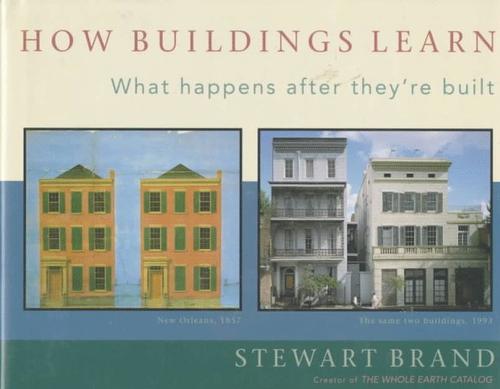
What Happens After They're Built
The podcast highlighted the book as a seminal work on adaptive reuse, emphasizing that buildings must be flexible and evolve with societal needs. Roman Mars repeatedly cited the author’s arguments that architecture is “allergic to time” and that structures serve as flawed predictions of the future, using examples from Victorian townhouses to manufactured homes. The discussion presented the book as a valuable framework for understanding how structures can grow and change over their lifespans.
The book explores the concept of adaptive reuse, arguing that buildings should be flexible and able to change with the needs of society over time. The author, Stewart Brand, highlights how buildings are constantly evolving and that even the best buildings need to be refreshed and challenged from time to time.
What I'm really interested in is not architecture, it's buildings.
The problem with architecture is that it's allergic to time.
Because architects keep being asked to create lasting monuments frozen in time.
Buildings live in time the same way we do.
One of Brands big ideas is that all buildings are predictions for what the future will be like and those predictions are usually wrong.
It was mentioned as a book and BBC miniseries that Stewart Brand wrote about buildings, particularly his ideas on adaptive reuse.
Proponents of adaptive reuse love to cite Stewart brand and his book and BBC miniseries How Buildings Learn
What I'm really interested in is not architecture its buildings The problem with architecture is that it's allergic to time Because architects keep being asked to create lasting monuments frozen in time. The buildings have no such presumption Buildings live in time the same way we do
One of brands big ideas is that all buildings are predictions for what the future will be like and those predictions are usually wrong The basic functions and uses of most buildings change in pretty radical ways over their lifespans a
In How Buildings Learn Stewart Brand talks about how for a building to be long-lasting It needs to be flexible a great example of this are old Victorian townhouses in San Francisco
The book 'How Buildings Learn' by Stuart Brand was mentioned in the context of the evolution and adaptability of buildings, particularly manufactured homes, and how they can change over time, even though they are initially pre-designed.
Stuart Brand's really excellent book, How Buildings Learn, was actually coined by a man named Elmer Frey.
But Brand points out that these initial modules are actually rich with potential too. As he puts it, a smaller unit can become the, quote, seed around which a larger home grows.
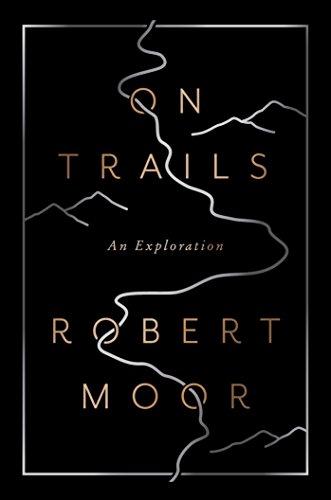
An Exploration
The host highlighted the title as an excellent guide to trails and strongly recommended it, praising its lovely writing and meticulous detail. He noted that the author explored fundamental questions about what a trail is and how it evolves, even mentioning intriguing examples like slime mold. Overall, the discussion conveyed enthusiasm for the book’s insightful and engaging treatment of trail concepts.
The book was highlighted as an excellent guide to trails and was strongly recommended by the host.
Robert wrote an excellent book called On Trails I cannot recommend it highly enough.
you write in your book that the Appalachian Trail like it really started as this radical idea It was the first really long trail in the US
Robert Moore's book, "On Trails", was described as having lovely writing and an amazing attention to detail. It delves into fundamental questions about trails, including what a trail even is and how it evolves over time.
I first read Robert Moore's book On Trails when it came out back in 2017 and I was immediately pulled in, not just by the writing, which is lovely by the way, but also by Robert's attention to detail.
And I think that the key aspect of a trail is that a trail is a line that evolves. It's something that we follow where each time you walk you're leaving a slight bit of yourself behind and the next person who comes picks up on those signals that you're leaving and they leave their own signals. And over time it keeps changing subtly.
One of the most fascinating parts of On Trails is about a single-celled organism called slime mold.
Robert Moore's book On Trails was described as having lovely writing and an amazing attention to detail. It was said to drill down into the smallest, most elemental questions about trails, including what a trail even is.
I first read Robert Moore's book On Trails when it came out back in 2017 and I was immediately pulled in, not just by the writing, which is lovely by the way, but also by Robert's attention to detail.
He has this amazing way of drilling down into some of the smallest, most elemental questions about trails, including possibly the most fundamental question of all. What even is a trail?
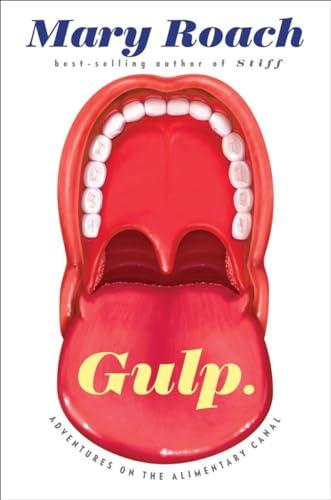
Adventures on the Alimentary Canal
The book was referenced by Mary Roach when she highlighted a fecal microbiome transplant success story she covered in the title, and host Roman Mars praised her unique writing style and urged listeners to read all of her books. It was noted for its engaging discussion of gut science and the author's fondness for footnotes, leading to a strong recommendation.
Mary Roach's book 'Gulp' was mentioned alongside her other works 'Stiff' and 'Packing for Mars' in the context of her unique writing style and fondness for footnotes.
Mary Roach author of such books as stiff Gulp and packing for Mars
You should read all of her books She's the best
Mary mentioned that she discussed a success story in her earlier book Gulp, which covered the fecal microbiome transplant as an effective treatment for C. difficile infection.
I would say a couple of success stories. And one of them I don't actually talk about in this book. I talked about it in Gulp.
Mary Roach referenced Gulp when discussing a success story about fecal microbiome transplants that she covered in that book.
I would say a couple of success stories. And one of them I don't actually talk about in this book. I talked about it in Gulp. And that's the fecal microbiome transplant, which is to take somebody else's gut bacteria and put it in your own.
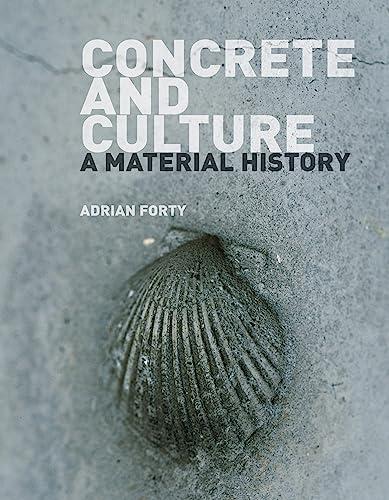
A Material History
The book was highlighted across several episodes for its thorough research on concrete and its cultural implications, with Roman Mars and Adrian Forty praising it as an excellent work. It was noted for exposing the material's negative reputation and the environmental challenges of demolition and replacement. The discussion emphasized the book's insight into the broader impact of concrete in society.
It was described as an excellent book about concrete, and the author had been researching the subject for approximately 10 years.
Absolutely. I mean, it has these connotations of, you know, Soviet era construction, sometimes third world construction, all these negative associations.
It has a bad name.
Because as soon as you tear them down, then you have a problem, first of all, what you do with the detritus that's left. And secondly, you've got to replace them with something else and use up a whole lot more energy and create a lot more CO2 in building something in that place.
It was described as an excellent book about concrete, which Adrian Forty had researched for around 10 years, discussing the material's bad reputation and environmental impact.
This is Professor Adrian Forty, author of the excellent book, Concrete and Culture.
It has a bad name.
tearing them down is not the answer.
But, Adrian Forty says, tearing them down is not the answer.
Adrian Forty was introduced as the author of the book Concrete and Culture, noted for its research on concrete.
This is Professor Adrian Forty, author of the excellent book, Concrete and Culture.
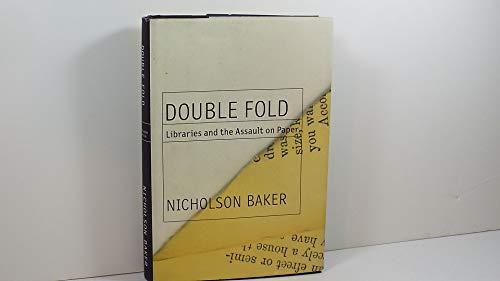
Libraries and the Assault on Paper
The podcast highlighted the book as a thorough examination of the San Francisco Library weeding controversy and its broader implications for library digitization and archiving. Roman Mars and the narrator noted that the author became deeply involved in library activism, and Sharon McKellar mentioned that it was read in library school and became a staple in library science curricula. The discussion conveyed that the title was regarded as an essential text for understanding modern library practices.
It was published later on and discussed the digitization of libraries, events within the context of the San Francisco Public Library, and became a standard text in library science programs.
I'm Nicholson Baker, and I am a writer of books, fiction, nonfiction. And I became for a brief period of time a library activist.
We read the Nicholson Baker book in library school.
The book examined the San Francisco Library weeding controversy within the broader context of library digitization and archiving practices.
After this weeding debacle, Nicholson Baker became even more vested in philosophies and practices of archiving and went on to publish a book that touched on all this called Double Fold. It looks at these events in the much broader context of the digitization of libraries.
The book examined the weeding controversy and broader issues of digitizing libraries, becoming a staple in library science curricula.
After this weeding debacle, Nicholson Baker became even more vested in philosophies and practices of archiving and went on to publish a book that touched on all this called Double Fold.
We read the Nicholson Baker book in library school.
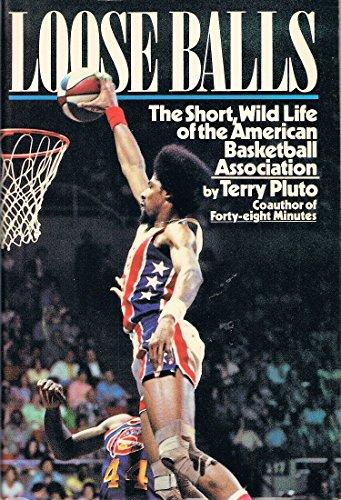
Short, Wild Life of the American Basketball Association
The hosts referenced the book as a concise history of the ABA’s founding and its experimental moves to attract fans, noting that author Terry Pluto described the league’s willingness to try new ideas. The discussion framed the title as an informative look at the league’s attempts to re‑engage audiences, but it was mentioned in passing rather than strongly endorsed.
It was mentioned as a book about the founding of the American Basketball Association, a league that tried a variety of ideas to re-engage fans in the sport.
It was simply let's get an idea and let's see what we can do here.
![Der Giftschrank. Erotik, Sexualwissenschaft, Politik und Literatur. Remota. Die weggesperrten Bücher der Bayerischen Staatsbibliothek. [Katalog zur Ausstellung München 2002]. Cover](https://media.podcastbookpicks.com/books/9199.jpg)
The book was introduced by its author, Stefan Kellner, who explained that it examines the Bavarian State Library's hidden collection of censored works, ranging from erotica and sexual science to political and literary texts. The discussion highlighted how the volume sheds light on the library's role in cultural history and moral regulation.
It details the Bavarian State Library's Giftschrank, exploring its history and the types of books kept there, from those considered heretical to sexually explicit content and political writings.
The name of my book is Der Giftschrank. Erotik, Sexualwissenschaft, Politik und Literatur. Die weggesperrten Bcher der Bayerischen Staatsbibliothek. The Gift Shrunk. Erotics, Sexuality, Politics and Literature. Hidden Books of the Bavarian State Library.
It details the history of the Giftschrank within the Bavarian State Library, discussing its purpose and the types of materials held in it.
The name of my book is Der Giftschrank. Erotik, Sexualwissenschaft, Politik und Literatur. Die weggesperrten Bcher der Bayerischen Staatsbibliothek. The Gift Shrunk. Erotics, Sexuality, Politics and Literature. Hidden Books of the Bavarian State Library.
It was written by a staff historian at the Bavarian State Library, and discussed the library's Giftschrank and its role in cultural history and morality throughout the years.
That's Stefan Kellner, a staff historian at the Bavarian State Library and author of a book about its gift shrunk.
The name of my book is Der Giftschrank. Erotik, Sexualwissenschaft, Politik und Literatur. Die weggesperrten Bcher der Bayerischen Staatsbibliothek. The Gift Shrunk. Erotics, Sexuality, Politics and Literature. Hidden Books of the Bavarian State Library.
The host paraphrased a famous line from the novel, using it to illustrate the 19thcentury trend of Egyptomania in architecture.
I mean, I'm fond of paraphrasing the famous lines from Jane Austen's Pride and Prejudice. You know, it appears that any nation in possession of an empire must be in want of an obelisk...
— Episode: The Great American Pyramid
The host paraphrased a famous line from the novel, using it to illustrate the 19thcentury trend of Egyptomania in architecture.
I mean, I'm fond of paraphrasing the famous lines from Jane Austen's Pride and Prejudice. You know, it appears that any nation in possession of an empire must be in want of an obelisk.
The book was cited as an instance where Jane Austen used dashes to redact parts of a character's name, adding a layer of intrigue for readers.
One writer who used the dash in this way was Jane Austen. In Pride and Prejudice, published in 1813, the arrival of the handsome Wickham causes a stir ... Austen uses dashes to redact the letters in the name of the army regiment he is about to join.
The narrator of the podcast mentioned that Moby Dick, by Herman Melville, is one of his favorite books and he likes reading it every November. He also mentioned how the houses and gardens of New Bedford were built with money from the whaling industry and that they were all "harpooned and dragged up hither from the bottom of the sea," quoting Moby Dick.
As Herman Melville put it in Moby Dick, these brave houses and flowery gardens came from the Atlantic, Pacific, and Indian oceans. But in all, they were harpooned and dragged up hither from the bottom...
— Episode: A Whale-Oiled Machine
The narrator of the podcast mentioned that Moby Dick, by Herman Melville, is one of his favorite books and he likes reading it every November. He also mentioned how the houses and gardens of New Bedford were built with money from the whaling industry and that they were all "harpooned and dragged up hither from the bottom of the sea," quoting Moby Dick.
As Herman Melville put it in Moby Dick, these brave houses and flowery gardens came from the Atlantic, Pacific, and Indian oceans. But in all, they were harpooned and dragged up hither from the bottom of the sea.
It's one of my favorite passages about who on the boat got to eat butter for dinner.
And, you know, the captain gets butter. And then as you go down the chain of command, eventually it gets down to Flask, who does not get butter.
And it has one of my favorite sentences in all of Moby Dick, which was, Flask alas was a butterless man.
The novel was used as an example of an author who favored the dash, with a dash appearing roughly every 129 words.
Herman Melville was undoubtedly a fan. Moby Dick clocks in with one dash every 129 words.
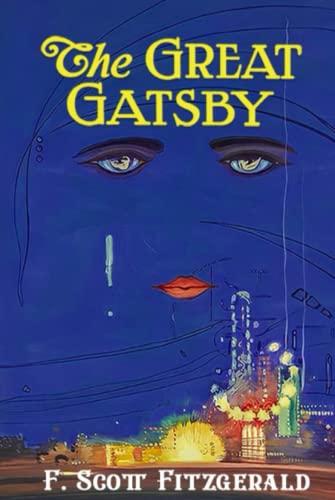
The Original 1925 Edition (Booklover's Library Classics)
John Green shared a story of his past dislike for the book, which he now regrets, having written a paper calling it 'rich Yankees with Yankee problems'.
Like the quintessential example from my life is that when I was a teenager, I hated The Great Gatsby. I thought it was...
— Episode: The Anthropocene Reviewed
John Green shared a story of his past dislike for the book, which he now regrets, having written a paper calling it 'rich Yankees with Yankee problems'.
Like the quintessential example from my life is that when I was a teenager, I hated The Great Gatsby. I thought it was...
I wrote a paper that I still have, that I should destroy before I die, but I wrote a paper that I still have in which I called The Great Gatsby a bunch of rich Yankees with Yankee problems.
And like the lack of understanding in that characterization of The Great Gatsby is a reminder that like one star Goodreads reviews are not necessarily reflective of the quality of a work.
The hosts referenced Fitzgerald's novel when describing the bleak, garbagefilled landscape of Flushing Meadows in the 1960s.
Fitzgerald describes this in The Great Gatsby, it's just this nightmarish wasteland.
Note: The book recommendations on this page are discovered automatically from podcast transcripts, and may be incorrect or incomplete.
Podcast Name