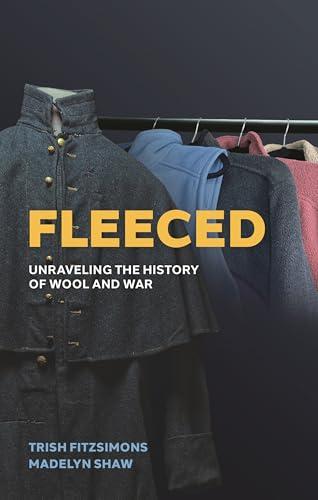
Fleeced
Trish FitzSimons
Mentioned 4 months ago
The Longest Fence in the World
Design is everywhere in our lives, perhaps most importantly in the places where we've just stopped noticing. 99% Invisible is a weekly exploration of the process and power of design and architecture. From award winning producer Roman Mars. Learn more at 99percentinvisible.org.
Recently mentioned
Trish FitzSimons
Mentioned 4 months ago
The Longest Fence in the World
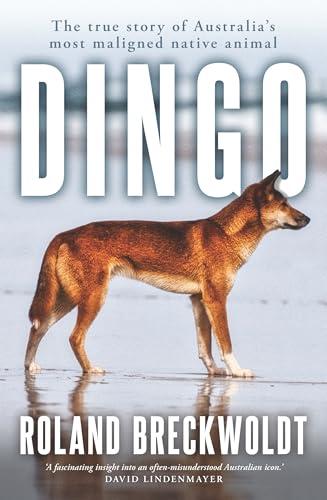
Roland Breckwoldt
Mentioned 4 months ago
The Longest Fence in the World
Annabel Barber
Mentioned 5 months ago
Artistic License Redux
Keith Houston
Mentioned 5 months ago
The Em Dash
Laurence Sterne
Mentioned 5 months ago
The Em Dash
Jane Austen
Mentioned 5 months ago
The Em Dash
Herman Melville
Mentioned 5 months ago
The Em Dash
Charlotte Bronte
Mentioned 5 months ago
The Em Dash
Charles Dickens
Mentioned 5 months ago
The Em Dash
Wendy MacNaughton
Mentioned 6 months ago
Audio Flux
Lin Johnson
Mentioned 6 months ago
Exit Interview With Michael Bierut
Roman Mars
Mentioned 6 months ago
Beyond the 99% Invisible City
A Memoir at the End of Sight
The book is an autobiographical account of Leland's experience with gradual vision loss, the story's title is taken from an HG Wells story, and the memoir delves into the history and evolution of reading technologies designed for blind people.
Andrew Leland has a book out today named after HG Wells's story We're going to talk to him a little bit about the book later in the show
— Episode: The Country of the Blind
The book is an autobiographical account of Leland's experience with gradual vision loss, the story's title is taken from an HG Wells story, and the memoir delves into the history and evolution of reading technologies designed for blind people.
Andrew Leland has a book out today named after HG Wells's story We're going to talk to him a little bit about the book later in the show
So Andrew, I remember you were reporting the story and sometime early in the process You learned that you might not be going blind as quickly as you once thought and it made you question whether or not You should do the story and we assured you that we thought you were the right person for the story and that you should produce it and it was lovely and years later, I'm reading this book and That anxiety of whether or not you are Blind enough for the right kind of blind it kind of pervades the memoir in fascinating ways And it's not just you like other people that you interviewed express this Can you talk a little bit about that and what it says about our societal conception of blindness?
It's called The Country of the Blind and it's out today
Again, Andrew's book is called The Country of the Blind. It's out today. I highly recommend it is fantastic. You should check it out
Andrew Leland has always loved to read as a fifth grader
The journalist Sam Block is working on a book about the politics of shade and how shade coverage in LA has become one of the city's biggest hot-button issues.
Sam is working on a book about the politics of shade and how shade coverage in LA has become one of the city's biggest hot-button issues.
— Episode: Shade Redux
The journalist Sam Block is working on a book about the politics of shade and how shade coverage in LA has become one of the city's biggest hot-button issues.
Sam is working on a book about the politics of shade and how shade coverage in LA has become one of the city's biggest hot-button issues.
Sam Block is working on a book about shade and he's looking for stories about how shade is changing people's lives.
What It Is and How to Obtain It
This book, written by a 19th century minister, was given to Jack Chick by a fellow Christian. It argued that being a Christian should be an exciting and invigorating experience, but that complacent church leaders were draining the energy out of the faith.
It was called Power from on High and it was written by a man named Charles Finney, a 19th century minister who was a huge Christian reformer.
— Episode: Chick Tracts
This book, written by a 19th century minister, was given to Jack Chick by a fellow Christian. It argued that being a Christian should be an exciting and invigorating experience, but that complacent church leaders were draining the energy out of the faith.
It was called Power from on High and it was written by a man named Charles Finney, a 19th century minister who was a huge Christian reformer.
This was the first of what Jack Chick called his soul winning tracks, meant to be purchased at Christian bookstores and handed out to bring non-believers into the faith.
A Demon's Nightmare was the first of what Jack Chick called his soul winning tracks, books meant to be purchased at Christian bookstores and handed out to bring non-believers into the...
— Episode: Chick Tracts
This was the first of what Jack Chick called his soul winning tracks, meant to be purchased at Christian bookstores and handed out to bring non-believers into the faith.
A Demon's Nightmare was the first of what Jack Chick called his soul winning tracks, books meant to be purchased at Christian bookstores and handed out to bring non-believers into the faith.
A Novel
Kurt Vonnegut wrote his first novel about a dystopian America run by engineers and their automatic machinery. He called it 'Player Piano'.
When Kurt Vonnegut wrote his first novel about a dystopian America run by engineers and their automatic machinery, he called it Player Piano.
— Episode: Player Piano
Kurt Vonnegut wrote his first novel about a dystopian America run by engineers and their automatic machinery. He called it 'Player Piano'.
When Kurt Vonnegut wrote his first novel about a dystopian America run by engineers and their automatic machinery, he called it Player Piano.
He called it Player Piano.
Two years before Raymond Scott was born, John Philip Sousa, the famous composer, wrote an essay called 'The Menace of Mechanical Music'.
Two years before Raymond Scott was born, John Philip Sousa, the famous composer, wrote an essay called The Menace of Mechanical Music.
— Episode: Player Piano
Two years before Raymond Scott was born, John Philip Sousa, the famous composer, wrote an essay called 'The Menace of Mechanical Music'.
Two years before Raymond Scott was born, John Philip Sousa, the famous composer, wrote an essay called The Menace of Mechanical Music.
Examining the Past, Envisioning the Future (Routledge Explorations in Development Studies)
Carlos Alba Vega, a professor at the College of Mexico who has written books on the informal economy, was interviewed for the podcast, and he states that the Mexican state does not have the capacity to create the conditions for economic growth and jobs, but it does have the responsibility to serve those who work in the informal economy.
Carlos says the Mexican state does not have the capacity to create the conditions for economic growth and jobs, but it does have the responsibility to serve those who work in the informal economy.
— Episode: The Siren of Scrap Metal
Carlos Alba Vega, a professor at the College of Mexico who has written books on the informal economy, was interviewed for the podcast, and he states that the Mexican state does not have the capacity to create the conditions for economic growth and jobs, but it does have the responsibility to serve those who work in the informal economy.
Carlos says the Mexican state does not have the capacity to create the conditions for economic growth and jobs, but it does have the responsibility to serve those who work in the informal economy.
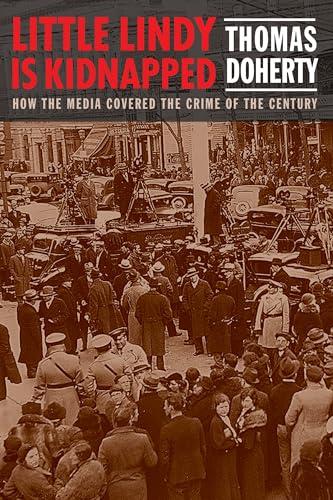
How the Media Covered the Crime of the Century
The book focuses entirely on the media coverage surrounding the kidnapping and grisly murder of the infant son of Charles Lindbergh, who was one of the most well-known and most well-respected men in the country at the time of the tragedy.
This is Thomas Doherty, author of a book called "Little Lindy Is Kidnapped"
— Episode: Courtroom Sketch
The book focuses entirely on the media coverage surrounding the kidnapping and grisly murder of the infant son of Charles Lindbergh, who was one of the most well-known and most well-respected men in the country at the time of the tragedy.
This is Thomas Doherty, author of a book called "Little Lindy Is Kidnapped"
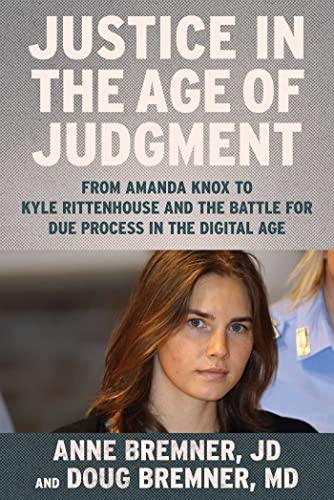
From Amanda Knox to Kyle Rittenhouse and the Battle for Due Process in the Digital Age
The book was helpful to the episode in explaining how court TV came to be a television network dedicated to live trials in the 1990s.
Special thanks this week to Hedy Nisheri whose book "Crime and Justice in the Age of Court TV" was really helpful to this story
— Episode: Courtroom Sketch
The book was helpful to the episode in explaining how court TV came to be a television network dedicated to live trials in the 1990s.
Special thanks this week to Hedy Nisheri whose book "Crime and Justice in the Age of Court TV" was really helpful to this story
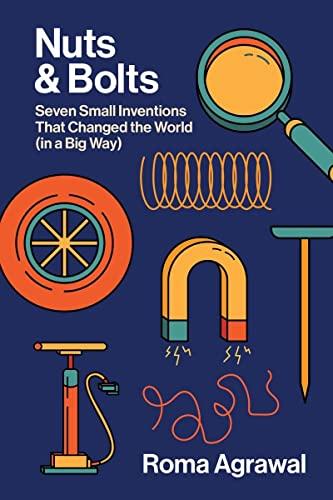
Seven Small Inventions That Changed the World in a Big Way
In the book, Roma Agrawal takes seven ordinary objects and explains how they are actually extraordinary feats of engineering. She discusses the origins of each item, how they were made in the past, and how they are still relevant today.
Roma recently wrote a book that's actually called Nuts and Bolts, Seven Small Inventions That Changed the World in a Big Way.
— Episode: Nuts and Bolts
In the book, Roma Agrawal takes seven ordinary objects and explains how they are actually extraordinary feats of engineering. She discusses the origins of each item, how they were made in the past, and how they are still relevant today.
Roma recently wrote a book that's actually called Nuts and Bolts, Seven Small Inventions That Changed the World in a Big Way.
So the Renaissance scientists, engineers, maybe even artists, you could call them, came up with a list of six simple machines, which were the lever, the wheel and axle, the pulley, the inclined plane, the wedge and the screw.
And I started to think about, you know, even within the very complex technology that we now have, very different from the Renaissance era, what are the little fundamental pieces that I think make up the modern world?
But I mean, fundamentally, and I never heard this described before until I read your book, is that a spring is this device for storing energy and being released when we need it to, which really broke open my mind of what all the things that could be a spring.
So even though he invented this incredible device specifically, which was called a Kohira, which did a very difficult job of receiving and interpreting electromagnetic signals of the sort that he was passing through rooms and people, you know, the radio, Marconi's invention wouldn't have existed without that.
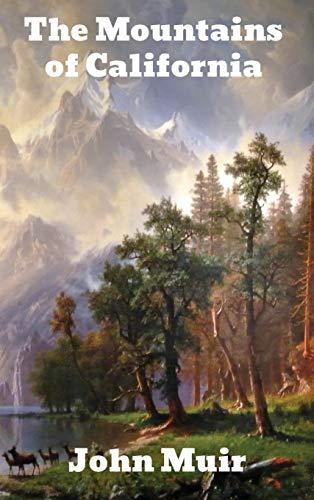
John Muir, a forefather of the American wilderness movement, is mentioned as someone who argued that wilderness should be cleared of all of its inhabitants and set aside to satisfy the urban humans' need for spiritual renewal. In his writing, Muir described indigenous people as quote 'dirty, lazy, and uncivilized.'
dirty, lazy and uncivilized
— Episode: The Wilderness Tool
John Muir, a forefather of the American wilderness movement, is mentioned as someone who argued that wilderness should be cleared of all of its inhabitants and set aside to satisfy the urban humans' need for spiritual renewal. In his writing, Muir described indigenous people as quote 'dirty, lazy, and uncivilized.'
dirty, lazy and uncivilized
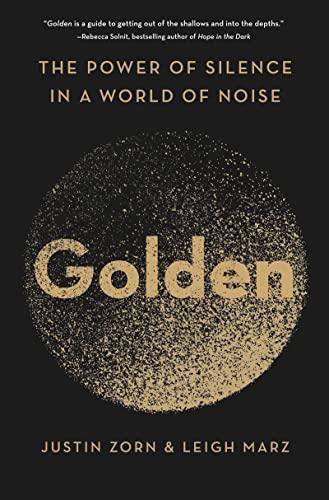
The Power of Silence in a World of Noise
The book explores the transformative power of silence in a noisy world, featuring stories from a former Lieutenant Governor who took a vow of silence and a death row inmate who discovered Buddhist practices.
Lee showed up on a mini story episode of 99 PI a few months back talking about the ever increasing loudness of sirens as a way of measuring how loud our world has become. But the story 20,000 Hertz pr...
— Episode: Twenty Thousand Hertz- Golden
The book explores the transformative power of silence in a noisy world, featuring stories from a former Lieutenant Governor who took a vow of silence and a death row inmate who discovered Buddhist practices.
Lee showed up on a mini story episode of 99 PI a few months back talking about the ever increasing loudness of sirens as a way of measuring how loud our world has become. But the story 20,000 Hertz produced tackles the main thesis of Golden more head on. And I love this episode. I love how it turned out. And I'm so proud of everyone involved that I just wanted to share it with you as a bonus episode.
That book is called Golden, The Power of Silence in a World of Noise.
Lee spent a lot of time interviewing Jarvis for the book Golden.
The two stories you just heard came from the book Golden, The Power of Silence in a World of Noise.
Take a moment to go buy it wherever you get your books. It's also available as an audiobook.
How to Organize Your Life Now for When You're Not Around Later
Jarvis Masters mentioned reading this book, written by a Tibetan monk, which introduced him to Vajrayana Buddhism and helped him cope with being on death row.
And the name of the book was Life in Relationship to Death. And I sat there and read it for almost a week while the jury's in deliberation.
— Episode: Twenty Thousand Hertz- Golden
Jarvis Masters mentioned reading this book, written by a Tibetan monk, which introduced him to Vajrayana Buddhism and helped him cope with being on death row.
And the name of the book was Life in Relationship to Death. And I sat there and read it for almost a week while the jury's in deliberation.
You know, Life in Relationship to Death, it was where I was. And I just thought, hey, you know, let me try this.
How to Organize Your Life Now for When You're Not Around Later
The book, written by a Tibetan monk, is based on a specific school of Buddhism called Vajrayana. It uses techniques like mantras and visualizations to help people become more self-aware and accept their circumstances.
And the name of the book was Life in Relationship to Death.
— Episode: Twenty Thousand Hertz- Golden
The book, written by a Tibetan monk, is based on a specific school of Buddhism called Vajrayana. It uses techniques like mantras and visualizations to help people become more self-aware and accept their circumstances.
And the name of the book was Life in Relationship to Death.
You know, Life in Relationship to Death, it was where I was.
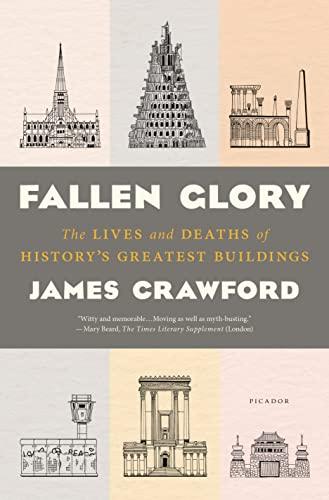
The Lives and Deaths of History's Greatest Buildings
James Crawford wrote this book about the lives and deaths of history's greatest buildings. GeoCities was included in the book because the author viewed it as a place that was inhabited, even though it was not a physical space.
This is James Crawford the author of Fallen Glory the lives and deaths of history's greatest buildings
— Episode: The Lost Cities of Geo Redux
James Crawford wrote this book about the lives and deaths of history's greatest buildings. GeoCities was included in the book because the author viewed it as a place that was inhabited, even though it was not a physical space.
This is James Crawford the author of Fallen Glory the lives and deaths of history's greatest buildings
Geo cities was not a physical place But he included it in his book because the way he sees it it was inhabited like one that was something that I think Geo cities was really providing was was creating these communities and then Conceptualizing them as places as places you could go as neighborhoods on the net
James, crawford's book is called Fallen Glory the lives and deaths of history's greatest buildings Geocities is just one small section of that book. There are a ton of other fascinating stories about lost and ruined buildings We'll have a link to that as well
I mean It's not necessarily art, but it's absolutely Culture james crawford again, you know, this is what we've always done as humans
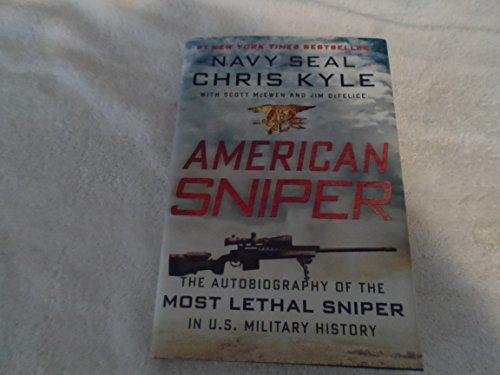
The Autobiography of the Most Lethal Sniper in U.S. Military History
The Punisher skull was spray-painted on military equipment and buildings by Chris Kyle's unit, who referred to themselves as 'The Punishers', as mentioned in his memoir.
We spray-painted it on our hummers and body armor and on our helmets and all our guns. We spray-painted it on every building or wall we could. We wanted people to know, we're here and we want to f***...
— Episode: The Punisher Skull
The Punisher skull was spray-painted on military equipment and buildings by Chris Kyle's unit, who referred to themselves as 'The Punishers', as mentioned in his memoir.
We spray-painted it on our hummers and body armor and on our helmets and all our guns. We spray-painted it on every building or wall we could. We wanted people to know, we're here and we want to f*** with you.
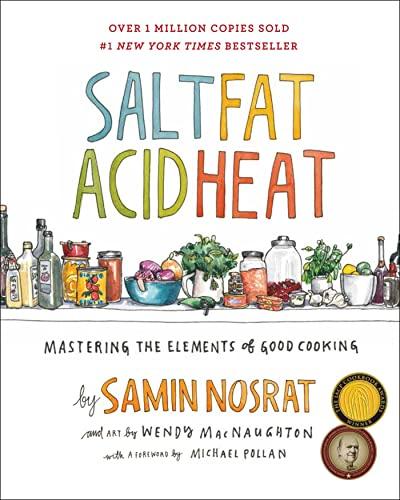
Mastering the Elements of Good Cooking
It was mentioned as a book written by Samin Nosrat, who also has a Netflix show with the same name. It was used as a source for cooking instructions in one of the fake podcasts.
Samin wrote the book Salt, Fat, Acid, Heat and she also has a Netflix show by the same name.
— Episode: The Roman Mars Mazda Virus
It was mentioned as a book written by Samin Nosrat, who also has a Netflix show with the same name. It was used as a source for cooking instructions in one of the fake podcasts.
Samin wrote the book Salt, Fat, Acid, Heat and she also has a Netflix show by the same name.
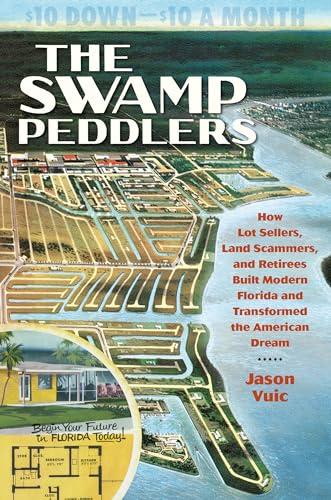
How Lot Sellers, Land Scammers, and Retirees Built Modern Florida and Transformed the American Dream
It was mentioned as a book written by Jason Vuek, a historian who grew up near Cape Coral, and discussed the Rosen brothers, founders of Cape Coral, and their history in the area.
Jason wrote about the Rosen brothers in his book, The Swamp Peddlers.
— Episode: Not Built For This #3: The Price is Wron...
It was mentioned as a book written by Jason Vuek, a historian who grew up near Cape Coral, and discussed the Rosen brothers, founders of Cape Coral, and their history in the area.
Jason wrote about the Rosen brothers in his book, The Swamp Peddlers.
Note: The book recommendations on this page are discovered automatically from podcast transcripts, and may be incorrect or incomplete.
Podcast Name