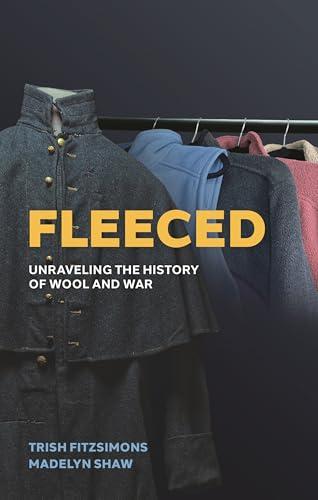
Fleeced
Trish FitzSimons
Mentioned 4 months ago
The Longest Fence in the World

Design is everywhere in our lives, perhaps most importantly in the places where we've just stopped noticing. 99% Invisible is a weekly exploration of the process and power of design and architecture. From award winning producer Roman Mars. Learn more at 99percentinvisible.org.
Recently mentioned
Trish FitzSimons
Mentioned 4 months ago
The Longest Fence in the World
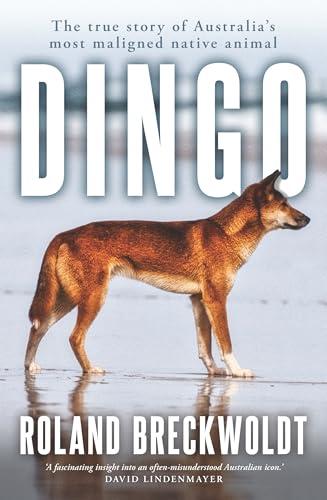
Roland Breckwoldt
Mentioned 4 months ago
The Longest Fence in the World
Annabel Barber
Mentioned 5 months ago
Artistic License Redux
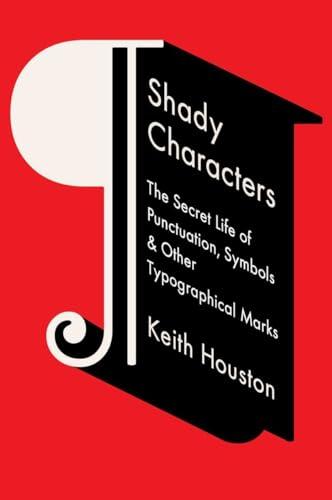
Keith Houston
Mentioned 5 months ago
The Em Dash
Laurence Sterne
Mentioned 5 months ago
The Em Dash
Jane Austen
Mentioned 5 months ago
The Em Dash
Herman Melville
Mentioned 5 months ago
The Em Dash
Charlotte Bronte
Mentioned 5 months ago
The Em Dash
Charles Dickens
Mentioned 5 months ago
The Em Dash
Wendy MacNaughton
Mentioned 6 months ago
Audio Flux
Lin Johnson
Mentioned 6 months ago
Exit Interview With Michael Bierut
Roman Mars
Mentioned 6 months ago
Beyond the 99% Invisible City
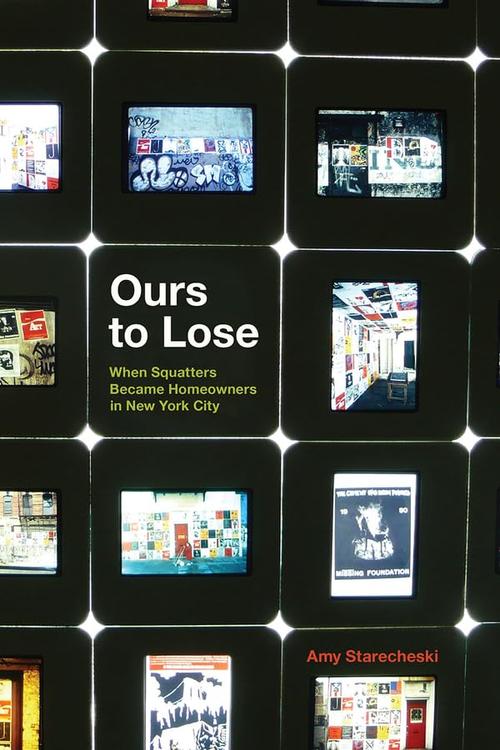
When Squatters Became Homeowners in New York City
The podcast episode was based on this book, which detailed how squatters in New York City became homeowners.
Thanks also to Alex Vasudevan, author of The Autonomous City. Thanks to Dr. Amy Starcheski, who provided us with oral history interviews with the Lower East Side squatters. This episode is based on he...
— Episode: Squatters of the Lower East Side
The podcast episode was based on this book, which detailed how squatters in New York City became homeowners.
Thanks also to Alex Vasudevan, author of The Autonomous City. Thanks to Dr. Amy Starcheski, who provided us with oral history interviews with the Lower East Side squatters. This episode is based on her book called Ours to Lose, When Squatters Became Homeowners in New York City.
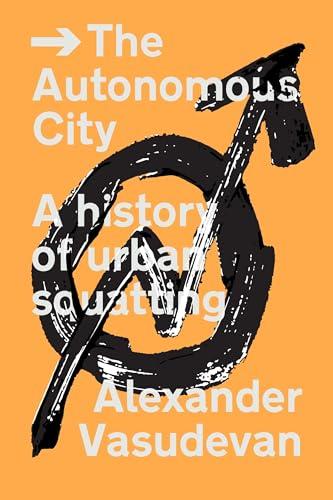
A History of Urban Squatting
The book's author was thanked for their contributions to the podcast episode, alongside Dr. Amy Starcheski's book, Ours to Lose.
Thanks also to Alex Vasudevan, author of The Autonomous City. Thanks to Dr. Amy Starcheski, who provided us with oral history interviews with the Lower East Side squatters. This episo...
— Episode: Squatters of the Lower East Side
The book's author was thanked for their contributions to the podcast episode, alongside Dr. Amy Starcheski's book, Ours to Lose.
Thanks also to Alex Vasudevan, author of The Autonomous City. Thanks to Dr. Amy Starcheski, who provided us with oral history interviews with the Lower East Side squatters. This episode is based on her book called Ours to Lose, When Squatters Became Homeowners in New York City.
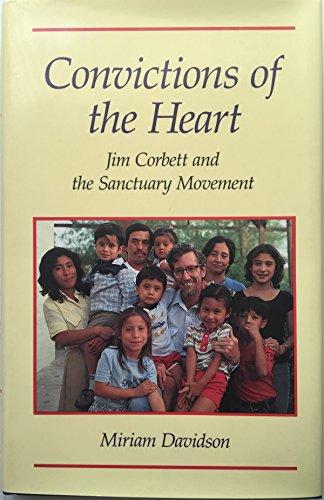
Jim Corbett and the Sanctuary Movement
The book's author, Miriam Davidson, was thanked by Roman Mars for allowing the podcast to use a recording of her interview with Jim Corbett, a sanctuary movement founder.
Thank you to Miriam Davidson, the author of Convictions of the Heart, for letting us use tape of her interview with Jim Corbett.
— Episode: State (Sanctuary, Part 2)
The book's author, Miriam Davidson, was thanked by Roman Mars for allowing the podcast to use a recording of her interview with Jim Corbett, a sanctuary movement founder.
Thank you to Miriam Davidson, the author of Convictions of the Heart, for letting us use tape of her interview with Jim Corbett.
The book was acknowledged in the episode credits, and the author was thanked for allowing the use of her interview tape with Jim Corbett.
Thank you to Miriam Davidson, author of Convictions of the Heart, for letting us use tape of her interview with Jim Corbett.
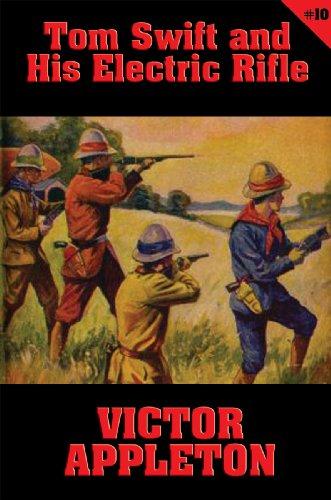
Tom Swift and His Electric Rifle
This novel was the namesake for a 99% Invisible episode detailing the origins of the Taser weapon. The podcast explained that inventor Jack Cover was inspired by the book's title, which he read during his childhood, leading him to name his new invention after the science fiction rifle. Hosts highlighted the contrast between the real-world Taser and Tom Swift's electric rifle, which was depicted in the story as a highly lethal device capable of firing electricity through walls and armor.
The podcast episode's namesake, it was a science fiction novel from Jack Cover's childhood, whose electric rifle was a lethal device that fired electricity. It inspired the naming of the Taser.
In the book, Tom Swift's electric rifle is a lethal device that fires balls of electricity that can pass through walls and penetrate armor.
It was a science fiction novel that inspired the name of the Taser weapon, the electric rifle in the book was described as a lethal device capable of firing electricity.
He named his new invention after a science fiction novel from his childhood called Tom Swift and His Electric Rifle.
In the book, Tom Swift's electric rifle is a lethal device that fires balls of electricity that can pass through walls and penetrate armor.
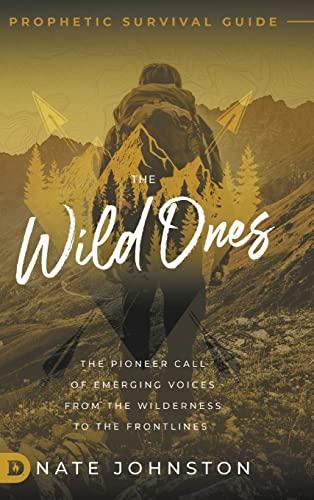
The Pioneer Call of Emerging Voices from the Wilderness to the Frontlines
Host Roman Mars initially read Wild Ones for pleasure but was so compelled by its subject that he featured it across multiple episodes. He highlighted that the book is not about nature, but rather an examination of how humans fit wildlife into modern life, focusing on the "designed experience" of conservation, eco-tours, and stuffed animals. The book was praised for its sometimes dismaying, yet ultimately reassuring, look at the transition of human-animal interaction.
It was described as a sometimes dismaying, weirdly reassuring story about how humans interact with and perceive animals in America, focusing on how this interaction has become a designed experience.
I didn't think I'd ever do an episode of 99% Invisible about it. I just read it for fun.
What you need to know about Wild Ones is that it isn't a book about nature. It's a book about how we fit nature into our modern lives.
Wild Ones is about the cutesy stuffed animals, the eco tours, and the Byzantine methods of conservation that evolve when our experience with wildlife goes from something natural to something designed.
Human-animal interaction has become a designed experience and the story of that transition, as the title of the book suggests, is sometimes dismaying and also weirdly reassuring.
It explored the relationship between humans and wildlife in America, specifically how human interactions with wildlife evolved from natural to designed experiences, often with unexpected and amusing consequences.
I just read it for fun.
What you need to know about Wild Ones is that it isn't a book about nature. It's a book about how we fit nature into our modern lives.
Wild Ones is about the cutesy stuffed animals, the eco tours and the Byzantine methods of conservation that evolve when our experience with wildlife goes from something natural to something designed.
Human-animal interaction has become a designed experience, and the story of that transition, as the title of the book suggests, is sometimes dismaying and also weirdly reassuring.
So I wrote this book about people and wild animals in America, and it only really started because I wanted to show my daughter endangered species in the wild before they disappeared.
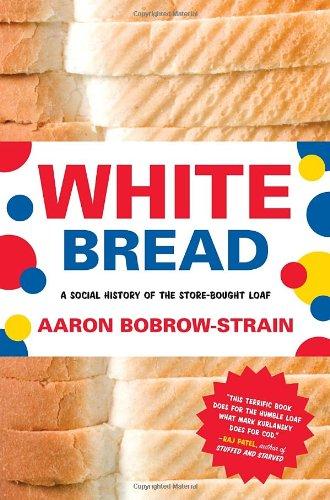
A Social History of the Store-Bought Loaf
Aaron Bobrow-Strain's White Bread: A Social History of the Store-Bought Loaf was foundational to the "Good Bread" episodes, where host Roman Mars featured the book's historical insights. The discussion centered on the surprising social history of the mass-produced loaf, detailing how white bread evolved into a complex symbol of purity and modernity. Furthermore, the book provided fascinating etymological context, connecting the provision of bread to the origins of words like "lord."
It explored the social history of store-bought bread, including how the concept of 'lord' was associated with bread provision and how bread became a symbol of purity and modernity, particularly white bread.
He's the author of the book, White Bread, A Social History of the Store-Bought Loaf.
In his book, Aaron also talks about the word lord. It comes from a word in Old English.
It was discussed as exploring the social history of the store-bought loaf of bread, also touching on the evolution of words like 'lord' and 'companion' in relation to bread.
He's the author of the book, White Bread, A Social History of the Store-Bought Loaf.
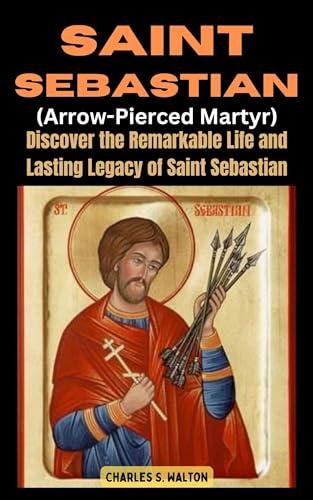
Discover the Remarkable Life and Lasting Legacy of Saint Sebastian
The book served as a crucial historical reference point during the podcast’s deep dive into the design history of the iconic Muhammad Ali Esquire cover. Host Roman Mars referenced the text to explain that the controversial cover image, which depicted Ali as a martyr, was directly based on artistic portrayals of Saint Sebastian by Andrea del Castao. The ensuing discussion detailed the theological hurdle Ali faced, requiring him to explain the Christian source material to his religious leader, Elijah Muhammad, before the provocative visual could be approved for publication.
The book was referenced regarding the Christian martyr Saint Sebastian, who is also the patron saint of sports, and was the model for a Muhammad Ali Esquire cover.
Specifically, Saint Sebastian as portrayed in oil paintings by Andrea del Castao.
The book was mentioned in relation to the Muhammad Ali cover of Esquire, as the model of a Christian martyr was used for the illustration, which had to be approved by Muhammad Ali's religious leader, Elijah Muhammad.
Specifically, Saint Sebastian as portrayed in oil paintings by Andrea del Castao.
Muhammad Ali had to get on the phone with his religious leader Elijah Muhammad and Muhammad Ali had to explain the painting on which this photograph would be based in excruciating detail because Muhammad Ali was concerned about the propriety of using a Christian source for the portrayal of his martyrdom.
After a lengthy theological discussion, Elijah Muhammad gave George Lois his okay.
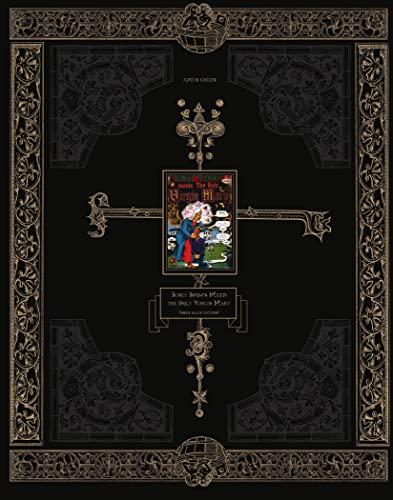
Justin Green's autobiographical comic, Binky Brown Meets the Holy Virgin Mary, was discussed as the author's most famous and defining work from his younger years. Green himself appeared on the podcast and acknowledged the comic’s lasting impact, stating that despite the decades passed, he could not seem to shake the "little bastard." The discussion established the book as a foundational and highly recognized work within his career.
It was mentioned as Justin Green's best-known work created in his younger days, and he reflected upon it being difficult to detach himself from the comic book.
My comic book, Pinky Brown Meets the Holy Virgin Mary, that's my best-known work that I did as a young man. I can't seem to shake the little bastard.
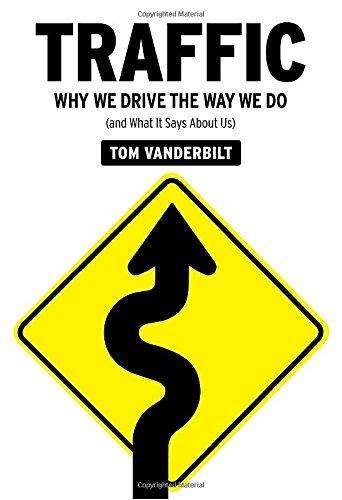
Why We Drive the Way We Do (and What It Says About Us)
It was discussed as a book about how we drive and what it means, with the podcast host suggesting that every few pages could be their own episode.
My name is Tom Vanderbilt. I'm a writer in New York and author of Traffic, Why We Drive The Way We Do and What It Says About Us.
— Episode: Built for Speed
It was discussed as a book about how we drive and what it means, with the podcast host suggesting that every few pages could be their own episode.
My name is Tom Vanderbilt. I'm a writer in New York and author of Traffic, Why We Drive The Way We Do and What It Says About Us.
Tom Vanderbilt introduced himself as the author of Traffic, a book about why we drive the way we do and what it reveals about us, and the hosts praised the book as terrific.
This is Tom Vanderbilt. My name is Tom Vanderbilt. I'm a writer in New York and author of Traffic, Why We Drive the Way We Do and What It Says About Us.
Every three pages of Tom's terrific book, Traffic, I could probably turn into a 99% invisible episode.
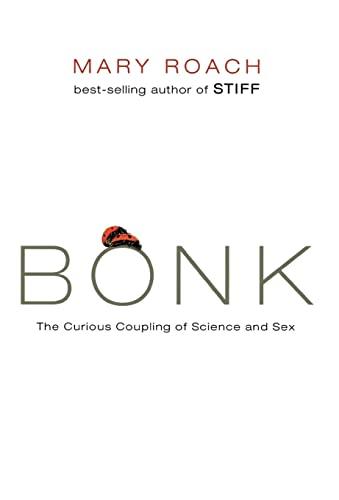
The Curious Coupling of Science and Sex
The title was referenced as Mary Roach's second book, noted for a chapter in which she and her husband had sex inside an MRI to capture internal images, illustrating her willingness to experiment for science. Roman Mars mentioned it in the episode as an example of the kind of quirky scientific storytelling the show highlights.
Roman recalled that Mary's second book, Bonk, featured a chapter where she and her husband had sex inside an MRI, illustrating her willingness to experiment for science.
I think I first recognized this in your second book, Bonk, where you have sex with your husband in an MRI and have people take pictures of it, like the insides of your bodies.
Roman Mars recalled that Bonk was Mary Roach's second book, which featured a story about having sex in an MRI.
I think I first recognized this in your second book, Bonk, where you have sex with your husband in an MRI and have people take pictures of it, like the insides of your bodies.
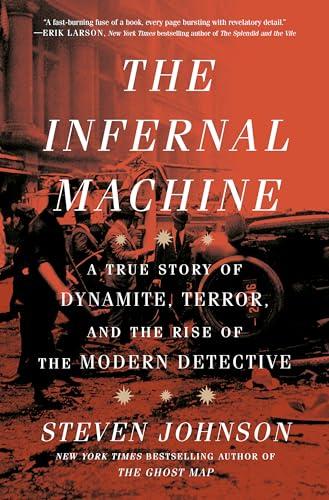
A True Story of Dynamite, Terror, and the Rise of the Modern Detective
Steven Johnson's The Infernal Machine was enthusiastically introduced by host Roman Mars as a deep dive into historical technology and crime. The book chronicles how the terrorist use of Alfred Nobel’s dynamite by anarchists spurred the dramatic development of modern detective work, forensic science, and sophisticated surveillance technology in response. Mars recommended the book for its detailed account of the tension between these competing technologies during a critical, explosive period in American history.
It tells the story of how Alfred Nobel's invention of dynamite was used by anarchists for terrorism and how law enforcement used surveillance technology to combat them. The book details the rise of modern detective work and forensic science in response to the anarchist threat.
Stephen johnson's new book is called The Infernal Machine a true story of dynamite terror and the rise of the modern detective
Stephen johnson's new book is called The Infernal Machine a true story of dynamite terror and the rise of the modern detective
It tells the story of how dynamite, invented by Alfred Nobel, was used by anarchists for terrorism and shaped modern law enforcement's development of surveillance technology to combat it. The book details the tension between these two technologies during a highly explosive period in American history.
Stephen johnson's new book is called The Infernal Machine a true story of dynamite terror and the rise of the modern detective
Stephen tells the story of the tension between these two technologies and what we can learn from one of the most explosive periods in american history
Stephen Johnson's new book is called The Infernal Machine a true story of dynamite terror and the rise of the modern detective
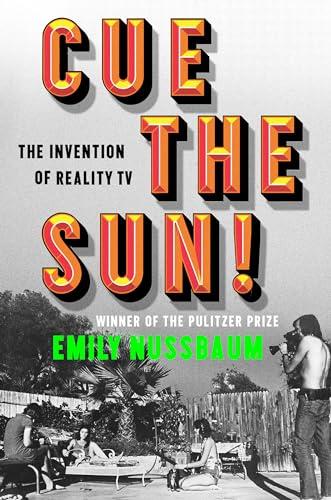
The Invention of Reality TV
Host Roman Mars highly recommended Emily Nussbaum’s deep dive into the history of reality television, confessing that he loved the book despite personally hating the genre. The discussion explored the evolution of reality TV and its profound influence on society and politics. Nussbaum detailed the surprising historical precedent for reality backlash and highlighted the morally corrupt practices behind shows like The Bachelor.
It explores the history of reality TV, from its morally questionable beginnings to its current influence on society and politics. The author details the evolution of the genre, highlighting key figures and shows that shaped its development.
I have to confess. I really hate reality television. It's shocking
I know but I did really love this book
one of the biggest surprises to me in researching this book was that the freak out over reality television not only wasn't modern but it had happened before in the late 40s
The bachelor which is by far the scummiest chapter of this book. It really gets at the evil things that producers can do and the way in which as I'm talking about the creation of a workplace. Part of that is the ethic of a workplace and what's considered acceptable and what was considered acceptable in making dating shows. Is something that I think most people in the regular world would consider criminal and certainly just morally corrupt.
It explores the history of reality television, from its morally questionable beginnings to its impact on American society and politics. The book was described as a surprisingly enjoyable read, despite the subject matter being disliked by the interviewer.
I have to confess. I really hate reality television. It's shocking. I know but I did really love this book.
It's decades long creation process how it shapes our world and why love it or hate it you should probably understand reality television
one of the biggest surprises to me in researching this book was that the freak out over reality television not only wasn't modern but it had happened before in the late 40s
The bachelor which is by far the scummiest chapter of this book. It really gets at the evil things that producers can do and the way in which as I'm talking about the creation of a workplace. Part of that is the ethic of a workplace and what's considered acceptable and what was considered acceptable in making dating shows Is something that I think most people in the regular world would consider Criminal and Certainly just morally corrupt.
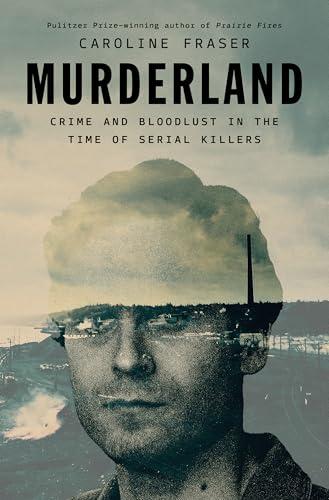
Crime and Bloodlust in the Time of Serial Killers
Roman Mars introduced the title as exploring a possible link between 1970s‑80s serial killings in the Pacific Northwest and toxic emissions from the smelting industry. He noted its blend of true‑crime narrative, personal memoir, environmental history, and distinctive design, including a striking cover that merges a smelter and a notorious killer’s face. He described the work as a fascinating, if tragic, synthesis that answered long‑standing questions, indicating strong endorsement.
The book linked the surge of 1970s80s serial killers in the Pacific Northwest to toxic emissions from smelters, weaving truecrime, memoir and environmental history together.
In her new book, Murderland, Crime and Bloodlust in a Time of Serial Killers, Caroline argues that the wave of serial killing in the 1970s and 80s might be related to the smelting industry's environmental pollution.
Murderland is a book with a rotating cast of villains. There's Asarco, the company that's operated giant smokestacks across the country since the late 1800s. There's the deadly Mercer Island floating bridge and the engineers behind it. And then, of course, there are the serial killers of the Pacific Northwest.
In Murderland, you trace the rise and fall of this company, Asarco. And on top of that timeline and geography, the book weaves in and out stories from your own life and memory and the rise and fall of the Mercer Island Bridge.
I found the cover of your book really striking. You have this, a sarco smelting plant in the background and Ted Bundy's face in the foreground and the images kind of blend into each other. Ted Bundy's head is also the cloud of pollution coming out of the smokestack behind him.
The book is a blend of true crime, memoir, and environmental history, all woven together. And it also features a lot of intriguing design elements.
The book linked serial killings in the 1970s80s to heavymetal pollution from smelters, weaving truecrime, memoir and environmental history together.
In her new book, Murderland, Crime and Bloodlust in a Time of Serial Killers, Caroline argues that the wave of serial killing in the 1970s and 80s might be related to the smelting industry's environmental pollution.
Murderland is a book with a rotating cast of villains. There's Asarco, the company that's operated giant smokestacks across the country since the late 1800s. There's the deadly Mercer Island floating bridge and the engineers behind it. And then, of course, there are the serial killers of the Pacific Northwest.
I found the cover of your book really striking. You have this, a Asarco smelting plant in the background and Ted Bundy's face in the foreground and the images kind of blend into each other.
The book weaves in and out stories from your own life and memory and the rise and fall of the Mercer Island Bridge, and you write in great detail about the personal histories and activities of various serial killers.
Murderland was a culmination of a lot of open questions you seemed to have throughout your entire life, and it made for a fascinating, if tragic, story of an era that is fortunately seems to be over.
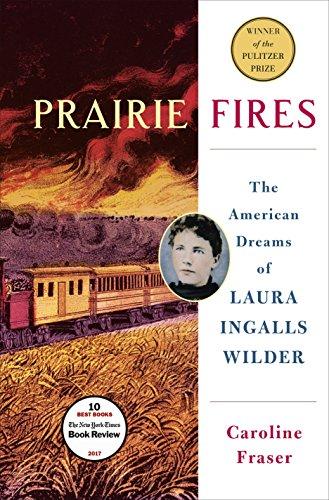
The American Dreams of Laura Ingalls Wilder
In two episodes, Roman Mars noted that the Pulitzer‑Prize‑winning biography examined Laura Ingalls Wilder’s life and the cultural legacy of her Little House series. He referenced the book as a thorough look at the author’s impact. The mention was factual rather than a recommendation, conveying a casual acknowledgment.
A PulitzerPrizewinning biography that examined the life and legacy of Laura Ingalls Wilder, author of the Little House on the Prairie series.
Her Pulitzer Prize-winning book, Prairie Fires, was about Laura Ingalls Wilder, the author who wrote the children's book series, Little House on the Prairie.
A PulitzerPrizewinning biography of Laura Ingalls Wilder that examines the author's life and the cultural impact of her Little House on the Prairie series.
And her Pulitzer Prize-winning book, Prairie Fires, was about Laura Ingalls Wilder, the author who wrote the children's book series, Little House on the Prairie.
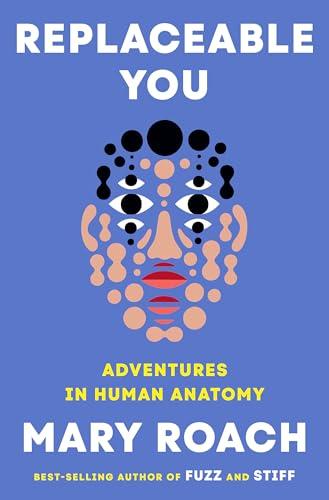
Adventures in Human Anatomy
The author appeared on the show to introduce her new title, which examined the science and challenges of creating replacement parts for the human body. She explained the subtitle and described how the book explores the design of human prosthetics, even referencing the organization CORE. The host highlighted the book’s focus on anatomy and innovation, indicating strong enthusiasm for its content.
Mary introduced her new book Replaceable You, subtitled Adventures in Human Anatomy, which explores the science and challenges of designing replacement parts for the human body.
My name is Mary Roach and my book is called Replaceable You. And the subtitle, which doesn't really tell you that much, is Adventures in Human Anatomy.
Mary Roach introduced Replaceable You as her new book about designing human replacement parts and later was noted as mentioning the organization CORE within its pages.
My name is Mary Roach and my book is called Replaceable You. And the subtitle, which doesn't really tell you that much, is Adventures in Human Anatomy.
And in the book, Replaceable You, you talk about this organization called CORE.
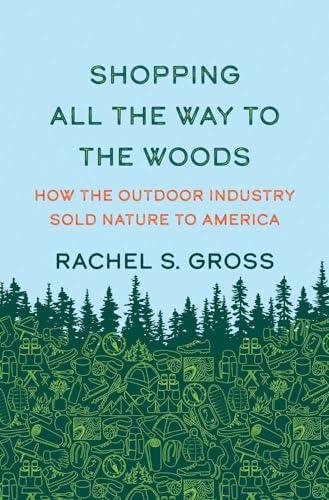
How the Outdoor Industry Sold Nature to America
The podcast introduced the title as a historical examination of how the outdoor industry marketed nature to America, with historian Rachel S. Gross presenting the work. The discussion highlighted the book’s focus on the industry’s role in shaping public perceptions of the outdoors.
It was introduced as a book by Rachel S. Gross that examines how the outdoor industry marketed nature to America.
This is Rachel S. Gross. I'm a history professor at the University of Colorado, Denver. And she is the author of Shopping All the Way to the Woods, How the Outdoor Industry Sold Nature to America.
The historian introduced her book as an exploration of how the outdoor industry marketed nature to Americans.
I am a history professor at the University of Colorado, Denver. And she is the author of Shopping All the Way to the Woods, How the Outdoor Industry Sold Nature to America.
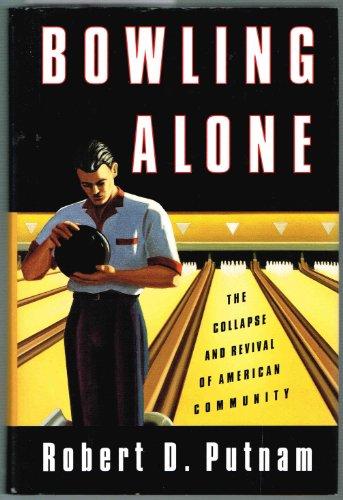
The Collapse and Revival of American Community
It was mentioned as a book that examined how people used to be more involved in group activities, but now tended to stay home more, a point that was discussed in the context of social interaction and infrastructure.
about 20 years ago, a great social scientist named Robert Putnam wrote a book called Bowling Alone.
— Episode: Palaces for the People
It was mentioned as a book that examined how people used to be more involved in group activities, but now tended to stay home more, a point that was discussed in the context of social interaction and infrastructure.
about 20 years ago, a great social scientist named Robert Putnam wrote a book called Bowling Alone.
A Novel
Pat Morrison, LA Times columnist and author of the book Rio LA, said that even before human intervention, the LA River behaved in peculiar ways. Morrison said that the LA Chamber of Commerce actually had all of these concerns about all of the things that came with population growth, like pollution and traffic and disappearing public park space. The Olmsted plan has served as an inspiration for some of the proposals to revitalize the LA River.
This is Pat Morrison, LA Times columnist and author of the book Rio LA.
— Episode: A River Runs Through Los Angeles
Pat Morrison, LA Times columnist and author of the book Rio LA, said that even before human intervention, the LA River behaved in peculiar ways. Morrison said that the LA Chamber of Commerce actually had all of these concerns about all of the things that came with population growth, like pollution and traffic and disappearing public park space. The Olmsted plan has served as an inspiration for some of the proposals to revitalize the LA River.
This is Pat Morrison, LA Times columnist and author of the book Rio LA.
She says that even before human intervention, the LA River behaved in peculiar ways.
So she says that in the late 1920s, as Los Angeles was experiencing this super rapid growth, the LA Chamber of Commerce actually had all of these concerns about all of the things that came with population growth, stuff like pollution and traffic and disappearing public park space.
And I think that's the thing that changes in people's minds when they talk about it as a river.
Don't make Pat Morrison cry.
Note: The book recommendations on this page are discovered automatically from podcast transcripts, and may be incorrect or incomplete.
Podcast Name