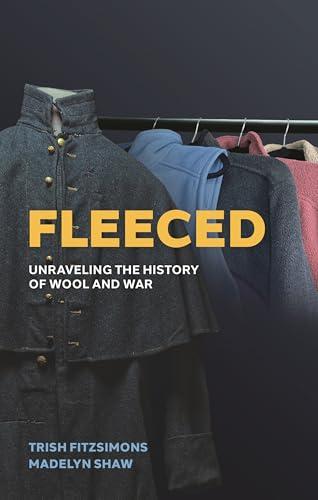
Fleeced
Trish FitzSimons
Mentioned 4 months ago
The Longest Fence in the World

Design is everywhere in our lives, perhaps most importantly in the places where we've just stopped noticing. 99% Invisible is a weekly exploration of the process and power of design and architecture. From award winning producer Roman Mars. Learn more at 99percentinvisible.org.
Recently mentioned
Trish FitzSimons
Mentioned 4 months ago
The Longest Fence in the World
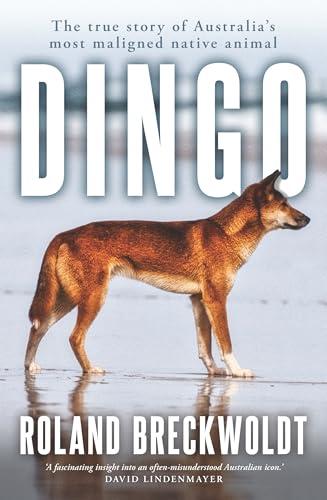
Roland Breckwoldt
Mentioned 4 months ago
The Longest Fence in the World
Annabel Barber
Mentioned 5 months ago
Artistic License Redux
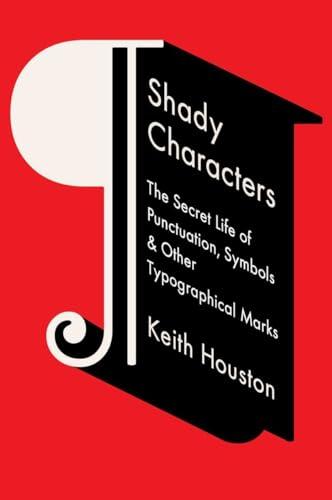
Keith Houston
Mentioned 5 months ago
The Em Dash
Laurence Sterne
Mentioned 5 months ago
The Em Dash
Jane Austen
Mentioned 5 months ago
The Em Dash
Herman Melville
Mentioned 5 months ago
The Em Dash
Charlotte Bronte
Mentioned 5 months ago
The Em Dash
Charles Dickens
Mentioned 5 months ago
The Em Dash
Wendy MacNaughton
Mentioned 6 months ago
Audio Flux
Lin Johnson
Mentioned 6 months ago
Exit Interview With Michael Bierut
Roman Mars
Mentioned 6 months ago
Beyond the 99% Invisible City
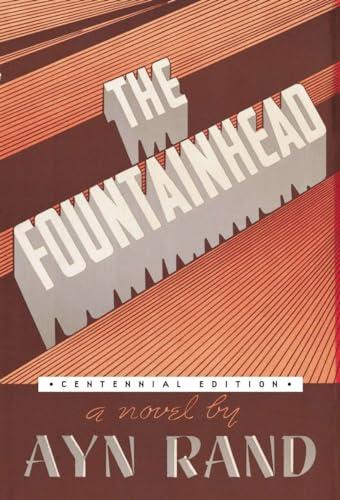
It was referenced in a discussion about an architect refusing to compromise with a client, similar to a character in the book. The Fountainhead's theme of fierce independence was used as a comparison.
It sounds very much like you've been reading Ayn Rand.
— Episode: The Mind of an Architect
It was referenced in a discussion about an architect refusing to compromise with a client, similar to a character in the book. The Fountainhead's theme of fierce independence was used as a comparison.
It sounds very much like you've been reading Ayn Rand.
The Fountainhead was discussed as both a film and the novel it was based on, noting its mixed reception and its portrayal of an architect protagonist.
Well, it's both a great movie and a terrible movie, right? So 1949, The Fountainhead, based on the novel by Ayn Rand and directed by King Vidor.
And the lead character in the film, played by Gary Cooper, is this architect named Howard Rourke. And he's a very dogmatic modernist.
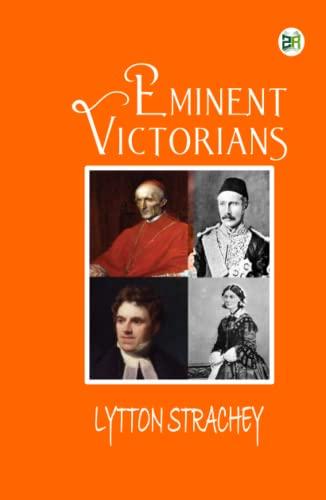
The book Eminent Victorians by Lytton Strachey was mentioned as a humorous and critical historical work that exposed the hypocrisy of prominent Victorian figures. The episode compared the writing style in this book to the way Robert Caro approached his portrayal of Vincent Impellitteri, highlighting the absurdity of the situation.
Now Roman have you ever read the book Eminent Victorians by litten straitji?
— Episode: The Power Broker #8: Shiloh Frederick
The book Eminent Victorians by Lytton Strachey was mentioned as a humorous and critical historical work that exposed the hypocrisy of prominent Victorian figures. The episode compared the writing style in this book to the way Robert Caro approached his portrayal of Vincent Impellitteri, highlighting the absurdity of the situation.
Now Roman have you ever read the book Eminent Victorians by litten straitji?
He's just writing about how what hypocrites they were how what you know just scan
Caro described it as a satirical, almost burnbook style critique of Victorian society.
Eminent Victorians, a satirical book in a way about, it's like a burn book about Victorian society.
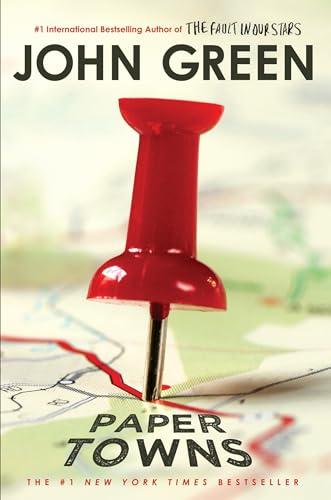
It was mentioned as being set in Aglo, New York, a town that was originally created as a copyright trap on a map, which was later turned into a movie.
So this sort of became famous because this author, John Green, wrote a book called Paper Towns that is set in Aglo, New York.
— Episode: Mini-Stories: Volume 2
It was mentioned as being set in Aglo, New York, a town that was originally created as a copyright trap on a map, which was later turned into a movie.
So this sort of became famous because this author, John Green, wrote a book called Paper Towns that is set in Aglo, New York.
And he gave a TEDx talk about Aglo, New York and about the concept of Paper Towns as well.
And it was since turned into a movie.
It was mentioned as a book that was set in Aglo, New York, a town that was originally a copyright trap on a map, which was later discussed in a TEDx talk and turned into a movie.
So this sort of became famous because this author, John Green, wrote a book called Paper Towns that is set in Aglo, New York.
And he gave a TEDx talk about Aglo, New York and about the concept of Paper Towns as well.
And it was since turned into a movie.
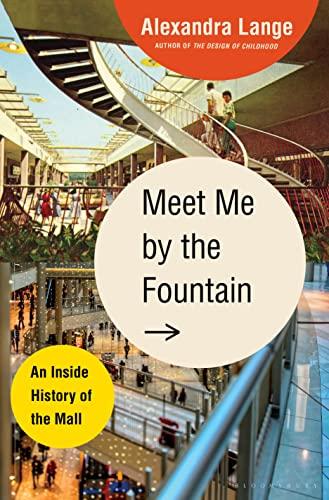
An Inside History of the Mall
It explored the history and evolution of shopping malls in America, detailing how they transitioned from a community-focused concept to a more commercial landscape.
I think part of the whole argument of this book is really that people are social creatures and that the mall had to be created because the suburbs didn't really Initially like think about a space for...
— Episode: Meet Us by the Fountain
It explored the history and evolution of shopping malls in America, detailing how they transitioned from a community-focused concept to a more commercial landscape.
I think part of the whole argument of this book is really that people are social creatures and that the mall had to be created because the suburbs didn't really Initially like think about a space for people to come together Even though we're past the heyday of them all
Alexandra Lange's book is called Meet Me by the Fountain an inside history of the mall
And if you buy the book, which I highly recommend and you flip it over and look at the back cover You will find that someone has written it's an architectural page-turner this insightful witty and smart book Captures everything compelling and confounding about the American mall
That's how much I believe in this book. You should get it
The book was presented as an inside history of the American mall and was strongly recommended as an architectural pageturner.
Alexandra is the author of a new book called Meet Me by the Fountain.
Alexandra Leng's book is called Meet Me by the Fountain, an inside history of the mall. And if you buy the book, which I highly recommend, and you flip it over and you look at the back cover, you will find that someone has written. It's an architectural page turner. This insightful, witty, and smart book captures everything compelling and confounding about the American mall.
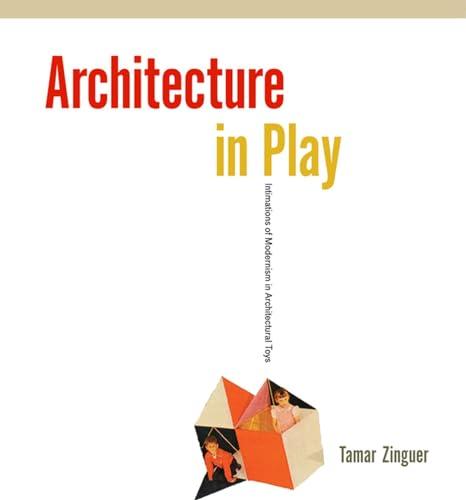
Intimations of Modernism in Architectural Toys
Rediscovering Community, Bringing Decision Making Back Home
It was co-authored by Middlesex town moderator Susan Clark and discussed the importance of community involvement and local decision-making, particularly through town meetings.
Also Middlesex town moderator Susan Clark co-authored a book called Slow Democracy Rediscovering community and bringing decision-making back home It's about all of the things that the...
— Episode: Rumble Strip
It was co-authored by Middlesex town moderator Susan Clark and discussed the importance of community involvement and local decision-making, particularly through town meetings.
Also Middlesex town moderator Susan Clark co-authored a book called Slow Democracy Rediscovering community and bringing decision-making back home It's about all of the things that they talked about here and a lot more and it's really good I'll put a link to it on the website
It was co-authored by Middlesex town moderator Susan Clark and discussed the importance of community involvement and local decision-making, particularly through town meetings.
Also Middlesex town moderator Susan Clark co-authored a book called Slow Democracy Rediscovering community and bringing decision-making back home It's about all of the things that they talked about here and a lot more and it's really good I'll put a link to it on the website
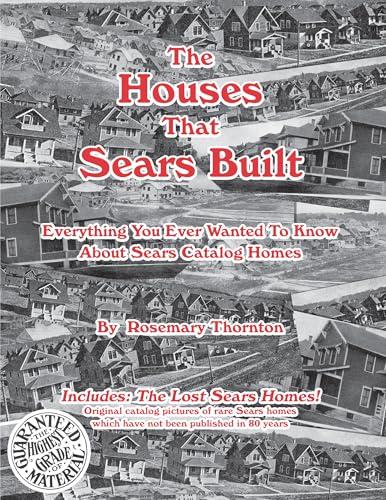
Everything You Ever Wanted to Know About Sears Homes
It was mentioned as a book written by an architectural historian, who discussed how every part of the house, even a foldaway ironing board, would arrive by train in a kit.
That's Rosemary Thornton, an architectural historian and the author of The Houses That Sears Built.
— Episode: The House that Came in the Mail Again
It was mentioned as a book written by an architectural historian, who discussed how every part of the house, even a foldaway ironing board, would arrive by train in a kit.
That's Rosemary Thornton, an architectural historian and the author of The Houses That Sears Built.
It was mentioned that Rosemary Thornton is an architectural historian and the author of this book, which discusses the Sears Modern Home Program and the mail-order houses they offered.
That's Rosemary Thornton, an architectural historian and the author of The Houses That Sears Built.
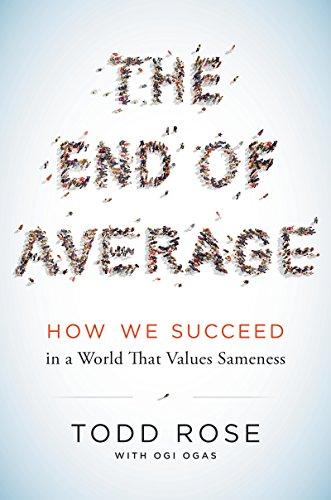
How We Succeed in a World That Values Sameness
It was discussed as a new science that challenges the long-held belief that designing for the average person is the best approach, and it was mentioned in the context of the episode's main theme of designing for a wider range of people.
But to get to that, first we have to start with the beginning of average.
— Episode: The Lows of High Tech
It was discussed as a new science that challenges the long-held belief that designing for the average person is the best approach, and it was mentioned in the context of the episode's main theme of designing for a wider range of people.
But to get to that, first we have to start with the beginning of average.
My name is Todd Rose. I am the director of the Mind, Brain, and Education program at the Harvard Graduate School of Education.
He's also the author of the book The End of Average.
It was discussed as a new science that challenges the traditional reliance on averages, arguing that designing for the 'average person' can be detrimental, particularly illustrated in the history of aircraft design.
He's also the author of the book The End of Average.
If you want to know more, maybe you want to know how average came to mean subpar instead of ideal, check out Todd Rose's book. It's called The End of Average, How We Succeed in a World That Values Sameness.
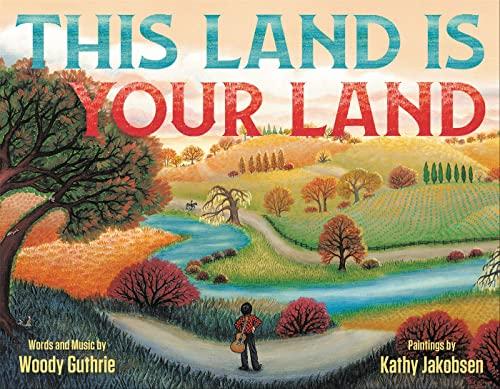
It was discussed as a book about the loss of the right to roam and how to potentially regain it, referencing the historical context of common land and enclosure acts.
That's Ken Ilgunis, author of This Land Is Your Land: How We Lost the Right to Roam and How to Take It Back.
— Episode: Katie Mingle's Right to Roam
It was discussed as a book about the loss of the right to roam and how to potentially regain it, referencing the historical context of common land and enclosure acts.
That's Ken Ilgunis, author of This Land Is Your Land: How We Lost the Right to Roam and How to Take It Back.
It was discussed as a book about the loss of the right to roam and how to potentially regain it, specifically in the context of the UK and the historical enclosures of land.
That's Ken Ilgunas, author of This Land Is Your Land, How We Lost the Right to Roam and How to Take It Back.
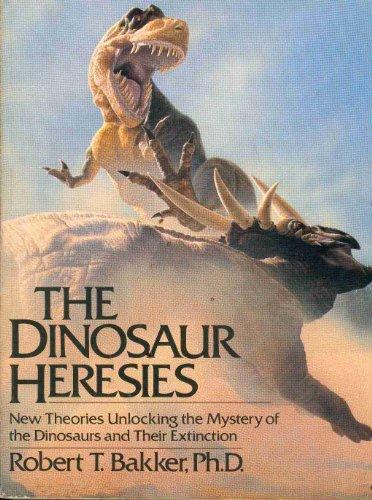
New Theories Unlocking the Mystery of the Dinosaurs and Their Extinction
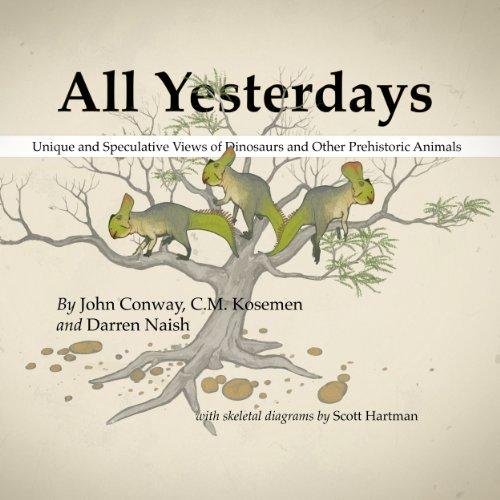
Unique and Speculative Views of Dinosaurs and Other Prehistoric Animals
This book was a collaborative effort featuring speculative paleoart, showcasing dinosaurs with diverse body shapes, textures, and behaviors, past the traditional lean and muscular depictions.
He teamed up with Darren Naish and another paleo artist named Memo Kofman and published a slim little paperback called All Yesterdays.
— Episode: Welcome to Jurassic Art Redux
This book was a collaborative effort featuring speculative paleoart, showcasing dinosaurs with diverse body shapes, textures, and behaviors, past the traditional lean and muscular depictions.
He teamed up with Darren Naish and another paleo artist named Memo Kofman and published a slim little paperback called All Yesterdays.
All Yesterdays is filled with dinosaurs that look very different from what you're used to.
We talk about the All Yesterdays movement as like it's the new frontier of the way we should depict prehistoric animals.
It's a slim paperback co-authored by John Conway, Darren Naish and Memo Kozman, featuring speculative dinosaur depictions with a focus on the potential for variation in their appearance, such as spines, camouflage patterns, and excessive feathering.
John eventually decided to give the world some of that magic in the form of a book. He teamed up with Darren Naish and another paleo artist named Memo Kozman and published a slim little paperback called All Yesterdays.
All Yesterdays is filled with dinosaurs that look very different from what you're used to.
We talk about the All Yesterdays movement as like it's the new frontier of the way we should depict prehistoric animals.
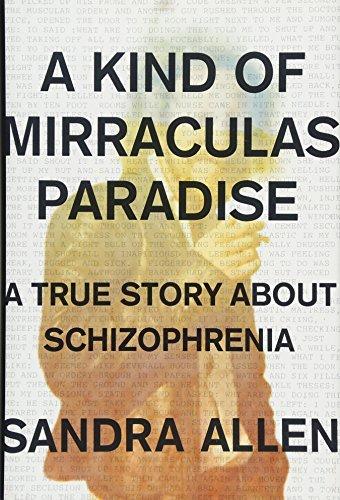
A True Story About Schizophrenia
Sandy Allen, a reporter and writer featured in the episode, was mentioned as having written a book titled 'A Kind of Miraculous Paradise'.
Sandy Allen is an author. Their book is called a kind of miraculous paradise. Learn more about their work at hello sandyallen.com.
— Episode: Where Do We Go From Here?
Sandy Allen, a reporter and writer featured in the episode, was mentioned as having written a book titled 'A Kind of Miraculous Paradise'.
Sandy Allen is an author. Their book is called a kind of miraculous paradise. Learn more about their work at hello sandyallen.com.
It was a book about mental health care in America, and was mentioned multiple times throughout the podcast. It was discussed as a true story about schizophrenia and recommended at the end of the episode.
They wrote a book called A Kind of Miraculous Paradise about mental health care in America.
read their book A Kind of Miraculous Paradise a true story about schizophrenia it was published by Scribner and is now out in paperback
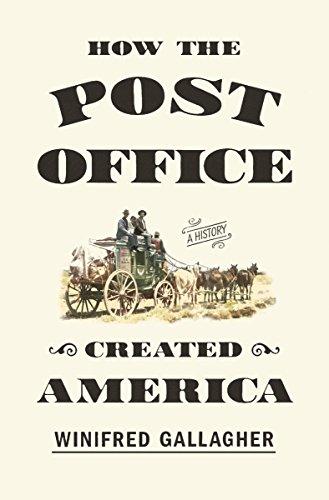
A History
It was highlighted as a revelation that the post office was instrumental in uniting the colonies and played a key role in creating the United States of America, past its initial purpose of delivering mail.
I was sitting on my back porch in Wyoming one night, you know, as the sun sank in the Golden West, and I just jumped up out of the chair and like shrieked at my husband, The Post Office Created Americ...
— Episode: The Revolutionary Post (Repeat)
It was highlighted as a revelation that the post office was instrumental in uniting the colonies and played a key role in creating the United States of America, past its initial purpose of delivering mail.
I was sitting on my back porch in Wyoming one night, you know, as the sun sank in the Golden West, and I just jumped up out of the chair and like shrieked at my husband, The Post Office Created America.
That is author and historian Winifred Gallagher, and she wrote a book based on this revelation called Appropriately. How the Post Office Created America, A History.
Gallagher argues that the Post Office didn't just create an efficient and inexpensive way to send a letter from Oakland, California into the Grand Canyon.
The service was designed to unite a bunch of disparate towns and people under one flag, and in doing so, the Post Office actually created the United States of America.
If the post office truly created America, and I think Winifred Gallagher makes a pretty good case that it did, it's now playing a more supporting role.
It was argued that the post office played a vital role in uniting disparate communities and fostering a sense of national identity, leading to the creation of the United States of America.
I was sitting on my back porch in Wyoming one night, you know, as the sun sank in the golden west, and I just jumped up out of the chair and like shrieked at my husband, the post office created America.
The post office didn't just create an efficient and inexpensive way to send a letter from Oakland, California into the Grand Canyon. The service was designed to unite a bunch of disparate towns and people under one flag, and in doing so, the post office actually created the United States of America.
I believe that the process of going around and thinking about these 13 colonies as not just disconnected but links in a chain, I think this started him thinking about ways that they could come together as a people.
If the post office truly created America, and I think Winifred Gallagher makes a pretty good case that it did, it's now playing a more supporting role.
Conservatives talk about privatizing the whole operation, but right now Gallagher doubts that this is possible. Actually, the private competitors, neither FedEx or UPS is equipped to handle the volume of American mail.
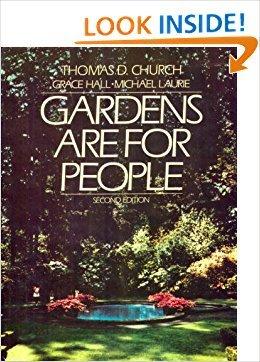
It was discussed as a book that explored a new approach to garden design, emphasizing function and enjoyment for people, rather than traditional symmetrical flower arrangements.
The title of Thomas Church's book was actually, Gardens Are for People.
— Episode: The Pool and the Stream Redux
It was discussed as a book that explored a new approach to garden design, emphasizing function and enjoyment for people, rather than traditional symmetrical flower arrangements.
The title of Thomas Church's book was actually, Gardens Are for People.
In Gardens Are for People, he asked hypothetical clients, how much do you really like to garden?
It was discussed in the context of landscape architecture, particularly the idea that gardens didn't have to be symmetrical rows of flowers, but could be functional art spaces for people.
In Gardens Are for People, he asked hypothetical clients, how much do you really like to garden? If you don't want to garden, the paving makes a lot of sense.
The Forgotten Symbolism of Architectural Form
It was mentioned in the context of scholarly debates and discussions about the value and significance of roadside attractions, particularly in the realm of architecture and urban planning. It was discussed as a book that helped shift attitudes towards 'kitsch' and 'populist architecture'.
since Learning from Las Vegas came out and ended up being such a tome for architects they address that very thing of when is when is kitsch okay when is populist architecture okay.
— Episode: Goodness Gracious Great Balls of Twine
It was mentioned in the context of scholarly debates and discussions about the value and significance of roadside attractions, particularly in the realm of architecture and urban planning. It was discussed as a book that helped shift attitudes towards 'kitsch' and 'populist architecture'.
since Learning from Las Vegas came out and ended up being such a tome for architects they address that very thing of when is when is kitsch okay when is populist architecture okay.
And we covered a lot of this stuff in a story Avery did about Denise Scott Brown and Robert Venturi about you know Learning from Las Vegas.
It was published in 1972 and became a significant text in architecture schools, challenging traditional modernist approaches by focusing on the communicative aspects of architecture and learning from existing examples like Las Vegas.
Learning from Las Vegas challenged architects to take the architecture of Vegas, what they called the architecture of the American highway, seriously.
And that it too has a structure and it too has lessons that we can learn from.
It's not just saying, hey, Vegas is cool. It's saying here's a whole approach to the world that we actually live in.
By 1980, Learning from Las Vegas becomes a text assigned in every architecture school.
Although Venturi got most of the credit... Learning from Las Vegas derives from Denise's experience on the Strip, which she then invited Venturi along for.
How Sound Transforms the Way We Think, Feel, and Buy
It was mentioned at the end of the episode, and is about how sound affects how we think, feel, and buy things. The book was recommended by the podcast host.
Joel Beckerman has written a book, it's called The Sonic Boom, How Sound Transforms the Way We Think, Feel and Buy. Go check it out.
— Episode: Sound and Health: Hospitals
It was mentioned at the end of the episode, and is about how sound affects how we think, feel, and buy things. The book was recommended by the podcast host.
Joel Beckerman has written a book, it's called The Sonic Boom, How Sound Transforms the Way We Think, Feel and Buy. Go check it out.
It was mentioned at the end of the podcast episode, the book explores how sound impacts our thinking, feelings and buying habits.
Joel Beckerman has written a book. It's called The Sonic Boom, How Sound Transforms the Way We Think, Feel and Buy. Go check it out.
Urban Design Solutions for Redesigning Suburbs
It was discussed as a book written by a professor of architecture and urban design at Georgia Tech, with a focus on suburban areas.
Ellen Dunham Jones' book is called Retrofitting Suburbia.
— Episode: The Accidental Room
It was discussed as a book written by a professor of architecture and urban design at Georgia Tech, with a focus on suburban areas.
Ellen Dunham Jones' book is called Retrofitting Suburbia.
Adventures in the World of Chinese Food
It was mentioned as a source for the episode, providing more details about the origin of American Chinese cuisine and the fortune cookie.
Part two of 99% Invisible was produced by Avery Truffleman. This story was largely inspired by Jennifer A. Lee's book, The Fortune Cookie Chronicles, which goes into even more depths...
— Episode: It's Chinatown
It was mentioned as a source for the episode, providing more details about the origin of American Chinese cuisine and the fortune cookie.
Part two of 99% Invisible was produced by Avery Truffleman. This story was largely inspired by Jennifer A. Lee's book, The Fortune Cookie Chronicles, which goes into even more depths about the origin of American Chinese cuisine. And believe me, there are way deeper depths to explore.
It was mentioned as a source of information for the podcast, particularly regarding the origins of American Chinese cuisine, and was highly recommended.
This episode was largely inspired by Jennifer A. Lee's book, The Fortune Cookie Chronicles, which goes into even more depth about the origins of American Chinese cuisine. And believe me, there are way deeper depths. It's a great read.
Note: The book recommendations on this page are discovered automatically from podcast transcripts, and may be incorrect or incomplete.
Podcast Name