Podcast
99% Invisible
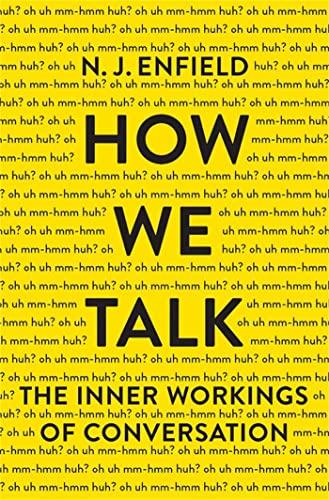
The book discusses how filler words and phrases, like 'um,' 'uh,' and 'like,' are informative and serve an important function in communication.
He says the reason fillers and filler words are so important Is that most of the time when you're talking you're talking with another person you're having a conversation It's this kind of creative act...
— Episode: Mini-Stories: Volume 18
Episode: Mini-Stories: Volume 18
The book discusses how filler words and phrases, like 'um,' 'uh,' and 'like,' are informative and serve an important function in communication.
He says the reason fillers and filler words are so important Is that most of the time when you're talking you're talking with another person you're having a conversation It's this kind of creative act that you're participating in together. And so
Time's moving fast and in a way you Need to do your part to cooperate with that person Don't waste the time too much and at the same time, you know
You've got your own sort of selfish interests. You might want to continue to be the person talking and so It's important to kind of have what we call traffic signals in The use of language and by traffic signals
He means that we constantly have to send each other signs letting the other person know where the conversation might be going who should be talking when all these little things that kind of regulate the flow of the pattern and
So there's a whole level of language, which is really about Structuring language itself.
Episode: Mini-Stories: Volume 18
It was explained that filler words, such as 'um' and 'uh', serve an important function in conversation. They act as traffic signals, helping to structure the flow of the conversation and communicate information to the listener. The book 'How We Talk' by Nick Enfield was cited as a source for this information.
The reason fillers and filler words are so important Is that most of the time when you're talking you're talking with another person you're having a conversation It's this kind of creative act that you're participating in together.
It's important to kind of have what we call traffic signals in The use of language and by traffic signals
He means that we constantly have to send each other signs letting the other person know where the conversation might be going who should be talking when all these little things that kind of regulate the flow of the pattern and
So there's a whole level of language, which is really about Structuring language itself.
There's not actually a lot of clues