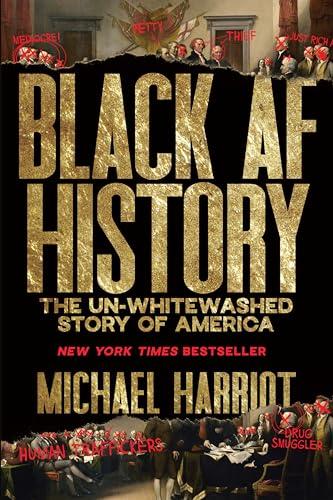
Black AF History
Michael Harriot
Mentioned 5 months ago
HOW WE ALL BECOME MINNESOTA: BRITTANY PACKNETT CUNNINGHAM
Come do life with Glennon Doyle, Abby Wambach, and Amanda Doyle. With more than half a billion plays, We Can Do Hard Things is a hilarious, raw, comforting “support system for braving the everyday.” The Pod Squad goes hard ($56 Million raised in global aid) and stays soft: meet here on Tuesdays to...
Recently mentioned
Michael Harriot
Mentioned 5 months ago
HOW WE ALL BECOME MINNESOTA: BRITTANY PACKNETT CUNNINGHAM
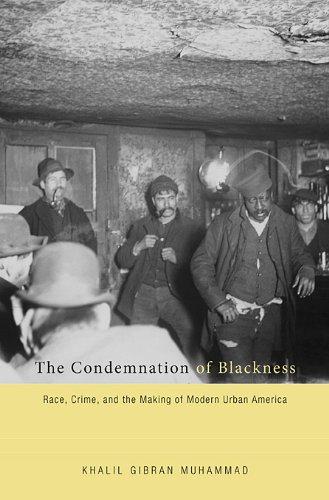
Khalil Gibran Muhammad
Mentioned 5 months ago
HOW WE ALL BECOME MINNESOTA: BRITTANY PACKNETT CUNNINGHAM
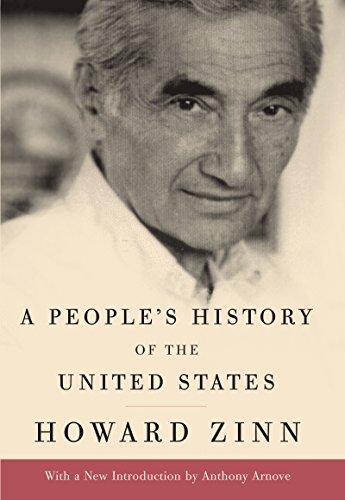
Howard Zinn
Mentioned 5 months ago
HOW WE ALL BECOME MINNESOTA: BRITTANY PACKNETT CUNNINGHAM
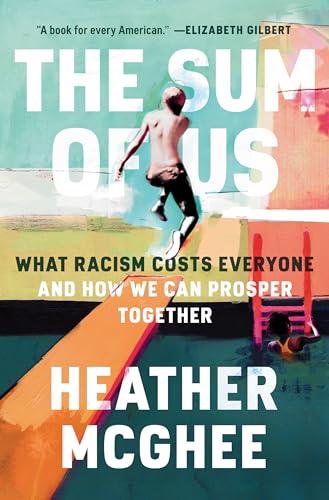
Heather McGhee
Mentioned 5 months ago
HOW WE ALL BECOME MINNESOTA: BRITTANY PACKNETT CUNNINGHAM
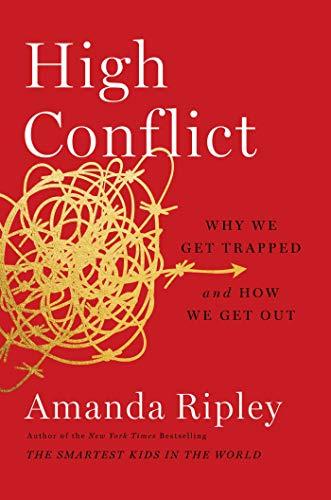
Amanda Ripley
Mentioned 1 year ago
How to Have *Healthy* Conflict with Amanda Ripley
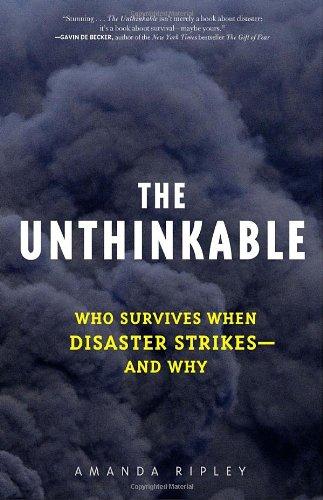
Amanda Ripley
Mentioned 1 year ago
How to Have *Healthy* Conflict with Amanda Ripley
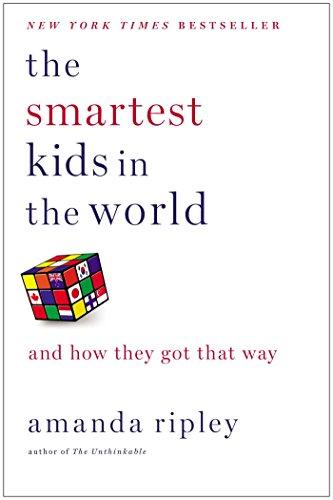
Amanda Ripley
Mentioned 1 year ago
How to Have *Healthy* Conflict with Amanda Ripley
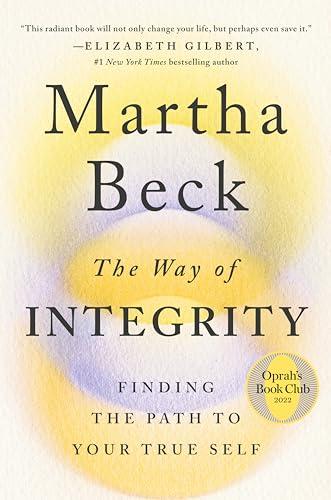
Martha Beck
Mentioned 1 year ago
Martha Beck: Move Toward Joy Today!
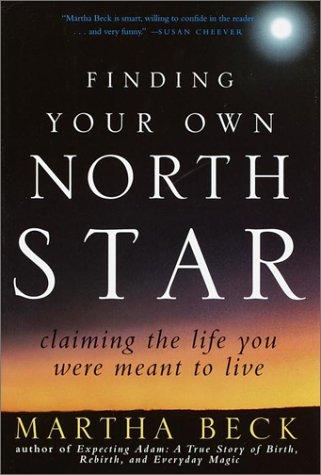
Martha Beck
Mentioned 1 year ago
Martha Beck: Move Toward Joy Today!
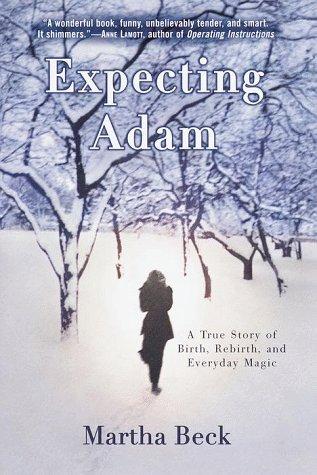
Martha Beck
Mentioned 1 year ago
Martha Beck: Move Toward Joy Today!
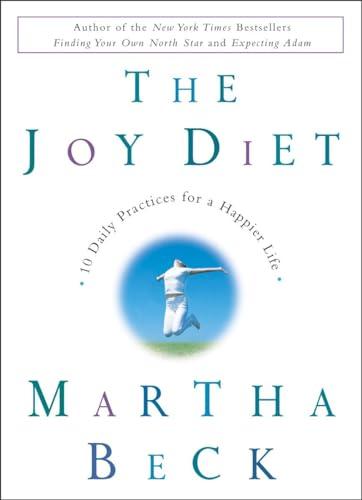
Martha Beck
Mentioned 1 year ago
Martha Beck: Move Toward Joy Today!
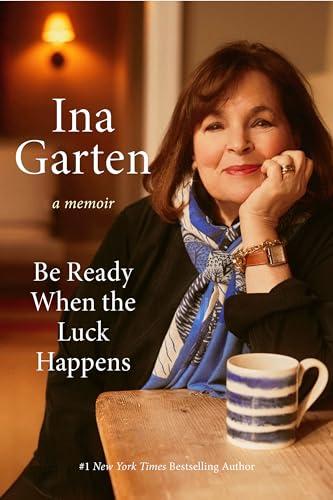
Ina Garten
Mentioned 1 year ago
Secrets to a Joyful Life with Ina Garten
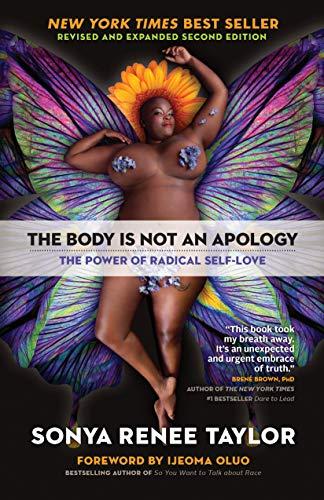
The Power of Radical Self-Love
It was discussed as a book that encourages radical self-love, challenging the idea that we must apologize for our bodies. It was said that the book encourages excavation to our original intelligence and possibility.
So Sonia Renee Taylor is a world renowned activist, award-winning artist, transformational thought leader, author of six books, including the New York Times bestselling The Body Is Not an Apology
— Episode: 168. Sonya Renee Taylor: What If You Lov...
It was discussed as a book that encourages radical self-love, challenging the idea that we must apologize for our bodies. It was said that the book encourages excavation to our original intelligence and possibility.
So Sonia Renee Taylor is a world renowned activist, award-winning artist, transformational thought leader, author of six books, including the New York Times bestselling The Body Is Not an Apology
I talk about in the book, one of the tools that I give is like, my body's not my enemy.
And I call this like meta shame in the book. Now I have shame for having shame.
I've read 70 million times the part in your book where you talk about, don't just get rid of this body shame because it's hurting you get rid of it because it's hurting everybody.
The podcast highlighted Taylor's book, describing it as a New York Times bestseller that explores radical self-love and challenges the limitations of body positivity.
She was the one person I knew I could trust to talk to us about body freedom and radical self-love in this episode, which exceeded all of my hopes.
Sonya Renee Taylor is a world renowned activist, award winning artist, transformational thought leader, author of six books, including the New York Times bestselling The Body Is Not an Apology.
Just go get it now.
One of the tools that I give is like, you know, my body's not my enemy.
If the body is not an apology is the target. There's this bullseye that is there about the way we perform not having needs, the way we perform even pretending that our needs are met, the way we perform our desire and sexuality and the freedom and the fear of that freedom. It's all in there.
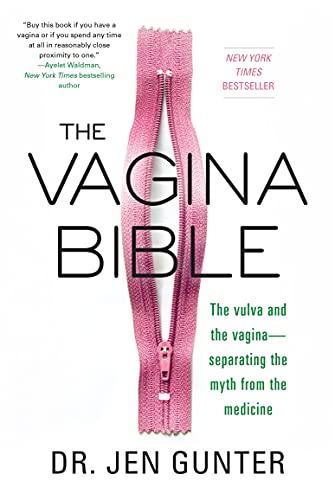
The Vulva and the Vagina
It was mentioned in the context of creating a safe space for discussion about vaginas, which then opened the door for discussions about the often taboo subject of menopause.
Also The Vagina Bible and the preemie primer.
— Episode: 91. Better Sex & Lives in Menopause with...
It was mentioned in the context of creating a safe space for discussion about vaginas, which then opened the door for discussions about the often taboo subject of menopause.
Also The Vagina Bible and the preemie primer.
I was doing interviews for my book, The Vagina Bible, and I sort of casually mentioned I was on hormones.
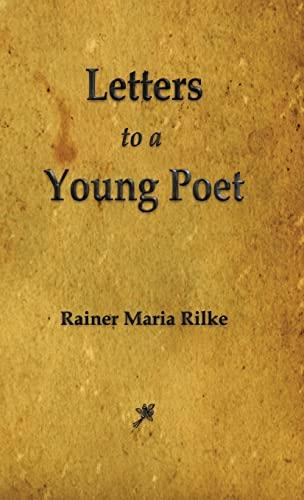
Glennon recommended this book as a guide for negotiating living with an innate sense of sadness. She said it was about being the kid that feels sadness and that Rilke couldn't send it to the kid because he didn't own any of his own books.
There's a book you must get and it's called Letters to a Young Poet and it's by Rilke and it is a guide book for those of us that are negotiating living with being the kid that the ki...
— Episode: 283. How Glennon Transforms Sadness into...
Glennon recommended this book as a guide for negotiating living with an innate sense of sadness. She said it was about being the kid that feels sadness and that Rilke couldn't send it to the kid because he didn't own any of his own books.
There's a book you must get and it's called Letters to a Young Poet and it's by Rilke and it is a guide book for those of us that are negotiating living with being the kid that the kid could go buy them, but he couldn't send them because he didn't own any of his own books.
Glennon read an excerpt from this book by Rilke, offering solace and perspective to those experiencing melancholy and growth, comparing it to the molting process of crabs.
So you must not be frightened if a sadness rises up before you larger than any you have ever seen. If a restiveness like light and cloud shadows passes over your hands and over all you do, you must think that something is happening with you, that life has not forgotten you, that it holds you in its hand. It will not let you fall.
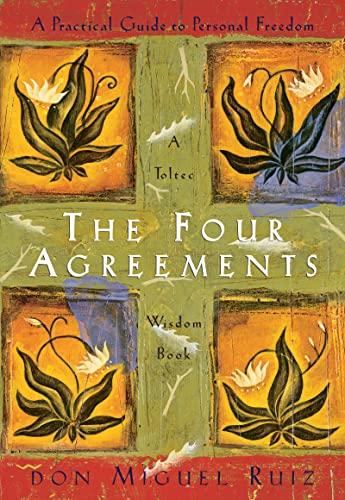
A Practical Guide to Personal Freedom
The Four Agreements was mentioned by Laura McKowen as a book that she read 20 years ago and impacted her life.
I try to be impeccable with my word one year after I read like The Four Agreements 20 years ago.
— Episode: 273. The Nine Truths That Just Might Hea...
The Four Agreements was mentioned by Laura McKowen as a book that she read 20 years ago and impacted her life.
I try to be impeccable with my word one year after I read like The Four Agreements 20 years ago.
Abby mentioned reading this book about 10-15 years prior to the podcast recording, and it challenged her to be impeccable with her word for a year, which she found difficult and ultimately abandoned.
About 10 years ago, maybe even 15 now, I read The Four Agreements book.
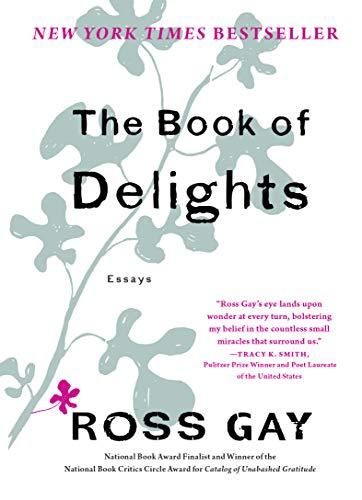
Essays
It was mentioned as a source of inspiration for Glennon Doyle, who wrote a short essay based on the concept of finding daily delights, after reading the book.
I heard a rumor from you just now that you actually, and you've never told me this before in the history of our lives together, but that you are so inspired by the Ross Gay book, The Book of D...
— Episode: 217. Start a Daily Delight Practice with...
It was mentioned as a source of inspiration for Glennon Doyle, who wrote a short essay based on the concept of finding daily delights, after reading the book.
I heard a rumor from you just now that you actually, and you've never told me this before in the history of our lives together, but that you are so inspired by the Ross Gay book, The Book of Delights that you actually wrote a teeny essayette about a delight in your life.
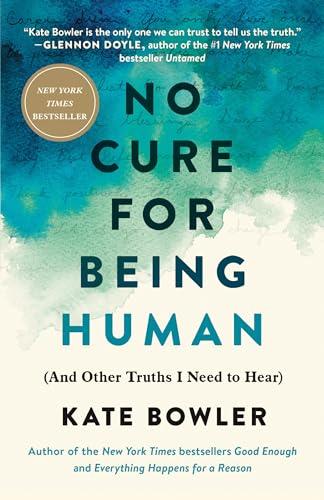
(And Other Truths I Need to Hear)
The title of Kate Bowler's most recent book, it was mentioned several times throughout the podcast and explores the reality of human experience, including difficult emotions and accepting the lack of a perfect formula for life.
Kate Bowler is the only one we can trust to tell us the truth.
— Episode: 56. What to Do with Our Short, Precious...
The title of Kate Bowler's most recent book, it was mentioned several times throughout the podcast and explores the reality of human experience, including difficult emotions and accepting the lack of a perfect formula for life.
Kate Bowler is the only one we can trust to tell us the truth.
What doesn't kill you, makes you stronger.
What doesn't kill you, we'll try again tomorrow.
But imagine how strong you'd be if you hadn't been abused.
Failing to love what is present and deciding to love what is possible instead.
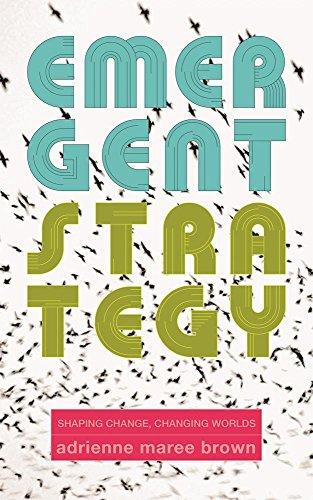
Shaping Change, Changing Worlds
Adrienne Marie Brown discussed how people are using her book *Emergent Strategy: Shaping Change, Changing Worlds* for budget and strategic planning, seeing it as a way to promote social change through relationships. She was excited to see the book being implemented practically.
And because I was like, I need to, for instance, I was like, I need to stop this war right now. Like we need to do something big. They're like, but small is all. And you know that that's how change ha...
— Episode: 266. How to Love Family When You’re Divi...
Adrienne Marie Brown discussed how people are using her book *Emergent Strategy: Shaping Change, Changing Worlds* for budget and strategic planning, seeing it as a way to promote social change through relationships. She was excited to see the book being implemented practically.
And because I was like, I need to, for instance, I was like, I need to stop this war right now. Like we need to do something big. They're like, but small is all. And you know that that's how change happens is relationships. And you know that you have to create more possibilities.
They're just like, we're going to use it. And I'm like, I'm going to use it. And then I'm like, I'm going to use it. And then I'm like, I'm going to use it. And I'm like, you're like, that sounds really smart. No, this is really helpful idea.
It's really helpful. This is great. And then bringing that into family where it's like my sister, you know, you talk about fugitivity and I'm just like, oh yeah, we are living in a family of people living in the South with white family. They're still struggling with race, struggling with what it actually means to be a white person.
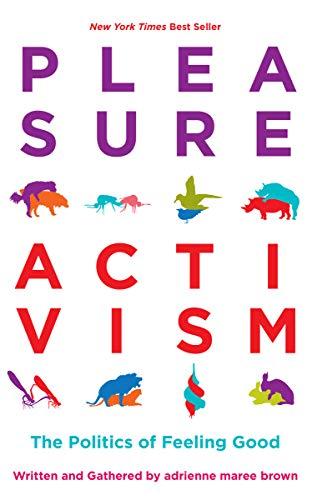
The Politics of Feeling Good (Emergent Strategy Book 1)
A Grievers Novel (Grievers Trilogy, Book 2) (Black Dawn 3)
A Journalist's Personal Investigation of the Evidence for Jesus
Glennon was surprised to find *The Case for Christ* among Abby's books, despite her public atheist persona.
And freaking The Case for Christ, I'll never forget opening.
— Episode: Abby On Healing From Religious Trauma
Glennon was surprised to find *The Case for Christ* among Abby's books, despite her public atheist persona.
And freaking The Case for Christ, I'll never forget opening.
The book was mentioned in a list of books the speaker had discovered, which was unexpected given their earlier stance as an atheist.
roomy and hafiz and neruda and ekkertol and freaking The Case for Christ
The Journey Beyond Yourself
Glennon discussed how the book helped her realize that all the voices in her head are crazy and to not trust them, leading her to a place of peace and grounding during a mental health struggle.
So I went to this place and I went into a bookstore and I picked up this book called The Untethered Soul.
— Episode: 128. HOW GLENNON LOST HER MIND
Glennon discussed how the book helped her realize that all the voices in her head are crazy and to not trust them, leading her to a place of peace and grounding during a mental health struggle.
So I went to this place and I went into a bookstore and I picked up this book called The Untethered Soul.
And the message of this book just took hold for the first time, which I realized and we'll talk through how throughout this unfolding of the book.
But what I realized through reading this book and it took kind of this true mental rock bottom to grasp the message that was, I don't have a crazy voice that I have to ignore and the sane voice that I have to listen to in my head. All the voices in my head are crazy. And I have to listen to none of them.
To me, what Michael Singer in The Untethered Soul, and everybody talks about this, right? This is just the one way he presented it in that moment spoke to me, but people have been talking about this for millennia, right?
So Singer calls it the inner roommate.
Glennon revisited this book, finding new meaning and understanding in the concept of separating oneself from the voice of one's mind.
I started reading everything, you know, untethered soul again. I read it a decade ago and was like, okay, now it's blowing my mind.
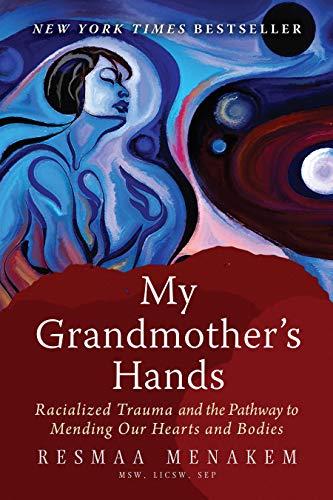
Racialized Trauma and the Pathway to Mending Our Hearts and Bodies
It was described as a book that blew the listener's mind, and the speaker said that they now understand it completely differently after going through recovery. The book's purpose is to get people out of their minds.
I read My Grandmother's Hands a long time ago and it blew my mind, which is I think was your point to be getting people out of their minds.
— Episode: The Embodied Path to Healing Trauma with...
It was described as a book that blew the listener's mind, and the speaker said that they now understand it completely differently after going through recovery. The book's purpose is to get people out of their minds.
I read My Grandmother's Hands a long time ago and it blew my mind, which is I think was your point to be getting people out of their minds.
And now I understand it completely differently because I have been in and out of recovery for 30 years.
So I just keep thinking, okay, I got it now. I know how I'm thinking about this. It's just patriarchy. It's diet culture. It's big pharma. It's wine culture. I've got it. And then I keep not getting cured.
This last round of recovery, I have finally through tons of therapy and whatever allowed it to drop into my body, the recovery and understand that. I don't even know if it's an understanding feel that my problem is just in my past and my parents and their parents in their parents, in the culture.
And it's like all living in my body. So your work to me, it's like our world has all of these terrible symptoms, whack-a-mole symptoms, just what we see the violence, the racism, the wars, the genocides.
It was mentioned in relation to the concept of a settled nervous system, suggesting that people seek out those with a calm demeanor in order to help them feel more at ease.
I read in My Grandmother's Hands by Resmaa Manakkem where he says something like they think they're coming to me for answers, but they really come to sit with someone who has a settled nervous system.
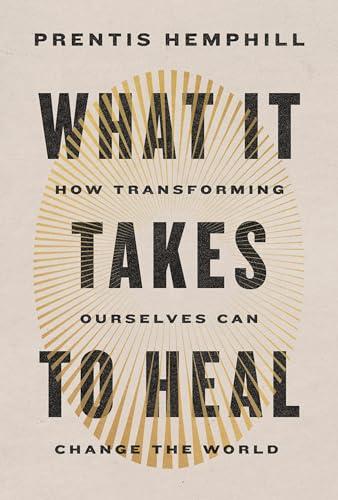
How Transforming Ourselves Can Change the World
Prentis Hemphill discussed their new book, *What It Takes to Heal*, which was described as being "so good and so beautiful and so important." It was stated that the book is a gift to those who might be what Hemphill calls a "transitional character," meaning they are breaking generational cycles and taking on the responsibility of healing within their families and society.
And their new book is called What It Takes to Heal and it is so good and so beautiful and so important.
— Episode: Breaking Generational Cycles: Embodiment...
Prentis Hemphill discussed their new book, *What It Takes to Heal*, which was described as being "so good and so beautiful and so important." It was stated that the book is a gift to those who might be what Hemphill calls a "transitional character," meaning they are breaking generational cycles and taking on the responsibility of healing within their families and society.
And their new book is called What It Takes to Heal and it is so good and so beautiful and so important.
The new book especially feels like a gift to everyone who might be what you call in the book a transitional character.
It's about the person that breaks generational cycles. It's like, I'm not allowing this to go forward.
I think a lot of the people who listen to this podcast are transitional characters.
It's the kind of journey. It's the arc of transformation as we call it. It's practical. Yeah. It's practical.
It was described as a book that many respected people had read and recommended, exploring the theme of self-care alongside global issues and political engagement.
And their new book is called What It Takes to Heal, and I would not be exaggerating to say that maybe 10 of the people that I respect the most have sent me screenshots saying you have read this, right? You have read this.
I feel like you gave us permission to be small in the book.
And I was thinking about that because it wasn't until I allowed the possibility that I was small, that I was vulnerable, all of these concepts, it wasn't until I allowed that to be a part of how I understood myself that I actually felt like I could tap into my actual power in the world.
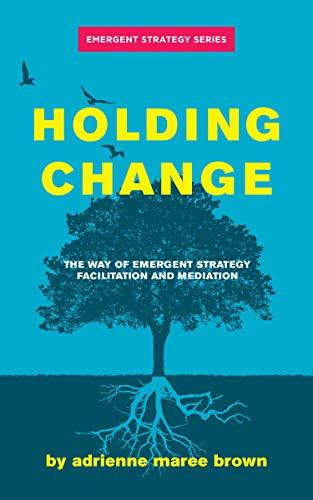
The Way of Emergent Strategy Facilitation and Mediation (Emergent Strategy Series Book 4)
Prentis Hemphill's work has been published in *Holding Change*, written by adrienne maree brown, a book known to the podcast audience.
Their work and writing have appeared in the New York Times, Huffington Post, You Are Your Best Thing, edited by Tarana Burke and Brene Brown and Holding Change by Adrienne Marie Brown...
— Episode: Breaking Generational Cycles: Embodiment...
Prentis Hemphill's work has been published in *Holding Change*, written by adrienne maree brown, a book known to the podcast audience.
Their work and writing have appeared in the New York Times, Huffington Post, You Are Your Best Thing, edited by Tarana Burke and Brene Brown and Holding Change by Adrienne Marie Brown, who you all know, pod squad.
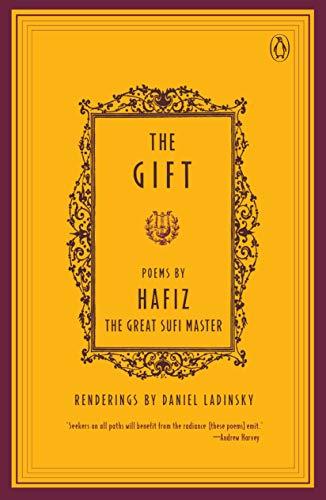
Poems by Hafiz, the Great Sufi Master (Compass)
Glennon was surprised to find a box of Abby's books, including Hafiz's work, which she found interesting because Abby was a public atheist.
And this wild thing happened, which is that I started opening a huge box of books and it was full of Rumi and Hafiz and Neruda and Eckhart Tolle and freaking The Case for Christ, I'll never forget ope...
— Episode: Abby On Healing From Religious Trauma
Glennon was surprised to find a box of Abby's books, including Hafiz's work, which she found interesting because Abby was a public atheist.
And this wild thing happened, which is that I started opening a huge box of books and it was full of Rumi and Hafiz and Neruda and Eckhart Tolle and freaking The Case for Christ, I'll never forget opening.
Glennon shares that Hafiz's poetry feels like divinity to her, and she reads it to prime herself into a state of being before writing a letter from love.
For me it's a it's poetry so like Walt Whitman does it for me Emily Dickinson does it for me Mary Oliver does it for me Rumi and Hafiz do it for me I feel like they they were directly channeling the divine like they were mystics who were directly channeling the divine and they were generous enough to leave the door open behind them so you're almost drafting in on them so you prime yourself into that state of being by reading something that feels to you like it comes from that place
I will help you and you and I made this appointment there's this beautiful poem by Hafiz the great Persian mystic who said long ago before the earth's crust cooled is how long I think it was long long ago God circled this place on the map where you are standing right now you are just exactly where you're supposed to be and and people want you to do this they're calling for you they're like we want sister um because they identify with you because so many people out there are sisters they're like I can't relax I can't trust they want to see how love comes to you so they can believe that it could come to them I think that you're gonna find it a lot easier than you think Lizzie
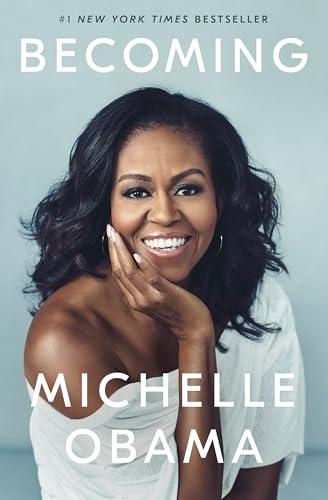
Michelle Obama stated how her mother, Marion Robinson, taught her and her brother that they were loved no matter what and to always come home, which helped them navigate the challenges of the world. She feels it was a powerful tool that helped her navigate through being the first black First Lady.
My mom, Marion Robinson said we are here as parents to raise individuals and we have to be thinking along those lines.
— Episode: Parenting: How to Nurture Yourself and O...
Michelle Obama stated how her mother, Marion Robinson, taught her and her brother that they were loved no matter what and to always come home, which helped them navigate the challenges of the world. She feels it was a powerful tool that helped her navigate through being the first black First Lady.
My mom, Marion Robinson said we are here as parents to raise individuals and we have to be thinking along those lines.
We will always like you here.
I knew she always would have my back.
And we had no money. My parents didn't go to college. They didn't have networks. They didn't have any of that, but they had that enoughness, that enoughness in themselves to be confident that what was going on at 74, 36 South Euclid was just as powerful as what might have been going on in the White House or somebody else's nicer house. That our world was secure because we had love and respect for each other.
To me, that's a better tool than being hurt or being afraid or shying away from the negative things in the world inevitably has waiting for our kids out there in the world.
It was mentioned that Michelle Obama introduced her father, Frazier Robinson III, in this book, but 'The Light We Carry' allowed her to delve deeper into his lessons and the lessons of her mother.
Well, that's a beautiful way to start because I introduced my dad in Becoming. But this book allowed me to really dive into the lessons that both he and my mom have taught me that keep me upright.
I talk in Becoming about the decision I made to walk away from a very lucrative corporate law career to work in the city and then nonprofits.
And as I said in Becoming, we are always evolving. The journey, that evolutionary process never ends.
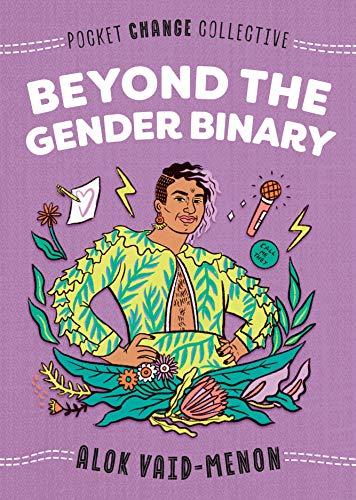
Alok Vaid-Menon, the author and public speaker, believes the gender binary is an attempt to control us through its structure. They believe the gender binary isn't real and it's a structure that we do not have faith in. They believe we are all non-binary, even if we identify as cisgender.
What I'm asking people to do is to author their own version of womanhood, their own version of manhood, their own version of gender. And so it's less to me about the destination as much as it is about...
— Episode: The One Question to Finally Let Go of Co...
Alok Vaid-Menon, the author and public speaker, believes the gender binary is an attempt to control us through its structure. They believe the gender binary isn't real and it's a structure that we do not have faith in. They believe we are all non-binary, even if we identify as cisgender.
What I'm asking people to do is to author their own version of womanhood, their own version of manhood, their own version of gender. And so it's less to me about the destination as much as it is about the practice of questioning.
I don't think that I want people to have faith in the gender binary when I'm saying is being a man or being a woman does not mean replicating the binary structure. I'm saying that it is possible to actually come to your own definition of womanhood outside of a binary structure and I think if cis folks are interested in that look at the testimonies of trans people, trans people who are in many ways very literate about what's wrong with the gender binary, what's wrong with assigned the course of gender who's some still identify as man and woman. I don't think that those people are replicating the gender binary for being that. I think that they've actually done this work to actually say where I feel most beautiful is in this place.
It was mentioned as being included on a list of books banned in Texas public education, representing the broader issue of censorship and the erasure of trans and non-binary perspectives.
I just got word that the Texas state legislature where I'm from has included a politician, there's included my book, 'Beyond the Gender Binary', and a list of 850 books to ban in Texas public education.
A Memoir
Dr. Ford's memoir, which she finished in one day, talks about her experience testifying in the Kavanaugh hearings.
Dr. Ford's memoir which I absolutely loved and finished in one day, it's called One Way Back and it's available now.
— Episode: Dr. Christine Blasey Ford Speaks Out
Dr. Ford's memoir, which she finished in one day, talks about her experience testifying in the Kavanaugh hearings.
Dr. Ford's memoir which I absolutely loved and finished in one day, it's called One Way Back and it's available now.
Thank you for changing the world that way for us and thank you for One Way Back. It was so beautiful.
And then afterward, I started getting a lot of correspondence from people particularly survivors. And then I started to identify as a survivor and feel connected to this huge community. It's an epidemic. I think 25% of the people who wrote to me wrote their story in a letter and shared it and many of them were sharing it for the first time and had never told anyone.
Reading your book, Glemmon, was actually really helpful when I was getting over a lot of these things in the aftermath that you knew you were going to have to do something difficult and you don't exactly know how it's going to play out and what you're going to do and how it's going to work and so I really resonated when I was listening to your book and it seemed like your story was almost my story right even though there weren't anything alike in the context but that idea that you know something has happened that's going to change your life forever and it's going to affect other people around you but and it's going to happen but you just don't know yet exactly how.
I talk about this because the same words were said by my therapist and by my boss like you don't owe anyone anything and many people said they're going to ruin your life and things like that but they're going to ruin your life as a little abstract so I didn't really get that I just thought oh well that's okay you know I'm not gonna see the people and if they call me the B word or whatever it'll just be like a tree falling in some forest and I won't know about it so I kind of underestimated what that was gonna look like but the we don't owe anyone anything it just never resonated with me I couldn't quite get it so I never really internalize that and maybe I should internalize it a little more but if we don't owe anyone anything we don't owe each other anything it just seems then we're not a community I think a community is we do owe each other something but also if I was younger I don't know that I would have felt that way I'm an adult and I feel like why you know I've had a great life and I'm only one life so if they ruin one life then and it helps a bunch of other people then yeah I just couldn't really make sense of the you don't owe anyone anything.
The podcast hosts discussed Dr. Ford's memoir, "One Way Back," which they both enjoyed and found moving. They mentioned that one host finished the book in a single day.
Dr. Ford's memoir, which I absolutely loved and finished in one day, it's called One Way Back, and it's available now.
Thank you for changing the world that way for us, and thank you from One Way Back. It was so beautiful.
Reading your book, Glennon, was actually really helpful when I was getting over a lot of these things in the aftermath.
And it seemed like your story was almost my story, right? Even though they weren't anything alike in the context.
I'm pretty honest in the book about, well, if this had happened in my workplace, I don't even know what I would have done.
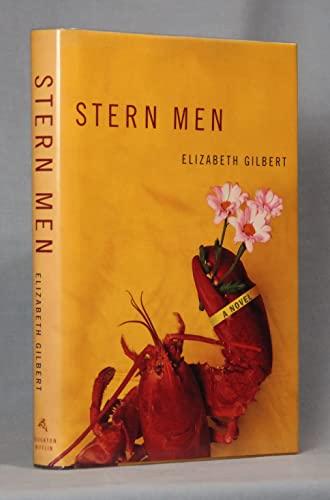
This was one of three novels written by Elizabeth Gilbert.
She is the author of three novels: Stern Men, THE SIGNATURE OF ALL THINGS, and CITY OF GIRLS.
— Episode: 281. How Amanda Finally Calmed Her Brain...
This was one of three novels written by Elizabeth Gilbert.
She is the author of three novels: Stern Men, THE SIGNATURE OF ALL THINGS, and CITY OF GIRLS.
It was mentioned as one of her three novels.
She is the author of three novels, Stern Men, The Signature of All Things and City of Girls.
Note: The book recommendations on this page are discovered automatically from podcast transcripts, and may be incorrect or incomplete.
Podcast Name