
Podcast
We Can Do Hard Things
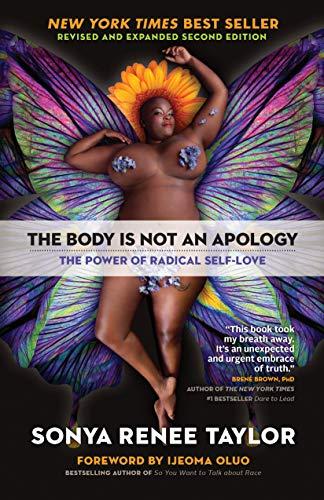
It was discussed as a book that encourages radical self-love, challenging the idea that we must apologize for our bodies. It was said that the book encourages excavation to our original intelligence and possibility.
So Sonia Renee Taylor is a world renowned activist, award-winning artist, transformational thought leader, author of six books, including the New York Times bestselling The Body Is Not an Apology
— Episode: 168. Sonya Renee Taylor: What If You Lov...
Episode: 168. Sonya Renee Taylor: What If You Loved Your Bo...
It was discussed as a book that encourages radical self-love, challenging the idea that we must apologize for our bodies. It was said that the book encourages excavation to our original intelligence and possibility.
So Sonia Renee Taylor is a world renowned activist, award-winning artist, transformational thought leader, author of six books, including the New York Times bestselling The Body Is Not an Apology
I talk about in the book, one of the tools that I give is like, my body's not my enemy.
And I call this like meta shame in the book. Now I have shame for having shame.
I've read 70 million times the part in your book where you talk about, don't just get rid of this body shame because it's hurting you get rid of it because it's hurting everybody.
Episode: Loving Your Body Changes Your Life with Sonya Rene...
The podcast highlighted Taylor's book, describing it as a New York Times bestseller that explores radical self-love and challenges the limitations of body positivity.
She was the one person I knew I could trust to talk to us about body freedom and radical self-love in this episode, which exceeded all of my hopes.
Sonya Renee Taylor is a world renowned activist, award winning artist, transformational thought leader, author of six books, including the New York Times bestselling The Body Is Not an Apology.
Just go get it now.
One of the tools that I give is like, you know, my body's not my enemy.
If the body is not an apology is the target. There's this bullseye that is there about the way we perform not having needs, the way we perform even pretending that our needs are met, the way we perform our desire and sexuality and the freedom and the fear of that freedom. It's all in there.