Project Hail Mary
Andy Weir
Mentioned 1 week ago
Selects: The First Road Trip
If you've ever wanted to know about champagne, satanism, the Stonewall Uprising, chaos theory, LSD, El Nino, true crime and Rosa Parks, then look no further. Josh and Chuck have you covered.
Recently mentioned
Andy Weir
Mentioned 1 week ago
Selects: The First Road Trip
Stephen King
Mentioned 1 week ago
Selects: The First Road Trip
John Steinbeck
Mentioned 2 weeks ago
Kola: The World’s Deepest Hole
STEINBECK JOHN
Mentioned 2 weeks ago
Kola: The World’s Deepest Hole
Bethany McLean
Mentioned 3 weeks ago
Selects: How Enron Fooled the World
Fyodor Dostoevsky
Mentioned 3 weeks ago
Short Stuff: Why does it feel good to be scared?
Eleanor Johnson
Mentioned 3 weeks ago
Short Stuff: Why does it feel good to be scared?
John Kennedy Toole
Mentioned 4 weeks ago
Some Interesting Curses
Mordecai RICHLER
Mentioned 4 weeks ago
Some Interesting Curses
Michael Crichton
Mentioned 1 month ago
The Stuff You Should Know Doin’ Science Playlist: How Chaos Theory Changed the Universe
Naomi Oreskes
Mentioned 1 month ago
How Global Warming Works
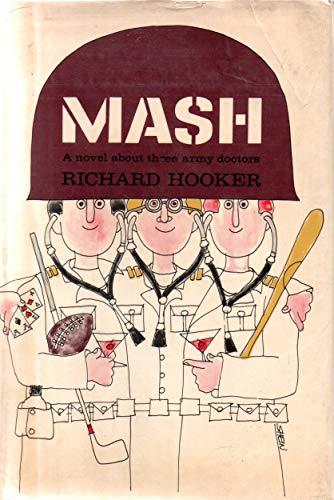
Richard Hooker
Mentioned 1 month ago
M*A*S*H: The Story of the 4077th
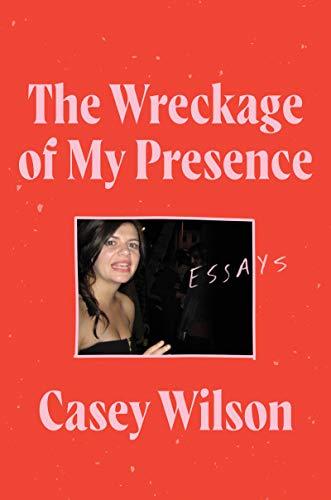
Essays
The podcast hosts recommended it, praising Casey Wilson as an author and comedian. They said she has six beautiful Christmas trees in her house, and she's a big Christmas fan.
You should read her book, The Wreckage of My Presence.
— Episode: Short Stuff: Christmas Lights
The podcast hosts recommended it, praising Casey Wilson as an author and comedian. They said she has six beautiful Christmas trees in her house, and she's a big Christmas fan.
You should read her book, The Wreckage of My Presence.
Casey Wilson, a comedian, actor, and author, was mentioned in relation to her love of Christmas and her multiple Christmas trees. Her book, "The Wreckage of My Presence", was suggested for listeners.
You should read her book, The Wreckage of My Presence.
A Space Odyssey (Penguin Galaxy)
The book was mentioned in relation to the Toynbee tiles, specifically the phrase 'On Planet Jupiter'. It was said to be a source of inspiration for the tile maker's ideas.
Underneath that it says In Kubrick's 2001.
— Episode: The Mystery of the Toynbee Tiles
The book was mentioned in relation to the Toynbee tiles, specifically the phrase 'On Planet Jupiter'. It was said to be a source of inspiration for the tile maker's ideas.
Underneath that it says In Kubrick's 2001.
But it looks like that's from Stanley Kubrick's 2001, A Space Odyssey, because it mentions Kubrick.
That's generally the bulk of the message. But also there's a weird little kind of side tangent that happened. David Mamet plays a role in this.
That was a Toynbee idea that was depicted in 2001.
It was mentioned as a source of inspiration for the Toynbee tile maker, specifically the idea of a reborn star child on Jupiter, with the astronauts being dispatched there to investigate.
And then as far as on planet Jupiter, that comes, it seems like at least, and again, they were piecing this, people have pieced this together because they've never interviewed the tile maker. But it looks like that's from Stanley Kubrick's 2001, A Space Odyssey, because it mentions Kubrick.
Yeah, and that's where the astronauts are being dispatched to, is Jupiter to figure out what's going on with some weird signal coming from that planet, right?
That's right. So if you put all those things together, then these four ideas as the Toynbee idea make sense.
That's generally the bulk of the message. But also there's a weird little kind of side tangent that happened. David Mamet plays a role in this.
That was a Toynbee idea that was depicted in 2001.
Fully Revised and Updated
It was mentioned as suggesting the use of a waffle iron for making a grilled cheese, which was viewed as a precursor to the panini.
But then someone finally says, why don't you put some butter on it and throw it in a pan? Yeah. And then Irma Rombauer, who wrote The Joy of Cooking all the way back in 1953, said, I'...
— Episode: Short Stuff: Salute the Grilled Cheese
It was mentioned as suggesting the use of a waffle iron for making a grilled cheese, which was viewed as a precursor to the panini.
But then someone finally says, why don't you put some butter on it and throw it in a pan? Yeah. And then Irma Rombauer, who wrote The Joy of Cooking all the way back in 1953, said, I've got one even better.
It was mentioned as including a recipe that involved a waffle iron to make a sandwich that was considered a precursor to the panini.
But then Irma Rombauer, who wrote The Joy of Cooking all the way back in 1953, said, I've got one even better.
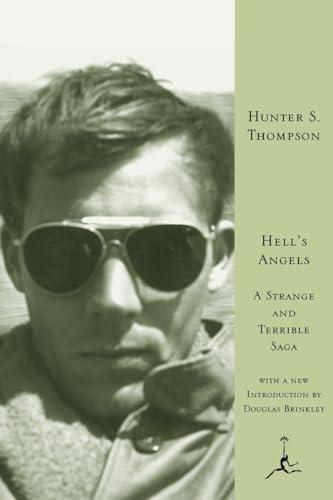
A Strange and Terrible Saga (Modern Library)
It was mentioned as a book written by Hunter S. Thompson before he became associated with Rolling Stone magazine, establishing his name in the writing world.
He'd already written Hell's Angels in 1968. He made a name for himself...
— Episode: Rolling Stone Magazine
It was mentioned as a book written by Hunter S. Thompson before he became associated with Rolling Stone magazine, establishing his name in the writing world.
He'd already written Hell's Angels in 1968. He made a name for himself...
It was mentioned that Hunter S. Thompson had already written this book in 1968 before becoming a well-known writer for Rolling Stone.
He was actually kind of introduced to the magazine world. He'd already written Hell's Angels in 1968.
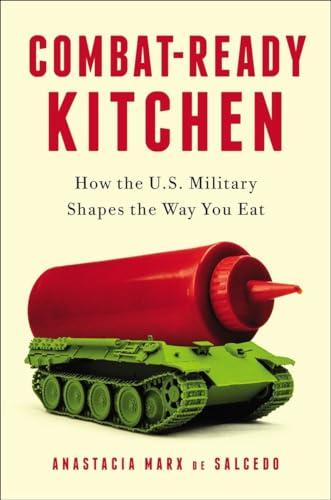
How the U.S. Military Shapes the Way You Eat
It was mentioned as suggesting that World War II was the beginning of ultra-processed foods, and how the U.S. military influenced food.
Anastasia is a journalist who wrote a book called Combat Ready Kitchen, colon, How the U.S. Military Shapes the Way You Eat.
— Episode: How Ultraprocessed Foods Work
It was mentioned as suggesting that World War II was the beginning of ultra-processed foods, and how the U.S. military influenced food.
Anastasia is a journalist who wrote a book called Combat Ready Kitchen, colon, How the U.S. Military Shapes the Way You Eat.
It was mentioned as a book that suggests World War II as the beginning of ultra-processed foods and their significant impact on the way people eat.
Anastasia is a journalist who wrote a book called Combat Ready Kitchen, colon, How the U.S. Military Shapes the Way You Eat.
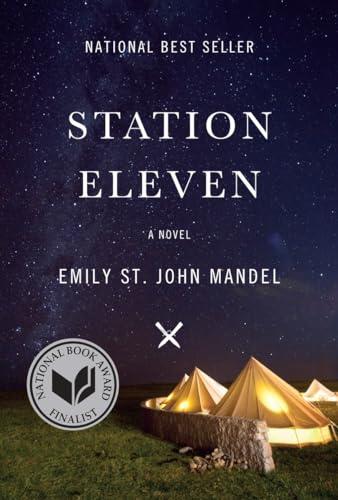
It was discussed as one of their favorite shows in years, based on a novel about a post-apocalyptic pandemic, described as hopeful and artistic.
I've been watching Station Eleven, and it's one of my favorite shows in years.
— Episode: How Classified Information Works
It was discussed as one of their favorite shows in years, based on a novel about a post-apocalyptic pandemic, described as hopeful and artistic.
I've been watching Station Eleven, and it's one of my favorite shows in years.
It is from a novel, a post-apocalyptic virus, actually, pandemic. Very topical.
it's more interesting, more hopeful and artistic.
It was discussed as a favorite show, based on a novel, about a post-apocalyptic pandemic, with a hopeful and artistic tone, rather than bleak.
I've been watching Station Eleven, and it's one of my favorite shows in years.
It is from a novel, a post-apocalyptic virus, actually, pandemic. Very topical.
it's more on the order of like 99 percent of the earth died. And but it's not the road. It's it's more interesting, more hopeful and artistic.
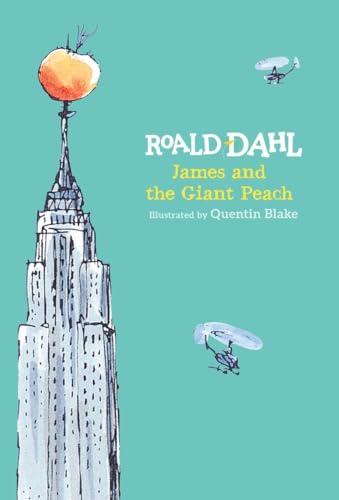
It was briefly mentioned alongside Charlie and the Chocolate Factory, also by Roald Dahl, when discussing Roald Dahl's past work as a spy for the British.
Well, you know, also Roald Dahl, the guy who wrote James and the Giant Peach and Charlie and the Chocolate Factory, he was a spy for the British.
— Episode: Selects: Operation Mincemeat: How A Corp...
It was briefly mentioned alongside Charlie and the Chocolate Factory, also by Roald Dahl, when discussing Roald Dahl's past work as a spy for the British.
Well, you know, also Roald Dahl, the guy who wrote James and the Giant Peach and Charlie and the Chocolate Factory, he was a spy for the British.
It was mentioned in passing that Roald Dahl, the author of the book, also served as a spy during World War II.
Well, you know, also Roald Dahl, the guy who wrote James and the Giant Peach and Charlie and the Chocolate Factory, he was a spy for the British.
It was discussed in the podcast, having been written in 1896, detailing multiple accounts and cases of people being buried alive, prompting the development of safety coffins.
There was a book called Premature Burial and How It May Be Prevented. It's an 1896 book by a social reformer named William Tebb and a couple of co-authors.
— Episode: Selects: How Coffins Work
It was discussed in the podcast, having been written in 1896, detailing multiple accounts and cases of people being buried alive, prompting the development of safety coffins.
There was a book called Premature Burial and How It May Be Prevented. It's an 1896 book by a social reformer named William Tebb and a couple of co-authors.
And actually, one of the co-authors was a doctor who himself had been prematurely buried.
They went over it like account after account and they even had a chapter called dubious accounts.
But they basically came up with 219 instances of narrow escape from premature burial, 149 cases of actual premature burial, 10 cases of vivisection before death.
So the person they thought was dead, they started to cut open and they weren't dead. Yeah, and then the six feet under club. And then two cases of embalming before death.
It was discussed as a book from 1896 that provided details on instances of being buried alive, including accounts of near misses and actual premature burials. It was discussed as an example of the fear of being buried alive in the 19th century and the resulting safety coffin designs.
There was a book called Premature Burial and How It May Be Prevented.
It's an 1896 book by a social reformer named William Tebb and a couple of co-authors.
And actually, one of the co-authors was a doctor who himself had been prematurely buried.
they endorse to prevent premature burial either safety coffin or cremation.
Where they're like even if you are dead, or even if you're not dead, you're gonna be dead afterward.
The Hidden History of the Billionaires Behind the Rise of the Radical Right
It was mentioned as a book written by Jay Mayer of The New Yorker and was described as interesting and covering the Koch brothers.
Jay Mayer from The New Yorker wrote a really interesting book called Dark Money, all about the Koch brothers.
— Episode: Selects: How Dark Money Works
It was mentioned as a book written by Jay Mayer of The New Yorker and was described as interesting and covering the Koch brothers.
Jay Mayer from The New Yorker wrote a really interesting book called Dark Money, all about the Koch brothers.
It was mentioned as a book written by Jay Mayer from The New Yorker that focuses on the Koch brothers and their involvement with dark money.
Jay Mayer from The New Yorker wrote a really interesting book called Dark Money, all about the Koch brothers.
A Century of Russian History
It was discussed as a good movie, specifically mentioning a quote from Jack Lemmon and that Scott Aukerman had re-watched and researched it in preparation for an episode.
He says, that's how it crumbles cookie-wise. Instead of that's how the cookie crumbles.
— Episode: Cookies! Cookies! Cookies!
It was discussed as a good movie, specifically mentioning a quote from Jack Lemmon and that Scott Aukerman had re-watched and researched it in preparation for an episode.
He says, that's how it crumbles cookie-wise. Instead of that's how the cookie crumbles.
It was mentioned by one of the podcast hosts as a great movie, possibly because a quote from it was used to refer to the origin of the phrase "how the cookie crumbles".
He says, that's how it crumbles cookie-wise, instead of that's how the cookie crumbles.
It was mentioned as a source that described a case where a dentist removed a tooth and a large chunk of jawbone along with it, highlighting the rough dentistry practices of the time.
He said that after some work he brought away the affected tooth together with a piece of jaw bone as big as a walnut and three neighboring molars.
— Episode: The Twisted History of Dentistry
It was mentioned as a source that described a case where a dentist removed a tooth and a large chunk of jawbone along with it, highlighting the rough dentistry practices of the time.
He said that after some work he brought away the affected tooth together with a piece of jaw bone as big as a walnut and three neighboring molars.
It was a treatise on dental problems written by Thomas Birdmore, a dental operator for George III. It was referenced for a story about a patient whose tooth extraction resulted in a large chunk of jawbone being removed.
Thomas Birdmore wrote some stuff in his treatise on the disorders and deformities of the teeth and gums in 1770.
He said that after some work he brought away the affected tooth together with a piece of jaw bone as big as a walnut and three neighboring molars.
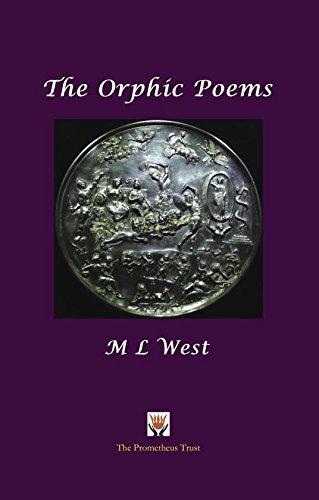
It was mentioned as one of the books in Mr. Abney's library, which was said to be a collection of books on mysteries and religious beliefs of the later pagans.
Certainly his library contained all the then-available books bearing on the mysteries, The Orphic Poems, the worship of Mithras, and the Neoplatonists.
— Episode: 2021 Halloween Spooktacular!
It was mentioned as one of the books in Mr. Abney's library, which was said to be a collection of books on mysteries and religious beliefs of the later pagans.
Certainly his library contained all the then-available books bearing on the mysteries, The Orphic Poems, the worship of Mithras, and the Neoplatonists.
It was said to be in Mr. Abney's library, alongside other books focusing on pagan religious beliefs.
Certainly his library contained all the then-available books bearing on the mysteries, The Orphic Poems, the worship of Mithras, and the Neoplatonists.

It was written by Sidis when he was 8 years old and contained his self-invented language called 'Vendergood'. It combined features of Latin, Greek, and romance languages.
Between 6 and 8 he wrote at least 4 books and at 8 he passed the Harvard Medical School anatomy exam and then the entrance exam to MIT and also at 8 invented his own language in a book The book was ca...
— Episode: The Sad Story of William James Sidis
It was written by Sidis when he was 8 years old and contained his self-invented language called 'Vendergood'. It combined features of Latin, Greek, and romance languages.
Between 6 and 8 he wrote at least 4 books and at 8 he passed the Harvard Medical School anatomy exam and then the entrance exam to MIT and also at 8 invented his own language in a book The book was called Book of Vendor Good and the language was Vendor Good
Yeah, not like just some gibberish or whatever He took from like Latin and Greek and some of the Romance languages and figured out different ways to conjugate words based on this language and he created his own language It wasn't just some lame thing where words were replaced with words
It was a book written by him at age eight where he detailed his invented language, Vendor Good, which had a complex grammatical structure based on Latin, Greek, and Romance languages.
Between 6 and 8 he wrote at least 4 books and at 8 he passed the Harvard Medical School anatomy exam and then the entrance exam to MIT and also at 8 invented his own language in a book The book was called Book of Vendor Good and the language was Vendor Good
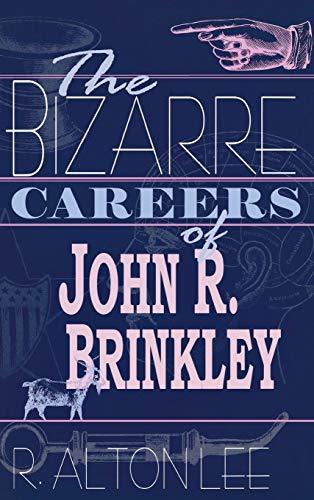
It was mentioned as a great book and apparently the definitive work on the life of John R. Brinkley, a prominent quack doctor in the 1920s and 1930s.
Livia wanted to shout out the book, The Bizarre Career of John R. Brinkley.
— Episode: John Brinkley: The Quackiest Quack in Hi...
It was mentioned as a great book and apparently the definitive work on the life of John R. Brinkley, a prominent quack doctor in the 1920s and 1930s.
Livia wanted to shout out the book, The Bizarre Career of John R. Brinkley.
The Bizarre Career of John R. Brinkley by R. Alton Lee from 2002.
Great book and seems to be the book on John R. Brinkley.
It was discussed as a great and apparently the definitive book about John R. Brinkley and his quack medical practices, particularly his goat gland procedure.
Livia wanted to shout out the book, The Bizarre Career of John R. Brinkley. The Bizarre Career of John R. Brinkley by R. Alton Lee from 2002.
It was mentioned as a book written by an astrophysicist and ufologist who dedicated himself to debunking the Philadelphia Experiment. His work was inspired by the film Close Encounters of the Third Kind.
And he was also the author of the book, The Fourth Kind.
— Episode: Selects: What was the Philadelphia Exper...
It was mentioned as a book written by an astrophysicist and ufologist who dedicated himself to debunking the Philadelphia Experiment. His work was inspired by the film Close Encounters of the Third Kind.
And he was also the author of the book, The Fourth Kind.
It was written by the ufologist who inspired a character in Close Encounters of the Third Kind, who also dedicated himself to disproving the Philadelphia Experiment.
And he was also the author of the book, 'The Fourth Kind'.
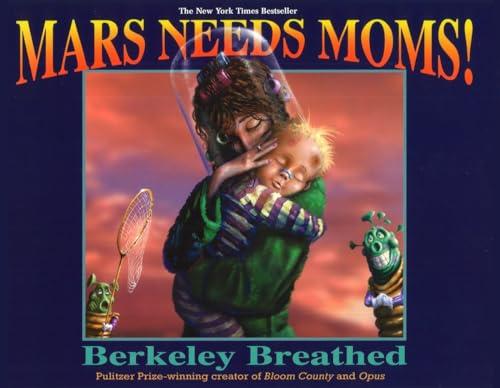
It was a children's book about Martians kidnapping human mothers, adapted into a CGI movie that was so poorly received it led to the closure of the studio that produced it.
He wrote a book a children's book called Mars Needs Moms and basically Mars had some sort of shortage of moms.
— Episode: Selects: Is The Uncanny Valley Real?
It was a children's book about Martians kidnapping human mothers, adapted into a CGI movie that was so poorly received it led to the closure of the studio that produced it.
He wrote a book a children's book called Mars Needs Moms and basically Mars had some sort of shortage of moms.
So the Martians came and kidnapped human moms and it was up to the human kids to go get their moms back from Mars.
It's a company right. Image Movers Digital was the was the trade name of it.
It was what the stuff that they created. It was so off and just so spectacularly and colossally off that when I guess Disney came along and bought this company they came in looked around and said we're shutting you down.
This movie is that we're not doing this anymore. What you guys are doing here is wrong and you're all going to jail.
It was a children's book about Martians kidnapping human mothers, but the movie adaptation was poorly received due to its uncanny valley effect, and ultimately led to the studio's closure.
So Berkeley Breathed, the person, the guy who did Bloom County, yeah, he wrote a book, a children's book called Mars Needs Moms and basically Mars had some sort of shortage of moms.
So the Martians came and kidnapped human moms and it was up to the human kids to go get their moms back from Mars.
Pretty cute little premise, but they took it and ran it through Zemeckis nightmare mill.
It was what the stuff that they created, it was so off and just so spectacularly and colossally off that when I guess Disney came along and bought this company, they came in, looked around and said, we're shutting you down.
This movie is that, we're not doing this anymore. What you guys are doing here is wrong, and you're all going to jail.
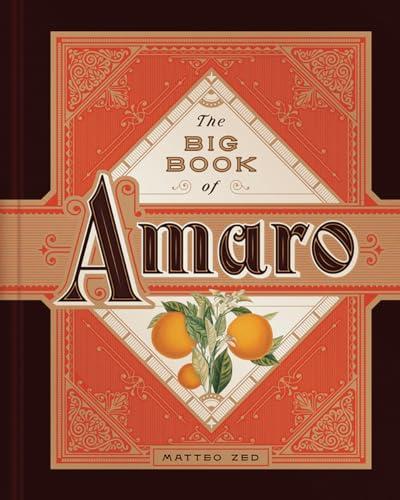
It was used as a major source of information for the episode, particularly regarding the history and production of Amaro.
shout out, because Dave used this book for a lot of this research from a mixologist from Italy named Matteo Zed, called The Big Book of Amaro.
— Episode: That's Amaro!
It was used as a major source of information for the episode, particularly regarding the history and production of Amaro.
shout out, because Dave used this book for a lot of this research from a mixologist from Italy named Matteo Zed, called The Big Book of Amaro.
It was used as a source for much of the information shared about amaro during the episode. It was described as 'awesome' and 'refreshing'.
And shout out, because Dave used this book for a lot of this research from a mixologist from Italy named Matteo Zed, called The Big Book of Amaro.
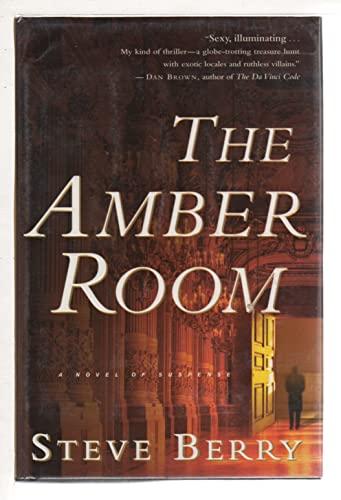
The book 'The Amber Room' by Catherine Scott Clark and Adrian Levy was referenced as a source for the podcast's information about the Amber Room, detailing its history, disappearance, and theories about its fate.
We also want to thank Dave relied on the work of Adrian Levy or Levy and Catherine Scott Clark, investigative journalist for The Guardian, who also wrote a book called The Amber Room.
— Episode: The Mystery of the Lost Amber Room
The book 'The Amber Room' by Catherine Scott Clark and Adrian Levy was referenced as a source for the podcast's information about the Amber Room, detailing its history, disappearance, and theories about its fate.
We also want to thank Dave relied on the work of Adrian Levy or Levy and Catherine Scott Clark, investigative journalist for The Guardian, who also wrote a book called The Amber Room.
And that very tellingly is where Catherine Scott Clark and Adrian Levy ended up. And remember, they wrote this really exhaustive book and they're investigative reporters.
The podcasters acknowledged the book 'The Amber Room' by Catherine Scott Clark and Adrian Levy, which was a significant source of information for the episode's exploration of the mystery of the Amber Room.
We also want to thank Dave relied on the work of Adrian Levy or Levy and Catherine Scott Clark, investigative journalist for The Guardian, who also wrote a book called The Amber Room.
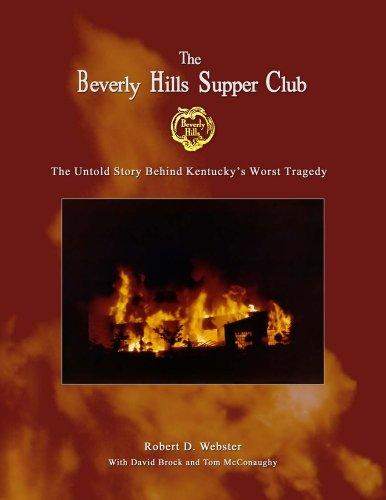
The Untold Story of Kentucky's Worst Tragedy
It was mentioned as another definitive book covering the fire, with five years of research behind it. The author and the author of 'Forbidden Fruit' were reportedly feuding at the time.
And was that who it was in the video that you sent to know there's another guy named Robert Webster Who was in that video? I sent you and he wrote another definitive book on it called the the ...
— Episode: The Beverly Hills Supper Club Fire
It was mentioned as another definitive book covering the fire, with five years of research behind it. The author and the author of 'Forbidden Fruit' were reportedly feuding at the time.
And was that who it was in the video that you sent to know there's another guy named Robert Webster Who was in that video? I sent you and he wrote another definitive book on it called the the Beverly Hills Supper Club fire The store the untold story behind Kentucky's greatest tragedy and it's really exhaustive to apparently It's got five years of research behind it as well Colon everything that Bronson guy missed
They're famously feuding with each other to this day.
I think yeah on YouTube It's the same title of his book the Beverly Hills Supper Club Colon the untold story behind Kentucky's worst tragedy
It was described as a definitive book that delved into the untold story of the fire in Kentucky, including five years of research and information that other sources may have missed.
was that who it was in the video that you sent to know there's another guy named Robert Webster Who was in that video? I sent you and he wrote another definitive book on it called the the Beverly Hills Supper Club fire The store the untold story behind Kentucky's greatest tragedy and it's really exhaustive to apparently It's got five years of research behind it as well Colon everything that Bronson guy missed
He chalked reports of that up to poor reporting early reporting after the fire that they they routinely flaunted the the building capacity the fire marshal's capacity Number, I don't know that that's necessarily true
I think yeah on YouTube It's the same title of his book the Beverly Hills Supper Club Colon the untold story behind Kentucky's worst tragedy
Note: The book recommendations on this page are discovered automatically from podcast transcripts, and may be incorrect or incomplete.
Podcast Name