Podcast
Stuff You Should Know
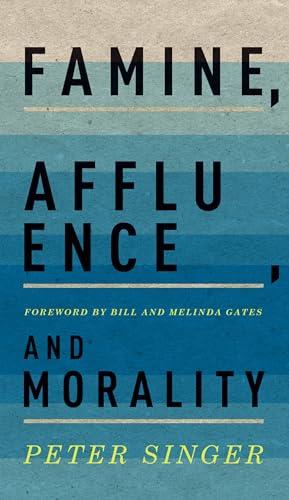
It was discussed in the podcast as providing the general contours of the effective altruism movement. The authors also mentioned that it included a thought experiment about saving a drowning child vs. ruining a new pair of shoes.
He basically goes on to destroy any argument about, well, that's a kid that you see in a pond. You're actually physically saving that kid.
— Episode: How Effective Altruism Works
Episode: How Effective Altruism Works
It was discussed in the podcast as providing the general contours of the effective altruism movement. The authors also mentioned that it included a thought experiment about saving a drowning child vs. ruining a new pair of shoes.
He basically goes on to destroy any argument about, well, that's a kid that you see in a pond. You're actually physically saving that kid.
It's easier. It is easier. You don't even have to get wet. You just call in your credit card basically.
He will really turn like the hot plate up under you and just really make you feel uncomfortable.
He's saying like this is my philosophical argument, and it's pretty sound if you hear me out. And if you hear him out, it is pretty sound.
He wrote that paper, Famine, Affluence and Morality, which basically provides the general contours of the effective altruist movement.
Episode: How Effective Altruism Works
It was discussed as a 1972 essay that explored the ethical obligations of affluent individuals to help those in need globally, presented through a thought experiment about a drowning child and the choice to save them or not.
He basically goes on to destroy any argument about, well, that's a kid that you see in a pond. You're actually physically saving that kid.
He's like, well, it's so easy to donate to help a child on the other side of the world right now that for all intents and purposes, it's as easy as going into a pond to save a kid these days.
It's easier. You don't even have to get wet. You just call in your credit card basically. Yes, you know?
So he just destroys like any argument you could possibly have.
So read that too and just see what you think. See what you think about yourself too.