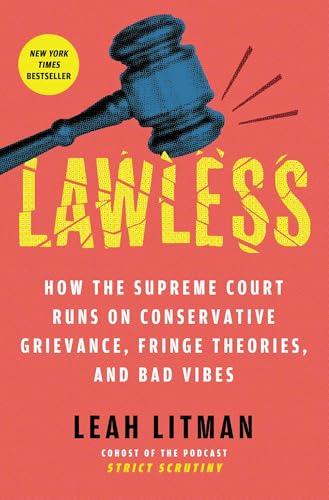
Lawless
Leah Litman
Mentioned 5 months ago
S7 Ep19: Is Sam Alito On His Way Out?
Strict Scrutiny is a podcast about the United States Supreme Court and the legal culture that surrounds it. Hosted by three badass constitutional law professors-- Leah Litman, Kate Shaw, and Melissa Murray-- Strict Scrutiny provides in-depth, accessible, and irreverent analysis of the Supreme Court...
Recently mentioned
Leah Litman
Mentioned 5 months ago
S7 Ep19: Is Sam Alito On His Way Out?
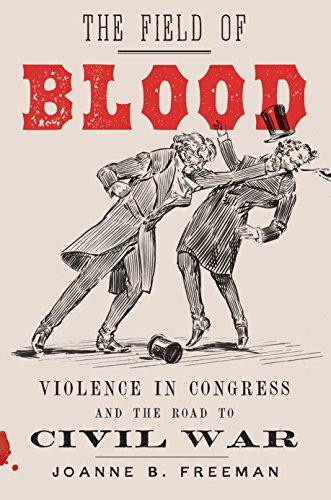
Joanne B. Freeman
Mentioned 5 months ago
S7 Ep19: Is Sam Alito On His Way Out?
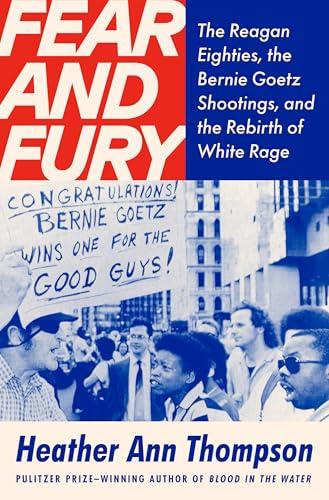
Heather Ann Thompson
Mentioned 5 months ago
S7 Ep19: Is Sam Alito On His Way Out?
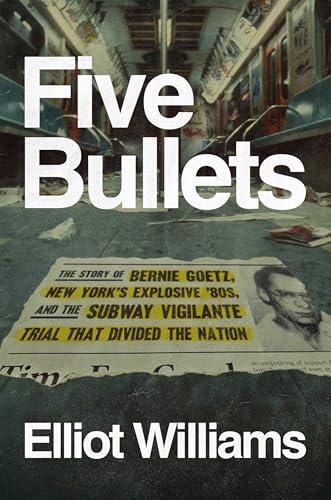
Elliot Williams
Mentioned 5 months ago
S7 Ep19: Is Sam Alito On His Way Out?
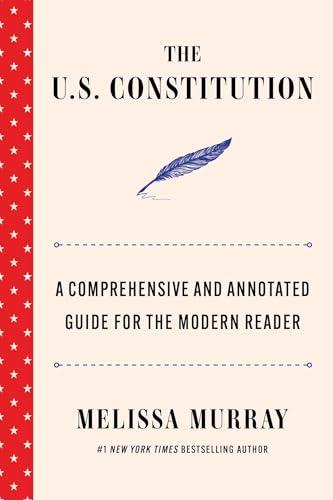
Melissa Murray
Mentioned 5 months ago
S7 Ep19: Is Sam Alito On His Way Out?
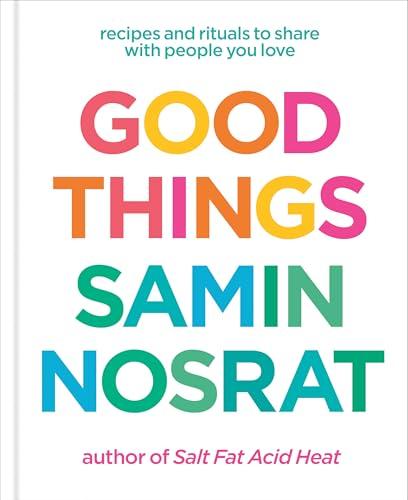
Samin Nosrat
Mentioned 7 months ago
December Preview: SCOTUS Doubles Down on Its BS
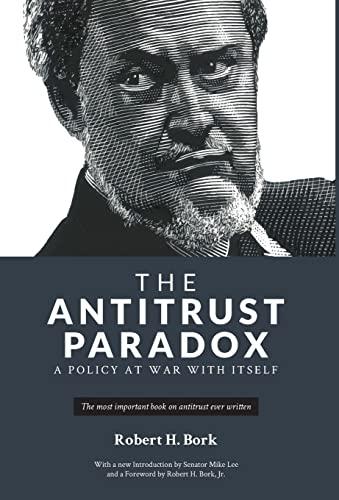
Robert H Bork
Mentioned 1 year ago
An Unsealed Brief, Ghost Guns, & Antitrust Law as Social Justice
Joseph Fishkin
Mentioned 1 year ago
An Unsealed Brief, Ghost Guns, & Antitrust Law as Social Justice
Binyamin Appelbaum
Mentioned 1 year ago
An Unsealed Brief, Ghost Guns, & Antitrust Law as Social Justice
Madiba K. Dennie
Mentioned 1 year ago
No Choice but to Stan: A Deep Dive on Solicitor General Elizabeth Prelogar
Rebecca Nagle
Mentioned 1 year ago
The Battle for Native Rights & Comstock: The Zombie Law From Hell
Ruth Ben-Ghiat
Mentioned 1 year ago
Project 2025 (cont.): The Fascist Plan to Plunder the Government
Brett Kavanaugh and the Conservative Takeover
This book was mentioned in the context of Justice Kavanaugh's desire to frame the potential overruling of Roe v. Wade in principled and moderate terms, possibly aligning with a desire to maintain social standing.
this is the mckay coppins profile this is ruth marcus's book Supreme Ambitions
— Episode: Fourth Dimension Feminism
This book was mentioned in the context of Justice Kavanaugh's desire to frame the potential overruling of Roe v. Wade in principled and moderate terms, possibly aligning with a desire to maintain social standing.
this is the mckay coppins profile this is ruth marcus's book Supreme Ambitions
Restoring Order & Reducing Crime in Our Communities
This work by Amna Akbar was suggested as recommended reading for those interested in how particular groups or communities can feel violated by the state due to overpolicing or surveillance of other community members.
as well as Amna Akbar's work, which is titled National Security's Broken Windows.
— Episode: Have They Heard of Frat Houses?
This work by Amna Akbar was suggested as recommended reading for those interested in how particular groups or communities can feel violated by the state due to overpolicing or surveillance of other community members.
as well as Amna Akbar's work, which is titled National Security's Broken Windows.
How Voter Suppression Is Destroying Our Democracy
This book focused on restrictive voting laws, and the author was asked if she anticipated the speed at which such laws were enacted in 2021.
So one of our listeners has been steeped in the uvra of Carol Anderson and wants to know when you wrote One Person No Vote back in 2018. This is your book about restrictive voting laws.
— Episode: Fatally Unequal
This book focused on restrictive voting laws, and the author was asked if she anticipated the speed at which such laws were enacted in 2021.
So one of our listeners has been steeped in the uvra of Carol Anderson and wants to know when you wrote One Person No Vote back in 2018. This is your book about restrictive voting laws.
One host mentioned this book as essential reading when they took federal courts long ago, suggesting Justice Breyer should read it given his recent confusion during oral arguments.
when I took federal courts way back in the day, Erwin Chemerinsky's Horn Book Federal jurisdiction was like lived with that slept with it was the best.
— Episode: Per My Last Email
One host mentioned this book as essential reading when they took federal courts long ago, suggesting Justice Breyer should read it given his recent confusion during oral arguments.
when I took federal courts way back in the day, Erwin Chemerinsky's Horn Book Federal jurisdiction was like lived with that slept with it was the best.
How the Supreme Court Uses Stealth Rulings to Amass Power and Undermine the Republic
The host suggested that the Supreme Court's order allowing the Texas ban to go into effect was such a dereliction of responsibility that it should be relegated to the shadow docket anti-canon, perhaps topping that list.
It's just like, it's a really shocking dereliction of responsibility on the part of the Supreme Court. And it's like, I, you know, this order needs to be at some point like relegated to The Sh...
— Episode: Messing with Texas
The host suggested that the Supreme Court's order allowing the Texas ban to go into effect was such a dereliction of responsibility that it should be relegated to the shadow docket anti-canon, perhaps topping that list.
It's just like, it's a really shocking dereliction of responsibility on the part of the Supreme Court. And it's like, I, you know, this order needs to be at some point like relegated to The Shadow Docket anti-canon right?
So like it's going to have its own anti-canon at a certain point. And this I think is going to be at the top of the list.
Exploding the Myths of the Self Help Generation
This book was mentioned in connection with a reference to how the court is apolitical, and its release timing coincided with the Supreme Court's decision on the Texas SB8 case.
I inserted a reference to this by the way Stephen Brier's book about how the court is apolitical and we should all respect his decisions came out literally the same day that the Supreme Court issued i...
— Episode: Flagrantly Unconstitutional
This book was mentioned in connection with a reference to how the court is apolitical, and its release timing coincided with the Supreme Court's decision on the Texas SB8 case.
I inserted a reference to this by the way Stephen Brier's book about how the court is apolitical and we should all respect his decisions came out literally the same day that the Supreme Court issued in order allowing Texas to effectively ban abortion.
Supporting Victims, Ensuring Due Process, and Resisting the Conservative Backlash
The book was discussed as a new work by the guest, Alexandra Brodsky, detailing the impetus for writing it stemming from her work as an advocate and lawyer on sexual harassment issues, especially in schools. The author aimed to address public misunderstandings about due process in relation to increased protections for victims.
And we are delighted to be joined today by Alexandra Brodsky. We're going to be discussing her new book, Sexual Justice, on today's episode.
— Episode: Sexual Justice
The book was discussed as a new work by the guest, Alexandra Brodsky, detailing the impetus for writing it stemming from her work as an advocate and lawyer on sexual harassment issues, especially in schools. The author aimed to address public misunderstandings about due process in relation to increased protections for victims.
And we are delighted to be joined today by Alexandra Brodsky. We're going to be discussing her new book, Sexual Justice, on today's episode.
And most relevant for today, although we'd love to talk to her about any of this, she is the author of the new book, Sexual Justice.
So maybe we'll start Alexandra by asking you to just describe the impetus for the book.
And so the book we use together principles that should guide civil responses to allegations of sexual harassment together with discussions of particular cases to make you know the guidance and claims concrete, and maybe we can talk about some of the principles or general guidance that offers first
The book will be out when you are listening to this podcast. So we'd encourage our listeners to check it out again. It is called Sexual Justice by Alexandra Brodsky.
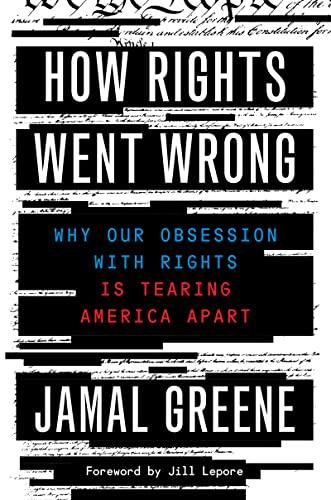
Why Our Obsession with Rights Is Tearing America Apart
The book outlined a basic thesis on handling rights adjudication and thinking about rights conflict in a context of radical pluralism and conflict. It suggested moving away from deciding who has or doesn't have rights toward a more granular approach that reconciles different rights people possess.
And so before he entered law teaching, he served as a law clerk to Justice Stevens and to Judge Guido Calabresi. In addition to his teaching and writing, he serves as co-chair of the Facebook Oversigh...
— Episode: How Rights Went Wrong
The book outlined a basic thesis on handling rights adjudication and thinking about rights conflict in a context of radical pluralism and conflict. It suggested moving away from deciding who has or doesn't have rights toward a more granular approach that reconciles different rights people possess.
And so before he entered law teaching, he served as a law clerk to Justice Stevens and to Judge Guido Calabresi. In addition to his teaching and writing, he serves as co-chair of the Facebook Oversight Board.
So just for our listeners, what is the basic argument of the book? The book is basically about how to handle rights adjudication and thinking about rights conflict in a context of radical pluralism and radical conflict.
So I use that case as an example of a different model and one that we've kind of lost in some ways because we have fetishized the approach that Justice Holmes takes in the Lochner case.
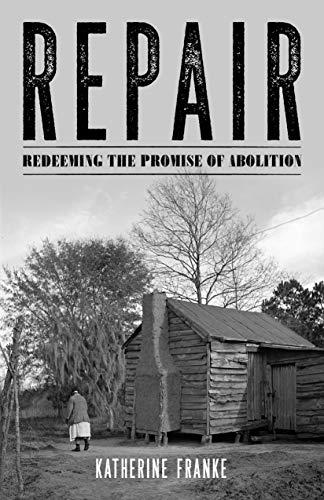
Redeeming the Promise of Abolition
The book made the case for reparations by examining historical examples from the post-bellum period where reparations were explicitly considered for newly freed African Americans, such as in Port Royal and Davis Bend.
the author of Repair: Redeeming the Promise of Abolition, which was released in hardcover by Haymarket Press in 2019 and will be released in paperback with a Readers Guide this August...
— Episode: Open Wound
The book made the case for reparations by examining historical examples from the post-bellum period where reparations were explicitly considered for newly freed African Americans, such as in Port Royal and Davis Bend.
the author of Repair: Redeeming the Promise of Abolition, which was released in hardcover by Haymarket Press in 2019 and will be released in paperback with a Readers Guide this August.
So your book Repair makes the case for reparations by examining some historical examples from the post-bellum period in which reparations were explicitly considered for newly freed African Americans.
And so they started seizing the land, the military officials did, the federal government did of the Sea Islands and allocated it to the freed people as a project of reparations in substantial plots where multiple family units would live together collectively on the land and it was understood that the community, the Black community was to be in charge of that land and what freedom would look like not just nuclear households.
The book is Repair, redeeming the promise of abolition and it is available online at the usual suspects.
It was one that was widely accepted in the 1860s by white people who were involved in, centrally involved in the project of emancipating black people from slavery.
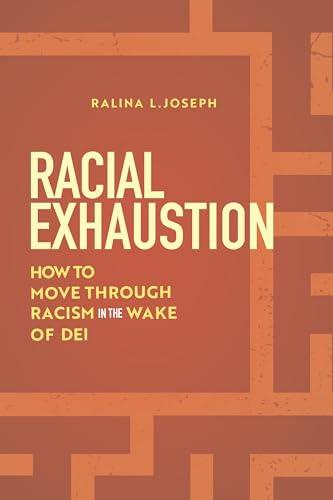
How to Move Through Racism in the Wake of DEI
This article was mentioned in the context of the court being tired of having to enact legislation to help minorities, similar to the sentiment in older civil rights cases. The speaker highlighted that the article suggests the country was 'born tired' of equality, implying resistance to equality has always existed.
Like haven't we gotten to the point where race doesn't matter whether it's an education or voting or whatnot? Like how as advocates do you make the case that race continues to matter over and over and...
— Episode: Born Tired
This article was mentioned in the context of the court being tired of having to enact legislation to help minorities, similar to the sentiment in older civil rights cases. The speaker highlighted that the article suggests the country was 'born tired' of equality, implying resistance to equality has always existed.
Like haven't we gotten to the point where race doesn't matter whether it's an education or voting or whatnot? Like how as advocates do you make the case that race continues to matter over and over and over again?
I actually took a different point from Darren's article, which was that the civil rights cases and that line in particular, the special favorites. There comes a time when a man must cease to be the special favorites of the laws.
And so I think Darren's article is really an essential read in many respects because this idea of being tired of too much justice is something that runs through the cases.
For those who are frantically googling to try and find this article, it is called Racial Exhaustion by Professor Darren Leonard Hutchinson. And it appears in the 86th volume of the Washington University Law Review.
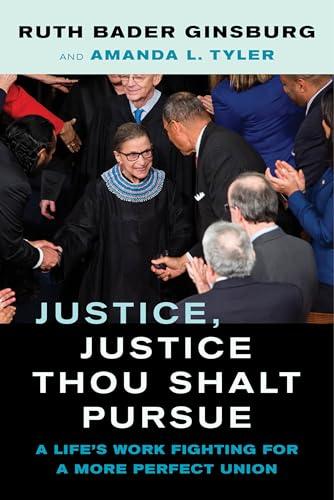
A Life's Work Fighting for a More Perfect Union
This book, co-authored by the late Justice Ruth Bader Ginsburg and Amanda Tyler, contained the Justice's favorite authored opinions, along with stories about her life, family, and career. The book was organized into three themes: her work as an advocate, her work as a justice, and recent remarks and speeches. The speakers expressed great admiration for the book, noting its readability and how it showed the Justice reflecting on her life's arc.
This conversation was recorded on March 23rd, 2021 for an event that was hosted by Writers' Block and the Beverly Hills Bar Association.
— Episode: Justice, Justice Thou Shalt Pursue
This book, co-authored by the late Justice Ruth Bader Ginsburg and Amanda Tyler, contained the Justice's favorite authored opinions, along with stories about her life, family, and career. The book was organized into three themes: her work as an advocate, her work as a justice, and recent remarks and speeches. The speakers expressed great admiration for the book, noting its readability and how it showed the Justice reflecting on her life's arc.
This conversation was recorded on March 23rd, 2021 for an event that was hosted by Writers' Block and the Beverly Hills Bar Association.
Amanda, this book is fantastic. I love it very much. My puppy loves it. He's dug into it as it were.
And I think that's a window into how she felt about this. She treasured the idea that young girls and young kids of all genders were looking up to her and looking up to her example of speaking out, dissenting is okay, calling out people when you think they're not doing the right thing is important.
The book is easily readable my 13 year old has taken a look at it. She enjoyed it very much so it is a gift that you can give to a wide range of people.
That talk at the naturalization ceremony is so uplifting. It's so beautiful. I would encourage people to watch the video of it because it gives you goosebumps.
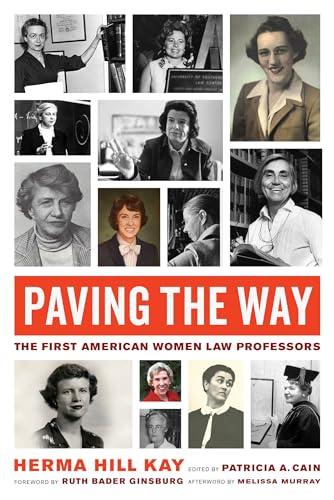
The First American Women Law Professors (Law in the Public Square) (Volume 1)
This was Herma Hill Kay's final work, a chronicling of the stories of the first American women law professors who preceded Kay and Justice Ginsburg into the Academy. Justice Ginsburg was upset that several publishers had declined to publish this book, so the conversation about the main book led to the idea of co-publishing this work alongside it. The book features an afterward by Melissa Murray.
We would be happy to publish it with them so long as it released alongside Paving the Way, the First American Women Law Professors by Herma Hill Kay.
— Episode: Justice, Justice Thou Shalt Pursue
This was Herma Hill Kay's final work, a chronicling of the stories of the first American women law professors who preceded Kay and Justice Ginsburg into the Academy. Justice Ginsburg was upset that several publishers had declined to publish this book, so the conversation about the main book led to the idea of co-publishing this work alongside it. The book features an afterward by Melissa Murray.
We would be happy to publish it with them so long as it released alongside Paving the Way, the First American Women Law Professors by Herma Hill Kay.
Melissa Murray has an afterward in Herma's book that is really important and really wonderful.
So together these books really they preserve this important history. They preserve the stories of women who came before they preserve the stories of herma hill Kay, and they preserve the legacy of Justice Ginsburg.
200 Years, 27 Amendments, and the Promise of a More Perfect Union
This book was mentioned as a forthcoming work by guest Wilfred Codrington. It examines the history of constitutional amendments and the tension between the progressive arc of constitutional change and the conservative grip on conversations about the Constitution.
He is also the co-author of the forthcoming book The People's Constitution 200 Years 27 Amendments and the Promise of a More Perfect Union, which examines the history of constitutional amendments and...
— Episode: An Insult to History
This book was mentioned as a forthcoming work by guest Wilfred Codrington. It examines the history of constitutional amendments and the tension between the progressive arc of constitutional change and the conservative grip on conversations about the Constitution.
He is also the co-author of the forthcoming book The People's Constitution 200 Years 27 Amendments and the Promise of a More Perfect Union, which examines the history of constitutional amendments and the tension between the overall progressive arc of constitutional change and the conservative grip on the broader conversation about the Constitution.
Dirty Tricks, Distrust, and the Threat to American Democracy
This was mentioned as the most recent book authored by guest Rick Hasen. The discussion implied it relates to issues surrounding elections and distrust in democracy.
He is the author most recently of Election Meltdown dirty tricks distrust and the threat to American democracy and also the author of the forthcoming cheap speech savings American ele...
— Episode: An Insult to History
This was mentioned as the most recent book authored by guest Rick Hasen. The discussion implied it relates to issues surrounding elections and distrust in democracy.
He is the author most recently of Election Meltdown dirty tricks distrust and the threat to American democracy and also the author of the forthcoming cheap speech savings American elections in the disinformation era.
How Disinformation Poisons Our Politics―and How to Cure It
This book was mentioned as a forthcoming work by guest Rick Hasen.
He is the author most recently of Election Meltdown dirty tricks distrust and the threat to American democracy and also the author of the forthcoming Cheap Speech savings American ele...
— Episode: An Insult to History
This book was mentioned as a forthcoming work by guest Rick Hasen.
He is the author most recently of Election Meltdown dirty tricks distrust and the threat to American democracy and also the author of the forthcoming Cheap Speech savings American elections in the disinformation era.
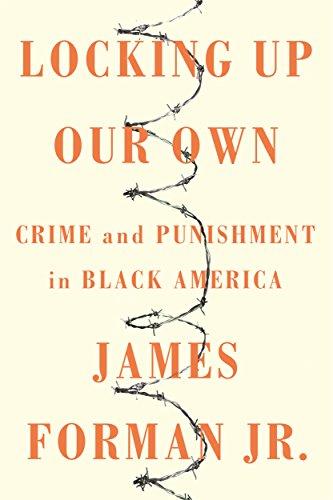
Crime and Punishment in Black America
This Pulitzer Prize-winning book was cited by Justice Thomas to suggest that some Black leaders in D.C. favored mandatory minimum penalties for crack cocaine, a point Justice Sotomayor contended was largely incomplete history.
Justice Thomas is citing to James Foreman's Pulitzer Prize winning book Locking Up Our Own and noting that it is true that DC council members and even the mayor of DC at the time they...
— Episode: State Courts Are Where It's At
This Pulitzer Prize-winning book was cited by Justice Thomas to suggest that some Black leaders in D.C. favored mandatory minimum penalties for crack cocaine, a point Justice Sotomayor contended was largely incomplete history.
Justice Thomas is citing to James Foreman's Pulitzer Prize winning book Locking Up Our Own and noting that it is true that DC council members and even the mayor of DC at the time they were in favor of these increased sentences because they were worried about public safety DC is a majority minority city and was at the time and they were concerned about the black community more broadly but.
And the history that he acknowledged and surfaced in his box concurrence was partly true but largely incomplete so this is kind of like a weird sort of rehashing of that whole move and you know I don't know why he's engaged in this kind of law office history but it would be great if he would continue reading the books and add more of that in.
And just to note this is another example I think of the sniping in the footnotes that we've really seen over the last couple of weeks with these opinions like you know last week it was Kagan and Kavanaugh mixing it up you know here.
The lack of coverage of the redistributive part of that history is really appalling because it's a big part of both the Hinton book both both the Hinton and Foreman books and the Sophead that you've cited.
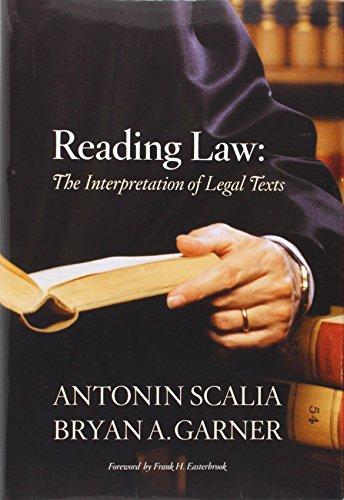
The Interpretation of Legal Texts
This treatise was heavily relied upon by the Wisconsin Supreme Court majority when applying textualist canons of interpretation, which the dissenting justices criticized as being given quasi-constitutional status.
The majority opinion is kind of like a parody about how textualism works right so the court invokes the expressio unius as exclusio alterious cannon, which basically says you know the including inclus...
— Episode: State Courts Are Where It's At
This treatise was heavily relied upon by the Wisconsin Supreme Court majority when applying textualist canons of interpretation, which the dissenting justices criticized as being given quasi-constitutional status.
The majority opinion is kind of like a parody about how textualism works right so the court invokes the expressio unius as exclusio alterious cannon, which basically says you know the including inclusion or lists of some items implies the exclusion of other things not listed or expressly noted.
The opinion relies heavily also to the point of farce I would say on Scalia and Garner's Reading Law, which is a treatise right like a you know sort of textualist tome and but it's like elevated to this kind of quasi constitutional status as far as I can tell.
It's astonishing that this is a point that is worth making right but but it is you know given the degree to which textualists are just like this is you know the canon of textualism.
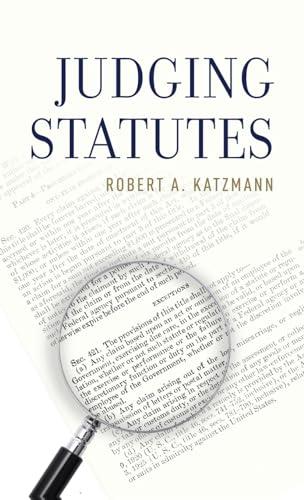
This book was mentioned as a terrific overview of a pragmatic approach to statutory interpretation. It was recommended as a short and great teaching aid for listeners.
I'm curious now having read a lot of his scholarly work and opinions in statutory cases what the process if anybody wants to comment on it sort of what you learned about interpreting statutes from the...
— Episode: Presto!
This book was mentioned as a terrific overview of a pragmatic approach to statutory interpretation. It was recommended as a short and great teaching aid for listeners.
I'm curious now having read a lot of his scholarly work and opinions in statutory cases what the process if anybody wants to comment on it sort of what you learned about interpreting statutes from the judge or sort of how he approached statutory cases when you were in his chambers.
It's short I like to teach from it so I think it's a great teaching aid but I also think it's just a wonderful overview of kind of a pragmatic approach to statutory interpretation right I would call it purposivism but it's not particularly interested in labels right it's interested in kind of doing the hard work to figure out sort of you know what a statute is trying to accomplish.
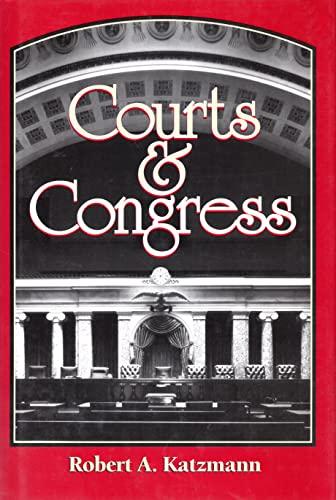
This book discusses the relationship between the courts and Congress, emphasizing inter-branch dialogue. One speaker noted that Judge Katzman's pragmatic approach to statutory interpretation stemmed partly from this background.
I think his pragmatic approach to the interpretation of statutes stemmed in part from his background exploring the relationship between Courts and Congress and I think it came from an...
— Episode: Presto!
This book discusses the relationship between the courts and Congress, emphasizing inter-branch dialogue. One speaker noted that Judge Katzman's pragmatic approach to statutory interpretation stemmed partly from this background.
I think his pragmatic approach to the interpretation of statutes stemmed in part from his background exploring the relationship between Courts and Congress and I think it came from an interest in inter branch comedy or and making sure that the judiciary respected the legislature's work product and so would look into how that legislative work product had actually been produced and interpret statutes in a way that was sensitive to that.
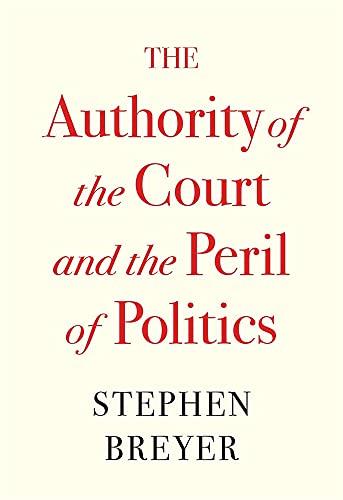
Justice Breyer was preparing to release this book in September while still a sitting justice, which generated discussion about his potential retirement plans. The speakers expressed concern over an excerpt suggesting the peril facing the court comes from citizens equating impartial justice with agreeable judicial outcomes.
This week we learned none other than Justice Stephen Breyer who may no longer be my boy will be releasing in September a book called The Authority of the Court and the Perils of Policy.
— Episode: Hysterical Lady Brains
Justice Breyer was preparing to release this book in September while still a sitting justice, which generated discussion about his potential retirement plans. The speakers expressed concern over an excerpt suggesting the peril facing the court comes from citizens equating impartial justice with agreeable judicial outcomes.
This week we learned none other than Justice Stephen Breyer who may no longer be my boy will be releasing in September a book called The Authority of the Court and the Perils of Policy.
One particular passage in the, you know, squib says the peril facing the Supreme Court comes less from partisan judges than from citizens who encouraged by politicians equate impartial justice with agreeable judicial outcomes.
But yeah, this like this little bit that we saw was not at all encouraging both about the quality of the book but also about his likely short term plans.
Note: The book recommendations on this page are discovered automatically from podcast transcripts, and may be incorrect or incomplete.
Podcast Name