Podcast
Strict Scrutiny
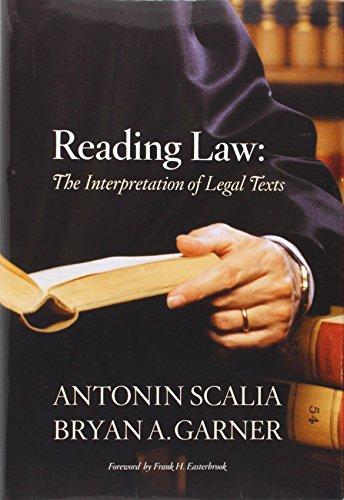
This treatise was heavily relied upon by the Wisconsin Supreme Court majority when applying textualist canons of interpretation, which the dissenting justices criticized as being given quasi-constitutional status.
The majority opinion is kind of like a parody about how textualism works right so the court invokes the expressio unius as exclusio alterious cannon, which basically says you know the including inclus...
— Episode: State Courts Are Where It's At
Episode: State Courts Are Where It's At
This treatise was heavily relied upon by the Wisconsin Supreme Court majority when applying textualist canons of interpretation, which the dissenting justices criticized as being given quasi-constitutional status.
The majority opinion is kind of like a parody about how textualism works right so the court invokes the expressio unius as exclusio alterious cannon, which basically says you know the including inclusion or lists of some items implies the exclusion of other things not listed or expressly noted.
The opinion relies heavily also to the point of farce I would say on Scalia and Garner's reading law, which is a treatise right like a you know sort of textualist tome and but it's like elevated to this kind of quasi constitutional status as far as I can tell.
It's astonishing that this is a point that is worth making right but but it is you know given the degree to which textualists are just like this is you know the canon of textualism.