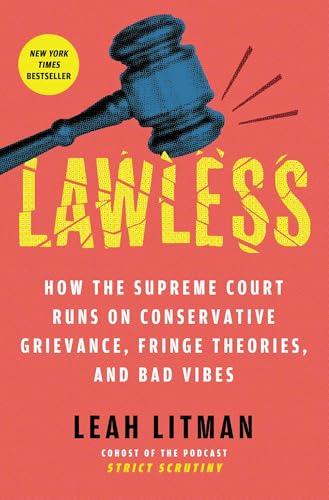
Lawless
Leah Litman
Mentioned 5 months ago
S7 Ep19: Is Sam Alito On His Way Out?
Strict Scrutiny is a podcast about the United States Supreme Court and the legal culture that surrounds it. Hosted by three badass constitutional law professors-- Leah Litman, Kate Shaw, and Melissa Murray-- Strict Scrutiny provides in-depth, accessible, and irreverent analysis of the Supreme Court...
Recently mentioned
Leah Litman
Mentioned 5 months ago
S7 Ep19: Is Sam Alito On His Way Out?
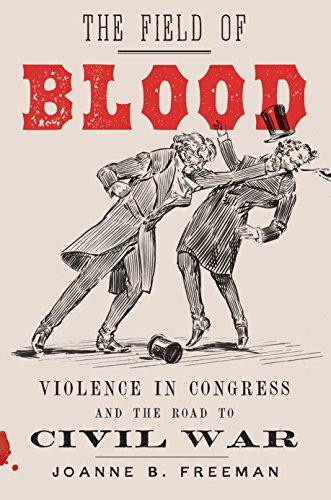
Joanne B. Freeman
Mentioned 5 months ago
S7 Ep19: Is Sam Alito On His Way Out?
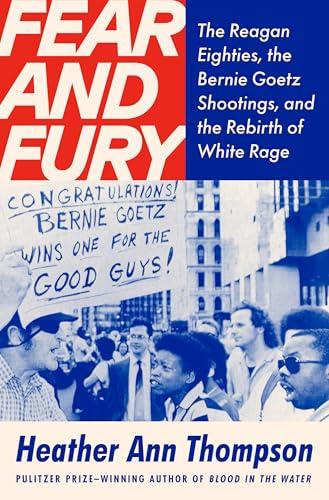
Heather Ann Thompson
Mentioned 5 months ago
S7 Ep19: Is Sam Alito On His Way Out?
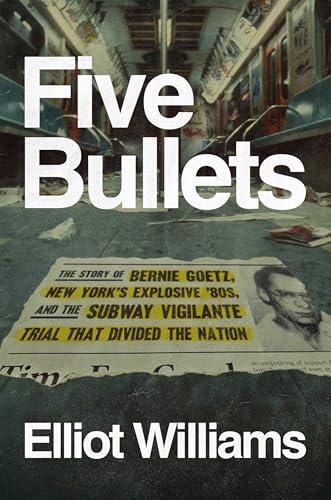
Elliot Williams
Mentioned 5 months ago
S7 Ep19: Is Sam Alito On His Way Out?
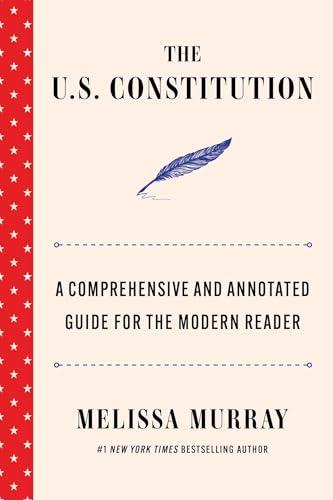
Melissa Murray
Mentioned 5 months ago
S7 Ep19: Is Sam Alito On His Way Out?
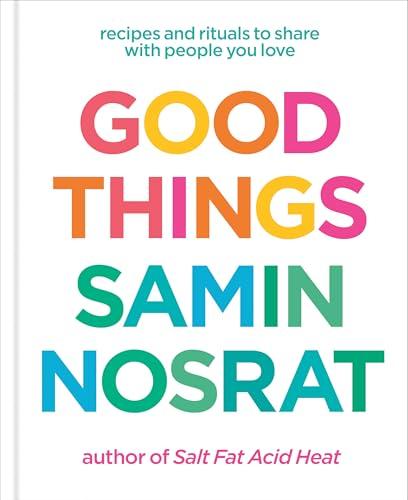
Samin Nosrat
Mentioned 7 months ago
December Preview: SCOTUS Doubles Down on Its BS
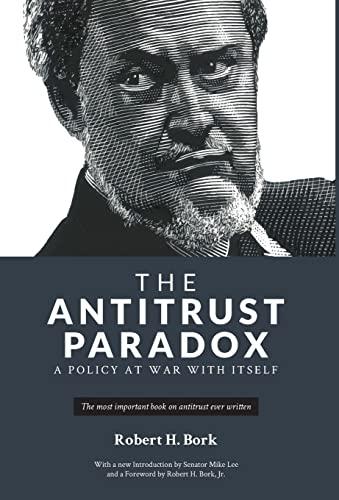
Robert H Bork
Mentioned 1 year ago
An Unsealed Brief, Ghost Guns, & Antitrust Law as Social Justice
Joseph Fishkin
Mentioned 1 year ago
An Unsealed Brief, Ghost Guns, & Antitrust Law as Social Justice
Binyamin Appelbaum
Mentioned 1 year ago
An Unsealed Brief, Ghost Guns, & Antitrust Law as Social Justice
Madiba K. Dennie
Mentioned 1 year ago
No Choice but to Stan: A Deep Dive on Solicitor General Elizabeth Prelogar
Rebecca Nagle
Mentioned 1 year ago
The Battle for Native Rights & Comstock: The Zombie Law From Hell
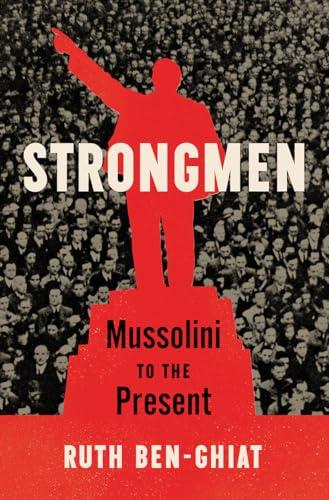
Ruth Ben-Ghiat
Mentioned 1 year ago
Project 2025 (cont.): The Fascist Plan to Plunder the Government
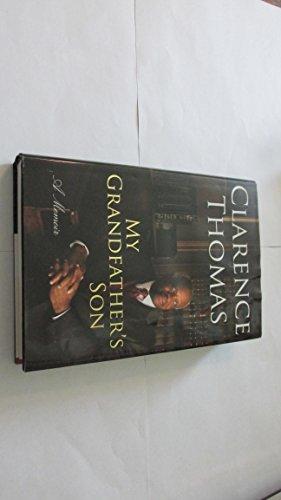
A Memoir
The book was referenced as Justice Thomas’s memoir that provided personal insight into his Southern upbringing and his often stark, sometimes dismissive, views toward his sister’s public assistance. Hosts cited its disarmingly frank tone to contextualize his judicial opinions and to illustrate the demanding love of his grandfather, noting both its honesty and the controversial attitude it revealed.
The book was mentioned as Justice Thomas's autobiography, which covered some of the information presented in the podcast, particularly regarding his community conversation about his identity and where people might have gone wrong in their perception of him.
And as I mentioned in the podcast and the final episode, my favorite writer, the late writer, Ralph Wiley, wrote this very memorable essay about Clarence Thomas called Mr. Justice Thomas. It goes through a lot of the stuff covered in the final segment of the podcast, which is like this community conversation about Clarence Thomas and who he is then and who he might become someday.
In his own book, he says on the day of his marriage, I didn't know what I was doing. Like I felt nervous. I felt this anxiety, but it was too late, right?
he says he has a Yale Law School diploma and he sticks a 15 cent cigar sticker on it because he says that's all it was worth. It didn't help me get a job so how good could it have been, right?
This autobiography was referenced by one of the speakers as containing material that reflected a certain tone in a recent Supreme Court opinion regarding Medicaid recipients. The speaker noted that the author was utterly dismissive and low-key hostile toward his sister who was on public assistance for many years.
And then at the end this did not surprise me at all because I have read Justice Thomas' autobiography My Grandfather's Son where he is utterly dismissive and sort of low-key hostile to his sister who he notes was for many years on public assistance.
The book was mentioned in the context of Justice Thomas's autobiography, which the speaker felt explained his 'low-key hostile' attitude towards people on public assistance in the majority opinion of the Gallardo case.
And then at the end this did not surprise me at all because I have read Justice Thomas' autobiography My Grandfather's Son where he is utterly dismissive and sort of low-key hostile to his sister who he notes was for many years on public assistance.
Published in 2007, this memoir by Justice Thomas was described as disarmingly frank, covering his early life in the South, being raised by his grandfather, and the stark differences in how love was shown compared to Justice Sotomayor's upbringing.
So I like to pair my beloved world with Justice Thomas' autobiography, My Grandfather's Son, which he wrote in 2007. And like Justice Sotomayor's memoir, this memoir is also disarmingly frank.
His grandfather's love was flinty and hidden and cloaked in a way. He actually showed his love by being demanding.
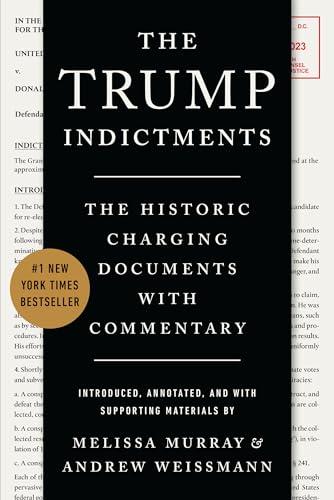
The Historic Charging Documents with Commentary
The book was highlighted as an excellent read that gathered the four Trump indictments and added expert commentary to make the complex legal documents accessible to a general audience. Hosts Melissa Murray and Andrew Weissman, along with guests, emphasized its value as a public‑service effort that raised the baseline of public knowledge about the charges. The recommendation underscored how the annotated collection helped listeners grasp the full scope of the proceedings.
The Trump Indictments is a book co-authored by Melissa Murray and Andrew Weissman, and was said to be an excellent read.
The Trump Indictments by Melissa Murray and Andrew Weissman.
The book compiles the four Trump indictments and provides commentary from the authors, Melissa Murray and Andrew Weissman, both experts on the subject. They aimed to make the legal documents more accessible and understandable for the general public, providing context and explanations for the charges.
Melissa and Andrew's new book gathers the four Trump Endictments in one place and provides invaluable guidance and context from the two of them who are both incredible experts on the subject.
So the goal was to try to make legal documents understandable and manageable and make people feel less fearful about reading them.
we very much saw this as a public service project and I think at this moment given the unprecedented nature of foreign indictments against a former president we felt it was really important that every American be able to participate in this moment in some kind of way that was above a sort of baseline of information and so we sought to raise that baseline by collecting the indictments annotating them so people could understand some of these charging decisions understand the individuals who were involved how they relate to each other or don't relate to each other and then could make their own judgments about whether they believed that guilt or innocence was required coming out of these legal proceedings.
I found while reading the book there were some parallels to the January 6th committee report to my mind which is that even if you followed in real time the testimony the presentations that the committee put together which were really powerful it actually wasn't until a written report that pulled everything together was produced and you could actually read it that you actually had a sense of the full scope um and obviously we are midstream as opposed to at the conclusion of these prosecutions but I had a similar feeling which is that it was it's very hard to get your arms around a full scope of these proceedings especially because there are multiple prosecutions and this is a very accessible way to do it and also communicates just the unbelievable scope of the misconduct like the criminal activity that is alleged across all of these different state and federal venues.
This book is co-authored by Melissa Murray and Andrew Weissmann and contains historic charging documents related to Donald Trump. It was recommended to listeners of the podcast.
Order Melissa Murray and Andrew Weissmann's new book, The Trump Indictments: The Historic Charging Documents with Commentary
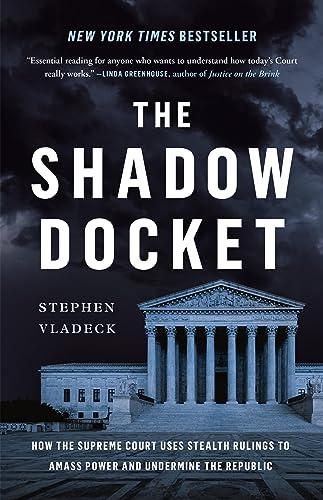
How the Supreme Court Uses Stealth Rulings to Amass Power and Undermine the Republic
The book was highlighted as a New York Times bestseller and described as a great read, with the hosts emphasizing that it was essential for anyone trying to understand the Supreme Court's shadow docket and its impact on major decisions. Both the author and a guest discussed how the work argues that the Court's stealth rulings shape its power and influence, and they promoted its availability in multiple formats.
The Shadow Docket was mentioned as a book, now available in paperback, written by Steve Vladek. It was said that it is a New York Times bestseller.
New York Times bestselling author of The Shadow Docket Which is now out in paperback
The speaker discussed the occasion for the episode, which was the guest's new book released in May. The book argues that one cannot understand the Supreme Court without understanding the shadow docket, which informs and influences even the merits decisions.
But the occasion for this episode is Steve's new book, The Shadow Docket, published in May with basic books.
The book actually tries to suggest that you can't understand the court at all without understanding The Shadow Docket.
The book is called The Shadow Docket, how the Supreme Court uses stealth rulings to amass power and undermine the Republic and it is available in all of the customary formats at all of your favorite booksellers including our favorite bookshop.org but it's also an audiobook, correct?
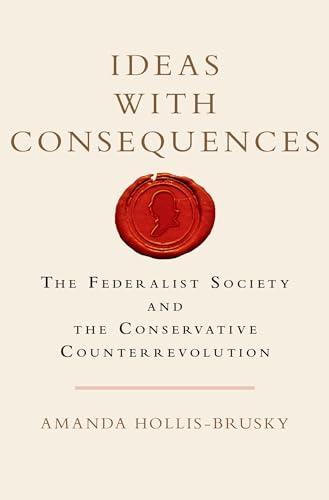
The Federalist Society and the Conservative Counterrevolution (Studies in Postwar American Political Development)
The podcast highlighted the title as an essential, award‑winning work for listeners seeking to grasp the origins and tactics of the Federalist Society and the broader conservative legal movement. Hosts Leah Lippman and guest Amanda Hollis‑Brusky, the author, discussed its academic, chapter‑by‑chapter analysis—including updates after the 2016 election and case studies such as Scalia’s Heller opinion—emphasizing its thorough “thick description” of the group’s influence. The overall tone was strongly favorable, presenting the book as a key resource for understanding the conservative counter‑revolution.
This book, about the Federalist Society, was mentioned as an essential book for understanding the conservative legal movement.
Amanda is a professor of politics and chair of the politics department at Pomona College. Welcome back to the show, Amanda.
Thanks, Leah. So excited to analyze the fresh hell we've been delivered by SCOTUS today. All day, every day.
And the second guest host is returning guest Amanda Hollis-Bresky, who is the expert on the conservative legal movement and the author or co-author of the essential books Ideas with Consequences on the Federalist Society and Separate but Faithful on the Christian Legal Movement and Takeover of the Courts.
The book was presented as an academic analysis of how the Federalist Society operated to shape constitutional law and facilitate a conservative counter-revolution. It was noted that the paperback edition included an update written after the 2016 election, reflecting on the increased relevance of the organization's work.
And I talk about this in the introduction to the paperback edition, which I wrote as an update after Trump was elected.
Ideas with Consequences is divided into a series of chapters that use certain areas of law like an amendment or corporate political expenditures or federalism to do a thick description and analysis of what the Federalist Society actually does.
The reviewer said the book, while a solid contribution, he found it to be jarringly academic and as you're kind of reciting my findings there, I thought to myself, that does sound jarringly academic but it's important to note, you know, Ideas is an academic book.
The Federalist Society has absolutely helped keep justices in check.
Scalia's opinion in Heller is one of the ones I examine, where he's drawing from the Federal Society network and he's drawing on that outside what I call intellectual capital to justify reinterpreting the Second Amendment from a collective right to an individual right.
This book was mentioned as an award-winning work detailing the origins of the Federalist Society and the conservative legal movement.
She wrote the award-winning book Ideas with Consequences about the origins of the Federalist Society and the conservative legal movement.
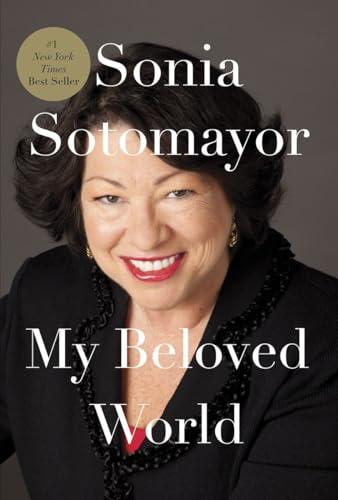
The book was referenced in multiple episodes, first as a foil to Justice Thomas's memoir to illustrate contrasting views on affirmative action, and later lauded for its lyrical autobiographical style and recommended to students. Hosts emphasized its vivid recounting of the justice’s childhood, health challenges, and career, and noted that it had been adapted for younger readers. Overall, the discussion conveyed strong endorsement of the title.
The book was discussed in contrast to Clarence Thomas's memoir when discussing their differing views on affirmative action despite similar backgrounds. Students found the contrasting stories fascinating, especially a student who suggested Sotomayor's perspective stemmed from knowing she was loved.
When I teach the affirmative action cases in my con law class I always pair Gruder I guess now Gruder is going to be over but I don't know what I'll do next year but I always paired Gruder with a chapter from Justice Thomas's autobiography My Beloved World and they're fascinating because they tell the same story.
I think it was that Justice Sotomayor knew she was loved
This 2011 autobiography by Justice Sotomayor detailed her life and career up until her appointment to the bench, describing her childhood, her diagnosis with diabetes, and the initial challenges of feeling unprepared at Princeton and law school.
One more recent and you know, slightly different because this is an autobiography is Justice Sotomayor's My Beloved World, which I think she published in 2011.
And it's just a beautifully written book. I recommend it to students. It's so lyrical. It's beautiful.
This book was mentioned as Justice Sotomayor's memoir which was later reframed for a younger audience.
My Beloved World, which is her memoir, which then subsequently reframed for a younger reader audience.
How the Supreme Court Runs on Conservative Grievance, Fringe Theories, and Bad Vibes
The hosts repeatedly highlighted Leah Litman's book, describing its incisive look at how the Supreme Court operated on conservative grievance, fringe theories, and bad vibes, and urged listeners to purchase a copy. They praised the striking title and presented it as essential reading for understanding current judicial dynamics.
Leah Litman was writing a book with an excellent title about how the Supreme Court was operating based on conservative grievance, fringe theories, and bad vibes.
The title is Lawless, How the Supreme Court Came to Run on Conservative Grievance, Fringe Theories and Bad Bibes.
Exactly! My inspiration. I'm not sure if they actually dedicated to him in the printed volume.
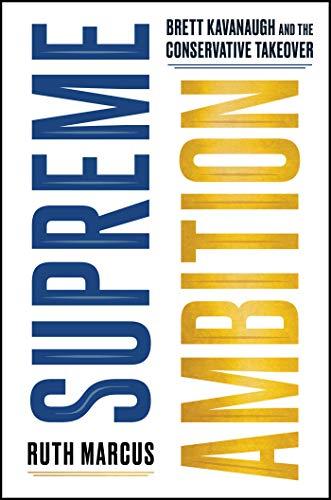
Brett Kavanaugh and the Conservative Takeover
The hosts referenced an interview with the author and dedicated a special episode to her, calling the book a dishy blend of legal analysis, gossip and tea. They highlighted its detailed account of Kavanaugh’s rise and noted memorable quotes from his former colleagues. Overall, the book was presented as a compelling, must‑listen read for the audience.
The host referenced an interview they conducted with Ruth Marcus regarding her book on the Supreme Court.
And I literally was thinking back to our interview with Ruth Marcus about her book, Supreme Ambition.
The book detailed the rise of Brett Kavanaugh to the Supreme Court and the actors involved in that process. It was described as 'dishy' and a perfect mix of law, hot gossip, and tea.
We are delighted to bring you a very special episode of Strict Scrutiny today with none other than Ruth Marcus, a columnist at The Washington Post and the author of Drumroll, Supreme Ambition, Brett Kavanaugh, and the conservative Takeover.
This book is so dishy. My eyes are like saucers and I'm so excited to just dig right in.
I think your husband's right, Ruth, that you probably can tell a lot about a person by the way they play basketball, but probably not the things that matter in a clerk, necessarily or not all of them.
The other lesson of course is everyone should play intramural basketball you attend law school but don't throw elbows or be an asshole or you'll never get the appellate right.
everyone should check out Ruth's book Supreme Ambition. It is the perfect mix of law hot gossip and tea so hopefully that will appeal to our listeners
This book was mentioned in relation to Justice Kavanaugh's confirmation, featuring quotes from his former DC Circuit colleagues.
And she has this quote in the book that has stuck with me forever and the quote is from some of his former colleagues on the DC circuit who described him as quote a good colleague except in any of the cases. Where it mattered and this to me is an example of that.
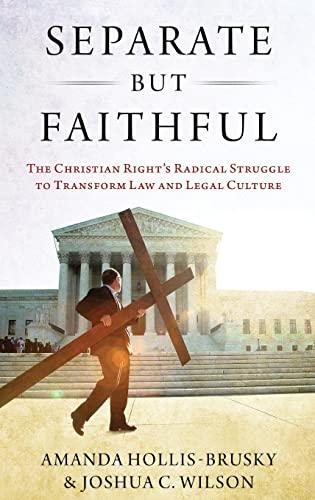
The Christian Right's Radical Struggle to Transform Law & Legal Culture (Studies in Postwar American Political Development)
The book was highlighted as an essential resource for grasping the Christian Legal Movement and the broader conservative legal strategy, with the author and co‑author appearing as expert guests. Hosts explained that it detailed the religious right’s use of cultural capital, supplemental education, and parallel institutions to reshape law and legal culture. The discussion conveyed strong endorsement of the work as a key text for listeners interested in this area.
This book, about the Christian Legal Movement, was mentioned as an essential book for understanding the conservative legal movement.
And the second guest host is returning guest Amanda Hollis-Bresky, who is the expert on the conservative legal movement and the author or co-author of the essential books Ideas with Consequences on the Federalist Society and Separate but Faithful on the Christian Legal Movement and Takeover of the Courts.
This book, co-authored with Professor Joshua Wilson, explored alternative strategies the religious right pursued to change the law, such as infiltration, parallel alternative approaches, and supplemental approaches, using case studies like Christian billionaire patrons building their own law schools.
Amanda is also the co-author with Professor Joshua Wilson of the recently published, Separate but Faithful. The Christian writes radical struggle to transform law and legal culture, which builds on a study they conducted with funding from the National Science Foundation.
In Separate but Faithful I refer to this as cultural capital And academia certainly plays a role and the media plays a bigger role.
So the Federal Society didn't set out to build its own new institutions. It created a supplemental education and network through their clubs and their organizations within existing institutions and so again, we call that a middling approach.
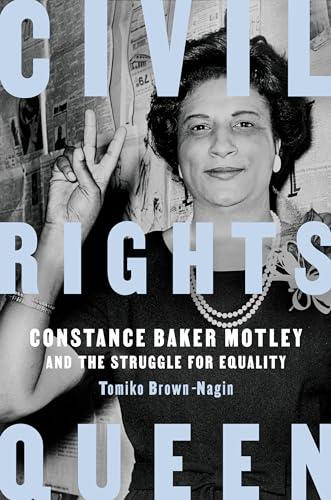
Constance Baker Motley and the Struggle for Equality
The hosts highlighted the book as a thorough exploration of Constance Baker Motley's career and the challenges she faced in federal courts across the South. Kate Shaw praised the author’s documentation of Motley's disrespect, while Melissa Murray welcomed the author to discuss her work. They presented it as an essential, highly regarded account of civil‑rights history.
The book details the ways in which Constance Baker Motley was disrespected when she appeared in federal court in the South and throughout Mississippi.
Tomiko Brown-Nagin, who wrote that terrific book, Civil Rights Queen, documented all of the ways in which Constance Baker Motley was disrespected when she appeared in federal court in the South and throughout Mississippi.
The book provided a deep dive into the life of Constance Baker Motley, the pathbreaking lawyer, politician, and the first black woman appointed to the federal judiciary. The author detailed Motley's early life, her career as a civil rights litigator, her political roles, and her time on the federal bench, illustrating her fight for equality across race and gender lines.
Today we're going to do a deep dive on that book, which is called Civil Rights Queen, Constance Baker Motley, and the Struggle for Equality.
And with that in mind, we are so delighted that Dean Brown-Nagin is here because she does a great deal of work centering those questions in the book Civil Rights Queen.
I'm excited to talk to you about my book.
The book is called Civil Rights Queen, Constance Baker Motley and the Struggle for Equality.
The book was highlighted in a listener mailbag as a previous work by the author, with one host noting that she loved it. In a later episode it was strongly recommended for its humor and witty banter, and the hosts praised its lighthearted tone. Overall, the podcast presented the title as a standout, enjoyable read.
This was mentioned as a previous book by the author.
I loved Happy Place.
A Theory of Judicial Review
Leah Litman referenced the book in two episodes, using it as a scholarly source for the conservative grievance framework and noting its association with political process theory on the courts' role in democracy. The discussions highlighted the book's relevance to understanding judicial review and the biases faced by conservatives, positioning it as an important academic work for the podcast's analysis.
This book was mentioned as being associated with political process theory, a common theory about the role of courts in a democracy.
It is associated most with Caroline Products, footnote four or John Hart Ely's book, Democracy and Distrust.
Unsettled Minds and the Stories That Make Us
Leah Lippman highlighted the book as a recommended read, noting its focus on mental illness through concise chapters and a striking autobiographical prologue. The hosts discussed listening to it and appreciated its structure and personal storytelling, presenting it as a compelling exploration of unsettled minds.
Leah Lippman recommended this book but was unsure if she read it last year or the year before.
Rachel Aviv's Strangers to Ourselves
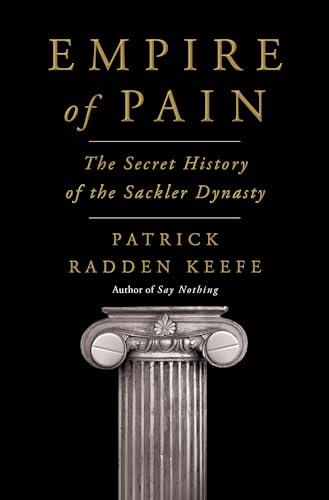
The Secret History of the Sackler Dynasty
The hosts referenced the book while discussing the Purdue Pharma bankruptcy and the broader opioid crisis, noting that it offers insight into the Sackler family's role and the settlement details. Melissa Murray and Leah both suggested that listeners read it to gain a deeper understanding of the case, presenting it as a useful resource for context.
The hosts were discussing the Purdue Pharma bankruptcy deal and mentioned the book "Empire of Pain" as something listeners might find interesting, referring to the Sackler family, who own Purdue Pharma, and the opioid epidemic.
So if you've been following Dope Sick on TV or reading Empire of Pain, this is what this is all about.
This book was mentioned in connection with the Purdue Pharma bankruptcy case, indicating the speaker was familiar with the content regarding opioid abuse litigation and the Sackler family.
I just want to highlight another case it's kind of unusual at the court because it's a bankruptcy case but it's one that you might be familiar with if you've been watching dope sick or pain killer Tyler kish forever. And if you read Empire of Pain then you know that Purdue Pharma which is the maker of oxy content has reached a settlement in the significant number of cases concerning opioid abuse in the United States...
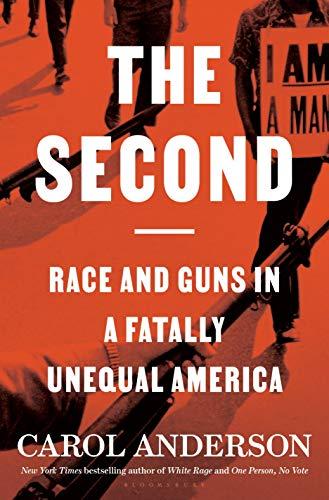
Race and Guns in a Fatally Unequal America
The book was highlighted for its revisionist account of the Second Amendment, linking its origins to the control of enslaved people and reshaping the narrative around gun rights. Melissa Murray introduced it by noting the author’s expertise and the book’s challenge to conventional wisdom, while Kate Shaw called it a game‑changing, essential read for anyone studying gun‑control history. Both hosts emphasized its importance for understanding the racial dimensions of gun policy.
This book explored the historical connection between the Second Amendment, the institution of slavery, and policymaking regarding gun ownership, arguing that racialized motives informed its ratification and subsequent deployment. The author presented a different origin story for the Second Amendment, rooted in the need to control the enslaved population, which contrasted with the conventional narrative.
Professor Anderson is the author of many books, the most recent of which is The Second, Race and Guns in a Fatally Unequal America.
And so you saw a series of laws about thou shall not bear arms. The enslaved shall not have the right to bear weapons. They must be kept away from weapons. They must be unarmed, disarmed.
And so what they did was they started demanding a bill of rights and Virginia's ratification subsequent ratification of the Constitution. They had amended in there, including the right to a well regulated militia as part and parcel of their approval of the Constitution.
In this case, the conventional wisdom posits that The Second Amendment was like most of the Bill of Rights amendments intended as a response to the encroachments of the British crown against the colonists in the period preceding the American Revolution.
The Second contribution I think though is the way in which the relationship between African Americans and guns and violence has actually been shaped by The Second Amendment and constitutional history that in fact, the social construction of dangerousness is actually originating in this founding period.
The book was mentioned as a game-changer that completely reframed the history of how the Second Amendment was crafted and enforced. It was suggested as essential reading regarding the history surrounding gun control.
Just a plug for Carol Anderson's book The Second, which is folks haven't read it was there's not a lot of books, although Carol does tend to write them that make me absolutely rethink everything I thought I knew.
And that and that just sort of laying out the history of, you know, how The Second amendment was crafted and what it was intended to do and how it was enforced and how it continues to be enforced. It was a real like for me game changer.
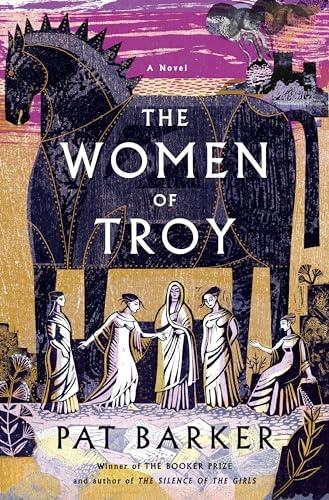
A Novel
The hosts highlighted the title as a feminist sequel to The Silence of the Girls, noting its focus on the captured Trojan women and the perspective of the princess Braseus. Leah Litman emphasized its portrayal of Cassandra and praised it as a powerful retelling of the Iliad. The discussion presented the book as a strongly recommended read for listeners interested in mythic reinterpretations.
This was also highly recommended as a feminist retelling of the Iliad, featuring the Trojan princess Cassandra, whose predictions of doom were never believed.
And The Women of Troy, which are both feminist retellings of various chapters of the Iliad. And they're all written from the perspective of Braseus, the Trojan princess who was captured by Achilles and taken as his concubine.
The second book, The Women of Troy also features our favorite Trojan princess, Cassandra, who not only predicts the destruction of Troy, the introduction of the Trojan horse and her death alongside her captor, Agamemnon. But does all of this and is never ever believed ever?
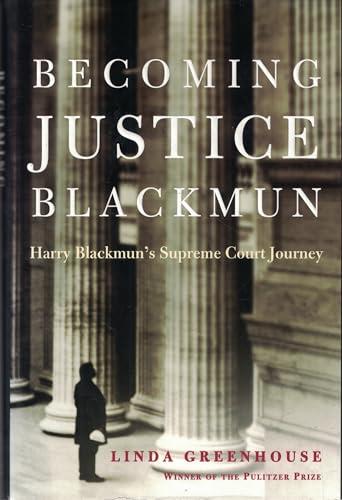
Harry Blackmun's Supreme Court Journey
The book was highlighted as one of Linda Greenhouse's notable works on the Supreme Court and was praised as a favorite read by the hosts. Melissa Murray noted it among Greenhouse’s other titles and highly recommended it, while Kate Shaw also singled it out as a preferred Supreme Court biography. The discussion conveyed strong endorsement.
This was mentioned as one of Linda Greenhouse's other books, and the host highly recommended it along with the new book.
Her other books include Becoming Justice Blackman, The Burger Court and the Rise of the Judicial Right, and Before Roe v. Wade, Voices that Shape the Devortion Debate Before the Supreme Court's Ruling.
justice on the brink is quickly becoming a new favorite.
This book was mentioned as one of the author's favorite reads about the Supreme Court.
She's also the author of one of our favorite Supreme Court reads, Becoming Justice Blackmun.
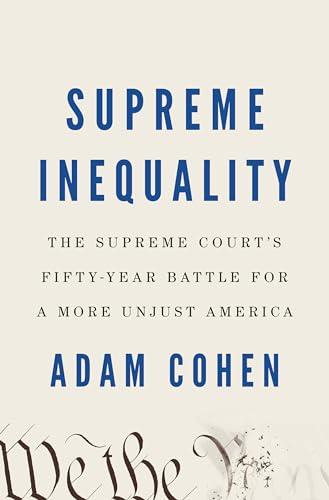
The Supreme Court's Fifty-Year Battle for a More Unjust America
The book was highlighted for its analysis of how the Supreme Court’s conservative shift over the past fifty years has amplified economic inequality by favoring wealthy and corporate interests over the poor and disadvantaged. Melissa Murray introduced the work and Adam Cohen discussed its arguments, citing cases like Lily Ledbetter and Jack Rose that illustrate the Court’s harsh rulings against discriminated individuals. Both hosts emphasized its importance for understanding the Court’s role as a force that has increasingly undermined fairness in society.
This recent book discussed how the Supreme Court, since the late 1960s and early 1970s, had been consistently siding with the rich and powerful against the poor and weak. The speaker noted that this conservative trend in the court has been a driving force in increasing economic inequality in American society.
He's also the author of five books, the most recent of which is Supreme Inequality, the Supreme Court's 50-year battle for a more unjust America.
And then certainly in this abortion debate where it's sort of gained new life but also in this question about. Genetic theory about designer genes about whether or not we can actually use eugenics for social good like this idea of good versus bad eugenics and here you are right on the forefront of all of it and I think one of the things that imbecile sort of speaks of or at least gestures toward is.
The idea of. Of Supreme Inequality is you know I grew up sort of in the shadow of the war in court as I think you know many of us did and the war in court gave us our idea of what the supreme court and the law could be as a force for you know fighting for the underdog and making a fairer society but.
The book examined the conservative tilt of the Supreme Court over the last 50 years, showing how it stopped protecting the rights of the poor and disadvantaged, instead prioritizing decisions that favored wealthy and corporate interests.
In the book I say, you know, one thing that we're not talking about enough is the extreme role that the Supreme Court has played in this inequality.
And that's why the book is the last 50 years of the Supreme Court.
It's super depressing, but like that's cool. That's okay.
I was much more I'd say bread and butter about what in the employment context I talked about like the first three cases in the introduction may it advance and you know Lily Ledbetter and Jack Rose these stories are so horrible right that the Court five to four rejects people who have been horribly discriminated against in the most callous way and also make up the laws they do it.
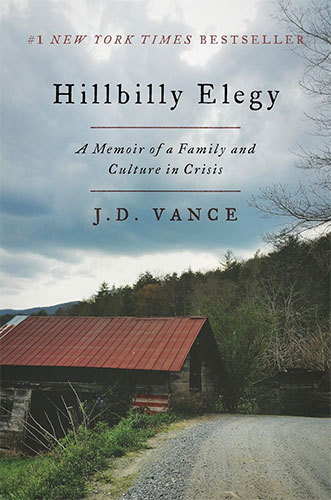
It was mentioned that in his autobiography, J.D. Vance detailed some hard times in his family where he depended on government assistance, which was then contrasted with his current political stance against similar programs.
Well, in your biography, autobiography, Hillbilly Elegy, you do know that there were some hard times in your family where you did have to depend on government assistance.
— Episode: Project 2025 (cont.): DEI for Men With T...
It was mentioned that in his autobiography, J.D. Vance detailed some hard times in his family where he depended on government assistance, which was then contrasted with his current political stance against similar programs.
Well, in your biography, autobiography, Hillbilly Elegy, you do know that there were some hard times in your family where you did have to depend on government assistance.
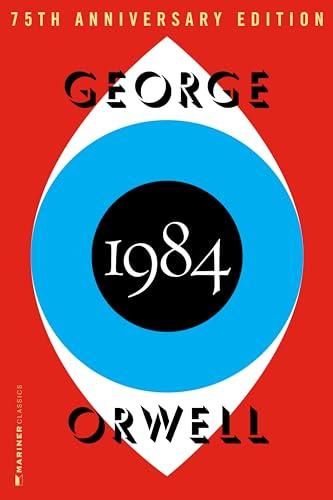
The hosts compared the current reality of how courts are describing their actions to the novel *1984* by George Orwell, suggesting that the courts are describing what they are doing with the law in a way that is disconnected from reality.
I mean I don't know like it's just QED it is we are living in some weird 1984 reality as far as like how courts are describing what they are doing with the law.
— Episode: Florida Becomes a Battleground for Repro...
The hosts compared the current reality of how courts are describing their actions to the novel *1984* by George Orwell, suggesting that the courts are describing what they are doing with the law in a way that is disconnected from reality.
I mean I don't know like it's just QED it is we are living in some weird 1984 reality as far as like how courts are describing what they are doing with the law.
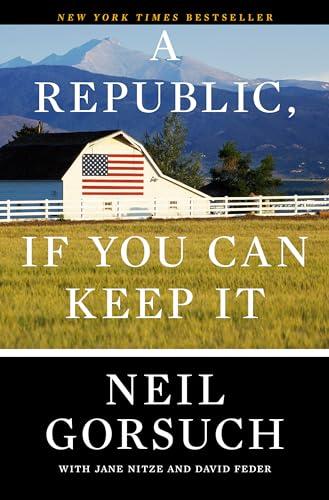
The book was compared to OJ Simpson's "If I Did It", suggesting that it reflected the Supreme Court's recent decisions, particularly those related to democracy and the January 6th insurrection. It was also said that "Democracy or Else" would be a better title for the book.
Justice Gorsuch's book, A Republic If You Can Keep It is basically the equivalent of OJ's If I Did It.
— Episode: A Terrible, Horrible, No Good, Very Bad...
The book was compared to OJ Simpson's "If I Did It", suggesting that it reflected the Supreme Court's recent decisions, particularly those related to democracy and the January 6th insurrection. It was also said that "Democracy or Else" would be a better title for the book.
Justice Gorsuch's book, A Republic If You Can Keep It is basically the equivalent of OJ's If I Did It.
Oh, yeah. As a book. But it is nice to know that boys can write books too.
So profound, that guy.
Note: The book recommendations on this page are discovered automatically from podcast transcripts, and may be incorrect or incomplete.
Podcast Name