Podcast
Strict Scrutiny
The book made the case for reparations by examining historical examples from the post-bellum period where reparations were explicitly considered for newly freed African Americans, such as in Port Royal and Davis Bend.
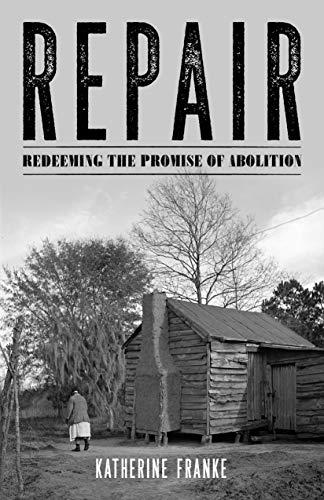
the author of Repair: Redeeming the Promise of Abolition, which was released in hardcover by Haymarket Press in 2019 and will be released in paperback with a Readers Guide this August.
— Episode: Open Wound
Episode: Open Wound
The book made the case for reparations by examining historical examples from the post-bellum period where reparations were explicitly considered for newly freed African Americans, such as in Port Royal and Davis Bend.
the author of Repair: Redeeming the Promise of Abolition, which was released in hardcover by Haymarket Press in 2019 and will be released in paperback with a Readers Guide this August.
So your book repair makes the case for reparations by examining some historical examples from the post-bellum period in which reparations were explicitly considered for newly freed African Americans.
And so they started seizing the land, the military officials did, the federal government did of the Sea Islands and allocated it to the freed people as a project of reparations in substantial plots where multiple family units would live together collectively on the land and it was understood that the community, the Black community was to be in charge of that land and what freedom would look like not just nuclear households.
The book is Repair, redeeming the promise of abolition and it is available online at the usual suspects.
It was one that was widely accepted in the 1860s by white people who were involved in, centrally involved in the project of emancipating black people from slavery.