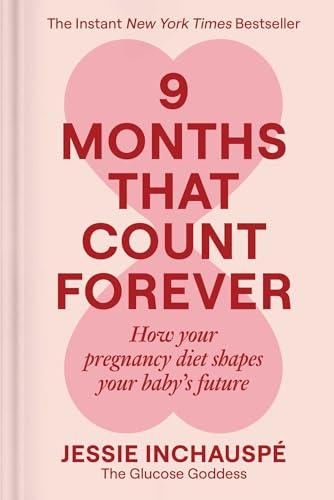
9 Months That Count Forever
Jessie Inchauspe
Mentioned 4 months ago
Jessie Inchauspé: 90% of Pregnant People Are Missing THIS Nutrient (Follow THIS Simple Diet To Reduce Glucose Spikes & Protect Your Baby’s Brain & Metabolism)
I’m Jay Shetty host of On Purpose the worlds #1 Mental Health podcast and I’m so grateful you found us. I started this podcast 5 years ago to invite you into conversations and workshops that are designed to help make you happier, healthier and more healed. I believe that when you (yes you) feel seen...
Recently mentioned
Jessie Inchauspe
Mentioned 4 months ago
Jessie Inchauspé: 90% of Pregnant People Are Missing THIS Nutrient (Follow THIS Simple Diet To Reduce Glucose Spikes & Protect Your Baby’s Brain & Metabolism)
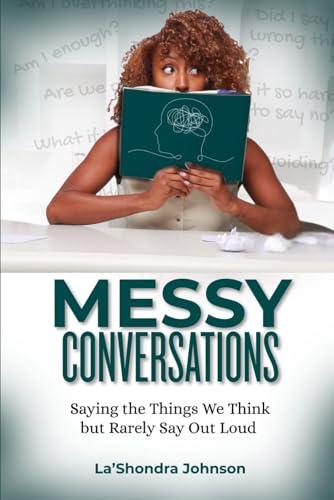
La’Shondra Johnson
Mentioned 5 months ago
Stop Trying to “Win” An Argument With Your Partner! (THIS Shift Will Turn Conflict into Communication)
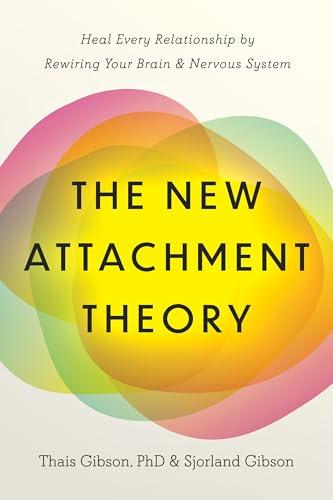
Thais Gibson
Mentioned 5 months ago
Relationship Expert Thais Gibson: Do You Keep Attracting The Same Emotionally Unavailable Partner? (Use THIS Attachment Reset To Break The Cycle And Choose Better Partners)
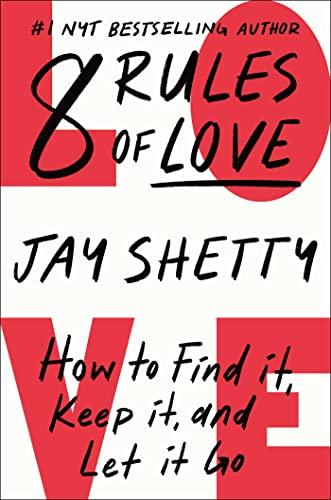
Jay Shetty
Mentioned 5 months ago
Relationship Expert Thais Gibson: Do You Keep Attracting The Same Emotionally Unavailable Partner? (Use THIS Attachment Reset To Break The Cycle And Choose Better Partners)
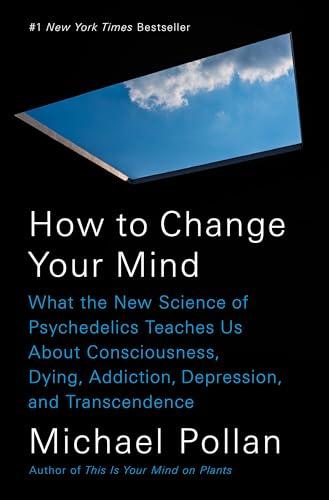
Michael Pollan
Mentioned 5 months ago
Michael Pollan: The Hidden Cost Of Constant Distraction (Use THIS Practice To Reclaim Your Attention, Clarity, And Inner Freedom)
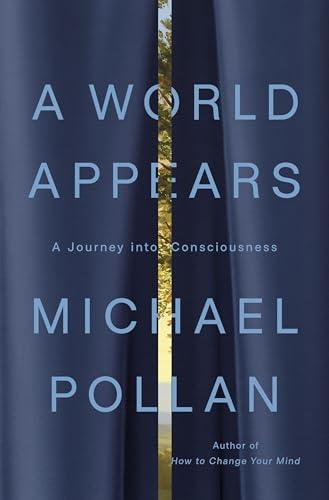
Michael Pollan
Mentioned 5 months ago
Michael Pollan: The Hidden Cost Of Constant Distraction (Use THIS Practice To Reclaim Your Attention, Clarity, And Inner Freedom)
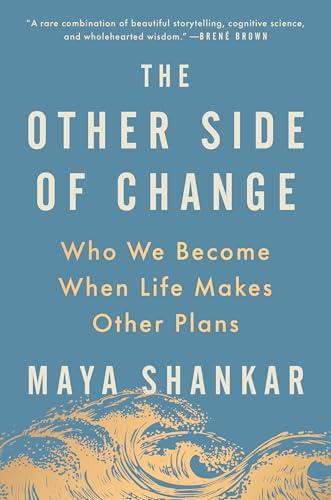
Maya Shankar
Mentioned 5 months ago
Maya Shankar: Does Change Make You Feel Lost Or Uncertain? (Use THIS Framework To Find Direction Again and Use Change to Upgrade Your Life!)
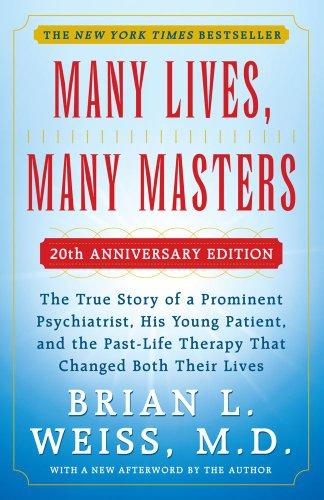
Brian Weiss
Mentioned 5 months ago
John Edward: Stop Trying to “Move On” After Loss (Use THIS Daily Practice to Make Peace Without the Answers)
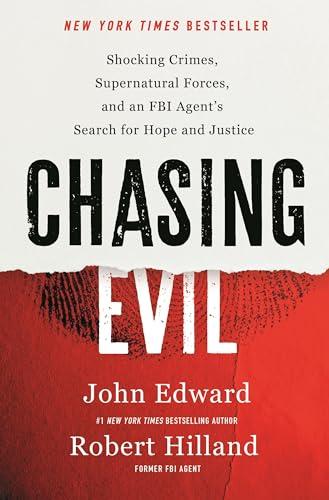
Robert Hilland
Mentioned 5 months ago
John Edward: Stop Trying to “Move On” After Loss (Use THIS Daily Practice to Make Peace Without the Answers)
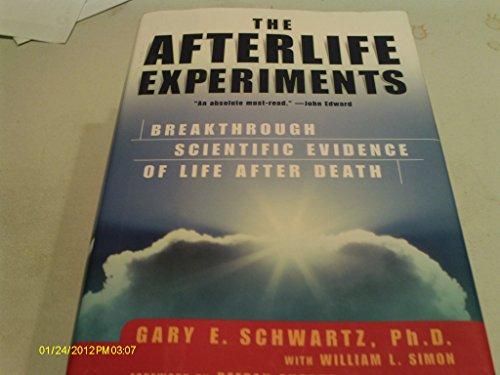
Gary E. R. Schwartz
Mentioned 5 months ago
John Edward: Stop Trying to “Move On” After Loss (Use THIS Daily Practice to Make Peace Without the Answers)
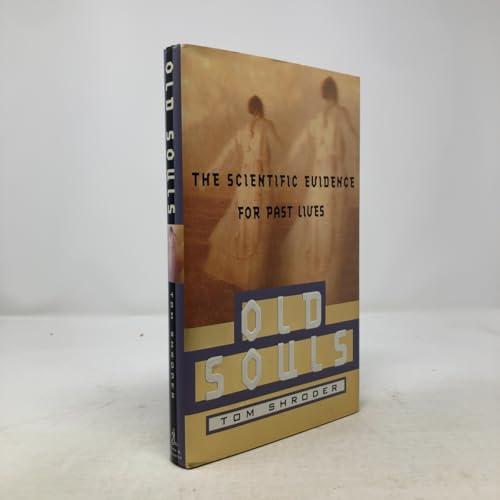
Thomas Shroder
Mentioned 5 months ago
John Edward: Stop Trying to “Move On” After Loss (Use THIS Daily Practice to Make Peace Without the Answers)
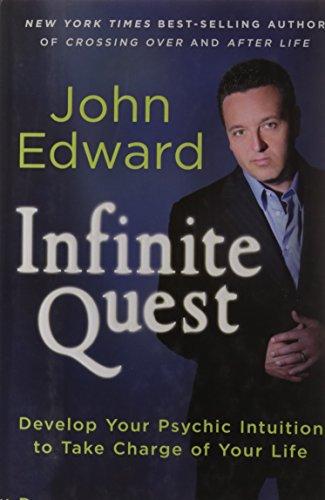
John Edward
Mentioned 5 months ago
John Edward: Stop Trying to “Move On” After Loss (Use THIS Daily Practice to Make Peace Without the Answers)
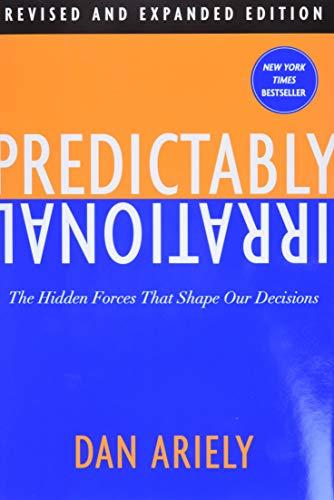
The Hidden Forces That Shape Our Decisions
The book was highlighted across several episodes as a formative read on behavioral economics, with Adam Goldston recalling it as an eye‑opening discovery in his teens and Jay Shetty praising it after watching the author's talk and citing it as a favorite that reshaped his understanding of decision‑making. The discussion emphasized how the book reveals the hidden forces that shape our choices, such as the framing of options, social versus market norms, and predictable irrationality. Both hosts conveyed strong enthusiasm for its insights, positioning it as a must‑read for listeners.
The guest recalled reading it as a young adult and finding it eye-opening about how humans make irrational choices, a concept he later applied to his own decision-making.
I read an amazing book when I was like, I think I was like 16, 17 years old and I read a book called Predictably Irrational by Dan O'Reilly.
Jay Shetty mentioned reading this book by Dan Ariely after first watching a talk by him and enjoying it, highlighting that watching a talk can help determine a book's value.
So for example, Dan O'Reilly, when I picked up his book, Predictably Irrational, the first thing before I picked up the book is I watched his talk and I loved his talk because I didn't know who he was and then I loved his book.
It was discussed in detail, with Jay Shetty highlighting key takeaways regarding how decisions are influenced by the way choices are presented and the impact of social norms versus market norms.
It is called Predictably Irrational by Dan O'Reilly. And the subtitle is The Hidden Forces That Shape Our Decisions.
Why do our headaches persist after taking a cheap painkiller but disappear when we take a more expensive one? Why does recalling the 10 commandments reduce our tendency to lie even when we couldn't possibly be caught? And finally, why do we splurge on an expensive meal but cut out vouchers to save 25 pence on a tin of soup?
So this is all about a book all about how we make choices and decisions. And it's called Predictably Irrational because the author is suggesting that we make predictably irrational decisions consistently.
I probably read it around that time. I think I pretty much read it that year. And I'd read behavioral science before that. But I think this was a book that really got me hooked onto the genre because I really understood what it was about. And it just changed the game for me because I loved learning about why we do what we do, why we make predictably irrational decisions, and how we can train our mind to stop doing that.
So what's really happening behind the scenes is we think we're making a choice. But remember, you're choosing from the options presented and not only from the options presented, but the way they're presented. The way they're presented as well.
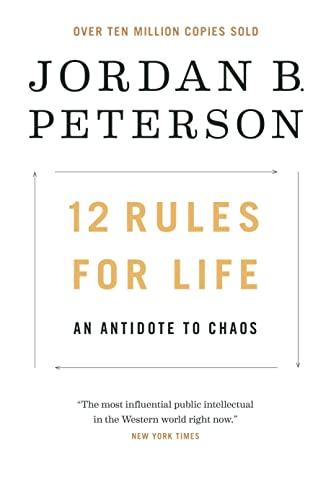
An Antidote to Chaos
Jay Shetty repeatedly highlighted a chapter that urges listeners to treat themselves with the same care and responsibility they would give to others, emphasizing self‑care and keeping personal promises, and he explicitly recommended getting the book. Tom Bilyeu also referenced it while discussing Jordan Peterson's ideas on human behavior. The overall tone was supportive and encouraging.
It was highlighted as a source of advice on treating oneself with care and responsibility, particularly with respect to self-care and fulfilling promises to oneself.
There's a chapter from his book, 12 Rules for Life. The chapter that best describes this teaching is rule two. Treat yourself like someone you are responsible for helping.
He goes into detail about why people tend to take care of others and their pets more than themselves.
People are better at feeling and properly administering prescription medication to their pets than to themselves.
But with yourself, you just let it go.
The problem is we know so much more about ourselves than anyone else. We know the full range of our secret transgressions, our insufficiencies and inadequacies.
The book's 'Rule Two' was highlighted, which suggests treating oneself with the same care and responsibility one would show towards others, particularly in terms of health and well-being. It was discussed in relation to the topic of self-worth and the importance of keeping promises to oneself.
There's a chapter from his book, 12 Rules for Life. The chapter that best describes this teaching is rule two. Treat yourself like someone you are responsible for helping.
People are better at feeling and properly administering prescription medication to their pets than to themselves.
The problem is we know so much more about ourselves than anyone else. We know the full range of our secret transgressions, our insufficiencies and inadequacies.
I truly recommend you go out and get the book,
Jay Shetty highlighted a chapter from this book, which advocates treating oneself with the same care and consideration as others, especially when faced with challenges or decisions.
There's a chapter from his book, 12 Rules for Life.
The chapter that best describes this teaching is rule two. Treat yourself like someone you are responsible for helping.
People are better at feeling and properly administering prescription medication to their pets than to themselves.
When someone else has a health issue in your family or your friend group, you become a doctor, but with yourself, you just let it go.
The problem is we know so much more about ourselves than anyone else. We know the full range of our secret transgressions, our insufficiencies and inadequacies.
It was mentioned in the context of Jordan Peterson's discussion of lobsters and the serotonin system, and how it relates to human behavior and transformation.
So the thing that I recently came across that is shocking is not going to be news to a lot of people. But have you read Jordan Peterson's 12 Rules for Life?
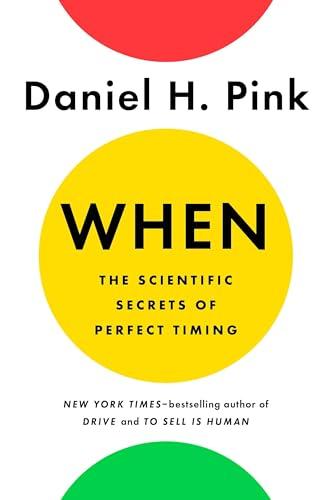
The Scientific Secrets of Perfect Timing
The title was highlighted as a guide to the science of timing, with Jay Shetty using an exercise from it to show how to align daily tasks with natural energy cycles. Daniel Pink explained it grew from his frustration and compiled research across many domains to show when to tackle analytical, creative, or decision‑making work. The hosts praised it as a brilliant, practical resource for identifying one’s most productive periods.
It was discussed as a book about the art of timing and an exercise within it was used as an example of how to schedule daily tasks around one's natural energy levels.
This is an activity that comes from the book When by Daniel Pink.
He's been on the podcast. You can listen to his episode as well. We talked about this book, and it's a book about the art of timing.
It was described as the result of frustration, with the aim of providing guidance on when to do things and how our cognitive abilities fluctuate throughout the day. It was also mentioned that the book dissects various research across many fields related to timing.
I'm going to put the answer to that in more of the mundane category. The reason for, the impetus for it was just frustration, more than anything else.
And so I said, well, there's got to be some guidance out there on, on like When we should do things.
And it turned out there was a huge amount of research on this question, but it was splattered all over the place.
It was in literally two dozen different domains.
And then more episodically, how beginnings affect us, how midpoints affect us, how endings affect us.
It was mentioned as a brilliant book that helps determine when you're most productive for different types of tasks, analytical, insightful, etc.
And actually I was really happy When I saw this in a brilliant book called When by Daniel Pink.
And he actually helps you figure out When you're most analytical, When you're most insightful, When you're best making an impression and When you're best to make a decision.
It was discussed as a helpful resource for understanding the best times of day to perform different types of tasks, such as creative work or administrative tasks, based on your individual chronotype.
And actually I was really happy When I saw this in a brilliant book called When by Daniel Pink.
And he actually helps you figure out When you're most analytical, When you're most insightful, When you're best making an impression and When you're best to make a decision.
Thinking Straight in the Age of Information Overload
The host highlighted the book as a source of powerful insights about decision fatigue, noting how making many small choices can drain mental energy. He referenced the author's example of Warren Buffett simplifying his investment routine to illustrate how reducing decisions can improve focus and productivity. The discussion emphasized the value of streamlining life to strengthen attention and memory.
It was discussed in relation to the concept of 'decision fatigue', suggesting that making numerous small decisions throughout the day can lead to exhaustion and impaired decision-making.
And in this book, he introduces a concept called decision fatigue.
In the book, Daniel Levitin gives an example about how Warren Buffett, when he's investing, he doesn't just sit there at his laptop and invest with all his distractions.
It was discussed in the context of decision fatigue, and an example of Warren Buffett's investment strategy was used to illustrate the concept of reducing decision-making.
So the place I want to start here is a really, really powerful insight. And this came to me while reading the book, The Organized Mind by Daniel Levitin.
It was mentioned as an example when discussing the concept of satisficing and how simplifying life can improve focus, using the example of Warren Buffett and his investing habits.
So the example that's given in that book, The Organized Mind by Daniel Levitan, is of Warren Buffett and how when he's investing in stocks, he'll simplify his life.
It was mentioned as an example of how simplifying one's life can increase focus, referencing a story about Warren Buffett and his investment habits.
So the example that's given in that book, The Organized Mind by Daniel Levitan, is of Warren Buffett and how when he's investing in stocks, he'll simplify his life.
366 Days of Writing and Reflection on the Art of Living
The book was highlighted as a bestselling, widely translated title that introduced daily stoic practices and reflection, and it was praised as a useful resource for learning stoicism and wisdom. Jay Shetty mentioned it as one of his favorite works by Ryan Holiday and discussed its connection to Marcus Aurelius, while also noting its impressive sales figures and long run on bestseller lists. The overall tone was strongly positive, positioning the title as a recommended read for the audience.
It was mentioned as one of Ryan Holiday's previous books, a New York Times bestseller, that has been translated into multiple languages.
Ryan's books, like his new one, Discipline is Destiny, which is available right now. Number one New York Times bestsellers, multiple. Some of my favorite ones, The Obstacle is the Way, Ego is the Enemy, The Daily Stoic.
It was mentioned as a good book to read for learning stoicism and wisdom. The book's content was discussed in relation to Marcus Aurelius.
Marcus Aurelius, the story is Marcus Aurelius would walk through I guess the town and just have someone saying you're just a man when everyone was praising his name and kind of bowing to him and saying you're like this god right and it's having that accountability that you talked about.
It was mentioned as one of Jay Shetty's favourite books by Ryan Holiday, who is a prominent writer on Stoic philosophy and its applications in daily life.
Ryan is one of the world's foremost thinkers and writers on ancient philosophy and its place in everyday life. He's a sought-after speaker, strategist, and the author of many bestselling books and some of my favorites, including The Obstacle is the Way, Ego is the Enemy, and The Daily Stoic.
Why Stress Is Good for You, and How to Get Good at It
Jay Shetty cited the title while discussing how purpose and meaning can transform stress into a motivating force, noting that the research shows people handle greater pressure when they feel connected to a larger mission. He highlighted the author's insights on using gratitude and intention to cope with anxiety and burnout, presenting the book as a practical guide for listeners seeking healthier stress management.
It was mentioned in the context of dealing with stress, specifically how purpose and intention can help us handle it better.
Kelly McGonigal in her book called The Upside of Stress talks about how we can deal with more stress when we experience purpose. We can deal with more stress when we have a clear intention.
It was mentioned in relation to how stress can be managed by having a sense of purpose, and that when we fight for something bigger than ourselves, we can endure more stress.
There's a book called The Upside of Stress. And in it, the researcher talks about her name is Kelly McGonigal. And she talks about how when we feel purpose behind something, when we find meaning behind something, we can keep going and take on more stress and pressure than we ever have had in our lives.
It was mentioned in relation to how engaging in meaningful activities can help us deal with stress and pain, particularly when we feel connected and have a sense of purpose or mission.
I remember I was reading The Upside of Stress by Kelly McGonigal and she was talking about how actually when we're doing something meaningful, we can take on more stress and we can deal with more pain when we feel connected or mission or meaning.
The Secrets of Highly Successful Groups
The book was highlighted across several episodes as a practical guide to building strong culture, improving recruitment, and enhancing communication through clear feedback cues. Jay Shetty and Adam Grant both praised it as a great and highly recommended resource, noting its concise framework of standards, trust, and willingness to improve. It was also cited as a top business book of the year for its simple yet powerful insights on teamwork.
The book is described as being fantastic and is about culture and how to create it. It helped the speaker improve their recruitment skills.
Great book.
Great book.
It was described as being beautifully simplifying of how to build culture, teams, and communicate more effectively. It was also named the best business book of the year by various publications.
And so today's guest is the author of my current favorite book, which is called The Culture Code.
His other books include The Talent Code, which I haven't read yet, which I'm very excited to read, The Little Book of Talent, The Secret Race, Lance Armstrong's War and Hardball, A Season in the Projects.
His new book is called The Culture Playbook, 60 Highly Effective Actions to Help Your Group Succeed.
I know I was talking about you everywhere. I literally was talking about you on my YouTube channel. I was talking about you on my Instagram.
Highly recommend you get The Culture Code and The Culture Playbook.
It was mentioned as a source for a basketball coach's feedback method that could be applied to relationships. The book highlighted a feedback technique with three key areas: standards, trust, and willingness to improve.
There's a great book called Culture Code by Daniel Coyle.
It was discussed as a source of examples about effective communication and feedback, particularly in the context of relationships and building a positive environment.
I'm giving you these comments because I have very high expectations, and I know that you can reach them.
Just 19 words. None of these words contain any information on how to improve, yet they are powerful because they deliver a burst of belonging cues.
Actually, when you look more closely at the sentence, it contains three separate cues, says Daniel Coyle. Number one, you are part of this group. Number two, this group is special. We have high standards here. Number three, I believe you can reach those standards.
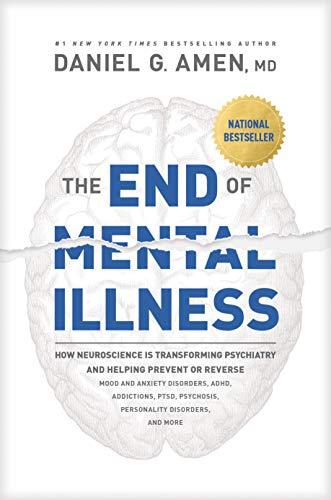
How Neuroscience Is Transforming Psychiatry and Helping Prevent or Reverse Mood and Anxiety Disorders, ADHD, Addictions, PTSD, Psychosis, Personality Disorders, and More
The book was highlighted as a groundbreaking work that reframed mental illness as a brain‑health issue, urging listeners to consider lifestyle and medical approaches. It was cited by both the host and guests—including a guest who called it her favorite and a psychiatrist with decades of experience—as essential reading for understanding and improving brain health. The overall tone was enthusiastic, with the host explicitly urging the audience to obtain a copy.
It was mentioned as Rachel Hollis' favorite book by Daniel Amen, describing it as fascinating and providing a different perspective on mental illness and the need to focus on brain health.
I think it's The End of Mental Illness.
Essentially, the idea that the brain is the part of the body that like if you broke your arm, they would take an X-ray of your arm before they did anything to try and make it better.
But if you go to a doctor and you're struggling with mental illness or emotional issues, they don't look at your brain.
They just start prescribing things. And I'm a huge proponent of taking the medicine that you need and getting the help that you need.
It was presented as a book that reframes mental health challenges as brain health issues, encouraging readers to prioritize brain health through lifestyle changes and interventions.
Having your book, The End of Mental Illness, where I argue, you know, I've been a psychiatrist almost 40 years and I've always hated the term mental illness because it shames people.
And very few psychiatrists, psychologists ever talk about brain health. You need to eat right. You need to exercise. You need to take your supplements, because if the hardware of your soul, your brain is not right, it won't run the software program.
But Tana, you obviously just recently or about to release this incredible book called The Relentless Courage of a Scared Child. And I haven't had an opportunity to sit with the book yet. And I'm excited.
I would encourage everyone to go and get a copy of The End of Mental Illness to get that beginning journey of where to start in any of Dr. Amon's work.
And in The End of Mental Illness, I have a writing device where I just imagined if I was an evil ruler and I wanted to create mental illness around the world, what would I do?
Dr. Amen's book focuses on the concept that mental illnesses are actually brain illnesses and provides insights into how to improve brain health and treat these illnesses.
And I'm so happy to have him on today's show and talk about his new book, The End of Mental Illness.
And of course, I highly, highly recommend you go and grab a copy of the book.
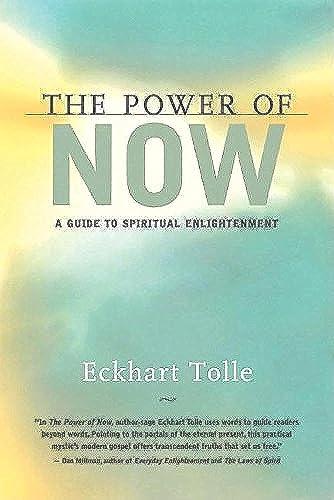
A Guide to Spiritual Enlightenment
Mel referenced this book in the context of a moment of profound realization while experiencing a beautiful view, suggesting it relates to finding happiness in the present moment.
It's almost like that moment where Eckhart Tolle has on the bench in the beginning of The Power of Now, where I have this profound experience where I think, wait a minute, is this wha...
— Episode: Mel Robbins ON: Letting Go of Negative T...
Mel referenced this book in the context of a moment of profound realization while experiencing a beautiful view, suggesting it relates to finding happiness in the present moment.
It's almost like that moment where Eckhart Tolle has on the bench in the beginning of The Power of Now, where I have this profound experience where I think, wait a minute, is this what happiness is?
It was mentioned as a book that Russ read and said it helped him with the concept of being present, in contrast to forcing creativity.
But as this past year and past couple years have been happening, I got into The Power of Now book and just sort of just the whole ideology around just being present and started reading more into that whole theory.
For anyone who's listening, if you've not read that book, it's a brilliant book as well.
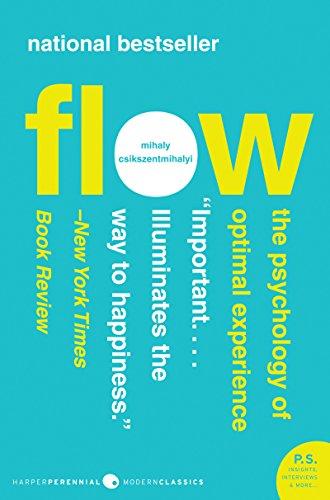
The Psychology of Optimal Experience (Harper Perennial Modern Classics)
It was referenced in the context of how solitude is essential for developing skills, suggesting that individuals who avoid solitude often struggle to hone their abilities, particularly creative ones.
In Flow, the Psychology of Optimal Experience, Mihaly Csikszentmihalyi writes, our current research with talented teenagers shows that many fail to develop their skills not because th...
— Episode: 2 Ways to Stop Anxious Thoughts & 3 Step...
It was referenced in the context of how solitude is essential for developing skills, suggesting that individuals who avoid solitude often struggle to hone their abilities, particularly creative ones.
In Flow, the Psychology of Optimal Experience, Mihaly Csikszentmihalyi writes, our current research with talented teenagers shows that many fail to develop their skills not because they have cognitive deficits, but because they cannot stand being alone.
It was discussed that the book discusses how to achieve a state of flow, and that imposter syndrome is a sign of having a skill that can be learned to bridge the gap between challenge and capability.
I connected to a beautiful book called Flow.
Flow talks about how to experience a state of Flow, which musicians experience, which artists experience, which singers experience is when your challenge meets your skills.
Jay Shetty mentioned this book as a source for the concept of Flow State, where skills meet challenge, and it was discussed in relation to the benefits of challenging oneself creatively.
And for anyone who doesn't know, Flow, the way it's defined in that book is where your skills meet your challenge.
I saw like a YouTube video. That was like enough for me. I should read the book though.
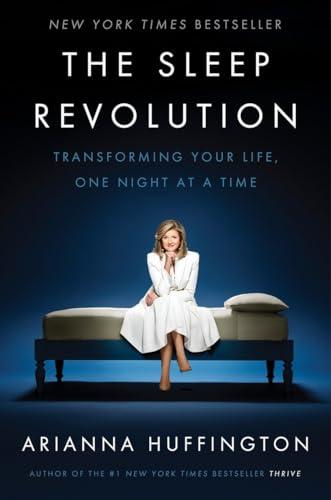
Transforming Your Life, One Night at a Time
It was mentioned that the book helped the listener feel like they needed quality sleep, especially after reading about many successful CEOs who prioritize it.
Like when I read it and you share the stories of so many of your friends, CEOs of large companies all over the world who prioritize sleep.
— Episode: Arianna Huffington ON: How Setting Small...
It was mentioned that the book helped the listener feel like they needed quality sleep, especially after reading about many successful CEOs who prioritize it.
Like when I read it and you share the stories of so many of your friends, CEOs of large companies all over the world who prioritize sleep.
It was mentioned as a book that explored the importance of sleep, particularly its impact on cognitive performance and brain health, with the latest scientific research.
I even wrote a book, The Sleep Revolution, with all the latest science about why it is so essential because sleep is not optional. It's an incredibly active time for the brain. It's the only time when the brain can clean up all the accumulated toxins from the day.
It was mentioned as a book that explored the latest science behind why sleep is essential for brain health and cognitive performance. Arianna highlighted the importance of sleep as non-negotiable.
I even wrote a book, The Sleep Revolution, with all the latest science about why it is so essential because sleep is not optional.
It was mentioned as a source of a quote about finding joy to burn out pain, relating it to celebrating during times of struggle during the holidays.
find a place inside where there's joy and the joy will burn out the pain.
— Episode: 7 Ways to Make the Holidays Special From...
It was mentioned as a source of a quote about finding joy to burn out pain, relating it to celebrating during times of struggle during the holidays.
find a place inside where there's joy and the joy will burn out the pain.
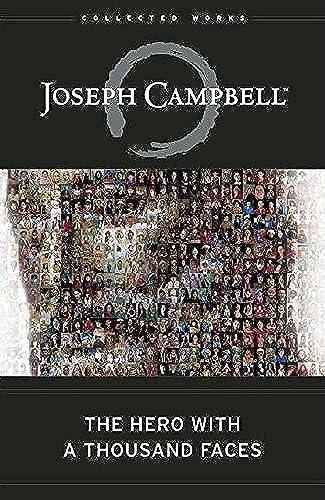
It was mentioned as a book gifted to Ray Dalio that related to the hero's journey and resonated with his life experiences, particularly the cyclical nature of success and failure.
My son in 2014 gave me a book, Joseph Campbell, and it was called Hero of a Thousand Faces.
Ray Dalio mentioned that his son gifted him this book in 2014, which he found to be quite insightful regarding his life experiences and journey.
My son in 2014 gave me a book, Joseph Campbell, and it was called Hero of a Thousand Faces.
Opportunity Comes to Those Who Create It
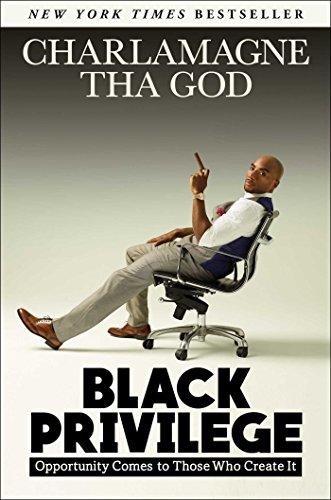
It was mentioned as Charlamagne's first book, containing a chapter called 'Fuck Your Dreams', highlighting the importance of following one's genuine dreams rather than copying others.
And that's why I always say, I'm not afraid to say fuck my dreams. And in my first book, Black Privilege, you know, I have a chapter called Fuck Your Dreams.
— Episode: Charlamagne: ON Being Open About Mental...
It was mentioned as Charlamagne's first book, containing a chapter called 'Fuck Your Dreams', highlighting the importance of following one's genuine dreams rather than copying others.
And that's why I always say, I'm not afraid to say fuck my dreams. And in my first book, Black Privilege, you know, I have a chapter called Fuck Your Dreams.
Charlamagne mentioned a chapter in his book "Black Privilege" called "Fuck Your Dreams," reflecting on how pursuing a dream based on others' successes can lead to a different path.
And that's why I always say, I'm not afraid to say fuck my dreams. And in my first book, Black Privilege, you know, I have a chapter called Fuck Your Dreams.
The Timeless Art of Turning Trials into Triumph
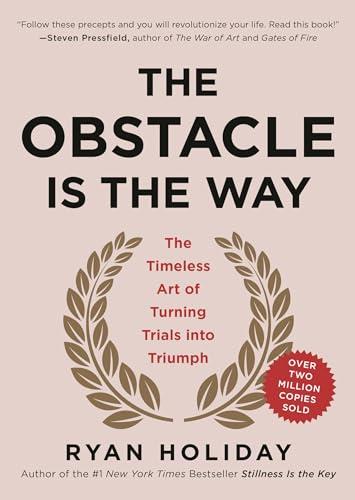
It was mentioned as one of Ryan Holiday's previous books, a New York Times bestseller, that has been translated into multiple languages.
Ryan's books, like his new one, Discipline is Destiny, which is available right now. Number one New York Times bestsellers, multiple. Some of my favorite ones, The Obstacle Is the Way...
— Episode: Ryan Holiday ON: The Importance of Being...
It was mentioned as one of Ryan Holiday's previous books, a New York Times bestseller, that has been translated into multiple languages.
Ryan's books, like his new one, Discipline is Destiny, which is available right now. Number one New York Times bestsellers, multiple. Some of my favorite ones, The Obstacle Is the Way, Ego is the Enemy, The Daily Stoic.
It was mentioned as one of his best selling books, having sold over 4 million copies, and having spent over 300 weeks on bestseller lists.
The Obstacle Is the Way came out just to just sort of illustrate this idea that nobody knows anything.
I had the idea for The Obstacle Is the Way and the publisher said that idea is half as good as your last idea.
It didn't hit the bestseller list, the wiki came out, it sold like maybe 30,000 copies in the first six months, maybe 60,000 in the first year, um, did not hit a bestseller list for the first five years of its existence.
And then ultimately has gone on to sell, you know, uh, about a million and a half copies.
And that's what The Obstacle Is the Way is really about.
It was mentioned as one of Jay Shetty's favourite books by Ryan Holiday, who is a prominent writer on Stoic philosophy and its applications in daily life.
Ryan is one of the world's foremost thinkers and writers on ancient philosophy and its place in everyday life. He's a sought-after speaker, strategist, and the author of many bestselling books and some of my favorites, including The Obstacle Is the Way, Ego is the Enemy, and The Daily Stoic.
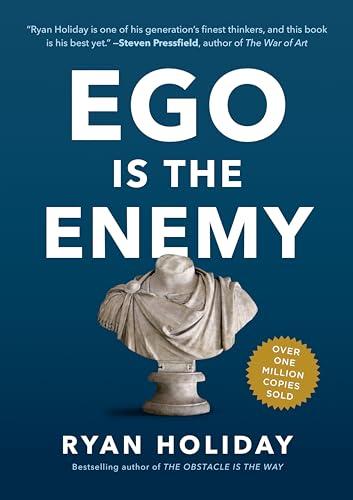
It was mentioned as one of Ryan Holiday's previous books, a New York Times bestseller, that has been translated into multiple languages.
Ryan's books, like his new one, Discipline is Destiny, which is available right now. Number one New York Times bestsellers, multiple. Some of my favorite ones, The Obstacle is the Way, Ego Is...
— Episode: Ryan Holiday ON: The Importance of Being...
It was mentioned as one of Ryan Holiday's previous books, a New York Times bestseller, that has been translated into multiple languages.
Ryan's books, like his new one, Discipline is Destiny, which is available right now. Number one New York Times bestsellers, multiple. Some of my favorite ones, The Obstacle is the Way, Ego Is the Enemy, The Daily Stoic.
It was mentioned as one of Jay Shetty's favourite books by Ryan Holiday, who is a prominent writer on Stoic philosophy and its applications in daily life.
Ryan is one of the world's foremost thinkers and writers on ancient philosophy and its place in everyday life. He's a sought-after speaker, strategist, and the author of many bestselling books and some of my favorites, including The Obstacle is the Way, Ego Is the Enemy, and The Daily Stoic.
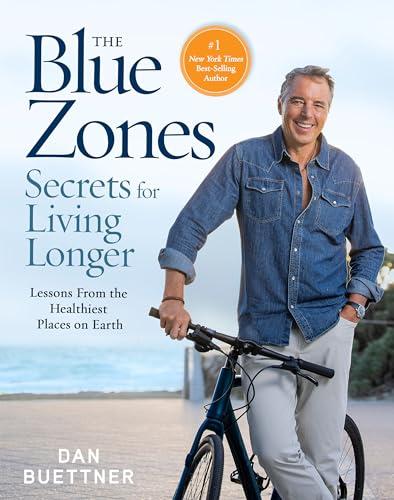
Lessons From the Healthiest Places on Earth
This book summarizes his research about the Blue Zones, which are areas where people live the longest and healthiest lives. It shares information about the diet, environment, and lifestyle of these populations and includes practical lessons on how to apply them to our modern lives.
In Dan's new book that I have right now, The Blue Zone Secrets for Living Longer, Lessons from the Healthiest Places on Earth, Dan talks about his travels and journeys of living and learning from peop...
— Episode: Dan Buettner: 5 Secrets to Live to 100+...
This book summarizes his research about the Blue Zones, which are areas where people live the longest and healthiest lives. It shares information about the diet, environment, and lifestyle of these populations and includes practical lessons on how to apply them to our modern lives.
In Dan's new book that I have right now, The Blue Zone Secrets for Living Longer, Lessons from the Healthiest Places on Earth, Dan talks about his travels and journeys of living and learning from people all over the world that we'll dive into today.
I want you to grab a copy of this book. It beautifully synthesizes and summarizes really complex and difficult ideas and really, really simple and beautiful ones in a way that you can practice them and bring them to life in yours and the people you love.
It's so beautiful because when we met, you'd been dedicated to this work for so long already. The fact that it's now having another resurgence and it's becoming even more mainstream, which I love because I think these ideas need to be mainstream.
I want to dive into some of these areas because I want to give people a small tour of this beautiful book that you've created.
The book is called The Blue Zone, Secrets for Living Longer, Lessons from the Healthiest Places on Earth. Dan Buettner, this is the book. Make sure you go grab a copy.
It was mentioned as the book that introduced Ben Leedle to the Blue Zones concept, which led to him partnering with Dan Buettner to develop the Blue Zones Project.
Ben's wife, Liz Lito, Ben couldn't sleep one night and she had my book Blue Zones.
And Ben reads my book Blue Zones.
It was mentioned that Dan Buettner wrote a book on Blue Zones which was read by Ben Leedle's wife and helped inspire him to partner with Dan.
Liz says to Ben, here, read this is a good book.
It was mentioned as a book Russell Brand was currently reading. It was also highlighted within the context of the podcast discussion as an example of how human understanding evolves.
I'm reading Moby Dick at the moment. I like that book by Herman Melville.
— Episode: 4 Steps to Develop a Growth Mindset & 4...
It was mentioned as a book Russell Brand was currently reading. It was also highlighted within the context of the podcast discussion as an example of how human understanding evolves.
I'm reading Moby Dick at the moment. I like that book by Herman Melville.
All of human science are but passing fables. I like this because when we think of how advanced we are scientifically, here we sit in this great hub of technology. One day it's hard to think, isn't it, that we will look back at this and it will be like some whirring steampunk daft old engine of silly old pistons and buckles and cogs.
It was highlighted as another favourite book of Walter Isaacson's due to its narrative of a journey and the depth of detail and passion it conveys.
and speaking of great journeys Moby Dick, I think you could pick Huck Finn But Moby Dick is the same sort of thing and so is the Odyssey it's a person goes on a journey and Moby Dick it just grabs me because the detail and the curiosity and the passion
It was discussed as a book about a person's journey, highlighting the details, curiosity, and passion within the narrative.
And speaking of great journeys, Moby Dick, I think you could pick Huck Finn, but Moby Dick is the same sort of thing.
And so is the Odyssey. It's a person goes on a journey and Moby Dick. It just grabs me because of the detail and the curiosity and the passion.
It was mentioned as a book that Jay Shetty had previously interviewed Glennon Doyle about. It was described as an incredible book, and a book that he was excited to have Glennon on to discuss.
And the first time I interviewed you for your incredible book, Untamed.
— Episode: 5 Techniques To Cope With Anxiety & Feel...
It was mentioned as a book that Jay Shetty had previously interviewed Glennon Doyle about. It was described as an incredible book, and a book that he was excited to have Glennon on to discuss.
And the first time I interviewed you for your incredible book, Untamed.
It was mentioned as a book by Glennon Doyle that inspired the podcast episode, discussing listening and communication in relationships.
This episode was inspired by a conversation I was having recently with Glennon Doyle. So the author of Untamed and Love Warrior.
Glennon Doyle's 'Untamed' was discussed as a New York Times bestseller, Reese Witherspoon's book club pick, and a catalyst for personal growth and untamed living.
author of the number one New York Times bestseller, Untamed, which has been at the top of every bestseller list since its publication on March 10th, and is also Reese Witherspoon's book club selection.
Trauma, Illness, and Healing in a Toxic Culture
It was mentioned as Jay Shetty's favourite book of the year, although no further details were provided.
I think for me, definitely it was Dr. Gabor Mat's The Myth of Normal, was definitely my favorite book of the year that I read.
— Episode: 7 Powerful Questions to Successfully Ref...
It was mentioned as Jay Shetty's favourite book of the year, although no further details were provided.
I think for me, definitely it was Dr. Gabor Mat's The Myth of Normal, was definitely my favorite book of the year that I read.
Jay Shetty strongly recommended it, emphasizing the insights it offers into trauma, illness, and healing within a challenging culture. It was repeatedly mentioned throughout the podcast.
Now today we're talking about his new book called The Myth of Normal, Trauma, Illness and Healing in a Toxic Culture.
I want you to go and order this book right now. It is going to blow your mind.
So the book is called The Myth of Normal, Trauma, Illness and Healing in a Toxic Culture.
by the way everything we're talking about is in this incredible book The Myth of Normal trauma illness and healing in a toxic culture if you don't have it please go and order it now
I cannot recommend this more
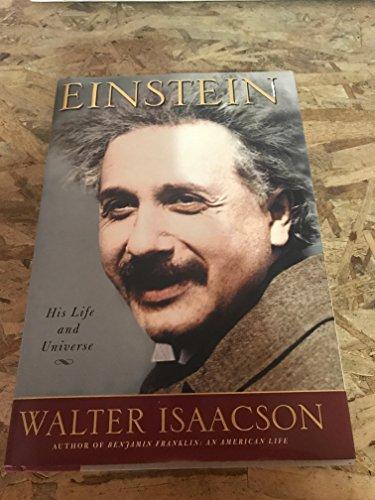
His Life and Universe
Walter Isaacson's biography of Albert Einstein was mentioned as an example of how successful people frequently experience setbacks. The point was made that these individuals faced many failures, highlighting that this is a normal aspect of growth and achievement.
If you haven't read Walter Isaacson's books on Steve Jobs, on Da Vinci, on Einstein, read them. Those guys have failed so many times.
— Episode: 3 Effective Ways to Turn Your Life Aroun...
Walter Isaacson's biography of Albert Einstein was mentioned as an example of how successful people frequently experience setbacks. The point was made that these individuals faced many failures, highlighting that this is a normal aspect of growth and achievement.
If you haven't read Walter Isaacson's books on Steve Jobs, on Da Vinci, on Einstein, read them. Those guys have failed so many times.
It was highlighted as one of Jay Shetty's top three books, and its insights into Einstein's life and failures were said to have built confidence in the face of challenges.
Like I said, your biographies on Steve Jobs and Einstein particularly go down as two of my favorite books of all time.
Well, I think that's what really helped me when I was reading your work on both Einstein and Steve Jobs was around the number of failures and rejections and setbacks, and not just the ones that make it onto movies or not just the ones that get glamorized in Hollywood, but the deep understanding of just how crazy this is for someone to go through these events.
It was considered one of Jay Shetty's favorite books, providing insight into Einstein's life and work in physics.
Like I said, your biographies on Steve Jobs and Einstein particularly go down as two of my favorite books of all time.
Note: The book recommendations on this page are discovered automatically from podcast transcripts, and may be incorrect or incomplete.
Podcast Name