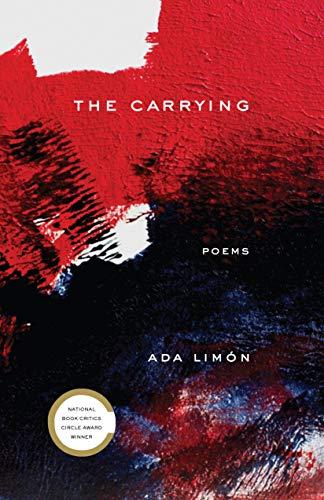
The Carrying
Ada Limón
Mentioned 2 years ago
“The End of Poetry” by Ada Limón
Wisdom to replenish and orient in a tender, tumultuous time to be alive. Spiritual inquiry, science, social healing, and poetry. Conversations to live by. With a 20-year archive featuring luminaries like Mary Oliver, Thich Nhat Hanh, and Desmond Tutu, each episode brings a new discovery about t...
Recently mentioned
Ada Limón
Mentioned 2 years ago
“The End of Poetry” by Ada Limón
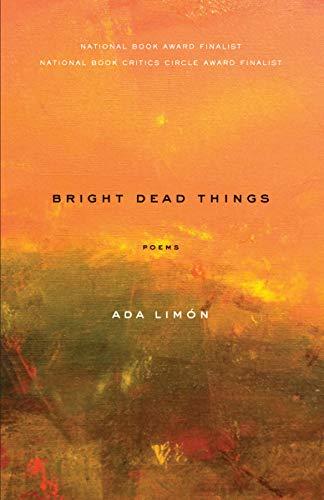
Ada Limón
Mentioned 2 years ago
“The End of Poetry” by Ada Limón
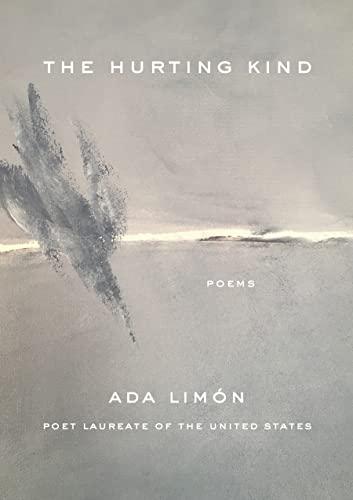
Ada Limón
Mentioned 2 years ago
“The End of Poetry” by Ada Limón
David Nicholls
Mentioned 2 years ago
“The End of Poetry” by Ada Limón
Atul Gawande
Mentioned 2 years ago
Atul Gawande — On Mortality and Meaning
Cixin Liu
Mentioned 2 years ago
Atul Gawande — On Mortality and Meaning
Royce Josiah
Mentioned 2 years ago
Atul Gawande — On Mortality and Meaning
Atul Gawande
Mentioned 2 years ago
Atul Gawande — On Mortality and Meaning
Elizabeth Alexander
Mentioned 2 years ago
“Ars Poetica #100: I Believe” by Elizabeth Alexander
Padmasambhava
Mentioned 2 years ago
Luis Alberto Urrea — On Our Belonging to Each Other
Luis Alberto Urrea
Mentioned 2 years ago
Luis Alberto Urrea — On Our Belonging to Each Other
Luis Alberto Urrea
Mentioned 2 years ago
Luis Alberto Urrea — On Our Belonging to Each Other
Why I Became an Islamic Fundamentalist, What I Saw Inside, and Why I Left
The book details Ed Husain's journey from being seduced by revolutionary Islamist ideals at age 16 to his later rejection of radicalism after witnessing violence and the actions of loved ones who became suicide bombers. It also discusses his subsequent exploration of Islamic spirituality and his perspective on moving forward.
I'd love to send you some of the programs we've done with Muslims, including people like Ingrid Mats and who's the...
— Episode: [Unedited] Ed Husain with Krista Tippett
The book details Ed Husain's journey from being seduced by revolutionary Islamist ideals at age 16 to his later rejection of radicalism after witnessing violence and the actions of loved ones who became suicide bombers. It also discusses his subsequent exploration of Islamic spirituality and his perspective on moving forward.
I'd love to send you some of the programs we've done with Muslims, including people like Ingrid Mats and who's the...
I'm very interested in exploring religion from the inside as opposed to hearing from pundits and people who analyze religion from the outside.
I think your story, as I heard you speaking when I was there and as I've read your book, is absolutely suited to what we do.
So it's I'm looking at what's happened in London from a guy that he's by no means from a poor background. I'm not so I hear he's assistant, he's a pediatrician by profession.
I've been steeped in this for the last few days, so I have a sense of that.
It is a 2007 memoir detailing the author's journey into and out of Islamic fundamentalism, sparking debate in Great Britain. The book described his progressive radicalization, his involvement with activist groups, and his eventual disillusionment with extremist views.
He's Lomest. Why I became an Islamic fundamentalist? What I saw inside and why I left?
At his saying's book, The Islamist took that country by storm after it was published in 2007.
This is explored in his memoir, He's Lomest. Why I became an Islamic fundamentalist? What I saw inside and why I left?
In his Lomic scholarship and spiritual practices, he discovered an antidote to what he calls political Islamism that exploits Islam's adherence but is remote from Islam's teachings.
When the Muslims of Indonesia, India, China, Persia and Africa embraced Islam, they did not disavow their own native cultures.
The book details Ed Husain's journey from being seduced by Islamist ideals at age 16 to his later rejection of radicalism after witnessing violence and the actions of loved ones. It offers his perspective on how to move forward.
I'd love to send you some of the programs we've done with Muslims, including people like Ingrid Mats and who's the...
But I want to ask you, you know, what is changed? What is ratcheted up when religion in general and his mom in particular radicalized Islam is in that mix.
I'm not suggesting for an instance that everybody who reads his book becomes a terrorist but those who read his book and then impart those ideas to those so then attend meetings up and down Britain and you know Europe and Middle East and so on.
So it's actually a much much powerful sorry you have but it's quite powerful.
And my senses that although you were deeply involved and more and more involved and eventually completely strange from your family because of this it was when you came very, very close to terror.
It was Ed Husain's 2007 memoir, detailing his journey from being an Islamist extremist to leaving the movement. The book sparked significant debate and soul-searching across Great Britain upon its release.
At his saying's book, The Islamist took that country by storm after it was published in 2007.
This is explored in his memoir, He's Lomest. Why I became an Islamic fundamentalist? What I saw inside and why I left?
In his Lomic scholarship and spiritual practices, he discovered an antidote to what he calls political Islamism that exploits Islam's adherence but is remote from Islam's teachings.
His book is The Islamist, why I became an Islamic fundamentalist what I saw inside and why I left.
The podcast speaker mentions this book by James Cone as essential reading for understanding black theology, which was discussed in the context of the Jeremiah Wright controversy surrounding Barack Obama's presidential campaign.
I think Cone did an excellent job in, you know, in interviews and others in sharing...
— Episode: [Unedited] Vashti McKenzie with Krista T...
The podcast speaker mentions this book by James Cone as essential reading for understanding black theology, which was discussed in the context of the Jeremiah Wright controversy surrounding Barack Obama's presidential campaign.
I think Cone did an excellent job in, you know, in interviews and others in sharing...
go read God of the oppressed by James Cone, go read about it first before you take something out of context and criticize it
The podcast speaker mentioned this book by James Cone as essential reading for understanding Black Theology, suggesting that it provides context often missing in criticisms of this theological perspective.
They need to read Cone's books and all the others.
Go read God of the oppressed by James Cone.
Go read about it first before you take something out of context and criticize it.
The book was mentioned as a source to understand Black Theology, which was discussed in the context of the Jeremiah Wright controversy surrounding Barack Obama's presidential campaign. The interviewee implied it should be read before criticizing Black Theology.
I think a lot of people don't understand it and there are some people who grabbed it and ran with it in a direction that sort of startled everybody.
they need to read cones books and all the others that and I think cone did an excellent job in you know in interviews and others in sharing
go read about it first before you take something out of context and criticize it
The podcast mentioned this book by James Cone as essential reading to understand Black Theology, which was discussed in relation to the Jeremiah Wright controversy.
They need to read Cone's books and all the others.
And I think Cone did an excellent job in interviews and others in sharing...
Go read God of the oppressed by James Cone.
A Novel
The book centers around the Samaritan woman at the well and explores themes of race, gender, and the transformative power of faith. The podcast speaker highlights the book's message that petty distinctions of race and gender are invalid in God's eyes.
the first lesson from the well is that the petty distinctions of race and gender used to divide kingdoms and communities are not valid in the eyes of God
— Episode: [Unedited] Vashti McKenzie with Krista T...
The book centers around the Samaritan woman at the well and explores themes of race, gender, and the transformative power of faith. The podcast speaker highlights the book's message that petty distinctions of race and gender are invalid in God's eyes.
the first lesson from the well is that the petty distinctions of race and gender used to divide kingdoms and communities are not valid in the eyes of God
Jesus becomes a catalyst for change upsetting our set of beliefs, attitudes, assumptions and expectations
The book, "Journey to the Well," was mentioned as containing a passage about the Samaritan woman at the well; the speaker used this story to illustrate how petty distinctions of race and gender are invalid in God's eyes and how Jesus's approach to the Samaritan woman is a model for transformative leadership.
You often write about leaders who happen to be women. I mean, I can imagine the other leaders who happen to be African American or happen to be Latino.
One of your books centers around the Samaritan woman at the well.
You write, 'the first lesson from the well is that the petty distinctions of race and gender used to divide kings and kingdoms and communities are not valid in the eyes of God. Jesus becomes a catalyst for change, upsetting our set of beliefs, attitudes, assumptions, and expectations.'
The book centers around the Samaritan woman at the well; it was mentioned to illustrate Bishop McKenzie's theology on how petty distinctions of race and gender are invalid in God's eyes and that Jesus' transformational style of leadership is a role model.
the first lesson from the well is that the petty distinctions of race and gender used to divide kingdoms and communities are not valid in the eyes of God
Jesus becomes a catalyst for change upsetting our set of beliefs, attitudes, assumptions and expectations
The book, "Journey to the Well," was mentioned as containing a passage where the author reflects on the Samaritan woman at the well story, highlighting how petty distinctions of race and gender are invalid in God's eyes. The author uses this to emphasize the importance of seeing individuals as God sees them.
The first lesson from the well is that the petty distinctions of race and gender used to divide kings and kingdoms and communities are not valid in the eyes of God. Jesus becomes a catalyst for change, upsetting our set of beliefs, attitudes, assumptions, and expectations.
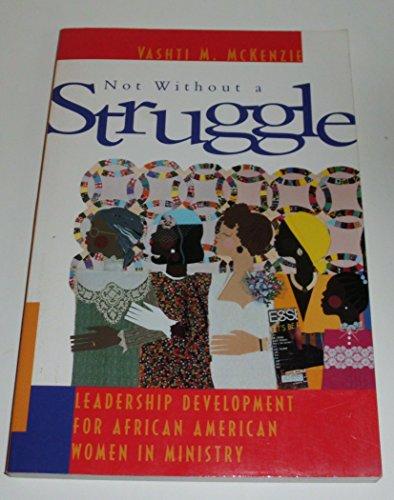
Leadership Development for African American Women in Ministry
Every Church Is Big in God's Eyes
The book was mentioned in the podcast as one of Rick Warren's published works.
Rick Warren is the pastor of Saddleback Church in Lake Forest, California and author of The Purpose Driven Life and The Purpose Driven Church
— Episode: Rick and Kay Warren — The New Evangelica...
The book was mentioned in the podcast as one of Rick Warren's published works.
Rick Warren is the pastor of Saddleback Church in Lake Forest, California and author of The Purpose Driven Life and The Purpose Driven Church
It is mentioned alongside "The Purpose Driven Life" as one of Rick Warren's books.
Rick Warren is the pastor of saddleback church in Lake Forest, California and author of the purpose driven life and The Purpose Driven Church.
The book was mentioned briefly at the end of the podcast.
Rick Warren is the pastor of Saddleback Church in Lake Forest, California and author of The Purpose Driven Life and The Purpose Driven Church
A Woman's Midlife Pilgrimage
This book, along with *The Mists of Avalon*, was mentioned in relation to the town of Glastonbury, England, and its association with Avalon as a sacred place. The books were cited as influencing perceptions of Glastonbury's significance.
You'll find people who've read women who've read jeans, she wrote a bollons book crossing to avalan or what's the other one the Mr. Avalan which is about the novel
— Episode: [Unedited] Adrian Ivakhiv with Krista Ti...
This book, along with *The Mists of Avalon*, was mentioned in relation to the town of Glastonbury, England, and its association with Avalon as a sacred place. The books were cited as influencing perceptions of Glastonbury's significance.
You'll find people who've read women who've read jeans, she wrote a bollons book crossing to avalan or what's the other one the Mr. Avalan which is about the novel
This book, about Avalon, was mentioned in relation to Glastonbury, a site attracting pilgrims due to its association with Avalon and its various legends and traditions.
And you'll find people who've read women who've read Ginchinota Bolons book Crossing to Avalon or the Mr. Avalon which is about the novel by Mary.
Mentioned as a book about Avalon, a sacred place, and its connection to Glastonbury Tor, attracting various people on pilgrimages.
You'll find people who've read women who've read jeans, she wrote a bollons book crossing to avalan or what's the other one the Mr. Avalan which is about the novel
Bill Wilson--His Life and the Creation of Alcoholics Anonymous
It is a biography of Bill Wilson, the co-founder of Alcoholics Anonymous; the author details his life and the creation of the organization.
her biography of Bill Wilson the co-founder of AA is called My Name Is Bill
— Episode: Susan Cheever and Kevin Griffen — The Sp...
It is a biography of Bill Wilson, the co-founder of Alcoholics Anonymous; the author details his life and the creation of the organization.
her biography of Bill Wilson the co-founder of AA is called My Name Is Bill
Susan Chiever is the author of many books including My Name Is Bill Wilson his life and the creation of alcoholics anonymous
earlier in this hour you heard Susan Cheever author of the book My Name Is Bill Wilson his life and the creation of alcoholics anonymous
This biography of Bill Wilson, the co-founder of Alcoholics Anonymous, was discussed. The author explored Wilson's life and the creation of the organization.
Susan Cheever is the author of many books including My Name Is Bill Wilson his life and the creation of alcoholics anonymous
her biography of Bill Wilson the co-founder of AA is called My Name Is Bill
Susan Cheever wrote a biography of Bill Wilson, the co-founder of Alcoholics Anonymous, exploring his life and the creation of the program. She details his unconventional religious views and the spiritual elements within the AA program.
Her biography of Bill Wilson, the co-founder of AA, is called My Name Is Bill.
Susan Cheever wrote a biography of Bill Wilson, the co-founder of Alcoholics Anonymous, exploring his life and the creation of the program. The book details Wilson's unconventional religious views and the spiritual aspects of recovery.
Her biography of Bill Wilson, the co-founder of AA, is called My Name Is Bill.
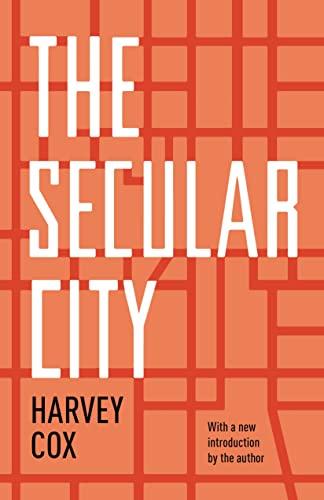
Secularization and Urbanization in Theological Perspective
Published in 1965, it was a best-selling book about secularism in America. It offered a theological response to observations about the decline of religion due to urbanization, technology, and increased literacy.
The original title was God in The Secular City...the publishers said no, no, no, that's not a good title. That's too elaborate. Let's just call it The Secular City.
— Episode: Harvey Cox, Jr. — Beyond the Atheism-Rel...
Published in 1965, it was a best-selling book about secularism in America. It offered a theological response to observations about the decline of religion due to urbanization, technology, and increased literacy.
The original title was God in The Secular City...the publishers said no, no, no, that's not a good title. That's too elaborate. Let's just call it The Secular City.
What I was doing was trying to make some kind of a theological response to what all of the cultural observers and sociologists and so on were saying about the decline, the imminent decline of religion due to urbanization and technology and higher literacy rates and all that. I'm really asking the question, what does this mean for Christianity to live in such a world?
It was initially titled "God in the Secular City", and was written as a theological response to observations about religion's decline due to urbanization, technology, and literacy. The publisher changed the title to be more concise.
And the original title, you'll love this, Chris, the original title was God in The Secular City.
That was the original title and the publishers, because I wanted to say, look, the marginalization of religious institutions, for example, does not mean that God is not confined to religious institutions.
A biblical understanding of God as God is present in history and nature and people and institutions and all that.
But the publisher said no, no, no, that's not a good title. That's too elaborate. Let's just call it The Secular City.
The Secular City came out in the middle of the 60s when everybody was open to a lot of new and interesting things religion, Second Vatican Council was happening, it just finished, and then there was the religious opposition to the war in Vietnam.
It was Harvey Cox's first book, published in 1965, and it became a catalyst for national discussion regarding the decline of religion due to urbanization and technology. The publisher changed the original title, "God in the Secular City", to make it more marketable.
The original title was God in The Secular City.
the marginalization of religious institutions, for example, does not mean that God is not confined to religious institutions.
A biblical understanding of God as God is present in history and nature and people and institutions and all that.
But the publisher said no, no, no, that's not a good title. That's too elaborate. Let's just call it The Secular City.
What does Athens have to do with Jerusalem? What does secularization have to do with religious proliferation and pluralism?
It was Harvey Cox's first book, published in 1965, and became a catalyst for national discussion. It responded to predictions about the decline of religion due to urbanization, technology, and increased literacy rates, exploring what this meant for Christianity.
The original title was God in The Secular City. That was the original title and the publishers...said no, no, no, that's not a good title. That's too elaborate. Let's just call it The Secular City.
What I was doing was trying to make some kind of a theological response to what all of the cultural observers and sociologists and so on were saying about the decline, the imminent decline of religion due to urbanization and technology and higher literacy rates and all that. I'm really asking the question, what does this mean for Christianity to live in such a world?
This book explores the relationship between science and religion, arguing that they are two different projects with overlapping purposes. The author believed in a respectful concordat between the magisteria of science and religion.
Well, let me recommend the book which is his book called Rocks of Ages by Stephen J. Gould which is all about science and religion and what he says in that book and I agree with him is that these are...
— Episode: Harvey Cox, Jr. — Beyond the Atheism-Rel...
This book explores the relationship between science and religion, arguing that they are two different projects with overlapping purposes. The author believed in a respectful concordat between the magisteria of science and religion.
Well, let me recommend the book which is his book called Rocks of Ages by Stephen J. Gould which is all about science and religion and what he says in that book and I agree with him is that these are two different projects.
He calls them two different magisteria and the purposes overlap at times and the frontier is not entirely clear but science investigates, measures, tries to determine the causes, the immediate causes of things and helps us to understand the entire environment human and non-human that we live in. But when you ask the question of value, what should we do? Or what is the meaning of this or that from everything from the universe and the cosmos to human life? Science as science doesn't have any competence in that area and this is the area that religion, religions over many, many millennia have dealt with, coped with, thought about and we need them both as full human beings.
This book explores the relationship between science and religion, arguing that they are two distinct projects with different goals and methods, though their purposes sometimes overlap. The author described them as "two different magisteria".
Well, let me recommend the book which is his book called Rocks of Ages by Stephen J. Gould which is all about science and religion and what he says in that book and I agree with him is that these are two different projects.
This book, by Stephen Jay Gould, explores the relationship between science and religion. The author posits that science and religion are "two different magisteria" with overlapping purposes but distinct areas of inquiry.
Well, let me recommend the book which is his book called Rocks of Ages by Stephen J. Gould which is all about science and religion and what he says in that book and I agree with him is that these are two different projects.
He calls them two different magisteria and the purposes overlap at times and the frontier is not entirely clear but science investigates, measures, tries to determine the causes, the immediate causes of things and helps us to understand the entire environment human and non-human that we live in.
But when you ask the question of value, what should we do? Or what is the meaning of this or that from everything from the universe and the cosmos to human life? Science as science doesn't have any competence in that area and this is the area that religion, religions over many, many millennia have dealt with, coped with, thought about and we need them both as full human beings.
It's about science and religion, and the author's view that they are two different projects with overlapping purposes. The guest recommended this book and agreed with the author's assessment.
Well, let me recommend the book which is his book called Rocks of Ages by Stephen J. Gould which is all about science and religion and what he says in that book and I agree with him is that these are two different projects.
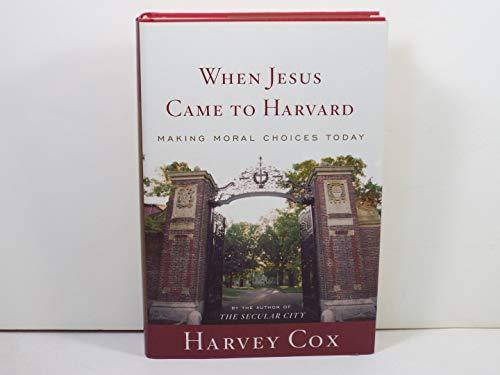
Making Moral Choices Today
Published in 2004, this book tells the story of the author's experience teaching a course on Jesus and moral reasoning at Harvard University. The course proved unexpectedly popular with students from diverse backgrounds.
You wrote that in the early 1980s, the faculty of Harvard College asked you to teach a course on Jesus in the moral reasoning division of the undergraduate curriculum.
— Episode: Harvey Cox, Jr. — Beyond the Atheism-Rel...
Published in 2004, this book tells the story of the author's experience teaching a course on Jesus and moral reasoning at Harvard University. The course proved unexpectedly popular with students from diverse backgrounds.
You wrote that in the early 1980s, the faculty of Harvard College asked you to teach a course on Jesus in the moral reasoning division of the undergraduate curriculum.
This book tells the story of the author's experience teaching a course on Jesus and moral reasoning at Harvard University in the 1980s, highlighting the unexpected popularity of the course among students from diverse backgrounds and beliefs.
You wrote that in the early 1980s, the faculty of Harvard College asked you to teach a course on Jesus in the Moral Reasoning Division of the undergraduate curriculum.
Published in 2004, this book recounts Harvey Cox's experience teaching a course on Jesus and moral reasoning at Harvard University. The course unexpectedly attracted a large number of students from diverse religious and non-religious backgrounds.
So they introduced this requirement. Every student at Harvard had to take one course in what they called moral reasoning for a graduation requirement.
But among all of these, they thought there ought to be a course on Jesus since even the agnostics thought, well, he's been pretty influential in areas of moral reasoning over a while. So that ought to be part of the mix.
And this was not, I have to say, because of my great eloquence.
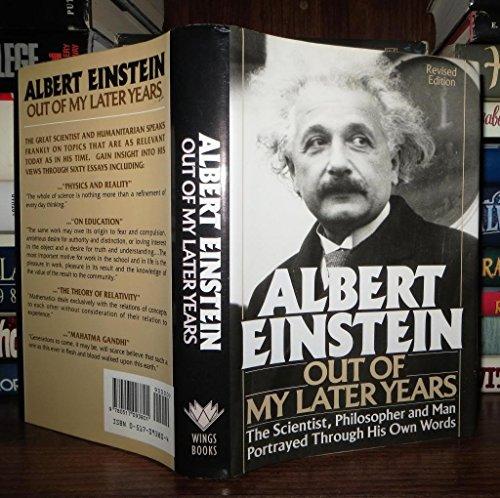
Out of My Later Years
This book contains an essay where Einstein discusses his views on race in America, expressing his pain at the racial double standard and his determination to speak out against it. It was referenced as containing impactful quotes on the subject.
In the United States, everyone feels assured of his worth as an individual. No one humbles himself before another person or class. Even the great differences in wealth, the superior power of a few, ca...
— Episode: S. James Gates and Thomas Levenson — Ein...
This book contains an essay where Einstein discusses his views on race in America, expressing his pain at the racial double standard and his determination to speak out against it. It was referenced as containing impactful quotes on the subject.
In the United States, everyone feels assured of his worth as an individual. No one humbles himself before another person or class. Even the great differences in wealth, the superior power of a few, can not undermine this healthy self-confidence and natural respect for the dignity of one's fellow man.
There is, however, a somber point in the show shall outlook of Americans. Their sense of equality and human dignity is mainly limited to men of white skins.
The more I feel American, the more this situation pains me. I can escape a feeling of complicity only by speaking out.
Many of you, in the United States, are at a two towards Negroes as a result of unfavorable experiences which we have had living side by side with Negroes in this country. They are not our equals in intelligence, sense of responsibility or reliability.
I am firmly convinced that whoever believes is suffers from a fatal misconception. Your ancestors drag these black people from their homes by force and in the white man's quest for wealth and an easy life, they were ruthlessly suppressed and exploited and degraded into slavery.
This book contains an essay by Einstein where he expresses his views on race relations in the United States, specifically mentioning the limited sense of equality and human dignity towards African Americans and expressing his pain about this situation. He also challenges the misconception that African Americans are inferior in intelligence or reliability.
In the United States everyone feels assured of his worth as an individual; no one humbles himself before another person or class; even the great differences in wealth, the superior power of a few, cannot undermine this healthy self-confidence and natural respect for the dignity of one's fellow man.
There is, however, a somber point in the social outlook of Americans. This sense of equality and human dignity is mainly limited to men of white skins.
The more I feel American the more this situation pains me. I can escape a feeling of complicity only by speaking out.
Many a sincere person will answer me: our attitude towards Negroes is a result of unfavorable experiences which we have had living side by side with Negroes in this country; they are not our equals in intelligence, sense of responsibility, or reliability.
I am firmly convinced that whoever believes this suffers from a fatal misconception. Your ancestors dragged these black people from their homes by force; and in the white man's quest for wealth and an easy life, they were ruthlessly suppressed and exploited, degraded into slavery.
This book contains an essay where Einstein expresses his pain at the racial inequality in the United States and pledges to speak out against it.
In the United States, everyone feels assured of his worth as an individual. No one humbles himself before another person or class.
Their sense of equality and human dignity is mainly limited to men of white skins.
The more I feel American, the more this situation pains me. I can escape a feeling of complicity only by speaking out.
This book contains an essay by Einstein expressing his views on race relations in America, specifically focusing on the inequality faced by African Americans. He expressed his deep pain at the disparity and felt compelled to speak out against it.
In the United States everyone feels assured of his worth as an individual; no one humbles himself before another person or class. Even the great differences in wealth, the superior power of a few, cannot undermine this healthy self-confidence and natural respect for the dignity of one's fellow man. There is, however, a somber point in the social outlook of Americans. This sense of equality and human dignity is mainly limited to men of white skins.
The more I feel American the more this situation pains me. I can escape a feeling of complicity only by speaking out.
Many a sincere person will answer me: our attitude toward Negroes is a result of unfavorable experiences which we have had living side by side with Negroes in this country; they are not our equals in intelligence, sense of responsibility, or reliability.
I am firmly convinced that whoever believes this suffers from a fatal misconception. Your ancestors dragged these black people from their homes by force; and in the white man's quest for wealth and an easy life, they were ruthlessly suppressed and exploited, degraded into slavery.
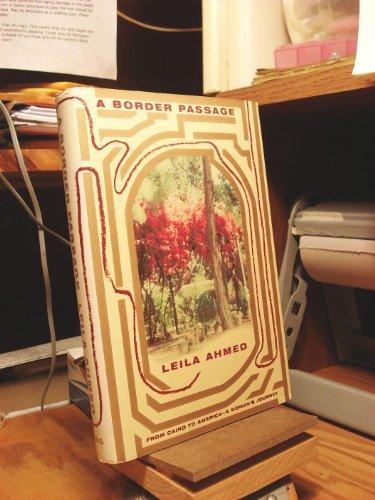
From Cairo to America-A Woman's Journey
It is a memoir that recounts the author's upbringing in Egypt and her experiences as a Muslim woman in America. The book discusses her evolving perspective on the veil, and other Western misunderstandings of Islam.
Looking back now, with the assumptions of my own time, I could well conclude that the ethos of the world whose attitudes survived into my own childhood must have been an ethos in which women were rega...
— Episode: Leila Ahmed — Muslim Women and Other Mis...
It is a memoir that recounts the author's upbringing in Egypt and her experiences as a Muslim woman in America. The book discusses her evolving perspective on the veil, and other Western misunderstandings of Islam.
Looking back now, with the assumptions of my own time, I could well conclude that the ethos of the world whose attitudes survived into my own childhood must have been an ethos in which women were regarded as inferior creatures. But my memories do not fit with such a picture. I simply do not think that the message I got from the women was that we, the girls and they, the women were inferior.
It is easy to see now that our lives in the Alexandria house were lived in women's time, women's space and in women's culture. And the women had, too, I now believe, their own understanding of Islam and understanding that was different from men's Islam, official Islam.
Islam, as I got it from them, was gentle, generous, pacifist, inclusive, somewhat mystical, just as they themselves were. Religion was above all about inner things.
It is a memoir that recounts the author's personal experiences growing up in Egypt and her reflections on the changing religious dynamics of her native country. The book also challenges the Western assumptions about the Islamic world and Muslim women.
It is easy to see now that our lives in the Alexandria house were lived in women's time, women's space and in women's culture.
Islam, as I got it from them, was gentle, generous, pacifist, inclusive, somewhat mystical, just as they themselves were.
Religion was above all about inner things. The outward signs of religiousness such as prayer and fasting might be signs of a true religiousness, but equally well might not. They were certainly not what was important about being Muslim.
What was important was how you conducted yourself and how you were in yourself and in your attitude toward others and in your heart.
Looking back now, with the assumptions of my own time, I could well conclude that the ethos of the world whose attitudes survived into my own childhood must have been an ethos in which women were regarded as inferior creatures. But my memories do not fit with such a picture. I simply do not think that the message I got from the women was that we, the girls and they, the women were inferior.
This memoir was mentioned as a source of quotes and insights throughout the podcast. The author reflects on her upbringing in Egypt and the changing dynamics of the culture and religion.
It is easy to see now that our lives in the Alexandria house were lived in women's time, women's space and in women's culture.
Islam, as I got it from them, was gentle, generous, pacifist, inclusive, somewhat mystical, just as they themselves were.
Religion was above all about inner things. The outward signs of religiousness such as prayer and fasting might be signs of a true religiousness, but equally well might not. They were certainly not what was important about being Muslim.
Looking back now, with the assumptions of my own time, I could well conclude that the ethos of the world whose attitudes survived into my own childhood must have been an ethos in which women were regarded as inferior creatures. But my memories do not fit with such a picture. I simply do not think that the message I got from the women was that we, the girls and they, the women were inferior.
Whatever Islam will become in this new age, surely it will be something quite other than the religion that has been officially forced on us through all these centuries.
It is a memoir in which the author reflects on her upbringing in Egypt and how her understanding of Islam has evolved over time. She describes the women's quarters and how women lived separate, yet sometimes overlapping, lives, with their own understanding of Islam.
It is easy to see now that our lives in the Alexandria house were lived in women's time, women's space and in women's culture.
Islam, as I got it from them, was gentle, generous, pacifist, inclusive, somewhat mystical, just as they themselves were.
Religion was above all about inner things. The outward signs of religiousness such as prayer and fasting might be signs of a true religiousness, but equally well might not. They were certainly not what was important about being Muslim. What was important was how you conducted yourself and how you were in yourself and in your attitude toward others and in your heart.
Looking back now, with the assumptions of my own time, I could well conclude that the ethos of the world whose attitudes survived into my own childhood must have been an ethos in which women were regarded as inferior creatures. But my memories do not fit with such a picture. I simply do not think that the message I got from the women was that we, the girls and they, the women were inferior.
The Book of Mormon was mentioned numerous times in the context of Joanna Brooks's upbringing and the geography of Mormon communities, described as the 'Book of Mormon Belt'. It was a significant part of her worldview and identity as a young Mormon.
And I was raised in an orange grove suburb of Los Angeles in a vibrant, very committed Mormon community. And we felt ourselves very much apart of what I called the Book of Mormon Belt.
— Episode: Joanna Brooks — Mormons Demystified
The Book of Mormon was mentioned numerous times in the context of Joanna Brooks's upbringing and the geography of Mormon communities, described as the 'Book of Mormon Belt'. It was a significant part of her worldview and identity as a young Mormon.
And I was raised in an orange grove suburb of Los Angeles in a vibrant, very committed Mormon community. And we felt ourselves very much apart of what I called the Book of Mormon Belt.
Okay, we were enough of us. You know, we were at sort of this southern end of the Book of Mormon Belt. If you imagine this kind of geographic crescent stretching from orange county through Las Vegas, Salt Lake City and North to Canada through Idaho,
Oh next time we check into a maria open the open the bedside drawer there's a book Mormon there in every maria around the world is very handy for us so yeah next the genius Bible there's a book Mormon the maria it's a Mormon um you know I mean this is what happens when you know highly disciplined highly motivated people go out with a sense of mission.
It was mentioned several times throughout the podcast as a significant text in Mormon culture and history; its historical facticity was questioned by some. The Book of Mormon was described as having a powerful impact on the speaker's understanding of life and her spiritual journey.
We were enough of us. You know, they were at sort of this other nend to the Book of Mormon Belt. If you imagine this sort of geographic crescent stretching from Orange County through Las Vegas, Salt Lake City and North the Canada through Idaho, um, we felt like we were at that This other tip of that.
And then you know something happens. And sometimes it happens, you know, a little bit down the line. After someone has for example, young man has served a two-year mission from 19 to 21 he comes back goes to college in counters, writings and this is happening a lot now even more with the internet. The counters materials suggest that there are historical questions about the historical facticity of the Book of Mormon.
My father baptized me. It was great. I remember reading Brett how your father read you. He read through the Book of Mormon when he was seven. I'm in reading that story.
The Book of Mormon was mentioned multiple times in reference to the Book of Mormon Belt, a geographic area with a high concentration of Mormons. It was described as profoundly shaping the speaker's understanding of life and goals from a young age.
And I was raised in an orange grove suburb of Los Angeles in a vibrant, very committed Mormon community. And we felt ourselves very much apart of what I called the Book of Mormon Belt.
Okay, we were enough of us. You know, we were at sort of this southern end of the Book of Mormon Belt. If you imagine this kind of geographic crescent stretching from orange county through Las Vegas, Salt Lake City and North to Canada through Idaho,
Oh next time we check into a maria open the open the bedside drawer there's a book Mormon there in every maria around the world is very handy for us so yeah next the genius Bible there's a book Mormon the maria it's a Mormon um you know I mean this is what happens when you know highly disciplined highly motivated people go out with a sense of mission.
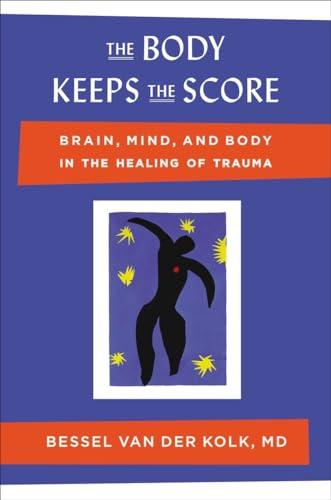
Brain, Mind, and Body in the Healing of Trauma
It became one of the most widely read books during the pandemic; the author's perspective was described as unique and practically helpful in understanding what was happening in our world and inside each of us.
When I interviewed the psychiatrist Bessel van der Kolk for the first time, his book The Body Keeps the Score was about to be published.
— Episode: Bessel van der Kolk – How Trauma Lodges...
It became one of the most widely read books during the pandemic; the author's perspective was described as unique and practically helpful in understanding what was happening in our world and inside each of us.
When I interviewed the psychiatrist Bessel van der Kolk for the first time, his book The Body Keeps the Score was about to be published.
And The Body Keeps the Score has become one of the most widely read books in the pandemic world.
His knowledge is so very practically helpful, a distinctively illuminating perspective towards meeting what is happening in our world and inside each of us.
Bessel van der Kolk's work on the brain, the body, and the human reaction to overwhelming experience that we call trauma has met its moment. We've been hearing foundational insights from my first interview with him when his now famous book, The Body Keeps the Score, was just about to be published.
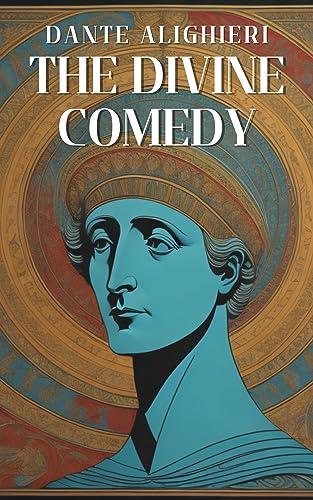
This book was cited as the author's favorite, and its depiction of Dante's journey and culminating encounter with love was described as a belief in a love that moves the stars and sun. It was noted that the concept of divinity has become trivialized and that this book's vision offers a different perspective.
my favorite book is The Divine Comedy and at the end of The Divine Comedy Dante Pierce is the skin of the universe and comes face to face with the love that moves the...
— Episode: Margaret Wertheim — The Grandeur and Lim...
This book was cited as the author's favorite, and its depiction of Dante's journey and culminating encounter with love was described as a belief in a love that moves the stars and sun. It was noted that the concept of divinity has become trivialized and that this book's vision offers a different perspective.
my favorite book is The Divine Comedy and at the end of The Divine Comedy Dante Pierce is the skin of the universe and comes face to face with the love that moves the sun and the other stars
I believe that there is a love that moves the sun and the other stars I believe in Dante's vision
It was described as Margaret Wertheim's favorite book. The author believes in the vision presented in the book, specifically the idea of a love that moves the sun and the other stars.
my favorite book is the divine comedy. Then at the end of the divine comedy, Dante pears as the skin of the universe and comes face to face with the love that moves the sun and the other stars. I believe that there is a love that moves the sun and the other stars.
This book was described as the author's favorite, highlighting its depiction of a journey through the universe and culminating in an encounter with divine love.
my favorite book is The Divine Comedy and at the end of The Divine Comedy Dante Pierce is the skin of the universe and comes face to face with the love that moves the sun and the other stars I believe that there is a love that moves the sun and the other stars I believe in Dante's vision
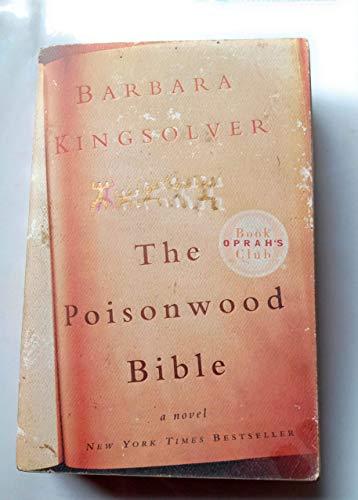
The book was described as one of the speaker's favorite books. A specific passage from the book, focusing on Ada Price's perspective on the natural world in Africa, was read and discussed.
As a teenager reading African parasitology books in the medical library, I was boggled by the array of creatures equipped to take root upon a human body. I'm boggled still, but with a finer appreciati...
— Episode: Barbara Kingsolver — The Ethics of Eatin...
The book was described as one of the speaker's favorite books. A specific passage from the book, focusing on Ada Price's perspective on the natural world in Africa, was read and discussed.
As a teenager reading African parasitology books in the medical library, I was boggled by the array of creatures equipped to take root upon a human body. I'm boggled still, but with a finer appreciation. Back then I was still a bit miffed that God would set down the barefoot boy and girl dollies into an Eden where presumably he had just turned loose elephant diosis and microbes that eat the human cornea. Now I understand God is not just rooting for the dollies.
The book was described as one of the great novels of our time. A discussion of a passage relating to the natural world and the reconciliation of science and religion in the novel was included.
I think the poison would Bible is one of the great novels of our time.
This novel, set in post-colonial Africa, was discussed in relation to Ada Price's perspective on the natural world and humanity's place within it. A passage was read that highlighted this perspective.
As a teenager reading African parasitology books in the medical library I was boggled by the array of creatures equipped to take root upon a human body. I'm boggled still, but with a finer appreciation. Back then I was still a bit miffed that God would set down the barefoot boy and girl dollies into an Eden where presumably he had just turned loose elephant diosis and microbes that eat the human cornea. Now I understand God is not just rooting for the dollies.
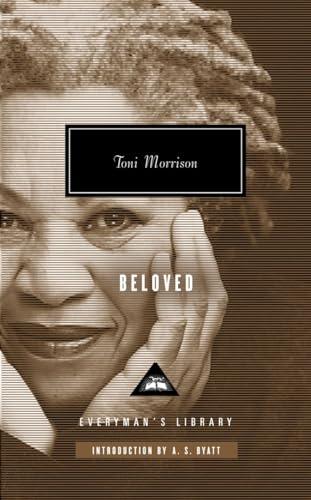
The book's ending was quoted, where the narrator states that the story was not one to be passed on, implying both the danger and the importance of the story.
So I'm thinking now about this wonderful line at the end of Toni Morrison's novel, Beloved which is really influential for me and thinking about my scholarship. And this is the line w...
— Episode: [Unedited] Tiya Miles with Krista Tippet...
The book's ending was quoted, where the narrator states that the story was not one to be passed on, implying both the danger and the importance of the story.
So I'm thinking now about this wonderful line at the end of Toni Morrison's novel, Beloved which is really influential for me and thinking about my scholarship. And this is the line where the narrator says that this was not a story to pass on and you can read that in two ways you can read that this was not a story to tell again to pass on or this was not a story to pass on not a story to be missed.
The podcast mentioned a quote from the end of this novel, which was influential to the speaker's scholarship. The quote, "this was not a story to pass on," can be interpreted in two ways, meaning either not to tell, or not to miss.
So I'm thinking now about this wonderful line at the end of Toni Morrison's novel, Beloved, which is really influential for me in thinking about my scholarship. And this is the line where the narrator says that this was not a story to pass on.
And you can read that in two ways. You can read that this was not a story to tell again, to pass on or this was not a story to pass on, not a story to be missed.
This novel's concluding line, "This was not a story to pass on," deeply influenced the author's approach to scholarship, highlighting the complex and sometimes dangerous nature of historical narratives.
So I'm thinking now about this wonderful line at the end of Toni Morrison's novel, Beloved, which is really influential for me in thinking about my scholarship. And this is the line where the narrator says that this was not a story to pass on.
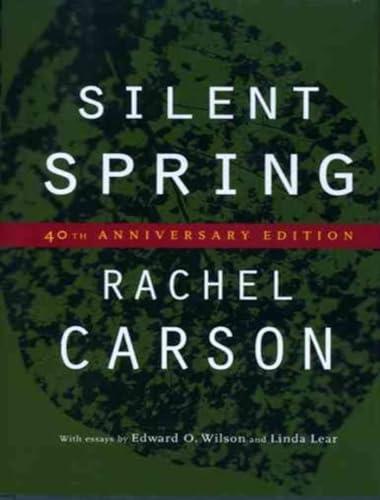
The podcast discussed Rachel Carson's book and its impact on the modern environmental movement. It was credited with inspiring a public environmental conscience and influencing the creation of the EPA.
And I've, in the last year spent a lot of time with the papers of Rachel Carson, the great marine biologist and writer who her 1962 book Silent Spring, we can basically thank for the...
— Episode: Maria Popova and Natalie Batalha — Cosmi...
The podcast discussed Rachel Carson's book and its impact on the modern environmental movement. It was credited with inspiring a public environmental conscience and influencing the creation of the EPA.
And I've, in the last year spent a lot of time with the papers of Rachel Carson, the great marine biologist and writer who her 1962 book Silent Spring, we can basically thank for the modern environmental movement.
Note: The book recommendations on this page are discovered automatically from podcast transcripts, and may be incorrect or incomplete.
Podcast Name