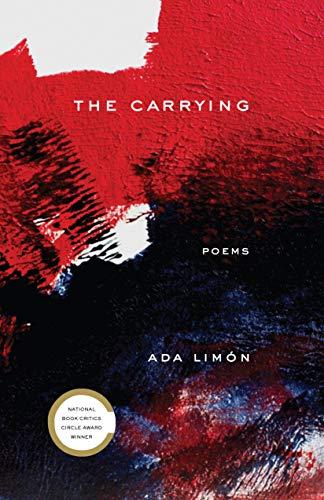
The Carrying
Ada Limón
Mentioned 2 years ago
“The End of Poetry” by Ada Limón
Wisdom to replenish and orient in a tender, tumultuous time to be alive. Spiritual inquiry, science, social healing, and poetry. Conversations to live by. With a 20-year archive featuring luminaries like Mary Oliver, Thich Nhat Hanh, and Desmond Tutu, each episode brings a new discovery about t...
Recently mentioned
Ada Limón
Mentioned 2 years ago
“The End of Poetry” by Ada Limón
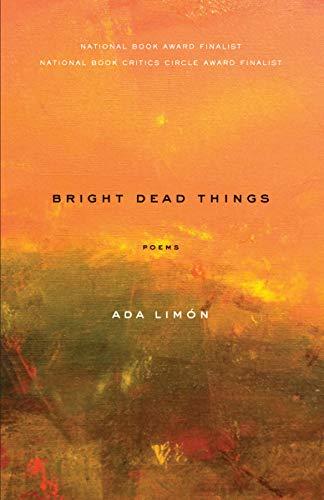
Ada Limón
Mentioned 2 years ago
“The End of Poetry” by Ada Limón
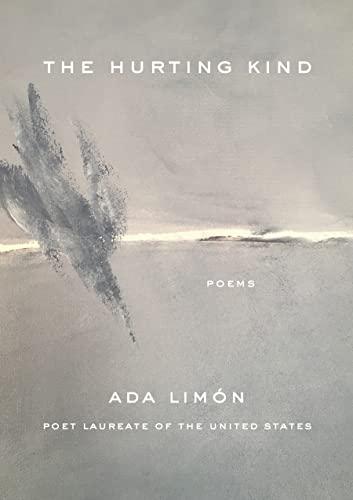
Ada Limón
Mentioned 2 years ago
“The End of Poetry” by Ada Limón
David Nicholls
Mentioned 2 years ago
“The End of Poetry” by Ada Limón
Atul Gawande
Mentioned 2 years ago
Atul Gawande — On Mortality and Meaning
Cixin Liu
Mentioned 2 years ago
Atul Gawande — On Mortality and Meaning
Royce Josiah
Mentioned 2 years ago
Atul Gawande — On Mortality and Meaning
Atul Gawande
Mentioned 2 years ago
Atul Gawande — On Mortality and Meaning
Elizabeth Alexander
Mentioned 2 years ago
“Ars Poetica #100: I Believe” by Elizabeth Alexander
Padmasambhava
Mentioned 2 years ago
Luis Alberto Urrea — On Our Belonging to Each Other
Luis Alberto Urrea
Mentioned 2 years ago
Luis Alberto Urrea — On Our Belonging to Each Other
Luis Alberto Urrea
Mentioned 2 years ago
Luis Alberto Urrea — On Our Belonging to Each Other
In his 2007 book, David Blankenhorn argued against gay marriage as a social good, while also questioning what it would take for the collective confrontation with this issue to become redemptive rather than divisive. It was mentioned as the best anti-gay marriage book available.
In his 2007 book, The Future of Marriage, even as David Blankenhorn argued against gay marriage as a social good, he wondered what would it take for our collective confrontation with...
— Episode: David Blankenhorn and Jonathan Rauch — T...
In his 2007 book, David Blankenhorn argued against gay marriage as a social good, while also questioning what it would take for the collective confrontation with this issue to become redemptive rather than divisive. It was mentioned as the best anti-gay marriage book available.
In his 2007 book, The Future of Marriage, even as David Blankenhorn argued against gay marriage as a social good, he wondered what would it take for our collective confrontation with this issue to become redemptive rather than divisive?
But the best thing to this day is still his 2007 book, is a 2007 which is future marriage. It's still the best anti-gay marriage saying that because it's got a good preface.
In his 2007 book, David Blankenhorn argued against gay marriage as a social good, but also questioned how to make the collective confrontation with this issue redemptive rather than divisive. He later changed his position and approach, advocating for new coalitions.
In his 2007 book, The Future of Marriage, even as David Blankenhorn argued against gay marriage as a social good. He wondered what would it take for our collective confrontation with this issue to become redemptive rather than divisive?
In his 2007 book, David Blankenhorn argued against gay marriage as a social good, but also questioned what it would take for the collective confrontation with this issue to become redemptive instead of divisive. It was mentioned as the best anti-gay marriage argument.
In his 2007 book, The Future of Marriage, even as David Blankenhorn argued against gay marriage as a social good, he wondered what would it take for our collective confrontation with this issue to become redemptive rather than divisive?
But in the summer of 2012 he announced a change of direction. My intention is to try something new, he wrote in the New York Times. Instead of fighting gay marriage, I'd like to help build new coalitions bringing together gayes who want to strengthen marriage with straight people who want to do the same.
the best thing to this day is still his 2007 book is a 2007 which is future marriage. It's still the best anti-gameria saying that because it's got a good preface.
David Blankenhorn's 2007 book, initially arguing against gay marriage as a social good, later prompted reflection on how to make the discussion less divisive and more redemptive. It was mentioned multiple times in the context of his evolving views on the topic.
In his 2007 book, The Future of Marriage, even as David Blankenhorn argued against gay marriage as a social good. He wondered what would it take for our collective confrontation with this issue to become redemptive rather than divisive?
In his 2007 book, The Future of Marriage, even as David Blankenhorn argued against gay marriage as a social good.
So the paperback of my book's coming out, I want to take your highly critical review and use it as the forward.
Why It Is Good for Gays, Good for Straights, and Good for America
Jonathan Rauch, a gay man, argued in his book that marriage equality for gay and lesbian couples could strengthen the value of institutional marriage for everyone. He believed it would honor the sanctity and social sense of this tradition.
Jonathan Rouse is a lifelong journalist and also a gay man who believes that marriage equality for gays and lesbians can strengthen the value of institutional marriage for everyone.
— Episode: David Blankenhorn and Jonathan Rauch — T...
Jonathan Rauch, a gay man, argued in his book that marriage equality for gay and lesbian couples could strengthen the value of institutional marriage for everyone. He believed it would honor the sanctity and social sense of this tradition.
Jonathan Rouse is a lifelong journalist and also a gay man who believes that marriage equality for gays and lesbians can strengthen the value of institutional marriage for everyone.
Jonathan Rauch's book explores the benefits of gay marriage for all members of society. He uses a thought experiment where marriage disappears to show its importance, even discussing its impact on personal experiences like the first kiss and family formation.
Imagine what that does to your life today and imagine what it does when you're growing up. You know when you're eight or nine or twelve the first kiss, the first crush, the first date. All of this is leading to family formation and marriage on a home and you don't have any of that.
More unstable than the one you were accustomed to before your Kafka-esque metamorphosis, no doubt. Probably less healthy, less happy, perhaps full of sex but not as full of love. It is a world of fragile families, a world marked by heightened fear of loneliness or abandonment in old age. A world in some respects not civilized because marriage is the foundation of civilization.
Jonathan Rauch, a gay man and journalist, argued that marriage equality for gay and lesbian couples could strengthen the value of institutional marriage for everyone. He believed it would help shore up the institution by providing new recruits.
Jonathan Rouse is a lifelong journalist and also a gay man who believes that marriage equality for gays and lesbians can strengthen the value of institutional marriage for everyone. He honors the sanctity and social sense of this tradition as he's known to complain more than many of the straight people he talks to.
And this can strengthen marriage. Here we have new recruits to this institution. It's going to help shore the thing up.
Jonathan Rauch's book advocated for gay marriage, presenting arguments for its societal benefits to both gay and straight communities. It was discussed in relation to its thought experiment about a world without marriage and as a starting point for a conversation between Rauch and Blankenhorn.
He's a guest scholar at the Brookings Institution and a contributing editor of National Journal and The Atlantic. His latest book is Gay Marriage, white as good for gays, good for straits, and good for America.
In his book on Gay Marriage, this thought experiment. What have you woke up one day and marriage didn't exist anymore?
When I talk about this I try to always start there with the moral imagination of asking people. You know most of you people here are straight a lot of you were married. Imagine that your marriage went away and I don't mean that you got divorced. I mean that you never got married, never could marry, never had the prospect of marrying. Imagine what that does to your life today and imagine what it does when you're growing up.
Living while Dying
It is Bruce Kramer's memoir about his life with ALS, focusing on his struggle to live while dying. The book was based on his blog, "Dis-ease Diary", and was mentioned to have been newly released at the time of the podcast recording.
I have seen the grimness that creeps into the face of the caregiver.
— Episode: Bruce Kramer — Forgiving the Body: Life...
It is Bruce Kramer's memoir about his life with ALS, focusing on his struggle to live while dying. The book was based on his blog, "Dis-ease Diary", and was mentioned to have been newly released at the time of the podcast recording.
I have seen the grimness that creeps into the face of the caregiver.
The book discusses the author's reflections on living with ALS, exploring practical and spiritual aspects of the experience. It was mentioned in relation to how he reflects on living with ALS and living in general, profoundly practically and spiritually.
In 2010, you were 54 or the A-Diamne now. And you just completed your second year as the Dean of the College of Education, Leadership and Counseling. Your kids were grown and settled. You wrote, we had two cats. I was a bite-communer. Evan, I spent a month in Indonesia. We drank a lot of wine. We ate a lot of fish. 2010 was a great year. And then you got this diagnosis, essentially, as you described it, which helped me understand this. You know, your motor neurons were dying.
So all of that made me curious about, if, you know, if you trace that kind of language or how you think about that spiritual sensibility you have now that you might trace back to your childhood. Perhaps in surprising ways.
In the book that's coming out in April, I talk about how, I talk about how Elizabeth Kubler was. Who I have great respect for. Creates a false set of power.
But these five stages of grief, the idea that you did that you barged, did you're depressed? Did you go into this kind of late, your angry, and then finally you accept. What, what that to be represents is this sense of false human control. If we date it, we could control it.
I have seen the grimness that creeps into the face of the caregiver. That's a very stark sentence.
This book is Bruce Kramer's memoir about his life with ALS, detailing his experiences and reflections on living while dying. It was based on a blog he kept throughout his illness.
I have seen the grimness that creeps into the face of the caregiver.

A Novel
Don DeLillo's book, Falling Man, was discussed in relation to a writing group for early-stage Alzheimer's patients; the book explored similar themes and experiences as the group's work, conveying profound insights into the impact of the illness.
Don Delilo, who sounds like his mother-in-law was suffering from Alzheimer's, which was his exposure to this and he... He opened your mind up about that, didn't he? It was a different way.
— Episode: Alan Dienstag — Alzheimer's and the Spir...
Don DeLillo's book, Falling Man, was discussed in relation to a writing group for early-stage Alzheimer's patients; the book explored similar themes and experiences as the group's work, conveying profound insights into the impact of the illness.
Don Delilo, who sounds like his mother-in-law was suffering from Alzheimer's, which was his exposure to this and he... He opened your mind up about that, didn't he? It was a different way.
I think, Dawn in his book. Dawn Delila?
He writes about the group and they summoned the force of final authority. No one knew what they knew here in the last clear minute before it all closed down.
He was writing in this book that he wrote called Falling Man about a group, not unlike the group that we ran. A writing group for people in the early stages of Alzheimer's disease.
In his book "Falling Man", Dawn discussed a group of individuals in the early stages of Alzheimer's disease, paralleling the experiences of the writing group discussed in the podcast.
He was writing in this book that he wrote called Falling Man about a group, not unlike the group that we ran a group of people in the early stages of Alzheimer's disease.
Don DeLillo wrote about a writing group for people in the early stages of Alzheimer's disease, similar to the one Alan Dienstag ran; the book conveys the profoundness of the writing and the shared experience of life's fading.
Don Delilo? Yeah, yeah. He writes about the group and they summoned the force of final authority. No one knew what they knew here in the last clear minute before it all closed down.
He was writing in this book that he wrote called Falling Man about a group, not unlike the group that we ran. A writing group for people in the early stages of Alzheimer's disease.
The book, "Falling Man", was mentioned in relation to a group of people in the early stages of Alzheimer's disease, described as having a "final authority" in their writing. The author's perspective on this group and their writing was discussed.
Dawn in his book, Condelilla? Yeah. He writes about the group. And he refers to it as a final authority. They summoned the force of final authority.
He was writing in this book that he wrote called Falling Man about a group, not unlike the group that we ran a group of people in the early stages of Alzheimer's disease.
It was mentioned as a play by the speaker, and the speaker also briefly discussed its themes and how it relates to the speaker's journey of self-discovery and body awareness. The speaker mentioned that it's been a kind of obsession and how it's about getting back into her body.
if you know I look at the vagina my lungs The Good Body I mean the stomach yeah there's there's not a play I mean it's been a kind of obsession and I really it's really an interesting...
— Episode: [Unedited] Eve Ensler with Krista Tippet...
It was mentioned as a play by the speaker, and the speaker also briefly discussed its themes and how it relates to the speaker's journey of self-discovery and body awareness. The speaker mentioned that it's been a kind of obsession and how it's about getting back into her body.
if you know I look at the vagina my lungs The Good Body I mean the stomach yeah there's there's not a play I mean it's been a kind of obsession and I really it's really an interesting thing I think you think you're in your body and then you get cancer and you wake up after nine hours of surgery with tubes and catheters and all kinds of things coming out it and you realize that you it's the first time your life you've ever been in your body like you are a body you are pure body and that experience is so it was just so incredible it was so incredible to be in my body to not have this being abstraction
The book was described as gorgeous and a compilation of the author's previous writings on the body.
So I just want to say, this is a gorgeous book. Thank you. I don't do book interviews, so we're not doing a book interview, but to me, you know, so much of what you've always written about, you know, it comes together in here in amazing ways. Thank you.
A Memoir of Cancer and Connection
It was mentioned as a memoir by the speaker. The speaker discussed how since writing it, she has received countless letters from women sharing their stories of abuse and its connection to cancer.
since I wrote In the Body of the World I cannot tell you how many letters I have gotten from women telling me about themselves or their mothers who were survivors of battery who got c...
— Episode: [Unedited] Eve Ensler with Krista Tippet...
It was mentioned as a memoir by the speaker. The speaker discussed how since writing it, she has received countless letters from women sharing their stories of abuse and its connection to cancer.
since I wrote In the Body of the World I cannot tell you how many letters I have gotten from women telling me about themselves or their mothers who were survivors of battery who got cancer they could they could directly see their relationship when the battery started when the cancer happened I think in years to come we will we will think of trauma and and cancer and they will they will not be separate we will be treating them we will we and that's done to say people are to blame but I don't think we can dismiss the connection between abuse and violation and cruelty and the desecration of spirit body and mind and what that does to the cells of our body in the same way we can't dismiss what fracking does to the earth it's impossible but we don't because we're not associated we're just we're just blindly going through fracking and fucking to ya this you all change that language fracking and well they're well we're busy fracking and destroying our way through you know
The Education of Richard Rodriguez
Rodriguez's memoir, exploring his upbringing as a first-generation child of Mexican immigrants and his journey through education, was discussed; a quote from it was highlighted, emphasizing the Catholic Church's unique awareness of his parents' intellect.
of all the institutions in their lives, only the Catholic church had seemed aware of the fact that my mother and father are thinkers, persons aware of their experience of their lives.
— Episode: [Unedited] Richard Rodriguez with Krista...
Rodriguez's memoir, exploring his upbringing as a first-generation child of Mexican immigrants and his journey through education, was discussed; a quote from it was highlighted, emphasizing the Catholic Church's unique awareness of his parents' intellect.
of all the institutions in their lives, only the Catholic church had seemed aware of the fact that my mother and father are thinkers, persons aware of their experience of their lives.
It is a memoir in which Rodriguez reflects on his experiences growing up as a Mexican-American in a white world and the impact of education on his identity. A quote from the book was mentioned as striking, regarding the Catholic Church being aware that his parents were thinkers.
of all the institutions in their lives, only the Catholic Church had seemed aware of the fact that my mother and father are thinkers, persons aware of their experience of their lives.
It was described as a memoir exploring the author's upbringing and experiences as a first-generation child of Mexican immigrants in America, particularly focusing on his linguistic and intellectual journey to unite his private and public selves. The book's power of memory and poetry were highlighted, with the author discussing his religious and spiritual background, including his experience with the Catholic Church.
In your memoir, Hunger of Memory, you said, 'of all the institutions in their lives, only the Catholic church had seemed aware of the fact that my mother and father are thinkers, persons aware of their experience of their lives.'
There's this line in your memoir, Hunger of Memory that I thought was so striking. You said, of all the institutions in their lives, only the Catholic church had seemed aware of the fact that my mother and father are thinkers, persons aware of their experience of their lives.
Rodriguez's memoir was mentioned as being striking, particularly a line about the Catholic Church being the only institution that seemed aware of his parents as thinkers.
There's this line in your memoir, Hunger of Memory that I thought was so striking. He said, of all the institutions in their lives, only the Catholic Church had seemed aware of the fact that my mother and father are thinkers, persons aware of their experience of their lives.
Classic Novels)
This novel is described as having a complex romantic triangle set against the backdrop of the 1915 political turmoil in Bengal during the partition. The speaker noted its Victorian realism and the interplay of idealism and spirituality within the narrative.
But it's said within the framework of the political appeal of 1915 when Bengal was in turmoil because Lord Gerson was at that moment. And dividing it into two halves, he's been going in this big goal.
— Episode: [Unedited] Anita Desai with Krista Tippe...
This novel is described as having a complex romantic triangle set against the backdrop of the 1915 political turmoil in Bengal during the partition. The speaker noted its Victorian realism and the interplay of idealism and spirituality within the narrative.
But it's said within the framework of the political appeal of 1915 when Bengal was in turmoil because Lord Gerson was at that moment. And dividing it into two halves, he's been going in this big goal.
It was the partition of the palace, it was kind of a philosophy of divide and rule but it was end and the population was separated along Hindu and Muslim lines.
But then there was this other side of the ghost writing and of his thinking which was really idealistic and spiritual. And he could never block that out either.
This short story, later adapted into a classic Bengali film by Satyajit Ray, tells the tale of a young postmaster's interactions with a young servant girl he teaches to read and write. The postmaster's departure leaves the girl devastated.
And there's one little short story of his, which was later filmed by Satya Jitri and became a great classic of Bengali cinema. Actually one of the lovely films you could see, it's called the Postmaste...
— Episode: [Unedited] Anita Desai with Krista Tippe...
This short story, later adapted into a classic Bengali film by Satyajit Ray, tells the tale of a young postmaster's interactions with a young servant girl he teaches to read and write. The postmaster's departure leaves the girl devastated.
And there's one little short story of his, which was later filmed by Satya Jitri and became a great classic of Bengali cinema. Actually one of the lovely films you could see, it's called the Postmaster.
The name was Ratan. He falls ill with malaria, she nurses him, but when he recovers he decides he can't stand this life anymore. And he packs up and leaves for the city.
And the little girl is devastated. She feels utterly abandoned. He just started teaching her to read and write it meant so much to her.
This short story, later adapted into a classic Bengali film by Satyajit Ray, details a young postmaster's experiences in a village and his impact on a young girl. The speaker discussed the postmaster's boredom, his interactions with Ratan, and his eventual departure, leaving Ratan devastated.
And it was inspired by a real postmaster who used to come and visit to go and bore him between long-tell stories.
The name was Ratan. He falls ill with malaria, she nurses him, but when he recovers he decides he can't stand this life anymore. And he packs up and leaves for the city.
And the little girl is devastated. She feels utterly abandoned. He just started teaching her to read and write it meant so much to her.
And then he just walks away. And although he does feel a bang of guilt, perhaps things of being a money she refuses to take it. And he gets on to this boat and sails away and thinks, oh life is so full of parties full of death.
And the girl writes, no such philosophy arose in Ratan's mind. A wash with tears she wandered round and round the post of his head. Perhaps her dad a bubble would return, a last for the foolish human heart.
This short story, later adapted into a film by Satyajit Ray, was discussed extensively. The story follows a young postmaster's experiences in a village and his relationship with a young girl he tutors.
And it was inspired by a real postmaster who used to come and visit to go and bore him between long-tell stories.
The name was Ratan. He falls ill with malaria, she nurses him, but when he recovers he decides he can't stand this life anymore. And he packs up and leaves for the city.
And the little girl is devastated. She feels utterly abandoned. He just started teaching her to read and write it meant so much to her.
And then he just walks away. And although he does feel a bang of guilt, perhaps things of being a money she refuses to take it. And he gets on to this boat and sails away and thinks, oh life is so full of parties full of death.
So what is the point of retracing one's steps? And the girl writes, no such philosophy arose in Ratan's mind. A wash with tears she wandered round and round the post of his head. Perhaps her dad a bubble would return, a last for the foolish human heart.
It was discussed as a short story that was later made into a classic Bengali film by Satyajit Ray. The story follows a young man from Calcutta who is bored in a small village and begins teaching a young servant girl.
And it was inspired by a real postmaster who used to come and visit to go and bore him between long-tell stories.
The name was Ratan. He falls ill with malaria, she nurses him, but when he recovers he decides he can't stand this life anymore. And he packs up and leaves for the city.
And the little girl is devastated. She feels utterly abandoned. He just started teaching her to read and write it meant so much to her.
And then he just walks away. And although he does feel a bang of guilt, perhaps things of being a money she refuses to take it. And he gets on to this boat and sails away and thinks, oh life is so full of parties full of death.
So what is the point of retracing one's steps? And the girl writes, no such philosophy arose in Ratan's mind. A wash with tears she wandered round and round the post of his head. Perhaps her dad a bubble would return, a last for the foolish human heart.
How It Shapes the Brain, Opens the Imagination, and Invigorates the Soul
The book, co-authored by Dr. Stuart Brown, explores the importance of play in shaping the brain, opening the imagination, and integrating the soul. It was mentioned in the closing segment of the podcast.
Stewart Brown is founder and president of the National Institute for Play in your Monterey, California. He is co-author of Play How It Shapes the Brain, Opens the Ima...
— Episode: Stuart Brown — Play, Spirit, and Charact...
The book, co-authored by Dr. Stuart Brown, explores the importance of play in shaping the brain, opening the imagination, and integrating the soul. It was mentioned in the closing segment of the podcast.
Stewart Brown is founder and president of the National Institute for Play in your Monterey, California. He is co-author of Play How It Shapes the Brain, Opens the Imagination and Integrates the Soul.
It was mentioned as one of Maria Tatar's books, highlighting her expertise in classic fairy tales and their evolution across cultures and history. The book was discussed in the context of her scholarly work on the Grimm brothers and their collection of folklore.
Her books include Enchanted Hunters, The Power of Stories in Childhood and the Annotated Brothers Grimm.
— Episode: Maria Tatar — The Great Cauldron of Stor...
It was mentioned as one of Maria Tatar's books, highlighting her expertise in classic fairy tales and their evolution across cultures and history. The book was discussed in the context of her scholarly work on the Grimm brothers and their collection of folklore.
Her books include Enchanted Hunters, The Power of Stories in Childhood and the Annotated Brothers Grimm.
It was mentioned as one of Maria Tatar's books, and the book's connection to the Grimms' work and the evolution of fairy tales was discussed. An anecdote from the book about the Grimms' father and their working habits was also shared.
So there's one of my access points to what you're describing.
So there's one of my access points to what you're describing. Interesting. And did you learn German by you right there? You know, I had a really interesting way into that. I grew up without any German connection or learning languages but then I went to Brown in the early 80s. Brown had created this exchange program with East Germany.
And you know, it was just incredible. And so I was one of the first semesters of kids who went and at that point it wasn't even very organized and it was really like landing on Mars. I mean for us and them.
So we weren't in East Berlin. We were in a raw stock on the Baltic. We're all stripe and these are people who had never imagined they would even need an American.
Right, right and that that that merger that mingling of kind of operatic beauty I think that's a phrase if used and kind of monstrous terror that combination that juxtaposition is such a such an enduring quality of these stories.
Volume 3 of the Fount of Knowledge
This book was referred to as the most important statement of Eastern Orthodox Christianity ever written, highlighting its creation within a Muslim-ruled culture.
And the most important statement of Eastern Orthodox Christianity ever written was entitled On the Orthodox Faith by John of Damascus protected by the Sultan of Damascus.
— Episode: Jaroslav Pelikan — The Need for Creeds
This book was referred to as the most important statement of Eastern Orthodox Christianity ever written, highlighting its creation within a Muslim-ruled culture.
And the most important statement of Eastern Orthodox Christianity ever written was entitled On the Orthodox Faith by John of Damascus protected by the Sultan of Damascus.
Christian Identity in a Multi-Faith World
It was said that the book's introduction was one of the best ever written; its vivid portrayal of Flannery O'Connor and comparison to Thomas Merton resonated with the speaker, inspiring further interest in O'Connor's works.
I got The Complete Stories with some money for Christmas, my freshman year. I'd gone to Fordham...
— Episode: [Unedited] Paul Elie with Krista Tippett
It was said that the book's introduction was one of the best ever written; its vivid portrayal of Flannery O'Connor and comparison to Thomas Merton resonated with the speaker, inspiring further interest in O'Connor's works.
I got The Complete Stories with some money for Christmas, my freshman year. I'd gone to Fordham...
He just portrays her so vividly in a few words and one of the ways that it does it is by comparing her to Tom's murder and describing his visits when he edited both of their books to the south.
The introduction by Robert Chiroux was praised for its vivid portrayal of O'Connor, comparing her to Thomas Merton and highlighting their shared deep faith, intelligence, and sense of comedy. The speaker found the introduction to be one of the best they had ever read.
I got The Complete Stories with some money for Christmas, my freshman year.
I'd gone to Fordham, by the way, a Jesuit college in the Bronx. Started reading the introduction by Robert Chiroux, and just the best introduction to a book I think that I've ever still ever found.
He just portrays her so vividly in a few words, and one of the ways that it does it is by comparing her to Thomas Merton, and describing his visits when he edited both of their books to the south.
He'd go visit Merton this renowned monk at his monastery and they'd talk about Flannery O'Connor, then he'd go to Georgia to visit Flannery O'Connor, the celebrated young southern writer, and they'd talk about Thomas Merton.
He said that they had in common deep faith, great intelligence, and a highly developed sense of comedy.
It was mentioned that the speaker read this book during their freshman year of college and found Robert Giroux's introduction to be one of the best they had ever encountered. The introduction compared O'Connor to Thomas Merton, highlighting their shared faith, intelligence, and sense of humor.
I'd gone to Fordham and by the way, I've Jesuits in the Bronx. Started reading the introduction by Robert Chirou and just the best introduction to a book that I've ever found.
What was that book? Did you see a complete story as a finalier corner?
He just portrays her so vividly in a few words and one of the ways that it does it is by comparing her to Tom's murder and describing his visits when he edited both of their books to the south.
He'd go visit Martin this renowned monk at his monastery and they talk about finalier corner then he'd go to Georgia to visit finalier corner, the celebrated young southern writer and they'd talk about Tom's murder and he said that they had in common deep faith, great intelligence, and a highly developed sense of comedy.
The speaker was deeply impacted by the introduction written by Robert Giroux, which vividly portrayed O'Connor and compared her to Thomas Merton, highlighting their shared faith, intelligence, and sense of humor. It inspired the speaker to learn more about both authors.
I got The Complete Stories with some money for Christmas, my freshman year. I'd gone to Fordham...
I'd gone to Fordham...Started reading the introduction by Robert Giroux, and just the best introduction to a book I think that I've ever still ever found.
He just portrays her so vividly in a few words, and one of the ways that it does it is by comparing her to Thomas Merton, and describing his visits when he edited both of their books to the south.
He'd go visit Merton this renowned monk at his monastery and they'd talk about Flannery O'Connor, then he'd go to Georgia to visit Flannery O'Connor, the celebrated young southern writer, and they'd talk about Thomas Merton.
He said that they had in common deep faith, great intelligence, and a highly developed sense of comedy.
Confronting & Rethinking Jewish Tradition
It was described as an engaging inter-Jewish conversation, provocative and critical, but from a perspective of loving and living deeply inside the tradition.
much of your writing and certainly this latest book you've written, the God who aids lies. It's really engaging, it's an interjudge-wish conversation that you are aspiring for leading provoking. And i...
— Episode: David Hartman — Hope in a Hopeless God
It was described as an engaging inter-Jewish conversation, provocative and critical, but from a perspective of loving and living deeply inside the tradition.
much of your writing and certainly this latest book you've written, the God who aids lies. It's really engaging, it's an interjudge-wish conversation that you are aspiring for leading provoking. And it's provocative and critical but from perspective of loving and living deeply inside the tradition.
This book, also by David Hartman, explores the agonizing conflict between religious demands and rational commitments. It discusses how religious ideas meet real life and addresses the issue of women's roles in Judaism.
I believe this is from your new book, the God who it's lies. You wrote one recurring theme as a rabbi was the agonizing confrontation that occurred when religious demands were felt to conflict with deeply held rational commitments and ethical intuitions.
All the apologetics of women being naturally pure, so they don't need the commandments. Women being individuals so they can't become part of a collective. When a whole bunch of lies.
It was described as an engaging inter-Jewish conversation, provocative and critical, but from a perspective of loving and living deeply inside the tradition.
much of your writing and certainly this latest book you've written, the God who aids lies. It's really engaging, it's an interjudge-wish conversation that you are aspiring for leading provoking. And it's provocative and critical but from perspective of loving and living deeply inside the tradition.
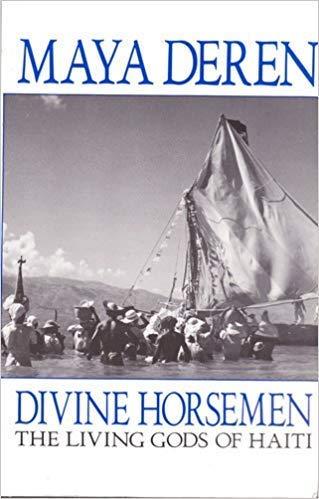
The Living Gods of Haiti
It was described as the best book about ancient religion; specifically, a chapter titled "White Darkness" detailed the experience of going into a trance and losing contact with the world. The author, who was also an anthropologist and filmmaker, was initiated into Haitian Vodou.
And that's Divine Horsemen, the living gods of Haiti by Maya Daren.
— Episode: [Unedited] Patrick Bellegarde-Smith with...
It was described as the best book about ancient religion; specifically, a chapter titled "White Darkness" detailed the experience of going into a trance and losing contact with the world. The author, who was also an anthropologist and filmmaker, was initiated into Haitian Vodou.
And that's Divine Horsemen, the living gods of Haiti by Maya Daren.
This book, written by Maya Deren, a filmmaker and anthropologist, was described as the best book about Haitian religion; it contains a chapter detailing the experience of going into a trance.
And that's Divine Horseman, the living gods of Haiti by Maya Deren.
And she goes through all of this in her book and establishes some very interesting connections.
It was described as the best book about ancient religion, specifically highlighting a chapter detailing the experience of going into a trance and losing contact with the world. The author, Maya Deren, was mentioned as a favorite person of the speaker.
In a chapter called White Darkness, she explains the process of going into trance and losing contact with this world. And it is a magnificent chapter.
This book, written in 1953, was described as the best book about Haitian religion, detailing the living Gods of Haiti and the process of going into a trance and losing contact with the world. The author, Maya Deren, was also an anthropologist and filmmaker who was initiated into Haitian Voodoo.
And that's Divine Horseman, the living gods of Haiti by Maya Deren.
And she explains the process of going into trance and losing contact with this world. And it is a magnificent chapter.
She was also initiated into Haitian voodoo. She was also an anthropologist.
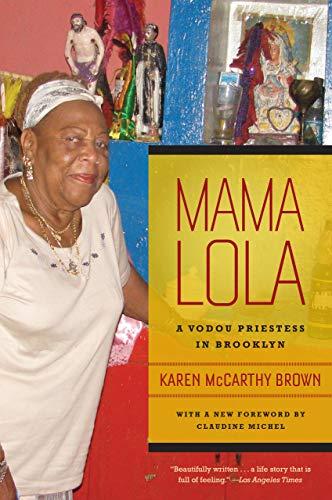
A Vodou Priestess in Brooklyn (Volume 4) (Comparative Studies in Religion and Society)
This book was mentioned as having opened up the subject of Vodou in the scholarly world; it contained stories about Mama Lola's experiences with spirits, including one involving a deity associated with sex, death, and humor.
You know, another book about Wudu that I think opened this subject up in the scholarly world here was Karen McCarthy Brown's book, Mama Lola about the Wudu priestess in Brooklyn.
— Episode: [Unedited] Patrick Bellegarde-Smith with...
This book was mentioned as having opened up the subject of Vodou in the scholarly world; it contained stories about Mama Lola's experiences with spirits, including one involving a deity associated with sex, death, and humor.
You know, another book about Wudu that I think opened this subject up in the scholarly world here was Karen McCarthy Brown's book, Mama Lola about the Wudu priestess in Brooklyn.
This book, written by anthropologist Karen McCarthy Brown, focuses on a Voodoo priestess in Brooklyn's Haitian community and recounts dramatic Voodoo gatherings and experiences of being ridden by spirits.
The Drew University anthropologist Karen McCarthy Brown helped bring serious study of Haitian voodoo to Western scholars with her 1991 book, Mama Lola about a voodoo priestess in Brooklyn's Haitian community.
This book was mentioned as having opened up the subject of Vodou in the scholarly world. It contains stories about Mama Lola's experiences of being ridden by spirits.
Another book about Wudu that I think opened this subject up in the scholarly world here was Karen McCarthy Brown's book, Mama Lola about the Wudu priestess in Brooklyn.
This 1991 book, written by Drew University anthropologist Karen McCarthy Brown, seriously studied Haitian Voodoo through the lens of Mama Lola, a Voodoo priestess in Brooklyn's Haitian community, recounting dramatic gatherings and experiences of being ridden by spirits.
Karen McCarthy Brown helped bring serious study of Haitian voodoo to Western scholars with her 1991 book, Mama Lola about a voodoo priestess in Brooklyn's Haitian community.
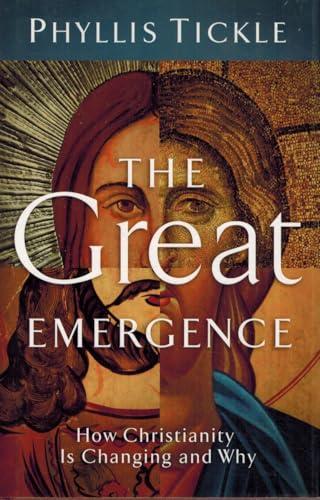
How Christianity Is Changing and Why (Emergent Village Resources for Communities of Faith)
This book, published in 2008, examines the past and future of society and Christianity, framing the current moment as a "cathartic" period. Tippett described it as "brilliant" and significant for its understanding of the Christian church.
And in the cathartic autumn of 2008 she published a sweeping book about the past and future of society and Christianity which was called The Great Emergence.
— Episode: [Unedited] Vincent Harding and Phyllis T...
This book, published in 2008, examines the past and future of society and Christianity, framing the current moment as a "cathartic" period. Tippett described it as "brilliant" and significant for its understanding of the Christian church.
And in the cathartic autumn of 2008 she published a sweeping book about the past and future of society and Christianity which was called The Great Emergence.
Well, to first of all I have to be a little honest. Thank you for the accolades but I must confess that there's not much original thinking on my part it was a matter of putting together. The patterns, the insights have all got academic roots way back.
So much of what The Great Emergence as a book really was. Was an assembling if you will of the ideas of other people.
But The Great Emergence that we're going through is analogous more to 2000 years ago when everything shifted.
Published in the autumn of 2008, it was described as a sweeping book about the past and future of society and Christianity.
And in the cathartic autumn of 2008 she published a sweeping book about the past and future of society and Christianity which was called The Great Emergence.
Well, to first of all I have to be a little honest. Thank you for the accolades but I must confess that there's not much original thinking on my part it was a matter of putting together. The patterns, the insights have all got academic roots way back.
So much of what The Great Emergence as a book really was. Was an assembling if you will of the ideas of other people.
But The Great Emergence that we're going through is analogous more to 2000 years ago when everything shifted.
And when the books began to go in the early 90s and the mid-90s and religion suddenly became and you remember this, the best sellers.
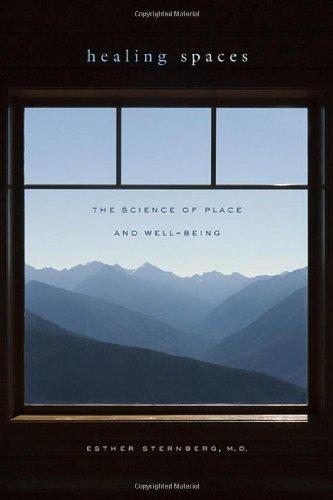
The Science of Place and Well-Being
The book explores the connection between the physical environment and well-being, discussing how places can impact health and healing. It was published in hardcover in 2000 and paperback in 2001.
Yeah, the heart cover came out in 2000 and the paper back in 2001.
— Episode: [Unedited] Esther Sternberg with Krista...
The book explores the connection between the physical environment and well-being, discussing how places can impact health and healing. It was published in hardcover in 2000 and paperback in 2001.
Yeah, the heart cover came out in 2000 and the paper back in 2001.
I described sitting with my father on the terrace of my house, my, you know, the family home in Montreal and, um, listening.
In the last chapter I say that my father was not a very religious man but he would read his favorite song which was the 23rd sometimes after dinner and he'd pull the Bible off the shelf and he'd read it with both wisdom and calm and it starts. The Lord is my shepherd, I shall not want. He make it meet to lie down and green pastures. He'd lead it to me beside the still waters. He restoreeth my soul.
I actually read that in your book as well and it was so struck by it. I mean that's the 23rd song your father was Jewish for Jews and Christians. It's incredibly meaningful.
I mean one of the theses of the book is that yes ideally if we want to find a place of peace we should go there to this beautiful pasture near the still waters but we can do it even if we can't get out of our hospital beds even if we are in the valley of the shadow of death. We can go there in our minds I by reading poems like this and can you but is it I'm assuming that that still depended on us having had those direct experiences in our lives?
This book explores the science behind how physical spaces impact our well-being, discussing the effects of design on stress, healing, and the brain's internal pharmacies. The author's personal experiences and research findings are interwoven throughout.
if illness and health are nouns then healing is a verb
the placebo effect really is the brain's own healing process
The hardcover edition was published in 2000, and the paperback edition in 2001. It explores the connection between the physical environment and well-being, drawing on scientific research and personal experiences.
Yeah, the heart cover came out in 2000 and the paper back in 2001.
And in my father was much more basic science oriented, he had a degree in physics and chemistry and I think he, I know that he thought this whole notion of stress was a little bit far out there.
And when I talk about stress, they'd all look stressed in the audience and practically run out of the room but denied that there was such a thing.
I do explore a little bit of this scientific personality and how it affects the acceptance or rejection of scientific ideas.
in Healing Spaces and in the first one and the balance within, um, I do explore a little bit of this scientific personality and how it affects the acceptance or rejection of scientific ideas.
It explores the science behind how our physical spaces affect our well-being, and how good design can promote healing. The author's personal experiences and insights into the physiological and neurological connections between place and health were discussed.
And that's the exciting new frontier for me to ask exactly that question.
Esther Sternberg's unfolding passions are outlined in her new book Healing Spaces, The Science of Place and Wellbeing.
I actually read that in your book as well and it was so struck by it. I mean that's the 23rd song.
When you say labyrinth people would say oh that's a maze and a labyrinth is very different from a maze.
Her latest book is Healing Spaces, the science of place and well-being.
Note: The book recommendations on this page are discovered automatically from podcast transcripts, and may be incorrect or incomplete.
Podcast Name