Podcast
On Being with Krista Tippett
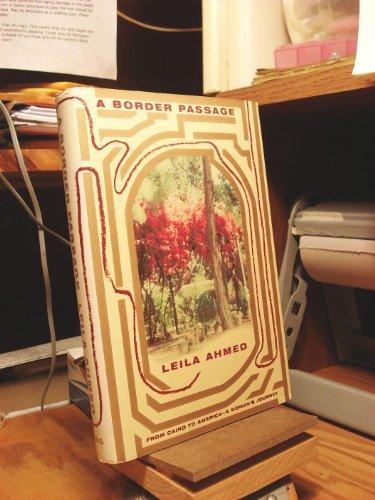
It is a memoir that recounts the author's upbringing in Egypt and her experiences as a Muslim woman in America. The book discusses her evolving perspective on the veil, and other Western misunderstandings of Islam.
Looking back now, with the assumptions of my own time, I could well conclude that the ethos of the world whose attitudes survived into my own childhood must have been an ethos in which women were rega...
— Episode: Leila Ahmed — Muslim Women and Other Mis...
Episode: Leila Ahmed — Muslim Women and Other Misunderstand...
It is a memoir that recounts the author's upbringing in Egypt and her experiences as a Muslim woman in America. The book discusses her evolving perspective on the veil, and other Western misunderstandings of Islam.
Looking back now, with the assumptions of my own time, I could well conclude that the ethos of the world whose attitudes survived into my own childhood must have been an ethos in which women were regarded as inferior creatures. But my memories do not fit with such a picture. I simply do not think that the message I got from the women was that we, the girls and they, the women were inferior.
It is easy to see now that our lives in the Alexandria house were lived in women's time, women's space and in women's culture. And the women had, too, I now believe, their own understanding of Islam and understanding that was different from men's Islam, official Islam.
Islam, as I got it from them, was gentle, generous, pacifist, inclusive, somewhat mystical, just as they themselves were. Religion was above all about inner things.
Episode: Leila Ahmed — Muslim Women and Other Misunderstand...
It is a memoir that recounts the author's personal experiences growing up in Egypt and her reflections on the changing religious dynamics of her native country. The book also challenges the Western assumptions about the Islamic world and Muslim women.
It is easy to see now that our lives in the Alexandria house were lived in women's time, women's space and in women's culture.
Islam, as I got it from them, was gentle, generous, pacifist, inclusive, somewhat mystical, just as they themselves were.
Religion was above all about inner things. The outward signs of religiousness such as prayer and fasting might be signs of a true religiousness, but equally well might not. They were certainly not what was important about being Muslim.
What was important was how you conducted yourself and how you were in yourself and in your attitude toward others and in your heart.
Looking back now, with the assumptions of my own time, I could well conclude that the ethos of the world whose attitudes survived into my own childhood must have been an ethos in which women were regarded as inferior creatures. But my memories do not fit with such a picture. I simply do not think that the message I got from the women was that we, the girls and they, the women were inferior.
Episode: Leila Ahmed — Muslim Women and Other Misunderstand...
This memoir was mentioned as a source of quotes and insights throughout the podcast. The author reflects on her upbringing in Egypt and the changing dynamics of the culture and religion.
It is easy to see now that our lives in the Alexandria house were lived in women's time, women's space and in women's culture.
Islam, as I got it from them, was gentle, generous, pacifist, inclusive, somewhat mystical, just as they themselves were.
Religion was above all about inner things. The outward signs of religiousness such as prayer and fasting might be signs of a true religiousness, but equally well might not. They were certainly not what was important about being Muslim.
Looking back now, with the assumptions of my own time, I could well conclude that the ethos of the world whose attitudes survived into my own childhood must have been an ethos in which women were regarded as inferior creatures. But my memories do not fit with such a picture. I simply do not think that the message I got from the women was that we, the girls and they, the women were inferior.
Whatever Islam will become in this new age, surely it will be something quite other than the religion that has been officially forced on us through all these centuries.
Episode: Leila Ahmed — Muslim Women and Other Misunderstand...
It is a memoir in which the author reflects on her upbringing in Egypt and how her understanding of Islam has evolved over time. She describes the women's quarters and how women lived separate, yet sometimes overlapping, lives, with their own understanding of Islam.
It is easy to see now that our lives in the Alexandria house were lived in women's time, women's space and in women's culture.
Islam, as I got it from them, was gentle, generous, pacifist, inclusive, somewhat mystical, just as they themselves were.
Religion was above all about inner things. The outward signs of religiousness such as prayer and fasting might be signs of a true religiousness, but equally well might not. They were certainly not what was important about being Muslim. What was important was how you conducted yourself and how you were in yourself and in your attitude toward others and in your heart.
Looking back now, with the assumptions of my own time, I could well conclude that the ethos of the world whose attitudes survived into my own childhood must have been an ethos in which women were regarded as inferior creatures. But my memories do not fit with such a picture. I simply do not think that the message I got from the women was that we, the girls and they, the women were inferior.