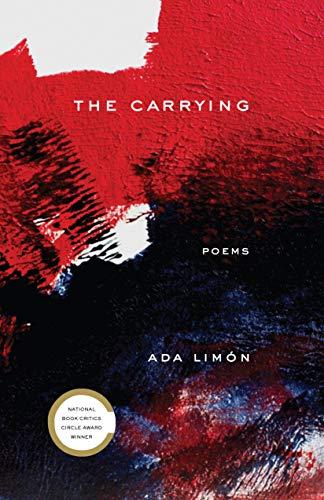
The Carrying
Ada Limón
Mentioned 2 years ago
“The End of Poetry” by Ada Limón
Wisdom to replenish and orient in a tender, tumultuous time to be alive. Spiritual inquiry, science, social healing, and poetry. Conversations to live by. With a 20-year archive featuring luminaries like Mary Oliver, Thich Nhat Hanh, and Desmond Tutu, each episode brings a new discovery about t...
Recently mentioned
Ada Limón
Mentioned 2 years ago
“The End of Poetry” by Ada Limón
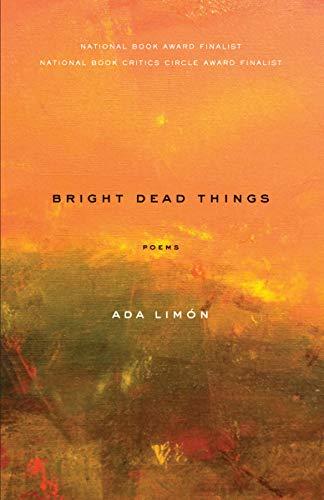
Ada Limón
Mentioned 2 years ago
“The End of Poetry” by Ada Limón
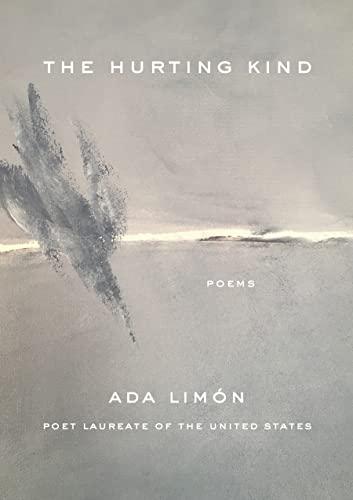
Ada Limón
Mentioned 2 years ago
“The End of Poetry” by Ada Limón
David Nicholls
Mentioned 2 years ago
“The End of Poetry” by Ada Limón
Atul Gawande
Mentioned 2 years ago
Atul Gawande — On Mortality and Meaning
Cixin Liu
Mentioned 2 years ago
Atul Gawande — On Mortality and Meaning
Royce Josiah
Mentioned 2 years ago
Atul Gawande — On Mortality and Meaning
Atul Gawande
Mentioned 2 years ago
Atul Gawande — On Mortality and Meaning
Elizabeth Alexander
Mentioned 2 years ago
“Ars Poetica #100: I Believe” by Elizabeth Alexander
Padmasambhava
Mentioned 2 years ago
Luis Alberto Urrea — On Our Belonging to Each Other
Luis Alberto Urrea
Mentioned 2 years ago
Luis Alberto Urrea — On Our Belonging to Each Other
Luis Alberto Urrea
Mentioned 2 years ago
Luis Alberto Urrea — On Our Belonging to Each Other
Evolution, Religion, and the Nature of Society
In this book, Wilson analyzed religions as examples of human group behavior, which inspired him to explore how evolutionary biology could be applied to real-world problems. He discussed the book's content, reflecting on his upbringing and the influence of his novelist father.
He first came to the attention of many with his book Darwin's Cathedral where he analyzed religions as a lot of examples of human group behavior.
— Episode: David Sloan Wilson — Evolving a City
In this book, Wilson analyzed religions as examples of human group behavior, which inspired him to explore how evolutionary biology could be applied to real-world problems. He discussed the book's content, reflecting on his upbringing and the influence of his novelist father.
He first came to the attention of many with his book Darwin's Cathedral where he analyzed religions as a lot of examples of human group behavior.
In his book Darwin's Cathedral, you actually focused on religion as an organism.
Now, in your book Darwin's Cathedral, you actually focused on religion as an organism.
In his book Darwin's Cathedral, he analyzed why religious groups survive and thrive in evolutionary terms.
David Sloan Wilson's books include Darwin's Cathedral and the Neighborhood Project, using evolution to improve my city one block at a time.
The book was revisited by Krista Tippett, who wanted to have a conversation with the author about his views. It focuses on religion as an organism and adaptive groups.
Did you get her email? Yes, she did. She's something that you've been reading. The Napier-Grad project plus Darwin's Cathedral is what it does.
Yeah, well and I you know I read Darwin's Cathedral years ago so I was revisiting that and so I really want to do a whole conversation with you
Now in your book Darwin's Cathedral you actually focused on religion as an organism Religion religious religions as a groups and as adaptive groups
The book was revisited by Krista Tippett, who had read it years prior. She expressed a desire to have a conversation with the author about his worldview as presented in the book.
I've also interviewed Ursula King for that. You know, she's one of these great TR canners and so I so what I want to do but I want to get to to tear it just as kind of I think you got to him in your work and that will be its own peace and we'll see how this experiment works.
Yeah, well and I you know I read Darwin's Cathedral years ago so I was revisiting that and so I really want to do a whole conversation with you
The Napier-Grad project plus Darwin's Cathedral is what it does.
Ethics in a World of Strangers (Issues of Our Time Series)
Professor Appiah's book on cosmopolitanism was discussed, focusing on his concept of conversation as a means to bridge divides and foster mutual understanding. The importance of 'side-ling up to difference' through personal connections was highlighted as a way to overcome divisions.
So the core thought of my Cosmopolitanism book is that you have to come together in what I call using them I use the metaphor of conversation and the point about conversation is that...
— Episode: [Unedited] Kwame Anthony Appiah with Kri...
Professor Appiah's book on cosmopolitanism was discussed, focusing on his concept of conversation as a means to bridge divides and foster mutual understanding. The importance of 'side-ling up to difference' through personal connections was highlighted as a way to overcome divisions.
So the core thought of my Cosmopolitanism book is that you have to come together in what I call using them I use the metaphor of conversation and the point about conversation is that it doesn't have a point
the thing that binds me across say religious boundaries to people on other sides of religious boundaries isn't one thing right what what binds me to Islam is my sonny friends and my sheer friends my you smell alien friends my cousins who happen to be Muslim and strangers who whom I've come to know my unlike from Muslim
my own sort of way of dealing with the fact that there are people out there who just dancing to grass what seems to me evident about moral is to begin with another philosophical idea an idea that I tried to make something up in the book on cosmopolism which is what philosophers would call an epistemological idea it's an idea of fallableness
Professor Appiah's book on cosmopolitanism was discussed, focusing on the idea of conversation as a way to bridge divides and build relationships across differences, even significant ones. The importance of mutual respect and understanding in facilitating such conversations was highlighted.
So the fact that they lived together and until my father died and then my mother stayed in Ghana until she died I think that perhaps would have surprised some of the people who were against it at the start but they never seemed to have had any doubt that it was the right thing to do
my kind of Christmas cracker version of my philosophy the thing that I would put on a piece of paper inside a Christmas cracker if I had to is is everything's very complicated everything everything's more complicated than you then you thought at first and it turns out that when you're trying to think about what it is to lead a life of significance what it leads what it is for human life to go well many many things are relevant and in that sense and in that sense it's a very complicated project and so you're not going to realize it's surprising unagrected
the core thought of my Cosmopolitanism book is that you have to come together in what I call using them I use the metaphor of conversation and the point about conversation is that it doesn't have a point
if you think about the background of endless conversation with your friends it is the sort of texture of your relationship with them it's against that background that you can have friends you know no no group of friends agrees about everything and some of the things you disagree about a serious right I have friends who are under the mistaken conviction that it was a good thing that the pack is one of the suitable and I have to accept that and this is a serious a serious disagreement but so and it's but more importantly I have friends who are Catholics and I have friends who are atheists who do satis once a year and I have friends who are Methodists and I have friends who are unitarians of the sort that are really not very believing and so on and those are serious differences but and if we if we only came together to talk about theology we wouldn't have much of a relationship we only came together to try and settle the things we disagree about we wouldn't be getting along it's the background of sort of endless shared conversation which you agree about this you disagree about that some of the things you disagree about are important some of the things you agree about are important and then when you come to a moment of serious disagreement you can handle the fact and you can you can as it were except the outcome even if it's not the one you chose you would have chosen if it had been up to you so now that that's that's a picture of a kind of successful interpersonal relationship how you turn that into a social practice especially that's I'm not saying that's easy but one of the things I think that is required is a willingness to feel that it would be good to be in dialogue with fellow citizens of all sorts and it's not good
my own sort of way of dealing with the fact that there are people out there who just dancing to grass what seems to me evident about moral is to begin with another philosophical idea an idea that I tried to make something up in the book on cosmopolism which is what philosophers would call an epistemological idea it's an idea of fallableness and I think that it's terribly important to a knowledge that it's hard to figure out what the right answer is and that even if you're sure you've got it you should be open to the possibility that it's gonna turn out that you're wrong
The Biblical Record and Its Scientific Implications
This book, published in 1961, is a creationist work that offers a critique of 1950s geology while asserting the importance of Noah's flood. The author found that the book contained insightful critiques of some gaps in the geology of the time despite its catastrophically wrong conclusions.
reading a book written in 1961 called The Genesis Flood by John Whitcom and Henry Morris which is in the canon of an creation science and you expected again to be disturbed by the boo...
— Episode: David Montgomery — Reading the Rocks: Fl...
This book, published in 1961, is a creationist work that offers a critique of 1950s geology while asserting the importance of Noah's flood. The author found that the book contained insightful critiques of some gaps in the geology of the time despite its catastrophically wrong conclusions.
reading a book written in 1961 called The Genesis Flood by John Whitcom and Henry Morris which is in the canon of an creation science and you expected again to be disturbed by the book and and show you to disagree with a lot of but you also understood that they were offering a pretty insightful critique of 1950s geology of some gaps that were still there even those science had made this abrupt change to an idea of a longer view of time.
Living a Life that Reflects God's Heart
It was Daly's third book and was to be released in the fall of 2012. The book's main focus is on finding a more New Testament-rooted approach to engaging with the world, emphasizing kindness and gentleness.
Mr. Daley's third book, ReFocus, living a life that reflects God's heart will be released in the fall.
— Episode: [Unedited] Jim Daly and Gabe Lyons with...
It was Daly's third book and was to be released in the fall of 2012. The book's main focus is on finding a more New Testament-rooted approach to engaging with the world, emphasizing kindness and gentleness.
Mr. Daley's third book, ReFocus, living a life that reflects God's heart will be released in the fall.
Well I think for me it's not you know it's not looking back and and being sour or doubting that strategy you know I wasn't born in the 30s a lot of those figures you talk about Jerry Falwell Dr. Thompson they're born in the 30s 40s they lived in a different country than we live in today and you know Judeo Christian values were commonly agreed upon I mean this is what we do and generally the culture and brace those things and to have those things slip away I can understand in part why they engage vigorously in that area so it's not to recriminate that but when when you look at the way forward and we talked earlier about the soldier that tweeted you I agree what I'm saddened by is the fact that we cannot find a way to sit down to talk and that really greys my heart because when you look at the example that Jesus was in the New Testament when he engaged the woman caught an adultery or the woman at the well or you know they made actually they set of him that he was a friend of sinners is if that were horrible I think the church we need to be willing to engage people to talk with them about what we perceive to be this life and what it's about and if we're just building a fortress we're failing at the very call of Christianity so in that context ReFocus for me is really finding away that's more a New Testament rooted that you know we speak kindly we speak gently to the world I think one of the mistakes we're that we've made is we tend to speak harshly toward the world and gently toward our own it's not what the scripture teaches you know let's hold each other accountable as Christians and as believers but when we're engaging the world let's show compassion I've come to the conclusion I don't know a single Christian that's actually been emotionally beaten into the kingdom of God you know you better do this there you know there's two ways one is the old Bill Brightway which is if you died tonight you know where he would go that's fear I mean that that's fair okay we believe that the other is Romans the book of Romans in chapter two verse four it says don't you know basically the paraphrase that it's the kindness of God that leads one to repentance we've got to remember that and boy if God's willing to show kindness to people that maybe don't even believe in him or are antagonistic toward him can we do any last and that's I think the great failure and that's the focus of ReFocus
It was Daly's third book and was set to be released in the fall of 2012. The book's themes center around refocusing on a more compassionate and New Testament-rooted approach to engaging with the world.
Mr. Daley's third book, ReFocus, living a life that reflects God's heart will be released in the fall.
well I think for me it's not you know it's not looking back and and being sour or doubting that strategy you know I wasn't born in the 30s a lot of those figures you talk about Jerry Falwell Dr. Thompson they're born in the 30s 40s they lived in a different country than we live in today and you know Judeo Christian values were commonly agreed upon I mean this is what we do and generally the culture and brace those things and to have those things slip away I can understand in part why they engage vigorously in that area so it's not to recriminate that but when when you look at the way forward and we talked earlier about the soldier that tweeted you I agree what I'm saddened by is the fact that we cannot find a way to sit down to talk and that really greys my heart because when you look at the example that Jesus was in the New Testament when he engaged the woman caught an adultery or the woman at the well or you know they made actually they set of him that he was a friend of sinners is if that were horrible I think the church we need to be willing to engage people to talk with them about what we perceive to be this life and what it's about and if we're just building a fortress we're failing at the very call of Christianity so in that context ReFocus for me is really finding away that's more a New Testament rooted that you know we speak kindly we speak gently to the world I think one of the mistakes we're that we've made is we tend to speak harshly toward the world and gently toward our own it's not what the scripture teaches you know let's hold each other accountable as Christians and as believers but when we're engaging the world let's show compassion I've come to the conclusion I don't know a single Christian that's actually been emotionally beaten into the kingdom of God you know you better do this there you know there's two ways one is the old Bill Brightway which is if you died tonight you know where he would go that's fear I mean that that's fair okay we believe that the other is Romans the book of Romans in chapter two verse four it says don't you know basically the paraphrase that it's the kindness of God that leads one to repentance we've got to remember that and boy if God's willing to show kindness to people that maybe don't even believe in him or are antagonistic toward him can we do any last and that's I think the great failure and that's the focus of ReFocus
This book was mentioned as being in the process of release at the time of recording; it discusses refocusing efforts to be more New Testament-rooted, emphasizing kindness and gentleness.
You know I wasn't born in the 30s a lot of those figures you talk about Jerry Falwell, Dr. Dopson They're born in the 30s 40s They lived in a different country than we live in today And you know Judeo-Christian values were commonly agreed upon I mean this is what we do and generally the culture and brace those things
Seven Ways You Can Live the Gospel and Restore the World
Lyons' book explores the changing perceptions of Christianity, particularly among younger generations, and suggests ways to live out the gospel in a modern context. It was discussed in relation to the challenges of remaining Biblically faithful while being credible in a post-Christian culture.
Gabe Lyons is author of The Next Christians, the good news about the end of Christian America.
— Episode: [Unedited] Jim Daly and Gabe Lyons with...
Lyons' book explores the changing perceptions of Christianity, particularly among younger generations, and suggests ways to live out the gospel in a modern context. It was discussed in relation to the challenges of remaining Biblically faithful while being credible in a post-Christian culture.
Gabe Lyons is author of The Next Christians, the good news about the end of Christian America.
the phrase the title next Christians is the title of one of your books
Lyons' book explores how a new generation of Christians are re-evaluating their faith and engagement with society, moving beyond a politicized image to embody the gospel in diverse ways. It was discussed in reference to Lyons' own experiences.
Gabe Lyons is author of The Next Christians, the good news about the end of Christian America.
the phrase the title next Christians is the title of one of your books
The speaker discussed this book, which explores meaning in a fragmented world through the art of mosaics. It was described as starting in a reven and being very beautiful.
Inspector Maview your last book I think this was your last book Finding Beauty in a Broken World.
— Episode: [Unedited] Terry Tempest Williams with K...
The speaker discussed this book, which explores meaning in a fragmented world through the art of mosaics. It was described as starting in a reven and being very beautiful.
Inspector Maview your last book I think this was your last book Finding Beauty in a Broken World.
Your book Finding Beauty in a Broken World took the ancient art of mosaic.
A mosaic is a conversation between what is broken a mosaic is a conversation with time.
This book uses the ancient art of mosaic as a metaphor for making meaning in a fragmented world, drawing on experiences from Ravenna, Italy, to the American West. The author explores how to create beauty and find meaning from broken pieces, reflecting on the challenges of our time.
A mosaic is a conversation between what is broken a mosaic is a conversation with time.
Krista Tippett discussed this book, focusing on its exploration of meaning in a fragmented world, using the analogy of mosaics to illustrate the process of finding beauty in brokenness. The interviewee's reflections on the book extended to how we live now in relation to its themes of beauty, meaning, and fragmentation.
Your book Finding Beauty in a Broken World took the ancient art of mosaic. One of the ways you got into thinking about meaning and a fragmented world the book starts in a reven at it's very beautiful.
A mosaic is a conversation between what is broken a mosaic is a conversation with time. I think we are broken and I think we're struggling you know how do we find beauty in a broken world how. How do we make meaning out of our lives when at times it seems like there is no meaning you know how how do we take these fragments and make something beautiful with them.
This book uses the ancient art of mosaic as a metaphor for finding meaning and beauty in a fragmented world. It explores themes of healing, loss, and the power of human connection through personal experiences and observations from a variety of settings, including Rwanda and Italy.
A mosaic is a conversation between what is broken a mosaic is a conversation with time.
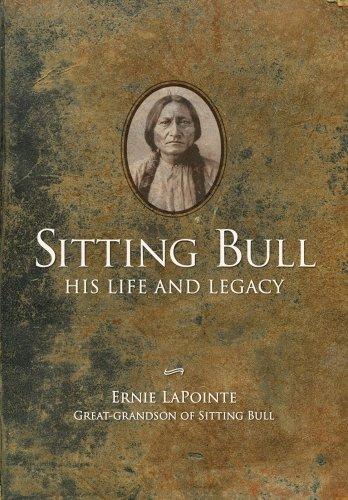
His Life and Legacy
Ernie LaPointe, Sitting Bull's great-grandson, authored this book, offering insights into Sitting Bull's life and legacy, focusing on his spiritual leadership and compassion.
Ernie Lip point is the great grandson of sitting full. He's the author of sitting ball, his life and legacy.
— Episode: Ernie LaPointe and Cedric Good House — R...
Ernie LaPointe, Sitting Bull's great-grandson, authored this book, offering insights into Sitting Bull's life and legacy, focusing on his spiritual leadership and compassion.
Ernie Lip point is the great grandson of sitting full. He's the author of sitting ball, his life and legacy.
The book, authored by Sitting Bull's great-grandson, aims to present a retelling of Sitting Bull's life and legacy, correcting historical misinterpretations and offering a more nuanced perspective.
I'm Arnie LaPointe. He's a great grandson of Citing Ball and author of Sitting Ball, His Life and Legacy.
So what I'd like to do with you is really try to get a sense of your great-grandfather through your sense of him, your stories. As this man who was strong and spiritual and who was an elder in the Dakota lifeways,
So, but this is all history, this is all stories and I tried to live it as I told the stories, you know, I tried to follow and switch those from a great grandfather.
You know, I talked to him and I'll put up. And now I always looked at how difficult this life was in the days when my great grandfather was living it.
But we always have humor. We always laugh. We always tell stories and make each other laugh so we can, you know, not let the burden of the tough everyday life bring it down.
This book, authored by Sitting Bull's great-grandson, was mentioned towards the end of the podcast. The speaker highlighted that it provides insights into Sitting Bull's life and legacy.
Ernie Lip point is the great grandson of sitting full. He's the author of sitting ball, his life and legacy.
Ernie LaPointe, Sitting Bull's great-grandson, authored this book to detail Sitting Bull's life and legacy, correcting historical inaccuracies and emphasizing Sitting Bull's spiritual character and Lakota way of life.
He's a great grandson of Citing Ball and author of Sitting Ball, His Life and Legacy.
So, but this is all history, this is all stories and I tried to live it as I told the stories, you know, I tried to follow and switch those from a great grandfather.
I have my spiritual items and I'm also, when the ceremonies, Sundance, Regions and I speak my language, you know, and this is how I communicate with my spirits.
In our culture, he always take your son to your brother to have him raised because the authority figures are a little different.
So I don't know if I told you about our organizations called a Signing Ball Family Foundation, I incorporated.
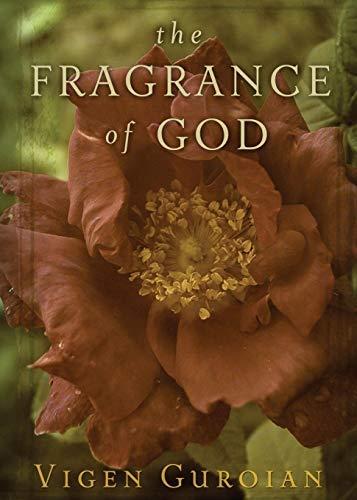
This book, focusing on the spirituality of gardening, was mentioned multiple times. Passages were read discussing the author's experiences connecting his gardening with theological themes. His reflections on the loss of a garden and the restorative power of gardening were shared.
in spring I cultivate the perennial bed with an agented petals and sweet citrus fragrance of the regosa rose in mind in excitement I wait also for the green bouquet of the broccoli plant and the calm...
— Episode: Vigen Guroian — Restoring the Senses: Ga...
This book, focusing on the spirituality of gardening, was mentioned multiple times. Passages were read discussing the author's experiences connecting his gardening with theological themes. His reflections on the loss of a garden and the restorative power of gardening were shared.
in spring I cultivate the perennial bed with an agented petals and sweet citrus fragrance of the regosa rose in mind in excitement I wait also for the green bouquet of the broccoli plant and the calm clean scent of the cucumber this was not always so in the beginning in my first garden in Richmond Virginia I farmed for food on the table but in Charlotte'sville Virginia in Eltersburg in Ristristown, Maryland and last here in Colpepper the garden has finally performed my disposition toward it it has entirely transfigured my vision of life for the sake of beauty I gladly leave the ruffled red cabbage to grow long beyond its time for harvest I let the mustard reach high with bright yellow bouquets I cultivate carefully the asparagus row not just for the taste of its buttery spears but also for the verdant fern foliage that shoots up after the spring cutting I let volunteer sunflower cosmos and kliomi seedlings grow where they choose and I sneak orange nasturtiums into the hills of sweet potato vines gardening grows from our deep longing for salvation so that beauty fills our lives
I realized that Adam and Eve were expelled from Eden whereas I willingly left my garden and I think that human beings have been leaving paradise and trying to grow it again ever since our first parents were sent off
Several summers ago my children found two turtles and put them in the vegetable garden. During a thought the next February as I was digging up the soggy soil where the peas go, I lifted a heavy mound with my shovel and then another. The two turtles had burrowed down for winter sleep and I had rudely awakened them too soon. So I carried them to a corner of the garden where I would not disturb them and dug them in again. When my wife said that she feared the turtles might be dead, I said I did not think so though I wasn't as sure as I sounded. I insisted that in spring they would come up and they did in Easter week. Lily's and Hiusin signify the resurrection and I can understand why but I have a pair of turtles that plant themselves in my garden each fall like two gigantic seeds and rise on Easter with earth and crowns upon their humble heads. With the women at the tomb, I marvel.
This book contains essays where the author explores his experiences in the garden, using metaphors to connect his relationship with nature to his faith and the themes of creation and Easter.
In one of the pieces in The Fragrance of God called the Temple Transparent, I think I worked those metaphors up in just the way that I was explaining earlier on about the Old Testament sort of presenting the whole creation as a temple that God has set up for us.
In any case it's in the same style and you find it particularly among the ancient churches in the Syriac for example you're gonna find similar stories. And those stories can be wonderful. They're wonderfully poetic and bring great feeling into one's experience of the scripture themselves.
The author's book explores the spiritual insights gained through gardening, connecting the act of tending a garden to themes of creation, salvation, and the experience of God's presence in nature. Passages from the book were read, describing the transformation of the author's garden and the spiritual significance he finds in it.
in spring I cultivate the perennial bed with an agented petals and sweet citrus fragrance of the regosa rose in mind in excitement I wait also for the green bouquet of the broccoli plant and the calm clean scent of the cucumber this was not always so in the beginning in my first garden in Richmond Virginia I farmed for food on the table but in Charlotte'sville Virginia in Eltersburg in Ristristown, Maryland and last here in Colpepper the garden has finally performed my disposition toward it it has entirely transfigured my vision of life for the sake of beauty I gladly leave the ruffled red cabbage to grow long beyond its time for harvest I let the mustard reach high with bright yellow bouquets I cultivate carefully the asparagus row not just for the taste of its buttery spears but also for the verdant fern foliage that shoots up after the spring cutting I let volunteer sunflower cosmos and kliomi seedlings grow where they choose and I sneak orange nasturtiums into the hills of sweet potato vines gardening grows from our deep longing for salvation so that beauty fills our lives
after Adam and Eve were beguiled by the serpent and ate the forbidden fruit of the tree God commanded his angels to remove them from the garden and to guard the paths to it with a fiery sword and so Adam and his wife were banished from the garden and its light and abundant life and entered a place of darkness and gloom they remained there in misery for six days without anything to eat and no shelter they wept inconsolably over what they had lost and where they were sent but on the seventh day God took pity on the couple he sent an angel who removed them from the dark place and led them into this bright world the messenger showed them trees from which they could eat and satisfy their hunger and when Adam and Eve saw the light and felt the warmth of this world they rejoiced with exceeding gladness saying even though this place cannot compare with the home we have lost and its light is not nearly as bright or its fruit half a sweet nevertheless we are no longer in the darkness and can go on living
Several summers ago my children found two turtles and put them in the vegetable garden. During a thought the next February as I was digging up the soggy soil where the peas go, I lifted a heavy mound with my shovel and then another. The two turtles had burrowed down for winter sleep and I had rudely awakened them too soon. So I carried them to a corner of the garden where I would not disturb them and dug them in again. When my wife said that she feared the turtles might be dead, I said I did not think so though I wasn't as sure as I sounded. I insisted that in spring they would come up and they did in Easter week.
Journeys through the Soundscape of Healing and Reconciliation
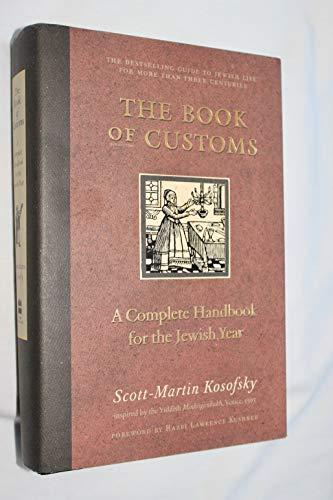
A Complete Handbook for the Jewish Year
It is a complete handbook for the Jewish year, containing over 40 illustrations of the main holidays and rituals. The author was commissioned to create it after working on a Jewish songbook and discovering old Jewish customs books, one of which was published in Amsterdam in 1645.
He's a book composer, typographer and author of The Book of Customs, a complete handbook for the Jewish year.
— Episode: [Unedited] Scott-Martin Kosofsky with Kr...
It is a complete handbook for the Jewish year, containing over 40 illustrations of the main holidays and rituals. The author was commissioned to create it after working on a Jewish songbook and discovering old Jewish customs books, one of which was published in Amsterdam in 1645.
He's a book composer, typographer and author of The Book of Customs, a complete handbook for the Jewish year.
It's a lovely song book it's still in print and it's illustrated with wonderful woodcuts from the 16th and 17th centuries
It's a compact guide to the Jewish year with over 40 illustrations of the main holidays and rituals
It also had 12 woodcuts showing the zodiac and the seasons of farm life
It was written in Yiddish in a very strange kind of alphabet, but as a typographer of course I get used to odd alphabets rather easily
It is a complete handbook for the Jewish year, containing over 40 illustrations of main holidays and rituals. The author was hired to work on a Jewish project and found remarkable woodcuts that led him to discover the old Jewish customs box and this book.
So tell me something Monday and like, have you had lunch yet?
It's a lovely song book; it's still in print and it's illustrated with wonderful woodcuts from the 16th and 17th centuries.
It's a compact guide to the Jewish year with over 40 illustrations of the main holidays and rituals.
It was written in Yiddish, in a very strange kind of alphabet, but as a typographer, of course, I get used to odd alphabets rather easily.
The sponsors at Harvard Hillel had hoped that perhaps there were Jewish equivalents of these things, and I was not very encouraging.
A medieval Yiddish guide from Venice, it served as a handbook for daily life and sacred time for three centuries. Kosofsky's rediscovery and adaptation of this book brought its wisdom to a modern audience, highlighting its timeless relevance.
I interviewed him in 2004 about his modern adaptation of a Venetian yiddish guide from the Middle Ages, The Book of Customs or minhakeem. It's a compilation of stories and practical instructions, prayers to recite and illustrations to contemplate.
And what I hit stumbled upon was The Book of Customs.
This was, you know, love it for a sight because what I had in my hands was something I had never seen before, a compact guy to the Jewish year with over 40 illustrations of the main holidays and rituals.
Picking up your book The Book of Customs it's not a prayer book right? It's not like the book of the whole prayer and but you but at the same time you almost get an overwhelming sense of prayer upon prayer, upon prayer right in a Jewish life that is presented and and there's something in that that it's hard to square that with a modern idea of daily life and you know just wonder and has this changed the way you structure your days and your time and your weeks and months?
Scott Martin Kasowski's books include The Book of Customs a complete handbook for the Jewish year
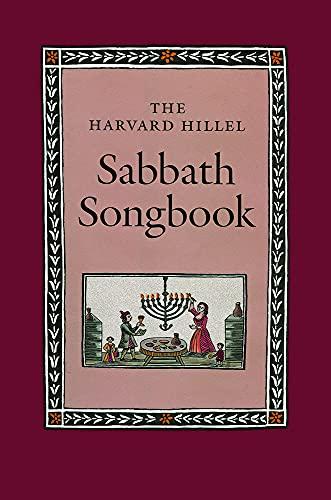
It was Kosofsky's first Jewish project, following his work on The Christmas Revels Songbook. It is still in print and illustrated with 16th and 17th-century woodcuts; the project was inspired by the search for Jewish equivalents of similar Christian materials.
It was because of this book that I produced for them that I was asked later to work on my first Jewish project, which was the Harvard Hill El Sabov Songbook.
— Episode: Scott-Martin Kosofsky — Legends to Live...
It was Kosofsky's first Jewish project, following his work on The Christmas Revels Songbook. It is still in print and illustrated with 16th and 17th-century woodcuts; the project was inspired by the search for Jewish equivalents of similar Christian materials.
It was because of this book that I produced for them that I was asked later to work on my first Jewish project, which was the Harvard Hill El Sabov Songbook.
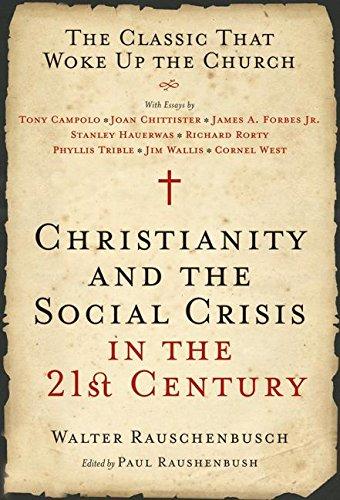
The Classic That Woke Up the Church
Rauschenbusch's work was discussed extensively, focusing on his emphasis on the social gospel and its application to real-world problems, particularly the suffering of children. His writing style and contemporary relevance were highlighted, along with the evolution of his ideas and their impact on modern religious thought.
The dying dumb come thy will be done on earth.
— Episode: [Unedited] Paul Raushenbush with Krista...
Rauschenbusch's work was discussed extensively, focusing on his emphasis on the social gospel and its application to real-world problems, particularly the suffering of children. His writing style and contemporary relevance were highlighted, along with the evolution of his ideas and their impact on modern religious thought.
The dying dumb come thy will be done on earth.
If the question of distribution of wealth were solved for all society and all lived in average comfort and without urgent anxiety. The question would still be how many would be at peace with their own souls and have that enduring joy and contentment which alone can make the outward things fair and sweet and rise victorious over change.
Religion is a tremendous generator of self-sacrificing action if the hydraulic force of religion could be turned toward conduct there is nothing which it could not accomplish.
It was a pivotal text for the Social Gospel movement, and once sold more copies than any religious book except the Bible. The book emphasized the social responsibility of Christians in this life, de-emphasizing the afterlife, and was considered by some to be leftist or even Marxist.
The dedication page of his book was a shortened section from the Lord's Prayer. Thy kingdom come, thy will be done on earth.
In the 1960s Martin Luther King Jr. cited Roshin Bush as a deeply formative influence and Walter Roshin Bush's red and studied in seminaries all kinds of seminaries still today.
He considered himself evangelical and he saw Dwight Moody now revered as a founding father of modern evangelicalism as his forebearer.
The kingdom is always but coming it is true that any effort its social regeneration is dogged by perpetual relapse and doomed forever to fall short of its aim but the same is true of our personal efforts to live a Christian life.
Whatever argument would demand the post-pondment of social regeneration to a future era will equally demand the post-pondment of personal holiness to a future life.
It was discussed as Rauschenbusch's first book, dedicated to the people of his first parish in Hell's Kitchen, New York City. His experiences there led him to explore how the Gospel addresses social problems, particularly the suffering of the poor and children.
I just kept burying too many babies in the little boxes; they broke my heart.
The dying dumb come thy will be done on earth.
If the question of distribution of wealth were solved for all society and all lived in average comfort and without urgent anxiety, the question would still be how many would be at peace with their own souls and have that enduring joy and contentment which alone can make the outward things fair and sweet and rise victorious over change.
Religion is a tremendous generator of self-sacrificing action; if the hydraulic force of religion could be turned toward conduct, there is nothing which it could not accomplish.
It was a pivotal text for the Social Gospel movement, selling more copies than any other religious book except the Bible for three years. The book emphasized the social responsibility of Christians and was later cited as influential by Martin Luther King Jr.
The dedication page of his book was a shortened section from the Lord's Prayer. Thy kingdom come, thy will be done on earth.
Any religion that professes to be concerned about the souls of men and is not concerned about the social conditions that cripple them is a spiritually more abundant religion awaiting burial.
The kingdom is always but coming it is true that any effort its social regeneration is dogged by perpetual relapse and doomed forever to fall short of its aim but the same is true of our personal efforts to live a Christian life.
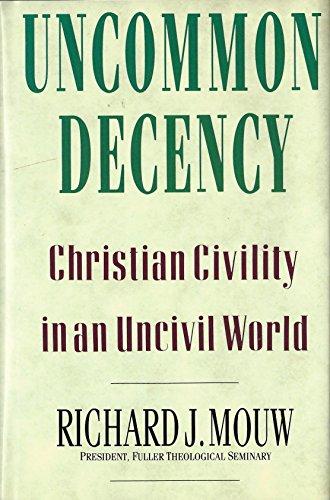
Christian Civility in an Uncivil World
This book, published in 1992 and re-released in 2010, advocates for Christian civility in an uncivil world. The author's work promotes respectful dialogue and understanding among those holding differing beliefs.
25 years ago he wrote a book called Uncommedi Sensei, Christian Civility in an Uncivil World.
— Episode: Richard Mouw — Restoring Political Civil...
This book, published in 1992 and re-released in 2010, advocates for Christian civility in an uncivil world. The author's work promotes respectful dialogue and understanding among those holding differing beliefs.
25 years ago he wrote a book called Uncommedi Sensei, Christian Civility in an Uncivil World.
In 1992 Richard Mao published Uncommon Decency with the subtitle Christian civility in an unsival world.
His many books include consulting the faithful and Uncommon Decency, Christian civility in an unsiple world.
Mouw discussed his book, reflecting on its initial focus on large-scale global conflicts fueled by religious hatred and its later revision to encompass contemporary American political and social incivility. He described the book's exploration of "convicted civility", balancing strong convictions with respectful engagement.
I was focusing on the really big struggles in the world...Catholic versus Protestant Northern Ireland; Arab versus Jew in the Middle East; Christian versus Muslim in places like Bosnia or St. Virginia, and the like.
The lines are the best lack all conviction while the worst are full of passionate intensity.
What we really need is convicted civility.
In affirming the stranger we are honoring the image of God.
Can we talk? I ask this as someone who has been one of the angry ones. Angry about things that have been said about people like me.
This book, published in 1992 and re-released in 2010, discusses Christian civility in an uncivil world. The author's ideas on civility and respectful disagreement, even while holding to one's convictions, were discussed at length.
25 years ago he wrote a book called Uncommedi Sensei, Christian Civility in an Uncivil World.
In 1992 Richard Mao published Uncommon Decency with the subtitle Christian civility in an unsival world.
His many books include consulting the faithful and Uncommon Decency, Christian civility in an unsiple world.
This book, originally published in the late 1980s and later revised, focuses on Christian civility in an uncivil world. The author discussed the book's themes of civility, tolerance, and the importance of addressing societal issues with truth and compassion.
I was focusing on the really big struggles in the world.Catholic versus Protestant Northern Ireland.Arab versus Jew in the Middle East.Christian versus Muslim in places like Boston, or St. Virginia, and the like.
In affirming the stranger we are honoring the image of God.
Can we talk? I ask this as someone who has been one of the angry ones. Angry about things that have been said about people like me.
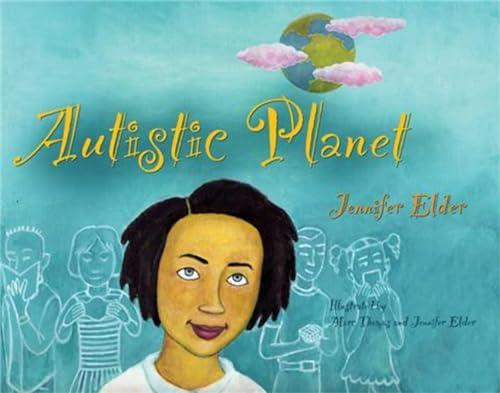
A children's book intended for both autistic children and their families; it aims to demystify autism and celebrate aspects like stimming, presenting it in a positive light. The book includes inside jokes that would be relatable to those familiar with autism.
It's a bit of both because I think you know not all autistic children can read or understand this book but for those who are higher functioning it's you know sort of a self esteem booster. I think it...
— Episode: [Unedited] Paul Collins and Jennifer Eld...
A children's book intended for both autistic children and their families; it aims to demystify autism and celebrate aspects like stimming, presenting it in a positive light. The book includes inside jokes that would be relatable to those familiar with autism.
It's a bit of both because I think you know not all autistic children can read or understand this book but for those who are higher functioning it's you know sort of a self esteem booster. I think it would be but but I was also really writing it for the families and people who know autistic children there's sort of a lot of inside jokes in here that may not make much sense unless you know somebody with autism.
But I wanted to both demystify it and have a little fun with it because there are a lot of things that I think autistic children might find embarrassing or frustrating if they have a you know sense of the social implications like for instance stimming.
I actually which is well some people might notice that autistic children tend to rock or move move around or flap their hands and and that could be something that you know it can mark a child out if you don't know what it is they're doing.
But I wanted to make that sort of a positive a positive thing and so I have a line in the book towards the end where it says at the end of every day we flap our wings and fly away.
This children's book was written for both autistic children and those who know them; it aims to demystify autism and celebrate autistic traits.
at the end of every day we flap our wings and fly away
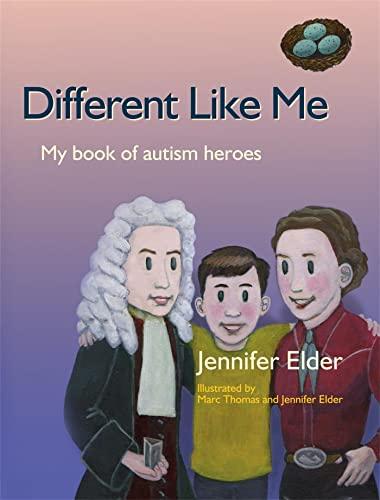
My Book of Autism Heroes
This book profiles autistic heroes, including Albert Einstein, Alan Turing, and other lesser-known figures, showcasing the wide spectrum of abilities associated with autism. It aims to highlight both the challenges and accomplishments of autistic individuals.
And yes, and I had never heard of most of these people. Yeah, I mean some of them who temple grandmas in there, right? But um, and there are those amazing stories and this category of savants which is...
— Episode: [Unedited] Paul Collins and Jennifer Eld...
This book profiles autistic heroes, including Albert Einstein, Alan Turing, and other lesser-known figures, showcasing the wide spectrum of abilities associated with autism. It aims to highlight both the challenges and accomplishments of autistic individuals.
And yes, and I had never heard of most of these people. Yeah, I mean some of them who temple grandmas in there, right? But um, and there are those amazing stories and this category of savants which is associated with autism.
And, and then, you know, but then what I also know is that that all autistic children are not gifted and there's new, there's some new research about girls in particular autistic girls that they have higher rates of depression and suicide and not necessarily these skill sets that um, that autistic boys often have.
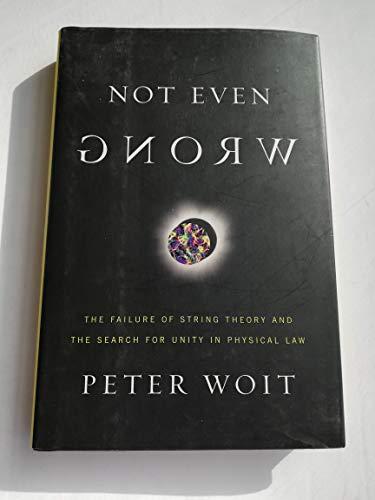
The Failure of String Theory and the Search for Unity in Physical Law
In this book, Collins explores autism and its presence in history and society. He notes that autistic people are often described as aliens among humans, but argues that understanding them is key to understanding humanity itself.
Autists are described by others and by themselves as aliens among humans. But there's an irony to this for precisely the opposite is true. They are us and to understand them is to begin to understand...
— Episode: Paul Collins and Jennifer Elder — Autism...
In this book, Collins explores autism and its presence in history and society. He notes that autistic people are often described as aliens among humans, but argues that understanding them is key to understanding humanity itself.
Autists are described by others and by themselves as aliens among humans. But there's an irony to this for precisely the opposite is true. They are us and to understand them is to begin to understand what it means to be human.
A disability is usually defined in terms of what is missing, but autism is as much about what is abundant as what is missing an over-expression of the very traits that make our species unique.
Other animals are social, but only humans are capable of abstract logic. The autistic, out-human, the humans and we can scarcely recognize the result.
It was written shortly after the diagnosis of the author's child with autism, detailing the experience of new parents coming to terms with their child's diagnosis. The author also explored the history of autism and the traits seen in family members and related professions.
How can it be that we left our house an hour ago with a healthy toddler and returned with a disabled one?
I also was...Yeah. Did you have that same...Absolutely.
And so I think that I, you know, I just didn't want to...think...I didn't want to take anything just on a face value.
There'd be a lot of children diagnosed with autism. Right. And we didn't want to just rush headlong into it.
It was in the middle of that that that I started realizing that this looked pretty clearly like an early case of autism.
In this book, Collins explores autism, noting that autistics are described as aliens among humans, but that they are "us". Understanding them is key to understanding what it means to be human.
Autists are described by others and by themselves as aliens among humans. But there's an irony to this for precisely the opposite is true. They are us and to understand them is to begin to understand what it means to be human.
A disability is usually defined in terms of what is missing, but autism is as much about what is abundant as what is missing an over-expression of the very traits that make our species unique.
The autistic, out-human, the humans and we can scarcely recognize the result.
Paul Collins started writing this book shortly after his son's autism diagnosis; it was published in 2004 when his son was five years old.
How can it be that we left our house an hour ago with a healthy toddler and returned with a disabled one?
And so I think that I, you know, I just didn't want to...think...I didn't want to take anything just on a face value.
it was actually surprisingly difficult to get a really straight answer from anybody about this.
And so I...I finished it about a year later when he was...four and a half.
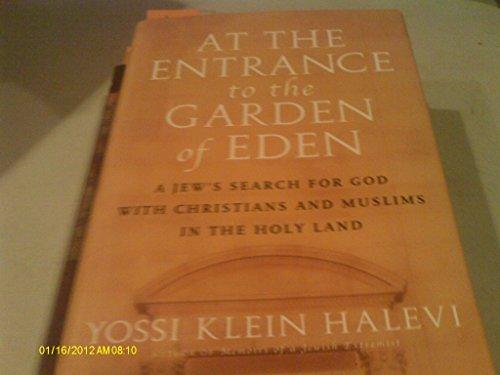
A Jew's Search for God with Christians and Muslims in the Holy Land
It was described as a beautiful and hopeful book, which was still recommended despite being written before 9/11 and the second intifada, as it captured a moment of hope that was later lost. The book's value remains due to the author's personal experiences shared within it.
your book, um, At the Entrance to the Garden of Eden was such a beautiful and hopeful book in many ways.
— Episode: [Unedited] Yossi Klein Halevi with Krist...
It was described as a beautiful and hopeful book, which was still recommended despite being written before 9/11 and the second intifada, as it captured a moment of hope that was later lost. The book's value remains due to the author's personal experiences shared within it.
your book, um, At the Entrance to the Garden of Eden was such a beautiful and hopeful book in many ways.
I recommend it to people all the time still.
you couldn't have written the same book
I absolutely understand what you say, what you mean when you say you couldn't write the book now.
And yet I think the book continues to have value as you wrote it.
It was described as a beautiful and hopeful book, exploring the author's search for God with Christians and Muslims in the Holy Land. The book's impact was discussed, with the speaker noting that it could not have been written the same way after 9/11 and the subsequent collapse of the Oslo peace process.
Your book, At the Entrance to the Garden of Eden was such a beautiful and hopeful book in many ways.
And I recommend it to people all the time still.
And you would said to me that even by the time that book was published on the pub date was September 11, 2001, you couldn't have written the same book.
And you know to that point, I absolutely understand what you say, what you mean when you say you couldn't write the book now. And yet I think the book continues to have value as you wrote it.
So in some way I suppose that the journey that I took into Islam and Christianity was an attempt to bring together that American sensibility with the reality of the Middle East.
It was described as a beautiful and hopeful book, and was still recommended to people even years after its publication, despite the fact that events after its publication would have changed the author's perspective. The book's value is still seen in what it captured at the time.
your book, um, At the Entrance to the Garden of Eden was such a beautiful and hopeful book in many ways.
Um, and I recommend it to people all the time still.
you were the one. And you would said to me, now, I mean, that, that even by the time that book was published on the update was September 11, 2001. You couldn't have written the same book.
And yet I think the book continues to have value as you wrote it.
sometimes I'll pick it up and just briefly, at random, open it up and read out an experience and just be amazed.
It was described as a beautiful and hopeful book, though the speaker noted that it could not have been written the same way after 9/11 and subsequent events. Its value, however, was seen as enduring, offering moving accounts of shared prayer and reminding the listener of possibilities.
Your book, At the Entrance to the Garden of Eden was such a beautiful and hopeful book in many ways.
And I recommend it to people all the time still.
And you would said to me that even by the time that book was published on the pub date was September 11, 2001, you couldn't have written the same book.
And yet I think the book continues to have value as you wrote it.
So I'm saying, if you're of some of your experiences of shared prayer or something, I mean those are some of the most really moving. And it reminds me of not just what's possible, but what once actually happens.
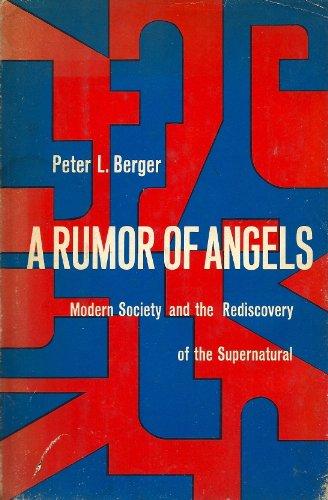
Modern society and the rediscovery of the supernatural
It was described as a beautiful little book that uses everyday things to point to something deeper, using the example of a parent comforting a scared child to illustrate the deep human intuition of hope.
Peter Bergamax is very beautiful, a little book of his, called a rumor range of, he takes everyday things and says, think about it for a minute. Where are they pointing you? They're deeper than you th...
— Episode: [Unedited] John Polkinghorne with Krista...
It was described as a beautiful little book that uses everyday things to point to something deeper, using the example of a parent comforting a scared child to illustrate the deep human intuition of hope.
Peter Bergamax is very beautiful, a little book of his, called a rumor range of, he takes everyday things and says, think about it for a minute. Where are they pointing you? They're deeper than you think.
It was described as a beautiful little book that uses everyday things to point to something deeper, illustrating a deep human intuition and assurance that enables a child to grow into full humanity. The author reflects on the meaning behind a parent comforting a scared child, suggesting that even though things may not always be 'all right', there is a deeper meaning.
Peter Bergamax is very beautiful, a little book of his, called a rumor range of, he takes everyday things and says, think about it for a minute. Where are they pointing you? They're deeper than you think.
And one of the things he says is, a child wakes up in the middle of the night, scared by a dream or something like that, a parent goes to the child and says, it's all right. And Bergam says, now what's going on there? Is that a loving lie?
Because obviously cancer, concentration camps, there will always not exactly just all right. But nevertheless he says that is a deep human intuition and the assurance of that so is an important part of enabling that child to grow up into full humanity.
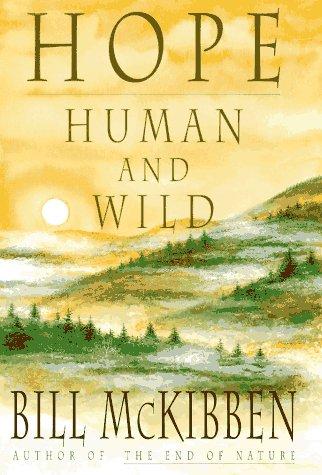
True Stories of Living Lightly on the Earth
In this book, McKibben explored places around the world that were creating different, more sustainable models for living; he looked for places that were different from the American consumer model.
I spent a lot of time this is years ago for a book that i wrote called *Hope, Human and Wild*
— Episode: [Unedited] Bill McKibben with Krista Tip...
In this book, McKibben explored places around the world that were creating different, more sustainable models for living; he looked for places that were different from the American consumer model.
I spent a lot of time this is years ago for a book that i wrote called *Hope, Human and Wild*
In this book, McKibben discussed cities where people live more lightly on the earth and have built community, creating different models. One example discussed was Curitiba, Brazil.
Yes, I spent a lot of time for a book that I wrote called Hope Human and Wow.
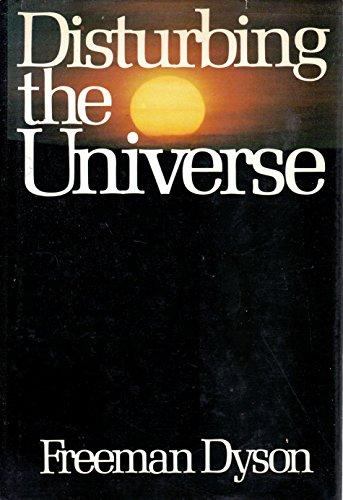
The interviewee's autobiography, it was referenced when discussing how he became interested in mathematics and Einstein at a young age.
In your, your most autobiographical work, Disturbing The Universe. You, you talk about, you describe how you became interested in mathematics at a very early age and it's also clear t...
— Episode: [Unedited] Freeman Dyson with Krista Tip...
The interviewee's autobiography, it was referenced when discussing how he became interested in mathematics and Einstein at a young age.
In your, your most autobiographical work, Disturbing The Universe. You, you talk about, you describe how you became interested in mathematics at a very early age and it's also clear that you knew about Albert Einstein and you knew about his theory of relativity
This autobiographical work details Dyson's early interest in mathematics and his awareness of Einstein's theories of relativity. The podcast mentions how it helped listeners trace the parallels between Dyson and Einstein's thought processes.
In your, your most autobiographical work, Disturbing The Universe. You, you talk about, you describe how you became interested in mathematics at a very early age and it's also clear that you knew about Albert Einstein and you knew about his theory of relativity and I just want to know, you know, how did you know about that?
Note: The book recommendations on this page are discovered automatically from podcast transcripts, and may be incorrect or incomplete.
Podcast Name