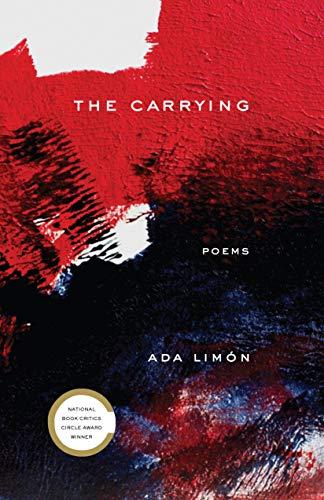
The Carrying
Ada Limón
Mentioned 2 years ago
“The End of Poetry” by Ada Limón
Wisdom to replenish and orient in a tender, tumultuous time to be alive. Spiritual inquiry, science, social healing, and poetry. Conversations to live by. With a 20-year archive featuring luminaries like Mary Oliver, Thich Nhat Hanh, and Desmond Tutu, each episode brings a new discovery about t...
Recently mentioned
Ada Limón
Mentioned 2 years ago
“The End of Poetry” by Ada Limón
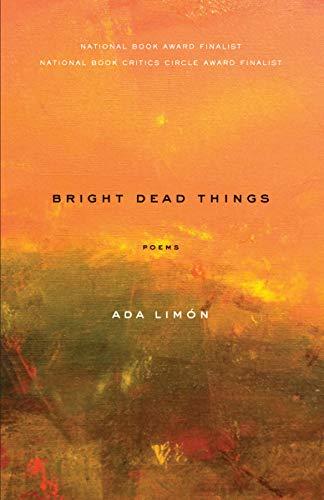
Ada Limón
Mentioned 2 years ago
“The End of Poetry” by Ada Limón
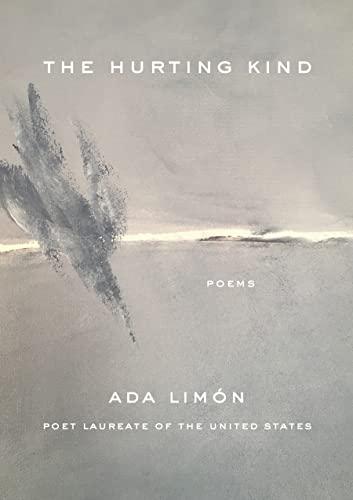
Ada Limón
Mentioned 2 years ago
“The End of Poetry” by Ada Limón
David Nicholls
Mentioned 2 years ago
“The End of Poetry” by Ada Limón
Atul Gawande
Mentioned 2 years ago
Atul Gawande — On Mortality and Meaning
Cixin Liu
Mentioned 2 years ago
Atul Gawande — On Mortality and Meaning
Royce Josiah
Mentioned 2 years ago
Atul Gawande — On Mortality and Meaning
Atul Gawande
Mentioned 2 years ago
Atul Gawande — On Mortality and Meaning
Elizabeth Alexander
Mentioned 2 years ago
“Ars Poetica #100: I Believe” by Elizabeth Alexander
Padmasambhava
Mentioned 2 years ago
Luis Alberto Urrea — On Our Belonging to Each Other
Luis Alberto Urrea
Mentioned 2 years ago
Luis Alberto Urrea — On Our Belonging to Each Other
Luis Alberto Urrea
Mentioned 2 years ago
Luis Alberto Urrea — On Our Belonging to Each Other
How Decent People Can Save America from the Culture of Contempt
Racism, Antiracism, and You
The young adult version of Ibram X. Kendi's book, Stamped, written by Jason Reynolds, was mentioned. It was highlighted that Jason Reynolds used the word "fortitude" to describe the courage needed to navigate racial stress.
And he's the person who Ibram Kendi asked to write the YA version of Stamped.
— Episode: [Unedited] Robin DiAngelo and Resmaa Men...
The young adult version of Ibram X. Kendi's book, Stamped, written by Jason Reynolds, was mentioned. It was highlighted that Jason Reynolds used the word "fortitude" to describe the courage needed to navigate racial stress.
And he's the person who Ibram Kendi asked to write the YA version of Stamped.
It's a young adult version of Ibram X. Kendi's book, "Stamped from the Beginning." The speaker discussed its unique approach to engaging young people with complex historical and social issues related to race.
So in the year 2020, before 2020 became 2020, you published this book with Ibram X. X Kendi called Stamped Racism, Anti-Racism and You. It is a, you call it a remix of his book, Stamped from the Beginning.
And on I mean, you know, we could use so many examples, but I look back and I don't know why we didn't like it's just like, why were we sitting there? Why were teachers teaching it? Why were we just sitting there taking it in?
And so what I wanted to do was figure out how to eliminate all excuse to backpedal out of the pages. I needed to make sure that no one closed the book.
It's described as a remix of Kendi's book "Stamped from the Beginning," rewritten for young people and designed to engage them with history and language around race.
So in the year 2020, before 2020 became 2020, you published this book with Ibram X. Kendi called Stamped Racism, Anti-Racism and You. You call it a remix of his book Stamped from the Beginning.
And the reason why is because he and I both wanted to figure out how we could tap into the imagination of young people.
And I think we wanted to make something, the first of its kind, something that was literally made thinking about a 12 year old or 14 year old or 16 year old, what they would want to read and how to engage them so that they actually can store new language, new lexicon, new vocabulary, new histories in their personal libraries.
You Can't Be Seen Until You Learn to See
Seth Godin's new book, "This Is Marketing," was mentioned; it was said that it was coming out soon, and the conversation touched upon its themes and ideas.
So I think we're going to put this on the air kind of mid-January. Does that sound okay with you?
— Episode: [Unedited] Seth Godin with Krista Tippet...
Seth Godin's new book, "This Is Marketing," was mentioned; it was said that it was coming out soon, and the conversation touched upon its themes and ideas.
So I think we're going to put this on the air kind of mid-January. Does that sound okay with you?
It's December 31st. There are four books coming out at the same time.
That's the real book and everything else is sort of an echo or a shadow of that book.
This book contains poems about the author's father, a Palestinian refugee, and the themes of displacement and identity. An excerpt was read from the book's opening page.
refugee not always? Once a confident school boy strolling Jerusalem streets. He knew the alleyways, spoke to stones. All his life he would pick up stones and pocket them. On some he drew faces. What d...
— Episode: Naomi Shihab Nye — “Before You Know Kind...
This book contains poems about the author's father, a Palestinian refugee, and the themes of displacement and identity. An excerpt was read from the book's opening page.
refugee not always? Once a confident school boy strolling Jerusalem streets. He knew the alleyways, spoke to stones. All his life he would pick up stones and pocket them. On some he drew faces. What do we say in the wake of one who was always homesick? Are you home now? Is Palestine peaceful in some dimension we can't see? Do Jews and Arabs share the table? Is holy in the middle?
We were born to wander, to grieve, lost lineage what we did to one another on a planet so wide open for doing. So wide open. So much we could do always.
It was discussed extensively, with several poems being read and analyzed; the book explores themes of displacement, loss, and hope, often through the lens of the speaker's Palestinian heritage. A poem dedicated to the poet's father was read from this book.
Refugee not always. Once a confident school boy strolling Jerusalem streets. He knew the alleyways, spoke to stones. All his life he would pick up stones and pocket them. On some he drew faces.
We were born to wander, to grieve, lost lineage what we did to one another on a planet so wide open for doing.
Member of the tribe, unfortunately it's true. Like it or not, educated or not. This is one of the many things Americans don't understand about Iraq. Kill a member of the tribe, the whole tribe now hates you. How could they not? The Americans think they hate you today, thank you tomorrow. Tribes are like tape recorders, they won't forget.
It was discussed extensively, with several poems read from it and its backstory explained. The book contains poems that reflect on the author's family history and experiences of displacement and loss.
Refugee not always. Once a confident school boy strolling Jerusalem streets.
What do we say in the wake of one who was always homesick?
Are you home now? Is Palestine peaceful in some dimension we can't see?
Do Jews and Arabs share the table? Is holy in the middle?
Member of the tribe, unfortunately it's true. Like it or not, educated or not.
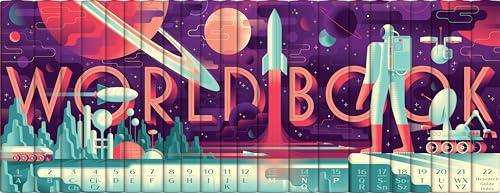
The interviewee grew up with a World Book Encyclopedia, which his mother purchased when he was a baby. He remembers fondly reading it and receiving annual updates with stickers to replace outdated entries.
Yeah, we had the world book at home from a very young age. My mother in the classic style bought it from a door-to-door salesperson when I was a baby.
— Episode: [Unedited] Jimmy Wales with Krista Tippe...
The interviewee grew up with a World Book Encyclopedia, which his mother purchased when he was a baby. He remembers fondly reading it and receiving annual updates with stickers to replace outdated entries.
Yeah, we had the world book at home from a very young age. My mother in the classic style bought it from a door-to-door salesperson when I was a baby.
So the World Book would send out if you subscribed every year, there was sent out the annual update. So you had the A through Z books and then you had, you know, year 1974, 1974, 1975 and so forth.
The interviewee's family owned a World Book Encyclopedia, which he read extensively as a child; it influenced his later creation of Wikipedia.
Yeah, we had the world book at home from a very young age.
My mother in the classic style bought it from a door-to-door salesperson when I was a baby.
It was something that I really loved as a child and read a lot.
I read a lot of things in the encyclopedia. And I always liked anything I wanted to know to go and get a summary of it.
The podcast guest, Jimmy Wales, mentioned having a World Book Encyclopedia growing up; his mother purchased it when he was a baby. He fondly recalled reading it extensively as a child, though he didn't read it cover to cover.
Yeah, yeah, we had the world book at home from a very young age.
my mother in the classic style bought it from a daughter of a salesperson when I was a baby.
it was something that I really loved as a child and read a lot
I can't say I read it cover to cover although I did have that ambition at times but I read a lot of things in the encyclopedia
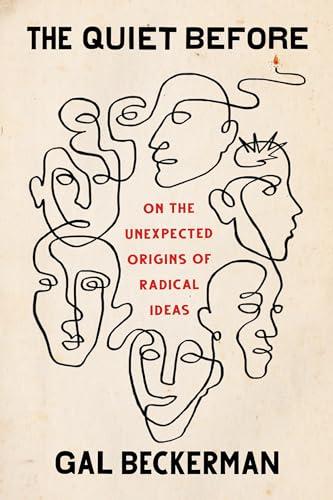
On the Unexpected Origins of Radical Ideas
It explores the unexpected origins of radical ideas over the last five centuries, focusing on the often-overlooked periods of incubation and apparent failure that precede significant societal shifts. The book highlights how seemingly small actions and conversations can lead to lasting transformation.
The brevity of human life does not allow that one person alone is sufficient. It is necessary to adopt the observations of a good number of others from the past centuries and future ones to clarify th...
— Episode: Gal Beckerman — How Newness Enters the W...
It explores the unexpected origins of radical ideas over the last five centuries, focusing on the often-overlooked periods of incubation and apparent failure that precede significant societal shifts. The book highlights how seemingly small actions and conversations can lead to lasting transformation.
The brevity of human life does not allow that one person alone is sufficient. It is necessary to adopt the observations of a good number of others from the past centuries and future ones to clarify that which fits better.
Personally I am getting very young
The Quiet Before is also maybe The Quiet Before the internet
The book explores the unexpected origins of radical ideas over the last five centuries, focusing on the quiet moments of incubation and conversation that precede major social movements and changes. It examines various mediums of communication used throughout history and their role in shaping these movements, contrasting them with the impact of modern social media.
the brevity of human life does not allow that one person alone is sufficient. It is necessary to adopt the observations of a good number of others from the past centuries and future ones to clarify that which fits better.
Personally, I am getting very young.
What happens before the people get to the streets?
the noise has its role. It absolutely has its role. You know, you don't grab attention without it. But there has to be this moment of calm and well, I guess it can sometimes be of calm. It can also be of debate and yelling and screaming, but it has to be not in, it has to be among people.
when you have a group of people sitting around a table talking, the table is what makes them a group. And if you take the table away, they're just individuals. They're not connected.
It explores the unexpected origins of radical ideas over the last five centuries, focusing on the quiet moments and conversations that preceded major historical events and social movements. The author examines the role of communication and interaction in shaping these movements, highlighting the importance of patience, coherence, and debate in achieving lasting change.
the whole time that I've been writing this book, it's been a moment of, you know, much there have been a lot of protests and a lot of social movements that have emerged. And grabbed our awareness and our consciousness in fairly dramatic ways.
The noise has its role. It absolutely has its role. You know, you don't grab attention without it. But there has to be this moment of calm and well, I guess it can sometimes be of calm. It can also be of debate and yelling and screaming, but it has to be not in, it has to be among people.
the brevity of human life does not allow that one person alone is sufficient. It is necessary to adopt the observations of a good number of others from the past centuries and future ones to clarify that which fits better.
when you have a group of people sitting around a table talking, the table is what makes them a group. And if you take the table away, they're just individuals. They're not connected.
this joining of justice and joy, you know, this notion of pleasure activism, Adrienne Marie Brown.
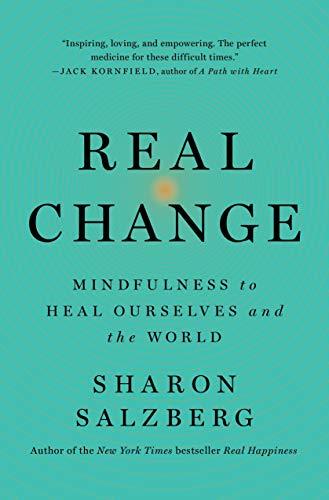
Mindfulness to Heal Ourselves and the World
The book was mentioned multiple times as Sharon Salzberg's most recent book at the time of the podcast recording. Krista Tippett referenced specific sentences from the book's foreword that summarized Salzberg's teachings on cultivating agency and remembering values in the face of adversity.
We practice in order to cultivate a sense of agency, to understand that a range of responses is open to us.
— Episode: Sharon Salzberg — The Healing Is In The...
The book was mentioned multiple times as Sharon Salzberg's most recent book at the time of the podcast recording. Krista Tippett referenced specific sentences from the book's foreword that summarized Salzberg's teachings on cultivating agency and remembering values in the face of adversity.
We practice in order to cultivate a sense of agency, to understand that a range of responses is open to us.
We practice to remember to breathe, to have the space in the midst of adversity, to remember our values, what we really care about and to find support in our inner strength and in one another.
The speaker discussed the book's foreword, which was written after the pandemic began, and how its message about cultivating agency and finding support resonated with the current situation. The author mentioned that the examples in the book seemed to foreshadow the anxieties of the pandemic.
we practice in order to cultivate a sense of agency, to understand that a range of responses is open to us. We practice to remember to breathe, to have the space in the midst of adversity, to remember our values, what we really care about, and to find support in our inner strength and in one another.
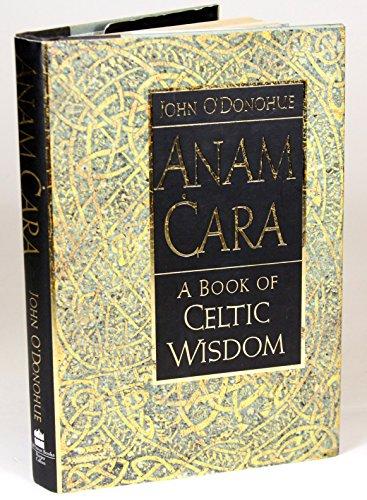
A Book of Celtic Wisdom
It was published in 1997 and became an international bestseller; the podcast mentions it as a pivotal work analyzing the human condition, and notes a quote from the book: "It's strange to be here. The mystery never leaves you."
It's strange to be here. The mystery never leaves you.
— Episode: John O'Donohue – The Inner Landscape of...
It was published in 1997 and became an international bestseller; the podcast mentions it as a pivotal work analyzing the human condition, and notes a quote from the book: "It's strange to be here. The mystery never leaves you."
It's strange to be here. The mystery never leaves you.
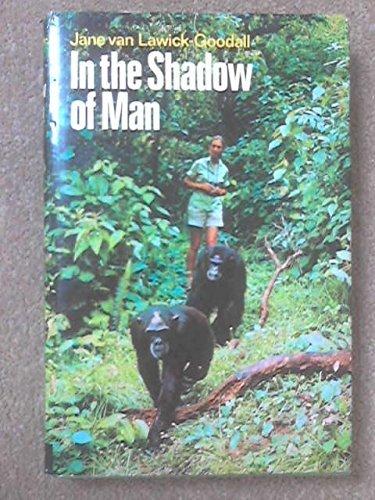
It was mentioned in the podcast as a book where Goodall discusses her early experiences studying chimpanzees in Gombe, including anecdotes and observations that helped transform the understanding of chimpanzee behavior and the relationship between humans and animals. It includes a story about Goodall naming aspects of the forest, which shows the human tendency to personify nature.
There's another story that struck me when I was reading, I think this was in In the Shadow of Man, about when your mother was with you for a while in the early part of the study. She went back to Engl...
— Episode: Jane Goodall – What It Means to Be Human
It was mentioned in the podcast as a book where Goodall discusses her early experiences studying chimpanzees in Gombe, including anecdotes and observations that helped transform the understanding of chimpanzee behavior and the relationship between humans and animals. It includes a story about Goodall naming aspects of the forest, which shows the human tendency to personify nature.
There's another story that struck me when I was reading, I think this was in In the Shadow of Man, about when your mother was with you for a while in the early part of the study. She went back to England.
It was published in 1971 and was said to have changed people's understanding of chimpanzees, animals, and themselves; the speaker reflected on stories from the book, including one about the author's mother visiting her in the early part of her study, and another about the author walking around the forest and giving things names.
And people read that and it changed their understanding, I think, not just of chimpanzees, but of animals and of themselves.
I was also struck, like the story you just told about watching the hen laying the egg, the stories about you taking worms to bed as a child or your love of your dog, Rusty.
There's another story that struck me when I was reading, I think this was in In the Shadow of Man, about when your mother was with you for a while in the early part of the study.
She went back to England, you're first alone and how you're walking around kind of naming the aspects of the forest, good morning peak, hello stream, oh wind for heaven's sake, calm down.
I think as a parent, children and adults in the presence of children see aspects of the natural world as animate and alive and they give things names, that the human imagination has always inclined this way.
This book, published in 1971, was discussed as having changed people's understanding of chimpanzees and themselves, showcasing the author's early observations and experiences at Gombe. The speaker recalled a story from the book about the author's interaction with the forest, giving it life through personification.
And I'm so aware that what you began to see and study and turn into scientific observation there, really transformed the world I grew up learning about.
So you wrote In the Shadow of Man in 1971. And people read that and it changed their understanding, I think, not just of chimpanzees, but of animals and of themselves.
There's another story that struck me when I was reading, I think this was in In the Shadow of Man, about when your mother was with you for a while in the early part of the study.
And then of course, that echoes stories that are so alive in our culture. Even the ones that influenced you, the Doolittles, Tarzan, Wind in the Willows.
I think as a parent, children and adults in the presence of children see aspects of the natural world as animate and alive and they give things names, that the human imagination has always inclined this way.
Patterns of Behavior
This book, published by Jane Goodall, contains her scientific observations and anecdotes from her research at Gombe. The podcast highlighted the significance of her anecdotes, describing them as carefully recorded observations that helped to unlock puzzles in her research.
It was when I published that big book, The Chimpanzees of Gombe, Patterns of Behavior, and it had all my scientific observations, but it also had all the stories because a story, an a...
— Episode: Jane Goodall – What It Means to Be Human
This book, published by Jane Goodall, contains her scientific observations and anecdotes from her research at Gombe. The podcast highlighted the significance of her anecdotes, describing them as carefully recorded observations that helped to unlock puzzles in her research.
It was when I published that big book, The Chimpanzees of Gombe, Patterns of Behavior, and it had all my scientific observations, but it also had all the stories because a story, an anecdote can be a very carefully recorded observation. It's an anecdote because you only see it once. But those anecdotes are sometimes the key to unlocking a puzzle. They're terribly important.
It's a big book mentioned as containing scientific observations and stories; the speaker emphasized the importance of anecdotes in research.
And it had all my scientific observations, but it also had all the stories. Because a story, you know, science is up to scoff at a story. They're up to scoff at anecdotes.
This book, which included both scientific observations and anecdotes, was mentioned in relation to a conference in 1986. The speaker noted that anecdotes, even if seen only once, can be key to unlocking puzzles, highlighting their importance in her research.
And it was when I published that big book, The Chimpanzees of Gombe, Patterns of Behavior.
And it had all my scientific observations, but it also had all the stories. Because a story, you know, science is up to scoff at a story.
But an anecdote can be a very carefully recorded observation. It's an anecdote because you only see it once. But those anecdotes are sometimes the key to unlocking a puzzle. They're terribly important.
A Spiritual Journey
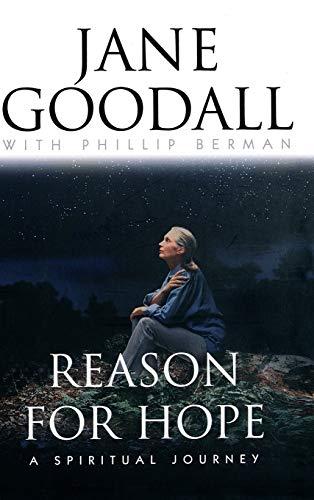
In this book, Goodall discussed moral and spiritual evolution as sources of hope for humanity. The podcast referenced a passage where she emphasized the importance of approaching others with empathy and gentle persuasion rather than anger and accusation to achieve real change.
It is my task to try to change their attitudes in this matter. They will not listen if I raise my voice and point an accusing finger. Instead, they will become angry and hostile. And that will be the...
— Episode: Jane Goodall – What It Means to Be Human
In this book, Goodall discussed moral and spiritual evolution as sources of hope for humanity. The podcast referenced a passage where she emphasized the importance of approaching others with empathy and gentle persuasion rather than anger and accusation to achieve real change.
It is my task to try to change their attitudes in this matter. They will not listen if I raise my voice and point an accusing finger. Instead, they will become angry and hostile. And that will be the end of the dialogue. Real change will only come from within. Laws and regulations are useful, but sadly easy to flout. So I keep the anger, which of course I feel as hidden and controlled as possible. I try to reach gently into their hearts.
In your book, Reason for Hope, you use the language of moral evolution and even spiritual evolution as your hope for our species.
It was published in 1999 and discussed in the context of the author's views on moral and spiritual evolution; a quote from the book was read, highlighting the author's approach to changing people's attitudes.
In your book, Reason for Hope, you use the language of moral evolution and even spiritual evolution as your hope for our species.
It is my task to try to change their attitudes in this matter. They will not listen if I raise my voice and point an accusing finger. Instead, they will become angry and hostile and that will be the end of the dialogue. Real change will only come from within. Laws and regulations are useful, but sadly easy to flout. So I keep the anger, which of course I feel, as hidden and controlled as possible. I try to reach gently into their hearts.
This 1999 book, exploring moral and spiritual evolution, was mentioned as containing a passage about the speaker's approach to changing attitudes and the importance of internal change and gentle persuasion. A quote from the book was shared about not raising one's voice but reaching into people's hearts.
In your book, Reason for Hope, you use the language of moral evolution and even spiritual evolution as your hope for our species.
It is my task to try to change their attitudes in this matter. They will not listen if I raise my voice and point an accusing finger. Instead, they will become angry and hostile and that will be the end of the dialogue.
Real change will only come from within. Laws and regulations are useful, but sadly easy to flout. So I keep the anger, which of course I feel, as hidden and controlled as possible.
I try to reach gently into their hearts.
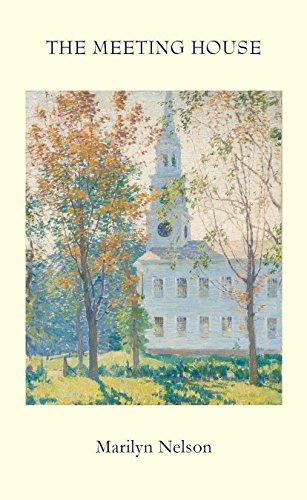
This book of poetry recounts the untold stories of a church in Lyme, Connecticut, including its involvement with slavery and the displacement of Native Americans. It was praised for its courage in uncovering difficult historical truths.
These are sounds the landscape has never heard. A strange human language, axes and saws, iron hammers pounding home iron nails, the tromp of boots, the cough of musket fire, and then on and on, like t...
— Episode: [Unedited] Pádraig Ó Tuama and Marilyn...
This book of poetry recounts the untold stories of a church in Lyme, Connecticut, including its involvement with slavery and the displacement of Native Americans. It was praised for its courage in uncovering difficult historical truths.
These are sounds the landscape has never heard. A strange human language, axes and saws, iron hammers pounding home iron nails, the tromp of boots, the cough of musket fire, and then on and on, like this new experience for the land.
Lyme, Connecticut, 1729, two members in good standing of the church record and sign a business transaction. In consideration of the sum of 25 pounds, one mulatto girl of three years old called Jane to have and hold, possess and enjoy as his own proper estate forever during her natural life. Two members who have seats in the front pews.
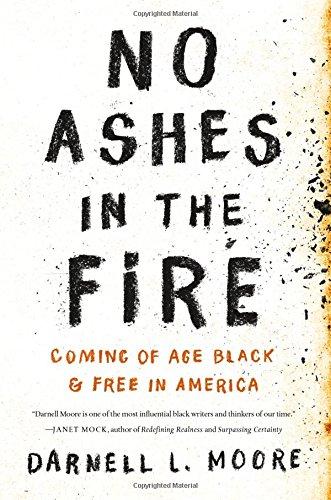
Coming of Age Black and Free in America
It tells the story of Moore's upbringing as a Black man in America and his journey toward self-discovery and social justice. The book explores themes of family, identity, love, and the complexities of race and masculinity.
I don't want to become a better man because y'all know what I've been told manhood is, it's not anything I'm trying to aspire to. I want to become a better human person.
— Episode: Darnell Moore — Self-Reflection and Soci...
It tells the story of Moore's upbringing as a Black man in America and his journey toward self-discovery and social justice. The book explores themes of family, identity, love, and the complexities of race and masculinity.
I don't want to become a better man because y'all know what I've been told manhood is, it's not anything I'm trying to aspire to. I want to become a better human person.
It took years before I realized the image in my mama's picture was beautiful. With skin too brown, big lips and a wide nose, I often turned away from my reflection.
Americans travel so quickly to the edges of our love.
I wanted to feel the sun's warmth on my face and be overcome by the light. But life felt cold and appeared dark. The run was endless. My body and mind were exhausted because I could never grab hold of the light.
What might it mean to be a freer human being?
The book explores the author's coming-of-age experience as a Black and free individual in America, focusing on themes of magic, love, and resilience in the face of adversity. It was praised for its honesty and ability to depict complex family dynamics.
I want to say this is a very beautiful book. No Ashes in the Fire, Coming of Age Black and Free in America. Highly recommended.
And as I read your book in particular, there's a word you use a lot, which is a kind of a magnetic and surprising word, which is magic.
You start your book with...
And you you wrote. It took years before I realized the image in my mama's picture was beautiful with skin too brown, big lips and a wide nose. I often turned away from my reflection as I grew up.
A big part of my writing in the book was I really wanted to model and not be even beyond modeling. I just wanted to be honest and say like it's going to be impossible for me to talk about my dad and all the things that he did and all the ways in which he showed up as a monster in my life or the world are homophobes.
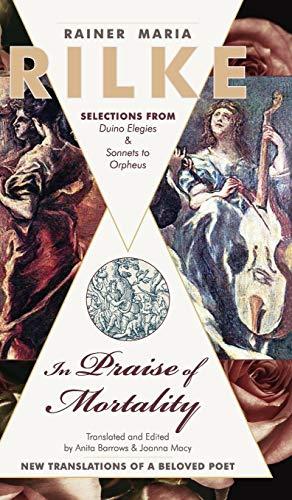
Selections from Rainer Maria Rilke's Duino Elegies and Sonnets to Orpheus
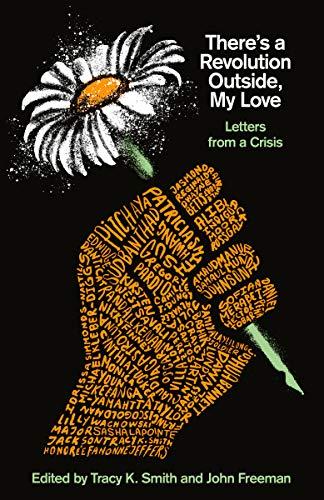
Letters from a Crisis
This book is a collection of 40 pieces spanning a wide range of BIPOC voices, offering a searching look at the meaning of racial catharsis. It was co-edited by Tracy K. Smith and featured contributions from various authors, including Michael Kleber-Diggs.
The pandemic memoirs began almost immediately, but now comes another kind of offering. A searching look at the meaning and possibilities in the racial catharsis to which the pandemic in some sense gav...
— Episode: Tracy K. Smith and Michael Kleber-Diggs...
This book is a collection of 40 pieces spanning a wide range of BIPOC voices, offering a searching look at the meaning of racial catharsis. It was co-edited by Tracy K. Smith and featured contributions from various authors, including Michael Kleber-Diggs.
The pandemic memoirs began almost immediately, but now comes another kind of offering. A searching look at the meaning and possibilities in the racial catharsis to which the pandemic in some sense gave birth and voice and life.
Tracy K. Smith co-edited the book, There's a Revolution Outside, My Love, Letters from a Crisis. She joins me together with Michael Kleber-Diggs, who contributed to that work.
But the 40 voices in this volume span an array of BIPOC lives and perspectives from Edwidge Danticat to Reginald Dwayne Betts, from Lely Longsoldier to Ross Gay to Julia Alvarez.
Today I'm with Tracy K. Smith and Michael Kleber-Diggs. They have contributed to a stunning book of 40 BIPOC voices looking inward and outward, backwards and forwards from inside the racial catharsis at this pivotal time to be alive.
And the title of this collection is There's a Revolution Outside My Love.
This book is a collection of 40 pieces spanning a variety of BIPOC voices; it reflects on the Black experience of 2020 and the murder of George Floyd. It was described as a searching look at the meaning and possibilities in the racial catharsis of the time.
The pandemic memoirs began almost immediately, but now comes another kind of offering. A searching look at the meaning and possibilities in the racial catharsis to which the pandemic in some sense gave birth and voice and life.
Tracy K. Smith co-edited the book, There's a Revolution Outside, My Love, Letters from a Crisis.
But the 40 voices in this volume span an array of BIPOC lives and perspectives from Edwidge Danticat to Reginald Dwayne Betts, from Lely Longsoldier to Ross Gay to Julia Alvarez.
This book is a collection of 40 essays from various BIPOC voices, offering a look at the racial catharsis that emerged during the pandemic. The podcast hosts discussed the book's significance and the contributions of two of its contributors.
This book feels heavy in an appropriate way.
it's not just looking back.
History is upon us... its hand against our back.
I see you in all your forms, Black America. And I feel inside me a welling up of pride, reverence and fierce protection.
We are sick and tired. We are fearsome. We are fire. Like God, we are that we are.
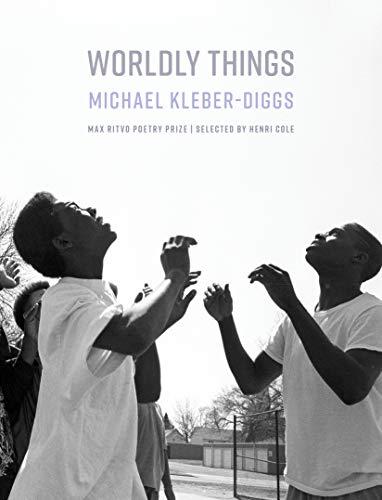
This is Michael Kleber-Diggs' debut poetry collection, which was mentioned as being recently published.
He lives, as do I, in St. Paul and is just publishing his first book of poetry.
— Episode: Tracy K. Smith and Michael Kleber-Diggs...
This is Michael Kleber-Diggs' debut poetry collection, which was mentioned as being recently published.
He lives, as do I, in St. Paul and is just publishing his first book of poetry.
And I'm really excited about just sinking back into Michael's voice and I'm really excited about his book, Worldly Things.
His debut collection of poetry is called Worldly Things.
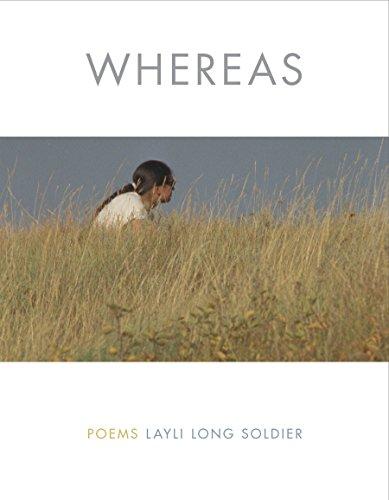
Poems
It is a book of poetry exploring the freedom that real apologies can bring, specifically in response to the U.S. government's 2009 apology to Native peoples. The author used constraints, such as writing in the first person and focusing on living memory, to shape the work.
Lely Long Soldier's lyrical first book, WHEREAS, explores the freedom real apologies can bring, and offers entry points for us all to histories that are not merely about the past.
— Episode: Layli Long Soldier — The Freedom of Real...
It is a book of poetry exploring the freedom that real apologies can bring, specifically in response to the U.S. government's 2009 apology to Native peoples. The author used constraints, such as writing in the first person and focusing on living memory, to shape the work.
Lely Long Soldier's lyrical first book, WHEREAS, explores the freedom real apologies can bring, and offers entry points for us all to histories that are not merely about the past.
WHEREAS received multiple awards, including the Whiting Award, and it was a finalist for the National Book Award.
I've often said that I felt like this was a project of constraints. So when I sat down to work on this response, there were a lot of constraints that I placed on myself. And one of those was that I wanted all of the pieces to be written, number one, through first person, I. But number two, all of them had to be within living memory. I did not want to jump back 100 years.
I really wanted it to be grounded in the now, at least within my own lifetime. And I wanted as much as possible to avoid this sort of nostalgic portraiture of a Native life or life, my life.
In American culture, we've started to entertain some new kinds of language like truth and reconciliation. And is that something we might think about? With Native Americans, with slavery, or reparations, or, you know, words like redemption.
It is a collection of poems responding to the U.S. government's 2009 official apology to Native peoples; the author discussed the constraints she placed upon herself when writing it, including writing it in the first person and grounding it within her lifetime to avoid nostalgia.
WHEREAS Her Birth Signaled the Responsibility as a Mother to Teach What it Is to be Lakota.
in the arena of witness and longing
a fearless polyphonic crossing of cultures and languages in the service of both tenderness and trenchant critique
when offered an apology, I watch each movement, the shoulders high or folding tilt of the head, both eyes down or straight through. I don't know, I hope I listen for cracks and knuckles in the word choice.
Note: The book recommendations on this page are discovered automatically from podcast transcripts, and may be incorrect or incomplete.
Podcast Name