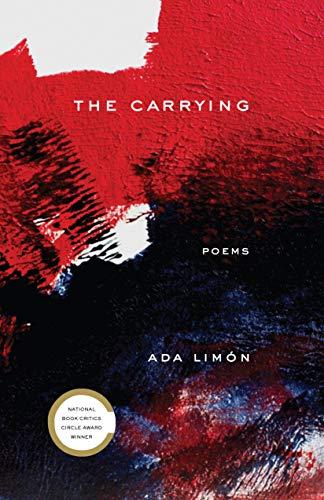
The Carrying
Ada Limón
Mentioned 2 years ago
“The End of Poetry” by Ada Limón
Wisdom to replenish and orient in a tender, tumultuous time to be alive. Spiritual inquiry, science, social healing, and poetry. Conversations to live by. With a 20-year archive featuring luminaries like Mary Oliver, Thich Nhat Hanh, and Desmond Tutu, each episode brings a new discovery about t...
Recently mentioned
Ada Limón
Mentioned 2 years ago
“The End of Poetry” by Ada Limón
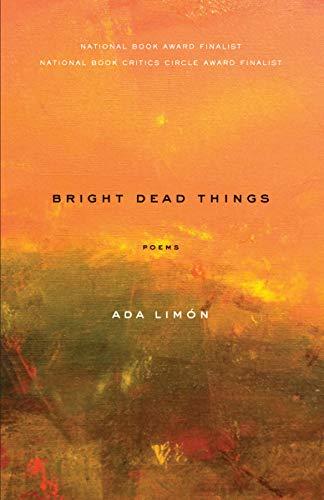
Ada Limón
Mentioned 2 years ago
“The End of Poetry” by Ada Limón
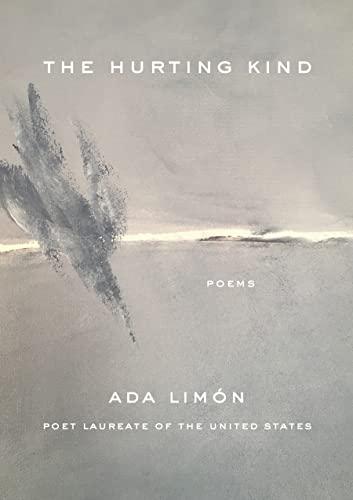
Ada Limón
Mentioned 2 years ago
“The End of Poetry” by Ada Limón
David Nicholls
Mentioned 2 years ago
“The End of Poetry” by Ada Limón
Atul Gawande
Mentioned 2 years ago
Atul Gawande — On Mortality and Meaning
Cixin Liu
Mentioned 2 years ago
Atul Gawande — On Mortality and Meaning
Royce Josiah
Mentioned 2 years ago
Atul Gawande — On Mortality and Meaning
Atul Gawande
Mentioned 2 years ago
Atul Gawande — On Mortality and Meaning
Elizabeth Alexander
Mentioned 2 years ago
“Ars Poetica #100: I Believe” by Elizabeth Alexander
Padmasambhava
Mentioned 2 years ago
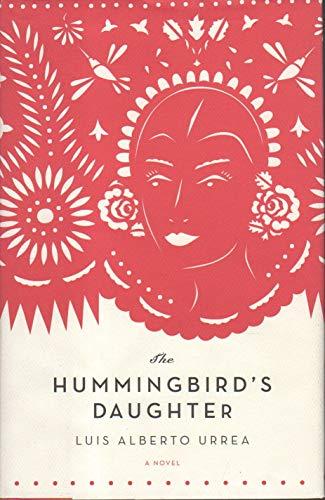
Luis Alberto Urrea — On Our Belonging to Each Other
Luis Alberto Urrea
Mentioned 2 years ago
Luis Alberto Urrea — On Our Belonging to Each Other
Luis Alberto Urrea
Mentioned 2 years ago
Luis Alberto Urrea — On Our Belonging to Each Other
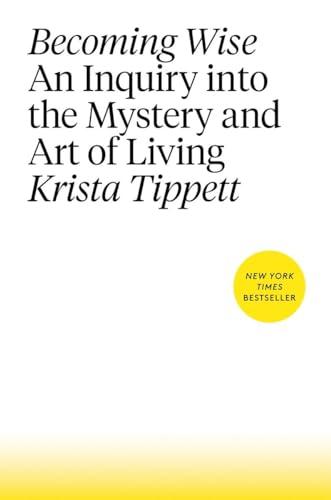
An Inquiry into the Mystery and Art of Living
The title was repeatedly highlighted as Krista Tippett's New York Times bestseller, with hosts and guests such as Rebecca Traister and Pico Iyer praising it as a beautiful, eloquent and passionate call to hope and action. It was described as offering a grounded, fiercely hopeful vision of humanity, challenging dogma across science, politics, philosophy and religion while affirming the holiness of the body and the inquisitive mind.
Krista Tippett's book was described as a beautiful book by Rebecca Traister.
Her last book was Becoming Wise, an Inquiry into the Mystery and Art of Living, which is a really beautiful book.
Tippett's book explores the mystery and art of living, reflecting on her own experiences and conversations with various individuals. It's mentioned as one of her published works.
Becoming Wise, an Inquiry into the Mystery and Art of Living,
It was named a best book of the year by the Washington Post; the paperback release was announced in the podcast.
On Being is supported in part by Penguin Books, announcing the paperback release of Krista Tippett's New York Times bestselling book, Becoming Wise and inquiry into the mystery and art of living.
The Washington Post named it a best book of the year, demonstrating how the longing to lead a good life, a moral life, remains powerful and pervasive in our day. Find the paperback wherever books are sold.
On being a supported in part by Penguin Books, announcing the paperback release of Chris Attippett's New York Times bestselling book, Becoming Wise and inquiry into the mystery and art of living.
The Washington Post named it a best book of the year, demonstrating how the longing to lead a good life, a moral life, remains powerful and pervasive in our day. Find the paper back wherever books are sold.
The book, "Becoming Wise," was mentioned in reference to an interview Krista Tippett did with Mark Steiner. Many attendees of the event reportedly already had a copy.
We had a program last night at the Aspen Wife Institute with Mark Steiner who came from Baltimore to interview Krista and about her book Becoming Wise which many of you have a copy of.
The paperback release of Krista Tippett's New York Times bestselling book, an inquiry into the mystery and art of living, was announced. It was named a best book of the year by the Washington Post.
Penguin Books, announcing the paperback release of Krista Tippett's New York Times bestselling book, Becoming Wise and inquiry into the mystery and art of living.
The Washington Post named it a best book of the year, demonstrating how the longing to lead a good life, a moral life, remains powerful and pervasive in our day.
Find the paperback wherever books are sold.
On being supported in part by Penguin books, announcing the paperback release of Chris Attippett's New York Times bestselling book, Becoming Wise and inquiry into the mystery and art of living.
The Washington Post named it a best book of the year, demonstrating how the longing to lead a good life, a moral life, remains powerful and pervasive in our day. Find the paper back wherever books are sold.
The book, "Becoming Wise", was mentioned in reference to an interview with Krista Tippett at the Aspen Wife Institute. Many attendees of the event reportedly already had a copy.
We had a program last night at the Aspen Wife Institute with Mark Steiner who came from Baltimore to interview Krista and about her book Becoming Wise which many of you have a copy of.
The Washington Post described it as challenging dogma in various fields and affirming the holiness of the body and inquiring mind. It was described as a New York Times Bestseller.
Becoming Wise challenges all forms of dogma, in science, politics and philosophy as well as religion, and it affirms the holiness of the body and the glory of the inquiring mind.
The Washington Post described it as challenging dogma in science, politics, philosophy, and religion, while affirming the holiness of the body and the inquiring mind. It was said to be available wherever books are sold.
The Washington Post says, Becoming Wise challenges all forms of dogma, In science, politics and philosophy, as well as religion, And it affirms the holiness of the body and the glory of the inquiring mind. Available now wherever books are sold.
It was described as Krista Tippett's most eloquent and passionate book yet, a call to hope and action exploring how age-old issues take new forms in the 21st century.
her brand new book, Becoming Wise, is for me her most eloquent and passionate book yet. And it's really a call to hope, and a call to action.
So it is an incredible thrill to welcome Christa to Santa Barbara.
It was described as Krista Tippett's most eloquent and passionate book yet, a call to hope and action exploring how age-old issues take new forms. The book also discusses the contradictions in her family and the importance of questioning.
But her brand new book, Becoming Wise, is for me her most eloquent and passionate book yet. She's really a call to hope and a call to action.
I think in this book you write, we are living breathing both hands. And that seems again, so the essence of the way you see the world.
And in fact, you were saying on our way over here that there are old truths but there are also old truths that we've forgotten. And that's one of them because it sounds so self-evident.
Yes. And people have been asking me these last few days I had to find wisdom because even though I wrote a book with the word wise and the title I don't ever say this is wisdom.
I think one of the bravest things that you do in your writing is I'm guessing your fairly shy person despite your position in the public. And you write about the difficulties in your own life.
The book was described as offering a grounded and fiercely hopeful vision of humanity for the 21st century, encompassing personal growth, renewed public life, and spiritual evolution.
On Being is supported in part by Penguin Press, the publishers of Becoming Wise and inquiry into the mystery and art of living. Krista Tippett's book offers a grounded and fiercely hopeful vision of humanity for this century, of personal growth, renewed public life, and human spiritual evolution.
It was described in a Washington Post review as challenging dogma in various fields and affirming the holiness of the body and the inquiring mind. The book's promotion was included in the podcast.
The Washington Post says, Becoming Wise challenges all forms of dogma, in science, politics and philosophy as well as religion, and it affirms the holiness of the body and the glory of the inquiring mind.
Available now, wherever books are sold.
It was described as challenging dogma in various fields and affirming the holiness of the body and the inquiring mind. The Washington Post's review was mentioned.
Becoming Wise challenges all forms of dogma, In science, politics and philosophy, as well as religion, And it affirms the holiness of the body and the glory of the inquiring mind.
It was described as Krista Tippett's most eloquent and passionate book yet, a call to hope and action exploring age-old issues in new forms.
her brand new book, Becoming Wise, is for me her most eloquent and passionate book yet. And it's really a call to hope, and a call to action.
in some ways the whole thing is a meditation on that but it's it's I'm never kind of direct attacking it.
It was described as Krista Tippett's most eloquent and passionate book yet, a call to hope and action exploring how age-old issues take new forms in the 21st century. It also delves into the intersection between inner life and outer presence in the world, highlighting the importance of integrating hardships into wholeness.
But her brand new book, Becoming Wise, is for me her most eloquent and passionate book yet. She's really a call to hope and a call to action.
I think we learn to walk by falling down and it's a perfect reminder that we can't do anything I'm just feeling to fall.
And in fact, you were saying on our way over here that there are old truths but there are also old truths that we've forgotten. And that's one of them because it sounds so self-evident. Yes. But we go through life, pushing everyone aside as if we never knew it.
And I think one of the bravest things that you do in your writing is I'm guessing your fairly shy person despite your position in the public. And you write about the difficulties in your own life.
In the end, will be measured not by what we've accomplished but by how we love.
The book was described as offering a grounded and fiercely hopeful vision of humanity for this century, encompassing personal growth, renewed public life, and human spiritual evolution. It was published by Penguin Press.
On Being is supported in part by Penguin Press, the publishers of Becoming Wise and inquiry into the mystery and art of living. Krista Tippett's book offers a grounded and fiercely hopeful vision of humanity for this century, of personal growth, renewed public life, and human spiritual evolution.
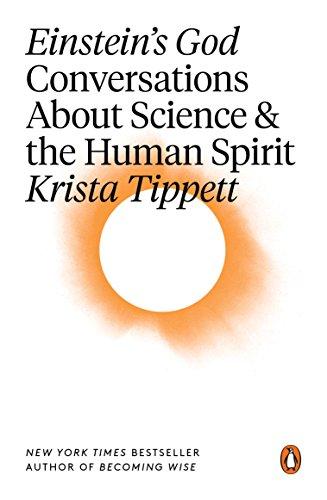
Conversations About Science and the Human Spirit
The host Krista Tippett and several guests repeatedly referenced the book as a best‑selling work that framed conversations between science and the human spirit, emphasizing its role in bridging religion and science. It was highlighted by Dan Harris, Pico Iyer, and others as one of Tippett’s notable publications and was promoted during speaking tours and announced as available in bookstores. The discussion conveyed a positive view of the title, noting its translation and accessibility for a wide audience.
It was mentioned as one of the books authored by Krista Tippett.
and she's a Peabody award winner a National Humanities medalist and a best-selling author of several books including becoming wise Einstein's God and Speaking of faith and she just dropped a new TED talk which I had the pleasure of seeing live and which you can watch by Clicking the link in the show notes
This book delves into conversations about science and the human spirit. It is mentioned in the introduction as one of Tippett's published works.
Einstein's God, Conversations about Science and the Human Spirit
This book was mentioned as orchestrating a dialogue between religion and science. It was said to be one of three books the author had produced.
Einstein's guard orchestrates a dialogue between religion and science, but her brand new book, becoming wise, is for me her most eloquent and passionate book yet.
This book was mentioned as orchestrating a dialogue between religion and science. It was one of three books the speaker had produced at the time of the interview.
Einstein's guard orchestrates a dialogue between religion and science, but her brand new book, becoming wise, is for me her most eloquent and passionate book yet.
The book was mentioned in the context of a previous conversation. The speaker expressed appreciation for its exploration of the intersection of God and science.
I had actually finished your book about three weeks ago. Are there Einstein's God?
This book, based on Krista Tippett's interviews with scientists, explores the spiritual sensibilities of scientists, particularly Albert Einstein. It was mentioned as having been translated and published in Turkey.
There's a book that I wrote that came out of my interviews with scientists. It's been translated in Published in Turkey.
Einstein's God? Yes. That's a small publisher, I think it's a small piece.
Krista Tippett mentioned having recently finished reading this book three weeks prior to the interview, and that it had been on her mind since.
I had actually finished your book about three weeks ago. Are there Einstein's God?
This book, based on the author's interviews with scientists, explores Einstein's spiritual sensibility, which included a belief in some organizing principle or intelligence behind the universe, but not necessarily a personal God who interferes with the laws of physics. The book was mentioned in the context of a discussion about science and spirituality.
There's a book that I wrote that came out of my interviews with scientists. It's been translated in Published in Turkey.
Einstein's God? Yes. That's a small publisher, I think it's a small piece.
Like God doesn't throw dice from that kind of line. Yeah, but actually that one is... That's the one everybody knows, but that one was... That was actually not at the elementary school statement.
The speaker mentioned this book as a past project, comparing it to a child who has graduated college and is no longer requiring much attention.
Well, I've already, that's one that's like my child that's graduated in gunned college and I don't think about anymore.
Krista Tippett's book, Einstein's God, explores the interplay between scientific and spiritual questions, discussed in a Philadelphia event and in a conversation with NPR's Michelle Martin. It was mentioned as being available in bookstores.
Announcing Chris de Tipit's new book, Einstein's God, Conversations about science and the human spirits available in bookstores now.
On April 27th, I'll be speaking in Philadelphia about the interplay between scientific and spiritual questions, not as argued but as lived. This is a thrilling topic to me and it's the subject of my new book, Einstein's God.
The Philadelphia event is sold out, but you can still have a front row seat by way of the free live video stream on our website. There you can also check out video footage of my recent Einstein's God conversation with NPR's Michelle Martin in Washington, D.C.
Krista Tippett's book, Einstein's God, explores conversations about science and the human spirit; it was mentioned in the podcast as being available in bookstores.
American public media, announcing Chris Dittipit's new book, Einstein's God, conversations about science and the human spirit available in bookstores now.
I'm speaking in a few cities this month about the interplay between scientific and spiritual questions not as argued but as lived the subject of my new book Einstein's God.
And in the coming weeks I'll be in Boston and Philadelphia taking your questions about Einstein's God.
This book, based on the podcast, was announced as being available in bookstores. It includes conversations about science and the human spirit, as well as other previously aired programs.
Announcing Christopher's new book, Einstein's God, conversations about science and the human spirits available in bookstores now.
We've turned 10 of them into a book, Einstein's God, with this program you've just heard at its core and in readable form.
It's out now direct in paperback as an affordable resource for individuals and groups of every size.
The book, mentioned by the host Krista Tippett, explores the interplay between scientific and spiritual questions, not as argued but as lived experiences. It was promoted during the podcast episode and is available in bookstores.
Announcing Chris de Tipit's new book, Einstein's God, Conversations about science and the human spirits available in bookstores now.
On April 27th, I'll be speaking in Philadelphia about the interplay between scientific and spiritual questions, not as argued but as lived. This is a thrilling topic to me and it's the subject of my new book, Einstein's God.
Krista Tippett's book, Einstein's God, explores conversations about science and the human spirit. It was mentioned as being available in bookstores.
American public media, announcing Chris Dittipit's new book, Einstein's God, conversations about science and the human spirit available in bookstores now.
I'm speaking in a few cities this month about the interplay between scientific and spiritual questions not as argued but as lived the subject of my new book Einstein's God.
And in the coming weeks I'll be in Boston and Philadelphia taking your questions about Einstein's God.
This book, based on the podcast, contains conversations about science and the human spirit, making it available to a wider audience.
Announcing Christopher's new book, Einstein's God, conversations about science and the human spirits available in bookstores now.
We've turned 10 of them into a book, Einstein's God, with this program you've just heard at its core and in readable form.
It's out now direct in paperback as an affordable resource for individuals and groups of every size.
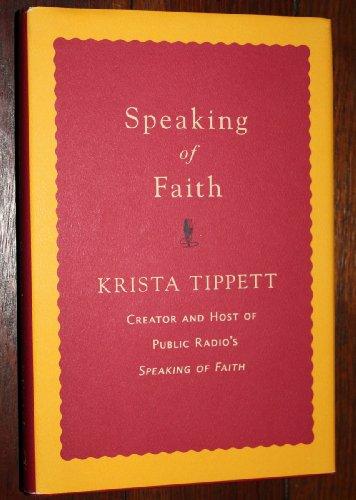
The book was repeatedly highlighted as Krista Tippett's memoir that explores her personal journey, the role of faith, and the practice of deep listening across diverse traditions. Krista herself read excerpts on several episodes, while hosts and guests such as Dan Harris and Pico Iyer referenced it as a key work in her oeuvre, noting its recent paperback release with an index and reader's guide and its availability as an audiobook. The podcast consistently presented it as a valuable resource for understanding why religion matters and how to discuss it.
It was mentioned as one of the books authored by Krista Tippett.
and she's a Peabody award winner a National Humanities medalist and a best-selling author of several books including becoming wise Einstein's God and Speaking of Faith and she just dropped a new TED talk which I had the pleasure of seeing live and which you can watch by Clicking the link in the show notes
This memoir, written by Krista Tippett in 2006, was described as a purging experience and a reflection on a past self.
I wrote a book. Yeah, I have published, well, I wrote one book that's a written book, which is a memoir, which I didn't know this. Yeah, it's called Speaking of Faith.
This book takes the reader into the author's life and vision, and her work. It was mentioned as one of three books produced by the author.
She has produced three books so far, speaking on faith takes us into her life and her vision, her work.
This book takes readers into Krista Tippett's life and vision of her work. It was one of three books mentioned as having been produced at the time of this interview.
she's produced three books so far, speaking on faith takes us into her life and her vision, her work.
The book was mentioned as being available in an updated and expanded paperback edition with a reader's guide.
now in an updated and expanded paperback edition with reader's guide in bookstores everywhere
The book, now available in paperback with an index and readers' guide, was mentioned at the end of the podcast.
Krista Tippett's new book Speaking of Faith why religion matters and how to talk about it now on paperback with an index and readers guide in bookstores this Tuesday
The book, now in an updated paperback edition, was discussed as it is relevant to the conversation's themes of faith and public life.
now in an updated and expanded paperback edition with reader's guide in bookstores everywhere
The book was mentioned in the closing segment of the podcast, and listeners were informed of its paperback release with an index and readers' guide.
now on paperback with an index and readers guide
Krista Tippett's book, now available in paperback, explores the importance of religion and how to discuss it. It was announced as available in paperback with an index and reader's guide.
Speaking of Faith, Why Religion Matters and How to Talk About It. Now in paperback with an index and readers guide in bookstores on January 29th.
The author read from her book, which chronicles a change of mind and a discipline of listening that keeps her mind and spirit stretching. It explores places in human experience that politics cannot analyze or address.
This book is a chronicle of a change of mind and of a discipline of listening that keeps my mind and my spirit stretching.
There are places in human experience that politics cannot analyze or address, and they are among our raw, essential, heartbreaking, and life-giving realities.
Listening for the Voice of Vocation
The book was highlighted as one of Parker Palmer's most influential works, particularly for its essay on depression that resonated with the hosts' own experiences. Krista Tippett and guest David Isay both recommended it, noting that its title could serve as a mission statement for their work on listening and authentic communication. The discussions conveyed strong approval of its insights and impact.
The book contains an essay on depression, which the speaker had previously read in "Weavings." It was discussed extensively in relation to Palmer's experiences with clinical depression.
I read it in Weavings and then again in Let Your Life Speak.
As I say in Let Your Life Speak, in the chapter on depression, people walk around saying, I don't understand why so-and-so committed suicide.
The book was mentioned as containing an essay on depression, which the speaker had read and found eloquent. The speaker also mentions revisiting the topic of the soul and depression in the book, comparing the previous essay and the book's contents.
I read it in Weavings and then again in Let Your Life Speak.
You've written so eloquently about it and I'd be interested if there's anything that isn't in the book that seems important to you now or that if you've continued to reflect on this in different ways.
As I say in Let Your Life Speak, in the chapter on depression, people walk around saying, I don't understand why so-and-so committed suicide.
The book was mentioned as a potential mission statement for the work of StoryCorps and listening. The speaker said it was an influential work.
Let Your Life Speak
The book was recommended to David Isay earlier and was described as having been an influence on him. It's title was suggested as a possible mission statement for both Krista Tippett and David Isay.
You said you should read Parker Palmer. Yes, quicker author right. Yeah, which I did and that was uh that was an an influence as well. You know I think of um there's that um quote uh that I and again I don't know if this is a impactful story or not but there's the story about um Dan Rather uh interviewing mother Teresa and he asked her what she said during her prayers and she said I listen and uh rather than said well then what does God say to you and she said he listens.
And that's the one quote one quote I can give back to you. Yeah yeah and that title of Parker Palmer's book it's a little book Let Your Life Speak. Yep. Also you know it could be a it could be like a mission statement for you or me you know I mean that we let live speak um Absolutely
This book by Parker Palmer was recommended as an influential text, implying it provided insights into the themes of the conversation, namely listening and speaking authentically.
You know I think of there's that quote and again I don't know if this is a powerful story or not but there's the story about Dan Rather interviewing mother Teresa. And he asked her what she said during her prayers and she said I listen and rather than said well then what does God say to you and she said he listens.
That title of Parker Palmer's book, Let Your Life Speak.
It was recommended to David Isay, and he found it influential in his work with StoryCorps. The book's title was mentioned as a possible mission statement.
Let Your Life Speak
Mass Incarceration in the Age of Colorblindness
The book was repeatedly highlighted as a crucial, challenging work on mass incarceration and its racial impacts, with guests such as Vincent Harding and Amy Ray urging listeners to grapple with its ideas in churches, schools, and public discourse. Krista Tippett and author Michelle Alexander discussed how the title reshaped the national conversation, introduced new terminology, and became an essential text for understanding systemic injustice. The overall tone was one of strong endorsement, presenting the work as extraordinary and indispensable for anyone examining race and the criminal‑justice system.
It was described as a marvelous and challenging work about mass incarceration and its impact on young people of color and American society. The speaker strongly recommended it for discussion in various settings.
Michelle Alexander has written this marvelous, challenging work called The New Jim Crow on mass incarceration and what it is doing to especially the young people of color in American society. And therefore, of course, what it's doing to American society. I think that's a book that people ought to wrestle with in churches and schools and on public radio programs like this.
Amy Ray recommended this book, which discusses mass incarceration of African Americans and explores the parallels between systemic racism and the lasting impacts of prejudice and discrimination, similar to those faced by the LGBTQ+ community. The discussion highlighted its relevance to understanding the persistence of social injustice and the slow pace of change.
Amy turned me on to this book, The New Jim Crow by Michelle Alexander. And I mean, they're just about mass incarceration of African-Americans, if you don't know that book.
The book was referenced to support the speaker's argument about mass incarceration being rooted in racial injustice; the libertarian movement's role in pushing for criminal justice reform was highlighted.
as Michelle Alexander writes so beautifully in The New Jim Crow, the mass incarceration state was one that was created and promulgated really based on. You know racial injustice and the libertarian movement which is so. So predominantly at least in my experience of it white men.
It became a source of national discussion and reflection after its publication in 2010; it details mass incarceration in the age of colorblindness and includes shocking stories, but also conveys hope for change.
I think, you know, for so many ways the whole process of writing this book and touring and speaking to a wife. Speaking to a wide range of people, I've spoken in prisons, I've spoken in churches, judicial conferences, you know, interacting with. Why range of people who, you know, are all kind of slowly awakening to the reality of what we as a nation have done.
Again, you know, we've done this thing as a nation and you know, I think for me one of the reasons that I'm so have become so passionate about this issue is that I think in many ways how you respond to the crisis of mass incarceration in the United States is really critical test for American democracy.
Yes, and I guess you know, your book The New Jim Crow is, you know, it's just extraordinary and it's become a really important text.
I think this is it. He says you know this is the crime of which I accused my country and my country and it is their innocence which constitutes the crime. Another is a form of culpability.
She published The New Jim Crow, Mass and Carceration in the Age of Colorblindness in 2010 and it's gradually become a phenomenon, a source of national discussion and reflection.
It was described as an extraordinary and important text that changed the narrative and vocabulary around mass incarceration, prompting a new conversation about race and justice. The book detailed the ways in which the war on drugs perpetuated racial inequality and created a new system of social control.
I think that what's often lost in the telling of that history is that there was a brief moment. And we were in the populist era where you know freed slaves and their descendants joined together with poor and working class whites.
And that brief moment of interracial unity and solidarity for economic justice was destroyed by a small number of political elites, political and economic elites who were threatened by that movement and felt that Jim Crow segregation laws would be the best way to drive a wedge through that movement and that by disenfranchising black people, stripping them of the right to vote. White swit before us to turn against their former black allies.
And then we had the period of Jim Crow segregation, which I think is far more brutal, psychologically and economically than many people would even want to admit today.
And I guess, you know, your book, The New Jim Crow is, you know, it's just extraordinary and it's become a really important text.
I mean, really you've, it's inserted language and to think, you know, that's become that phrase, The New Jim Crow has meaning and it has, it has, it's changed, changing narrative and vocabulary and has policy and vocational and so I think, so we will talk about that and the ideas that you've brought forward.
It became a source of national discussion and reflection after its publication in 2010; the book details mass incarceration in the age of colorblindness.
And so, what was this? What, what, what, so I guess that, where was in the early 60s? Yeah, so you know, I was raised with the understanding that faith and church are not synonymous.
Yeah, I thought that was hyperbole. I, you know, shook my head and said, yeah, you know, criminal justice system is racist in a lot of ways, but it doesn't help to make such absurd comparisons to Jim Crow people just think you're crazy.
You know, in this so-called era of color blindness, we've managed to create this vast new system of racial and social control that has relegated tens of millions of people to a second class status.
He says you know this is the crime of which I accused my country and my country and it is their innocence which constitutes the crime.
And then I hopped on the bus and headed to my new job as director of the racial justice project for the ACLU and California.
It was described as an extraordinary and important text that changed the narrative, vocabulary, and policy around mass incarceration. The book's central concept, "The New Jim Crow," became a significant phrase in discussions of racial justice.
I'm officially off the road right now, which feels good.
But it's a very strange moment on my part.
I think my brain slowed down, such a glacial pace in those years.
I mean, really you've, it's inserted language and to think, you know, that's become that phrase, The New Jim Crow has meaning and it has, it has, it's changed, changing narrative and vocabulary and has policy and vocational and so I think, so we will talk about that and the ideas that you've brought forward.
I was raised to believe that...we are on the right path and we may have a long way to go, but we are on the right path.
The book was repeatedly cited as one of Alain de Botton's earlier titles, serving as a brief reference point for his broader body of work on philosophy and everyday life, but the hosts did not delve into its content or offer a specific endorsement.
What on Earth Am I Here For?
The book was highlighted both for its surprising political connection—being a daily read of a former vice‑presidential candidate—and for its extraordinary commercial success, having sold tens of millions of copies worldwide and been translated into dozens of languages. Krista Tippett and her guests, including Amy Sullivan and the Warrens, described how the title originated as a discussion series for a congregation and grew into a bestseller that shaped evangelical discourse. The conversation emphasized its cultural impact rather than offering a direct endorsement.
It was mentioned that John Edwards, John Kerry's running mate at the time, had a copy of this book and read it every day. This detail was discovered after the fact and was not shared by the campaign.
And what a lot of people don't know is that John Kerry attends mass whenever he possibly can, which is at least once a week. And is informed quite a bit by Catholic social teaching, and yet was extremely uncouchable talking about it.
And this was a detail I found out after the fact by someone who had seen it in his office, it was certainly not something that the campaign ever thought was relevant or that voters would want to know about.
This book, originally intended as a discussion series to encourage deeper faith and mission, achieved phenomenal sales in Christian bookstores and through Warren's online network, eventually approaching 35 million copies sold and translated into 60 languages. It was released in 2002, exactly one year after 9/11.
The Purpose Driven Life came out on 9-11, 2002.
It was mentioned that John Edwards, a 2004 presidential candidate, owned a copy of this book; however, it was not considered relevant information for voters by his campaign.
has a leather bound embossed copy of The Purpose Driven Life by Rick Warren, which is a book read by millions and millions of Americans.
It was mentioned that John Edwards, John Kerry's running mate at the time, had a leather-bound copy of this book, which he read every day. This detail was discovered after the fact and was not considered relevant by the campaign.
And he reads it every day.
It was originally conceived as a discussion series to help his congregation deepen their faith and mission. It later became a best-selling book, with sales approaching 30 million copies and translated into over 60 languages.
What Rick Warren calls the purpose-driven paradigm is based on a course of study that accompanies his 2002 book, The Purpose Driven Life.
Warren originally conceived this book as a discussion series to mobilize his congregation toward deeper levels of personal faith and mission in the world, Christian Purpose.
Though The Purpose Driven Life did not immediately show up on major bestseller lists, it sold in bulk at phenomenal levels in Christian bookstores and through Warren's global online network of pastors.
Sales are now approaching 30 million.
A table in Rick Warren's office is lined with copies of the book in some of the 60 languages into which it has now been translated.
It was originally conceived as a discussion series to help his congregation deepen their faith and mission. It later became a phenomenal bestseller, selling millions of copies and translated into many languages.
What Rick Warren calls the Purpose Driven Paradeime is based on a course of study that accompanies his 2000 to book The Purpose Driven Life.
Warren originally conceived this book as a discussion series to mobilize his congregation toward deeper levels of personal faith and mission in the world.
Though The Purpose Driven Life did not immediately show up on major bestseller lists, it sold in bulk at phenomenal levels in Christian bookstores and through Warren's global online network of pastors.
Sales are now approaching 35 million.
A table in Rick Warren's office is lined with copies of the book in some of the 60 languages into which it has now been translated.
It is one of the best-selling books in history. The book was mentioned in relation to Rick Warren's influence in conservative circles and his work with his wife addressing poverty and AIDS.
next week we'll speak with The Purpose Driven Life author and entrepreneurial pastor rick warren
rick warren is the author of The Purpose Driven Life one of the best-selling books in history and he built and leads one of the largest churches in the u.s.
It was described as a surprisingly successful book, exceeding expectations and impacting many people, both believers and non-believers; its success led to unexpected challenges and a turning point in the authors' lives.
It took me 12 hours a day for seven months to write that book starting at about five in the morning to five in the afternoon
There's not a single new thought in purpose driven life that hasn't been said in historic christianity for 2000 years not one
I simply said it in a simple way and in an organized way I have an ability to take a lot of ideas and synthesize them in a simple way
It was a total surprise. I mean nobody could have imagined that
Publishers weekly said it's the best selling hardback in america history
It was originally conceived as a discussion series to help his congregation deepen their faith and mission. It later became a phenomenal bestseller, selling millions of copies worldwide and being translated into numerous languages.
After the phenomenal sales of Rick Warren's book The Purpose Driven Life, Kay Warren became a bridge-building activist on AIDS.
Rick Warren is best known as pastor of one of the largest churches in the U.S. and author of one of the world's best-selling books, The Purpose Driven Life.
What Rick Warren calls the purpose-driven paradigm is based on a course of study that accompanies his 2002 book, The Purpose Driven Life.
it sold in bulk at phenomenal levels in Christian bookstores and through Warren's global online network of pastors. Sales are now approaching 30 million.
A table in Rick Warren's office is lined with copies of the book in some of the 60 languages into which it has now been translated.
It is one of the best-selling books in history. It was mentioned in relation to Rick Warren's influence in conservative circles.
Next week we'll speak with The Purpose Driven Life author and entrepreneurial pastor rick warren together with his wife k she's become a bridge building force in the global fight against aids the warrens are a rising influence primarily in traditionally conservative circles
Rick Warren is the author of The Purpose Driven Life one of the best-selling books in history and he built and leads one of the largest churches in the u.s.
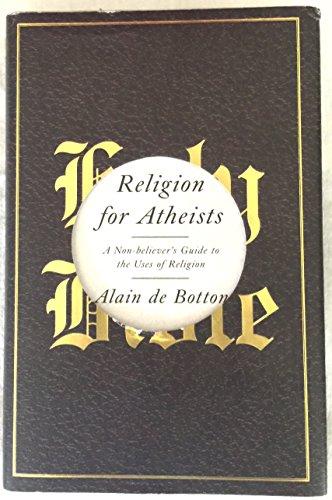
A Non-believer's Guide to the Uses of Religion
The title was repeatedly highlighted by host Krista Tippett and guest Alain de Botton as a guide for non‑believers to draw practical wisdom, moral frameworks, and communal rituals from religious traditions. Throughout the episodes they emphasized that the most unproductive question about religion is whether it is true, arguing instead for a “reverse colonization” where atheists adopt the useful aspects of faith. The discussion was uniformly positive, presenting the work as a valuable resource for anyone seeking meaning beyond belief.
The podcast centers around this book, exploring its central theme of finding wisdom and meaning in religious traditions for non-believers. It was described as having an unusual statement, that the most boring question one can ask about religion is if it is true.
the most boring and unproductive question one can ask of any religion is whether or not it is true
This book explores the valuable aspects of religion that can be appreciated and utilized by atheists, focusing on the practical wisdom and moral guidance offered by religious traditions.
the most boring and unproductive question one can ask of any religion is whether or not it is true
the atheists look at the religious and think that they're stupid and the religious look at the atheists and think that they're damned and both sides at fiercely entrenched.
the most boring question you can ask of any religion is whether it is true, but how to live, how to die, what is good and what is bad, these are questions religion has sophisticated ways of addressing.
I don't think atheists have spiritual lives too.
many of these bits of religion do impact me greatly. I don't know what it would be like to be part of a community and actually believe or to look at religious art and actually believe in it etc.
The book explores the valuable aspects of religious traditions that can benefit atheists, focusing on the importance of morality and community.
The most boring and unproductive question one can ask of any religion is whether or not it is true.
I'm arguing that non-believers today can do a little bit of this with religion just as religion did it with them.
The human animal is crooked. We are slightly wrong and imperfectible.
The book explores the positive aspects of religious traditions, suggesting that even atheists can benefit from them. It argues that the question of whether a religion is true is less important than its practical value.
The most boring and unproductive question one can ask of any religion is whether or not it is true.
The argument about whether God does or doesn't exist is I think ultimately one, when most individuals are not rationally aware of their reasons for believing in what they believe.
Religions are aware that our minds are like sieves. If you tell someone something once it will just fly out of their mind immediately. What you need to do is repeat lessons...
With no evident awareness of the contradictions they may in the same breath, the gruffly dismissable leaf and angels while sincerely trusting in the combined powers of the IMF, the medical research establishment, Silicon Valley, and democratic politics could together cure the ills of mankind.
The Catholic idea of original sin, fascinating idea, beautiful idea starts from the notion that the human animal is crooked. We are slightly wrong and imperfectible.
The book's title was mentioned, and the speaker explained that the most boring question to ask about religion is whether or not it is true. The book explores the value of religion's wisdom and practices for atheists.
the most boring and unproductive question one can ask of any religion is whether or not it is true
The book explores the valuable aspects of religion that can benefit atheists, suggesting that the most unproductive question to ask about religion is whether it's true and focusing instead on the practical wisdom it offers.
the most boring and unproductive question one can ask of any religion is whether or not it is true
the most boring question you can ask of any religion is whether it is true, but how to live, how to die, what is good and what is bad, these are questions religion has sophisticated ways of addressing
The book explores the valuable aspects of religion that can benefit atheists, suggesting a "reverse colonization" where non-believers can adopt the positive elements of religious traditions. It challenges the common debate on the truth of religion, proposing that the question of God's existence is less important than the practical wisdom and ethical frameworks religions offer.
The most boring and unproductive question one can ask of any religion is whether or not it is true.
The argument about whether God does or doesn't exist is I think ultimately one, when most individuals are not rationally aware of their reasons for believing in what they believe.
Religions are aware that our minds are like sieves. If you tell someone something once it will just fly out of their mind immediately. What you need to do is repeat lessons, which is why all the faiths have calendars...
With no evident awareness of the contradictions they may, in the same breath, gruffly dismiss leprechauns and angels while sincerely trusting in the combined powers of the IMF, the medical research establishment, Silicon Valley, and democratic politics could together cure the ills of mankind.
I don't think atheists have spiritual lives, too. I think if it's then it ends up depending on how you're defining spiritual, but when we the assumption that they wouldn't or or an assertion by atheists that they don't is is part of what excludes Non-religious people from, as you say some of these really important things we grapple with in religion
It was discussed as a book that explores the valuable aspects of religious traditions, even for non-believers, focusing on the practical skills for life and moral atmosphere offered by religions, rather than just the belief in God. The book challenges the conventional debate on religion, suggesting that the question of its truth is less important than its practical value.
The most boring and unproductive question one can ask of any religion is whether or not it is true.
The argument about whether God does or doesn't exist is I think ultimately one, when most individuals are not rationally aware of their reasons for believing in what they believe.
I'm arguing for a kind of reverse colonization. In the same way that Christianity colonized the pagan world, absorbing its best elements, so I'm arguing that non-believers today can do a little bit of this with religion just as religion did it with them.
These religions at their highest points are their most complex and subtle moments are far too interesting to be abandoned merely to those who believe in them.
with no evident awareness of the contradictions they may in the same breath, the gruffly dismissable leaf and angels while sincerely trusting in the combined powers of the IMF, the medical research establishment, Silicon Valley, and democratic politics could together cure the ills of mankind.
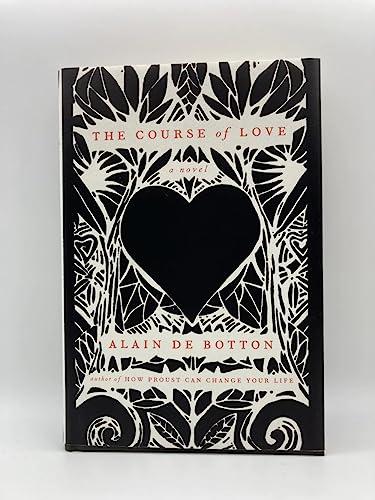
A Novel
Krista Tippett and Alain de Botton repeatedly highlighted the book as a nuanced exploration of modern love, presenting love as a skill that can be cultivated and critiquing romantic idealism. They noted its pedagogical narrative voice and the way it examined the challenges of long‑term relationships, such as the subtle project of self‑improvement between partners. The discussion conveyed a strong endorsement of its insightful perspective on love and relationships.
This novel was described as weaving a pedagogical narrative voice into its story of a relationship, highlighting themes of self-improvement and the challenges of maintaining love over time. Several quotes from this book were included in the podcast transcript, contributing to the discussion of the work of love and how expectations affect relationships.
There's your most recent book on this subject is The Course of Love, which is a novel.
And you said at one point their relationship is secretly yet mutually marked by a project of improvement, which I think we all recognize.
And you said at one point their relationship is secretly yet mutually marked by a project of improvement, which I think we all recognize. And then there's this moment where you say, after the dinner party, Robbie is sincerely trying to bring about an evolution in the personality of the wife he loves. But his chosen technique is distinctive to call Kirsten materialistic, to shout at her and then later to slam two doors.
I mean there's this wonderful line from The Course of Love about these two parents, the children, the tired child inside each of them is furious at how long it has been neglected and in pieces.
This novel was discussed as a more mature exploration of the author's ideas on love, emphasizing the importance of viewing love as a skill that can be learned and improved. It describes the complexities and challenges of long-term relationships.
their relationship is secretly yet mutually marked by a project of improvement
Robbie is sincerely trying to bring about an evolution in the personality of the wife he loves. But his chosen technique is distinctive, to call Kirsten materialistic, to shout at her, and then later to slam two doors.
the tired child inside each of them is furious at how long it has been neglected and in pieces.
This was described as a novel with the theme of modern love, and it critiques romanticism as an enemy of love.
romanticism is the single greatest enemy we face for love
This novel explores the theme of modern love and challenges romantic ideals, presenting a more realistic perspective on relationships.
The problem of modern love is one of his favorite topics and it's the theme of his novel The Course of Love.
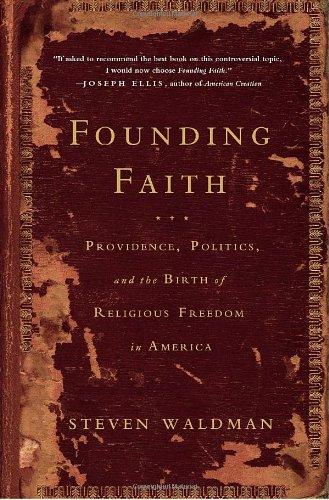
Providence, Politics, and the Birth of Religious Freedom in America
The title was highlighted during multiple conversations between host Krista Tippett and author Steven Waldman, with occasional input from Philip Hamburger. They noted that the book debunked the myth of a monolithic founding‑father stance on religion, revealing the surprising role of evangelical allies and the nuanced, often conflicted views that shaped early American religious liberty. Waldman emphasized that understanding these complexities could help move beyond using the founders as partisan props and encourage a wiser approach to contemporary church‑state debates.
The author's book explores the origins of the contemporary American culture wars and the role of religion in shaping American democracy. The book reveals surprising historical details about the founding fathers' views on religious liberty.
Anytime anyone starts a sentence with 'the founding fathers believed,' you should immediately have a lot of skepticism.
One of the things I learned is that there is no such thing as the founding fathers as a unitary block when it comes to these issues; they actually disagreed with each other.
Understanding Thomas Jefferson's take on faith means understanding a fury, it's fury.
The book explores the founding fathers' views on religious freedom, challenging common assumptions and revealing the complex interplay between faith and politics in shaping American religious liberty. It highlights the surprising alliances and disagreements among the founders regarding the separation of church and state.
I don't have your book in front of me. Remember what is the precise title?
Founding Faith. Providence politics and the birth of religious freedom in America.
I think the book you've done is different.
I had no idea how important and central the role of evangelical support for separation of church and state was. And I had no idea that they were such crucial allies of Madison and Jefferson.
It's a terrific book.
The book explores the origins of religious freedom in America, challenging common misconceptions and revealing the complex relationship between faith and the founding fathers. It highlights the surprising role of evangelical Christians in the fight for religious liberty and the diverse viewpoints among the founders on the separation of church and state.
Not a day would go by where I wouldn't get an email from some interest group or advocacy group on left or right, claiming that the founding fathers agreed with them about something.
It was always it was amusing because I'd have a liberal group one day saying the founding fathers agree with our position on parent school. I would get an email from a conservative religious Christian group saying the founding fathers obviously agree with us on this.
So I got curious about that and as I went deeper into it what I came to realize is that the culture wars, the kind of hostile attacks had so distorted our sense of history that we really didn't have the foggyest idea how we ended up with religious freedom in America.
I also just came to believe that a lot of what we believe about why we have religious freedom in America is wrong and that it's kind of an important thing for us to understand so we can treasure it.
Well first I say that when it comes to this topic anytime anyone starts a sentence with the founding fathers believed you should immediately have a lot of skepticism.
This book explores the founding fathers' views on religious freedom, challenging common assumptions and revealing the complex interplay between faith and politics in shaping American religious liberty. The author researched the spiritual lives of the founding fathers and how their personal beliefs affected their views on church and state.
I don't have your book in front of me. Remember what is the precise title?
Founding Faith. Providence politics and the birth of religious freedom in America.
I had no idea how important and central the role of evangelical support for separation of church and state was.
It's often talked about now it's like well if you don't have separation of church and state it's kind of hurt the political process. That was not Madison's primary concern Madison feared that if you didn't have separation of church and state it would warp and sap religion.
He said the separation of church and state worked because and we can see it because religion is thriving.
It is a journalistic and historical investigation into the volatile, gradual formation of a new relationship between religion and state in the US during the 18th and 19th centuries. The book explores the complexities of religious liberty in early America, revealing a far less harmonious picture than is usually presented.
It's a journalistic and historical investigation of the volatile, gradual formation of a new kind of relationship between religion and state in the US in the 18th and 19th centuries.
Is it therefore useless to study the founding fathers? Not at all, if we know how to use them properly. It's time we stopped using the founders as historical conversation stoppers. As in, 'I'm right and you can tell because the founding fathers agree with me.' Instead, we must pick up the argument that they began and do as they instructed. Use our reason to determine our views.
The mind, as Jefferson reminded us, is the only Oracle God gave us. Jefferson wanted people less dependent on the Bible. I would extend the idea, Walman writes, and urge us to be less dependent on Jefferson.
Many modern church-state questions fall into a constitutional gray zone, and squinting at the founding documents with greater intensity will not change that. We need to ask a different question, not 'Are these practices constitutional?' but 'Are they wise?'
freedom of conscience means not only the freedom to believe but also the freedom to change, not only the right to practice one faith but also the right to a spiritual journey.
It explores the American founders' views on religious freedom, challenging common misconceptions and revealing the complexities of their beliefs and the historical context of their time. The author delves into the founders' personal spiritual lives and how they influenced their views on church and state.
Founding Faith yeah providence politics and the birth of religious freedom in America
I had never heard of her before
She was that she was sentenced to death
The Jefferson Bible
Freedom of conscience means not only the freedom to believe but also the freedom to change
It explores the founding fathers' views on religious freedom and separation of church and state, challenging common assumptions and revealing the complex interplay of faith and reason in shaping American history. The author delves into the personal spiritual lives of these figures and their impact on their political decisions, particularly concerning religious liberty.
Founding Faith: Providence, politics, and the birth of religious freedom in America
Not a day would go by where I wouldn't get an email from some interest group or advocacy advocacy group on left or right claiming that the founding fathers agreed with them about something.
First there had been a number of books about the particular spiritual lives of the founding fathers and and that's fascinating Absolutely fascinating and I do go into that but I went out of from with a very particular question in mind Which was how did their personal spiritual lives affect Their views on the separation of church and state or on religious liberty.
Freedom of conscience means not only the freedom to believe but also the freedom to change Not only the right to practice one's faith, but also the right to a spiritual journey
Rebellion to tyrants Is obedience to god
It is a journalistic and historical investigation into the volatile, gradual formation of a new relationship between religion and state in the US during the 18th and 19th centuries. The book explores the complexities and contradictions of the founding fathers' views on religious freedom, challenging common assumptions.
It's a journalistic and historical investigation of the volatile, gradual formation of a new kind of relationship between religion and state in the US in the 18th and 19th centuries.
Is it therefore useless to study the founding fathers? Not at all, if we know how to use them properly. It's time we stopped using the founders as historical conversation stoppers. As in, I'm right and you can tell because the founding fathers agree with me. Instead, we must pick up the argument that they began and do as they instructed. Use our reason to determine our views.
The mind as Jefferson reminded us is the only Oracle God gave us. Jefferson wanted people less dependent on the Bible. I would extend the idea, Walman writes, and urge us to be less dependent on Jefferson.
Many modern church-state questions fall into a constitutional gray zone and squinting at the founding documents with greater intensity will not change that. We need to ask a different question, not are these practices constitutional but are they wise?
freedom of conscience means not only the freedom to believe but also the freedom to change, not only the right to practice one faith but also the right to a spiritual journey.
It explores the founding fathers' personal spiritual lives and how they influenced their views on the separation of church and state and religious liberty in America. The author challenges common misconceptions about the founders' beliefs and aims to provide a more nuanced understanding of the historical context surrounding religious freedom.
I don't have your book in front of me. I have all my notes. I've taken remind me what is the precise title
Founding Faith yeah providence politics and the birth of religious freedom in America
First there had been a number of books about the particular spiritual lives of the founding fathers and and that's fascinating Absolutely fascinating and I do go into that but I went out of from with a very particular question in mind Which was how did their personal spiritual lives affect Their views on the separation of church and state or on religious liberty.
One of the things that understanding Thomas Jefferson's take on faith means understanding a fury his fury
He literally sat there with four versions of the Bible Greek Latin French and English Went through with a knife or scissors and cut out the parts that he liked most and pasted it in to a fifth volume. He created his own Bible
It explores the founding fathers' personal spiritual lives and how they influenced their views on the separation of church and state and religious liberty in America. The author challenges common misconceptions about the founders' beliefs and the historical context of religious freedom.
Founding Faith: providence, politics, and the birth of religious freedom in America
Not a day would go by where I wouldn't get an email from some interest group or advocacy advocacy group on left or right claiming that the founding fathers agreed with them about something.
I tried to tie the spiritual issues back to the question of why we have religious freedom in America.
First there had been a number of books about the particular spiritual lives of the founding fathers and and that's fascinating Absolutely fascinating and I do go into that but I went out of from with a very particular question in mind Which was how did their personal spiritual lives affect their views on the separation of church and state or on religious liberty.
Freedom of conscience means not only the freedom to believe but also the freedom to change Not only the right to practice one's faith, but also the right to a spiritual journey
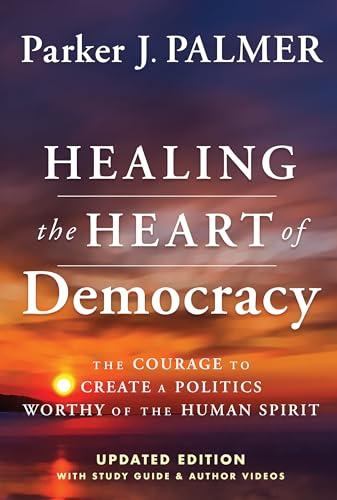
The Courage To Create a Politics Worthy Of The Human Spirit
The book was highlighted by Parker J. Palmer, often alongside Courtney Martin, as his most recent publication that outlines five habits of the heart needed to revitalize democracy, especially the need for a voice worth speaking and humility. They explained that these habits can be distilled to two core practices—‘hoodspot’ and humility—and stressed their importance for civic engagement. The conversation presented the title as a vital contribution to thinking about democratic renewal.
This book was mentioned as Palmer's most recent publication at the time of recording. The discussion touched upon the book's exploration of five habits of the heart, including the importance of "hoodspot" and humility in democratic engagement.
My last book is called Healing the Heart of Democracy and in that book I talk about five habits of the heart borrowing a phrase from Alexis to Tockeville that I think we need to get our democracy back in a citizen movement but when I give talks about it I say if five is too many for you to hold on to you really only need to you need putspa and humility you know you need you need the hoodspot to know that you have a voice worth speaking and things worth saying and you need the humility to know that it's vital to listen because you may not have it right at all or only a very partial grasp on the truth so I think it's in holding these paradoxes that we start to sort things out we there's so much of this life that we're all trying to live that's just not about either or even though we've been trained to think and binary code right I mean that in the larger sense the metaphorical sense of that term it's both hand I breathe in and I breathe out I really it would really be dangerous for me to say I think I'm basically a breathing out kind of guy so that's how I'm gonna you know devote my life to I am an individual with a voice I am also embedded in a community on which I'm highly dependent from which I came into which I will return and I include the community of the natural world in that and and I need both the hoodspot and the humility to be there fully to be there now and to be there in a life-giving way.
The book discusses five habits of the heart, which can be simplified to two: hutzpah (having a voice worth speaking) and humility (the importance of listening).
My last book is called Healing the Heart of Democracy and in that book, I talk about five habits of the heart but when I give talks about it, I say, if five is too many for you to hold onto, you really only need two. You need Hutspa and humility.
This book discusses five habits of the heart that the author believes are needed to revive democracy. The author emphasized the importance of 'hoodspot' and humility in this context.
My last book is called Healing the Heart of Democracy and in that book I talk about five habits of the heart borrowing a phrase from Alexis to Tockeville that I think we need to get our democracy back in a citizen movement but when I give talks about it I say if five is too many for you to hold on to you really only need to you need putspa and humility you know you need you need the hoodspot to know that you have a voice worth speaking and things worth saying and you need the humility to know that it's vital to listen because you may not have it right at all or only a very partial grasp on the truth so I think it's in holding these paradoxes that we start to sort things out
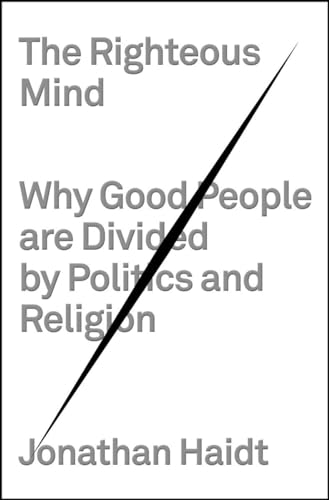
Why Good People Are Divided by Politics and Religion
The book was highlighted as especially resonant for the work of the Encounter organization and the American Jewish conversation on Israel after Yona Shemtov received it on Michael Hill’s recommendation. Krista Tippett and Jonathan Haidt discussed its moral matrix and five moral foundations, noting how it explains why good people are divided along political and religious lines and challenges liberal instincts. The discussion presented the title as a highly recommended work for its relevance and insight.
It was described as resonant for the work being done by the Encounter organization, surprising the reader on every page with its relevance to their work. The book's concepts of the moral matrix and five moral foundations, and the divide between liberals and conservatives, were discussed as particularly relevant to the American Jewish conversation on Israel.
Earlier in 2013, I came across The Righteous Mind, Professor Haidt's book. It was actually recommended to me by Michael Hill, who runs the DeRote Foundation. And I caught myself surprised on every page how resonant your work was for the work that we're doing.
And so a couple of weeks later, it turns out that a supporter of ours, Jonathan Lopatin, was also reading The Righteous Mind, Hivruta, study partner in the book.
And so we wanted to turn to your work and ask what might The Righteous Mind have to teach us about this moment in our community?
In his book, "The Righteous Mind," Jonathan Haidt explored the reasons why good people, despite their shared morality, are divided along religious and political lines. His research challenged his own liberal instincts.
When it comes to moral judgments, he says, we think we are scientists discovering the truth, but actually we are lawyers arguing for positions we arrived at by other means.
In his acclaimed book, The Righteous Mind, he examined the conundrum behind good people divided by religion and politics.
It was described as resonant for the work being done and surprising in its impact. The book's concepts of the moral matrix and five moral foundations, and the divide between liberals and conservatives, were discussed as relevant to the American Jewish conversation on Israel.
Earlier in 2013, I came across The Righteous Mind, Professor Haidt's book. It was actually recommended to me by Michael Hill, who runs the DeRote Foundation. And I caught myself surprised on every page how resonant your work was for the work that we're doing.
And so a couple of weeks later, it turns out that a supporter of ours, Jonathan Lopatin, was also reading The Righteous Mind, Hivruta, study partner in the book.
And we sort of batted around ideas about how resonant what you were talking about in terms of the moral matrix and the five moral foundations and the divide between liberals and conservatives was for the American Jewish conversation on Israel and for the work of Encounter.
In his book, "The Righteous Mind," Jonathan Haidt explored the reasons why good people are divided by religion and politics. He examined the complexities of moral judgments and how they are influenced by factors beyond simple reasoning.
When it comes to moral judgments, he says, we think we are scientists discovering the truth, but actually we are lawyers arguing for positions we arrived at by other means.
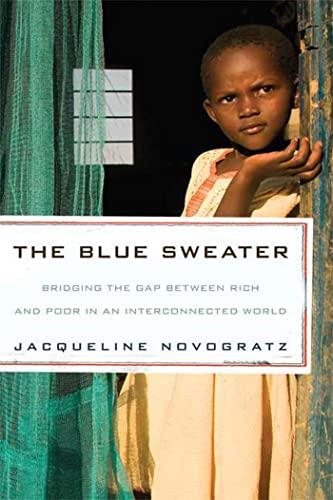
Bridging the Gap Between Rich and Poor in an Interconnected World
The book was highlighted as a memoir that traced the author’s evolution from a youthful desire to “save Africa” toward a more collaborative, justice‑focused approach to poverty alleviation and impact investing. Krista Tippett, the podcast host, said she spent several days immersed in the book and repeatedly noted its striking reflections on generosity, moral revolution, and the shift from saving to partnering with communities. The discussion emphasized the author’s personal experiences in microfinance, the lessons about humility and partnership, and positioned the work as a compelling guide for anyone interested in ethical capitalism.
In her memoir, Novogratz recounts her journey as a young woman who initially aimed to 'save Africa' but later realized the importance of understanding and partnering with African communities.
as a young woman I dreamed of changing the world. In my 20s I went to Africa to try and save the continent only to learn that Africans neither wanted nor needed saving.
The podcast host spent several days immersed in the book and listening to the author speak, also reading other things she had written and said, and things that have been written about her. The book tells the author's story and explores her experiences which formed her current work.
I spent the last few days immersed in your book and also listening to you speak and, you know, reading other things you've written and said and things that have been written about you.
I think that we could spend an hour just talking about your story as it's told in the book.
And I think that I want to spend a bit of time there, but I want to focus on the present and what you're doing now and what you're learning now and we then the formative experiences you had in that way rather than spend 45 minutes telling the story of how you got here.
There's some place in your book I think where you're talking about a quality someone saw in you as an adult. And you talked about how the among the, among the qualities they saw, they saw the Catholic girl who can scrub a floor, scrub a kitchen floor into every, until every corner of the signs.
I believe it's in The Blue Sweater I think it's a very striking sentence here at generosity is easier than justice.
In her memoir, Jacqueline Novogratz reflects on her younger self's naive ambition to save Africa, contrasting it with the later understanding that Africans didn't need saving. She recounts how her perspective shifted from a desire to save to a more collaborative, equitable approach to development.
as a young woman I dreamed of changing the world. In my 20s I went to Africa to try and save the continent only to learn that Africans neither wanted nor needed saving.
The podcast host spent several days immersed in the book and listening to the author speak, also reading other things she had written and said, and things that had been written about her. The book tells the author's personal story, including formative experiences that led to her current work.
I spent the last few days immersed in your book and also listening to you speak and, you know, reading other things you've written and said and things that have been written about you.
I think that we could spend an hour just talking about your story as it's told in the book.
And I think that I want to spend a bit of time there, but I want to focus on the present and what you're doing now and what you're learning now and we then the formative experiences you had in that way rather than spend 45 minutes telling the story of how you got here.
I love that. Okay, all right. So I mean, I would do want to spend a little bit of time telling some of that and I can tell some of it in the script too, but I just think it's important for people to know what's happening, you know, what this is now and what it means now.
There's some place in your book I think where you're talking about a quality someone saw in you as an adult. And you talked about how the among the, among the qualities they saw, they saw the Catholic girl who can scrub a floor, scrub a kitchen floor into every, until every corner of the signs.
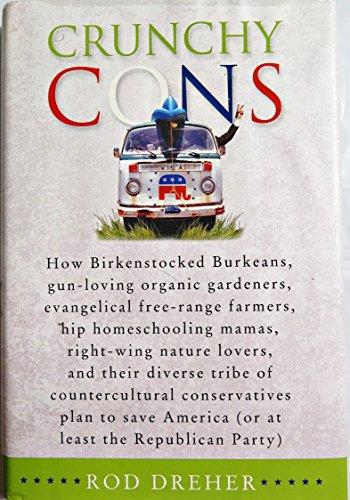
How Birkenstocked Burkeans, gun-loving organic gardeners, evangelical free-range farmers, hip homeschooling mamas, right-wing nature ... America (or at least the Republican Party)
The book was highlighted as a portrayal of a countercultural conservative movement that stands apart from the mainstream Republican agenda, emphasizing lifestyle, faith, and environmental stewardship. Host Krista Tippett and author Rod Dreher discussed how the work grew from a popular National Review essay and captured the experiences of “crunchy cons” such as organic gardeners and homeschooling parents. Their conversation conveyed enthusiasm for the book’s fresh perspective on conservatism.
Dreher discussed his 2006 book, explaining that it grew from an article in the National Review Online called "Birkenstocked Conservatives." The book explored a conservative vision that differed from the contemporary mainstream.
I see a conservative movement and a republican party that is not in some pretty deep ways very conservative.
we are conservatives who stand outside the contemporary conservative mainstream
we like it here the view is better for we can see things that matter more clearly
I've been reading you across the years and reading snippets but I very much enjoyed it and I liked getting into your columns and your blog and so it's been great.
It was written in 2000s and grew from an article in the National Review Online. The book details a conservative vision that diverges from the contemporary conservative mainstream.
your book, your 2000s, books you called Crunchy Cons and this grew from an article in the National Review online, Berkins stocked Berkins.
And you know, the first tenet of what you call the Crunchy Cons manifesto is we are conservatives who stand outside the contemporary conservative mainstream.
We like it here. The view is better for we can see things that matter more clearly.
It was written in response to an article the author wrote for the National Review Online in 2002 titled "Birkenstocked Birkins". The book details the ways in which the author and others lived as conservatives in a manner that differed from Republican orthodoxy.
How Birkenstocked Birken's gun-loving organic gardeners, evangelical free-range farmers, hip homeschooling mamas, right-wing nature lovers, and their diverse tribe of countercultural conservatives plan to save America or at least the Republican Party.
That is, we were becoming the sort of people who viewed the physical aspects of our lives, the food that we ate, the place that we lived and the world in which we moved as being inseparable from spiritual reality.
It was written following a positive response to an article of the same name. The book explored the ideas of "crunchy conservatives", those who diverge from mainstream Republican ideas.
It was so gratifying but also shocking. I mean we had this one guy who wrote and said, I'm a Buddhist Republican and I just want to invite George W. Bush over to sit over a bowl of doll and talk policy with me.
That is, we were becoming the sort of people who viewed the physical aspects of our lives, the food that we ate, the place that we lived and the world in which we moved as being inseparable from spiritual reality.
Crunchy Conservatism draws on the religious, philosophical and literary heritage of conservative thought and practice to cobble together a practical, common sense and fruitful way to live.
Dreher described his 2006 book as articulating a conservative vision that stands outside the contemporary conservative mainstream. He discussed how his experiences as a parent and a Catholic led him to write this book, which explored the ideas of "crunchy cons."
I've been reading you across the years and reading snippets but I very much enjoyed it and I liked getting into your columns and your blog and so it's been great.
your 2006 books you called Crunchy Cons and this grew from an article in the national review online Birkenstocked Birkeans
I ended up writing a book about these people because there was such passion there when people would read my essay and said that's me that is exactly who I am thank you for articulating it and that's how I got a book out of it
I'm more interested in being religious and being culturally engaged than I am and being politically engaged
in my book Crunchy Cons uh interviewed an Orthodox guy Huo Byrne who said who had been a Catholic too and he told me for the book he said you know the thing about being an Orthodox is you're not on a war footing
The book explores a conservative vision that diverges from the contemporary conservative mainstream, focusing on cultural values and a countercultural stance toward consumerism. It originated from an article in National Review Online.
your book, your 2000s, books you called Crunchy Cons and this grew from an article in the National Review online, Berkins stocked Berkins.
the first tenet of what you call the Crunchy Cons manifesto is we are conservatives who stand outside the contemporary conservative mainstream.
We like it here. The view is better for we can see things that matter more clearly.
And that's how I got a book out of it.
I write in my book about these farm families out in rural East Texas who raise livestock organically
It is a book about countercultural conservatives, including Birkenstocked Birken's gun-loving organic gardeners, evangelical free-range farmers, hip homeschooling mamas, right-wing nature lovers, and their diverse tribe. The book grew out of an article the author wrote for National Review Online in 2002 titled "Birkenstocked Birkins."
how Birkenstocked Birken's gun-loving organic gardeners, evangelical free-range farmers, hip homeschooling mamas, right-wing nature lovers, and their diverse tribe of countercultural conservatives plan to save America or at least the Republican Party.
It was so gratifying but also shocking.
I'm a Buddhist Republican and I just want to invite George W. Bush over to sit over a bowl of doll and talk policy with me.
I'm a convert to Catholicism back in the early 1990s. When I came back to faith as an adult, I came back through the Catholic Church and through reading Thomas Merton and through reading Walker Percy and Soren Kierkegaard, who of course wasn't a Catholic.
It was written following the positive response to an article the author wrote for the National Review Online in 2002. It details the ways in which the author and others lived their lives as conservatives, in a manner that differed from Republican Party orthodoxy.
how Birkenstocked Birken's gun-loving organic gardeners, evangelical free-range farmers, hip homeschooling mamas, right-wing nature lovers, and their diverse tribe of countercultural conservatives plan to save America or at least the Republican Party.
That is, we were becoming the sort of people who viewed the physical aspects of our lives, the food that we ate, the place that we lived and the world in which we moved as being inseparable from spiritual reality.
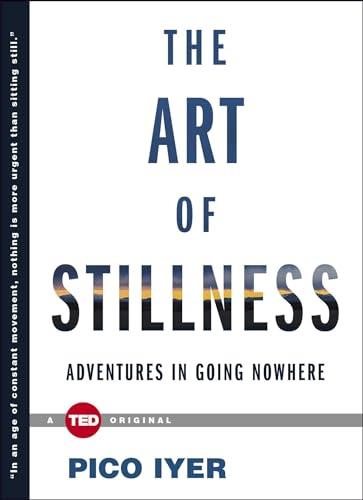
Adventures in Going Nowhere (TED Books)
The book was highlighted across several episodes as a key work of Pico Iyer that explored cultivating stillness amid a fast‑paced world. Host Krista Tippett and Iyer himself repeatedly referenced it, noting its role in bringing calm into daily motion and its influence on cultural conversation. The discussion was uniformly positive, presenting the title as a valuable guide to clarity and well‑being.
This book was discussed in the context of Pico Iyer's previous appearances on the show and his exploration of stillness and inner life.
Pico Ayer's cherished books include The Open Road, The Global Journey of the Fourteenth Dalai Lama and The Art of Stillness, Adventures in Going Nowhere.
Pico Ayer is the author of many books, including The Global Soul, Jet Lag, Shopping Malls and the Search for Home. Also, The Open Road, The Global Journey of the Fourteenth Dalai Lama and The Art of Stillness, Adventures in Going Nowhere.
They've both been guests on this show in recent years, Pico on The Art of Stillness and Liz on Choosing Curiosity Over Fear.
The book explores Iyer's personal journey into stillness and its significance in a fast-paced world. It was mentioned multiple times and considered a central theme of the podcast.
the point of gathering stillness is not to enrich the sanctuary or the mountaintop, but to bring that calm into the motion, the commotion of the world
The book was discussed extensively throughout the podcast, focusing on Iyer's exploration of stillness as a contemplative practice, contrasting it with a fast-paced life and its benefits for clarity and well-being. It was described as injecting the word 'stillness' into cultural discourse.
the point of gathering stillness is not to enrich the sanctuary or the mountaintop but to bring that calm into the motion the commotion of the world
I think a writer is in a blessed position because in some ways our job is to sit still and to meditate for a living.
This nonfiction work was mentioned amongst other works by Pico Iyer, including novels and other nonfiction books.
Pico is the author of two novels and ten works of nonfiction, including in recent years, The Art of Stillness and the open road.
This nonfiction work was mentioned among Pico Iyer's ten works of nonfiction, alongside "The Open Road."
Pico is the author of two novels and ten works of nonfiction, including in recent years, The Art of Stillness and the open road.
Living as an Ordinary Radical
The book was repeatedly referenced as one of Shane Claiborne's published works, with the host noting its focus on unconventional Christian political engagement and its popularity among young Christians exploring New Monasticism. While it was highlighted as a bestseller in that community, the podcast provided only brief mentions without detailed discussion.
Shane Claiborne's book, mentioned as exploring the nature of Christian political engagement, was noted for its emphasis on living out faith through a unique and unconventional approach.
and he's the author of the irresistible revolution.
In this book, Claiborne describes his vision of raising an army of lovers, a community deeply devoted to God and those who suffer, allowing these relationships to transform them. It was mentioned as a bestseller, particularly among young Christians seeking to understand the New Monasticism movement.
We are trying to raise up an army, not simply of street activists but of lovers. A community of people who have fallen desperately in love with God and with suffering people and who allow those relationships to disturb and transform them.
In this book, Claiborne describes his vision of raising an army of lovers, a community of people who have fallen in love with God and suffering people, allowing those relationships to disturb and transform them. He details his experiences and beliefs about living a radical Christian life.
We are trying to raise up an army, not simply of street activists but of lovers. A community of people who have fallen desperately in love with God and with suffering people and who allow those relationships to disturb and transform them.
Exploring the Inner Landscape of a Teacher's Life, 20th Anniversary Edition
The podcast repeatedly cited the title as one of Parker Palmer's bestselling works, noting its pioneering focus on how educators' inner lives shape teaching and learning. Hosts highlighted its influence on discussions of relational trust and the human element in professional practice, and they referenced Palmer's subsequent founding of the Center for Courage and Renewal based on its principles. Overall, the book was presented as a significant and impactful contribution to the field.
The Journey Toward an Undivided Life
Across several episodes, Palmer referenced the title as his own work that outlines how to create safe spaces for truth‑telling about the soul, identity, and integrity, framing it as a methodology for deep listening and an undivided life. He presented the book as central to the conversations on the show, emphasizing its relevance to fostering authentic dialogue.
This book, mentioned by name, was discussed in relation to creating safe spaces for vulnerable conversations and truth-telling about one's soul or identity. The speakers explained its core theme as the creation of safe spaces for meaningful conversations about the condition of one's soul and identity.
I wrote a book about it. I hate to pull that play, but it's called "A Hidden Wholeness", the journey toward an undivided life and in a lot of ways the central theme of that book is how we create safe spaces for the kinds of conversations that you're referring to and that we've really been talking about up here.
One of the things this society is most deficient in is safe spaces for truth-telling about the condition of our souls and if if the word soul isn't work for you it's identity and integrity in the language of secular humanism it's the spark of the divine and the language of hasitic Judaism it's big self or true self big self or no self in the paradoxical language of Buddhism everybody has a name for it different name and nobody knows its true name.
The book's central theme is creating safe spaces for conversations about the condition of one's soul, or identity and integrity, and the importance of truth-telling. The author discusses the creation of safe spaces as a technology and a discipline.
So I wrote a book about it. I hate to pull that toy. But it's called a hidden holeness, the journey toward an undivided life. And in a lot of ways, the central theme of that book is how we create safe spaces for the kinds of conversations that you're referring to and that we've really been talking about up here.
The book's central theme is described as being about creating safe spaces for conversations about the condition of one's soul, identity, and integrity. The author discussed the book's ideas in relation to creating safe spaces for truth-telling and the importance of deep listening.
I wrote a book about it. I hate to pull that play but it's called A Hidden Wholeness the journey toward an undivided life and in a lot of ways the central theme of that book is how we create safe spaces for the kinds of conversations that you're referring to and that we've really been talking about up here
Finding Modern Truth in Ancient Wisdom
This book, a collection of analyses of ten ancient ideas, was mentioned as containing the statement that the "myth of pure evil is the ultimate self-serving bias, the ultimate form of naive realism."
The myth of pure evil is the ultimate self-serving bias, the ultimate form of naive realism.
— Episode: [Unedited] Jonathan Haidt with Krista Ti...
This book, a collection of analyses of ten ancient ideas, was mentioned as containing the statement that the "myth of pure evil is the ultimate self-serving bias, the ultimate form of naive realism."
The myth of pure evil is the ultimate self-serving bias, the ultimate form of naive realism.
The speaker mentioned this book of his, alongside "The Righteous Mind", as one of his published works.
Jonathan Haidt is a professor of ethical leadership at New York University's Stern School of Business. He's the author of The Happiness Hypothesis, Finding Modern Truth in Ancient Wisdom, and The Righteous Mind, Why Good People Are Divided by Politics and Religion.
It was referenced as a collection of analyses of ten ancient ideas, with the author noting that the ancients were fantastic for psychology. The book discusses the "myth of pure evil" as the ultimate self-serving bias and form of naive realism.
Oh, so you've read my first book, The Happiness Hypothesis?
So, yeah, so just that book was a collection of 10, it was an analysis of 10 ancient ideas. And it turns out that the ancients, as Christa was saying, it's a great repository of wisdom about human relationships.
And one thing that you find in most of the great wisdom traditions is the idea that reality as we see it is an illusion, it's a veil, it blinds us. And enlightenment is taking down the veil, seeing things as they are, transcending dualities.
The speaker mentioned their own book, "The Happiness Hypothesis," which explores modern truths found in ancient wisdom. No other details were provided.
Jonathan Haidt is a professor of ethical leadership at New York University's Stern School of Business. He's the author of The Happiness Hypothesis, Finding Modern Truth in Ancient Wisdom, and The Righteous Mind, Why Good People Are Divided by Politics and Religion.

Second Edition
This book was recommended as a source of encouragement during difficult times, focusing on themes of new beginnings, natality, action, and speaking, all within the framework of worldliness. The book's discussion of natality and the importance of new beginnings was highlighted.
modern life, The Human Condition is unpredictable. This is what, since the advent of modernity, we've had rapid change. The world has become unpredictable in new ways.
— Episode: [Unedited] Lyndsey Stonebridge with Kris...
This book was recommended as a source of encouragement during difficult times, focusing on themes of new beginnings, natality, action, and speaking, all within the framework of worldliness. The book's discussion of natality and the importance of new beginnings was highlighted.
modern life, The Human Condition is unpredictable. This is what, since the advent of modernity, we've had rapid change. The world has become unpredictable in new ways.
she says, modern life, The Human Condition is unpredictable. This is what, since the advent of modernity, we've had rapid change. The world has become unpredictable in new ways.
This book, recommended for its discussion of natality, action, and worldliness, was described as a model of Arendt's thinking on the importance of new beginnings and the human condition in a rapidly changing world.
And if you read The Human Condition, which is, I mean, I recommend to cheer you up actually in these dark times.
The book emphasizes the importance of new beginnings, natality, action, speaking, and worldliness, while highlighting that globalization, for Arendt, is about the accumulation of capital and would not necessarily lead to more equality. It was recommended for its insights during dark times.
It's a model of, you know, she'll talk about the importance of new beginnings, the importance of natality, the importance of action, the importance of speaking. And she'll talk about the world.
she says, globalization is about the accumulation of capital. It's expansion for expansion's sake. So it will not produce more equality. It will produce more inequality, hence the background of difference.
This book explores the importance of new beginnings, natality, action, and speaking within the context of worldliness and the human condition. It discusses how globalization, focused on capital accumulation, can lead to increased inequality and a widening gap between people.
she'll talk about the importance of new beginnings, the importance of natality, the importance of action, the importance of speaking. And she'll talk about the world.
globalization is about the accumulation of capital. It's expansion for expansion's sake. So it will not produce more equality. It will produce more inequality, hence the background of difference.
Note: The book recommendations on this page are discovered automatically from podcast transcripts, and may be incorrect or incomplete.
Podcast Name