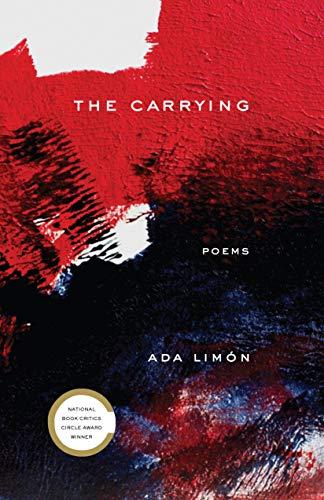
The Carrying
Ada Limón
Mentioned 2 years ago
“The End of Poetry” by Ada Limón
Wisdom to replenish and orient in a tender, tumultuous time to be alive. Spiritual inquiry, science, social healing, and poetry. Conversations to live by. With a 20-year archive featuring luminaries like Mary Oliver, Thich Nhat Hanh, and Desmond Tutu, each episode brings a new discovery about t...
Recently mentioned
Ada Limón
Mentioned 2 years ago
“The End of Poetry” by Ada Limón
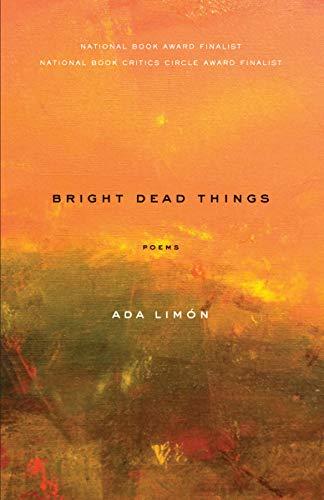
Ada Limón
Mentioned 2 years ago
“The End of Poetry” by Ada Limón
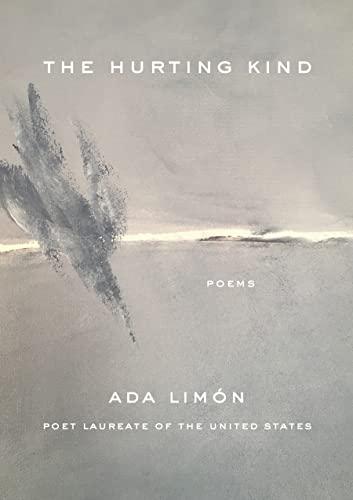
Ada Limón
Mentioned 2 years ago
“The End of Poetry” by Ada Limón
David Nicholls
Mentioned 2 years ago
“The End of Poetry” by Ada Limón
Atul Gawande
Mentioned 2 years ago
Atul Gawande — On Mortality and Meaning
Cixin Liu
Mentioned 2 years ago
Atul Gawande — On Mortality and Meaning
Royce Josiah
Mentioned 2 years ago
Atul Gawande — On Mortality and Meaning
Atul Gawande
Mentioned 2 years ago
Atul Gawande — On Mortality and Meaning
Elizabeth Alexander
Mentioned 2 years ago
“Ars Poetica #100: I Believe” by Elizabeth Alexander
Padmasambhava
Mentioned 2 years ago
Luis Alberto Urrea — On Our Belonging to Each Other
Luis Alberto Urrea
Mentioned 2 years ago
Luis Alberto Urrea — On Our Belonging to Each Other
Luis Alberto Urrea
Mentioned 2 years ago
Luis Alberto Urrea — On Our Belonging to Each Other
Practices to Build a Better World
Described as a love letter to the next generation, it explores the need for a moral revolution to shift the focus from profit to humanity and the earth, advocating for systemic change from the ground up. It was discussed in relation to moral imagination and practices to build a better world.
This is at the heart of her book, Manifesto for a Moral Revolution, Practices to Build a Better World.
— Episode: Jacqueline Novogratz — Towards a Moral R...
Described as a love letter to the next generation, it explores the need for a moral revolution to shift the focus from profit to humanity and the earth, advocating for systemic change from the ground up. It was discussed in relation to moral imagination and practices to build a better world.
This is at the heart of her book, Manifesto for a Moral Revolution, Practices to Build a Better World.
And you talk about you left Rwanda in 1989 for Palo Alto to go to Stanford Business School. The Berlin Wall falls that year, the Soviet Union disintegrates, it's the end of history. I mean, you are a banker and you're remaking banking and capitalism has won.
When I say we need a moral revolution, it's really one that is not dictated from above. But it's a reframe of the system, because we have had a system that has put profit at the center. And what we need to do is shift that to put humanity and the earth at the center.
Jacqueline has described her recent book, Manifesto for a Moral Revolution, as a love letter to the next generation, including young Acumen fellows around the world.
Described by the author as a love letter to the next generation, it focuses on practices to build a better world and the need for a moral revolution, not dictated from above, but from individuals changing their ways. It was discussed as a response to the inadequacy of simplistic approaches to complex moral questions.
This is at the heart of her book, Manifesto for a Moral Revolution, Practices to Build a Better World.
And so when I say we need a moral revolution, it's really one that is not dictated from above. But it's a reframe of the system, because we have had a system that has put profit at the center. And what we need to do is shift that to put humanity and the earth at the center.
When I think back to that time, and it was really within the course of a month that the Berlin Wall fell and then Jobs got on the stage and said, technology will reshape the world. And both forces did, capitalism and technology did reshape the world and did lift a billion people out of extreme poverty. And at the same time, both forces have left us more unequal, more divided, more divisive, and facing long term, not long term, short term climate catastrophe.
So you've written this book, Manifesto for a Moral Revolution.
Jacqueline has described her recent book, Manifesto for a Moral Revolution, as a love letter to the next generation, including young Acumen fellows around the world.
It was described as a love letter to the next generation, focusing on moral imagination, revolution, and courage; it explores the complicated road to hard-edged hope, made of patience, kindness, resilience, and grit.
Hard-edged hope made of patience and kindness, resilience and grit.
Investment as a means, not an end, daring to go where markets have failed and aid has fallen short. It makes capital work for us, not control us.
the question is not really how to make people better off, but what does it mean to be a whole human being?
It was described as a love letter to the next generation; the book discusses moral imagination, moral revolution, and moral courage, and contains the quote: "Hard-edged hope made of patience and kindness, resilience and grit."
Hard-edged hope made of patience and kindness, resilience and grit.
the question is not really how to make people better off, but what does it mean to be a whole human being?
Investment as a means, not an end, daring to go where markets have failed and aid has fallen short. It makes capital work for us, not control us.

Spiritual Values for Healing Ourselves and the World
Seven Minutes a Day for a Better, More Meaningful Life
This book of one-liners paired with the author's paintings was mentioned. One-liners such as "and not or" and "ask is that a tragedy or an inconvenience" were shared as examples of mindful approaches to life.
I have this book that I want to remind me to tell you about the Langermine for the Institute and it's on that website that this book will be but it's a book of one liners that are paired with painting...
— Episode: [Unedited] Ellen Langer with Krista Tipp...
This book of one-liners paired with the author's paintings was mentioned. One-liners such as "and not or" and "ask is that a tragedy or an inconvenience" were shared as examples of mindful approaches to life.
I have this book that I want to remind me to tell you about the Langermine for the Institute and it's on that website that this book will be but it's a book of one liners that are paired with paintings of mine
I have one of the liners is and not or which is a whole different way of thinking
Another one is ask is that a tragedy or an inconvenience because most of the time when people are upset they're reacting as if it's a tragedy and just asking yourself that question tends to calm you down
This book is a collection of one-liners paired with the author's paintings. The one-liners offer mindful perspectives on life, such as asking whether a situation is a tragedy or an inconvenience, and exploring the difference between "can" and "how can."
But it's a book of one liners that are paired with paintings of mine. And also, well, you're recollectual.
But that in this book of one liners that's called Mindful Life, you know, I have one of the liners, one liners is and not or which is a whole different way of thinking.
Another one is ask is it a tragedy or an inconvenience because most of the time when people are upset they're reacting as if it's a tragedy and just asking yourself that question tends to come you down.
This book is described as a collection of one-liners paired with the author's paintings. Two quotes from the book, "and not or" and "Ask is that a tragedy or an inconvenience", were shared during the interview.
I have one of the liners is and not or which is a whole different way of thinking
Another one is ask is that a tragedy or an inconvenience because most of the time when people are upset they're reacting as if it's a tragedy
This book, described as a collection of one-liners paired with the author's paintings, was mentioned towards the end of the interview. It contains concise statements designed to promote mindful thinking, such as "ask is it a tragedy or an inconvenience."
But it's a book of one liners that are paired with paintings of mine. And also, well, you're recollectual. I want to say, I think it's really important. You know, when you say, you know, this sentence that you spoke just a moment ago about, you know, that we think about what is, instead of thinking about what is what is what we want to be, what is possible.
But that in this book of one liners that's called Mindful Life, you know, I have one of the liners, one liners is and not or which is a whole different way of thinking.
Another one is ask is it a tragedy or an inconvenience because most of the time when people are upset they're reacting as if it's a tragedy and just asking yourself that question tends to come you down.
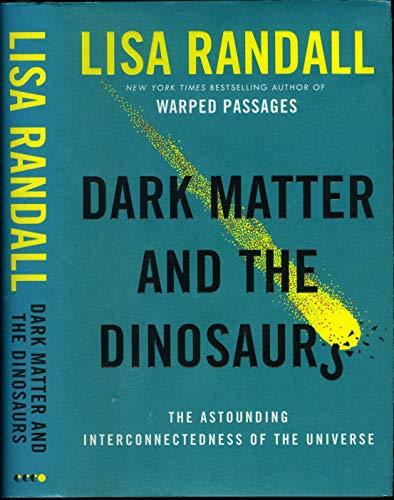
The Astounding Interconnectedness of the Universe
This book explores the theory that dark matter may have caused the extinction event that wiped out the dinosaurs 66 million years ago. It details a speculative scenario where dark matter's gravitational influence dislodged comets, leading to the impact that triggered the extinction.
When it comes to the world around us, is there any choice but to explore?
— Episode: [Unedited] Lisa Randall with Krista Tipp...
This book explores the theory that dark matter may have caused the extinction event that wiped out the dinosaurs 66 million years ago. It details a speculative scenario where dark matter's gravitational influence dislodged comets, leading to the impact that triggered the extinction.
When it comes to the world around us, is there any choice but to explore?
I was awestruck and enchanted not only by our current knowledge of our environment--local, solar, galactic, and universal--but also by how much we ultimately don't understand from our random, tiny perch here on Earth.
I was also overwhelmed by the many connections among the pieces that ultimately allow us to exist.
To be clear, mine is a deeply unreligious viewpoint. I don't feel the need to assign a purpose or meaning, yet I can't help but feel the emotions we tend to call religious as we come to understand the expanse of the universe and our past, and how it all fits together.
It offers anyone some perspective when dealing with the foolishness of everyday life.
This book explores the theory that dark matter may have caused the extinction event that wiped out the dinosaurs, and consequently led to the rise of humanity. The author discusses the interconnectedness between astronomy, biology, and paleontology, and presents evidence supporting the theory.
It's actually really fun for me because I mean it's one of the reasons I decided to write a book because I do work on very fundamental, very abstract science. The Higgs boson or an extra-dimensional space or fundamental particles.
So we proposed this is what triggered it.
I was awestruck and enchanted not only by our current knowledge of our environment, local, solar, galactic, and universal but also by how much we ultimately hope to understand from our random tiny purts here on Earth.
I don't feel the need to assign a purpose or meaning yet I can't help but feel the emotions we tend to call religious as we come to understand the immensity of the universe, our past and how it all fits together.
When it comes to the world around us, is there any choice but to explore?
This book explores the theory that dark matter might have been responsible for the dinosaur extinction event 66 million years ago, as well as other scientific concepts. The book was mentioned several times during the interview.
But I spend a lot of time with all of your books and just looking at kind of the sweep of your career. So it's not a book interview per se, but I just want you to know.
Oh yeah, absolutely. No, that will be. That will be. So they get there. Yeah, no, that will be up. That will be in the script and all over the website and all of that. That's the last. OK. Yeah.
And so you're saying 85% is not the right percentage now or. No, no it is sorry I thought we were saying something else. Oh okay okay and so we now believe it's maybe 85% and then as opposed to and then like I mean let's clarify what ordinary ordinary matter when we usually say matter non dark matter is.
And you you say that that while dark matter is mysterious to us it's not necessarily such a mysterious thing I think. I think what you're saying it's not necessarily such a mysterious thing that it exists.
And you have spun this speculative scenario that which is based on real science in which dark matter might ultimately have been responsible for the extinction of the dinosaur. And it's just a 66 million years ago. Describe that scenario and how you came to it.
So it's actually really fun for me because I mean, it's one of the reasons I decided to write a book because I do work on very fundamental, very abstract science. The Higgs boson or a foreign, or an external mention space or fundamental particles.
And so here's one way you talked about one of your contributions about kind of exploring the question of why gravity is weaker. We compared to other forces in nature and you started at seeking answers to questions and standard model physics invented into extra dimensional worlds, which is such an intriguing statement.
And so, here's one way you talked about one of your contributions about kind of exploring the question of why gravity is weaker. We compared to other forces in nature and you started at seeking answers to questions and standard model physics invented into extra dimensional worlds, which is such an intriguing statement.
This book explores the speculative scenario that dark matter might have caused the dinosaur extinction. The author enjoyed writing it because it connected very fundamental, abstract science with a tangible event.
"I was awestruck and enchanted not only by our current knowledge of our environment, local, solar, galactic, and universal but also by how much we ultimately hope to understand from our random tiny purts here on Earth. I was also overwhelmed by the many connections among the pieces that ultimately allow us to exist."
"the earth has a love hate relationship with this environment."
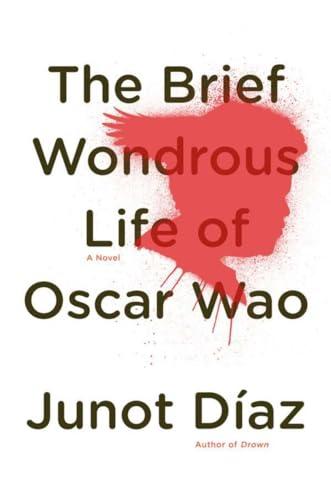
The book's title was mentioned, and a quote from it was discussed. The quote's relevance to the podcast's themes was highlighted.
There's this word that you use at the beginning of the brief wondrous life of usker wow, that Fuku, Kersen Doom of the New World.
— Episode: Junot Díaz — Radical Hope Is Our Best We...
The book's title was mentioned, and a quote from it was discussed. The quote's relevance to the podcast's themes was highlighted.
There's this word that you use at the beginning of the brief wondrous life of usker wow, that Fuku, Kersen Doom of the New World.
The book's title was mentioned in relation to the author's use of the word fuk, which represents a curse and cosmology in the context of the Dominican Republic. The discussion touched upon how the concept was internalized and permeated the culture.
There's this word that you use at the beginning of the brief wondrous life of Oscar Wow, that Fukuh.
Of course, in doom of the New World, there's this line you have. It's perfectly fine if you don't believe in these superstitions because no matter what you believe Fukuh believes in you.
The podcast host mentioned a line from the book, "Fuku, Kersen Doom of the New World," and discussed its themes of belief and spirituality. Diaz used the book as an example of how spiritual beliefs influenced his upbringing.
There's this word that you use at the beginning of the brief wondrous life of usker wow, that Fuku, Kersen Doom of the New World.
There's this line you have it's perfectly fine if you don't believe in these superstitions because no matter what you believe Fuku believes in you.
The author's use of the word "Fuk" in this book was discussed, referencing a line about how even if one does not believe in superstitions, Fuk believes in them, highlighting the pervasive nature of the cosmology in the characters' lives. The book's exploration of cosmology and spiritual beliefs was mentioned.
There's this word that you use at the beginning of the brief wondrous life of Oscar Wow, that Fukuh.
Of course, in doom of the New World, there's this line you have. It's perfectly fine if you don't believe in these superstitions because no matter what you believe Fukuh believes in you.
In this book, the author explores the reasons behind the increasing number of people choosing to live alone in modern society, suggesting that it may be a response to oversaturation from various social connections.
The book is all about why more people live alone now today than ever before.
— Episode: [Unedited] danah boyd with Krista Tippet...
In this book, the author explores the reasons behind the increasing number of people choosing to live alone in modern society, suggesting that it may be a response to oversaturation from various social connections.
The book is all about why more people live alone now today than ever before.
And what he argues in this book is that we are oversaturated with internet connections with other people, our professional worlds are far more social than they were historically, especially when you think about agricultural times or industrial times.
We have the choice to connect at any given point through social interactions and as a result we choose to live alone in order to get a break from it all, which isn't tweaking.
This book examines the increasing number of people living alone and suggests that this trend is partly due to the oversaturation of social connections in our modern, technology-driven lives.
The person I think about is Eric Kleinenberg who's a sociologist who wrote a book called Going Solo and the book is all about why more people live alone now today than ever before.
This book explores the reasons behind the increasing number of people living alone today, suggesting that it's a response to the oversaturated social connections in modern life.
The person I think about is Eric Kleinenberg who's a sociologist who wrote a book called Going Solo and the book is all about why more people live alone now today than ever before.
A Father and Son Discuss the Meaning of Life
This book documents a dialogue between Matthieu Ricard and his father, exploring Ricard's transition from a promising scientific career to a Buddhist path. Ricard's father's perspective on his son's career change is also discussed.
My scientific career was the result of a passion for discovery. Whatever I was able to do afterward was in no way a rejection of scientific research, but a rose rather from the realization that such r...
— Episode: Matthieu Ricard — Happiness As Human Flo...
This book documents a dialogue between Matthieu Ricard and his father, exploring Ricard's transition from a promising scientific career to a Buddhist path. Ricard's father's perspective on his son's career change is also discussed.
My scientific career was the result of a passion for discovery. Whatever I was able to do afterward was in no way a rejection of scientific research, but a rose rather from the realization that such research was unable to solve the fundamental questions of life and wasn't even meant to do so.
This book, a dialogue between Matthieu Ricard and his father, was discussed; it highlighted his father's pride in Matthieu's accomplishments and eventual acceptance of his path.
And there's a book that was published, which was in the form of a dialogue between you and your father, the monk and the philosopher, it was called.
It's really clear that he was very proud of you. He was very proud of what you were accomplishing.
And he was very affected, which I learned later on.
This book documents a dialogue between Matthieu Ricard and his father, exploring Ricard's transition from a promising scientific career to a Buddhist path. Ricard's father initially questioned his son's decision but ultimately expressed pride in his accomplishments.
My scientific career was the result of a passion for discovery. Whatever I was able to do afterward was in no way a rejection of scientific research, but arose rather from the realization that such research was unable to solve the fundamental questions of life and wasn't even meant to do so.
you abandoned your career in order to commit yourself completely to Buddhist practice. It seems to me that he felt where you could have pursued this career in science and you could have made discoveries about things that were new. Instead, you went back to something that had been around for thousands of years. I thought that was a waste of potential.
This book is in the form of a dialogue between Matthieu Ricard and his father. It was discussed how his father was proud of his accomplishments, even though initially he did not understand Ricard's choice to pursue Buddhist practice over science.
And there's a book that was published, which was in the form of a dialogue between you and your father, the monk and the philosopher, it was called.
It's really clear that he was very proud of you. He was very proud of what you were accomplishing.
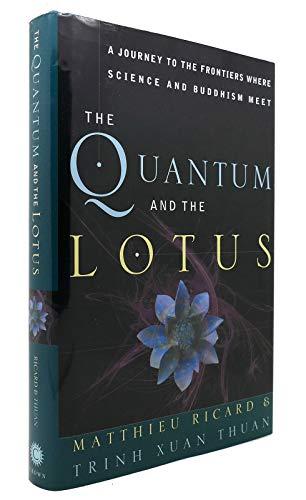
A Journey to the Frontiers Where Science and Buddhism Meet
This book, in dialogue format, explores the intersection of quantum physics and Buddhist philosophy, examining questions about reality, the origin of the world, and the relationship between the animate and inanimate.
Is there a solid reality behind appearances? What is the origin of the world, a phenomena of the world that we see as real all around us? What is the relationship between the animate and the inanimate...
— Episode: Matthieu Ricard — Happiness As Human Flo...
This book, in dialogue format, explores the intersection of quantum physics and Buddhist philosophy, examining questions about reality, the origin of the world, and the relationship between the animate and inanimate.
Is there a solid reality behind appearances? What is the origin of the world, a phenomena of the world that we see as real all around us? What is the relationship between the animate and the inanimate between the subject and the object? Do time space and the laws of nature really exist? Buddhist philosophers have been studying these questions for the last 2,500 years.
This book, a dialogue between Matthieu Ricard and an astrophysicist, explored the intersection of Buddhist philosophy and modern physics, specifically focusing on interdependence and impermanence.
You know, is there a solid reality behind appearances?
What is the origin of the world, a phenomena of the world that we see as real all around us? What is the relationship between the animate and the inanimate between the subject and the object? Do time space in the laws of nature really exist?
So it was another great encounter. I met Trinwanthuan in Andora when our previous, we were both invited to some somewhere in university and immediately said, you know, I'm born in Vietnam, born in Buddhist. I don't know. I always wanted to have a dialogue about Buddhism and astrophysics or modern science. So, you know, I started a new dialogue again, but it was too tempting and we did that, it was wonderful.
And I wonder, you know, I'd love to know about what insights emerge for you in that conversation.
This book is presented as a dialogue between Matthieu Ricard and an astrophysicist, exploring the intersection of modern physics and Buddhist philosophy. The conversation focused on the nature of reality, interdependence, and impermanence, highlighting parallels between scientific findings and Buddhist concepts.
Is there a solid reality behind appearances? What is the origin of the world, a phenomena of the world that we see as real all around us? What is the relationship between the animate and the inanimate between the subject and the object? Do time space and the laws of nature really exist? Buddhist philosophers have been studying these questions for the last 2,500 years.
This book, a dialogue between Matthieu Ricard and an astrophysicist, explored the intersection of Buddhist philosophy and modern physics, particularly focusing on interdependence and impermanence. Ricard found the astrophysicist's insights on non-locality particularly compelling.
And then there's this book "The Quantum and the Lotus", which is a dialogue between you and an astrophysicist, turn one-to-one.
So what really, the most fascinating thing I'd learned through this dialogue was precisely about something very deep about the nature of reality related to interdependence and impermanence.
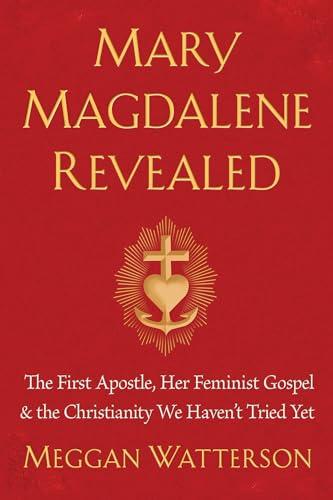
The First Apostle, Her Feminist Gospel & the Christianity We Haven't Tried Yet
This book of poetry was described as being a new work by Marie Howe, exploring the character of Mary Magdalene. The speaker expressed fondness for Magdalene and saw her as a woman who wrestled with her own subjectivity.
Now she has a new book, "Magdalene."
— Episode: [Unedited] Marie Howe with Krista Tippet...
This book of poetry was described as being a new work by Marie Howe, exploring the character of Mary Magdalene. The speaker expressed fondness for Magdalene and saw her as a woman who wrestled with her own subjectivity.
Now she has a new book, "Magdalene."
I love Magdalene.
And I think of her as someone who really struggled with her subjectivity too. And she came into it.
This is Marie Howe's most recent book of poetry, published after 2013. It features poems such as "The Magdalene, the Seven Demons", which explores themes of identity and societal expectations.
She's just published a new book of poetry, Magdalene.
I love Magdalene, and I think of her as someone who really struggled with her subjectivity to and came into it and found herself.
It has just published a new book, Magdalene. Around the poem she first read aloud for us in this show.
This is Marie Howe's most recent book of poetry, published after 2013. The episode focuses on a poem from this collection called "Magdalene, the Seven Demons", which explores the complexities of the titular character.
She's just published a new book of poetry, Magdalene.
Around the poem she first read aloud for us in this show.
I love Magdalene, and I think of her as someone who really struggled with her subjectivity to and came into it and found herself.
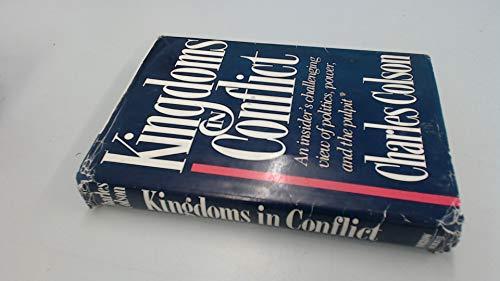
It was written in the 1980s as a rebuttal against the excessive reliance on politics by Christians; it later became a handbook for the permissible role for Christians in public policy and was republished.
I wrote a book in the 1980s, which was called Kingdoms in Conflict, which was a rebuttal against the excess reliance on politics by Christians.
— Episode: Chuck Colson, Greg Boyd, and Shane Claib...
It was written in the 1980s as a rebuttal against the excessive reliance on politics by Christians; it later became a handbook for the permissible role for Christians in public policy and was republished.
I wrote a book in the 1980s, which was called Kingdoms in Conflict, which was a rebuttal against the excess reliance on politics by Christians.
That book, which is now been republished, got in the government, became sort of a handbook for what's the permissible role for Christians in public policy.
This book, published in the 1980s and later republished, was described as addressing the appropriate role of Christians in public policy and advocating for a balance between religious expression and political involvement. It was said to have become a handbook on the permissible role for Christians in public policy.
I wrote a book in the 1980s, which was called Kingdoms in Conflict, which was a liberal against the excess reliance on politics by Christians.
That book, which is now been republished, got in the government, became sort of a handbook for what's the permissible role for Christians in public policy?
This book, published in the 1980s and later republished, explored the appropriate role of Christians in public policy, advocating for a balance between religious expression and political engagement. It was discussed as a response to the rise of the religious right.
I wrote a book in the 1980s, which was called Kingdoms in Conflict, which was a liberal against the excess reliance on politics by Christians.
That book, which is now been republished, got in the government, became sort of a handbook for what's the permissible role for Christians in public policy?
I argued that the public square ought not to be naked, that people should be able to express their views freely and openly as an idea of that. Christians, I believe, have a cultural mandate to do precisely that, to work for justice.
I saw some of it when I was in the White House as the abortion issue was heating up. But it transformed evangelical from a piotistic movement into a very activist political movement. But that's why I wrote Kings and Conflict now, God and government because I saw it happening.
I said that in Kingdoms in Conflict now God and government.
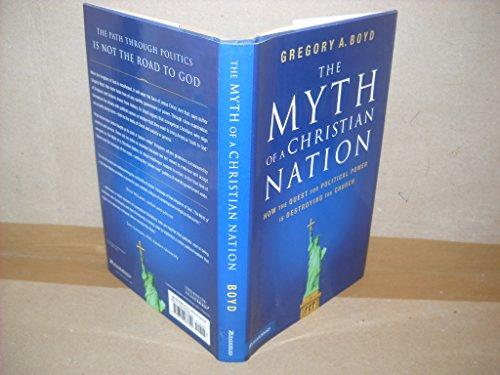
How the Quest for Political Power Is Destroying the Church
Another book by Greg Boyd, mentioned alongside "Letters from a Skeptic", reflecting his theological perspective on the relationship between Christianity and the political sphere.
He has also written many books including letters from a skeptic and The Myth of a Christian Nation.
— Episode: [Unedited] Chuck Colson, Greg Boyd, and...
Another book by Greg Boyd, mentioned alongside "Letters from a Skeptic", reflecting his theological perspective on the relationship between Christianity and the political sphere.
He has also written many books including letters from a skeptic and The Myth of a Christian Nation.
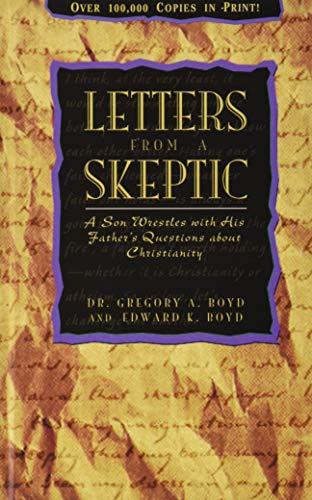
A Son Wrestles with His Father's Questions about Christianity
One of Greg Boyd's books, mentioned in the context of his prolific writing on the intersection of faith and politics.
He has also written many books including Letters from a Skeptic and the myth of a Christian nation.
— Episode: [Unedited] Chuck Colson, Greg Boyd, and...
One of Greg Boyd's books, mentioned in the context of his prolific writing on the intersection of faith and politics.
He has also written many books including Letters from a Skeptic and the myth of a Christian nation.
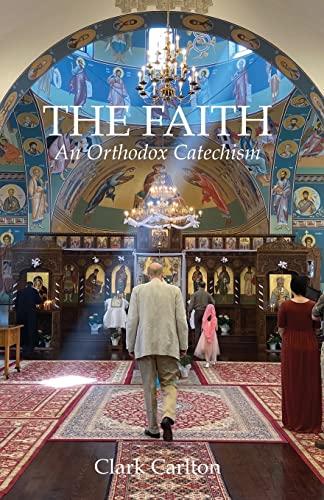
An Orthodox Catechism (The Faith Series)
This book was mentioned as Chuck Colson's most recent publication at the time of the recording.
and the author of many books including born again, God and government and most recently, The Faith.
— Episode: [Unedited] Chuck Colson, Greg Boyd, and...
This book was mentioned as Chuck Colson's most recent publication at the time of the recording.
and the author of many books including born again, God and government and most recently, The Faith.
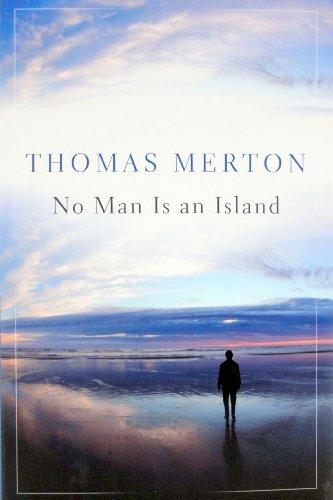
It was described as an important book that resonated with the speaker at a transformative moment in their life; a specific quote from the book is highlighted as particularly impactful, prompting self-reflection and a change in career path.
And it was really transformative And somewhere in your one of your books you You know you pull out this first paragraph No Man Is an Island, you know Why do we spend our lives strivin...
— Episode: [Unedited] James Martin with Krista Tipp...
It was described as an important book that resonated with the speaker at a transformative moment in their life; a specific quote from the book is highlighted as particularly impactful, prompting self-reflection and a change in career path.
And it was really transformative And somewhere in your one of your books you You know you pull out this first paragraph No Man Is an Island, you know Why do we spend our lives striving to be something that we would never want to be?
No Man Is an Island, you know Why do we spend our lives striving to be something that we would never want to be? If only we knew what we wanted Why do we waste our time doing things Which if we only stop to think about them Or just the opposite of what we were made for
The speaker found this book transformative, highlighting a quote that resonated deeply and prompted self-reflection on their life choices. A paragraph from it was quoted as being particularly impactful.
Why do we spend our lives striving to be something that we would never want to be if only we knew what we wanted? Why do we waste our time doing things which if we only stop to think about them or just the opposite of what we were made for?
Yeah, that's the line that changed my life really and I just thought, well, why am I doing that? And it felt like he was speaking directly to me and I felt like, you know, business is a real vocation for a lot of people and it just wasn't for me and I was miserable and I didn't know what I was doing and I didn't know how I could find a way out and that sentence which really was like a thunderbolt just prompted me to shake things up and ask myself that question, I always say to young people, you know, what would you want to do if you could do anything that you could do?
The book's first paragraph was described as transformative for the speaker, prompting self-reflection on their life choices and career path. It was noted for directly addressing the speaker's feelings of misery and confusion.
And it was really transformative And somewhere in your one of your books you You know you pull out this first paragraph No Man Is an Island, you know Why do we spend our lives striving to be something that we would never want to be?
No Man Is an Island, you know Why do we spend our lives striving to be something that we would never want to be? If only we knew what we wanted Why do we waste our time doing things Which if we only stop to think about them Or just the opposite of what we were made for Yeah, that's the line that changed my life really And I just thought why Why am I doing that
The speaker found this book transformative, particularly a quote that resonated deeply and prompted self-reflection on his life choices. The book's message about finding one's true calling deeply impacted the speaker's decision to leave his corporate career.
Why do we spend our lives striving to be something that we would never want to be if only we knew what we wanted? Why do we waste our time doing things which if we only stop to think about them or just the opposite of what we were made for?
Yeah, that's the line that changed my life really and I just thought, well, why am I doing that? And it felt like he was speaking directly to me and I felt like, you know, business is a real vocation for a lot of people and it just wasn't for me and I was miserable and I didn't know what I was doing and I didn't know how I could find a way out and that sentence which really was like a thunderbolt just prompted me to shake things up and ask myself that question, I always say to young people, you know, what would you want to do if you could do anything that you could do?
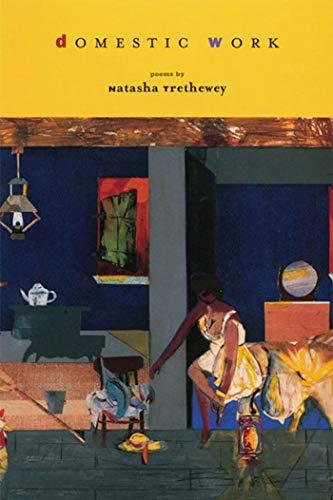
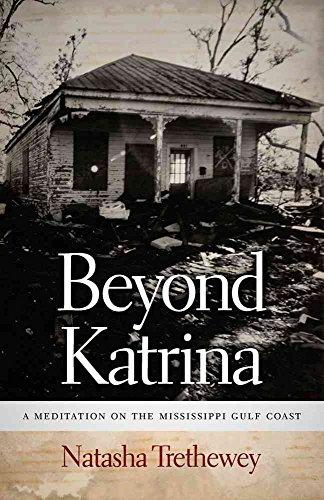
A Meditation on the Mississippi Gulf Coast
The book is described as a meditation on the aftermath of Hurricane Katrina on the Mississippi Gulf Coast and the author's family history. The author noted that while writing it, she realized how much religious language was present in her work.
It's of course about the aftermath of the hurricane on the Mississippi Gulf Coast and my family history and connection to it.
— Episode: [Unedited] Natasha Trethewey and Eboo Pa...
The book is described as a meditation on the aftermath of Hurricane Katrina on the Mississippi Gulf Coast and the author's family history. The author noted that while writing it, she realized how much religious language was present in her work.
It's of course about the aftermath of the hurricane on the Mississippi Gulf Coast and my family history and connection to it.
And as I was writing the book and I've seen this in my poems too, but it wasn't until we're writing that book that I saw how much of the language that comes to me is the language of religion, the language of religious rights.
This book, described as a meditation on the Mississippi Gulf Coast, was discussed in relation to Trethewey's use of religious language and themes in her work. The book's exploration of the aftermath of Hurricane Katrina and family history was highlighted.
It's a meditation on the Mississippi.
Beautiful book, thank you.
It's of course about the aftermath of the hurricane on the Mississippi Gulf Coast and my family history and connection to it.
The speaker described this book as beautiful and discussed its themes relating to the aftermath of Hurricane Katrina, family history, and the use of religious language. The author noted the use of religious language, noting that words such as 'liturgy' are connected to both secular and religious duty.
It's a meditation on the Mississippi Golden Hall.
It's of course about the aftermath of the hurricane on the Mississippi Gulf Coast and my family history and connection to it.
And as I was writing the book and I've seen this in my poems too, but it wasn't until we're writing that book that I saw how much of the language that comes to me is the language of religion, the language of religious rights.
So the idea of in service to the common good comes from something secular, but it is also deeply connected to something that we do in our faith.
All of those titles are about ways of thinking both the connection to religion but also that secular part that has a lot to do with what Ebu said and that is about justice.
This book, described as a meditation on the Mississippi Gulf Coast, was discussed in relation to Trethewey's use of religious language in her writing. It was praised as a 'beautiful book'.
It's a meditation on the Mississippi.
Beautiful book, thank you.
Note: The book recommendations on this page are discovered automatically from podcast transcripts, and may be incorrect or incomplete.
Podcast Name