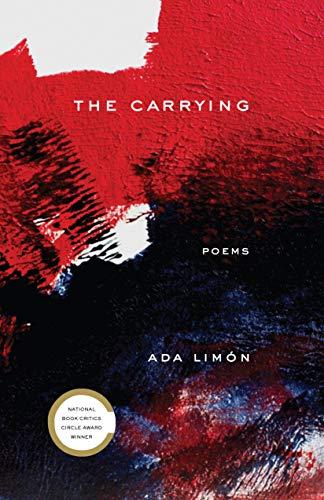
The Carrying
Ada Limón
Mentioned 2 years ago
“The End of Poetry” by Ada Limón
Wisdom to replenish and orient in a tender, tumultuous time to be alive. Spiritual inquiry, science, social healing, and poetry. Conversations to live by. With a 20-year archive featuring luminaries like Mary Oliver, Thich Nhat Hanh, and Desmond Tutu, each episode brings a new discovery about t...
Recently mentioned
Ada Limón
Mentioned 2 years ago
“The End of Poetry” by Ada Limón
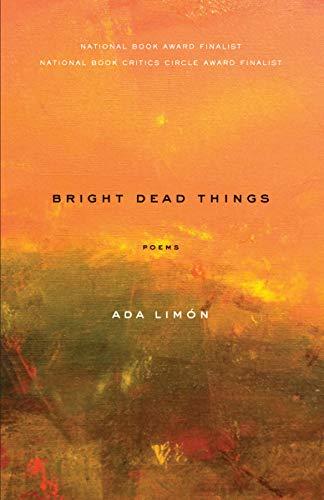
Ada Limón
Mentioned 2 years ago
“The End of Poetry” by Ada Limón
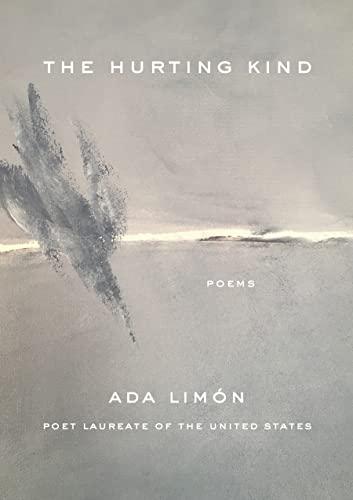
Ada Limón
Mentioned 2 years ago
“The End of Poetry” by Ada Limón
David Nicholls
Mentioned 2 years ago
“The End of Poetry” by Ada Limón
Atul Gawande
Mentioned 2 years ago
Atul Gawande — On Mortality and Meaning
Cixin Liu
Mentioned 2 years ago
Atul Gawande — On Mortality and Meaning
Royce Josiah
Mentioned 2 years ago
Atul Gawande — On Mortality and Meaning
Atul Gawande
Mentioned 2 years ago
Atul Gawande — On Mortality and Meaning
Elizabeth Alexander
Mentioned 2 years ago
“Ars Poetica #100: I Believe” by Elizabeth Alexander
Padmasambhava
Mentioned 2 years ago
Luis Alberto Urrea — On Our Belonging to Each Other
Luis Alberto Urrea
Mentioned 2 years ago
Luis Alberto Urrea — On Our Belonging to Each Other
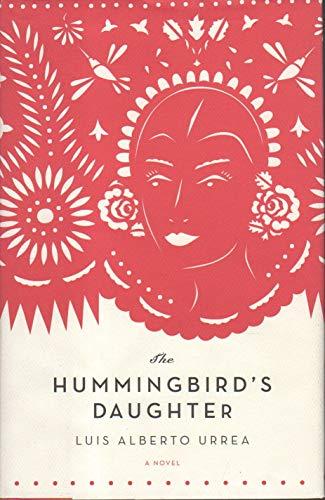
Luis Alberto Urrea
Mentioned 2 years ago
Luis Alberto Urrea — On Our Belonging to Each Other
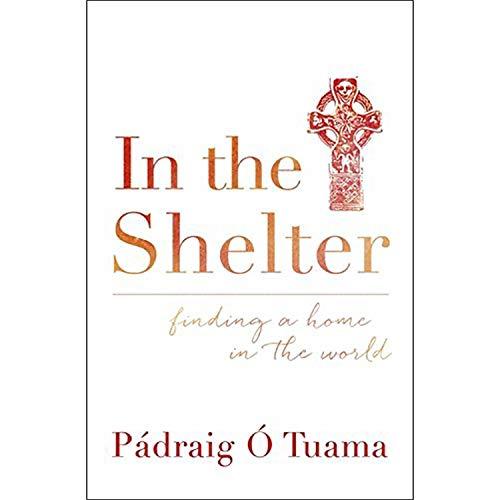
Finding a Home in the World
It was described as an incandescent memoir, a rich and beautiful book.
And we've had some wonderful conversations and your book is so rich and beautiful.
— Episode: [Unedited] Pádraig Ó Tuama with Krista...
It was described as an incandescent memoir, a rich and beautiful book.
And we've had some wonderful conversations and your book is so rich and beautiful.
Your book is so rich and beautiful.
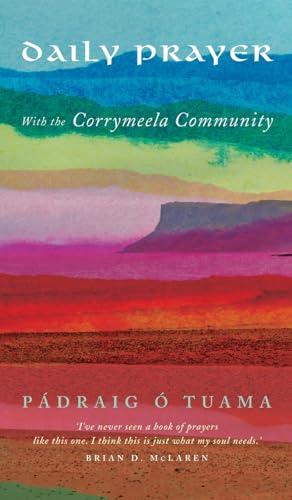
It was mentioned as a prayer book written by Pdraig Tuama for the Corrymeela community. The book's essay "Oremus" explores the rhythm and adaptability of prayer, comparing it to poetry and breath.
Prayer, like poetry, like breath, like our own names, has a fundamental rhythm in our bodies. It changes, it adapts, it varies from the canon.
— Episode: Pádraig Ó Tuama and Marilyn Nelson – “So...
It was mentioned as a prayer book written by Pdraig Tuama for the Corrymeela community. The book's essay "Oremus" explores the rhythm and adaptability of prayer, comparing it to poetry and breath.
Prayer, like poetry, like breath, like our own names, has a fundamental rhythm in our bodies. It changes, it adapts, it varies from the canon.
So let us pick up the stones over which we stumble, friends, and build altars. Let us listen to the sound of breath in our bodies. Let us listen to the sounds of our own voices, of our own names, of our own fears.
Let us name the harsh light and soft darkness that surround us. Let's claw ourselves out from the graves we've dug. Let's lick the earth from our fingers. Let us look up and out and around.
The world is big and wide and wild and wonderful and wicked, and our lives are murky, magnificent, malleable and full of meaning. Oremus, let us pray.
It was described as a prayer book that helps make sense in times of senselessness; it doesn't offer solutions but speaks to the mystery of humanity.
Prayer can be a rhythm that helps us make sense in times of senselessness, not offering solutions but speaking to and to be heard. Not offering solutions, but speaking to and from the mystery of humanity.
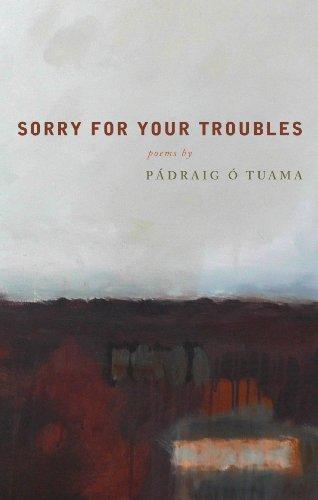
It was described as a book of poetry. The book opens up with a reflection on the limitation of language.
The Sorry For Your Troubles book opens up with a kind of a reflection on the limitation of language, because I felt very complicit, I suppose, in the sense of going, I need to be very...
— Episode: [Unedited] Pádraig Ó Tuama with Krista...
It was described as a book of poetry. The book opens up with a reflection on the limitation of language.
The Sorry For Your Troubles book opens up with a kind of a reflection on the limitation of language, because I felt very complicit, I suppose, in the sense of going, I need to be very careful in terms of that. And it's a short, it's a short poem. It's called The Word Became Stretched and Crept Among Us.
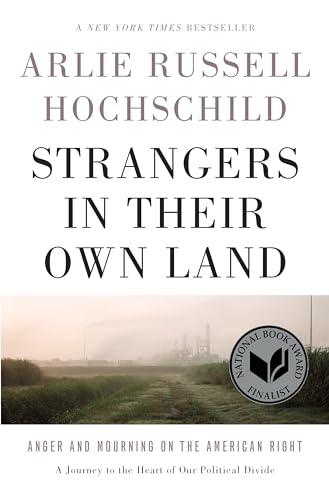
Anger and Mourning on the American Right
It was published just before the 2016 election and discussed anger and mourning on the American right, exploring the deep stories and emotions behind political divides. The author spent five years researching in Louisiana, aiming to understand the perspectives of those on the right wing.
After Arlie Hochschild published her book, Strangers in Their Own Land, Anger and Mourning on the American Right, just before the 2016 election, it came to feel prescient.
— Episode: Arlie Hochschild – The Deep Stories of O...
It was published just before the 2016 election and discussed anger and mourning on the American right, exploring the deep stories and emotions behind political divides. The author spent five years researching in Louisiana, aiming to understand the perspectives of those on the right wing.
After Arlie Hochschild published her book, Strangers in Their Own Land, Anger and Mourning on the American Right, just before the 2016 election, it came to feel prescient.
In my latest book, Strangers in Their Own Land, I got very interested in something I call the deep story which is a way of thinking about emotion.
So the companies with the money that the state gives them in this, I think it was $1.6 billion that was in the last five years- In Louisiana? Offered to companies, yeah, to come in with that public money that came from taxes.
There's a passage in the book that I, in Strangers in Their Own Land, that I just, this is just an example of this. And maybe this is the person you're talking about, you know, Harold, someone in the state always seems to come down on the little guy.
You in Strangers in Their Own Land near the end you say you write a letter to a friend on the liberal left.
In this book, Hochschild explored the deep stories and emotions of people on the American right, particularly in southwest Louisiana, aiming to understand the political divide. She used the metaphor of a line for the American Dream to illustrate the feelings of those who felt others were cutting in line.
In my latest book, Strangers in Their Own Land, Anger and Mourning on the American Right, I got very interested in something I call the deep story, which is a way of thinking about emotion.
What I came to feel and realize is that both the left and the right have different deep stories.
So what is a deep story? A deep story is what you feel about a highly salient situation that's very important to you. You take facts out of the deep story. You take moral precepts out of the deep story. It's just what feels true.
The metaphor for the right-wing deep story that I describe in Strangers is that you're waiting in line for the American dream that you feel you very much deserve.
And then they felt like Strangers in Their Own Land.
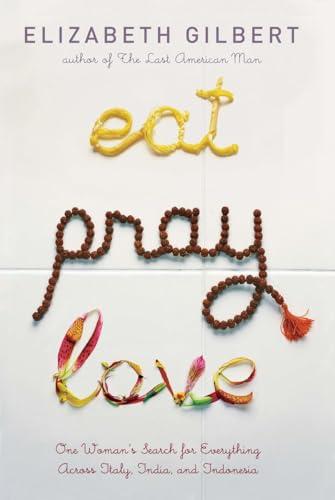
One Woman's Search for Everything Across Italy, India and Indonesia
It was discussed as a global sensation and a book that helped the author through a difficult time in her life. It was mentioned multiple times throughout the podcast.
In addition to her global sensation Eat, Pray, Love, she's the author of Big Magic, a book about creativity.
— Episode: Pico Iyer and Elizabeth Gilbert – The Fu...
It was discussed as a global sensation and a book that helped the author through a difficult time in her life. It was mentioned multiple times throughout the podcast.
In addition to her global sensation Eat, Pray, Love, she's the author of Big Magic, a book about creativity.
And then I started dreaming about learning Italian. I think it was that little spark in the right side of my amygdala that said, want to create, want to make something, want to do something other than live in fear and despair. And that was the beginning of Eat Pray Love.
It was discussed how the book's themes resonated differently with people at various life stages. The 10th anniversary of the book was also mentioned.
It's the 10th anniversary of Eat, Pray, Love, and there was a thing on Good Morning America today about it, and as props they made spaghetti and meatballs.
And then I was like, wait, is this fake food or is it real food? If it's real food, I'm eating it. And it was delicious. And that was my breakfast.
It was Gilbert's best-selling memoir, born from a period of collapse in her life; it inspired millions to live differently.
Elizabeth Gilbert's name is synonymous with her fantastically best-selling memoir, Eat, Pray, Love.
Eat, Pray, Love was born of a moment of total collapse in her life. And you can call it chiclet, but it's inspired millions to move forward with their lives differently.
So I kind of resisted interviewing you earlier because there was a time when, you know, eat, pray, love was everywhere.
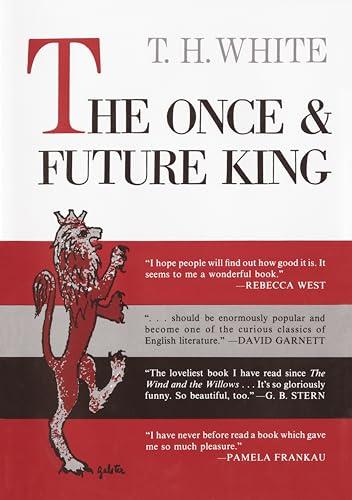
The book was mentioned as a source of comfort and inspiration during a time of grief; the speaker recalled a passage from the book that advised learning something new when feeling very sad.
And I was reading the once-in-future king, that book in Merlin says to Aritha, When you're very sad, the only thing to do is to go learn something.
— Episode: [Unedited] Marie Howe with Krista Tippet...
The book was mentioned as a source of comfort and inspiration during a time of grief; the speaker recalled a passage from the book that advised learning something new when feeling very sad.
And I was reading the once-in-future king, that book in Merlin says to Aritha, When you're very sad, the only thing to do is to go learn something.
This book was mentioned in relation to a quote from Merlin that inspired the author to pursue learning, leading to her discovery of poetry. The relevant quote from the book was not provided, only that the author read it following her father's death.
And I was reading the once-of-future king that book in Merlin says to Aritha, when you're very sad the only thing to do is to go learn something.
This book was referenced; a quote from Merlin about learning when sad was mentioned as inspiration for the author's pursuit of poetry.
And I was reading the once-in-future king, that book in Merlin says to Aritha, When you're very sad, the only thing to do is to go learn something.
This book was mentioned as a source of inspiration and wisdom during a time of grief, specifically a quote from Merlin to Arthur about learning something when sad.
And I was reading the once-of-future king that book in Merlin says to Aritha, when you're very sad the only thing to do is to go learn something.
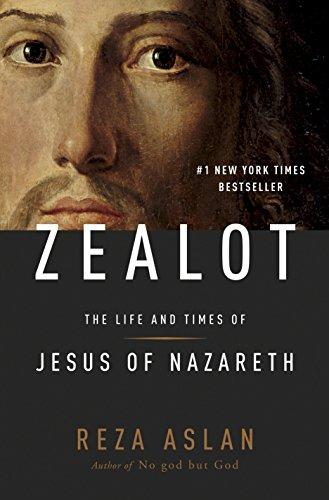
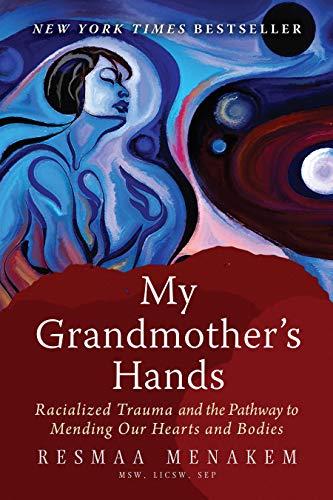
Racialized Trauma and the Pathway to Mending Our Hearts and Bodies
Menakem's book offered new approaches to understanding and addressing racialized trauma. It was discussed as a significant contribution to the conversation on racial healing.
Resmaa Menakem's book, My Grandmother's Hands, and his original insights into racialized trauma in all kinds of bodies has offered new ways forward for us all.
— Episode: Robin DiAngelo and Resmaa Menakem — Towa...
Menakem's book offered new approaches to understanding and addressing racialized trauma. It was discussed as a significant contribution to the conversation on racial healing.
Resmaa Menakem's book, My Grandmother's Hands, and his original insights into racialized trauma in all kinds of bodies has offered new ways forward for us all.
Resmaa Menakem's book, was described as offering new ways forward for all, providing original insights into racialized trauma. It was mentioned multiple times throughout the conversation.
Resmaa Menakem's book, My Grandmother's Hands, and his original insights into racialized trauma in all kinds of bodies, have offered new ways forward for us all.
So I've been, I've been taken to a calling. A friend of mine had a Instagram picture up and he had a mask on and on the mask, it said, I'm still dealing with COVID-16-19, not just COVID-19. And that's true for me. The weathering effects of white body supremacy has affected my very skeletal structure, has affected my respiratory system, has affected my cardiovascular system, has affected my mom's cardiovascular system, her mother's. I mean, the effects of racialization and white body supremacy and the weathering effects of it is why COVID-19 has run rampant through my communities and run rampant through the East African community.
Rezma's literary agent reached out and told me about Rezma's book and that Rezma loved my work. And he would love if I would read it and write an endorsement. And I read it.
It is a New York Times bestseller; described as part narrative and part workbook, it explores racialized trauma and pathways to mending hearts and bodies using both old wisdom and new science.
His New York Times bestselling book, part narrative, part workbook is My Grandmother's Hands, Racialized Trauma and the Pathway to Mending Our Hearts and Bodies.
His book, My Grandmother's Hands, is a completely original contribution, part narrative, part workbook, of old wisdom and very new science around healing racial trauma in our bodies.
And then when I read it in your book, it made me feel like I wasn't crazy.
I've been thinking this my whole life.
The book details the author's experiences and insights on racialized trauma and the pathway to healing, focusing on the impact of trauma on the body and the importance of embodied practices.
That's from picking cotton.
Them damn cotton plants got a burr in them. They got a burrs in them like that. And she goes, I started walking up and down them roads when I was four years old. And she said, As you're walking up and down the roads, you put your hands in them cotton plants, rip your hands up. And so when they rip your hands up, your hands bleed.
The white body sees itself as fragile and vulnerable, and it looks to police bodies for safety and protection. It sees black bodies as dangerous and needing to be controlled, yet also as potential sources of service and comfort. The black body sees the white body as privileged, controlling and dangerous. It is conflicted about the police body, which sees as sometimes a source of protection, sometimes a source of danger, and sometimes both at once. The police body sees black bodies as often dangerous and disruptive, as well as superhumanly powerful and impervious to pain.
I never lose. I either win or I learn.
all adults need to learn how to soothe and anchor themselves rather than expect or demand that others soothe them. And all adults need to heal and grow up.
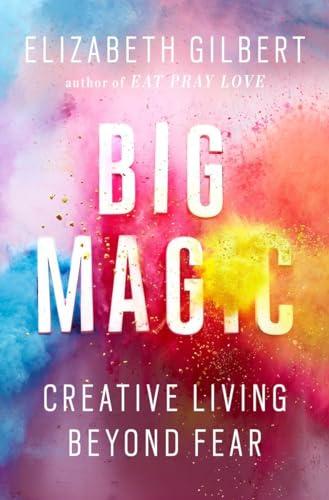
Creative Living Beyond Fear
This book, about creativity, was mentioned as another one of the author's well-loved nonfiction works.
In addition to her global sensation Eat, Pray, Love, she's the author of Big Magic, a book about creativity.
— Episode: Pico Iyer and Elizabeth Gilbert – The Fu...
This book, about creativity, was mentioned as another one of the author's well-loved nonfiction works.
In addition to her global sensation Eat, Pray, Love, she's the author of Big Magic, a book about creativity.
The book's exploration of creativity, demystifying it while also acknowledging its mystical aspects, was discussed. The author's personal creative journey and experiences in writing the book were also shared.
So much of that coalesces around this idea of what it means to be creative and I think kind of demystifying that and then like so on the one hand demystifying creativity. What did you say? What's your definition? Creative living? Is choosing the path of curiosity over the path of fear which is pretty straightforward.
So I wrote some poems recently and a friend of mine who was a songwriter, I showed them to her and she said we should turn these into songs and you should sing them and we should get a band together and we should get a recording studio and we should make some music.
And it's for saying that we're not just here to pay bills and die and we're not just here to make great things. We're here to co-create our lives in accordance and in concordance with the creation that's going on all around us and that that is holy and also cool and also fun and also not a big deal. That's what it's for.
And I think what a friendly artist, when I say friendly I mean somebody who has a friendly curiosity about their art and about themselves. And I think that sense of sort of open-hearted, forgiving, oh well, you know, the absence of perfectionism, what that artist does and this is how I've come to feel about my work is I cobble together my attempt to make an amethyst butterfly is always just so bizarre.
This book discusses creative living beyond fear; it uses the language of magic, yet demystifies creativity as everyday attainable.
She's published seven books, including most recently Big Magic, Creative Living Beyond Fear.
So on the one hand demystifying and on the one hand revealing it as magic, but kind of everyday attainable magic. Practical magic.
In your latest book, Big Magic.
And I thought of that when I was reading, you know, how you go back and forth in Big Magic, especially between, you know, yes, you work like a farmer. And then sometimes there's this fairy dust thing that happens.
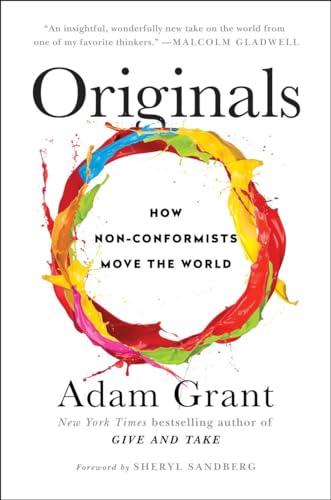
How Non-Conformists Move the World
The upcoming release of Adam Grant's book, Originals, was mentioned. No details of the book's content were discussed in the transcript.
His forthcoming book, Originals, will be out in February 2016.
— Episode: Adam Grant — Successful Givers, Toxic Ta...
The upcoming release of Adam Grant's book, Originals, was mentioned. No details of the book's content were discussed in the transcript.
His forthcoming book, Originals, will be out in February 2016.
This forthcoming book, planned for release in February 2016, was mentioned as focusing on individuals who challenge norms and champion new ideas. The interview touched on some of the core themes that would be explored in the book, such as the role of self-doubt and perseverance in advocating for change.
His forthcoming book, "Originals," will be published in February, 2016.
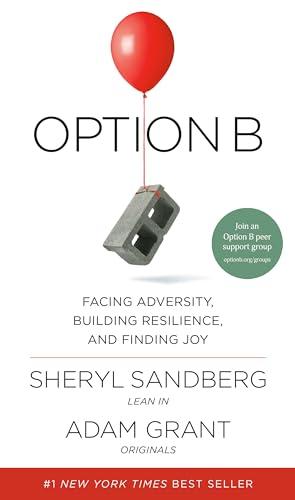
Facing Adversity, Building Resilience, and Finding Joy
This book, co-authored by Sheryl Sandberg and Adam Grant, focuses on building resilience and finding joy after facing adversity. It was inspired by Sandberg's experience with the death of her husband and uses both personal anecdotes and research findings to offer practical tools and advice.
I have lived 30 years in these 30 days. I am 30 years sadder. I feel like I am 30 years wiser.
— Episode: Sheryl Sandberg and Adam Grant — Resilie...
This book, co-authored by Sheryl Sandberg and Adam Grant, focuses on building resilience and finding joy after facing adversity. It was inspired by Sandberg's experience with the death of her husband and uses both personal anecdotes and research findings to offer practical tools and advice.
I have lived 30 years in these 30 days. I am 30 years sadder. I feel like I am 30 years wiser.
resilience is the strength and speed of our response to adversity. And we can build it. It isn't about having a backbone. It's about strengthening the muscles around our backbone
Our child dies a second time when no one speaks their name.
How we spend our days is how we spend our lives.
I don't believe this happened for a reason But it has given us all a reason to be more present parents, more loving spouses, more supportive friends, and more caring leaders
This book, co-authored by Sheryl Sandberg and Adam Grant, explores resilience after unimaginable loss, drawing on personal experience and research. It offers practical tools and insights for navigating grief and adversity, and for supporting others.
I have lived 30 years in these 30 days. I am 30 years better. I feel like I am 30 years wiser.
Resilience is the strength and speed of our response to adversity. And we can build it. It isn't about having a backbone. It's about strengthening the muscles around our backbone.
Our child dies a second time when no one speaks their name.
How we spend our days is how we spend our lives.
I don't believe this happened for a reason but it has given us all a reason to be more present parents, more loving spouses, more supportive friends and more caring leaders.
This book, co-written with Adam Grant, explores the authors' learnings about facing adversity, building resilience, and finding joy after the sudden death of Sheryl Sandberg's husband. It offers practical tools and research-based strategies for navigating loss and hardship.
I have lived 30 years in these 30 days. I am 30 years sadder. I feel like I am 30 years wiser.
resilience is the strength and speed of our response to adversity. And we can build it. It isn't about having a backbone. It's about strengthening the muscles around our backbone
Our child dies a second time when no one speaks their name.
how we spend our days is how we spend our lives.
I don't believe this happened for a reason, But it has given us all a reason to be more present parents, more loving spouses, more supportive friends, and more caring leaders.
It was written collaboratively by Sandberg and Grant, who are friends, following Sandberg's experience of loss and using research on resilience. It offers practical advice and tools for coping with adversity and building resilience.
I have lived 30 years in these 30 days. I am 30 years better. I feel like I am 30 years wiser.
Resilience is the strength and speed of our response to adversity. And we can build it. It isn't about having a backbone. It's about strengthening the muscles around our backbone.
Our child dies a second time when no one speaks their name.
How we spend our days is how we spend our lives.
I don't believe this happened for a reason but it has given us all a reason to be more present parents, more loving spouses, more supportive friends and more caring leaders.
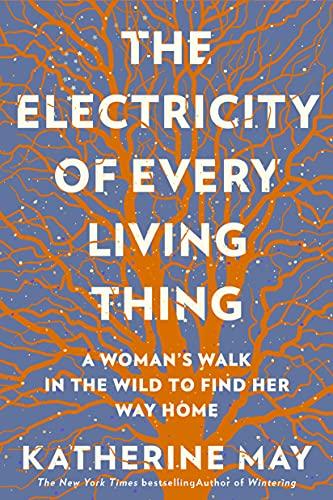
A Woman’s Walk In The Wild To Find Her Way Home
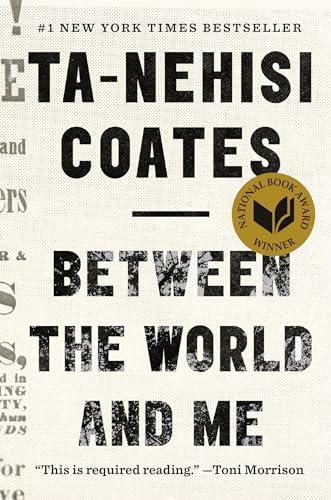
It was discussed in relation to Coates' personal experiences and spiritual background. Coates mentioned that the book explores his feelings about not letting himself feel, describing it as a "Bermuda triangle of the mind" that he connects to spiritual life.
I can somehow remember all that I did not allow myself to feel walking away from that unemployment office and through the Harlem streets that day, just as I remember all that I did not let myself feel...
— Episode: Ta-Nehisi Coates — Imagining a New Ameri...
It was discussed in relation to Coates' personal experiences and spiritual background. Coates mentioned that the book explores his feelings about not letting himself feel, describing it as a "Bermuda triangle of the mind" that he connects to spiritual life.
I can somehow remember all that I did not allow myself to feel walking away from that unemployment office and through the Harlem streets that day, just as I remember all that I did not let myself feel in those young years trapped between the schools and the street.
And I know that there are black boys and girls out there lost in a Bermuda triangle of the mind or stranded in the doldrums of America, some of them treading and some of them drowning, never feeling and never forgetting.
I talk about that actually a lot in my writing.
Coates' previous novel, it was a New York Times bestseller and won the National Book Award; it is about a friend of Coates who was killed by the police. The author discussed how the book connected his experiences with neurons firing in his brain and how this related to his concept of spiritual life.
My previous book, Between the World and Me, is about a friend of mine who was killed by the police.
And he just...And that was Prince. Prince Jones, yes, yes.
And he was just swallowed into the abyss where all the lives of other black people who had been snuffed out in similar ways just sort of were forgotten.
In America, it is traditional to destroy the black body. It is heritage.
This 1990 film, about a Russian-immigrant family, resonated deeply with David Green, evoking memories of his own Colombian immigrant family and their experiences. The film's depiction of family history, time's passage, and the struggles of immigration deeply moved him, especially after his grandfather's death.
If I knew that things would no longer be, I would have tried to remember better.
— Episode: Rubén Blades, Ashley C. Ford, David Gree...
This 1990 film, about a Russian-immigrant family, resonated deeply with David Green, evoking memories of his own Colombian immigrant family and their experiences. The film's depiction of family history, time's passage, and the struggles of immigration deeply moved him, especially after his grandfather's death.
If I knew that things would no longer be, I would have tried to remember better.
Daddy, that man talks funny. Well, he wasn't born here, Sam. You mean he wasn't born in Baltimore? No. He came to America in 1914. He said it was the most beautiful place he'd ever seen.
This 1990 film, about a family from Russia, resonated deeply with the listener due to its parallels with their own Colombian immigrant family and the struggles of moving to a new country. The quote "If I knew that things would no longer be, I would have tried to remember better" was particularly moving.
If I knew that things would no longer be there, I would have tried to remember better.
Daddy, that man talks funny. Well, he wasn't born here, Sam. You mean he wasn't born in Baltimore? No. He came to America in 1914. He said it was the most beautiful place he'd ever seen.
Mentioned alongside *Crossing to Avalon*, this novel was discussed in the context of Glastonbury, England, and its perceived connection to the mythical Avalon. The book's influence on people's understanding and perception of the town's mystical significance was noted.
Oh, very interesting, really yes The women in King Arthur's on to Raj and they've read these books and they feel that wow avalan sacred place glass and very even though You know we're not really sure that avalan was glass and very but it's the place that has the claim to it
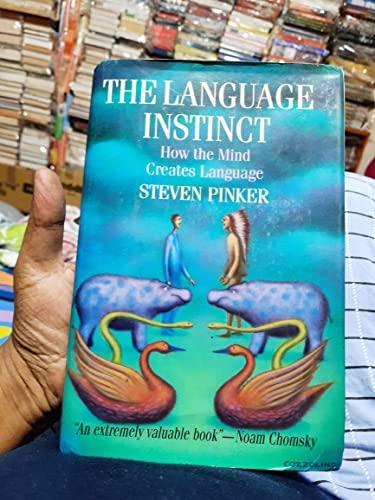
How the Mind Creates Language
It was described as one of the best books ever written on the subject of language, analyzing language in a precise way and looking at how meaning arises from it. The book's analysis of language was used as an example of how to start teaching mathematics using a familiar concept.
I mean, it's one of the best books ever written, nothing. It certainly the best one. Steve's ever written. It's a wonderful book.
— Episode: [Unedited] Keith Devlin with Krista Tipp...
It was described as one of the best books ever written on the subject of language, analyzing language in a precise way and looking at how meaning arises from it. The book's analysis of language was used as an example of how to start teaching mathematics using a familiar concept.
I mean, it's one of the best books ever written, nothing. It certainly the best one. Steve's ever written. It's a wonderful book.
It was described as one of the best books ever written about language, analyzing language precisely and looking at how meaning arises from language, including ambiguities and jokes.
I mean, it's one of the best books ever written, nothing. It certainly the best one. Steve's ever written. It's a wonderful book.
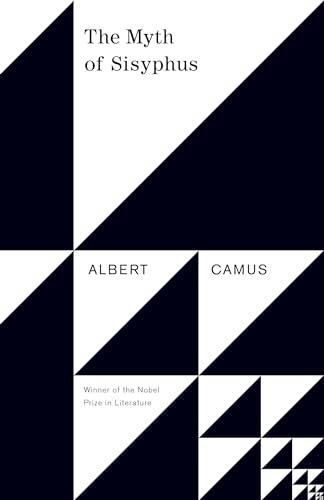
It was discussed in relation to its opening line about suicide being the only serious philosophical problem; however, the overall argument of the book is against suicide.
there's only one philosophical question, and that's suicide
— Episode: Jennifer Michael Hecht — 'We Believe Eac...
It was discussed in relation to its opening line about suicide being the only serious philosophical problem; however, the overall argument of the book is against suicide.
there's only one philosophical question, and that's suicide
there is but one truly serious philosophical problem and that is suicide. Judging whether life is or is not worth living amounts to answering the fundamental question.
The Myth of Sisyphus was discussed in relation to its opening line about suicide as a philosophical problem, and the overall argument against suicide within the book. It was noted that despite the initial impression, the book ultimately argues against suicide.
But I don't think that I either got to the end or really took in what you're saying was really the whole sweep of his argument.
The only consistent book that people come up to me and say, this helped me is Camus' myth of Sisyphus.
So if they read it, it helps them save their lives. They tell me over and over.
In the opening sentences, Camus discusses the importance of the question of suicide, and how it is the most important philosophical question to the individual.
In the opening sentences Kamu talks about how knowledge of certain features of the world, like whether or not there are three dimensions. [...] He basically listed a variety of scientific questions. And he said, all of those are secondary because the only true philosophical question he said was that of suicide.
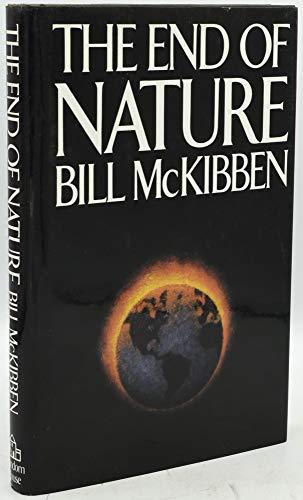
It was written in 1989 and discussed the evolving perspective on human responsibility in a changing natural world; it was described as both a book and a change in the direction of the author's life, moving from urban journalism to environmentalism.
The tone of that book was less fear than sadness because the big changes weren't yet breaking over our heads the way they are now.
— Episode: [Unedited] Bill McKibben with Krista Tip...
It was written in 1989 and discussed the evolving perspective on human responsibility in a changing natural world; it was described as both a book and a change in the direction of the author's life, moving from urban journalism to environmentalism.
The tone of that book was less fear than sadness because the big changes weren't yet breaking over our heads the way they are now.
Then it was mostly the anticipation 20 years ago of what it would feel like to live in a world that meant something different not just a world that didn't operate effectively or easily anymore but one that spiritually, psychologically, philosophically meant something different and something less than the one that I'd been born into.
It came out 20 years ago this fall that's right.
In these years since you wrote *The End of Nature* in '89 and now and this turns up in all your writing um you've become much less focused on individual uh life and life in action and on and much more on the value of community and this as the context for all the important changes we need to make.
This book, published in 1989, was one of the first to discuss climate change for a general audience; it discussed the disappearance of nature as we know it and its importance to human civilization. The author's perspective evolved from personal responsibility to the importance of community.
Only in the disappearance of nature as we have known it he warned, May we finally realize how essential it has been to human civilization.
The tone of that book was less fear than sadness because the big changes weren't yet breaking over our heads the way they are now. Then it was mostly the anticipation 20 years ago of what it would feel like to live in a world that meant something different, not just a world that did not operate effectively or easily anymore. But one that spiritually psychologically philosophically meant something different and something less than the one that I'd been born into.
McKibben's book, published in 1989, discussed the emerging science of climate change and its implications for the natural world. It expressed less fear than sadness about the anticipated changes and the spiritual and psychological implications of living in a world altered by climate change.
The tone of that book was less fear than sadness because the big changes weren't yet breaking over our heads the way they are now.
Then it was mostly the anticipation 20 years ago of what it would feel like to live in a world that meant something different not just a world that didn't operate effectively or easily anymore but one that spiritually, psychologically, philosophically meant something different and something less than the one that I'd been born into.
It came out 20 years ago this fall that's right.
In 1968 when I was a boy Apollo 8 sent back the first pictures of our planet that blue-white marble floating in space. Well those pictures are as out of date as my high school yearbook photo.
The planet doesn't look like that or behave like that anymore. There's more blue and less white, more cyclones swirling in the tropics. It's a different earth.
It was McKibben's first book on climate change for a general audience, published in 1989. The book discussed the disappearance of nature as we know it and its importance to human civilization.
Only in the disappearance of nature as we have known it he warned, May we finally realize how essential it has been to human civilization.
From this vantage point, writing The End of Nature seems to have crystallized a change in the entire direction of his life.
The tone of that book was less fear than sadness because the big changes weren't yet breaking over our heads the way they are now.
But one that spiritually psychologically philosophically meant something different and something less than the one that I'd been born into.
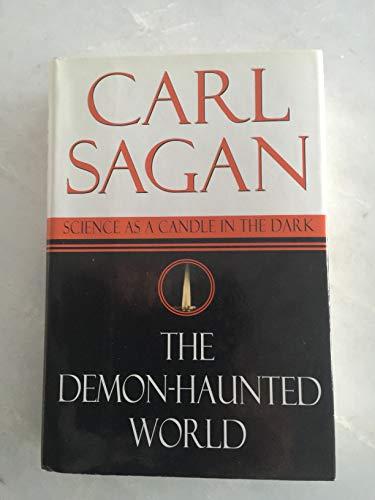
Science as a Candle in the Dark
It was mentioned that the speaker, Glenn Beck, read this book and was initially put off and angry about its perspective on Catholics, leading him to question his own reactions.
I was reading, um, I was reading Pearl Sagan's book, um, Demon-Hunted World. And I remember about halfway through. I actually threw the book across the room and it was, I wasn't a, I wasn't a Catholic...
— Episode: [Unedited] Glenn Beck with Krista Tippet...
It was mentioned that the speaker, Glenn Beck, read this book and was initially put off and angry about its perspective on Catholics, leading him to question his own reactions.
I was reading, um, I was reading Pearl Sagan's book, um, Demon-Hunted World. And I remember about halfway through. I actually threw the book across the room and it was, I wasn't a, I wasn't a Catholic or anything. I was raised Catholic but I wasn't a Catholic or anything. And I was so put off and so angry about what he was saying about Catholics.
It was mentioned that the speaker was reading this book and became so angry at its portrayal of Catholics that they threw it across the room. This led to a reflection on their own reactions and beliefs.
I was reading, um, I was reading Pearl Sagan's book, um, Demon-Hunted World. And I remember about halfway through. I actually threw the book across the room and it was, I wasn't a, I wasn't a Catholic or anything. I was raised Catholic but I wasn't a Catholic or anything. And I was so put off and so angry about what he was saying about Catholics.
Glenn Beck mentioned reading this book and having a strong negative reaction to its content, specifically regarding its portrayal of Catholics, which led him to question his own beliefs and perspectives.
I was reading, um, I was reading Pearl Sagan's book, um, Demon-Hunted World. And I remember about halfway through. I actually threw the book across the room and it was, I wasn't a, I wasn't a Catholic or anything. I was raised Catholic but I wasn't a Catholic or anything. And I was so put off and so angry about what he was saying about Catholics.
Glenn Beck mentioned reading this book and being so angry at what the author said about Catholics that he threw the book across the room. This incident prompted him to reflect on his own reactions and beliefs.
I was reading, um, I was reading Pearl Sagan's book, um, Demon-Hunted World. And I remember about halfway through. I actually threw the book across the room and it was, I wasn't a, I wasn't a Catholic or anything. I was raised Catholic but I wasn't a Catholic or anything. And I was so put off and so angry about what he was saying about Catholics.
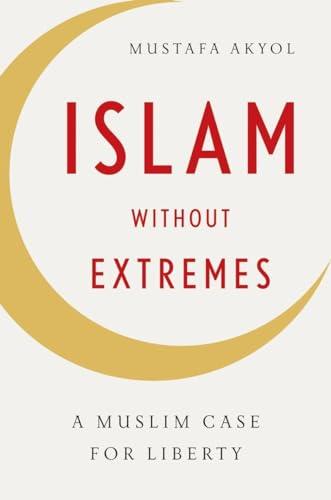
A Muslim Case for Liberty
This book, written by Mustafa Akyol, explores the compatibility of Islam with liberal democracy. It was discussed extensively in the context of Turkey's history and its current political landscape.
He's a Turkish political commentator and author of the book, Islam without Extremes, a Muslim case for Liberty.
— Episode: [Unedited] Mustafa Akyol with Krista Tip...
This book, written by Mustafa Akyol, explores the compatibility of Islam with liberal democracy. It was discussed extensively in the context of Turkey's history and its current political landscape.
He's a Turkish political commentator and author of the book, Islam without Extremes, a Muslim case for Liberty.
who said, well, democracy actually corresponds to the Islamic idea of consultation and the western principle of freedom, and the liberty, these actually come from the roots of our village and the idea of individual rights.
But in the third term, now they have defeated the establishment. Now they began to enjoy power and now they're showing some of the symptoms of the people that they got rid of.
In the sense that the belief at Turkey has a historic mission on earth, Turks as a people. The idea that Turks were the standard barriers of Islamic civilization for centuries after they abossed in the initial centuries of the Arabs.
But ultimately, Ottomans realized this and they set apostasy free. So it became possible in late Ottoman Empire to become a Christian if you're a Muslim.
The book was mentioned multiple times throughout the podcast. It explores the synthesis between Islam and democracy, emphasizing individual responsibility and the historical context of modernization within the Ottoman Empire. The author discussed how early Islamic discussions and Ottoman reformers addressed issues such as apostasy, showing a historical basis for liberal ideas within the Islamic tradition.
He's a Turkish political commentator and author of the book, Islam without Extremes, a Muslim case for Liberty.
who said, well, democracy actually corresponds to the Islamic idea of consultation and the western principle of freedom, and the liberty, these actually come from the roots of our village and the idea of individual rights.
But in the third term, now they have defeated the establishment. Now they began to enjoy power and now they're showing some of the symptoms of the people that they got rid of.
In my book, Islamic extremes, I go back to the earliest centuries of Islam and show some of the early discussions, theological discussions which would help us today, some nurtures on liberal ideas.
But ultimately, Ottomans realized this and they set apostasy free. So it became possible in late Ottoman Empire to become a Christian if you're a Muslim.
Note: The book recommendations on this page are discovered automatically from podcast transcripts, and may be incorrect or incomplete.
Podcast Name