
Podcast
On Being with Krista Tippett
The title was highlighted during multiple conversations between host Krista Tippett and author Steven Waldman, with occasional input from Philip Hamburger. They noted that the book debunked the myth of a monolithic founding‑father stance on religion, revealing the surprising role of evangelical allies and the nuanced, often conflicted views that shaped early American religious liberty. Waldman emphasized that understanding these complexities could help move beyond using the founders as partisan props and encourage a wiser approach to contemporary church‑state debates.
Episode: Philip Hamburger and Steven Waldman — The Long Exp...
The author's book explores the origins of the contemporary American culture wars and the role of religion in shaping American democracy. The book reveals surprising historical details about the founding fathers' views on religious liberty.
Anytime anyone starts a sentence with 'the founding fathers believed,' you should immediately have a lot of skepticism.
One of the things I learned is that there is no such thing as the founding fathers as a unitary block when it comes to these issues; they actually disagreed with each other.
Understanding Thomas Jefferson's take on faith means understanding a fury, it's fury.
Episode: [Unedited] Steven Waldman with Krista Tippett
The book explores the founding fathers' views on religious freedom, challenging common assumptions and revealing the complex interplay between faith and politics in shaping American religious liberty. It highlights the surprising alliances and disagreements among the founders regarding the separation of church and state.
I don't have your book in front of me. Remember what is the precise title?
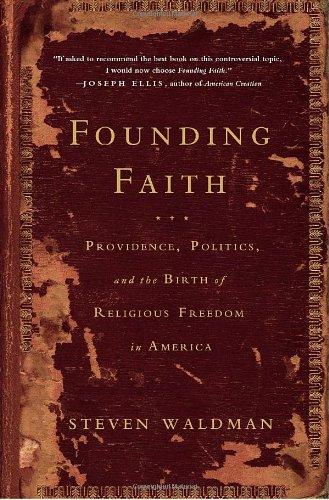
Founding faith. Providence politics and the birth of religious freedom in America.
I think the book you've done is different.
I had no idea how important and central the role of evangelical support for separation of church and state was. And I had no idea that they were such crucial allies of Madison and Jefferson.
It's a terrific book.
Episode: Philip Hamburger and Steven Waldman — The Long Exp...
The book explores the origins of religious freedom in America, challenging common misconceptions and revealing the complex relationship between faith and the founding fathers. It highlights the surprising role of evangelical Christians in the fight for religious liberty and the diverse viewpoints among the founders on the separation of church and state.
Not a day would go by where I wouldn't get an email from some interest group or advocacy group on left or right, claiming that the founding fathers agreed with them about something.
It was always it was amusing because I'd have a liberal group one day saying the founding fathers agree with our position on parent school. I would get an email from a conservative religious Christian group saying the founding fathers obviously agree with us on this.
So I got curious about that and as I went deeper into it what I came to realize is that the culture wars, the kind of hostile attacks had so distorted our sense of history that we really didn't have the foggyest idea how we ended up with religious freedom in America.
I also just came to believe that a lot of what we believe about why we have religious freedom in America is wrong and that it's kind of an important thing for us to understand so we can treasure it.
Well first I say that when it comes to this topic anytime anyone starts a sentence with the founding fathers believed you should immediately have a lot of skepticism.
Episode: [Unedited] Steven Waldman with Krista Tippett
This book explores the founding fathers' views on religious freedom, challenging common assumptions and revealing the complex interplay between faith and politics in shaping American religious liberty. The author researched the spiritual lives of the founding fathers and how their personal beliefs affected their views on church and state.
I don't have your book in front of me. Remember what is the precise title?
Founding faith. Providence politics and the birth of religious freedom in America.
I had no idea how important and central the role of evangelical support for separation of church and state was.
It's often talked about now it's like well if you don't have separation of church and state it's kind of hurt the political process. That was not Madison's primary concern Madison feared that if you didn't have separation of church and state it would warp and sap religion.
He said the separation of church and state worked because and we can see it because religion is thriving.
Episode: Steven Waldman — Liberating the Founders
It is a journalistic and historical investigation into the volatile, gradual formation of a new relationship between religion and state in the US during the 18th and 19th centuries. The book explores the complexities of religious liberty in early America, revealing a far less harmonious picture than is usually presented.
It's a journalistic and historical investigation of the volatile, gradual formation of a new kind of relationship between religion and state in the US in the 18th and 19th centuries.
Is it therefore useless to study the founding fathers? Not at all, if we know how to use them properly. It's time we stopped using the founders as historical conversation stoppers. As in, 'I'm right and you can tell because the founding fathers agree with me.' Instead, we must pick up the argument that they began and do as they instructed. Use our reason to determine our views.
The mind, as Jefferson reminded us, is the only Oracle God gave us. Jefferson wanted people less dependent on the Bible. I would extend the idea, Walman writes, and urge us to be less dependent on Jefferson.
Many modern church-state questions fall into a constitutional gray zone, and squinting at the founding documents with greater intensity will not change that. We need to ask a different question, not 'Are these practices constitutional?' but 'Are they wise?'
freedom of conscience means not only the freedom to believe but also the freedom to change, not only the right to practice one faith but also the right to a spiritual journey.
Episode: [Unedited] Steven Waldman with Krista Tippett (On...
It explores the American founders' views on religious freedom, challenging common misconceptions and revealing the complexities of their beliefs and the historical context of their time. The author delves into the founders' personal spiritual lives and how they influenced their views on church and state.
Founding faith yeah providence politics and the birth of religious freedom in America
I had never heard of her before
She was that she was sentenced to death
The Jefferson Bible
Freedom of conscience means not only the freedom to believe but also the freedom to change
Episode: [Unedited] Steven Waldman with Krista Tippett (On...
It explores the founding fathers' views on religious freedom and separation of church and state, challenging common assumptions and revealing the complex interplay of faith and reason in shaping American history. The author delves into the personal spiritual lives of these figures and their impact on their political decisions, particularly concerning religious liberty.
Founding faith: Providence, politics, and the birth of religious freedom in America
Not a day would go by where I wouldn't get an email from some interest group or advocacy advocacy group on left or right claiming that the founding fathers agreed with them about something.
First there had been a number of books about the particular spiritual lives of the founding fathers and and that's fascinating Absolutely fascinating and I do go into that but I went out of from with a very particular question in mind Which was how did their personal spiritual lives affect Their views on the separation of church and state or on religious liberty.
Freedom of conscience means not only the freedom to believe but also the freedom to change Not only the right to practice one's faith, but also the right to a spiritual journey
Rebellion to tyrants Is obedience to god
Episode: Steven Waldman — Liberating the Founders
It is a journalistic and historical investigation into the volatile, gradual formation of a new relationship between religion and state in the US during the 18th and 19th centuries. The book explores the complexities and contradictions of the founding fathers' views on religious freedom, challenging common assumptions.
It's a journalistic and historical investigation of the volatile, gradual formation of a new kind of relationship between religion and state in the US in the 18th and 19th centuries.
Is it therefore useless to study the founding fathers? Not at all, if we know how to use them properly. It's time we stopped using the founders as historical conversation stoppers. As in, I'm right and you can tell because the founding fathers agree with me. Instead, we must pick up the argument that they began and do as they instructed. Use our reason to determine our views.
The mind as Jefferson reminded us is the only Oracle God gave us. Jefferson wanted people less dependent on the Bible. I would extend the idea, Walman writes, and urge us to be less dependent on Jefferson.
Many modern church-state questions fall into a constitutional gray zone and squinting at the founding documents with greater intensity will not change that. We need to ask a different question, not are these practices constitutional but are they wise?
freedom of conscience means not only the freedom to believe but also the freedom to change, not only the right to practice one faith but also the right to a spiritual journey.
Episode: [Unedited] Steven Waldman with Krista Tippett (On...
It explores the founding fathers' personal spiritual lives and how they influenced their views on the separation of church and state and religious liberty in America. The author challenges common misconceptions about the founders' beliefs and aims to provide a more nuanced understanding of the historical context surrounding religious freedom.
I don't have your book in front of me. I have all my notes. I've taken remind me what is the precise title
Founding faith yeah providence politics and the birth of religious freedom in America
First there had been a number of books about the particular spiritual lives of the founding fathers and and that's fascinating Absolutely fascinating and I do go into that but I went out of from with a very particular question in mind Which was how did their personal spiritual lives affect Their views on the separation of church and state or on religious liberty.
One of the things that understanding Thomas Jefferson's take on faith means understanding a fury his fury
He literally sat there with four versions of the Bible Greek Latin French and English Went through with a knife or scissors and cut out the parts that he liked most and pasted it in to a fifth volume. He created his own Bible
Episode: [Unedited] Steven Waldman with Krista Tippett (On...
It explores the founding fathers' personal spiritual lives and how they influenced their views on the separation of church and state and religious liberty in America. The author challenges common misconceptions about the founders' beliefs and the historical context of religious freedom.
Founding faith: providence, politics, and the birth of religious freedom in America
Not a day would go by where I wouldn't get an email from some interest group or advocacy advocacy group on left or right claiming that the founding fathers agreed with them about something.
I tried to tie the spiritual issues back to the question of why we have religious freedom in America.
First there had been a number of books about the particular spiritual lives of the founding fathers and and that's fascinating Absolutely fascinating and I do go into that but I went out of from with a very particular question in mind Which was how did their personal spiritual lives affect their views on the separation of church and state or on religious liberty.
Freedom of conscience means not only the freedom to believe but also the freedom to change Not only the right to practice one's faith, but also the right to a spiritual journey