1984
George Orwell
Mentioned 6 days ago
WORLD CUP Bonus Episode: Quarterfinals
Trevor currently hosts a weekly podcast titled What Now? with Trevor Noah. In this new podcast, listeners get a chance to hear Trevor like never before. Trevor is joined each episode by celebrities, thought leaders, athletes, and friends to chat about the contemporary topics on everyone’s minds. He...
Recently mentioned
George Orwell
Mentioned 6 days ago
WORLD CUP Bonus Episode: Quarterfinals
Mario Puzo
Mentioned 3 weeks ago
WORLD CUP Bonus Episode: Entering the Knockouts
L. Frank Baum
Mentioned 1 month ago
WORLD CUP Bonus Episode: First Week
Edward Fishman
Mentioned 1 month ago
Eddie Fishman: Understanding Iran
Tom Nichols
Mentioned 2 months ago
Katie Couric: Is Objectivity Dead?
Aditya Raj
Mentioned 2 months ago
Ian Bremmer: Who Is Actually Running the World?
F. Scott Fitzgerald
Mentioned 3 months ago
Oobah Butler: The Digital Mirage
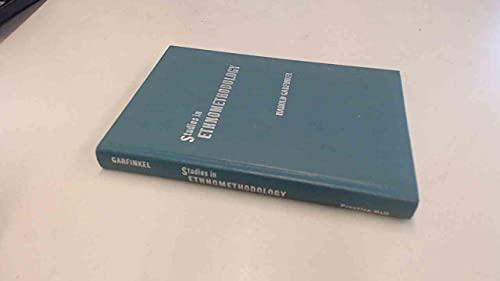
Harold Garfinkel
Mentioned 3 months ago
Oobah Butler: The Digital Mirage
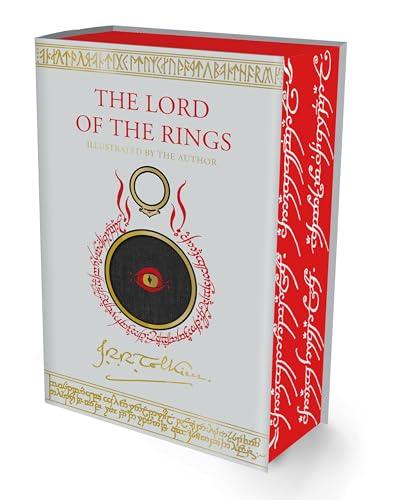
J. R. R. Tolkien
Mentioned 3 months ago
Atsuko Okatsuka: Can You Ever Really Go Home Again?
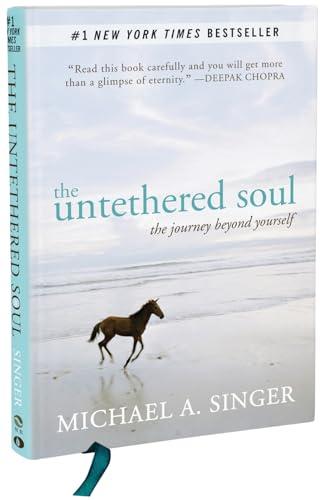
Michael A. Singer
Mentioned 4 months ago
Emily McDonald: Can You Rewire Your Brain?
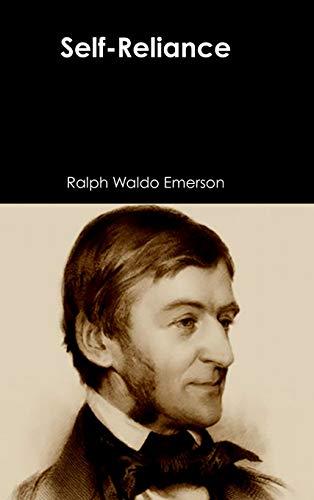
Ralph Waldo Emerson
Mentioned 4 months ago
Arthur C. Brooks: Are We Happy Yet?
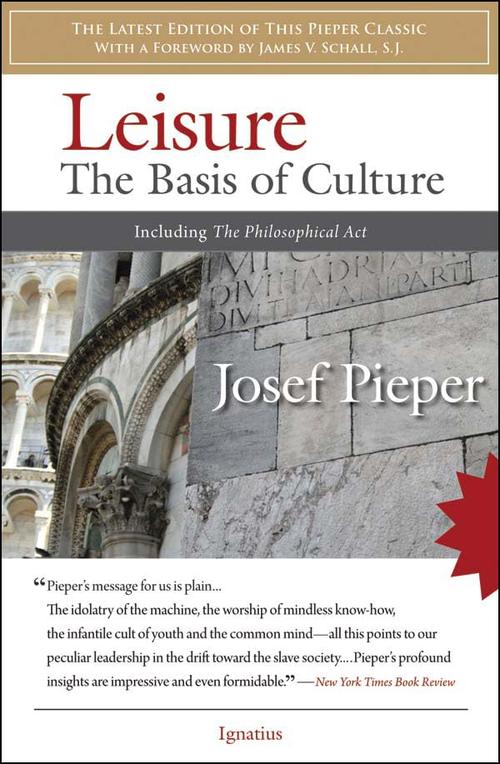
Josef Pieper
Mentioned 4 months ago
Arthur C. Brooks: Are We Happy Yet?
![Sapiens [Tenth Anniversary Edition]: A Brief History of Humankind Cover](https://media.podcastbookpicks.com/books/563.jpg)
A Brief History of Humankind
The book was highlighted as a work that reshaped listeners' understanding of how society is organized and why humans wield power. Trevor Noah praised it as the perfect example of the conversation that explains humanity's rise to dominance, and he connected its themes to the author's newer book. The discussion conveyed strong admiration for its impact.
It was discussed as a book that changed people's ideas on how society is organized and why humans have the power they do. The conversation about Sapiens transitioned into a discussion of the author's new book, Nexus.
If Sapiens was a conversation that helped us understand how humans dominated or got to the position of power that we got to as a species, it feels like Nexus is a conversation about the networks and the information that has gotten us there and the way that it could end us all.
Your book, Sapiens, is the perfect example of that.
That was the book that completely changed people's ideas of how we organize society and why humans have the power we do.
They discussed Harari's book Sapiens, mentioning how it presents a broad, nonjudgmental history of humanity and even calls animal exploitation the biggest crime in human history.
I think the final nudge came from Yuval Noah Harari. You had him on the show as well, right? So he wrote this book called Sapiens about the big picture, right? The history of humanity of the last hundreds of thousands of years. And in that book, he doesn't make any moral judgment whatsoever. So he talks about the Nazis and he's like, I don't know, describing it as, you know, just another culture, right? ... And then at the end of the book, he talks about the way we treat animals. And he has this offhand remark where he says, well, this is probably the biggest crime in all of human history.
They referred to the author of the book while discussing how modern society has more information than ever before.
the author of Sapiens and the Nexus, he said something that really stuck with me.
Harari, the author of Sapiens, was referenced as a guest on a previous episode.
we had the author of Sapiens and Nexus, Yuval Noah Harari on.
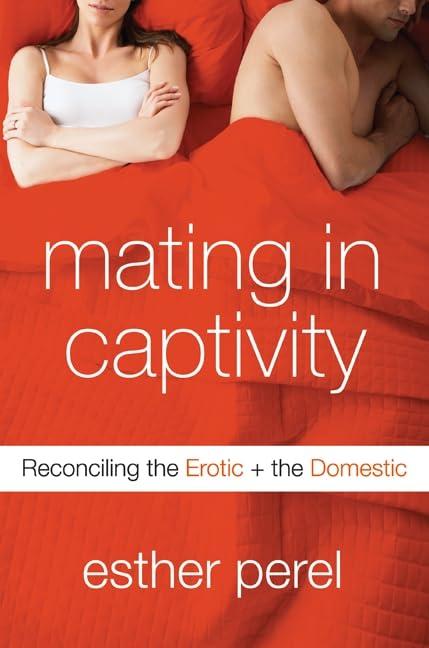
Reconciling the Erotic and the Domestic
The hosts highlighted how the book reshaped thinking about relationships and intimacy, noting its 20th anniversary and its impact on questioning long‑standing assumptions about sex and partnership. They explained that it explored the tension between love and desire, and how couples negotiate security and adventure in long‑term relationships. The discussion conveyed strong endorsement of its insights for listeners.
The hosts discussed how the book reshaped thinking about relationships and intimacy, noting its 20th anniversary and its role in questioning longstanding assumptions about sex and partnership.
Mating in Captivity ... it's a book. Yeah, it's a book. And for those who don't know, it has its 20th anniversary next time. Congratulations.
I just had not focused on sexuality and the cultural story that supports our expectations around sexuality, desire, eroticism in long term relationships. I wrote Mating in Captivity and it actually questioned a whole set of suppositions that were parading as truths when they were actually not.
That was the subject of this first book - how love and desire relate, how they sometimes conflict, and how we negotiate security and adventure in relationships.
Esther mentioned that her first book, Mating in Captivity, examined the tension between desire and security in relationships.
And I, you know, Mating in Captivity, my first book was all about that tension.
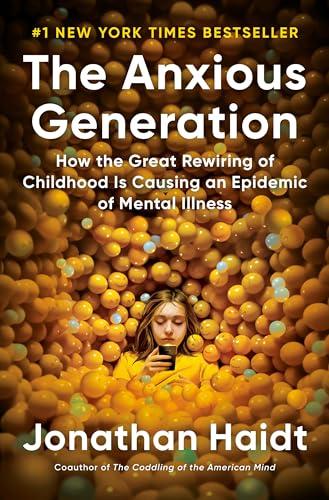
How the Great Rewiring of Childhood Is Causing an Epidemic of Mental Illness
The host chatted with the author about the book, noting that it examined how smartphones and social media are harming youth mental health and argued that overprotecting children offline while underprotecting them online has created a tragedy in two acts. It was highlighted as a bestseller that is sparking urgent conversations worldwide, and both the host and author affirmed having read it.
The book examined how smartphones and social media are harming youth mental health and argued that overprotecting children offline while underprotecting them online has created a tragedy in two acts.
Jonathan Haidt is a leading social psychologist, a professor at NYU, and the author of The Anxious Generation, a book that's sparking urgent conversations around the world today.
When you wrote Anxious Generation, did you think you were tapping into... the last I checked, it's still on the New York Times bestsellers list. It just stays there as robust as ever.
You know, there's probably some people listening now who haven't read the book. And I've read the book. So has Trevor.
Trevor mentioned Jonathan Haidt's book as a reference point while discussing overprotection and underprotection of children, highlighting its relevance to the conversation about parenting challenges.
We're talking about... Jonathan Haidt... his book, The Anxious Generation.
During the episode, the hosts highlighted the book as one of the biggest ever written and noted that the film adaptations were epic, likening the early career boost to scaling Mount Everest. Trevor Noah and guest Orlando Bloom both referenced its massive cultural impact. The overall tone was appreciative but brief.
It was mentioned as one of the biggest books ever written, and the movies based on it were described as epic. The speaker reflected on how the success of the Lord of the Rings films, early in his career, was almost like reaching the summit of Mount Everest.
And then you get Lord of the Rings.
people knew that this was going to be one of the biggest films ever made because it was based on one of the biggest books ever.
The book was mentioned in a comparison to a horror scenario, asking if the listener had seen the film adaptation of the story.
And I'm like, no, it's more like, have you seen The Ring? You know, like the, you know, the bitch that comes out of the TV.
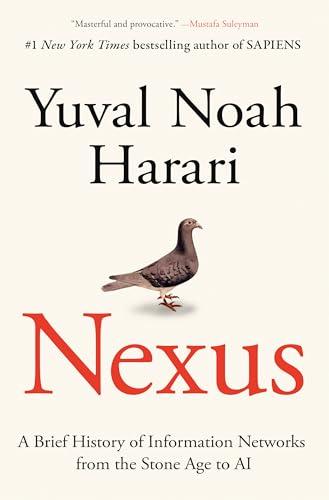
A Brief History of Information Networks from the Stone Age to AI
In the episode, Trevor Noah introduced the title while chatting with Yuval Noah Harari, highlighting its focus on how information networks shape human behavior and the risks posed by AI. The discussion emphasized the book’s central question about why intelligent humans often act irrationally, linking it to societal breakdowns and current global issues. The hosts treated the work as a thought‑provoking but contentious contribution to understanding societal dynamics.
This book explores why humans, despite their intelligence, engage in self-destructive behaviors. The central theme revolves around the role of information in shaping human decisions and actions, and the potential threats posed by AI.
Well his new book, Nexus, is just as contentious. It focuses on a possible answer to what makes society work and what could break it completely.
And the key question that starts Nexus is if humans are so smart, why are we so stupid?
The rise of AI, the war in the Middle East, the breakdown in communication between politicians and the people. In this episode we discuss it all.
Trevor mentioned learning about the concept of shared fictions from Yuval Noah Harari's book Nexus during a previous podcast episode.
I learned it from Yuval Noah Harari, who we had on the podcast, and in his book, Nexus, he's talking about how humans have connected all of these ideas and made societies out of agreed fictions.
In the episode, the hosts referenced the title as an example of a story whose underlying ideas could be discussed without needing the characters to exist, noting that its concepts have endured over time. They highlighted the lasting impact of its themes, such as the Wicked Witch of the West, but did not offer a direct endorsement.
They mentioned the Wizard of Oz as a story they could discuss without needing the characters to be real, highlighting its lasting concepts.
Even if we talk about The Wizard of Oz, right? I don't need Dorothy to be real. I don't need the Tin Man to be real. I don't need the Lion to be. But these are the concepts that stick with me.
The Wicked Witch of the West.
They likened a violent Kansas storm during the England team's travel to the opening scene of The Wizard of Oz.
There was like a shooting near the grounds, which just became part of the news. Then there was a tornado warning that was issued. And so the players had to stay indoors. And it was like a violent storm in Kansas. You know, people were like, this is basically the beginning of The Wizard of Oz.
In a World Cup bonus episode, the hosts cited the novel to illustrate an Orwellian scenario, warning listeners not to trust deceptive appearances. Trevor Noah specifically mentioned it when discussing how things can look misleading. The reference was brief and used as an example rather than a recommendation.
The hosts referenced the novel to illustrate an "Orwellian" situation, suggesting listeners should not trust deceptive appearances.
I agree ... like when you talk about 1984, don't believe your lying eyes.
Break Through the Blocks and Win Your Inner Creative Battles
The book was cited as an inspiring guide on the challenges of artistic creation, discussing mastery, insecurity, and the need for confidence in a creator's work.
and it's that book I'm sure many people have said it but in that book The War of Art I think one of the it's really amazing I think you'd enjoy it but it talks about the complicated n...
— Episode: Cleo Abram: What Could Go Right?
The book was cited as an inspiring guide on the challenges of artistic creation, discussing mastery, insecurity, and the need for confidence in a creator's work.
and it's that book I'm sure many people have said it but in that book The War of Art I think one of the it's really amazing I think you'd enjoy it but it talks about the complicated nature of artistry and the journey of making and what it means to create right to take something from nothing bring it out into the world make it something and other people consume it and one of the main things it speaks about is how the true mastery of
In the episode, Trevor Noah quoted a passage from the title, noting a line that suggested one doesn't have to do anything because "you're already being done," referencing Dr. Wayne Dyer. The book was mentioned only to illustrate this idea and was not presented as a recommendation.
A quote from this book, mentioned in reference to Dr. Wayne Dyer, suggested that one does not need to actively 'do anything' because 'you're already being done.'
He said, you don't have to do anything because you're already being done.
Time Management for Mortals
The book was presented as a beautiful reminder that humans have about 4,000 weeks on Earth and encouraged listeners to consider how they spend that limited time.
there's a beautiful book that I read we should have the author on if he'll join us it was a book called 4,000 weeks and it's a book that the average human has about 4,000 weeks on this planet how do y...
— Episode: Cleo Abram: What Could Go Right?
The book was presented as a beautiful reminder that humans have about 4,000 weeks on Earth and encouraged listeners to consider how they spend that limited time.
there's a beautiful book that I read we should have the author on if he'll join us it was a book called 4,000 weeks and it's a book that the average human has about 4,000 weeks on this planet how do you want to spend those weeks and when you understand the limited nature of those weeks you also understand that you're always going to be missing something because you're doing something else instead of having FOMO rather enjoy this thing that you're actually experiencing
The hosts discussed the Bible as a large book that contains much suffering, using it as an example of a story that includes both hardship and redemption.
the Bible is a big book of suffering. Yes, but life is a big book of suffering. You see, so it's all about someone did something and then found redemption.
— Episode: Meet Eugene Khoza – One of My Favorite P...
The hosts discussed the Bible as a large book that contains much suffering, using it as an example of a story that includes both hardship and redemption.
the Bible is a big book of suffering. Yes, but life is a big book of suffering. You see, so it's all about someone did something and then found redemption.
the Bible is a big book of suffering. Yes, but life is a big book of suffering. ... It's a big book of suffering and also a big book of redemption.
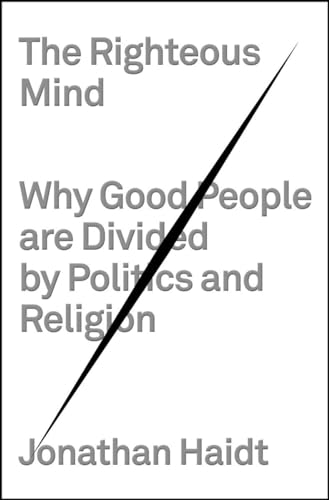
Why Good People Are Divided by Politics and Religion
The book explores the psychological foundations of morality and how our minds build moral judgments.
I wish I had this in the book, in my book, The Righteous Mind, I cover the work of Michael Tomasello on joint attention.
— Episode: The Anxious Generation with Jonathan Hai...
The book explores the psychological foundations of morality and how our minds build moral judgments.
I wish I had this in the book, in my book, The Righteous Mind, I cover the work of Michael Tomasello on joint attention.
The Original 1925 Edition (Booklover's Library Classics)
They compared a person to the novel's protagonist, calling him the "great Gatsby of football."
Who am I? You're The Great Gatsby of... The Great Gatsby of football.
— Episode: Oobah Butler: The Digital Mirage
They compared a person to the novel's protagonist, calling him the "great Gatsby of football."
Who am I? You're The Great Gatsby of... The Great Gatsby of football.
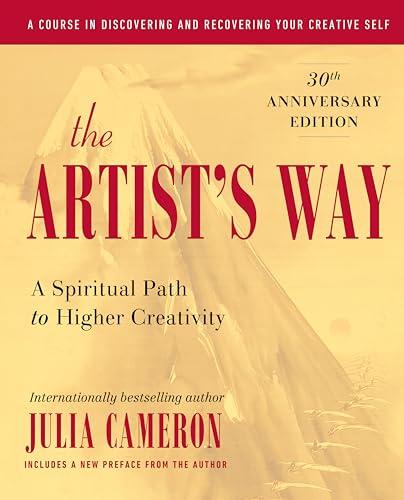
A Spiritual Path to Higher Creativity
Rainn Wilson highlighted the book as one of his favorite works, noting that its perspective on spirituality was presented as a necessity rather than a virtue. He praised the author's approach to creativity and spiritual growth, suggesting it resonated strongly with listeners.
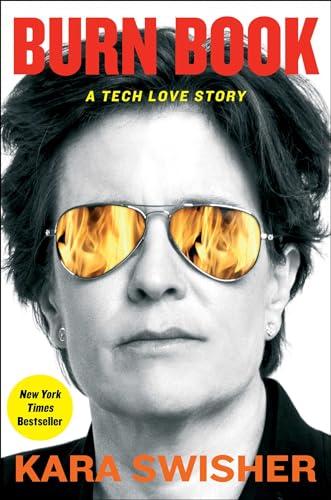
A Tech Love Story
Kara Swisher mentioned that her own book, Burn Book, was a love story about technology and expressed frustration with how tech companies monopolize ideas.
my book was called Burn Book, a love story, a tech love story. I love tech. I'm just pissed at what they did to it.
— Episode: Kara Swisher: Tech, Power, and Why You S...
Kara Swisher mentioned that her own book, Burn Book, was a love story about technology and expressed frustration with how tech companies monopolize ideas.
my book was called Burn Book, a love story, a tech love story. I love tech. I'm just pissed at what they did to it.
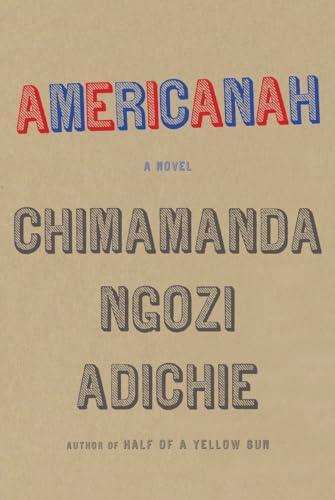
A novel
Trevor said that with Americana she set herself free from being the "good daughter of literature."
And with Americana, I was setting myself free from being the good daughter of literature.
— Episode: The Reality of Fiction [VIDEO]
Trevor said that with Americana she set herself free from being the "good daughter of literature."
And with Americana, I was setting myself free from being the good daughter of literature.
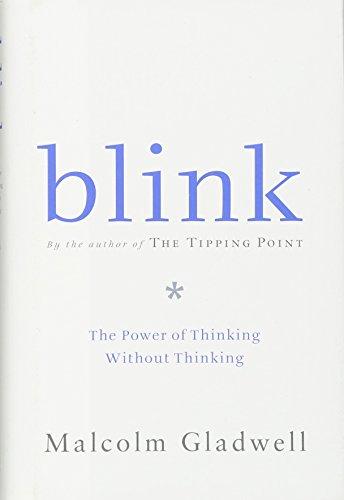
The Power of Thinking Without Thinking
Trevor suggested revisiting the book Blink, calling it one of his favorites when discussing Malcolm's other works.
Malcolm, if you want to revisit another book, I'll put Blink aside because Blink is one of my favorites.
— Episode: Tight Values, Loose Ideas with Malcolm G...
Trevor suggested revisiting the book Blink, calling it one of his favorites when discussing Malcolm's other works.
Malcolm, if you want to revisit another book, I'll put Blink aside because Blink is one of my favorites.
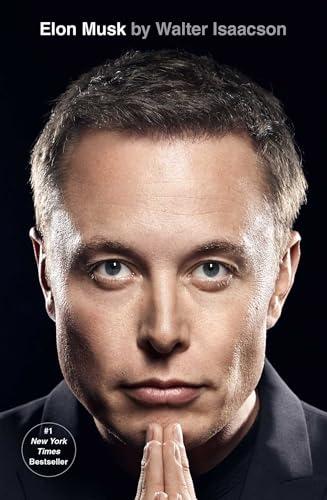
In the episode, the hosts noted that the Walter Isaacson biography of Elon Musk included extensive discussion of his mental wellbeing and personal admissions. They referenced the book primarily to highlight these aspects of Musk's character rather than to recommend it outright.
They noted the Walter Isaacson biography of Elon Musk, saying it contained a lot about his mental wellbeing and personal admissions.
I have to say though, you know, the Walter Isaacson book that came out. Right. What was it like two years ago? There's a lot in there about his mental wellbeing and admissions from his himself.
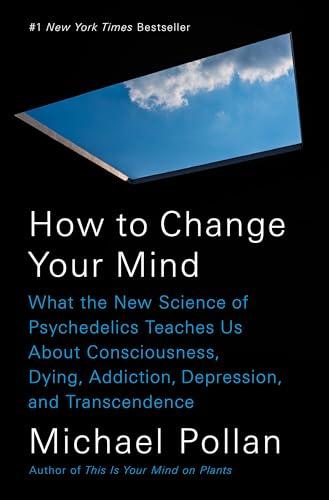
What the New Science of Psychedelics Teaches Us About Consciousness, Dying, Addiction, Depression, and Transcendence
The book was highlighted by its author, Michael Pollan, who noted that the 2018 publication had shifted public discourse on psychedelics, making open discussion of their use more acceptable. He emphasized its role in changing how society views psychedelics and their potential benefits.
The book, published in 2018, discussed psychedelics and is credited with changing the public conversation around psychedelics, making it more acceptable to discuss their use.
How to Change Your Mind, my book about it was in 2018. And at that point, there were lots of people who were using psychedelics but would never talk about it publicly.
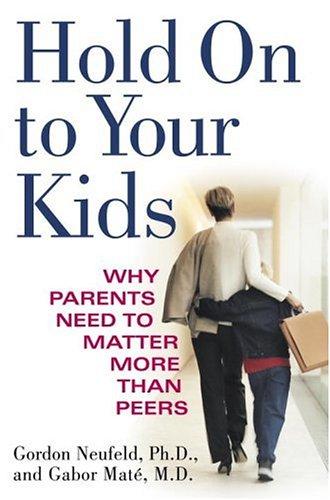
Why Parents Need to Matter More Than Peers
The book was mentioned as an analysis of the growing economic and educational gap between the upper third and the lower twothirds of American families.
The book was called Our Kids. The book was focused on a whole series of charts and graphs that showed the gap between rich kids and poor kids growing.
— Episode: Join or Die with Robert Putnam [VIDEO]
The book was mentioned as an analysis of the growing economic and educational gap between the upper third and the lower twothirds of American families.
The book was called Our Kids. The book was focused on a whole series of charts and graphs that showed the gap between rich kids and poor kids growing.
Note: The book recommendations on this page are discovered automatically from podcast transcripts, and may be incorrect or incomplete.
Podcast Name