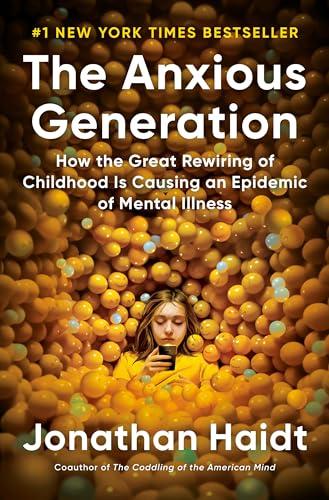
The Anxious Generation
Jonathan Haidt
Mentioned 4 months ago
SOTU Recap: Trump Gets Tarantino-Gory & Award-Crazy in Record-Long Address | Jonathan Haidt & Catherine Price

Jon Stewart and The Daily Show News Team cover today's biggest headlines. The “Ears Edition” of The Daily Show features full episodes, extended content, exclusive interviews, and more. The Daily Show: Ears Edition listeners can use discount code "TDS20” for 20% off all The Daily Show products on Par...
Recently mentioned
Jonathan Haidt
Mentioned 4 months ago
SOTU Recap: Trump Gets Tarantino-Gory & Award-Crazy in Record-Long Address | Jonathan Haidt & Catherine Price
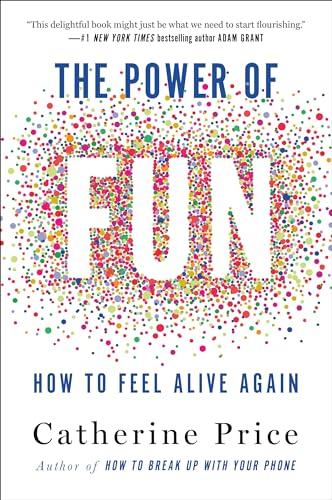
Catherine Price
Mentioned 4 months ago
SOTU Recap: Trump Gets Tarantino-Gory & Award-Crazy in Record-Long Address | Jonathan Haidt & Catherine Price
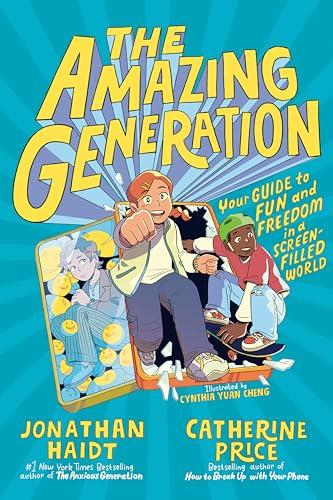
Jonathan Haidt
Mentioned 4 months ago
SOTU Recap: Trump Gets Tarantino-Gory & Award-Crazy in Record-Long Address | Jonathan Haidt & Catherine Price
Caroline Peckham
Mentioned 4 months ago
SOTU Recap: Trump Gets Tarantino-Gory & Award-Crazy in Record-Long Address | Jonathan Haidt & Catherine Price
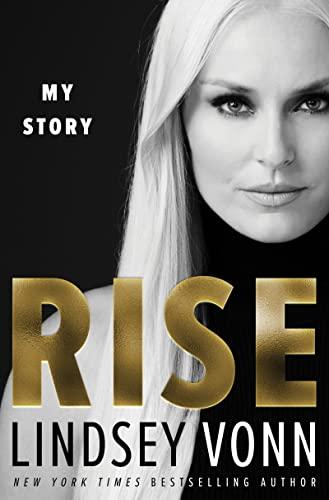
Lindsey Vonn
Mentioned 5 months ago
TDS Time Machine | Conversations with Olympians
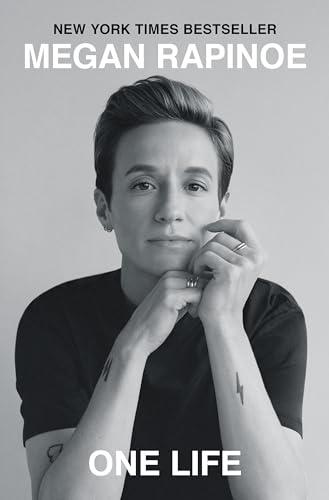
Megan Rapinoe
Mentioned 5 months ago
TDS Time Machine | Conversations with Olympians
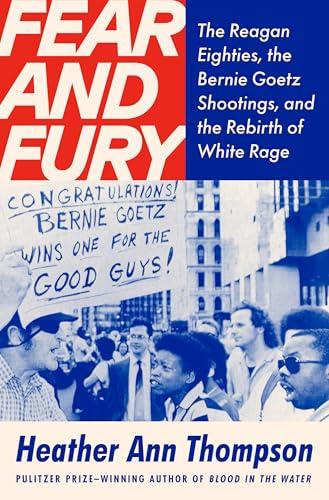
Heather Ann Thompson
Mentioned 5 months ago
DOJ Protects Trump From Epstein Accountability as MAGA Attacks "Sanctuary Cities" | Heather Ann Thompson
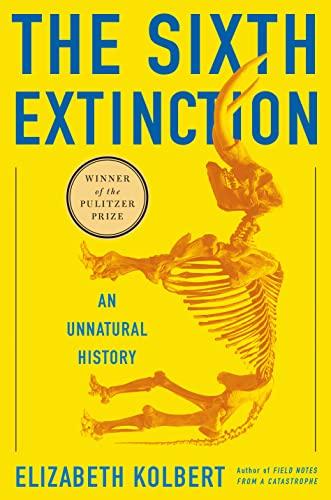
Elizabeth Kolbert
Mentioned 7 months ago
Trump Berates Reporters, Gets Mystery MRI & Closes Border to (Non-White) Immigrants | Elizabeth Kolbert
Elizabeth Kolbert
Mentioned 7 months ago
Trump Berates Reporters, Gets Mystery MRI & Closes Border to (Non-White) Immigrants | Elizabeth Kolbert
Paul J. Mladjenovic
Mentioned 7 months ago
TDS Time Machine | Black Friday
Sean Sherman
Mentioned 8 months ago
Trump Can’t Keep His Hands Off MBS as Epstein Files Release Is Imminent | Sean Sherman
David McCullough
Mentioned 8 months ago
The Precap | Ronny Chieng - It's Always Epstein Week
How the Great Rewiring of Childhood Is Causing an Epidemic of Mental Illness
The book was highlighted as an eye‑opening analysis of the mental‑health crisis among children born after 1995, attributing the decline to a shift from play‑based to phone‑based childhoods. It was praised by Jonathan Haidt and repeatedly recommended by Mark Duplass and other hosts as an essential read, with several episodes urging listeners to consider policies like delaying smartphones and social media until later ages and promoting phone‑free schools. The discussion conveyed strong enthusiasm for the work and its practical recommendations.
The book explores the decline in mental health among young people born after 1995, attributing it to a "great rewiring" caused by the shift from play-based childhoods to phone-based childhoods. It argues that the loss of outdoor play and the rise of smartphones and social media have had a negative impact on children's development and mental well-being. Haidt suggests that the overprotection of children from risk and the excessive use of technology are key contributors to this problem.
People walking all over Brooklyn holding this book. It's talking about the great rewiring. Talk to me, what is the great rewiring?
So, um, something happened to young people born after 1995. Uh, all of a sudden in the early 2010s, their mental health collapsed, rates of anxiety and depression skyrocketed, self-harm is up like 150% for younger teen girls, suicide is up 50%. Something happened in the early 2010s.
And so that's what the book is about. Something changed between 2010 and 2015, and I'm trying to explain what it is.
It's interesting how you're talking a lot about not only these phones come in and they change the way kids think and the way society thinks, but you talk about raising a child an anti-fragile child. And you make some bold claims in this book. One of which is right here. You claim that this merry-go-round playground spinner is the greatest piece of playground equipment ever invented. Defend yourself. How is it...
The Anxious Generation is available now.
The book discusses how young people's mental health has declined since the early 2010s. It argues that the change is due to a 'tragedy in two acts': the loss of the play-based childhood and the arrival of the phone-based childhood. The book also discusses the importance of 'risky play' in childhood and how overprotection can lead to children being unprepared for adulthood.
I see people walking all over Brooklyn holding this book. It's talking about the great rewiring. Talk to me. What is the great rewiring?
The book is about something changed between 2010 and 2015 and I'm trying to explain what it is.
You claim that this merry-go-round playground spinner is the greatest piece of playground equipment ever invented. Defend yourself.
It's just a metaphor. If you're up, you're down. You know, it's just what life is all about.
I propose in the book for there's a lot of suggestions but four norms that will break these collective action traps. First, no smartphone before high school. Just clear this out of the lives of elementary and middle school kids. Send them out, give them a flip phone, a dumb phone, a phone watch. You can say you can text them, but don't give them the entire internet, including strangers all over the world who are trying to get at them sexually. Like this is just craziness, so no smartphone till high school. The second is no social media till 16. You know the things that are sent around on social media, the things they're exposed to. Like I just recently learned about the video a cat in a blender which was popular a while ago. I don't know exactly. It is exactly what it sounds like. So you know, and this is just this is just part of childhood is hardcore porn, animal cruelty, beheading videos, so you know, let's just at least wait till they're 16 before they see that stuff. The third norm is phone-free schools. This is the most powerful one that we can do instantly. So if you're watching this and you have kids that go to a school that lets the kids keep the phone in the pocket, send well buy a copy of my book for the principal. Note to go, you know, I have videos. Send them a video of my talks on phone-free schools. Every school needs to go phone-free by September. The phones are, they don't just make the kids anxious and lonely, they make them less intelligent. Test scores have been dropping around the world since 2012. Once the kids bring a phone in school, they're doing this, they're not listening to the teacher. So get rid of phones in schools. And then the fourth norm is far more independence, free play, and responsibility in the real world. We have to, so it's not this is not just about let's take away, take away. It's let's give them a real childhood, the kind of childhood that's older people kind that we look back on. So if we, so if we love our children, the best thing we can give them is a real human childhood. And if we do it together, we can get this done in the next year or two.
It was described as an incredible book about the current generation's struggles, particularly regarding mental health issues and the impact of technology and modern living.
I don't know if you guys have read The Anxious Generation. It's an incredible book. You should read it.
It was described as an incredible book about the anxious generation, likely related to mental health and how modern life is affecting people, and was recommended by Mark Duplass.
I don't know if you guys have read The Anxious Generation. It's an incredible book. You should read it.
This previous book by Jonathan Haidt sparked a huge global conversation regarding the effects of social media and smartphones on children. The speaker later observed that the damage discussed in the book was underestimated, especially concerning cognitive deficits and declining test scores.
I'd focused on the effects of social media on teen mental health. And so one thing I've discovered is that I grossly understated the damage that's being done.
the damage from this phone-based childhood is far beyond what I said in The Anxious Generation.
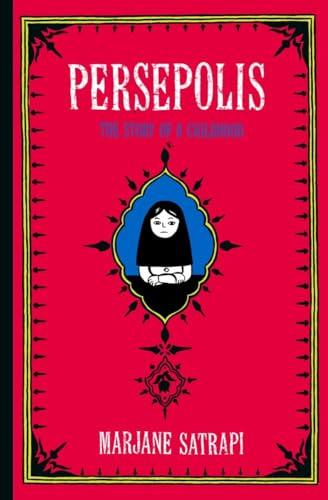
The Story of a Childhood
The book was brought up by Christiane Amanpour, and echoed by Trevor Noah, when discussing the Iranian protests, noting that its author argues the veil is a tool of the regime and that its removal could lead to democracy. The hosts used the graphic novel’s childhood narrative as a lens to highlight the people's desire for democratic change. The mention was neutral, simply referencing the title to support their point.
Marjan Satrapi's graphic novel Persepolis, about her childhood, was mentioned in relation to the Iranian protests and the symbolism of the veil. The author's opinion on the protests' meaning was shared.
If any of you know the graphic novel Persepolis, which she wrote about her childhood, she basically said this, look, the people of Iran want a democracy. The minute you take off the veil, you know, their dictatorship will go.
So the regime is not going to allow that. But she said, she put it this way, it's only to keep men's eyes off women.
So if they're so horny, she said, and they're so unable to control themselves, well, maybe they should take a cold shower or look somewhere else.
Marjan Satrapi's graphic novel Persepolis, about her childhood, was mentioned; the guest said the book's author believes that if Iranian women take off their veils, the dictatorship will fall.
if any of you know the graphic novel Persepolis, which she wrote about her childhood. She basically said this, look, the people of Iran want a democracy. The minute you take off the veil, you know, their dictatorship will go.
The graphic novel was mentioned in relation to the situation in Iran; the author believed that the Iranian people want a democracy and that the regime uses the veil to control women.
If any of you know the graphic novel Persepolis, which she wrote about her childhood, she basically said this, look, the people of Iran want a democracy. The minute you take off the veil, you know, their dictatorship will go. So the regime is not going to allow that.
It's only to keep men's eyes off women. So if they're so horny, she said, and they're so unable to control themselves, well, maybe they should take a cold shower or look somewhere else. And that's the bottom line.
Christiane Amanpour mentioned the graphic novel Persepolis, written by Marjane Satrapi, which recounts her childhood experiences. It was mentioned in relation to the ongoing protests in Iran and the desire for democracy.
If any of you know the graphic novel Persepolis, which she wrote about her childhood, she basically said this, look, the people of Iran want a democracy. The minute you take off the veil, their dictatorship will go. So the regime is not going to allow that.
Christiane Amanpour mentioned the graphic novel Persepolis, written by Marjane Satrapi, in relation to the situation in Iran and the women protesting for their rights; the author said that the minute you take off the veil, the dictatorship will go.
She basically said this look the people of Iran want a democracy the minute you take off the veil you know their dictatorship will go so the regime is not going to allow that.
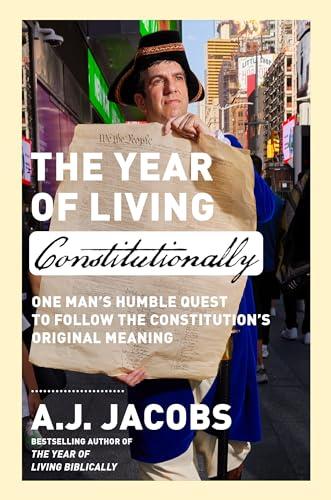
One Man's Humble Quest to Follow the Constitution's Original Meaning
The book was highlighted as a timely exploration of the Constitution’s original meaning, with author A.J. Jacobs explaining his year‑long experiment living by the document and noting its flaws and historical quirks. It was discussed by host Jon Stewart and guest A.J. Jacobs, who both endorsed it for listeners interested in constitutional issues. The conversation emphasized its relevance to current Supreme Court debates and recommended the title.
AJ Jacobs, the author, discussed how he lived according to the constitution for a year to better understand its meaning and how the founders intended it to be interpreted. He found many flaws in the constitution and discussed how it was written, with a quill pen. He also discussed the founders' views on rights and responsibilities, as well as their views on partisan politics.
This came about because I wanted to figure out what is in the Constitution, what does it actually say?
I'm gonna try to figure out what that was by getting in the mindset of our founding father.
The preamble, 52 of the greatest words ever written about the general welfare and blessings of liberty. But then there are, it is a flawed document. There are actual misspellings in the Constitution.
I wrote this book, a lot of it with a quill pen.
I had my musket, I carried it around New York. I wrote with a quill pen. Look.
A.J. Jacobs, the author of The Year of Living Constitutionally, was interviewed on the show. He explained how the book came about, his research into the Constitution, and his exploration of the founding fathers' mindset.
I wanted to figure out what is in the Constitution? What does it actually say?
I thought it was a timely question because as you know, our current Supreme Court thinks we should follow the original meaning from 1789.
The preamble, 52 of the greatest words ever written about the general welfare and blessings of liberty.
It is a flawed document. There are actual misspellings in the Constitution.
The word Pennsylvania is spelled two different ways, P-E-N-N and P-E-N.
It was said to address the timely question of what the Constitution actually says, and it was recommended for anyone interested in the subject.
The Year of Living Constitutionally, one man's humble quest to follow the Constitution's original meaning. He's welcome to the program, AJ Jacobs.
Well, first of all, thank you and good morrow, of course. Is that a constitutional greeting?
And this came about because I wanted to figure out what is in the Constitution? What does it actually say?
And I thought it was a timely question because as you know, our current Supreme Court thinks we should follow the original meaning from 1789.
I recommend it. What a terrible thing.
The Year of Living Constitutionally is available now. Adrian Jacobs, we'll be right back.
The book describes a year-long experiment by the author to follow the U.S. Constitution's original meaning. He explored the document's flaws and how it compares to the founders' intentions. He also examined the founders' mindset and how it differs from today's society.
The latest book is called The Year of Living Constitutionally. One man's humble quest to follow the constitution's original meaning.
And this came about because I wanted to figure out what is in the constitution. What does it actually say? And I thought it was a timely question because as you know, our current Supreme Court thinks we should follow the original meaning from 1789.
I wrote this book, a lot of it with a quill pen.
Yeah, because I was trying to live the Constitution.
Thank you very much for The Year of Living Constitutionally is available now.

A Survivor's Tale
The book was highlighted across several episodes as a Pulitzer‑Prize‑winning graphic novel about the Holocaust that has recently faced school bans in Tennessee. Hosts Trevor Noah and panel members discussed its unique animal‑based storytelling and the controversy surrounding its removal, with the author Art Spiegelman expressing disbelief at the decision. The discussion underscored the title’s educational value and criticized the bans.
A Pulitzer Prize winning graphic novel about the Holocaust that was banned by one Tennessee district.
One Tennessee district banning Maus, a Pulitzer Prize winning graphic novel about the Holocaust
A Pulitzer Prize-winning graphic novel about the Holocaust, this book was banned by one Tennessee district.
One Tennessee district banning mouse, a Pulitzer Prize winning graphic novel about the Holocaust.
The Daily Show panel discussed Maus, a graphic novel about the Holocaust, which led to Whoopi Goldberg's suspension for controversial comments she made about the novel and the Holocaust.
And by the time the discussion was all over, the panel was down to four.
The Holocaust isn't about race. It's not about race because it's about man's inhumanity to man.
The Pulitzer Prize-winning graphic novel Maus, which uses animals to depict the Holocaust, was banned by a Tennessee school board. The author, Art Spiegelman, expressed disbelief at the decision, highlighting the book's unique approach to teaching children about the Holocaust.
it shows people hanging, it shows them killing kids. Why does the educational system promote this kind of stuff? It's not wise or healthy.
it's leaving me with my jaw open. Like what? I also understand that Tennessee is obviously demented. There's something going on very, very haywire there.
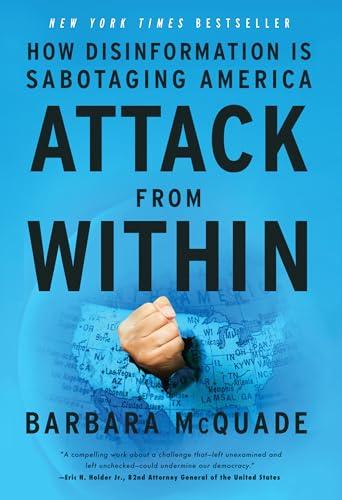
How Disinformation Is Sabotaging America
The book was highlighted by Barbara McQuade, who explained that it differentiates misinformation from disinformation and examines how deliberate falsehoods are used as political tactics in the United States, especially through themes like declinism and tribal loyalty. She noted its relevance as a New York Times bestseller and discussed its insights on combating the spread of false information. The episode’s commentary positioned the title as a valuable resource for understanding and countering modern disinformation campaigns.
It was discussed as a New York Times bestseller that explores the deliberate use of lies, or disinformation, to manipulate and advance agendas, particularly within American politics.
Disinformation is the deliberate use of lies to manipulate people and advance an agenda.
Misinformation is kind of its unwitting cousin. We hear something we think it's true, but it's a lie, and we amplify the claim exponentially.
These are deliberate efforts to stoke division in society.
One of them is this idea of declinism, society is going downhill, everything's awful, cities in ruins, American carnage.
And in fact, if you look at the data, crime rates are down, the economy is up, all of the indicators are actually on the upswing.
It was discussed as a book that explains how disinformation is being used as a political tactic in America, focusing on declinism and nostalgia, and how to combat the spread of false information.
disinformation is the deliberate use of lies to manipulate people and advance an agenda.
Society is going downhill. Everything's awful. Cities in ruins, American carnage.
if we can talk about the society as being down, then it allows us to say, well, these extreme times call for extreme measures.
We care about being loyal to the team. ...loyalty to the team becomes more important than truth.
we're the party that's going to make you safe because we're preying on your fear.
The book discusses the difference between misinformation and disinformation, focusing on how disinformation is used as a political tactic within the United States. It explores various tactics used to spread disinformation and offers insights into combating its effects.
Disinformation is the deliberate use of lies to manipulate people and advance an agenda.
Misinformation is kind of its unwitting cousin. We hear something. We think it's true, but it's a lie and we amplify the claim exponentially.
One of them is this idea of declinism. Society is going downhill. Everything's awful. Cities in ruins. American carnage.
These are some of the same tactics that Hitler talked about in Mein Kampf and used in Nazi Germany in the 1930s.
One thing that really resonated to me is tribe over truth.
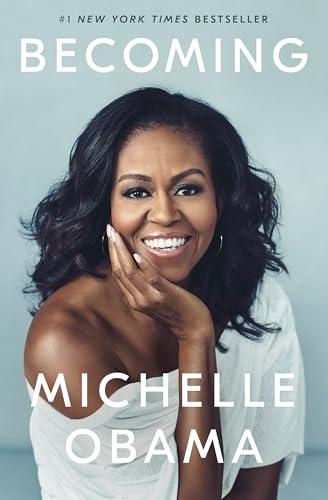
The book was first noted as Michelle Obama's memoir that earned a Grammy, and later surfaced in conversations about Texas book bans, where hosts expressed surprise at attempts to remove it from schools. It was mentioned without detailed analysis or endorsement.
The book is mentioned as Michelle Obama's memoir for which she won a Grammy approximately two years before the podcast's recording.
Michelle Obama won one, I think about two years ago, and that was for her memoir Becoming
This book was mentioned in the context of books being banned in Texas; it is not discussed further.
people are banning Michelle Obama's books in Texas right now.
A biography of Michelle Obama that a parent attempted to have removed from a school district, citing the promotion of reverse racism.
One parent even asked the district to remove a biography of Michelle Obama, arguing the book promotes reverse racism
I can't believe these people want to ban a Michelle Obama biography
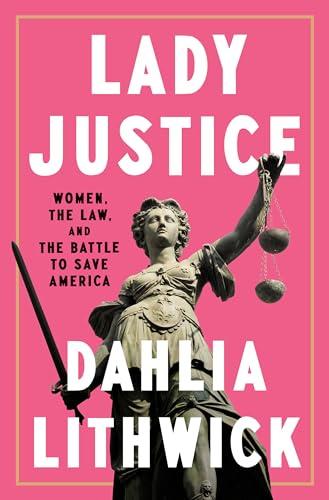
Women, the Law, and the Battle to Save America
The author, a Supreme Court expert, was invited to discuss the Moore v. Harper case and its potential impact on elections, emphasizing the lack of constitutional grounding for the independent state legislature theory. She warned that the doctrine could enable red‑state legislatures to unilaterally change voting rules, describing the situation as a "Rehnquist fever dream." The episode used her insight to highlight the seriousness of the legal challenge without directly promoting the title.
Dahlia Lithwick, Supreme Court expert and author of the book, discussed the Moore v. Harper case and its potential implications for elections. She explained the case's origins and the lack of constitutional basis for the independent state legislature theory.
It's hard to say this crisply Jordan, but it's both the most serious and least serious case of my career.
It's not something that is rooted in constitutional history. It's not something that's rooted in tradition it's something that was almost entirely plucked from a chunk of a Rehnquist opinion in Bush v. Gore that only got three votes.
Dahlia Lithwick, the author of this book, discussed the Moore vs Harper Supreme Court case and its potential impact on elections in the United States. She expressed concern about the implications of the independent state legislature theory and its potential to undermine democratic processes.
It's hard to say this crisply, Jordan, but it's both the most serious and least serious case of my career.
It's something that was almost entirely plucked from a chunk of a Rehnquist opinion in Bush v. Gore that only got three votes.
So this is like a Rehnquist fever dream that we're in the midst of right now.
If a red state, and let's remember 30 of the 50 states have red state legislatures. If they decide they want to make up new rules about ballot initiatives, they want to do new vote suppression, they want to close polling place, whatever they want to do. They are saying nobody can take this to a state Supreme Court, not even a federal court, a state Supreme Court and complain because basically nobody is the boss of me.
I don't think it's crazy. And I think in fact, one of the things this doctrine is setting up is the stepping stone toward that, right?
How the Fight for Voting Rights Makes Everything Else Possible
The book was highlighted by Beto O'Rourke as a way to illustrate how historic battles for voting rights can inspire present‑day action in Texas. He recounted the story of Dr. Lawrence Nixon, a Black doctor who fought for two decades, achieved Supreme Court victories, and helped pave the way for the Voting Rights Act. The discussion framed the title as a motivational example for current voters and activists.
The book tells the story of a black doctor in El Paso who fought for voting rights for black Texans, eventually contributing to the passing of the Voting Rights Act. The speaker used this story to illustrate how past struggles for voting rights can inspire current efforts.
One of the stories that I tell in this book We've Got to Try is about a black doctor in El Paso, Lawrence Nixon, who never missed an election until the Democratic controlled legislature in 1923 outlaws voting by black Texans.
And he says, I know you can't but I've got to try.
For the next 20 years, he fights this battle, a very lonely one, takes it to the Supreme Court, wins two signal victories there.
And by 1944 he's helped to integrate elections once again in Texas and has laid the path for LBJ to work on and ultimately sign the Voting Rights Act into law in 1965.
So if that guy could do it against those odds, then who are we now in Texas who have inherited his sacrifice and his service and his struggle?
Beto O'Rourke discussed his book about the fight for voting rights and how it makes everything possible. He used a story from the book about a Black doctor in El Paso who fought for voting rights for 20 years as an example of perseverance.
We've Got to Try how the fight for voting rights makes everything possible.
It's really about where Texas is and what Texans are willing to do about it.
one of the stories that I tell in this book We've Got to Try is about a black doctor in El Paso Lawrence Nixon who never missed an election until the Democratic controlled legislature in 1923 outlaws voting by black Texans
Beto O'Rourke's book, "We've Got to Try," discusses the fight for voting rights and how it impacts everything. It was mentioned in the context of his campaign for Texas Governor and a story about Dr. Lawrence Nixon's fight for voting rights in the 1920s and 40s.
You've run before. You came super close. You didn't take it. What do you think will be different this time and why?
It's really about where Texas is and what Texans are willing to do about it.
One of the stories that I tell in this book We've Got to Try is about a black doctor in El Paso, Lawrence Nixon, who never missed an election until the Democratic-controlled legislature in 1923 outlaws voting by black Texans.
And he says, I know you can't, but I've got to try. For the next 20 years he fights this battle, a very lonely one, takes it to the Supreme Court, wins two signal victories there. And by 1944 he's helped to integrate elections once again in Texas and has laid the path for LBJ to work on and ultimately sign the Voting Rights Act into law in 1965.
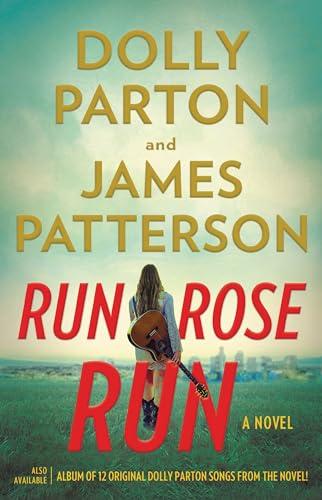
A Novel
The title was highlighted during several interviews where Dolly Parton and James Patterson co‑hosted, emphasizing their collaboration that blended her country‑music experience with his storytelling. They described the story as a thrilling look at the Nashville industry, focusing on a talented yet underdog protagonist who ran toward her dreams while fleeing personal challenges. Both hosts suggested that listeners would enjoy the insider perspective and the novel’s soap‑opera‑like drama.
Dolly Parton and James Patterson collaborated on a novel about the country music industry, touching on themes familiar to those in the business. Parton also wrote an accompanying album.
It's not dark, but it's thrilling. I mean, it's, it's a, it's a really different side to the music industry than I think what a lot of people would have expected.
Yes, it's fiction, but at the same time, it touches on some of the themes that people have encountered in music.
And the character in the book also, I mean, we were both kind of million to one shots. And the character in the book is a million to one shot.
She was running to something. She loved the music, but she was running from something.
I knew that I could write great songs like all the bad people in town, like Snakes in the Grass, about the bad managers and things, the guys that we because I've experienced a lot of that myself.
Dolly Parton and James Patterson discussed their cowritten novel about the country music industry. They described the process of writing the book together, highlighting the collaboration and blending of their unique styles and perspectives.
Like I said, I knew all about the business and I've never written a novel before. I've written books, written children's books, so I know what it's like to kind of write. But I had often thought I'd like to write a novel when I was older.
And the character in the book also, I mean, we were both kind of million to one shots and the character in the book is a million to one shot. She's very talented, Annie Lee Keys. But that doesn't mean you're going to make it.
But also her story, everybody has a story when they come to town. Everybody's got a pastor childhood and how they grew up. And everybody's story is different. Everybody's life is a soap opera. And so it's really about her, her story. She was running to something. She loved the music, but she was running from something.
So I knew that I could write great songs like all the bad people in town, like snakes in the grass about the bad managers and things, the guys that we because I've experienced a lot of that myself.
But I really think people are enjoying this book or going to enjoy it, because I think like you said earlier, they love to see the inside and the stories of these people. You know, some of the stories behind the scenes, what Nashville is kind of like kind of gives them an insight into the business in them, not just the entertainment entertainment side.
This novel, co-written by Dolly Parton and James Patterson, focuses on the country music industry and was accompanied by an album of the same name written by Parton. It explores the dual themes of pursuing dreams and escaping difficult situations within the music industry, drawing inspiration from both Parton's and Patterson's backgrounds.
It's not dark but it's thrilling. I mean it's a really different side to the music industry than I think what a lot of people would have expected.
I knew all about the business and I've never written a novel before. I've written books, written children's books and so I know what it's like to kind of write. But I had often thought I'd like to write a novel when I was older and so when James presented me with this I thought, yes, why would James Fersen even be searching me out? And I thought, why? He don't need me, look at what all he's done.
She's very talented, Annie Leakey's. But that doesn't mean you're gonna make it. But also her story, everybody has a story when they come to town. Everybody's got a pastor childhood and how they grew up. And everybody's story is different. Everybody's life is a soap opera.
She was running to something, she loved the music and she was running from something.
It was kind of like a TV show where every week we would have another episode or another two or three chapters to mess around with. And I really enjoyed it because it just seemed to work so well together.
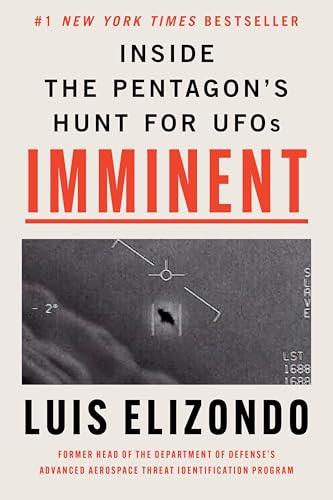
Inside the Pentagon's Hunt for UFOs
The host repeatedly praised the book as a best‑selling, well‑written page‑turner that clearly explained the Pentagon's investigations into UFOs and the potential national‑security implications of non‑human intelligence. He highlighted its easy‑to‑follow narrative and described it as essential reading for anyone interested in the topic.
It was discussed as the best-selling book about the Pentagon's hunt for UFOs, with Ronny Chieng noting that it was well-written and a page-turner.
My guest tonight is the former head of the secretive Pentagon unit that studied UFOs. He's written the best-selling book, Imminent, Inside the Pentagon's Hunt for UFOs.
So in the book, you say that, and by the way, I mean, I read the book and it's, it's a very, it's a page turner. Um, it like, um, in it, you say like the best case scenario right now is that aliens are national security threat.
It was described as a page turner, easy to follow and well-written. The book details the Pentagon's investigations into UFOs and the evidence of non-human intelligence.
It's a page turner. It's very well written. It's easy to follow.
The book discusses the Pentagon's investigations into UFOs and evidence of non-human intelligence, highlighting the encounters of US military aircraft with unidentified objects and their capabilities beyond human understanding. It was described as a page-turner, easy to follow, and well-written.
He's written the best-selling book Imminent Inside the Pentagon's Hunt for UFOs.
it's a page turner it's it's very well written it's easy to follow
in it you say like the best case scenario right now is that aliens are national security threat
Imminent is available Imminent is available now
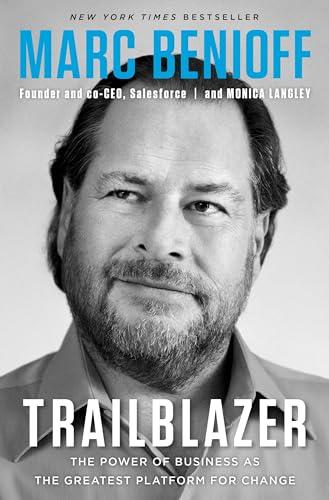
The Power of Business as the Greatest Platform for Change
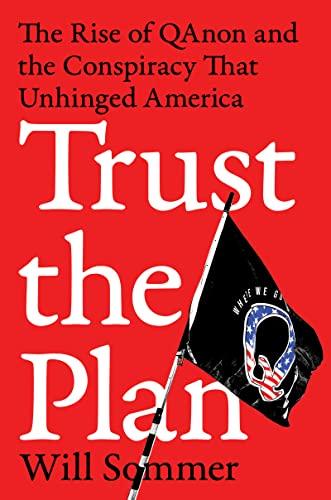
The Rise of QAnon and the Conspiracy That Unhinged America
The book was highlighted during a discussion of the JFK Jr. conspiracy, with host Jordan Klepper introducing politics reporter Will Sommer, who was a guest on the show. Sommer explained that the title examined the rise of QAnon and how the conspiracy destabilized America, positioning it as a useful resource for understanding current misinformation. The conversation presented the book as a timely addition to the topic without strong endorsement.
It is a book about the rise of QAnon and the conspiracy theory that destabilized America. The author, a politics reporter for the Daily Beast, was interviewed on the podcast to help explain the John F. Kennedy Jr. conspiracy theory.
Will's a politics reporter for the Daily Beast he's got a book coming out in February called Trust the Plan The rise of QAnon and the conspiracy that unhinged America
It is a book about the rise of QAnon and the conspiracy theory that unhinged America. The podcast guest, Will Sommer, mentioned that he had a book coming out in February about this topic.
Will's a politics reporter for the Daily Beast he's got a book coming out in February called Trust the Plan The rise of QAnon and the conspiracy that unhinged America
Will Sommer, a politics reporter for the Daily Beast, is promoting his upcoming book about the rise of QAnon and the conspiracy theory that destabilized America. The podcast discussed the book's relevance to understanding the JFK Jr. conspiracy theory.
Will's a politics reporter for The Daily Beast. He's got a book coming out in February called Trust the Plan, The Rise of QAnon and the Conspiracy that Unhinged America.
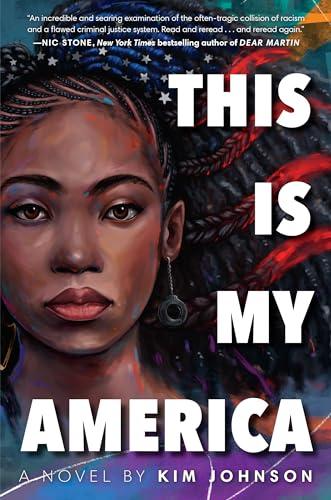
Sherrilyn Ifill mentioned she is currently writing a book about race and the last best chance for America to create a multiracial democracy, which is also the title of the book.
And that's what I'm currently writing a book about.
— Episode: The Supreme Court Strikes Down Affirmati...
Sherrilyn Ifill mentioned she is currently writing a book about race and the last best chance for America to create a multiracial democracy, which is also the title of the book.
And that's what I'm currently writing a book about.
It's called Is This America?
And it is about race, but it is also about what I think of at this moment as the last best chance for us to really create
Sherrilyn Ifill mentioned that she is currently writing a book about race and the last best chance for the US to create a multiracial democracy. She considers it a work in progress, and it's about the challenges of creating such a democracy with the country's history of slavery and white supremacy.
And that's what I'm currently writing a book about.
It's called Is This America?
Sherrilyn Ifill mentions that she is currently writing a book about race and the possibility of creating a healthy democracy in the United States. It is described as her reflection on the last best chance to create a healthy democracy in the country.
And that's what I'm currently writing a book about. It's called Is This America? And it is about race, but it is also about what I think of at this moment as the last best chance for us to really create a healthy democracy in this country.
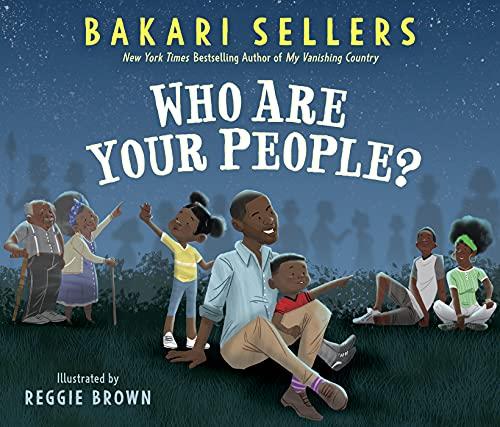
The book was highlighted as a children's picture book that gave Black and brown kids role models they could see themselves in while teaching white children empathy, using real historic images like a 1960 Woolworth's sit‑in. Bakari Sellers introduced it and both Trevor Noah and John Stewart praised its blend of cultural pride and civil‑rights history, emphasizing that it was not critical race theory but rather essential learning. The discussion framed it as an important tool for representation and education, and the hosts recommended it enthusiastically.
It is a children's book written to allow young Black and brown children to see people who look like them and feel pride, while allowing white children to develop empathy. It includes historical imagery, such as a picture from a 1960 sit-in at a Woolworth's lunch counter, to teach about the past.
I wrote this book because I wanted, personally, I was sick and tired of my twins having to see purple people or blue people on TV. I wanted them to be able to see people that look like them
And I think when young black and brown kids read it, they'll get a sense of pride. When white kids read it, they'll get a sense of empathy.
And then I started reading through it and then I was like, wow, it's a kid's book. But I mean, there's parts of the book where, you know, black people are sitting at like the lunch counter and they're just getting shouted at and there's signs that say no knee grows, et cetera. And I was like, wow, this is one hell of a children's book.
Well that image that you're talking about is one of my two favorite images. It's actually a real image from February 1st, 1960 at the Woolworth's lunch counter where students from North Carolina and the State University kicked off the sit-in movement. And I wanted to have that history and those lessons in the book.
It's absolutely not critical race theory, but it's getting caught up in all of this other anti-intellectual BS is the best way that I can phrase it because what's wrong with kids learning about who they are? What's wrong with kids learning about where other kids came from and being proud of that?
It is a children's book that aims to help young children, especially Black and brown children, develop a sense of pride in their heritage and build empathy in other children. The book includes historical images, such as one from the 1960 sit-in movement at a lunch counter.
Now this is my second book. It's my second opportunity to be on the New York Times best sellers list.
I wanted them to be able to see people that look like them, like the movie in Kanto for example. And in this book they're able to see them and their people and have a sense of pride.
And I started reading through it and then I was like, wow, it's a kid's book, but I mean there's parts of the book where, you know, black people are sitting at like the lunch counter and they're just getting shouted at in the signs that say no Negroes, etc. And I was like, wow, this is one hell of a children's book.
It's actually a real image from February 1st, 1960 at the World War's Lunch Counter where students from North Carolina Antestate University kicked off the sit-in movement. And I wanted to have that history and those lessons in the book.
What's wrong with kids learning about who they are? What's wrong with kids learning about where other kids came from and being proud of that?
It is a children's book that shows children who look like them and aims to instill pride in young Black and brown children and empathy in white children. It includes images from the Civil Rights movement, such as a photograph from a sit-in at a Woolworth's lunch counter.
I wrote this book because I wanted, personally, I was sick and tired of my twins having to see purple people or blue people on TV.
And in this book, they're able to see them and their people and have a sense of pride. And I think when young black and brown kids read it, they'll get a sense of pride. When white kids read it, they'll get a sense of empathy.
It's actually a real image from February 1st, 1960 at the Woolworth's lunch counter where students from North Carolina A&T state universities kicked off the sit-in movement.
But yeah, I mean, people are, they're banning Michelle Obama's books in Texas right now. I mean, you know, people are talking about this book, a picture book being critical race theory.
It's absolutely not critical race theory, but is getting caught up in all of this, this utter anti-intellectual BS is the best way that I can phrase it because what's wrong with kids learning about who they are?
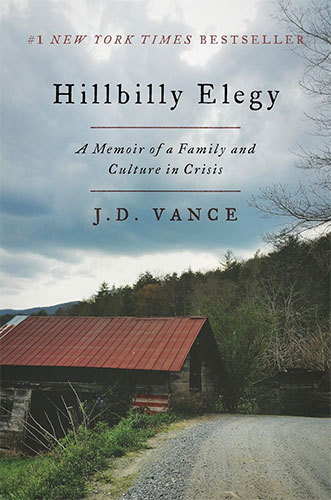
J.D. Vance has been receiving criticism from white supremacists because his wife is Indian. He defended his wife, stating that he loves her for who she is.
Meanwhile, the Trump campaign has Indian problems of its own JD Vance has been getting attacked by white supremacists because his wife is Indian and if you're thinking wow If someone insulted my wife...
— Episode: Harris Hunts for a VP | Adam Kinzinger |...
J.D. Vance has been receiving criticism from white supremacists because his wife is Indian. He defended his wife, stating that he loves her for who she is.
Meanwhile, the Trump campaign has Indian problems of its own JD Vance has been getting attacked by white supremacists because his wife is Indian and if you're thinking wow If someone insulted my wife I go ape shit on them. Then you are not JD Vance
Look I love my wife so much. I love her because she's who she is Obviously, she's not a white person and we've been acute attacked by some white supremacists over that but I just I love you
Sure, she's such a good mom. Yeah. Wow way to casually defend your wife against white supremacist JD I mean, I'm not a romance expert, but I don't think everyone wants to hear she's not white, but I love her
That's not a message you're gonna see on those Valentine's Day candies I mean Look, I mean, I hope those won his wedding vows like look you're obviously not white, but I do Enough about Indians
This guy would be so good against Vance at the VP debates he'd be like, oh you wrote a memoir about your hillbilly family That's cool. I jacked off in space Checkmate Plus he's got an identical twin brother who's also an astronaut like how cool is that?
It was described as a book that was later made into a movie. The book's central theme, as discussed, was the link between poverty and racism among white people.
He's a Yale graduate, a venture capitalist, and he became famous for writing the book turned horrible movie Hillbilly Elegy, right?
where he explained that white people become racist because they're poor
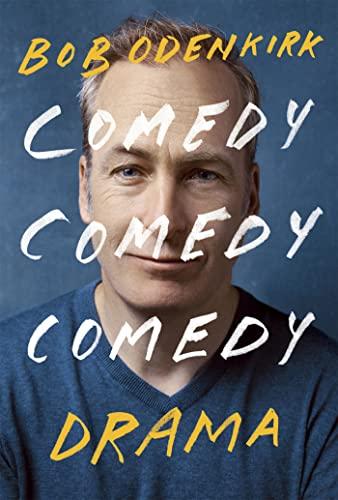
The New York Times bestseller
It is a memoir that also functions as a how-to guide for navigating life and career challenges. The book details Odenkirk's career in comedy, including both successes and failures, and his personal life.
it's like part memoir, but really it's I feel like this is a how-to guide for anybody who wants to just work and grind through life.
— Episode: Bob Odenkirk - On Failure, “Better Call...
It is a memoir that also functions as a how-to guide for navigating life and career challenges. The book details Odenkirk's career in comedy, including both successes and failures, and his personal life.
it's like part memoir, but really it's I feel like this is a how-to guide for anybody who wants to just work and grind through life.
It's about my career as a comedy. It's about show biz. It's about hanging in there. It's about a lot of dead ends
I wrote the book for a number of reasons. One, you know pop culture moves so fast these days and a lot of the things I did are smaller cultish things. I'm still very proud of them.
When you read this book I mean the title says little comedy comedy comedy drama yeah I don't know your story a lot of people don't know your story they just see a person on TV they go like this person's amazing
it feels like throughout your life like Saul Goodman you've been just trying to get that grip on on this world in this career are you happy with where your life has gotten to is this like a celebration of that now?
Bob Odenkirk's memoir, described as a how-to guide for navigating life and career, was discussed. It details his career in comedy, including both successes and failures, and reflects on his personal life and family.
It's about show biz. It's about hanging in there. It's about a lot of dead ends, which I only included about, I'm gonna say a third of the dead ends because it's very hard to write about shows and things that no one's ever gonna see or can see.
I wrote the book for a number of reasons. One, you know pop culture moves so fast these days. And a lot of the things I did are smaller cultish things. I'm still very proud of them. Mr. Show, I was part of Get A Life, helping with Tenacious D and Tim and Eric.
But these things are all gonna get covered over by lots of more gloppy comedy and stuff.
Very much so, yeah. And by the way, I mean, look, I've had unbelievable success in the last few years with Better Call Saul and this film, action film Nobody, played really well around the world. And of course that informs it, but I'm very happy with where I'm at.
I'm very happy with all the variety of things that I did and have gotten to do.
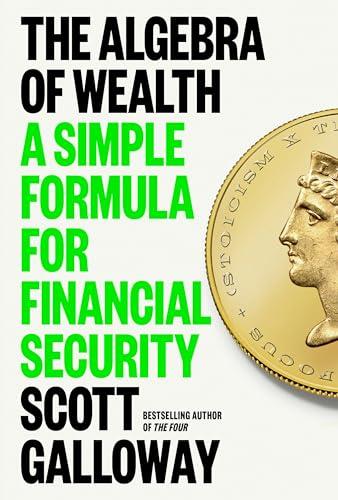
A Simple Formula for Financial Security
Scott Galloway, an NYU professor, entrepreneur, and bestselling author, joined the show to discuss his book, *The Algebra of Wealth*. Galloway shared his formula for financial security, which emphasizes focusing on one's talent and prioritizing stoicism and control over one's finances.
I guess tonight's NYU professor, entrepreneur and bestselling author whose book is called The Algebra of Wealth, a simple formula for financial security. Please welcome Scott Galloway...
— Episode: Bill O’Reilly and Jon Stewart Reunite, S...
Scott Galloway, an NYU professor, entrepreneur, and bestselling author, joined the show to discuss his book, *The Algebra of Wealth*. Galloway shared his formula for financial security, which emphasizes focusing on one's talent and prioritizing stoicism and control over one's finances.
I guess tonight's NYU professor, entrepreneur and bestselling author whose book is called The Algebra of Wealth, a simple formula for financial security. Please welcome Scott Galloway.
So it's retrospective on all the mistakes. I mean, what is the how? What is the what is the actual formula? How do you make money? Yes, I wanted to insert me into the story.
The Algebra of Wealth, a simple formula for financial security. Please welcome Scott Galloway.
The book is a retrospective on the author's mistakes, outlining how to make money. The book advocates for focusing on talent rather than passion, controlling spending, and recognizing the time value of money.
The Algebra of Wealth. What is The Algebra of Wealth? So, it's a retrospective on all the mistakes I made. No, no, I mean what is the, how, what is the, how do you make money? What is the actual formula?
The first is focus. Try and find your talent, not your passion. Anyone who tells you to pursue your passion is already rich.
Control the things you can control. You can control your spending.
If you just save three to six percent of your salary, you're going to end up wealthy by the time you're my age.
Spend less than you make, develop a savings muscle and then really lean into your strengths and try and become great at something and pick a non vanity industry that has greater than the 90 plus percent employment rate.
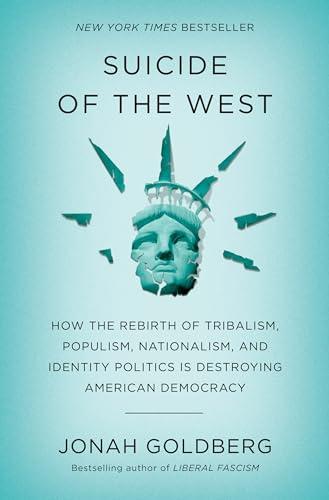
How the Rebirth of Tribalism, Populism, Nationalism, and Identity Politics is Destroying American Democracy
The author discusses the threats of liberal and conservative populist ideologies to American ideals; he argues that many of the issues facing America are within the country's power to fix. He also explores the dangers of both left and right populism and nationalism to American democracy.
Suicides are choice. You choose to do to make these decisions that you're making and I think that one of the things that people don't appreciate is that if you you can choose not to do them as well an...
— Episode: Jonah Goldberg - "Suicide of the West" a...
The author discusses the threats of liberal and conservative populist ideologies to American ideals; he argues that many of the issues facing America are within the country's power to fix. He also explores the dangers of both left and right populism and nationalism to American democracy.
Suicides are choice. You choose to do to make these decisions that you're making and I think that one of the things that people don't appreciate is that if you you can choose not to do them as well and that a lot of the things that are plaguing this country are within our own power to fix.
There's nothing wrong with a little populism, right? There's nothing wrong with little nationalism. It's like a pinch of salt brings out the flavor in the meal. Too much ruins the meal and way too much is literally poisonous, right?
It's not good enough that dogs succeed. Cats must also fail, right? And that's sort of where we are as a culture right now where it's not you know and this drives me crazy about my own side these days where I talked to young conservative activist college students and I say look by all means fight political correctness if that's what you want to do.
It's much a cautionary tale to my allies on the right is that a lot of people are just giving up on persuasion and instead it's just hammering tongs cats must fail it's all about power the arguments and defense of Donald Trump in the in 2016 were all about winning and strength winning and strength are not they're absolutely amoral concepts winning for what strength for what unity for what right it has to be the ideas that underlie it and we're in a moment where a lot of people just don't care about ideas anymore
It discusses the rise of liberal and conservative populist ideologies and how they threaten to undermine America's fundamental ideals. The author believes that many of the problems facing the country are within its power to fix.
Suicides are choices. You choose to do to make these decisions that you're making and I think that one of the things that people don't appreciate is that if you you can choose not to do them as well and that a lot of the things that are plaguing this country are within our own power to fix.
It's not good enough that dogs succeed. Cats must also fail
winning and strength are not they're absolutely amoral concepts winning for what strength for what unity for what right it has to be the ideas that underlie it and we're in a moment where a lot of people just don't care about ideas anymore
the pursuit of happiness is is it's not a guarantee right you have the right to pursue it and one of the great things about freedom the miracle liberal democratic capitalism whatever you want to call it is it gives more people the opportunity to pursue it
don't throw the baby out with the bothel
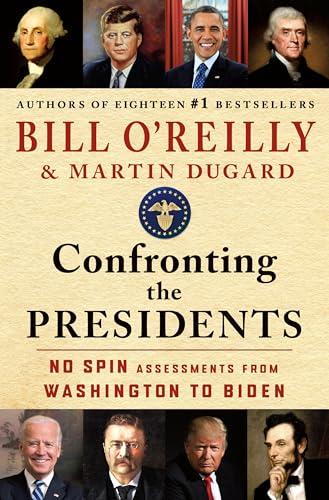
No Spin Assessments from Washington to Biden
Bill O'Reilly discusses his new book about confronting presidents. He feels the social media and corporate media have heightened the polarization in this era.
You've written books on almost every assassination as you have a whole line of the killing, the killing, the killing, the children's series you write about killing presidents is the time we're in.
— Episode: Jon Stewart Tackles the RNC and Trump As...
Bill O'Reilly discusses his new book about confronting presidents. He feels the social media and corporate media have heightened the polarization in this era.
You've written books on almost every assassination as you have a whole line of the killing, the killing, the killing, the children's series you write about killing presidents is the time we're in.
Update and he's the author of the forthcoming book, Confronting the President. Please welcome back to the program, Bill O'Reilly, sir.
Confronting the president comes out September 10th, available for preorder.
Bill O'Reilly mentioned he is the author of the forthcoming book, *Confronting the Presidents*. This book is the latest addition to O'Reilly's series, which delves into the historical assassination attempts of various presidents. He believes that the current political climate in the US is not unique in terms of polarization, but social media and corporate media have exacerbated the existing issues.
And he's the author of the forthcoming book, Confronting the Presidents. Please welcome back to the program, Bill O'Reilly.
You've written books on almost every assassination as you have a whole line of the killing, the killing, the killing, the children's series you write about killing presidents is the time we're in.
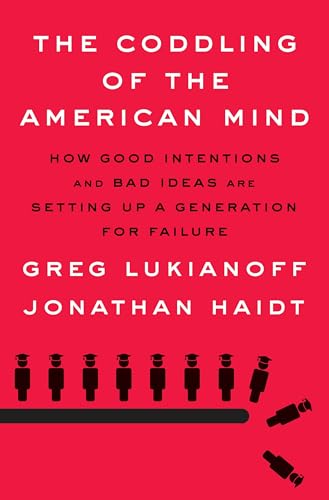
How Good Intentions and Bad Ideas Are Setting Up a Generation for Failure
The book, co-authored by Jonathan Haidt, discusses safetyism and its impact on college life and the college landscape. It argues that the overemphasis on safety and protection is contributing to students' fragility and inability to handle adversity, leading to illiberal activism and the silencing of opposing viewpoints. Haidt points to the rise of the idea that speech is violence as a manifestation of this fragility.
You've written a lot of very interesting books. The book you wrote before this, The Coddling of the American Mind, you co-wrote, sort of looked at safetyism, it looked at the college...
— Episode: Guest Spotlight: Embracing Cancel Cultur...
The book, co-authored by Jonathan Haidt, discusses safetyism and its impact on college life and the college landscape. It argues that the overemphasis on safety and protection is contributing to students' fragility and inability to handle adversity, leading to illiberal activism and the silencing of opposing viewpoints. Haidt points to the rise of the idea that speech is violence as a manifestation of this fragility.
You've written a lot of very interesting books. The book you wrote before this, The Coddling of the American Mind, you co-wrote, sort of looked at safetyism, it looked at the college life, the college landscape, and now what we see on college campuses, these protests are breaking out. I wonder, as somebody who looked closely at that and the ways in which students move through it, what you see now on these campuses.
We all agree, on campus, students have a right to protest, constitutionally protected. But two things I see going on. One is the protest. This is what Greg Lukianoff, my co-author, first noticed in 2014. The shouting down of speakers, the activism on campus that was really illiberal and it was intimidating and it was stopping people from speaking. It was based on arguments about fragility, about my mental health or her mental health. Like, we can't let this person on campus because it will be dangerous, it will be harmful, speech is violence.
It's like, I read this book, uh, I want to do this right, how do I helicopter parent my child correctly? Like, what are some tactical things I can take away from this?
The book discusses 'safetyism', which is a culture that is overly focused on protecting people from harm, and how it is affecting college campuses. The author claims that this culture is leading to a decrease in free speech and an increase in protests against speakers who hold opposing views.
The book you wrote before this, The Coddling of the American Mind, you co-wrote, sort of looked at safetyism, it looked at the college, the college landscape, and and now what we see on college campuses these protests are breaking out. I wonder as somebody who look closely at that and the ways in which students kind of move through it what you see now on these campuses?
Note: The book recommendations on this page are discovered automatically from podcast transcripts, and may be incorrect or incomplete.
Podcast Name