Podcast
Pivot
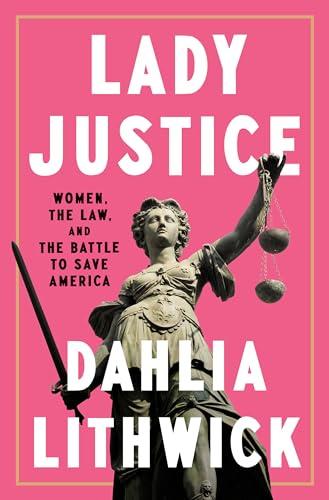
It initially focused on women's victories in court cases during the Trump era, but the Dobbs decision broadened its scope to address the subsequent setbacks and strategies for future action. The author discussed how the rhetoric used during the Trump campaign, such as "Lock Her Up," became a reality post-Dobbs.
I think the conceit of the book was that it was about women and the conceit was to remind folks how Donald Trump was actually the losing-est president in the history of presidents.
— Episode: Republicans v. Google, Musk’s Twitter Pl...
Episode: Republicans v. Google, Musk’s Twitter Plans, and G...
It initially focused on women's victories in court cases during the Trump era, but the Dobbs decision broadened its scope to address the subsequent setbacks and strategies for future action. The author discussed how the rhetoric used during the Trump campaign, such as "Lock Her Up," became a reality post-Dobbs.
I think the conceit of the book was that it was about women and the conceit was to remind folks how Donald Trump was actually the losing-est president in the history of presidents.
And so it started as a way of saying, actually, we win in the courts a lot, and when we organize, we win at the ballot box a lot.
And then those Lock Her Up chants started to be directed at AOC and Christine Blasey Ford and any woman in a public space, E. Jean Carroll, who he wanted to lock up.
And so I think you're right. I think it started as a mechanism of just rhetorically expressing that women in public places should be investigated and incarcerated. And then weirdly post-Dobbs, it became true.
And so I think what I wanted to say in the book is that women remember that in their bones, that it wasn't so very long ago and for centuries, if not millennia, the power of law was used to do horrific violence to women.