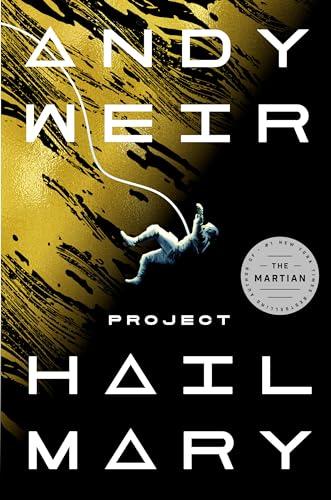
Project Hail Mary
Andy Weir
Mentioned 1 week ago
Selects: The First Road Trip
If you've ever wanted to know about champagne, satanism, the Stonewall Uprising, chaos theory, LSD, El Nino, true crime and Rosa Parks, then look no further. Josh and Chuck have you covered.
Recently mentioned
Andy Weir
Mentioned 1 week ago
Selects: The First Road Trip
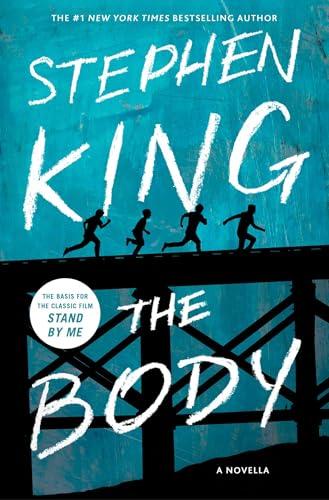
Stephen King
Mentioned 1 week ago
Selects: The First Road Trip
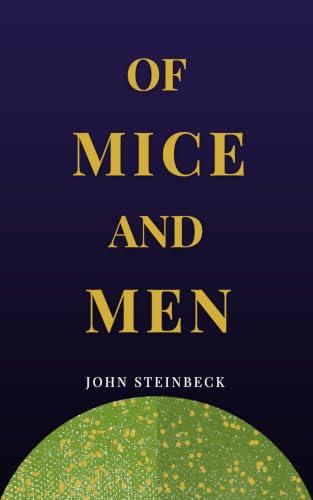
John Steinbeck
Mentioned 2 weeks ago
Kola: The World’s Deepest Hole
STEINBECK JOHN
Mentioned 2 weeks ago
Kola: The World’s Deepest Hole
Bethany McLean
Mentioned 3 weeks ago
Selects: How Enron Fooled the World
Fyodor Dostoevsky
Mentioned 3 weeks ago
Short Stuff: Why does it feel good to be scared?
Eleanor Johnson
Mentioned 3 weeks ago
Short Stuff: Why does it feel good to be scared?
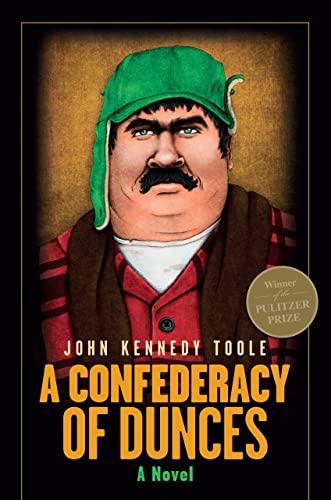
John Kennedy Toole
Mentioned 4 weeks ago
Some Interesting Curses
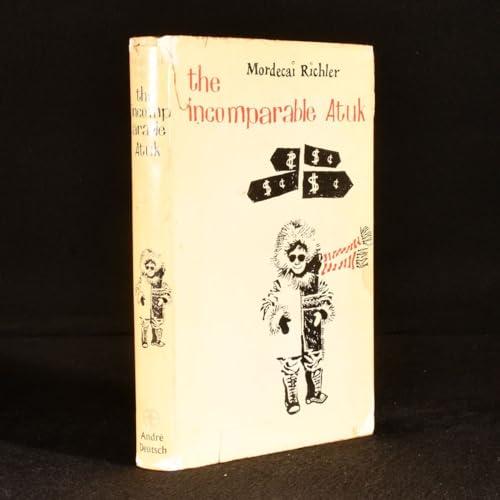
Mordecai RICHLER
Mentioned 4 weeks ago
Some Interesting Curses
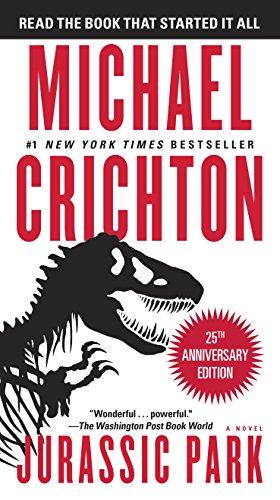
Michael Crichton
Mentioned 1 month ago
The Stuff You Should Know Doin’ Science Playlist: How Chaos Theory Changed the Universe
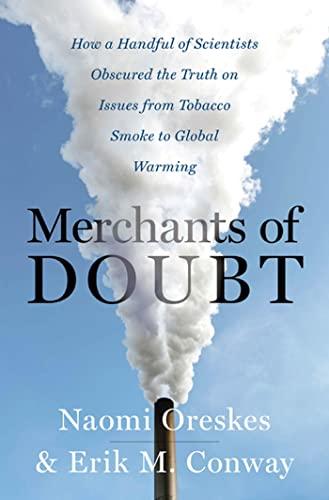
Naomi Oreskes
Mentioned 1 month ago
How Global Warming Works
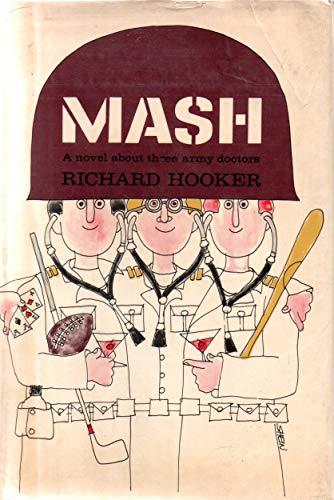
Richard Hooker
Mentioned 1 month ago
M*A*S*H: The Story of the 4077th
Their characters and home-life
It focused on the idea that the delinquents' home life was the key factor in their behavior, suggesting that stable and supportive homes were important for children's development.
And he had a paper called 44 Juvenile Thieves, Their Character and Home Life.
— Episode: How Attachment Theory Works
It focused on the idea that the delinquents' home life was the key factor in their behavior, suggesting that stable and supportive homes were important for children's development.
And he had a paper called 44 Juvenile Thieves, Their Character and Home Life.
The article 'Demon Underneath' by Alex Papademos was mentioned as being a long-form piece that discussed John DeLorean and his career at GM, particularly his youth and success at age 40.
There is a great article on this. It's the longest long form ever. It's called Demon Underneath. It's by Alex Papademos. It's on the outline.
— Episode: Let's Talk About John DeLorean
The article 'Demon Underneath' by Alex Papademos was mentioned as being a long-form piece that discussed John DeLorean and his career at GM, particularly his youth and success at age 40.
There is a great article on this. It's the longest long form ever. It's called Demon Underneath. It's by Alex Papademos. It's on the outline.
I think it was that guy that wrote the article, Papademos, said he starts showing up to manage a division of the most conservative corporation in America like he manages the Partridge family.
A YA Historical Fantasy (More Than Life Book 2)
Published in 1957, it was said to have collected eyewitness accounts and sketches of supposed Loch Ness Monster sightings, helping to reframe the topic as potentially scientifically valid.
And she started collecting all these different reports and published the reports along with sketches from the people who'd had, who's made these reports into a book called More Than a Legend in 1957.
— Episode: Selects: Could There Be A Loch Ness Mons...
Published in 1957, it was said to have collected eyewitness accounts and sketches of supposed Loch Ness Monster sightings, helping to reframe the topic as potentially scientifically valid.
And she started collecting all these different reports and published the reports along with sketches from the people who'd had, who's made these reports into a book called More Than a Legend in 1957.
It was discussed as Nostradamus's most famous work, a book of prophecies written in quatrains, initially titled 'The Prophecies of Michel de Nostradamus'. It gained popularity due to the recent invention of the printing press and its alignment with the anxieties of the time.
So, Chuck, Nostradamus is settling down in Ceylon. Ceylon. Selectives. And he is deciding to put his awesome thoughts down into quatrains.
— Episode: Selects: Nostradamus: Predictor of the f...
It was discussed as Nostradamus's most famous work, a book of prophecies written in quatrains, initially titled 'The Prophecies of Michel de Nostradamus'. It gained popularity due to the recent invention of the printing press and its alignment with the anxieties of the time.
So, Chuck, Nostradamus is settling down in Ceylon. Ceylon. Selectives. And he is deciding to put his awesome thoughts down into quatrains.
That's right. Into a book called The Centuries.
But at the time, he just called it The Prophecies.
Yeah, The Prophecies of Michel Nostradamus.
And it became a huge sensation due to a few things. One, simply enough, was that the printing press was a recent invention and books were a big deal now.
A Blackburn Novel (Bluegrass Empires Book 1)
It was mentioned in the context of the Hatfields and McCoys feud, specifically highlighting how important a pig was for the families back then, a main source of food and income.
There's a book called The Feud by Dean King. Din-king? Dean King. Din-king. I said it so weird. Dean King. And he said where was their next meal going to come from and how could they...
— Episode: Selects: What Was the Deal With the Hatf...
It was mentioned in the context of the Hatfields and McCoys feud, specifically highlighting how important a pig was for the families back then, a main source of food and income.
There's a book called The Feud by Dean King. Din-king? Dean King. Din-king. I said it so weird. Dean King. And he said where was their next meal going to come from and how could they feed the children in the winter?
They were lucky enough to have one pig or razorback for sell or trade. The proceeds were used to acquire flour, sugar, coffee, sometimes shoes or boots for their families.
The Original Unabridged And Complete Edition (Plato Classics)
It was mentioned as containing a story of a man who journeys to the underworld and tells of rewards and punishments in a well-organized system, which influenced St. Augustine's idea of hell.
And a lot of this is informed by writers and not even like biblical scholars, like people like Plato. And a lot of these stories, again, are really, really similar. There's a story from Plato's Republ...
— Episode: Hell! Hell! Hell!
It was mentioned as containing a story of a man who journeys to the underworld and tells of rewards and punishments in a well-organized system, which influenced St. Augustine's idea of hell.
And a lot of this is informed by writers and not even like biblical scholars, like people like Plato. And a lot of these stories, again, are really, really similar. There's a story from Plato's Republic where a man named Er, E-R, goes into a coma, journeys through the underworld, and then wakes up and then tells everyone what happened down there.
And this has a lot of reward and punishment included in a really organized system.
And there are a lot of stories really similar to that throughout time that, you know, I don't know if they were based on Plato or the Republic or just like we've been talking about, sort of overlap and incestuous.
He directly influenced St. Augustine.
And Augustine definitely influenced some of these later guys like Drithelm and Tundale. And their idea of hell, but Augustine was influenced by Plato.
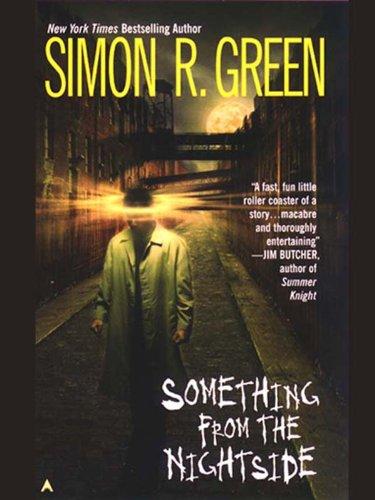
It was recommended for its unsettling portrayal of the afterlife, with spirits being described as being in a state of chaos and disarray.
One of the greatest, one of the other great conceptions of the afterlife, not necessarily hell, but hellish, is found in this, I think I've mentioned it before, Joyce Carol Oates short story called Ni...
— Episode: Hell! Hell! Hell!
It was recommended for its unsettling portrayal of the afterlife, with spirits being described as being in a state of chaos and disarray.
One of the greatest, one of the other great conceptions of the afterlife, not necessarily hell, but hellish, is found in this, I think I've mentioned it before, Joyce Carol Oates short story called Nightside, where there's this seance and like the spirits that are contacted are like all freaked out because there's no, it's all just chaos.
Nobody, I think they keep saying like no one's in charge and like everything's just out of order.
And it's a really like unsettling read, like Joyce Carol Oates is so good with horror, but that particular one is super disturbing. I highly recommend everybody reading it.
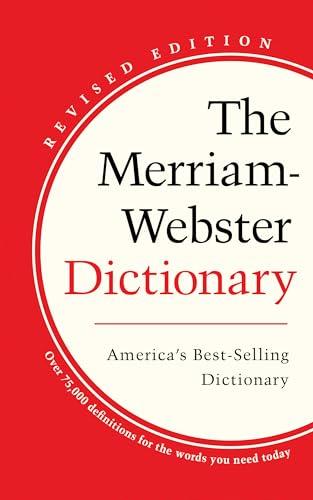
It was mentioned as a dictionary created by Noah Webster, which aimed to establish a distinct American English identity, separate from British English.
Oh, really? Not Noah Webster, who wrote Webster's Dictionary.
— Episode: Short Stuff: Is It Theater or Theatre?
It was mentioned as a dictionary created by Noah Webster, which aimed to establish a distinct American English identity, separate from British English.
Oh, really? Not Noah Webster, who wrote Webster's Dictionary.
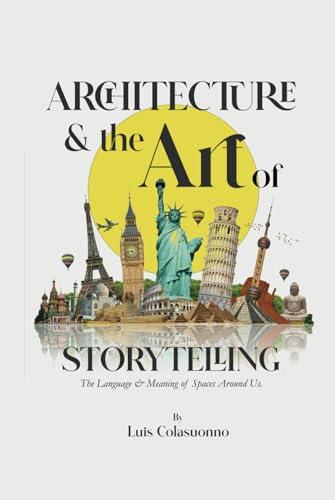
The Language & Meaning of Spaces Around Us.
It was a book that collected research from a couple of decades of study on peripersonal space and summarized the current state of understanding.
I believe this is where the first sort of big book around this came out.
— Episode: Peripersonal Space: Humans’ Got Talent
It was a book that collected research from a couple of decades of study on peripersonal space and summarized the current state of understanding.
I believe this is where the first sort of big book around this came out.
He and his colleagues put out a book called The Space Around Us, where they basically gathered up a couple of decades worth of research and said, here's what we've got so far.
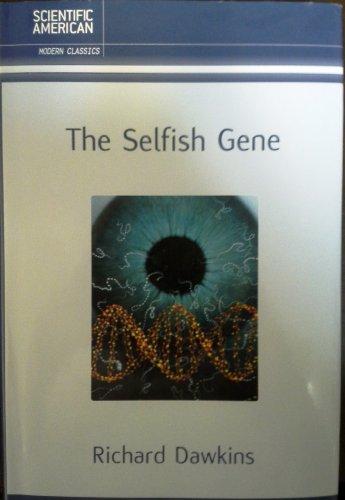
A book about GMOs was mentioned, and the hosts had received a copy of it but did not read it.
Some guy sent us a book on it.
— Episode: SYSK Selects: Sugar: It Powers the Earth
A book about GMOs was mentioned, and the hosts had received a copy of it but did not read it.
Some guy sent us a book on it.
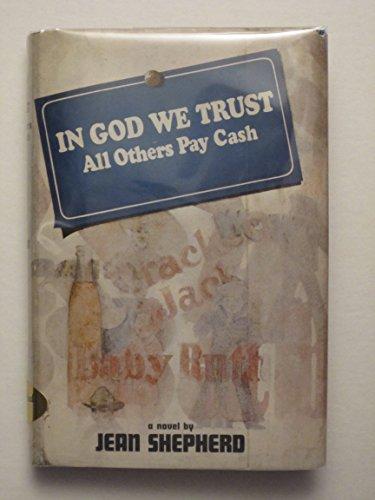
All Others Pay Cash (A Main Street Book)
It was the source material for the movie 'A Christmas Story', and specifically a short story within it described the infamous leg lamp from the movie.
From ankle to thigh, the translucent flesh radiated a vibrant, sensual, luminous orange-yellow pinkish nimbus of pagan fire.
— Episode: The SYSK 2020 Holly Jolly Extravaganza!
It was the source material for the movie 'A Christmas Story', and specifically a short story within it described the infamous leg lamp from the movie.
From ankle to thigh, the translucent flesh radiated a vibrant, sensual, luminous orange-yellow pinkish nimbus of pagan fire.
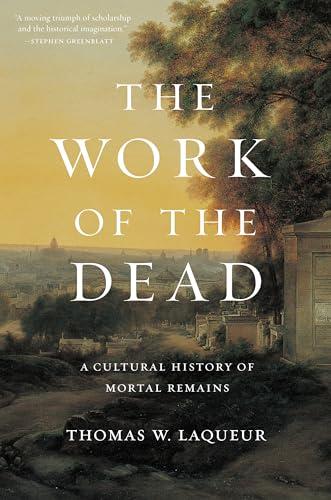
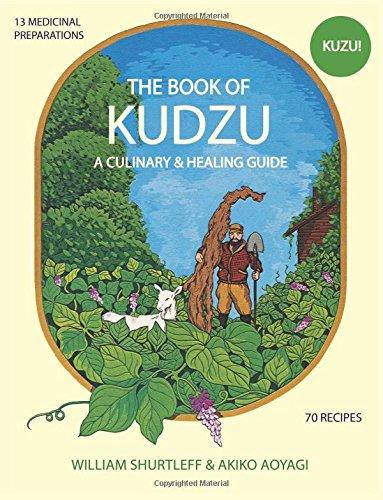
It was mentioned as a source of information about kudzu, a plant that had a reputation for being invasive in the South, but turned out not to be as problematic as commonly thought.
This is a great story called the true story of kudzu comma, the vine that never truly ate the South by Bill Finch.
— Episode: Selects: What is an invasive species?
It was mentioned as a source of information about kudzu, a plant that had a reputation for being invasive in the South, but turned out not to be as problematic as commonly thought.
This is a great story called the true story of kudzu comma, the vine that never truly ate the South by Bill Finch.
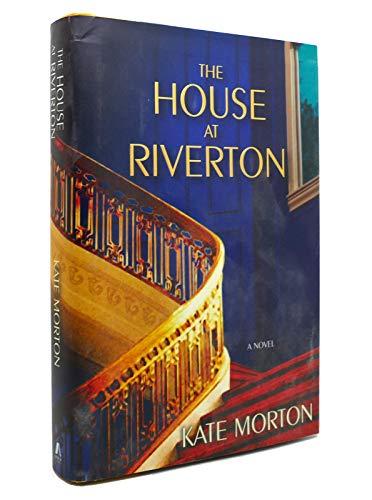
A Novel
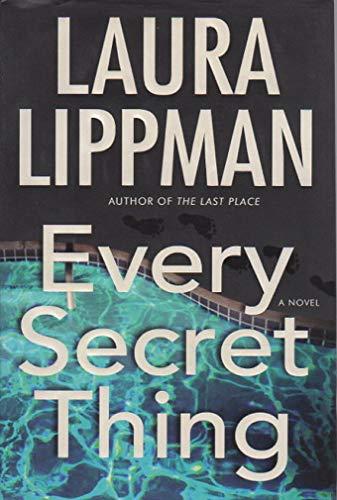
Patty Hearst's memoir was mentioned, which she published a couple of years after her release from prison and it was discussed as a book that was read in a fifth grade classroom.
She published her memoir, like you said, which we read in our fifth grade reading class, Every Secret Thing.
— Episode: Patty Hearst: Brainwashed or Bandit?
Patty Hearst's memoir was mentioned, which she published a couple of years after her release from prison and it was discussed as a book that was read in a fifth grade classroom.
She published her memoir, like you said, which we read in our fifth grade reading class, Every Secret Thing.
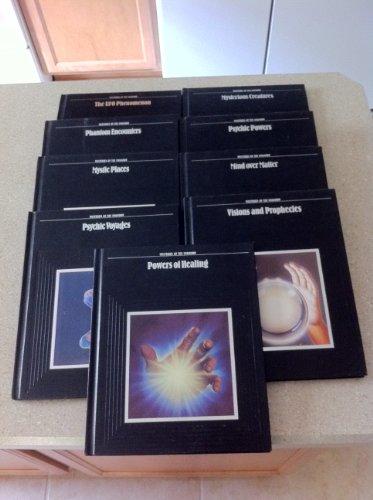
It was mentioned as a book series that the speaker read as a child, where he first encountered the anecdote of Goethe's doppelganger experience.
But the German poet and philosopher Goethe, one of the reasons I like this anecdote is because I love saying Goethe's name. He was riding one time from Alsace to, I want to say Dusseldorf, but I think...
— Episode: Doppelgängers: Hey you, you're me!
It was mentioned as a book series that the speaker read as a child, where he first encountered the anecdote of Goethe's doppelganger experience.
But the German poet and philosopher Goethe, one of the reasons I like this anecdote is because I love saying Goethe's name. He was riding one time from Alsace to, I want to say Dusseldorf, but I think that's wrong.
And that was a Time-Life books thing? Yeah, I remember it very well. Yeah, that sounds about right.
110 pages, 6x9 inches
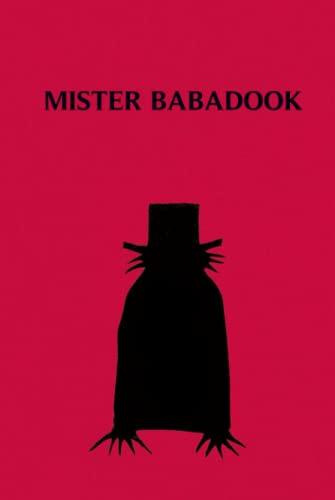
The book within the movie, 'The Babadook', was reportedly inspired by the film 'The Cabinet of Dr. Caligari' and its use of shadows and set design to create a creepy atmosphere.
The actual movie itself, the plot is about a sideshow operator, a hypnotist who has a patient that he takes around to these sideshows with sleep disorders. So he's been asleep his entire life and he u...
— Episode: Selects: Josh and Chuck's List of Horror...
The book within the movie, 'The Babadook', was reportedly inspired by the film 'The Cabinet of Dr. Caligari' and its use of shadows and set design to create a creepy atmosphere.
The actual movie itself, the plot is about a sideshow operator, a hypnotist who has a patient that he takes around to these sideshows with sleep disorders. So he's been asleep his entire life and he uses this patient to commit murder.
I think the actual book within The Babadook was hugely inspired by this.
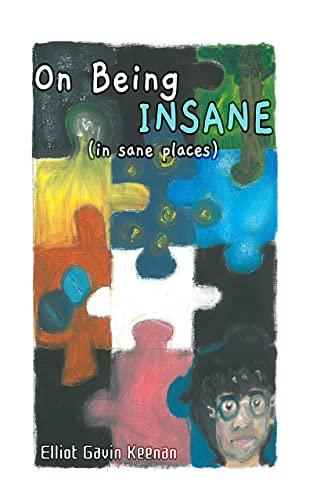
The podcasters discussed the article multiple times, mentioning that it's a good read because it's written in a more conversational, essay style instead of a typical academic format, and that it's available online. They also found the study interesting but not scientifically rigorous.
It's called On Being Sane in Insane Places and it's a really great read.
— Episode: How The Rosenhan Experiment Worked
The podcasters discussed the article multiple times, mentioning that it's a good read because it's written in a more conversational, essay style instead of a typical academic format, and that it's available online. They also found the study interesting but not scientifically rigorous.
It's called On Being Sane in Insane Places and it's a really great read.
You can still find it and read it. It's a really good read because it doesn't take the form of a regular scientific academic journal.
If you want to know more about Rosenhan, Rosenhan, whoever, you can look up this article on being sane and insane places all over the Internet.
Note: The book recommendations on this page are discovered automatically from podcast transcripts, and may be incorrect or incomplete.
Podcast Name