Podcast Mentions
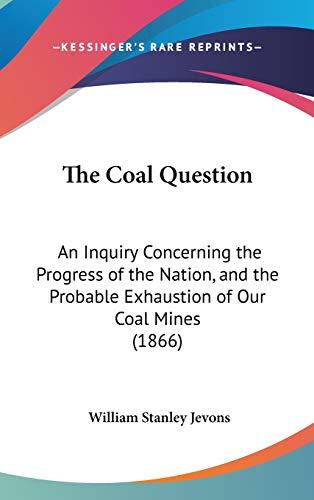
The Coal Question An Inquiry Concerning the Progress of the Nation, and the Probable Exhaustion of Our Coal Mines (1866)
William Stanley Jevons
The Coal Question: An Inquiry Concerning The Progress Of The Nation, And The Probable Exhaustion Of Our Coal Mines is a book written by William Stanley Jevons in 1866. The book discusses the importance of coal in the industrial revolution and the future of coal mining in England. Jevons argues that...
Podcasts
2
Quotes
8
Podcast
Behind the Bastards
It was argued that innovation and efficiency, especially in the case of the coal-powered steam engine, were reducing coal consumption, as intended. This prediction, that efficiency improvements on steam engines would lead to massive economic expansion, accelerating coal consumption, was correct.
"
In 1865, economist William Stanley Jeevans published a book called The Coal Question in which he argued that innovation and efficiency, particularly in the case of the coal-powered steam engine was re...
— Episode: It Could Happen Here Weekly 10
Episode: It Could Happen Here Weekly 10
It was argued that innovation and efficiency, especially in the case of the coal-powered steam engine, were reducing coal consumption, as intended. This prediction, that efficiency improvements on steam engines would lead to massive economic expansion, accelerating coal consumption, was correct.
"
In 1865, economist William Stanley Jeevans published a book called The Coal Question in which he argued that innovation and efficiency, particularly in the case of the coal-powered steam engine was reducing it as it had been intended to do.
His prediction that efficiency improvements on steam engines would lead to massive economic expansion, accelerating coal consumption was very much correct.
Episode: It Could Happen Here Weekly 10
They cited William Stanley Jevons' 1865 book The Coal Question as the origin of the Jevons paradox discussed in the episode.
"
In 1865, economist William Stanley Jevons published a book called The Coal Question which argued that innovation and efficiency would actually increase overall coal consumption
Episode: It Could Happen Here Weekly 10
The podcast discussed Jeevans's book "The Coal Question" from 1865, where he argued that innovation and efficiency (particularly with the steam engine) were reducing coal consumption, but also predicted that it would lead to economic expansion and ultimately increased coal consumption, which was proven true. The hosts used this as a historical example of the efficiency paradox.
"
In 1865, economist William Stanley Jeevans published a book called The Coal Question in which he argued that innovation and efficiency, particularly in the case of the coal-powered steam engine was reducing it as it had been intended to do.
His prediction that efficiency improvements on steam engines would lead to massive economic expansion, accelerating coal consumption was very much correct.
This idea then, dubbed the Jeevans Paradox is still very much worth considering when we discuss efficiency gains and policies that are meant to reduce energy consumption and thereby fight climate change.
Episode: It Could Happen Here Weekly 10
The book argued that innovation and efficiency, particularly in the case of the coal-powered steam engine, was reducing coal use. However, it predicted that efficiency improvements would lead to massive economic expansion, accelerating coal consumption, which proved true.
"
In 1865, economist William Stanley Jeevans published a book called The Coal Question in which he argued that innovation and efficiency, particularly in the case of the coal-powered steam engine was reducing it as it had been intended to do. His prediction that efficiency improvements on steam engines would lead to massive economic expansion, accelerating coal consumption was very much correct.
Episode: It Could Happen Here Weekly 10
The book argued in 1865 that innovation and efficiency, specifically with the coal-powered steam engine, would actually increase the overall consumption of coal, rather than reducing it as intended.
"
In 1865, economist William Stanley Jeevans published a book called The Coal Question in which he argued that innovation and efficiency, particularly in the case of the coal-powered steam engine, would actually increase the overall consumption of coal rather than reducing it as it had been intended to do.
Note: The book recommendations on this page are discovered automatically from podcast transcripts, and may be incorrect or incomplete.