Project Hail Mary
Andy Weir
Mentioned 1 week ago
Selects: The First Road Trip
If you've ever wanted to know about champagne, satanism, the Stonewall Uprising, chaos theory, LSD, El Nino, true crime and Rosa Parks, then look no further. Josh and Chuck have you covered.
Recently mentioned
Andy Weir
Mentioned 1 week ago
Selects: The First Road Trip
Stephen King
Mentioned 1 week ago
Selects: The First Road Trip
John Steinbeck
Mentioned 2 weeks ago
Kola: The World’s Deepest Hole
STEINBECK JOHN
Mentioned 2 weeks ago
Kola: The World’s Deepest Hole
Bethany McLean
Mentioned 3 weeks ago
Selects: How Enron Fooled the World
Fyodor Dostoevsky
Mentioned 3 weeks ago
Short Stuff: Why does it feel good to be scared?
Eleanor Johnson
Mentioned 3 weeks ago
Short Stuff: Why does it feel good to be scared?
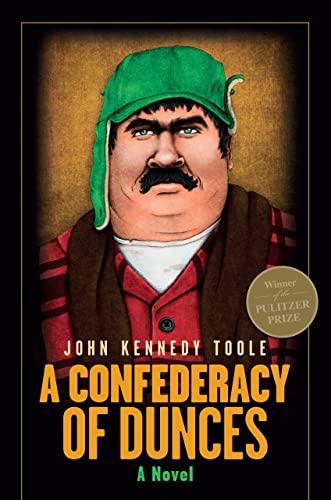
John Kennedy Toole
Mentioned 4 weeks ago
Some Interesting Curses
Mordecai RICHLER
Mentioned 4 weeks ago
Some Interesting Curses
Michael Crichton
Mentioned 1 month ago
The Stuff You Should Know Doin’ Science Playlist: How Chaos Theory Changed the Universe
Naomi Oreskes
Mentioned 1 month ago
How Global Warming Works
Richard Hooker
Mentioned 1 month ago
M*A*S*H: The Story of the 4077th
A Journal of the Pilgrims of Plymouth
It was written in 1622 by George Morton, a separatist and cousin of William Bradford, and was intended to attract funding for the Plymouth Colony, resulting in a biased and positive portrayal of the Puritans.
Mort's Relation written in 1622 by William Bradford, who was clearly the governor, longtime governor of Plymouth.
— Episode: Selects: Who was America's first murdere...
It was written in 1622 by George Morton, a separatist and cousin of William Bradford, and was intended to attract funding for the Plymouth Colony, resulting in a biased and positive portrayal of the Puritans.
Mort's Relation written in 1622 by William Bradford, who was clearly the governor, longtime governor of Plymouth.
But as it turns out, as you point out, because you wrote this, Mort's Relation was written to attract funding for Plymouth.
And what are you going to say? You're not going to say, we're starving to death over here.
We're having a really hard time. We're probably not going to make it. People are committing bestiality.
And they're not going to say this. They're going to say, things are great. We're really living by God's will.
Bauhaus, Black Magick and Benediction
A signed copy of 'Who Killed Mr. Moonlight' by David Jay of Bauhaus was sent to the podcast hosts as a gift from a listener.
Elizabeth Henry sent us a signed copy of Who Killed Mr. Moonlight by the one and only David Jay of Bauhaus.
— Episode: Selects: How Nitrous Oxide Works
A signed copy of 'Who Killed Mr. Moonlight' by David Jay of Bauhaus was sent to the podcast hosts as a gift from a listener.
Elizabeth Henry sent us a signed copy of Who Killed Mr. Moonlight by the one and only David Jay of Bauhaus.
From the Experts at advanced vivarium systems (The Herpetocultural Library)
It was published in 2001 by Power Kids and discussed the garter snake, specifically its name origin, which the podcast hosts found improbable.
And you know, it's not like he wrote a book called Garter Snakes.
— Episode: Short Stuff: Garter Snakes
It was published in 2001 by Power Kids and discussed the garter snake, specifically its name origin, which the podcast hosts found improbable.
And you know, it's not like he wrote a book called Garter Snakes.
Oh, wait a minute. He did.
It's published by Power Kids back in 2001 and it's probably basically evergreen.
Plus it's not like he's just a slouch too. He's with the Academy of Natural Sciences at Drexel University in Philly.
So he's not just some guy, you know, he's just promoting a terrible, terrible explanation for where the garter snake gets its name.
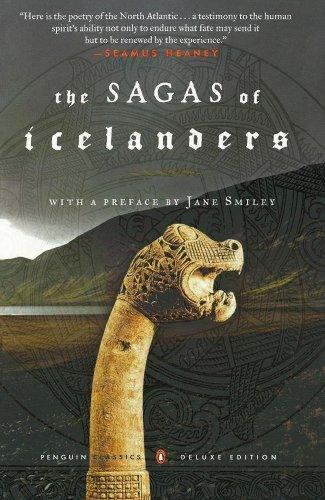
(penguin Classics Deluxe Edition)
It was described as prose narratives or novels based on real events, but possibly exaggerated, which is where Ivar's boneless nickname possibly originated.
So now we need to talk about the Icelandic sagas, which were transcribed in the 13th and 14th centuries.
— Episode: Short Stuff: Ivar The Boneless
It was described as prose narratives or novels based on real events, but possibly exaggerated, which is where Ivar's boneless nickname possibly originated.
So now we need to talk about the Icelandic sagas, which were transcribed in the 13th and 14th centuries.
These are prose narratives. These aren't history books. These are novels, basically.
Yeah, and they were written by the descendants of these same Viking conquerors who would have revered and looked up to and probably exaggerated the legends of these guys.
But it's apparently in the Icelandic sagas, and they've been compared to like historic novels, like definitely based on real things, but just maybe a little more overblown.
So you got to take them a bit with a grain of salt.
But apparently it was in the Icelandic sagas that Ivar gets his boneless nickname, I guess.
The Story of the People Who Died and the People Who Lived On
The article, "Why Baltimore Blew Up," written by Matt T. Abbey and published in Rolling Stone, was mentioned as being relevant to the topic of Terry Stops and profiling in the context of searches and seizures.
It's really, really worth reading. Uh, it's called why Baltimore blew up. It was in Rolling Stone like a month or two ago.
— Episode: Selects: How Profiling Works
The article, "Why Baltimore Blew Up," written by Matt T. Abbey and published in Rolling Stone, was mentioned as being relevant to the topic of Terry Stops and profiling in the context of searches and seizures.
It's really, really worth reading. Uh, it's called why Baltimore blew up. It was in Rolling Stone like a month or two ago.
It was first mentioned in English in 1636, but the text was still in Latin despite being written by an English speaker.
The first mention of palindromes in English is in Camden's Remains by John Philippot from 1636.
— Episode: Short Stuff: Palindromes
It was first mentioned in English in 1636, but the text was still in Latin despite being written by an English speaker.
The first mention of palindromes in English is in Camden's Remains by John Philippot from 1636.
New Beginnings
It was described as a masterpiece, and a great record for party music, although it was also mellow enough to be turned into Muzak.
His record Stoneflower is just a masterpiece from beginning to end.
— Episode: Muzak: Easy Listening Goodness
It was described as a masterpiece, and a great record for party music, although it was also mellow enough to be turned into Muzak.
His record Stoneflower is just a masterpiece from beginning to end.
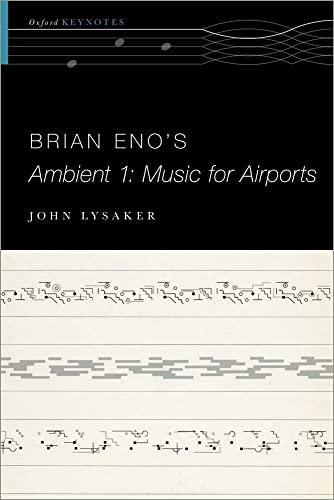
Music for Airports (The Oxford Keynotes Series)
It was discussed as an antidote to Muzak. It was described as inducing calm, space, and a space to think, and as ignorable as it is interesting.
Whereas Muzak's intention is to brighten the environment by adding stimulus to it, Ambient music is intended to induce calm and space and a space to think.
— Episode: Muzak: Easy Listening Goodness
It was discussed as an antidote to Muzak. It was described as inducing calm, space, and a space to think, and as ignorable as it is interesting.
Whereas Muzak's intention is to brighten the environment by adding stimulus to it, Ambient music is intended to induce calm and space and a space to think.
Ambient music must be able to accommodate many levels of listening attention without enforcing one in particular. It must be as ignorable as it is interesting.
It was suggested to Josh Clark as a good example of ambient music, described as being cerebral and intelligent, but also fairly dancey, and arguably the most ambient work by the group.
They have an album, like a double album called Life Forms and it's about as amazing as Ambient gets. So you should check that one out.
— Episode: Muzak: Easy Listening Goodness
It was suggested to Josh Clark as a good example of ambient music, described as being cerebral and intelligent, but also fairly dancey, and arguably the most ambient work by the group.
They have an album, like a double album called Life Forms and it's about as amazing as Ambient gets. So you should check that one out.
Future Sound of London stuff is normally a lot a little more, you know, super cerebral and intelligent, but it's also fairly dancey.
Life Forms is probably their most ambient stuff around.
The Year Civilization Collapsed
It was mentioned as a book written by an expert on the Bronze Age Collapse, who believed modern society is potentially more susceptible to collapse than the Bronze Age.
And there's a guy named Eric Klein, who's a professor of ancient Near East studies, who also wrote a book called 1167, The Year Civilization Collapsed.
— Episode: What Caused the Late Bronze Age Collapse...
It was mentioned as a book written by an expert on the Bronze Age Collapse, who believed modern society is potentially more susceptible to collapse than the Bronze Age.
And there's a guy named Eric Klein, who's a professor of ancient Near East studies, who also wrote a book called 1167, The Year Civilization Collapsed.
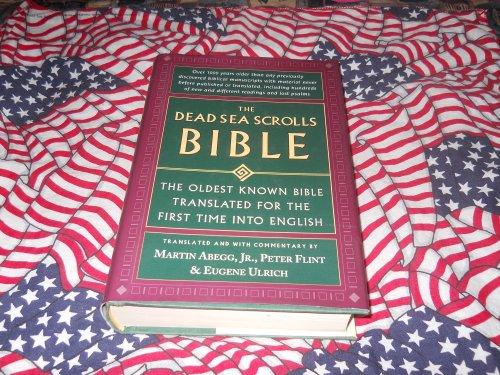
The Oldest Known Bible Translated for the First Time into English
It was mentioned as a benchmark for the oldest printed book in the modern sense, but the podcast also highlighted that printing existed in China before Gutenberg.
If you're talking about a printed book in the understanding of printing that we have here in the modern world, well then that's easy to settle. The Gutenberg Bible or the book printed right before the...
— Episode: Short Stuff: What's the oldest book?
It was mentioned as a benchmark for the oldest printed book in the modern sense, but the podcast also highlighted that printing existed in China before Gutenberg.
If you're talking about a printed book in the understanding of printing that we have here in the modern world, well then that's easy to settle. The Gutenberg Bible or the book printed right before the Gutenberg Bible.
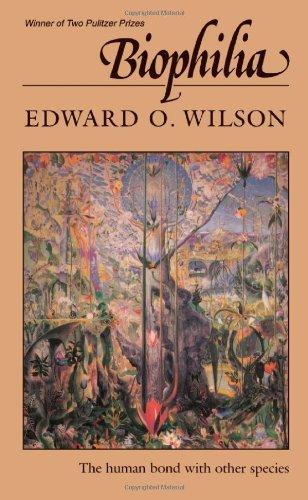
It was mentioned as the book where the term "biophilia" was coined and discussed, referring to the human innate connection with nature.
But I think it was Edward O. Wilson who, he's kind of known as the, you know, the 21st century Darwin. He's a biologist and a writer and a philosopher and an ant specialist. But he wrote a book in 198...
— Episode: What is biophilic design?
It was mentioned as the book where the term "biophilia" was coined and discussed, referring to the human innate connection with nature.
But I think it was Edward O. Wilson who, he's kind of known as the, you know, the 21st century Darwin. He's a biologist and a writer and a philosopher and an ant specialist. But he wrote a book in 1984 called Biophila.
And I think that was where, huh? I think it's biophilia. Oh, I didn't see an I in that case. I'm pretty sure. Okay, sorry, go ahead. I didn't mean to correct you necessarily.
That's the first use of it I actually saw of that word. Yeah, it's biophilia, like for love of life or love of living things basically.

Atlantic and Gulf Coasts (Little River, South Carolina to Econfina River, Florida. Includes Puerto Rico and the U.S. Virgin Islands) 2024
It was mentioned as a book that contains pictures and details about lighthouses, though one of the hosts did not have time to check it out.
Yeah. And there's like a whole book called the light list where it has pictures of them and it has...
— Episode: Selects: How Lighthouses Work
It was mentioned as a book that contains pictures and details about lighthouses, though one of the hosts did not have time to check it out.
Yeah. And there's like a whole book called the light list where it has pictures of them and it has...
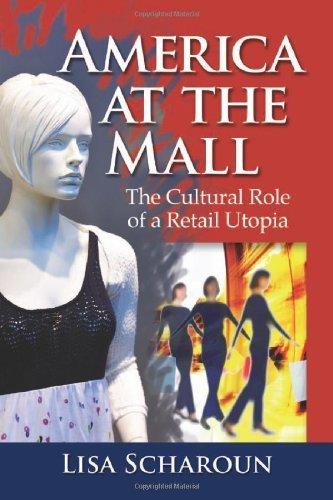
The Cultural Role of a Retail Utopia
It was described as exploring the cultural role of retail utopia, particularly how shopping malls were a defining space for children of the 70s, 80s, and 90s, shaping their consumerism and American identity.
And she said for the children, 70s, 80s and 90s, the shopping mall was the place to be a space where we defined as our own. The mall taught us how to fit in, how to be a consumer, ultimately how to be...
— Episode: Selects: Live From San Francisco: How Ma...
It was described as exploring the cultural role of retail utopia, particularly how shopping malls were a defining space for children of the 70s, 80s, and 90s, shaping their consumerism and American identity.
And she said for the children, 70s, 80s and 90s, the shopping mall was the place to be a space where we defined as our own. The mall taught us how to fit in, how to be a consumer, ultimately how to be an American.
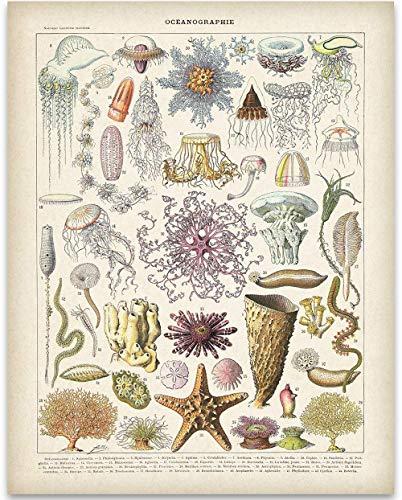
It was described as a tongue-in-cheek article published in a legitimate journal, detailing the supposed biology, origins and extinction of mermaids, including their diet of human flesh and the horny skin folds.
There's a dude, I love this guy. His name is Carl Bantz. Ugh. And he, you're not a Carl Bantz fan? Well, I'm not quite sure I understand unless. Did you read the article?
— Episode: Selects: Mermaids: Not a real thing
It was described as a tongue-in-cheek article published in a legitimate journal, detailing the supposed biology, origins and extinction of mermaids, including their diet of human flesh and the horny skin folds.
There's a dude, I love this guy. His name is Carl Bantz. Ugh. And he, you're not a Carl Bantz fan? Well, I'm not quite sure I understand unless. Did you read the article?
He goes so far as to say that they most likely only produced one or two offspring at a time because the females of the species had two breasts and that was it.
Like this is the thought that this guy put into this article and the fact that he writes it totally straight Yeah. and like really gives it its due attention, like it wasn't that like this is going to be a great idea and just the idea itself is hilarious so I don't really have to put any effort into actual execution.
He put effort into the execution and he did pretty good. I'm not knocking him, I guess. I just don't see why this journal would put something like that out there even.
It's called Mermaids, Their Biology, Culture, and Demise. You can find the full PDF online.
It was mentioned as a blog, with the best explanation of the 'body in the cylinder' mystery, which described the brick wrapped in burlap as a pillow.
I don't know if it was the guy who writes Passing Strangers, which huge shout out. This is actually kind of a somewhat well-known mystery. The body in the cylinder is what it's called...
— Episode: Short Stuff: The Body in the Cylinder
It was mentioned as a blog, with the best explanation of the 'body in the cylinder' mystery, which described the brick wrapped in burlap as a pillow.
I don't know if it was the guy who writes Passing Strangers, which huge shout out. This is actually kind of a somewhat well-known mystery. The body in the cylinder is what it's called.
But Passing Strangers did far and away the best job of kind of getting this point across.
And that guy describes it as a pillow.
And if you haven't been on that blog yet, go. It's very good.
It was described as the quintessential book about the Beverly Hills Supper Club fire and Northern Kentucky's history, which was discussed throughout the episode.
big thanks to we need to mention Dave used a book for this research by a man named Peter Bronson who wrote Easily I would say the the quintessential book on the Beverly Hills Supper Club fire and nort...
— Episode: The Beverly Hills Supper Club Fire
It was described as the quintessential book about the Beverly Hills Supper Club fire and Northern Kentucky's history, which was discussed throughout the episode.
big thanks to we need to mention Dave used a book for this research by a man named Peter Bronson who wrote Easily I would say the the quintessential book on the Beverly Hills Supper Club fire and northern Kentucky Forbidden Fruit colon sin cities underworld in the supper club inferno
The God Who Knows Your Name
It was a documentary about the Freedom House Ambulance Service, discussed in the podcast, directed by a former Pittsburgh paramedic and Pittsburgh native, and released about 10 or 11 years prior to the podcast.
There was a man, there's a man named Gene Starzynski, Pittsburgh native and former paramedic who directed a documentary about 10 or 11 years ago called Freedom House, colon, Street Saviors.
— Episode: Short Stuff: Freedom House Ambulance Ser...
It was a documentary about the Freedom House Ambulance Service, discussed in the podcast, directed by a former Pittsburgh paramedic and Pittsburgh native, and released about 10 or 11 years prior to the podcast.
There was a man, there's a man named Gene Starzynski, Pittsburgh native and former paramedic who directed a documentary about 10 or 11 years ago called Freedom House, colon, Street Saviors.

Note: The book recommendations on this page are discovered automatically from podcast transcripts, and may be incorrect or incomplete.
Podcast Name