Pastel Snow Scrapbook Paper Craft Pad
Creative Corner
Mentioned 7 months ago
Are We The Universe’s Way of Knowing Itself? With Brian Cox
Science, pop culture, and comedy collide on StarTalk Radio! Neil deGrasse Tyson, astrophysicist and Director of New York's Hayden Planetarium, and his comic co-hosts, guest celebrities, and scientific experts explore astronomy, physics, and everything else there is to know about life in the universe...
Recently mentioned
Creative Corner
Mentioned 7 months ago
Are We The Universe’s Way of Knowing Itself? With Brian Cox
Carl Sagan
Mentioned 7 months ago
Are We The Universe’s Way of Knowing Itself? With Brian Cox
Richard P. Feynman
Mentioned 7 months ago
Are We The Universe’s Way of Knowing Itself? With Brian Cox
Kimberly Arcand
Mentioned 1 year ago
Listening to the Universe with Kimberly Arcand
Daniel J. Levitin
Mentioned 1 year ago
Is Music the Language of the Universe? with Daniel Levitin
Steven Mithen
Mentioned 1 year ago
Is Music the Language of the Universe? with Daniel Levitin
Daniel J. Levitin
Mentioned 1 year ago
Is Music the Language of the Universe? with Daniel Levitin
Daniel J. Levitin
Mentioned 1 year ago
Is Music the Language of the Universe? with Daniel Levitin
Jr. Lyman Spitzer
Mentioned 1 year ago
Dark Comets with Darryl Seligman
Frank H. Shu
Mentioned 1 year ago
Dark Comets with Darryl Seligman
G H Hardy
Mentioned 1 year ago
Our Mathematical Universe with Grant Sanderson (3Blue1Brown)
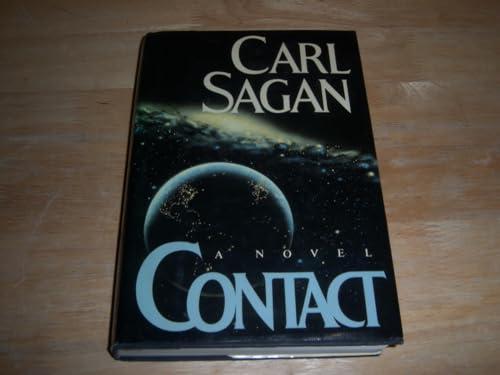
Carl Sagan
Mentioned 1 year ago
Revisiting the Drake Equation with David Grinspoon
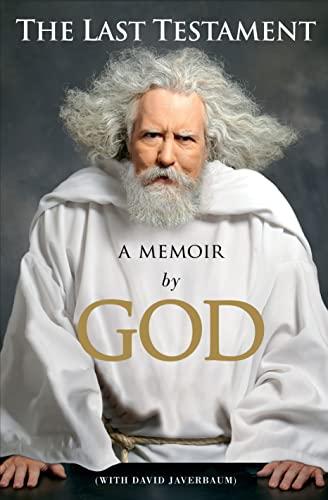
A Memoir by God
It was mentioned as a memoir by Guy, and that God has three children: Zach, Jesus, and Kathy, with Jesus being the middle child and having faced some challenges.
And if you read the book that I'm here partly to plug The Last Testament to Memoir by Guy, you'll learn that I have three children, Zach, Jesus and Kathy.
— Episode: Extended Classic: A Conversation with Go...
It was mentioned as a memoir by Guy, and that God has three children: Zach, Jesus, and Kathy, with Jesus being the middle child and having faced some challenges.
And if you read the book that I'm here partly to plug The Last Testament to Memoir by Guy, you'll learn that I have three children, Zach, Jesus and Kathy.
And they are my three children. Jesus is my middle child and this was a lot of what happened with Jesus because he had a middle child thing happening.
It was mentioned as a memoir, and the speaker alluded to God's three children being detailed within its pages, including Jesus as the middle child.
if you read the book that I'm here partly to plug, The Last Testament to memoir by Guy, you'll learn that I have three children, Zack, Jesus, and Kathy, and they are my three children.
It was mentioned as a book that contains information about God having three children, Zach, Jesus and Kathy. God claimed that the book sheds light on Jesus's "middle child syndrome".
And if you read the book that I'm here partly to plug The Last Testament to Memoir by Guy, you'll learn that I have three children, Zach, Jesus and Kathy.
and this was a lot of what happened with Jesus because he had a middle child thing happening.
It was mentioned that God has three children, including Jesus, which was detailed in this book. The book's release was also promoted by God himself.
and if you read the book that I'm here partly to plug, The Last Testament, a memoir by Guy, you'll learn that I have three children
it's available now with hardcover and paperback, this audio version
It was discussed as one of the first books of its kind published, which offered a scientifically informed look at life in the universe, which was previously considered fluffy and science fictiony.
In fact, the name which Carl Sagan co-authored. Yeah, actually that's a translation of the original Russian book written by, how do you pronounce the name? Shklovsky. Shklovsky is very hard to say.
— Episode: Extended Classic: Madame Saturn: A Conve...
It was discussed as one of the first books of its kind published, which offered a scientifically informed look at life in the universe, which was previously considered fluffy and science fictiony.
In fact, the name which Carl Sagan co-authored. Yeah, actually that's a translation of the original Russian book written by, how do you pronounce the name? Shklovsky. Shklovsky is very hard to say.
It's one of the first books of its kind to be published, probably a scientific, re-informed assessment of life in the universe.
Very, very precisely scientifically informed assessment of a topic that people always thought was so fluffy and science fictiony that serious scientists never paid attention to it.
It was discussed as being one of the first books of its kind, a scientifically informed assessment of life in the universe. It was assigned reading for a seminar on the Mariner 9 mission to Mars in 1972.
And in preparation for that the assignment was to read the book Intelligent life in the universe.
Which Carl Sagan co-authored.
It's one of the first books of its kind to be published. Probably. A scientific, re-informed assessment of life in the universe.
It was discussed as one of the first books of its kind that was published, scientifically informing the concept of life in the universe, a topic previously considered fluffy and science fictiony.
In fact, the name which Carl Sagan co-authored. Yeah. Actually, that's a translation of the original Russian book written by, how do you pronounce the name? Shklovsky. Shklovsky is very hard to say.
The assignment was to read the book Intelligent life in the universe in preparation for that.
It's one of the first books of its kind to be published, probably a scientific re-informed assessment of life in the universe.
Very, very precisely scientifically informed assessment of a topic that people always thought was so fluffy and science fictiony that serious scientists never paid attention to it.
It was discussed as one of the first books of its kind, being scientifically informed and exploring a topic often considered science fiction, which was a major contribution from Carl Sagan.
And in preparation for that the assignment was to read the book Intelligent life in the universe.
Which Carl Sagan co-authored.
It's one of the first books of its kind to be published. Probably. A scientific, re-informed assessment of life in the universe.
Series, precisely scientifically informed assessment of a topic that people always thought was so fluffy and science fiction-y that serious scientists never paid attention to it.
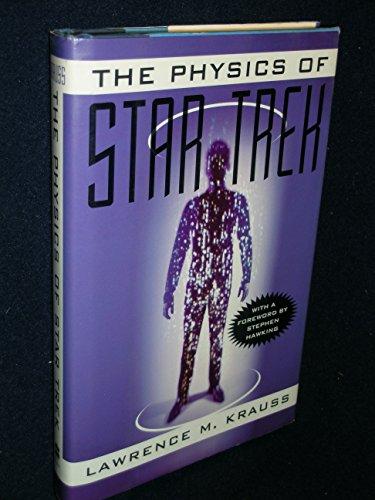
It was discussed in the context of the energy requirements for a transporter to work, with a humorous perspective from the hosts.
Our colleague Lawrence Kraus wrote a book, The Physics Of Star Trek, some years ago.
— Episode: George Takei and the Legacy of Star Trek
It was discussed in the context of the energy requirements for a transporter to work, with a humorous perspective from the hosts.
Our colleague Lawrence Kraus wrote a book, The Physics Of Star Trek, some years ago.
The book, written by Lawrence Krauss, was recommended as a resource for exploring the science behind Star Trek's transporter technology and whether it could be scientifically plausible.
And what I recommend, there's a book called The Physics Of Star Trek written by my friend and colleague, Lawrence Krause. He's a former guest on Star Talk. He speaks at length about the Star Trek transporter.
It was mentioned and discussed in the context of the transporter technology in Star Trek, and a calculation was made about the computing power needed for a single successful transport.
Our colleague Lawrence Kraus wrote a book, The Physics Of Star Trek, some years ago. We've had him on Star Trek.
Neil deGrasse Tyson recommended this book to learn more about the Star Trek transporter, specifically the plausibility of the science behind it.
What I recommend, there's a book called The Physics Of Star Trek written by my friend and colleague, Lawrence Krause. He's a former guest on Star Talk. He speaks at length about the Star Trek transporter.
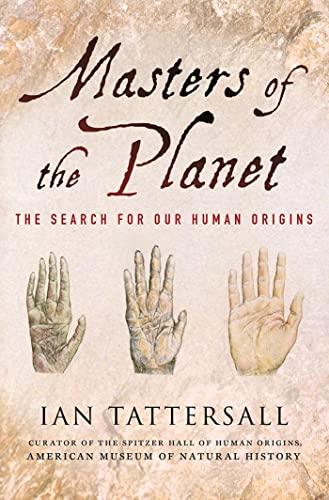
The Search for Our Human Origins (MacSci)
It was discussed as a book that explained how the human species emerged and how humans came to be.
All right. 20 books and your latest one, How We Became Human. What was that? How did I get that right? The latest one published was called Masters of the Planet about how we became hu...
— Episode: Cosmic Queries: Primate Evolution
It was discussed as a book that explained how the human species emerged and how humans came to be.
All right. 20 books and your latest one, How We Became Human. What was that? How did I get that right? The latest one published was called Masters of the Planet about how we became human.
It was mentioned as Dr. Ian Tattersall's latest book about the search for human origins, relevant to the discussion about apes and humans.
And so you're like the right guy to come here and talk about Planet of the Apes. And so Andy, after he played Gollum, went on to play King Kong. There's an ape for you if there ever was one.
You've written 20 books on anthropology, and your latest is Masters of the Planet. Only 18 on anthropology, two were romance novels.
It was the latest published book by Dr. Ian Tattersall, focusing on the emergence of the human species and how humans became human.
All right. 20 books and your latest one, How We Became Human. What was that? How did I get that right? The latest one published was called Masters of the Planet about how we became human.
It was mentioned as the latest book by Dr. Ian Tattersall, a paleoanthropologist, and focused on the search for human origins, which made him a relevant guest on a podcast about apes and humans.
And so you're like the right guy to come here and talk about Planet of the Apes. And so Andy, after he played Gollum, went on to play King Kong. There's an ape for you if there ever was one.
Research Dialogs 01)
It was mentioned as the title of a book written by Chris Emdin, discussing the connections between hip-hop culture and science, intended for educators and those curious about the topic.
You wrote a book, what's the title of that book again? Urban Science Education for the Hip Hop Generation.
— Episode: The Science of Hip Hop with GZA (Part 2)
It was mentioned as the title of a book written by Chris Emdin, discussing the connections between hip-hop culture and science, intended for educators and those curious about the topic.
You wrote a book, what's the title of that book again? Urban Science Education for the Hip Hop Generation.
So that's for, I guess, other educators. It's for educators. It's for anybody who's intrigued about what connections are there between hip hop culture and science. Because they're gonna presume none up front.
It was discussed as a book that explored the connections between hip hop culture and science, and was mentioned as potentially intriguing for educators and anyone interested in this topic.
Because you wrote a book, what's the title of that book again? Urban Science Education for the Hip Hop Generation.
So that's for, I guess, other educators. It's for educators. It's for anybody who's intrigued about what connections are there between hip hop culture and science.
From Science to Politics (California Studies in Food and Culture)
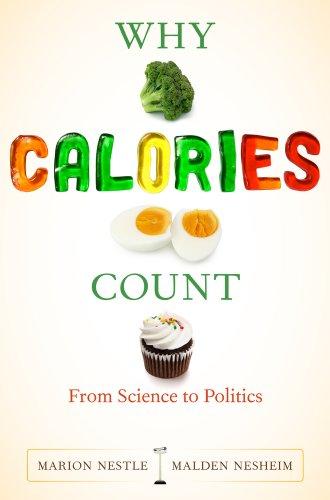
The book, 'Why Calories Count: From Science to Politics', authored by Professor Nestle, was mentioned as a recent work exploring the role of calories in food and its related implications.
Recently authored a book this... Why Calories Count? Why Calories Count from science to politics.
— Episode: A Seat at the Table with Anthony Bourdai...
The book, 'Why Calories Count: From Science to Politics', authored by Professor Nestle, was mentioned as a recent work exploring the role of calories in food and its related implications.
Recently authored a book this... Why Calories Count? Why Calories Count from science to politics.
It was mentioned as a book that was recently published and dealt with the science and politics of calorie intake.
In fact, you have a book just was published. Why Calories Count from science to politics?
How about that? Awesome. Because calories do count. They do.
In fact, you've got a book out called Why Calories Count from Science to Politics.
Excellent title. Check it out.
It was said that Marion Nestle's book, 'Why Calories Count: From Science to Politics', had just been published and focused on the science and politics of calories in food.
In fact, you have a book just was published. Why Calories Count, From Science to Politics.
In fact, you've got a book out called Why Calories Count? From Science to Politics.
Recently authored a book, this... Why Calories Count. Why Calories Count from Science to Politics.
Why Calories Count, I'm all over that.
Professor Nestle's book, 'Why Calories Count: From Science to Politics', was mentioned, and it was implied that it covers topics related to nutrition and food science, potentially including the politics of food.
Recently authored a book this... Why Calories Count? Why Calories Count from science to politics.
Space, Time, and Motion
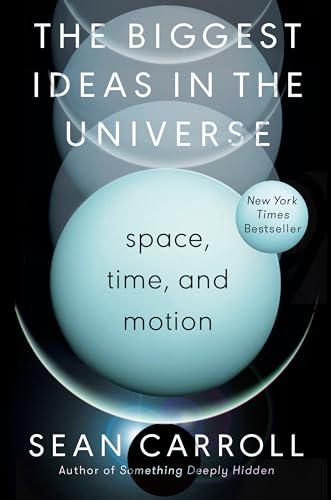
The biggest ideas in the universe, written by theoretical physicist Sean Carroll. The book was the second in a trilogy, dealing with quanta and fields.
The Biggest Ideas in the Universe.
— Episode: The Smallest Ideas in the Universe with...
The biggest ideas in the universe, written by theoretical physicist Sean Carroll. The book was the second in a trilogy, dealing with quanta and fields.
The Biggest Ideas in the Universe.
The Biggest Ideas in the Universe, the second in a trilogy.
It was called Space Time in Motion, which is like publisher speak for classical physics.
Regular, ordinary, armchair physics.
Isaac Newton physics.
It is a physics book that teaches the public about calculus, tensors, differential geometry, and Einstein's equation for general relativity.
Um one right now during this episode. Yeah, I'm almost done Wait, you've got a book The Biggest Ideas in the Universe volume 1 and you're working on volume 2 That's right
This is a physics book where you you you got equations in there and you and you are You are not apologetic about it.
No, I mean we don't assume that you know any math We teach you the math. So I teach you calculus and what have you Just in case you missed calculus, you know in your school, it's in the first couple of pages, right a couple chapters but yes And then you move on and you learn tensors and differential geometry and Einstein's equation for general relativity
It was the first book in a three-part series on physics, focusing on classical physics, including general relativity, and black holes, incorporating mathematical elements into the explanation.
So we have a guest, a friend and a colleague who in fall 2022 published a book called The Biggest Ideas in the Universe, Space, Time and Motion.
So this is the first book of a trilogy, which as I like to say is a format that works well for the Lord of the Rings and other famous franchises.
So this is the fellowship of physics, and it's basically classical physics, right? It's the physics before quantum mechanics came along.
But that still takes us very far. By the end of the book, you've learned Einstein's equation of general relativity, and you look at the Schwarzschild metric for black holes, and you know why there are black holes.
Congratulations on this, your next book, published with Dutton, Dutton Press.
Adventures in the Culinary Underbelly (P.S.)
It was mentioned as a New York Times bestselling book published in 2000, and was described as a very accurate account of Bourdain's experiences.
First he had a New York Times bestselling book in their year 2000 titled, Kitchen Confidential, Adventures in the Culinary Underbelly, bestselling book.
— Episode: A Seat at the Table with Anthony Bourdai...
It was mentioned as a New York Times bestselling book published in 2000, and was described as a very accurate account of Bourdain's experiences.
First he had a New York Times bestselling book in their year 2000 titled, Kitchen Confidential, Adventures in the Culinary Underbelly, bestselling book.
Which I understand is a very accurate account.
It was mentioned as Anthony Bourdain's 2000 New York Times best-selling book, which was described as a very accurate account of his experiences.
first he had a New York Times best-selling book in their year 2000 titled Kitchen Confidential, Adventures in the Culinary Underbelly.
It was mentioned as a New York Times bestselling book published in 2000, and was described as a very accurate account of his experiences.
In fact, first he had a New York Times bestselling book in their year 2000 titled, Kitchen Confidential, Adventures in the Culinary Underbelly, bestselling book.
It was suggested that the formation of stars could be explained using a similar concept to the book's economic theories, specifically how the rich tend to get richer.
I might rewrite Adam Smith's The Wealth of Nations in terms of the formation of stars. The formation of life, death, and stars.
— Episode: Cosmic Queries – Kitchen Sink Edition
It was suggested that the formation of stars could be explained using a similar concept to the book's economic theories, specifically how the rich tend to get richer.
I might rewrite Adam Smith's The Wealth of Nations in terms of the formation of stars. The formation of life, death, and stars.
It was mentioned as a scientific treatise by Adam Smith, published in 1776. The book investigated the nature and causes of the wealth of nations and explored cause-and-effect relationships in economics.
One of the founders of economic science Before Adam Smith Was the...
Adam Smith's great work The Wealth of Nations 1776
That's right
The real title of it is An inquiry into the nature
And causes of the wealth of nations
It was mentioned as a scientific treatise on economics, exploring cause-and-effect relationships within economic systems, published in the same year as the American Declaration of Independence.
Adam Smith's great work The Wealth of Nations 1776
The real title of it is An inquiry into the nature And causes of the wealth of nations
The Original 1925 Edition (Booklover's Library Classics)
Neil deGrasse Tyson quoted a sentence from "The Great Gatsby", which he used to highlight his own perceived limitations as a writer.
In his blue gardens, men and girls came and went like moths amid the whispers, the champagne and the stars.
— Episode: Making Stuff, with Adam Savage
Neil deGrasse Tyson quoted a sentence from "The Great Gatsby", which he used to highlight his own perceived limitations as a writer.
In his blue gardens, men and girls came and went like moths amid the whispers, the champagne and the stars.
I can't, I read that and say, that's why I am not a novelist. Yes. And he is.
The Great Gatsby was mentioned as a great book that contains a brilliant sentence that impressed the host.
Yeah, in fact, he has one of the most brilliant sentences I've ever read in my life.
You ready? Go ahead. Okay, it's from The Great Gatsby.
All right. Okay, you remember it's a big party There's a lot of like, you know sex drugs and rock. Oh, yeah. Okay roaring 20s roaring 20s, right? Here it goes in his blue gardens men and girls Came and went like moths Amid the champagne the whispers and the stars
That's a great line.
I'm done. I can't that is it is not possible for that sentence to come out of me.
A sentence from the book was used as an example of great writing, which Neil felt inadequate to achieve himself, and served as a comparison to a similar quote from Raymond Chandler.
A sentence from The Great Gatsby This is a sentence where I knew I still have not become a great writer And maybe never will Oh, wow Okay, I have to hear this now In his blue gardens Men and girls came and went like moths Amid the whispers, the champagne and the stars That's a great sentence
Science, Delusion and the Appetite for Wonder
Dawkins explained that his book 'Unweaving the Rainbow' was a response to John Keats' complaint that Newton spoiled the poetry of the rainbow by explaining it. Dawkins argued that understanding the scientific explanation for the rainbow actually enhances its beauty and adds to its poetry.
That was, we're up to 1998 now. That comes from Keats.
— Episode: Darwin’s Daring Idea with Richard Dawkin...
Dawkins explained that his book 'Unweaving the Rainbow' was a response to John Keats' complaint that Newton spoiled the poetry of the rainbow by explaining it. Dawkins argued that understanding the scientific explanation for the rainbow actually enhances its beauty and adds to its poetry.
That was, we're up to 1998 now. That comes from Keats.
Keats complained about Newton spoiling all the poetry of the rainbow by explaining it. My point was a point which you've made often enough, that actually there's far more poetry in really understanding the spectrum.
Dawkins' book was mentioned as highly readable and lucid, and discussed the idea that science can enhance, rather than diminish, the poetic wonder of the world, specifically in relation to rainbows.
Richard Dawkins, one of his books, of as many books, highly readable and lucid books, Unweaving the Rainbow, science, delusion, and the appetite for wonder.
Keith thought that Newton was destroying the poetry of the rainbow by explaining the spectrum...Well, completely destroying the mystery of it. Disploring the mystery of it. And the message of my book is that you don't, by destroying the mystery, you increase the poetry. You don't decrease it.
It was mentioned as one of Richard Dawkins' many highly readable and lucid books, focusing on science, delusion, and the appetite for wonder, with the book's main message being that explaining mysteries enhances the poetry instead of diminishing it.
Richard Dawkins, one of his books, of as many books, highly readable and lucid books, Unweaving the Rainbow, science, delusion, and the appetite for wonder.
And the message of my book is that you don't, by destroying the mystery, you increase the poetry. You don't decrease it.
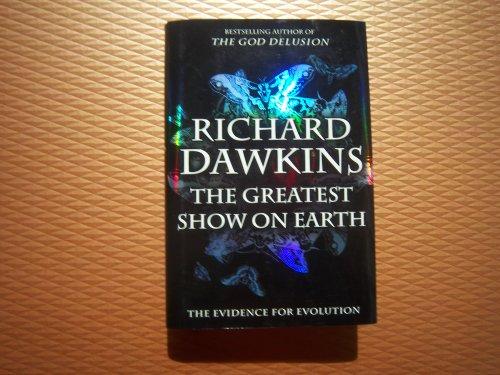
The Evidence for Evolution
Dawkins explained that his book 'The Greatest Show on Earth' was motivated by the misunderstanding of evolution, particularly the idea that organisms adapt to their environment. He emphasized that organisms either survive or die, and survival is determined by natural selection.
The Greatest Show on Earth, 2009, subtitled The Evidence for Evolution.
— Episode: Darwin’s Daring Idea with Richard Dawkin...
Dawkins explained that his book 'The Greatest Show on Earth' was motivated by the misunderstanding of evolution, particularly the idea that organisms adapt to their environment. He emphasized that organisms either survive or die, and survival is determined by natural selection.
The Greatest Show on Earth, 2009, subtitled The Evidence for Evolution.
Well, that had come before. I mean, this was... In a way, the blind watchmaker was the response to that.
But this was really to set out the evidence for evolution which I hadn't really done before. I just sort of assumed it.
You assumed that everyone knew it?
People think that an organism adapts to its environment and I say, no, it either survives or dies.
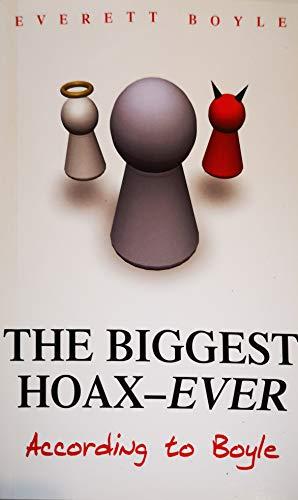
A senator who believes that climate change is a hoax is mentioned by the hosts and is said to have written a book on the subject.
As a matter of fact, one of them is a senator. His name is Inhofe and he actually wrote a book called The Biggest Hoax Ever or something like that.
— Episode: Science Fiction on TV, with Bill Nye
A senator who believes that climate change is a hoax is mentioned by the hosts and is said to have written a book on the subject.
As a matter of fact, one of them is a senator. His name is Inhofe and he actually wrote a book called The Biggest Hoax Ever or something like that.
It was mentioned as a book written by Senator Inhofe that stated that climate change is a hoax, a claim refuted by Bill Nye.
As a matter of fact, one of them is a senator. His name is Inhofe and he actually wrote a book called The Biggest Hoax Ever or something like that.
It was mentioned as a book written by a senator named Inhofe, who was mentioned as being against climate change, and that the book was about climate change being a hoax.
He actually wrote a book called The Biggest Hoax Ever or something like that.
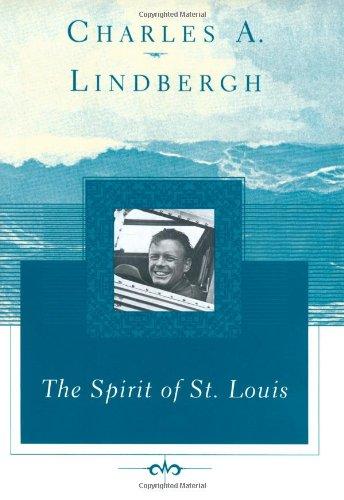
It was about Charles Lindbergh's flight across the Atlantic in 1927. It inspired Peter Diamandis to create the X Prize for spaceflight.
And I was given a book by a dear friend, Greg Maranac, The Spirit of St. Louis.
— Episode: Incentivizing the Future with Peter Diam...
It was about Charles Lindbergh's flight across the Atlantic in 1927. It inspired Peter Diamandis to create the X Prize for spaceflight.
And I was given a book by a dear friend, Greg Maranac, The Spirit of St. Louis.
He gave it to me to encourage me to finish my pilot's license.
So if you think about it, we are genetically bred to compete. We do it finding our spouse. So we drive... Society thrives on it. Thrives on it. And we evolved as humans to compete for food and everything. So can we in fact use what's called an incentive competition, very different from the Nobel Prize or the Pulitzer Prize, which rewards someone for work they did 10, 20, 30 years ago? Right? So it's like a cherry on top prize.
And I had just read this book and I'll mention a little bit more about in a second, about that Lindbergh in 1927 flew New York to Paris non-stop to win this $25,000 Orteg Prize. This guy, this Frenchman Raymond Orteg is born...
And he's talking about how much money the teams are all spending. This team is spending $100,000. This is spending $50,000. He spent $25,000. And Orteg doesn't pay any of the losers. And I think three of the nine teams died trying to make the flight.
So the Orteg Prize opened up aviation and really you can draw an inflection point for everything. And so as I'm reading this book, The Spirit of St. Louis, I am like, I have to do a prize like this for space flight because I'm not going to get a chance to be becoming a government astronaut or slim. And I don't get a chance to fly every time I want to fly.
And so there's a very long story, but over the course of the next five years, I ended up raising the $10 million prize.
And in the back of The Spirit of St. Louis that I'm reading that my friend Greg gave me to finish my pilot's license, which I did eventually do, at the end I wrote the words X Prize.
It was mentioned as an autobiography that inspired Peter Diamandis to create the XPrize, after he learned that Charles Lindbergh flew across the Atlantic to win a $25,000 prize.
I had just read a book called The Spirit of St. Louis.
It was his autobiography and I had no idea that Lindbergh crossed the Atlantic to win a $25,000 prize.
It was mentioned as an autobiography that motivated Peter Diamandis to finish his pilot's license, and it detailed Charles Lindbergh's transatlantic flight for a $25,000 prize.
I had just read a book called The Spirit of St. Louis.
It was his autobiography and I had no idea that Lindbergh crossed the Atlantic to win a $25,000 prize.
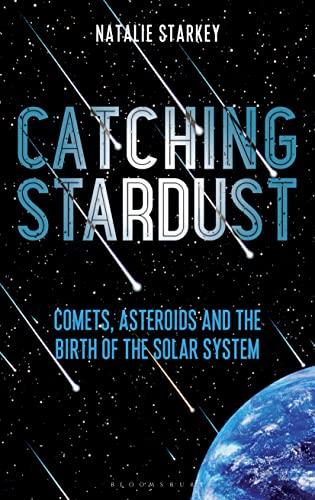
Comets, Asteroids and the Birth of the Solar System (Bloomsbury Sigma)
This book about comets, asteroids and the birth of the solar system was written in 2018, a few years before the OSIRIS-REx mission was launched.
And a book a few years before that, back in 2018, Catching Stardust, Comets, Asteroids, and the Birth of the Solar System.
— Episode: OSIRIS-REx & Asteroid Mining with Natali...
This book about comets, asteroids and the birth of the solar system was written in 2018, a few years before the OSIRIS-REx mission was launched.
And a book a few years before that, back in 2018, Catching Stardust, Comets, Asteroids, and the Birth of the Solar System.
It was discussed as her first book, inspired by the Stardust mission, a NASA mission to collect comet samples in space and bring them back to Earth. It focused on the Stardust and Rosetta missions.
And Natalie, you've also written a book, Catching Stardust. Beautiful title. I love it.
It did, yeah. So my inspiration was the Stardust mission because I've always been fascinated by it. And it was the first mission to collect a comet sample, comet samples in space and bring them back to Earth.
It was mentioned as Natalie's latest book, which focuses on comets, asteroids, and the origin of the solar system. It was discussed during the podcast, and she was even asked to sign a copy someday.
Yeah, comets asteroids and the birth of the solar system.
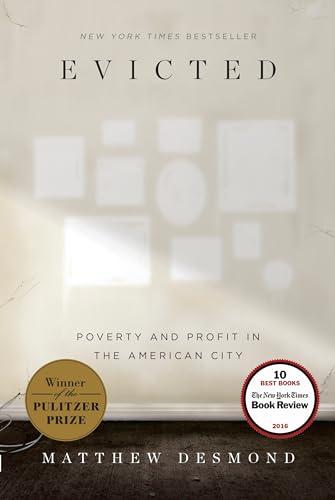
Poverty and Profit in the American City
The book, written by a Pulitzer Prize winner, was mentioned in the context of the relationship between housing and the criminal justice system, especially in relation to the struggles faced by Black Americans.
One of his famous quotes, he says, in this country, poor Black men are locked up and poor Black women are locked out.
— Episode: Housing Is Health, Housing Is Wealth wit...
The book, written by a Pulitzer Prize winner, was mentioned in the context of the relationship between housing and the criminal justice system, especially in relation to the struggles faced by Black Americans.
One of his famous quotes, he says, in this country, poor Black men are locked up and poor Black women are locked out.
The book, written by a Pulitzer Prize winner, was mentioned in the context of housing insecurity and its relationship to the criminal justice system, particularly regarding the disproportionate impact on Black Americans.
One of the things that he is also been saying quite a bit is the importance of the linkage between housing and criminal justice. And the fact that one of his famous quotes, he says, in this country, poor Black men are locked up and poor Black women are locked out.
It was mentioned as a book by a Pulitzer Prize-winning author that documents the issue of evictions, particularly highlighting the link between housing and criminal justice.
One of his famous quotes, he says, in this country, poor Black men are locked up and poor Black women are locked out.
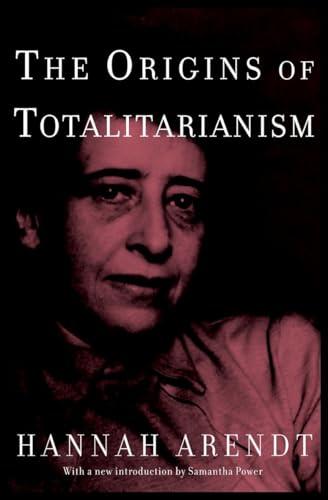
Introduction by Samantha Power
Jeff Jarvis mentioned it as a book that Chuck had recently read, about how people in totalitarian regimes give up everyday concerns for abstract concepts.
We read Hannah Arendt's Origins of Totalitarianism recently.
— Episode: Improving the News, with Max Tegmark
Jeff Jarvis mentioned it as a book that Chuck had recently read, about how people in totalitarian regimes give up everyday concerns for abstract concepts.
We read Hannah Arendt's Origins of Totalitarianism recently.
Jeff Jarvis mentioned it was recently read by Chuck, and it touched on totalitarian regimes and how people can lose sight of their daily concerns in favor of abstract concepts, something that was considered relevant to the current political climate in America.
We read Hannah Arendt's Origins of Totalitarianism recently.
It was mentioned as a book that Chuck and Neil had recently read, with the context of how people give up daily concerns for abstract concepts in totalitarian regimes.
We read Hannah Arendt's Origins of Totalitarianism recently. Chuck just read that too.
She said that in totalitarian regimes, people tend to give up their everyday concerns for abstract concepts.
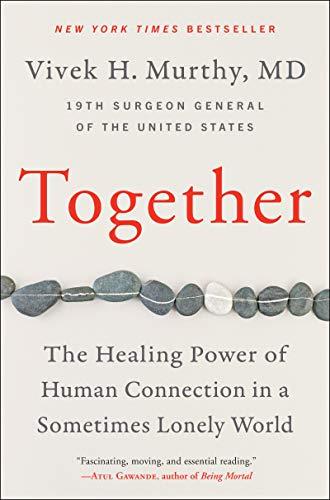
The Healing Power of Human Connection in a Sometimes Lonely World
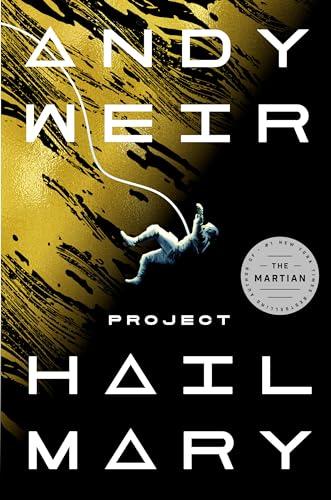
A Novel
The concept of a tether approach to artificial gravity, as discussed in Andy Weir's 'Hail Mary', was mentioned in the context of a company called Gravity Labs that was attempting to make it a reality.
there's a group called Gravity Labs that's looking at making real a technology that's described in Hail Mary, Andy Weir's latest book.
— Episode: Cosmic Queries – Building Space Civiliza...
The concept of a tether approach to artificial gravity, as discussed in Andy Weir's 'Hail Mary', was mentioned in the context of a company called Gravity Labs that was attempting to make it a reality.
there's a group called Gravity Labs that's looking at making real a technology that's described in Hail Mary, Andy Weir's latest book.
It was said to be about an extraterrestrial microbe called astrophage, living on the surface of stars and threatening all life on Earth by dimming the sun, making the food chain collapse, and eventually killing everything.
The title of his book is Project Hail Mary, and it's about an exotic kind of life that's threatening all life on Earth, possibly rendering it extinct.
Basically the main problem that humanity is facing is there's a microbe, an extraterrestrial microbe called astrophage, or at least that's what humans name it.
It's only about, it's about the size of a bacteria. It's about 20 picometers across, and it lives on the surface of stars.
So it's kind of like an algae that lives on stars, and it collects energy through most of its life and then uses that energy, stores it as mass, and then uses that energy to propel itself to a planet so it can get the elements it needs to reproduce because there's really nothing to be found on a star except for hydrogen and helium.
And then the problem is this is breeding out of control in our star, and all the local stars by the way, and it's causing the sun to dim. And once the sun gets dim enough, the food chain on Earth will collapse and everything will die.
It was discussed in detail, where an extraterrestrial microbe called astrophage is threatening all life on Earth, potentially rendering it extinct by affecting the sun's luminosity.
The title of his book is Project Hail Mary, and it's about an exotic kind of life that's threatening all life on Earth, possibly rendering it extinct.
Basically the main problem that humanity is facing is there's a microbe, an extraterrestrial microbe called astrophage, or at least that's what humans name it.
It's mentioned in the book that the damage we've done to the climate actually helps make us last longer because the Earth has stored up more heat energy than it normally would have as a result.
And so we actually, although it's not much, it's like a complete different scale when you're starting to mess with the solar luminance.
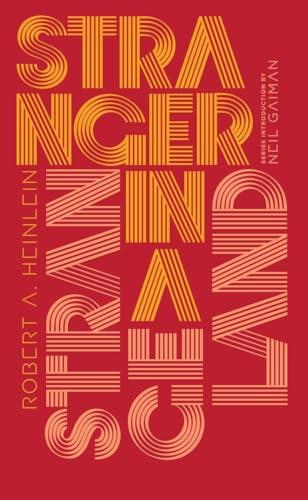
It was the first book that David Crosby read by the author, and it sparked his interest in science fiction. It was a defining moment for him, and he subsequently read everything Heinlein wrote.
A librarian said here try one of these. The kid seemed to like these. And how old were you? On early teens. He handed me a Robert Heinlein book.
— Episode: Science and Social Justice with David Cr...
It was the first book that David Crosby read by the author, and it sparked his interest in science fiction. It was a defining moment for him, and he subsequently read everything Heinlein wrote.
A librarian said here try one of these. The kid seemed to like these. And how old were you? On early teens. He handed me a Robert Heinlein book.
A great science fiction author. Great science fiction author, great thinker. First guy I ever read to describe a cell phone or a nuclear power plant or a rolling road or a number of other things. Brilliant imagination, great guy.
And it took me by storm right from the first one. This is an epiphany moment for you. Yeah, I read everything. Everything he's ever written I've read.
It was recommended by Tim Ferriss's mother, sparking his interest in science fiction and highlighting the potential for learning from the genre.
I've been interested and have loved science fiction for a really long time, fantasy as well, but science fiction included. And it started with a recommendation from my mom who said that I should read A Stranger in a Strange Land by Robert Heinlein.
It was the first science fiction book David Crosby read, sparking his passion for the genre and providing a foundation for his love of science and the cosmos. He mentioned reading everything the author had written.
A librarian said here try one of these. The kid seemed to like these. And how old were you? On early teens. He handed me a Robert Heinlein book.
A great science fiction author. Great science fiction author, great thinker. First guy I ever read to describe a cell phone or a nuclear power plant or a rolling road or a number of other things. Brilliant imagination, great guy.
And it took me by storm right from the first one. This is an epiphany moment for you. Yeah, I read everything. Everything he's ever written I've read.
Note: The book recommendations on this page are discovered automatically from podcast transcripts, and may be incorrect or incomplete.
Podcast Name