
Pastel Snow Scrapbook Paper Craft Pad
Creative Corner
Mentioned 7 months ago
Are We The Universe’s Way of Knowing Itself? With Brian Cox
Science, pop culture, and comedy collide on StarTalk Radio! Neil deGrasse Tyson, astrophysicist and Director of New York's Hayden Planetarium, and his comic co-hosts, guest celebrities, and scientific experts explore astronomy, physics, and everything else there is to know about life in the universe...
Recently mentioned
Creative Corner
Mentioned 7 months ago
Are We The Universe’s Way of Knowing Itself? With Brian Cox
Carl Sagan
Mentioned 7 months ago
Are We The Universe’s Way of Knowing Itself? With Brian Cox
Richard P. Feynman
Mentioned 7 months ago
Are We The Universe’s Way of Knowing Itself? With Brian Cox
Kimberly Arcand
Mentioned 1 year ago
Listening to the Universe with Kimberly Arcand
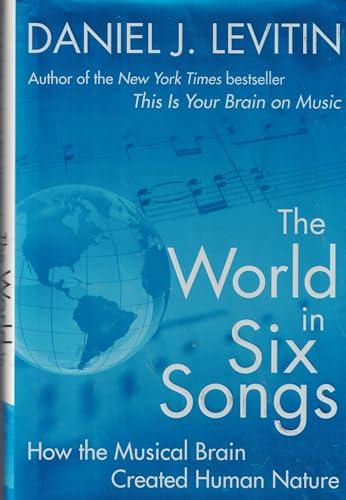
Daniel J. Levitin
Mentioned 1 year ago
Is Music the Language of the Universe? with Daniel Levitin
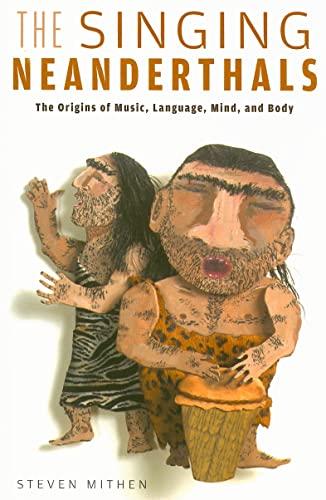
Steven Mithen
Mentioned 1 year ago
Is Music the Language of the Universe? with Daniel Levitin
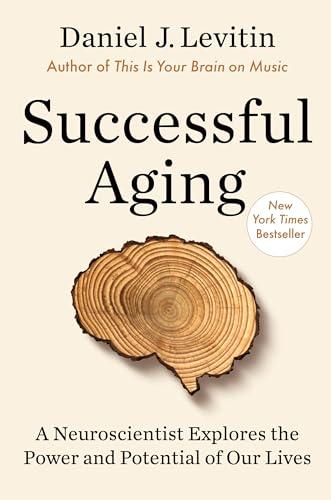
Daniel J. Levitin
Mentioned 1 year ago
Is Music the Language of the Universe? with Daniel Levitin
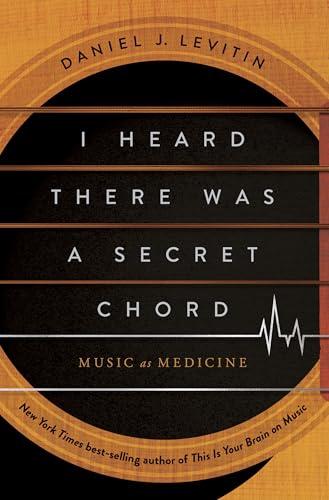
Daniel J. Levitin
Mentioned 1 year ago
Is Music the Language of the Universe? with Daniel Levitin
Jr. Lyman Spitzer
Mentioned 1 year ago
Dark Comets with Darryl Seligman
Frank H. Shu
Mentioned 1 year ago
Dark Comets with Darryl Seligman
G H Hardy
Mentioned 1 year ago
Our Mathematical Universe with Grant Sanderson (3Blue1Brown)
Carl Sagan
Mentioned 1 year ago
Revisiting the Drake Equation with David Grinspoon
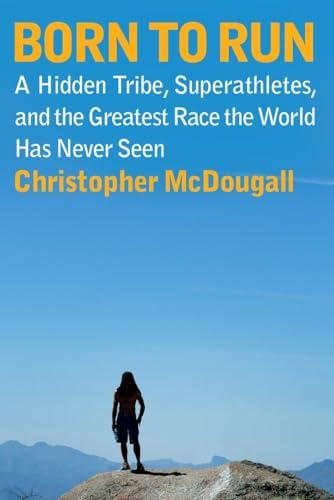
A Hidden Tribe, Superathletes, and the Greatest Race the World Has Never Seen
The book was discussed throughout the podcast, specifically in relation to the biomechanics of running and the mismatch theory of evolution. It was mentioned as the book that made Dr. Davis start thinking differently about running shoes.
Everything you need for like a running animal is all piled up in human body. We have springy tenons, we have this nuchal ligament, we have arches in our feet, which give us lots of recoil energy. We h...
— Episode: Born to Run Farther with Dr. Irene Davis...
The book was discussed throughout the podcast, specifically in relation to the biomechanics of running and the mismatch theory of evolution. It was mentioned as the book that made Dr. Davis start thinking differently about running shoes.
Everything you need for like a running animal is all piled up in human body. We have springy tenons, we have this nuchal ligament, we have arches in our feet, which give us lots of recoil energy. We have an Achilles tendon.
I think the reason why we wear shoes is because in the 1970s, someone thought it'd be really cool to sell people a bunch of shoes and they have just been running shoes.
I would try to run to get in shape. I would get injured. Doctors have said your body isn't designed for this. You're too big. The impact's bad. Then I get out of the Copper Canyon and I had this bizarre...
And what he told me is it ain't the shoes. It's not the genetics. It's how you run.
I think there's a natural ancestral pull, that early humans, if you saw something new, interesting, or more effective, you gravitate toward that. It's the reason why we went from spears to bows and arrows. The better technology is going to give you an evolutionary advantage.
It was discussed as a book that highlighted the biomechanics of running and how it changed the author's perspective on running shoes. Chris McDougall's perspective on running shoes was described and contrasted with the viewpoint of Dr. Davis.
I think the reason why we wear shoes is because in the 1970s, someone thought it'd be really cool to sell people a bunch of shoes and they have just been running shoes.
It ain't the shoes. It's not the genetics. It's how you run.
Protection, but not correction.
I think there's a natural ancestral pull, that early humans, if you saw something new, interesting, or more effective, you gravitate toward that. It's the reason why we went from spears to bows and arrows. The better technology is going to give you an evolutionary advantage.
And we just need to cycle back every once in a while and just say, hey, what has worked for 2 million years as opposed to 10 years?
It was discussed as a book that explored the running habits of anthropological tribes, specifically the Tarahumara, and their impressive endurance.
In this show we're featuring my interview with Chris McDougal. Who was the author of the book Born to Run.
He's a journalist who studied anthropological tribes and their running habits, and he learned quite a bit.
If I'd say, hey, Neil, there's one thing I can give you a little pill that's going to blow out obesity and diabetes and depression and suicidal fixations. It will basically cure every leading cause of death in the United States minus one or two. Would you take the pill? Yeah. OK. What if I told you that pill is for free? You don't have to spend any money. Go out your door and you can get in 45 minutes.
And he's gonna talk about how they evolved from a group of people who were born in the desert, to a Mexican Tarahumara tribe. And all they do is run all day and night. And they never sleep, apparently.
You know, Neil, every time I would go to a doctor and ask them about why I was injured, I got the same answer, which is running is bad for the body.
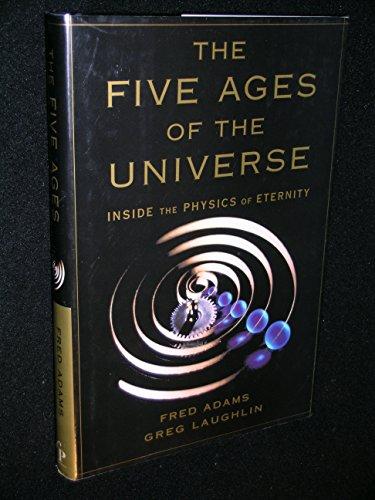
Inside the Physics of Eternity
It was mentioned as a book that discussed the different stages and eras of the universe's existence, following on from similar ideas explored by Freeman Dyson.
Some years ago, there was a book called The Five Ages of the Universe. And I think it was by Fred Adams and Greg Laughlin, which was a follow-on to what the physicist, the late physic...
— Episode: Cosmic Queries – JWST’s Primordial Galax...
It was mentioned as a book that discussed the different stages and eras of the universe's existence, following on from similar ideas explored by Freeman Dyson.
Some years ago, there was a book called The Five Ages of the Universe. And I think it was by Fred Adams and Greg Laughlin, which was a follow-on to what the physicist, the late physicist Freeman Dyson had written some years earlier,
It was mentioned as a book written by a colleague of Neil deGrasse Tyson's, focusing on the different phases of the universe, including a stage where black holes are the primary energy source.
So there's a colleague of mine who wrote a book, The Five Ages of the Universe.
It was mentioned as a book that discussed the death of the universe and a timeframe of 10 to the hundred years from now or more, in relation to the cosmic calendar.
There's a book called The Five Ages of the Universe. Check it out.
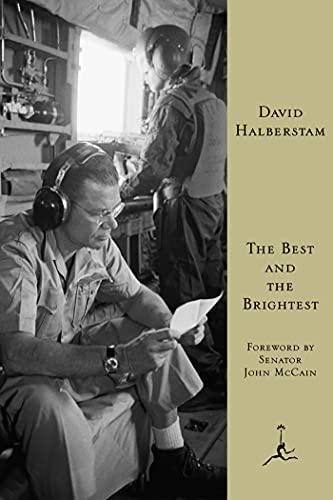
Kennedy-Johnson Administrations (Modern Library)
It was mentioned as a book that Steve Bannon, Donald Trump's chief strategist, was having everyone read, the moral of which was that Kennedy's advisors were overconfident and ignored real expertise.
I was reading The New York Times recently. There's an article about Steve Bannon, Donald Trump's chief strategist who's having everybody read a book called The Best and the Brightest.
— Episode: Let’s Make America Smart Again, with Far...
It was mentioned as a book that Steve Bannon, Donald Trump's chief strategist, was having everyone read, the moral of which was that Kennedy's advisors were overconfident and ignored real expertise.
I was reading The New York Times recently. There's an article about Steve Bannon, Donald Trump's chief strategist who's having everybody read a book called The Best and the Brightest.
It was mentioned as a book that Donald Trump's chief strategist, Steve Bannon, was having people read. The book's message was interpreted as experts being disastrous in their advice.
I was reading The New York Times recently. There's an article about Steve Bannon, Donald Trump's chief strategist who's having everybody read a book called The Best and the Brightest.
This is a book about how the smart Kennedy advisors got America into Vietnam.
And the the moral of the book is meant to be or the way he sees it. All these experts were all disasterously. Disaster, disaster.
Fareed Zakaria mentioned that Steve Bannon, Donald Trump's chief strategist, was having everyone read this book, which focused on the Kennedy advisors and the Vietnam War, and how experts can be wrong.
I was reading The New York Times recently. There's an article about Steve Bannon, Donald Trump's chief strategist who's having everybody read a book called The Best and the Brightest.
This is a book about how the smart Kennedy advisors got America into Vietnam.
And the the moral of the book is meant to be or the way he sees it. All these experts were all disasterously. Disaster, disaster.
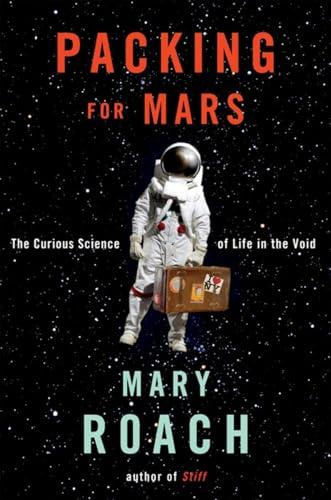
The Curious Science of Life in the Void
It was mentioned in relation to the discussion about Mars settlements, specifically concerning the feasibility of sending livestock, such as cows and mice, to Mars.
I interviewed Mary Roach, author of Packing for Mars. Let's see what she says about Mars settlements.
— Episode: Life on Mars Mashup
It was mentioned in relation to the discussion about Mars settlements, specifically concerning the feasibility of sending livestock, such as cows and mice, to Mars.
I interviewed Mary Roach, author of Packing for Mars. Let's see what she says about Mars settlements.
It was mentioned as a book with instructions on how to pack to survive the trip to Mars, but that survival was only for the trip there, not for living on Mars itself.
Okay. And it is, there's instructions on, it's Packing for Mars,
but in terms of living on Mars, that's a separate other book.
You can pack to survive the trip there. After that, all bets are off.
The book explores the challenges of sending humans to Mars, focusing on the unusual and often overlooked aspects of such a mission, such as the psychological impact of confinement and the development of space-appropriate food. The author's interviews with astronauts and scientists were discussed, highlighting various considerations and challenges.
I visited the Johnson lab where they make the food and I tasted like eight-year-old pork chop.
I tasted seven-year lifespan hashed browns.
But better than the early...The stuff that's really interesting is from the Gemini and Apollo era when they were really concerned with making the food low-residue so that the astronaut could avoid using the bathroom system which at that time was a bag.
It's low-fiber, highly processed. So you absorb everything out of it?
The most extreme approach that I saw was this guy who suggested and I think he was being serious that NASA should recruit obese astronauts and he figured out that for 50 pounds of excess weight, there's like 184,000 calories. You would just basically starve the astronaut for the duration of the mission.
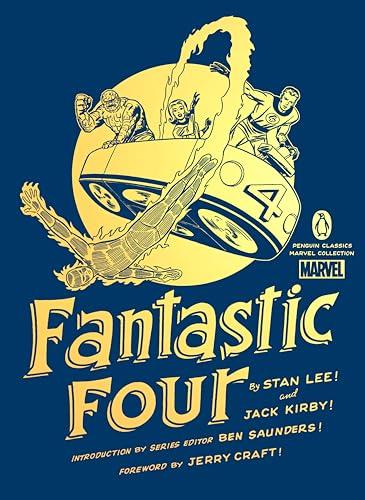
It was mentioned as a comic book series where Franklin Richards and the Molecule Man, characters with powers to manipulate matter and energy, appear.
Franklin Richards and the Molecule Man are both characters that usually show up in the Fantastic Four series.
— Episode: Cosmic Queries – Holographic Universe &...
It was mentioned as a comic book series where Franklin Richards and the Molecule Man, characters with powers to manipulate matter and energy, appear.
Franklin Richards and the Molecule Man are both characters that usually show up in the Fantastic Four series.
It was mentioned as the comic book issue where vibranium was first introduced, and one of the speakers had a beat-up, gold copy from 1965 which was mentioned during the show.
Vibranium, yeah. Vibranium was introduced in Fantastic Four number 52, which came out in...
Go. So I have Fantastic Four 52. I own Fantastic Four number 52. That's why I know. What does it do? It's a beat-up gold copy. It smells all more...
It was mentioned that the July 1966 issue of Fantastic Four #52 was the debut of the Black Panther character and a prized comic book in Neil deGrasse Tyson's collection.
One of my prized comic books in my collection Is the July 1966 issue of Fantastic Four number 52 The debut of the character, the Black Panther
The Curious Coupling of Science and Sex
It was mentioned in the context of a discussion about the science of sex, focusing on surprising facts about erections and the role of pharmaceuticals in sexual research.
The only other erectile tissue in the human body is in the nose. When you have a cold, you basically have a nose boner.
— Episode: What’s Science Got to Do With Love?
It was mentioned in the context of a discussion about the science of sex, focusing on surprising facts about erections and the role of pharmaceuticals in sexual research.
The only other erectile tissue in the human body is in the nose. When you have a cold, you basically have a nose boner.
The nipples, that's a different erection system. That's muscle squeezing. That's not erectile tissue.
Women have nocturnal erections in the same sort of cycle as men. Little tiny, little clitoral erections.
Well, these days it tends to be pharmaceutical stuff like looking for a pill for postmenopausal women with flagging libido.
Women don't need an erection.
It was primarily focused on the science of human sexual activity and was a popular science book.
I got my book Bonk.
The Bonk was all about sex, if I remember correctly.
Mary Roach's book, Bonk, was mentioned as being about the science of sex and included a discussion of various aspects of sexual physiology, like erections.
And she studied the science of sex.
In this next clip, she mentions some surprising facts about erections.
Oh yeah, definitely. Especially about erectile dysfunction.
It was mentioned briefly in context of pirating the show Cosmos, as a way to 'exploit' a system when lacking means.
It's like Abbie Hoffman wrote a book called Steal This Book.
— Episode: Extended Classic – Cosmic Queries The Ra...
It was mentioned briefly in context of pirating the show Cosmos, as a way to 'exploit' a system when lacking means.
It's like Abbie Hoffman wrote a book called Steal This Book.
It was briefly mentioned as a book about exploiting the system if you are without means, similar to pirating StarTalk Radio, in the context of illegally downloading the podcast.
It's like Abby Hoffman wrote a book called Steal This Book.
It was brought up in the context of pirating a show, as a comparison to exploiting the system when you are without the means to afford something.
It's like Abby Hoffman wrote a book called Steal This Book.
What Going to Space Taught Me About Ingenuity, Determination, and Being Prepared for Anything
The book by Chris Hadfield was mentioned in the context of NASA's culture and how, unlike in movies, they meticulously plan for every possible scenario, leading to their exceptional success in space.
Reading Commander Chris Hadfield's book about NASA being, you know, in movies something goes beep and an astronaut in the movie goes, what's that? And that would never happen at NASA because they've g...
— Episode: Extended Classic: MythBusters (Part 1)
The book by Chris Hadfield was mentioned in the context of NASA's culture and how, unlike in movies, they meticulously plan for every possible scenario, leading to their exceptional success in space.
Reading Commander Chris Hadfield's book about NASA being, you know, in movies something goes beep and an astronaut in the movie goes, what's that? And that would never happen at NASA because they've gone over every beep that could ever happen.
The discussion touched on the importance of failure as a learning experience and how NASA has a culture of anticipating every possible problem, which was contrasted with a more typical American culture of blaming individuals for failure. It was contrasted to the perspective described in Chris Hadfield's book.
Reading Commander Chris Hadfield's book about NASA being, you know, in movies something goes beep and an astronaut in the movie goes, what's that? And that would never happen at NASA because they've gone over every beep that could ever happen.
It was mentioned in relation to how NASA's culture differs from movies, specifically that NASA considers and plans for every possible scenario, in contrast to movies where astronauts are often surprised by unexpected beeps.
Reading Commander Chris Hadfield's book about NASA being, you know, in movies something goes beep and an astronaut in the movie goes, what's that? And that would never happen at NASA because they've gone over every beep that could ever happen.
They've gone over every worst case scenario they could do and that's what makes them so good at what they do when they actually get out into space and that kind of culture is a brilliant way to do problem in America.
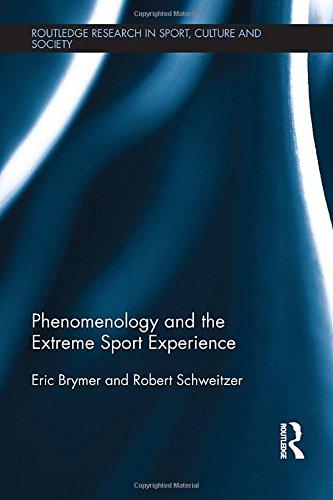
It was discussed as the book that the extreme sport psychologist, Dr. Eric Brymer, authored, where he discusses a more contemporary understanding of extreme sports and their motivations.
And you are author of Phenomenology and the Extreme Sport Experience.
— Episode: #ICYMI - The Psychology of Extreme Sport...
It was discussed as the book that the extreme sport psychologist, Dr. Eric Brymer, authored, where he discusses a more contemporary understanding of extreme sports and their motivations.
And you are author of Phenomenology and the Extreme Sport Experience.
It was mentioned as a book written by Eric Brymer, an extreme sport psychologist, where he explores the psychology and experience of extreme sports, moving beyond a simple risk-taking perspective.
And you are author of Phenomenology and the Extreme Sport Experience.
It was mentioned as the book written by Dr. Eric Brymer, an extreme sports psychologist, who discussed the evolving understanding of extreme sports beyond just risk and towards human nature, creativity, and the athlete's relationship with their environment.
You're up in Leeds University, Leeds Beckett University in the United Kingdom. And you are author of Phenomenology and the Extreme Sport Experience.
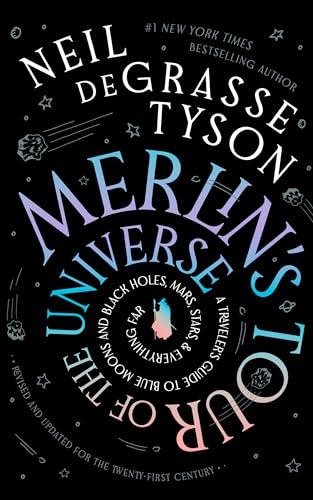
A Traveler's Guide to Blue Moons and Black Holes, Mars, Stars, and Everything Far
It was mentioned as a Q&A book where Neil explored the invention of the wheel, leading to the creation of the caveperson names Trog and Lo-dyte.
The reason why I did this for one of my books, a Q&A book, Merlin's Tour of the Universe.
— Episode: Extended Classic – Cosmic Queries Galact...
It was mentioned as a Q&A book where Neil explored the invention of the wheel, leading to the creation of the caveperson names Trog and Lo-dyte.
The reason why I did this for one of my books, a Q&A book, Merlin's Tour of the Universe.
It was Neil deGrasse Tyson's first book, which stemmed from his question-and-answer column called 'Merlin' that he wrote for a magazine.
My very first book was called Merlin's Tour of the Universe.
It was mentioned as a Q&A book in which Neil deGrasse Tyson created female caveman names, Trog and Lo-dyte, in a hypothetical conversation about the invention of the wheel.
The reason why I did this for one of my books, a Q&A book, Merlin's Tour of the Universe. Someone had asked when the wheel was invented.
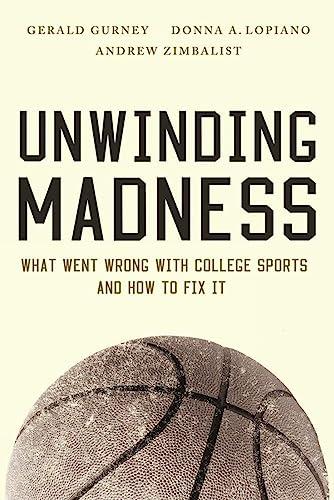
What Went Wrong with College Sports?and How to Fix It
It was discussed as a recent book that explores issues within college sports, particularly focusing on the NCAA, its structure, and potential solutions to the challenges it faces, including player compensation and coach salaries.
Unwinding Madness what went wrong with college sports and how to fix it yeah and how to fix it
— Episode: #ICYMI - NCAA – March Madness, Money, an...
It was discussed as a recent book that explores issues within college sports, particularly focusing on the NCAA, its structure, and potential solutions to the challenges it faces, including player compensation and coach salaries.
Unwinding Madness what went wrong with college sports and how to fix it yeah and how to fix it
yeah the idea that March Madness supposedly causes four billion dollars of lost productivity in the first week of the bracket is that just some news story that they like to float out there every year for people to go what or is that real
I think that rather than saying don't don't pay the NCAA for for broadcasting March Madness I think we should look at the underlying structural features of college sports and concentrate on reforming those
yeah okay cool let's move on really quickly
yeah that's great we are out of time you are fascinating thank you because there is so much more we can mine yeah in here and with your knowledge of all college sports and other sports so if you would be our guest again that would be fabulous I'd love to do those fun to talk to you guys thanks for coming up
It was mentioned as another book by Andrew Zimbalist, focusing on issues with college sports and potential solutions, referencing the recent trends in athlete endorsements.
Just a couple of years ago, Unwinding Madness. What went wrong with college sports and how to fix it?
It was discussed in the context of the NCAA and the issues with college sports, like the exploitation of athletes and the need for reform. It also offered solutions to some of these issues.
Unwinding Madness what went wrong with college sports and how to fix it yeah and how to fix it
we recommend in Unwinding Madness
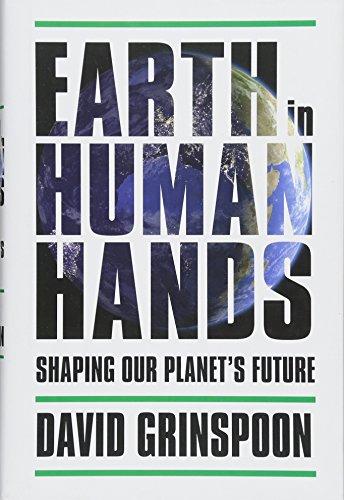
Shaping Our Planet's Future
It was discussed as a book about how humans are shaping the planet, and Neil deGrasse Tyson's co-host Chuck Nice recommended it for information about climate change.
But let's not forget about my favorite Dr. Funky Spoon book, if I recall correctly, is Earth in Human Hands because it's all about how we are shaping this planet. And if you want to k...
— Episode: Cosmic Queries – Silicon Aliens with Dav...
It was discussed as a book about how humans are shaping the planet, and Neil deGrasse Tyson's co-host Chuck Nice recommended it for information about climate change.
But let's not forget about my favorite Dr. Funky Spoon book, if I recall correctly, is Earth in Human Hands because it's all about how we are shaping this planet. And if you want to know some great information about climate change and the Anthropocene, you should check out that book, man, because it helped me. It's really very cool.
Well, tell us about that book because if you're a planetary expert, then Earth is simply another planet and then you get to compare it, its strengths and weaknesses and susceptibilities. He does that in the book, actually.
That was published in 2017.
It was mentioned as the book Dr. Grinspoon was finishing up about human impact on Earth and how to move from Homo Sapiens to Terra Sapiens in the Anthropocene.
I've just emerged from the process of finishing up my book Earth in Human Hands, which is gonna drop later this year.
it's we affect this planet and our behavior what it does to the planet long term
I call this the twisted gift of global warming
Dr. Grinspoon mentioned that he had just finished writing this book about humanity's impact on the planet and how we might evolve into 'Terrasapiens' to manage our impact more effectively.
I've just emerged from the process of finishing up my book Earth in Human Hands, which is gonna drop later this year.
it's we affect this planet and our behavior what it does to the planet long term
I call this the twisted gift of global warming
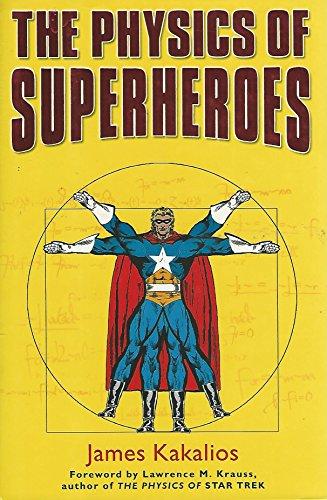
It was mentioned as one of Neil deGrasse Tyson's favorite books by James Kakalios, highlighting the intersection of physics and popular culture.
One of your favorite books of mine is The Physics of Superheroes, but that's not your latest book.
— Episode: Cosmic Queries: Time and Higher Dimensio...
It was mentioned as one of Neil deGrasse Tyson's favorite books by James Kakalios, highlighting the intersection of physics and popular culture.
One of your favorite books of mine is The Physics of Superheroes, but that's not your latest book.
It was mentioned as a book written by a physicist, discussing the science behind superheroes, and used as a resource by Hollywood creators to ensure scientific accuracy.
He's a professor of physics and this is a book he wrote maybe 10 years ago, The Physics of Superheroes.
It was mentioned as one of Neil deGrasse Tyson's favorite books by James Kakalios, who was a guest on the podcast.
One of your favorite books of mine is The Physics of Superheroes, but that's not your latest book.
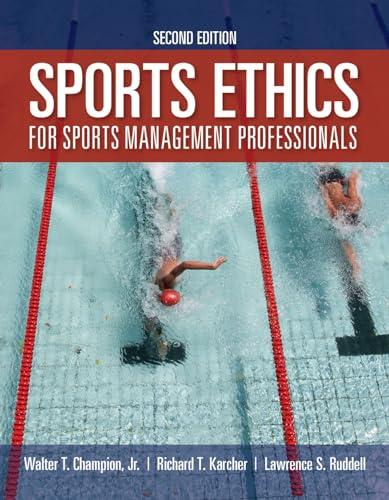
Dr. Arthur Caplan, a bioethicist, is the author, and his book was referenced towards the end of the podcast, relating to ethical dilemmas and considerations around performance-enhancing drugs in sports.
bringing us their extensive expertise, our publisher of Skeptic magazine and the author of The Moral Arc, Michael Shermer, clinical psychologist at Mount Sinai Hospital in New York City, Dr. Tom Hilde...
— Episode: #ICYMI: The Murky World of Doping in Spo...
Dr. Arthur Caplan, a bioethicist, is the author, and his book was referenced towards the end of the podcast, relating to ethical dilemmas and considerations around performance-enhancing drugs in sports.
bringing us their extensive expertise, our publisher of Skeptic magazine and the author of The Moral Arc, Michael Shermer, clinical psychologist at Mount Sinai Hospital in New York City, Dr. Tom Hildebrand and medical ethicist and author of The Ethics of Sports, Dr. Arthur Kaplan.
Dr Arthur Kaplan, director of medical ethics at NYU and author of The Ethics of Sport.
It was mentioned as one of Arthur Kaplan's 35+ authored or edited books published in 2016, focusing on ethical issues within sports.
And author and editor of more than 35 books, including 2016, The Ethics of Sport.
Dr. Arthur Caplan, a bioethicist and author of 'The Ethics of Sports,' offered insights into the ethical dilemmas surrounding doping in sports, emphasizing the risks to athletes and the potential for coercion.
author of The Ethics of Sports, Dr. Arthur Kaplan.
And thank you to Dr Arthur Kaplan, director of medical ethics at NYU and author of The Ethics of Sport.
The Cosmere Collection
Bill Nye's book, "Unbounded," was mentioned, and it was described as a book about sustainability and climate change, with a focus on doing more with less.
Climate change and doing more with less.
— Episode: Extended Classic: The Future of Humanity...
Bill Nye's book, "Unbounded," was mentioned, and it was described as a book about sustainability and climate change, with a focus on doing more with less.
Climate change and doing more with less.
Unbounded.
Subtitle, you're a frickin idiot if you don't believe in climate change.
Bill Nye mentioned he was writing a book about sustainability and climate change, titled 'Unbounded', with a subtitle suggesting climate change denial is foolish.
Climate change and doing more with less.
Unbounded.
Subtitle, you're a frickin idiot if you don't believe in climate change.
Bill Nye mentioned he was writing a book about sustainability, climate change, and doing more with less, titled "Unbounded".
Plus you're writing a book on like sustainability? Climate change and doing more with less.
You know what's it going to be called? Unbounded.
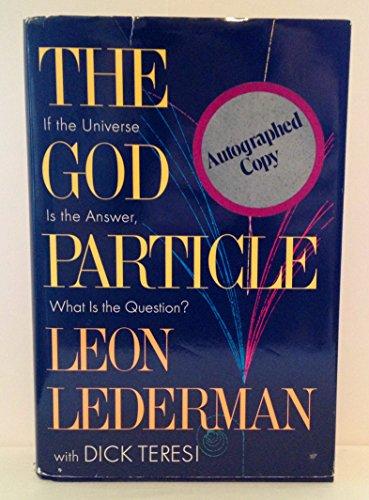
It was mentioned that the book was originally called 'The God Damn Particle' by Leon Lederman, but the publisher changed it to 'The God Particle' to avoid alienating both religious and non-religious readers.
It was originally called the God damn particle by Leon Letterman, the Nobel Prize winner. He wanted to write a call his book The God Damn Particle because they hadn't found it yet. And his publisher m...
— Episode: Cosmic Queries – Origins of the Universe...
It was mentioned that the book was originally called 'The God Damn Particle' by Leon Lederman, but the publisher changed it to 'The God Particle' to avoid alienating both religious and non-religious readers.
It was originally called the God damn particle by Leon Letterman, the Nobel Prize winner. He wanted to write a call his book The God Damn Particle because they hadn't found it yet. And his publisher made him change it to The God Particle, which he said ended up alienating two groups, those that believed in God and those that didn't.
The book's title, "The God Particle", was discussed, and it was mentioned that the name was chosen partly by the author's publicist and editor, and that the author originally wanted to call it the "God damn particle".
The story of the name comes partially from a book that Nobel laureate Leon Letterman wrote which is called The God Particle.
Originally the name was chosen partially by his publicist and editor and there's a story that he wanted to call it the God damn particle because it's so hard to find but clearly God particle sells a lot of books.
There are a lot of people including myself that aren't very happy with using that word it looks like there's some sort of competition with science and religion or something.
The book was mentioned as the origin of the nickname "God particle" for the Higgs boson, initially suggested by the author's publicist and editor. It was also discussed in relation to the Higgs boson's importance to the universe's structure.
The story of the name comes partially from a book that Nobel laureate Leon Letterman wrote which is called The God Particle.
Originally the name was chosen partially by his publicist and editor and there's a story that he wanted to call it the God damn particle because it's so hard to find but clearly God particle sells a lot of books.
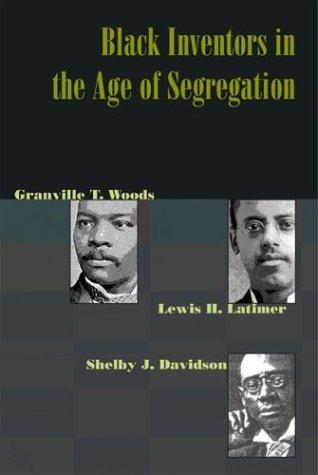
Granville T. Woods, Lewis H. Latimer, and Shelby J. Davidson
It was also written by Rayvon Fouch, and discussed briefly, though Neil deGrasse Tyson suggested that he should be invited back to talk about it more.
Okay. And also Black Inventors in the Age of Segregation.
— Episode: The Joy of Techno Science, with Rayvon F...
It was also written by Rayvon Fouch, and discussed briefly, though Neil deGrasse Tyson suggested that he should be invited back to talk about it more.
Okay. And also Black Inventors in the Age of Segregation.
It was briefly mentioned as another book written by Rayvon Fouch which focused on the history of Black inventors. Neil stated that they would have to have Rayvon back for an episode on it.
Okay. And also Black Inventors in the Age of Segregation.
The book discussed the history of black inventors during a period of segregation, and Neil deGrasse Tyson expressed interest in having the author back on the show to elaborate.
Okay. And also Black Inventors in the Age of Segregation. Whoa. Oh. Whoa.

Jeff Jarvis recommended it as a book that argues against the filter bubble theory, and that it's a short and well-condensed read.
There's a wonderful book I recommend by Axel Bruns, who's an academic in Australia, called Are Filter Bubbles Real?
— Episode: Improving the News, with Max Tegmark
Jeff Jarvis recommended it as a book that argues against the filter bubble theory, and that it's a short and well-condensed read.
There's a wonderful book I recommend by Axel Bruns, who's an academic in Australia, called Are Filter Bubbles Real?
His answer? No.
Very short book.
Well, it's well condensed.
It was recommended by Jeff Jarvis as a short, well-condensed read that refuted the filter bubble theory, suggesting that people are more exposed to a diversity of opinions than commonly thought.
There's a wonderful book I recommend by Axel Bruns, who's an academic in Australia, called Are Filter Bubbles Real?
His answer? No.
Very short book.
It was recommended as a short book which refutes the filter bubble theory, highlighting that the theory is not supported by Google's practices or social behaviors.
There's a wonderful book I recommend by Axel Bruns, who's an academic in Australia, called Are Filter Bubbles Real?
His answer? No.
Very short book.
It was recommended as a profound and deep short story, exploring the future of the universe and the possibility of creating a new one.
you should uh refer to one of Isaac Asimov's great short stories called the last question oh I think it's really really profound and deep he wrote it very very well
— Episode: Cosmic Queries: A Stellar Smorgasbord
It was recommended as a profound and deep short story, exploring the future of the universe and the possibility of creating a new one.
you should uh refer to one of Isaac Asimov's great short stories called the last question oh I think it's really really profound and deep he wrote it very very well
yeah find out right thanks for that reminder create a new universe create a new you know if it's trillions of years from now that science might exist
The short story, 'The Last Question' by Isaac Asimov, was mentioned as being a science fiction short story about a question posed to the most powerful computer, and highly recommended for its content.
The great science fiction writer, the late Isaac Asimov wrote... Very late. He died 20 years ago. Yes, but one of the most beautiful science fiction short stories I have ever read.
And it was precisely about a question asked to the greatest of all computers. This short story is called The Last Question.
I don't even want to talk about it to anybody because it is such a cool story and it's such a short and quick read.
I will reread that. Everyone should experience it.
The Last Question by Isaac Asimov.
It was recommended for its profound and deep exploration of the heat death of the universe and the search for solutions to its implications. It was mentioned as a reminder to read the book again.
you should uh refer to one of Isaac Asimov's great short stories called the last question oh I think it's really really profound and deep he wrote it very very well
yeah find out right thanks for that reminder create a new universe create a new you know if it's trillions of years from now that science might exist
Essays by the World's Leading Neuroscientists
It was discussed as a collection of essays about the future of the brain, recently published and soon to be released in paperback format, featuring contributions from various experts.
It's about to come out in paperback.
— Episode: Gazing into the Future with Ray Kurzweil
It was discussed as a collection of essays about the future of the brain, recently published and soon to be released in paperback format, featuring contributions from various experts.
It's about to come out in paperback.
The book was mentioned as being edited by Gary Marcus, and it was discussed in the context of how nanobots could theoretically alter the circuitry of the brain for memory enhancement.
Did they make it? Or you edited that?
but right now we don't know how to read the code it's like if a computer dropped from above it would take a while there's no other computers and you had voltmeters and stuff like that you could sit there and try to figure it out but it would take a long time before you could say so that's how Microsoft Word works there's a lot of complication there
in principle there's no reason why the experiential part of it can't be encoded can't be fired in there using nanobots that change the circuitry of your brain my book The Future of the Brain there's no reason in principle why you can't do that
It was discussed that the book was about to be released in paperback, and that it includes top neuroscientists discussing the future of understanding the brain.
It's about to come out in paperback.
It has some Nobel Prize winners from a couple years ago. Christoph Koch from the Allen Brain Institute, all kinds of top people talking about The Future of the Brain.
Note: The book recommendations on this page are discovered automatically from podcast transcripts, and may be incorrect or incomplete.
Podcast Name