Pastel Snow Scrapbook Paper Craft Pad
Creative Corner
Mentioned 7 months ago
Are We The Universe’s Way of Knowing Itself? With Brian Cox
Science, pop culture, and comedy collide on StarTalk Radio! Neil deGrasse Tyson, astrophysicist and Director of New York's Hayden Planetarium, and his comic co-hosts, guest celebrities, and scientific experts explore astronomy, physics, and everything else there is to know about life in the universe...
Recently mentioned
Creative Corner
Mentioned 7 months ago
Are We The Universe’s Way of Knowing Itself? With Brian Cox
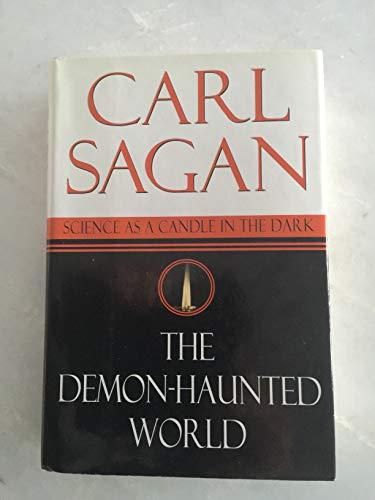
Carl Sagan
Mentioned 7 months ago
Are We The Universe’s Way of Knowing Itself? With Brian Cox
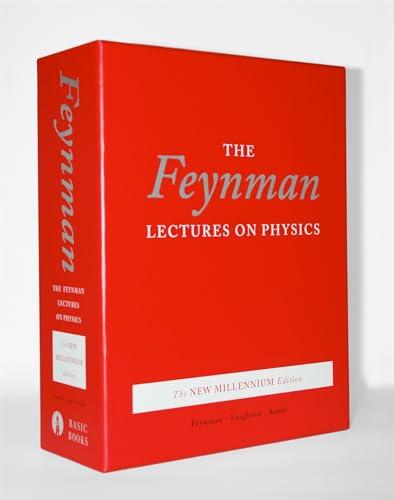
Richard P. Feynman
Mentioned 7 months ago
Are We The Universe’s Way of Knowing Itself? With Brian Cox
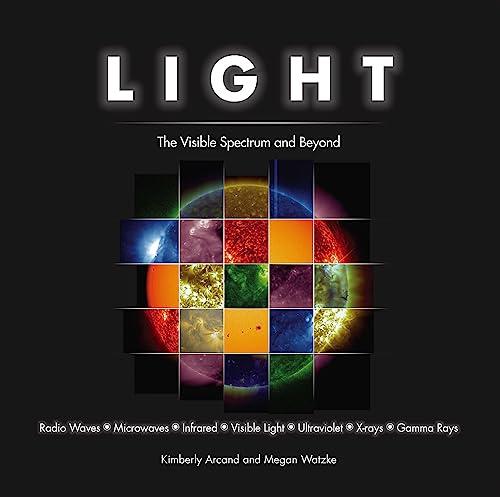
Kimberly Arcand
Mentioned 1 year ago
Listening to the Universe with Kimberly Arcand
Daniel J. Levitin
Mentioned 1 year ago
Is Music the Language of the Universe? with Daniel Levitin
Steven Mithen
Mentioned 1 year ago
Is Music the Language of the Universe? with Daniel Levitin
Daniel J. Levitin
Mentioned 1 year ago
Is Music the Language of the Universe? with Daniel Levitin
Daniel J. Levitin
Mentioned 1 year ago
Is Music the Language of the Universe? with Daniel Levitin
Jr. Lyman Spitzer
Mentioned 1 year ago
Dark Comets with Darryl Seligman
Frank H. Shu
Mentioned 1 year ago
Dark Comets with Darryl Seligman
G H Hardy
Mentioned 1 year ago
Our Mathematical Universe with Grant Sanderson (3Blue1Brown)
Carl Sagan
Mentioned 1 year ago
Revisiting the Drake Equation with David Grinspoon
How Science Will Shape Human Destiny and Our Daily Lives by the Year 2100
It was mentioned as a book written by Michio Kaku during his introduction to the show.
Also The Physics of the Future and The Future of the Mind.
— Episode: The Universe and Beyond, with Stephen Ha...
It was mentioned as a book written by Michio Kaku during his introduction to the show.
Also The Physics of the Future and The Future of the Mind.
It was mentioned as a book that Sean Ono Lennon read in his youth, which discussed future societal phases and potential threats, including the possibility of surviving a nuclear age and building structures like Dyson spheres.
I've read a lot of you know Books even Michio Kaku when I was young. I read a book of his I was talking about this Russian a scientist who has qualifications for Phase one society phase two society and I think it was your friend Carl Sagan who actually just made more distinct like Smaller distinctions between the phases, but that essentially if you survive a nuclear age Then you get to another phase of you know of a possible extinction threat, but then you can Eventually build a geodesic dome or something or a Dyson Dyson spear around the Sun and you get all this energy and then you can make wormholes and you can essentially populate the universe
It was mentioned as another book by Michio Kaku along with 'The Physics of the Impossible' and 'The Future of the Mind'.
Also The Physics of the Future and The Future of the Mind.
It was mentioned in the context of discussing the potential for humanity to survive various extinction threats and colonize other planets. It was read by the speaker when they were younger.
I've read a lot of you know books even Michio Kaku when I was young. I read a book of his I was talking about this Russian a scientist who has qualifications for Phase one society phase two society and I think it was your friend Carl Sagan who actually just made more distinct like smaller distinctions between the phases, but that essentially if you survive a nuclear age Then you get to another phase of you know of a possible extinction threat, but then you can Eventually build a geodesic dome or something or a Dyson Dyson spear around the Sun and you get all this energy and then you can make wormholes and you can essentially populate the universe.
Science as a Candle in the Dark
It was mentioned as a book where Carl Sagan discusses the use of the comparative method and natural experiments in understanding social systems and their outcomes.
Our mutual friend, the late great Carl Sagan, has a great chapter in the demon-hunted world on these kinds of experiments.
— Episode: StarTalk Live! at Kings Theatre: Science...
It was mentioned as a book where Carl Sagan discusses the use of the comparative method and natural experiments in understanding social systems and their outcomes.
Our mutual friend, the late great Carl Sagan, has a great chapter in the demon-hunted world on these kinds of experiments.
It was mentioned as a book where Carl Sagan discussed the dangers of a society based on science and high technology where most are excluded from it.
He wrote about that in The Demon Haunted World.
A passage from the book was mentioned where Sagan discussed the importance of suppressing the urge to be condescending towards others when communicating scientific ideas.
Carl made that point back in the 90s. I think it was a passage maybe from Demon Haunted World where he said something like, it's easy to be condescending to people. I feel the urge myself bubble up and I have to kind of suppress it. We should all suppress it.
The Secret Link Between Music and the Structure of the Universe
It was mentioned as one of Stephon Alexander's books from several years prior, discussing the relationship between music and the structure of the universe.
And among those books, the one I remember most is from now six years ago, seven years ago, The Jazz of Physics. Let me get the right subtitle here. The Secret Link Between Music and t...
— Episode: Cosmic Queries – Understanding Infinity...
It was mentioned as one of Stephon Alexander's books from several years prior, discussing the relationship between music and the structure of the universe.
And among those books, the one I remember most is from now six years ago, seven years ago, The Jazz of Physics. Let me get the right subtitle here. The Secret Link Between Music and the Structure of the Universe.
It's a book about the relationship between music and the structure of the universe, and Stefan Alexander discussed improvisation as an example of how it could be viewed in the context of physics.
Now it turns out there happens to be a guy out there who wrote an entire book on the connection between physics and music. An entire book. His name is Stefan Alexander and he's standing by right now live on video call. You guys, you have him? Oh there we go. Hey Stefan, hello. Hey Neil what's up? Hey, well welcome to Start Talk. Hey, good to be here. Thanks for helping me. So you wrote a book, The Jazz of Physics, Stefan Alexander, the secret link between music and the structure of the universe.
It was mentioned in passing as a book written by Stephen Alexander, a physicist and jazz musician who was a co-author with Jim Gates on a paper about strings and the cosmic microwave background.
Stefan is a professional level jazz musician, although he is a physicist on faculty here at Brown University.
The Jazz of Physics is his work.
It's a book that explores the connection between music and the structure of the universe, using jazz as a metaphor for the improvisational nature of quantum mechanics.
Now it turns out there happens to be a guy out there who wrote an entire book on the connection between physics and music. An entire book. His name is Stefan Alexander and he's standing by right now live on video call. You guys, you have him? Oh there we go. Hey Stefan, hello. Hey Neil what's up? Hey, well welcome to Start Talk. Hey, good to be here. Thanks for helping me. So you wrote a book, The Jazz of Physics, Stefan Alexander, the secret link between music and the structure of the universe.
A REVOLUTIONARY APPROACH TO TEACHING AND UNDERSTANDING YOUR DOG IN JUST A FEW HOURS
The book was discussed in the context of how technology is changing our minds and was mentioned as having a counterintuitive perspective, particularly compared to other viewpoints about technology's negative effects on the mind.
You you you have a book from a few years ago.
— Episode: The Evolution of Personal Technology, wi...
The book was discussed in the context of how technology is changing our minds and was mentioned as having a counterintuitive perspective, particularly compared to other viewpoints about technology's negative effects on the mind.
You you you have a book from a few years ago.
SMARTER THAN YOU THINK. How technology is changing our minds for the better.
That is so counterintuitive. You are the only one.
Clive Thompson's book was discussed in relation to ambient awareness, a social sixth sense, and how Twitter provides a way to gain insights into others' lives through small messages.
You have a book, SMARTER THAN YOU THINK. You speak about ambient awareness as a kind of social sixth sense. Is that what this is?
Yeah, absolutely. It's the idea that you sort of build a mental picture of what's going on in someone's life. Someone else's life.
Clive Thompson's book, 'Smarter Than You Think', was discussed, and it was mentioned that it explored the positive ways technology was changing people's minds.
You have a book from a few years ago.
SMARTER THAN YOU THINK. How technology is changing our minds for the better.
That is so counterintuitive. You are the only one... The only one holding down an argument.
Clive's book was mentioned in relation to ambient awareness as a social sixth sense, and how Twitter provides a way to gain insights into others' lives through brief messages.
You have a book, SMARTER THAN YOU THINK. You speak about ambient awareness as a kind of social sixth sense. Is that what this is?
Yeah, absolutely. It's the idea that you sort of build a mental picture of what's going on in someone's life. Someone else's life.
When Computers Exceed Human Intelligence
It was mentioned in relation to the prediction that the Turing test would be passed by 2029. Ray Kurzweil predicted this in his 1999 book, which was mentioned in the discussion of AI capabilities.
In 1999, when I wrote The Age of Spiritual Machines, I predicted that we would pass the Turing Test by 2029, so in 30 years.
— Episode: Could We Someday Live Forever? With Ray...
It was mentioned in relation to the prediction that the Turing test would be passed by 2029. Ray Kurzweil predicted this in his 1999 book, which was mentioned in the discussion of AI capabilities.
In 1999, when I wrote The Age of Spiritual Machines, I predicted that we would pass the Turing Test by 2029, so in 30 years.
It was mentioned as a book written by Ray Kurzweil in the 1990s where he predicted computers would achieve human-level intelligence and emotional capabilities by 2029, making them 'spiritual machines'.
Going back to a book I wrote in the 1990s, The Age of Spiritual Machines.
The speaker published this book in 1999, and it discussed the topic of consciousness as the ultimate spiritual value.
You wrote a book in 1999 called The Age of Spiritual Machines.
It was mentioned that in the book, Ray Kurzweil predicted computers would have human intellectual and emotional abilities by 2029.
Going back to a book I wrote in the 1990s, The Age of Spiritual Machines.
The Incredible Science Behind Martial Arts (Martial Science)
It was discussed as the book where Jason Falcon explains how to approach martial arts training from a scientific perspective, especially in regards to physics.
And teaching us to Fight Like a Physicist is Jason Falcon, author of, you guessed it, Fight Like a Physicist.
— Episode: #ICYMI - Martial Arts – Fight Like a Phy...
It was discussed as the book where Jason Falcon explains how to approach martial arts training from a scientific perspective, especially in regards to physics.
And teaching us to Fight Like a Physicist is Jason Falcon, author of, you guessed it, Fight Like a Physicist.
He is the author of Fight Like a Physicist.
And the incredible science behind martial arts.
So that's sort of the mindset I try to get at in the book is try to approach your training like you're a scientist.
Don't forget, author of Fight Like a Physicist. Yes, please go check that book out. It is splendid, covers an awful lot of subject matter.
It was discussed as a book that approaches martial arts training scientifically, emphasizing understanding principles like center of gravity to improve training.
And teaching us to Fight Like a Physicist will be Jason Falcon, author of - oh, fuck. Shit, let me do it again. Yeah. And teaching us to Fight Like a Physicist is Jason Falcon, author of, you guessed it, Fight Like a Physicist.
He is the author of Fight Like a Physicist. Of course. And the incredible science behind martial arts.
And that's sort of the mindset I try to get at in the book is, you know, try to approach your training like you're a scientist.
It is splendid. Covers an awful lot of subject matter.
It was discussed in the context of training and fighting with a scientific mindset, and how physicists might approach martial arts training and techniques.
And teaching us to Fight Like a Physicist is Jason Falcon, author of, you guessed it, Fight Like a Physicist.
He is the author of Fight Like a Physicist. Of course. And the incredible science behind martial arts.
And that's sort of the mindset I try to get at in the book is try to approach your training like you're a scientist.
Don't forget, author of Fight Like a Physicist. Yes, please go check that book out. It is splendid, covers an awful lot of subject matter.
It was discussed and recommended by the hosts for its unique perspective of applying scientific principles, specifically physics, to martial arts training.
And teaching us to Fight Like a Physicist will be Jason Falcon, author of - oh, fuck. Shit, let me do it again. Yeah. And teaching us to Fight Like a Physicist is Jason Falcon, author of, you guessed it, Fight Like a Physicist.
He is the author of Fight Like a Physicist. Of course. And the incredible science behind martial arts.
And that's sort of the mindset I try to get at in the book is, you know, try to approach your training like you're a scientist.
It is splendid. Covers an awful lot of subject matter.
It was discussed in relation to interstellar travel and the possibility of civilizations in the asteroid or Kuiper belt, and how we might find evidence of previous cultures or space probes.
And so one of the things I talk about in my novel Existence is how when we get out to the asteroid belt or the Kuiper belt, we may find an entire civilization or perhaps they fought o...
— Episode: Extraterrestrial Mashup
It was discussed in relation to interstellar travel and the possibility of civilizations in the asteroid or Kuiper belt, and how we might find evidence of previous cultures or space probes.
And so one of the things I talk about in my novel Existence is how when we get out to the asteroid belt or the Kuiper belt, we may find an entire civilization or perhaps they fought of various types of space probes that were sent by previous cultures.
It was mentioned in the context of discussing the Fermi paradox and the possibility of alien civilizations spreading throughout the galaxy through interstellar travel and colonization. It was discussed alongside the concept of robotic probes.
And so the uh one of the things I talk about in my novel Existence is How when we get out to the asteroid belt or the kuiper belt We may find an entire civilization or perhaps they fought of of various types of Space probes that were sent by previous cultures
David Brin's book 'Existence' was discussed in relation to interstellar travel and the possibility of encountering other civilizations or evidence of previous ones in the asteroid or Kuiper belts.
And so one of the things I talk about in my novel Existence is how when we get out to the asteroid belt or the Kuiper belt, we may find an entire civilization or perhaps they fought of various types of space probes that were sent by previous cultures.
It was mentioned in the context of discussing interstellar travel and the possibility of alien civilizations colonizing the galaxy, and the Fermi paradox.
And so the uh one of the things I talk about in my novel Existence is How when we get out to the asteroid belt or the kuiper belt We may find an entire civilization or perhaps they fought of of various types of Space probes that were sent by previous cultures
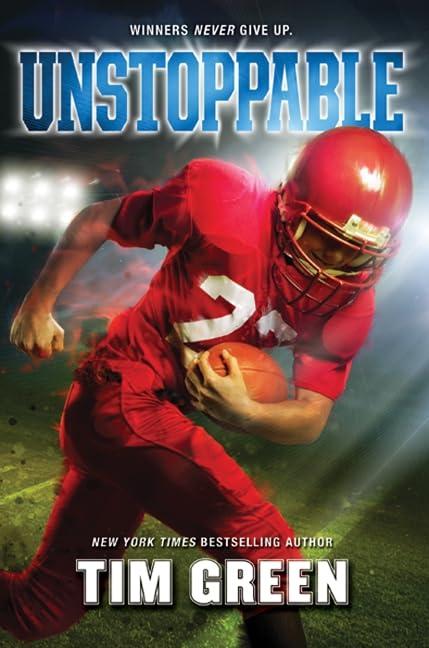
Bill Nye mentioned his book "Unstoppable" which describes his "big four" for improving the quality of life for humans on Earth, including clean water, electrical storage, electrical transmission, and a carbon tax.
They're 20 in a carton. They make great gifts. Pick up a carton today. Pick up some eggs.
— Episode: Cosmic Queries: Altered States, with Bil...
Bill Nye mentioned his book "Unstoppable" which describes his "big four" for improving the quality of life for humans on Earth, including clean water, electrical storage, electrical transmission, and a carbon tax.
They're 20 in a carton. They make great gifts. Pick up a carton today. Pick up some eggs.
It was mentioned as Nye's upcoming book, where he detailed four key areas for improving the world: electrical storage, electrical transmission, carbon dioxide fee, and clean water for everyone.
Comes out November 10th. They're 20 in a carton. They make great gifts Pick up a car today
It was mentioned as a book that contained Bill Nye's 'Big Four' ideas for improving the world, including topics like water conservation and electrical storage, and was suggested as a great gift.
They're 20 in a carton. They make great gifts. Pick up a carton today.
If you want them autographed I know a guy.
It was mentioned as an upcoming book that details Bill Nye's 'big four' for improving the quality of life for humanity, including clean water, electrical storage, and carbon dioxide reduction.
They're 20 in a carton. They make great gifts Pick up a car today
Pick up some eggs if you want a autographed I know a guy there you go.
Comes out November 10th.
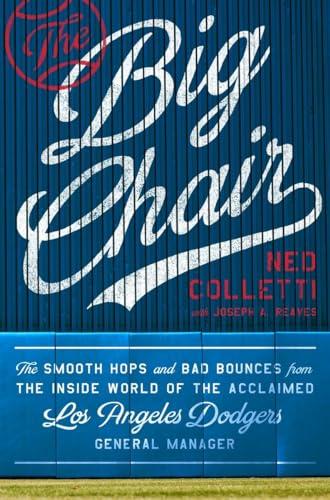
The Smooth Hops and Bad Bounces from the Inside World of the Acclaimed Los Angeles Dodgers General Manager
It was described as 20% memoir and mostly focused on the Dodgers, the job of a GM, and the daily challenges faced. It was mentioned that it's not a tell-all book, but rather a look at how the mind works.
The smooth hops and bad bounces from inside the world of the acclaimed Los Angeles Dodgers
— Episode: #ICYMI - Baseball: Brain Training
It was described as 20% memoir and mostly focused on the Dodgers, the job of a GM, and the daily challenges faced. It was mentioned that it's not a tell-all book, but rather a look at how the mind works.
The smooth hops and bad bounces from inside the world of the acclaimed Los Angeles Dodgers
It's really about 20% memoir I had a kind of an interesting childhood growing up I lived in a garage until I was 5
It's not a revenge book or a kiss and tell book It's not a career like that It's just really how your mind works on a daily basis And the different challenges you have on the way
It was described as being 20% memoir and included stories about his interesting childhood, some of the people he met along the way and insights into how a GM's mind works on a daily basis. It was not a kiss and tell or a revenge book.
It's really it's about 20 percent memoir. I had a kind of an interesting childhood growing up.
And it's not a revenge book or a kiss and tell book. There's nothing in there like that.
It is just really how your mind works on a daily basis.
It was described as a memoir with motivational elements, detailing Ned Colletti's career as a GM for the LA Dodgers, and included anecdotes about people he met like Frank Sinatra and Tommy Lasorda.
Let's do two things real quick Something people should want is The Big Chair The Big Chair Which of course is Ned Coletti's new book The smooth hops and bad bounces from inside the world of the acclaimed Los Angeles Dodgers
It's really about 20% memoir I had a kind of an interesting childhood growing up I lived in a garage until I was 5 First in my family to go to school to go to college My walk was not a typical walk perhaps So it's a little bit of an encouragement a little bit of a motivational story at the outset But it really gets into a little bit of the people you meet along the way
I was honored to be in the presence of Frank Sinatra a few times and I'll find it a little bit interesting as time goes on People know obviously who Frank Sinatra was but they'll hear a story or two in how it relates to baseball Frank and Tommy Lasorda were obviously tremendous friends a long, long time Hall of Fame manager
And then the rest of it is really the job and what you go through It's not a revenge book or a kiss and tell book It's not a career like that It's just really how your mind works on a daily basis And the different challenges you have on the way
If what Ned has told you has whetted your appetite I'm going to go find this book Please, by all means In October it's out there on the shelves Go grab it before it disappears completely
It was described as 20% memoir and partly about his experiences and challenges in Major League Baseball, including working with players and developing their minds.
It's really it's about 20 percent memoir. I had a kind of an interesting childhood growing up.
It is just really how your mind works on a daily basis.
And then the rest of it is really the job and what you go through. And it's not a revenge book or a kiss and tell book. There's nothing in there like that.
In October it's out there on the shelves. Go grab it before it disappears completely.
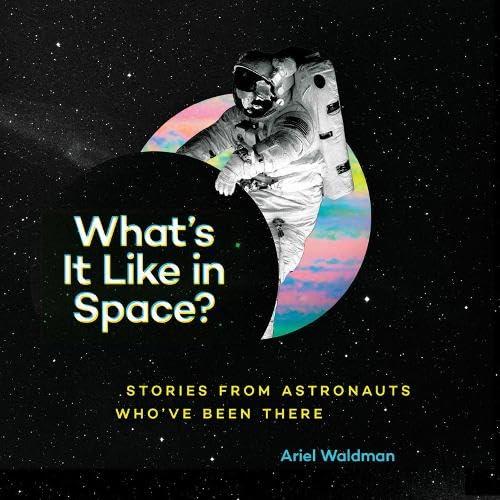
Stories from Astronauts Who've Been There
It was written after interviewing a dozen astronauts and researching historical interviews, and explored the varied experiences astronauts had in space, some positive and others more challenging.
And the thing that I loved is that, you know, space exploration is very slowly becoming more accessible but extremely slowly.
— Episode: StarTalk Live! Citizen Science from San...
It was written after interviewing a dozen astronauts and researching historical interviews, and explored the varied experiences astronauts had in space, some positive and others more challenging.
And the thing that I loved is that, you know, space exploration is very slowly becoming more accessible but extremely slowly.
And the thing I loved the most was just getting to hear that not everyone has the same sort of experience in space.
Some people are talking about how, you know, they have to work on managing their mood a lot day to day and some people... Managing their mood.
And I think the more we can do that, the more we can really show how space exploration is for everyone and you don't have to fit into a certain mold.
It's the stories that are kind of more embarrassing and awkward and silly and fun but sometimes also awe-inspiring as well.
It was a book about space travel, filled with stories told by astronauts during interviews and historical research, demonstrating that experiences in space vary widely.
And what you did is interview a bunch of people who've flown in space, yeah?
So I interviewed a dozen astronauts for the book and then I also researched historical interviews with astronauts.
And the thing that I loved is that, you know, space exploration is very slowly becoming more accessible but extremely slowly.
Yeah, and those are some of the stories that I explore in this book.
It's the stories that are kind of more embarrassing and awkward and silly and fun but sometimes also awe-inspiring as well.
It documented astronauts' embarrassing, awkward, and silly stories, as well as awe-inspiring ones, while attempting to avoid both the romanticization and the mundane aspects of space travel.
And the thing that I loved is that, you know, space exploration is very slowly becoming more accessible but extremely slowly.
And the thing I loved the most was just getting to hear that not everyone has the same sort of experience in space.
I mean, you know, I think the mundane stories are just kind of... I mean there's stories about how astronauts give each other privacy and you don't have doorknobs in space or anything like that so you can't really put a sock over a doorknob to say, you know, give me some privacy. I'm getting dressed.
And to me, I wanted to sort of cut past both the romanticism of space and the mundane side of space and go into sort of more the silly stories that you tell when you get back from space and are just hanging out with friends.
Yeah, and those are some of the stories that I explore in this book.
It was created to document astronaut stories, including embarrassing, awkward, silly, and fun stories as well as inspiring ones, giving a more realistic view of space travel than the romantic or mundane perspectives alone.
And the thing that I loved is that, you know, space exploration is very slowly becoming more accessible but extremely slowly.
And the thing I loved the most was just getting to hear that not everyone has the same sort of experience in space.
I'm saying that, you know, I talked to people who said, you know, when you're in space for a long time, that's really when you're at home and you're relaxed and it's great.
And then I talked to other people who said, you know, long duration spaceflight, I have to worry about, you know, really focusing on not letting my mood drop and not, you know, getting down and not getting frustrated.
And those are some of the stories that I explore in this book.
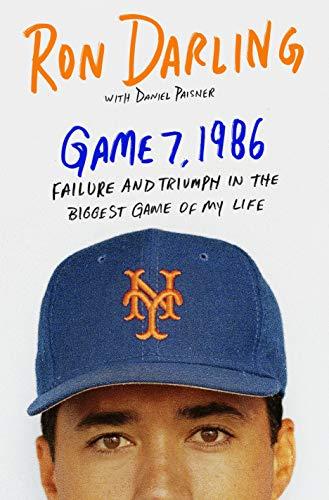
Failure and Triumph in the Biggest Game of My Life
It was mentioned as the book that Ron Darling wrote about his experience pitching in the 1986 World Series, where he failed to deliver a victory, and his reflection on that failure.
In your book, Game 7, 1986, Failure and Triumph in the Biggest Game of My Life, what's your takeaway or what's the takeaway you want the reader to get from that?
— Episode: #ICYMI: Pitching Physics with Ron Darlin...
It was mentioned as the book that Ron Darling wrote about his experience pitching in the 1986 World Series, where he failed to deliver a victory, and his reflection on that failure.
In your book, Game 7, 1986, Failure and Triumph in the Biggest Game of My Life, what's your takeaway or what's the takeaway you want the reader to get from that?
Well, I think for most folks when they read a sports book, it's about some great accomplishment that happens. For a professional pitcher, being allowed to pitch Game 7 of World Series is the greatest thrill you could ever have. But the takeaway on this book is I had that and I failed. And why did I fail?
And I think what happened is after the game was done, and the Mets won, but after the game was done a couple of days later, I said, you know, I was at the top of my game, did not give up an earned run in that series, and I got knocked out in the fourth inning. How did that happen? I thought organically it would go away. 30 years later, it did not. You're still thinking about it. And that's why I wrote it.
And as soon as it was finished, I have not thought about that game once since. So it helped.
Ron Darling's book, focusing on his experience pitching in the 1986 World Series, detailed his failure and the lasting impact of that loss on him. It was written to help him process the emotions and move past that loss.
In your book, Game 7, 1986, Failure and Triumph in the Biggest Game of My Life, what's your takeaway or what's the takeaway you want the reader to get from that?
Well, I think for most folks when they read a sports book, it's about some great accomplishment that happens. For a professional pitcher, being allowed to pitch Game 7 of World Series is the greatest thrill you could ever have.
But the takeaway on this book is I had that and I failed. And why did I fail? And I think what happened is after the game was done, and the Mets won, but after the game was done a couple of days later, I said, you know, I was at the top of my game, did not give up an earned run in that series, and I got knocked out in the fourth inning. How did that happen?
I thought organically it would go away. 30 years later, it did not. You're still thinking about it. And that's why I wrote it. And as soon as it was finished, I have not thought about that game once since.
So it was either $150 on someone's couch, write a book or bourbon, I guess. Only three choices I had.
It was discussed as a book Ron wrote about his experience pitching in Game 7 of the 1986 World Series where he failed, leading him to examine his role in the loss.
In your book, Game 7, 1986, Failure and Triumph in the Biggest Game of My Life, what's your takeaway or what's the takeaway you want the reader to get from that? What's the deepest thing you can share with us?
Well, I think for most folks when they read a sports book, it's about some great accomplishment that happens. For a professional pitcher, being allowed to pitch Game 7 of World Series is the greatest thrill you could ever have. But the takeaway on this book is I had that and I failed. And why did I fail?
And I think what happened is after the game was done, and the Mets won, but after the game was done a couple of days later, I said, you know, I was at the top of my game, did not give up an earned run in that series, and I got knocked out in the fourth inning. How did that happen? I thought organically it would go away.
30 years later, it did not. You're still thinking about it. And that's why I wrote it. And as soon as it was finished, I have not thought about that game once since. So it helped.
Ron Darling discussed his book, where he reflected on his failure to deliver in Game 7 of the 1986 World Series despite being at the peak of his game and not giving up an earned run in the series.
In your book, Game 7, 1986, Failure and Triumph in the Biggest Game of My Life, what's your takeaway or what's the takeaway you want the reader to get from that?
For a professional pitcher, being allowed to pitch Game 7 of World Series is the greatest thrill you could ever have. But the takeaway on this book is I had that and I failed. And why did I fail?
I said, you know, I was at the top of my game, did not give up an earned run in that series, and I got knocked out in the fourth inning. How did that happen?
30 years later, it did not. You're still thinking about it. And that's why I wrote it.
So it was either $150 on someone's couch, write a book or bourbon, I guess.
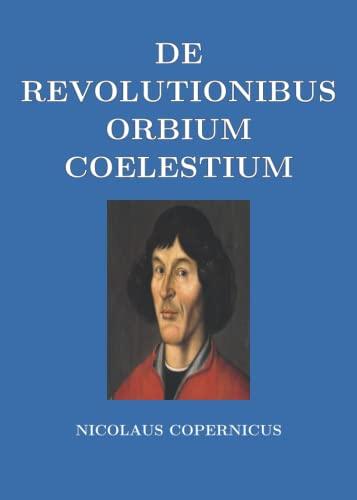
It was mentioned as one of the most coveted books in publishing history, its radical ideas causing controversy and reaching millions of dollars at auction in its first edition.
In fact, Copernicus, who put the sun back in the middle of the known universe, turning our geocentric world into a heliocentric world, his book called De Revolutionibus, that book which is one of the...
— Episode: Extended Classic: Cosmic Queries – A Ste...
It was mentioned as one of the most coveted books in publishing history, its radical ideas causing controversy and reaching millions of dollars at auction in its first edition.
In fact, Copernicus, who put the sun back in the middle of the known universe, turning our geocentric world into a heliocentric world, his book called De Revolutionibus, that book which is one of the most coveted books in the history of publishing that goes for millions of dollars at auction if you wanna pick up one from the original first...
It was mentioned as being one of the most coveted books in the history of publishing, as it revolutionized our understanding of the universe, placing the sun at the center rather than the earth, and is now worth millions of dollars at auction.
His book called The Revolution Abyss.
That book which is one of the most coveted books in the history of publishing that goes for millions of dollars at auction if you want to pick up one from the original first.
It was mentioned as a coveted book in the history of publishing, with first editions fetching millions of dollars at auction. It was described as containing a heretical idea (for its time) of placing the sun at the center of the universe rather than Earth.
his book called De Revolutionibus, that book which is one of the most coveted books in the history of publishing that goes for millions of dollars at auction if you wanna pick up one from the original first...
that idea was so heretical to put the sun in the middle and not the earth.
It was mentioned as a highly sought-after book in publishing history, due to its radical proposition of the sun being at the center of the universe, a concept considered heretical at the time.
That book which is one of the most coveted books in the history of publishing that goes for millions of dollars at auction if you want to pick up one from the original first.
The original first edition that idea was so heretical to put the sun in the middle and not the earth.
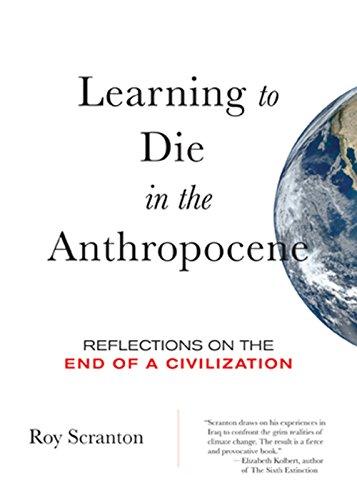
Reflections on the End of a Civilization (City Lights Open Media)
It was mentioned briefly, with the speaker having learned the term 'Anthropocene' from the book, which describes the current geological age dominated by human activity and its impact on the planet.
I did just...unfortunately I probably shouldn't have but I read this book called Learning to Die in the Anthropocene which is by this guy Roy Scranton who is very smart.
— Episode: StarTalk Live! at the Beacon: Searching...
It was mentioned briefly, with the speaker having learned the term 'Anthropocene' from the book, which describes the current geological age dominated by human activity and its impact on the planet.
I did just...unfortunately I probably shouldn't have but I read this book called Learning to Die in the Anthropocene which is by this guy Roy Scranton who is very smart.
It was recommended for its Zen perspective on how to remain motivated and happy despite acknowledging the potential for human-caused extinction, and its beautiful writing style was noted.
I will recommend that book by Roy Scrandon called Learning to Die in the Anthropocene because ultimately he does have a sort of Zen view of You know how we have to be motivated to have families and you know be ambitious and work and be productive, you know in a sort of Zen sense and just live in the moment and be happy to you know exist despite You know the potential for a meteorite impact in a hundred years or something.
But I will say that it's it's beautifully written.
It was mentioned as discussing the Anthropocene, the human-distinguished epoch, and how humans are impacting the Earth. It touched upon the idea of human caused environmental impacts and mass extinction.
I did just...unfortunately I probably shouldn't have but I read this book called Learning to Die in the Anthropocene which is by this guy Roy Scranton who is very smart.
And I learned the word Anthropocene from him.
It was recommended for its Zen-like perspective on accepting the potential for human extinction, though it made the speaker slightly nervous. It was described as beautifully written.
I will recommend that book by Roy Scrandon called Learning to Die in the Anthropocene because ultimately he does have a sort of Zen view of You know how we have to be motivated to have families and you know be ambitious and work and be productive, you know in a sort of Zen sense and just live in the moment and be happy to you know exist despite You know the potential for a meteorite impact in a hundred years or something.
But I will say that it's it's beautifully written.
It was referenced in the context of a scientist who creates a hybrid offspring of a human and a chimpanzee and faces a moral dilemma and trial, prompting discussion about the characteristics of a human.
There was a novel, a French novel in 1950 called You Shall Know Them by an author named Vercorz, V-E-R-C-O-R-S.
— Episode: Season 7 Time Capsule (Part 2)
It was referenced in the context of a scientist who creates a hybrid offspring of a human and a chimpanzee and faces a moral dilemma and trial, prompting discussion about the characteristics of a human.
There was a novel, a French novel in 1950 called You Shall Know Them by an author named Vercorz, V-E-R-C-O-R-S.
It was mentioned as a 1950s French novel exploring the ethical questions surrounding a scientist who creates a human-chimp hybrid and then kills it, leading to a trial questioning what defines a human.
There was a novel A French novel in 1950 called You Shall Know Them by an author named Vercorz
And the story opens with this scientist Who kills his son Or something like that
Yeah, it kills his son
And then he calls the police I've murdered my son, the police show up
And he made it with a female chimp And had an offspring and killed it And now he's on trial For what? For murdering what? Is it a human or is it a...
It was mentioned as a French novel from 1950 that explores the question of what defines a human, specifically when considering a hybrid offspring between a human and a chimpanzee.
There was a novel, a French novel in 1950 called You Shall Know Them by an author named Vercorz, V-E-R-C-O-R-S.
And the story opens with this scientist who kills his son or something like that.
Yeah, he kills his son.
And then he calls the police, I've murdered my son, the police show up.
And he's basically mated with a female chimp and had an offspring and killed it. And now he's on trial.
It was discussed as a 1950s French novel that explored ethical dilemmas surrounding a human-chimp hybrid, highlighting questions about the definition of humanity and the morality of creating such beings.
There was a novel A French novel in 1950 called You Shall Know Them by an author named Vercorz
It was given to Jeremy Irons by Matthew Brown, and it seems to have helped him resonate with the character of G.H. Hardy, the British mathematician.
I think I gave him A Mathematician's Apology which was a book written by G.H.R.D.
— Episode: The Beauty of Mathematics, with Jeremy I...
It was given to Jeremy Irons by Matthew Brown, and it seems to have helped him resonate with the character of G.H. Hardy, the British mathematician.
I think I gave him A Mathematician's Apology which was a book written by G.H.R.D.
and I think that really resonated with him.
G.H.R.D. is the mathematician in Cambridge who discovered...
Yeah, it's a beautiful piece of writing.
It was given to Jeremy Irons, who played G.H. Hardy in the movie, and it was thought to have resonated with him, helping him understand the character.
I think I gave him A Mathematician's Apology which was a book written by G.H.R.D.
G.H.R.D. is the mathematician in Cambridge who discovered...
Yeah, it's a beautiful piece of writing.
It was mentioned in the context of a discussion about the usefulness of mathematics, specifically Hardy's belief that certain areas of math would never be used for warfare, which proved to be incorrect. The book was also described as a lament or apology for the pursuit of mathematics.
He was writing this book called a mathematician's lament or just sorry mathematicians apology
He was sort of delighting in the fact that math will never be certain kinds of math and he was highlighting, you know, the theory of prime numbers and relativity will never be used as instruments of war
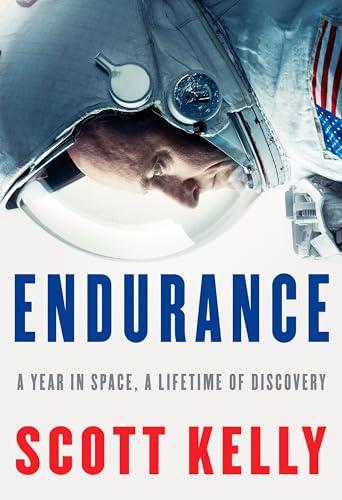
A Year in Space, A Lifetime of Discovery
Scott Kelly's book, 'A Year in Space', was mentioned as an account of his experience and discovery during his year-long stay in space. It was a significant inspiration in his journey from student to astronaut.
And you wrote a book, A Year in Space, A Lifetime of Discovery. I like that.
— Episode: The Right Stuff with Astronaut Scott Kel...
Scott Kelly's book, 'A Year in Space', was mentioned as an account of his experience and discovery during his year-long stay in space. It was a significant inspiration in his journey from student to astronaut.
And you wrote a book, A Year in Space, A Lifetime of Discovery. I like that.
But, you know, regarding the book, The Right Stuff, the movie, you mentioned the movie. I think I maybe saw it once. It's really The Right.
The book was much more significant part of my life, really was what's inspired me to become a better student and to go on and fly in the Navy and then later at NASA.
Scott Kelly's book is A Year in Space, a Lifetime of Discovery. Definitely check it out.
Scott's got a book out here in space, A Lifetime of Discovery
Scott Kelly's book, 'A Year in Space', was discussed in detail, as it was inspired by 'The Right Stuff' and describes his experience and research conducted while in space for a year.
And you wrote a book, A Year in Space, A Lifetime of Discovery. I like that.
Scott Kelly's book is A Year in Space, a Lifetime of Discovery. Definitely check it out.
Scott's got a book out, A Year in Space, A Lifetime of Discovery,
Scott Kelly's book was mentioned, which detailed his experiences during his year-long mission in space.
He's published a photo book and a biography.
It was written by Scott Kelly about his year-long mission on the International Space Station. It was discussed, and Scott mentioned reading 'The Right Stuff' in college, which inspired him.
Scott wrote a best-selling memoir about that year-long mission and it's called Endurance, A Year in Space, A Lifetime of Discovery.
So you were all grown up before you even had a thought of going into space?
So it was never something that I seriously considered or aspired to mostly because I didn't think it was possible for me because I could not pay attention in class. I couldn't do my homework. I wasn't a good student.
Now later, once I had this spark of inspiration that this book provided, it took me a while, but eventually I was able to figure out how to pay attention, to study, to do better.
So at some point you said to yourself, I have the right stuff.
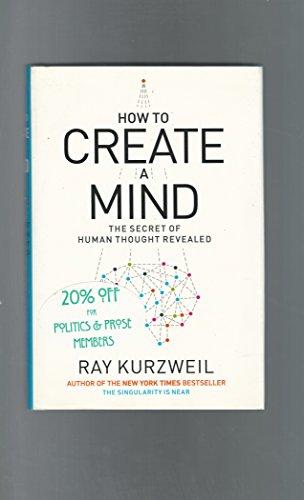
The Secret of Human Thought Revealed
It was another one of Ray Kurzweil's books, published in 2012, focusing on the topic of artificial intelligence.
And also How to Create a Mind in 2012.
— Episode: A Conversation with Ray Kurzweil
It was another one of Ray Kurzweil's books, published in 2012, focusing on the topic of artificial intelligence.
And also How to Create a Mind in 2012.
It was mentioned as Ray Kurzweil's most recent book, where he discusses how the human brain, a machine composed of various modules, works and can be understood.
My most recent book, How to Create a Mind talks about how that machine works.
It was described as being about how the brain works, and that it's Ray Kurzweil's most recent book at the time of recording.
My most recent book, How to Create a Mind talks about how that machine works.
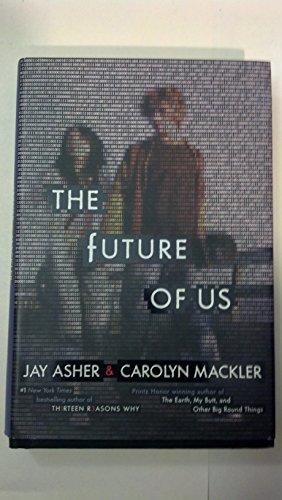
It was mentioned by Neil deGrasse Tyson as a book written by Irwin Redlener about the dreams of children and their relevance to 21st century America.
And you're author of the book, I have to give this a shout out, The Future of Us, What the Dreams of Children Mean to 21st Century America.
— Episode: The COVID-19 Vaccines, with Irwin Redlen...
It was mentioned by Neil deGrasse Tyson as a book written by Irwin Redlener about the dreams of children and their relevance to 21st century America.
And you're author of the book, I have to give this a shout out, The Future of Us, What the Dreams of Children Mean to 21st Century America.
The book, 'The Future of Us', was mentioned as being written by Dr. Irwin Redlener and discussed the significance of children's dreams in 21st-century America, highlighting Dr. Redlener's expertise in the medical field.
And you're author of the book, I have to give this a shout out, The Future of Us, What the Dreams of Children Mean to 21st Century America.
It was discussed as a book about disadvantaged children and their limited opportunities to achieve their dreams, updated with a focus on the pandemic's impact on the 'pandemic generation'. It was recently released in paperback.
So, Erwin, I want to talk to you about your book, which is The Future of Us. I want to get the full title, What the Dreams of Children Mean in 21st Century America.
Because it just came out in paperback now.
Yes. It's an updated version in paperback.
It looks like this.
It's the title of your book, The Future of Us.
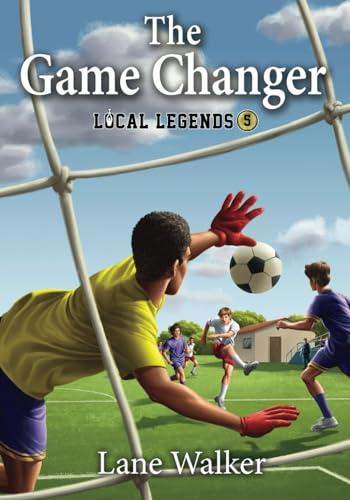
Sports Chapter Books For Kids)
It was mentioned as the perfectly titled book for the episode, exploring the technoscientific revolution in sports, and published in 2017.
You are a professor in the School of Interdisciplinary Studies at Purdue University. And you guys in Indiana, if I remember correctly, you don't have daylight savings time there. Is that still the cas...
— Episode: The Joy of Techno Science, with Rayvon F...
It was mentioned as the perfectly titled book for the episode, exploring the technoscientific revolution in sports, and published in 2017.
You are a professor in the School of Interdisciplinary Studies at Purdue University. And you guys in Indiana, if I remember correctly, you don't have daylight savings time there. Is that still the case?
So you're author of the perfectly titled book for this episode, The Game Changer. Yes. Technoscientific revolution in sports.
And that book was titled The Game Changer, the Technoscientific Revolution in Sports. When was that published, Rayvon?
2017.
So it should still be out there. Excellent. And who published it? Johns Hopkins University Press.
It was mentioned as the perfectly titled book for the episode, focusing on the technoscientific revolution in sports. It was also the title of a series that included this episode.
And you are author of the perfectly titled book for this episode, The Game Changer.
the Technoscientific Revolution in Sports.
When was that published, Rayvon?
2017.
Johns Hopkins University Press.
The book, 'The Game Changer', was discussed in relation to the episode's theme of technological advancements in sports, and it was mentioned that the author, Rayvon Fouch, had written a book about the technoscientific revolution in sports.
And you're author of the perfectly titled book for this episode, The Game Changer. Yes. Technoscientific revolution in sports.
And that book was titled The Game Changer, the Technoscientific Revolution in Sports.
When was that published, Rayvon?
2017.
So it should still be out there. Excellent. And who published it? Johns Hopkins University Press.
It was mentioned as a recent book by Professor Rayvon Fouche, focusing on the technoscientific revolution in sports, published in 2017.
And author of The Game Changer, a recent book. The Technoscientific Revolution in Sports came out in 2017.
Rayvon Foucher, author of The Game Changer, Technoscientific Revolution in Sports.
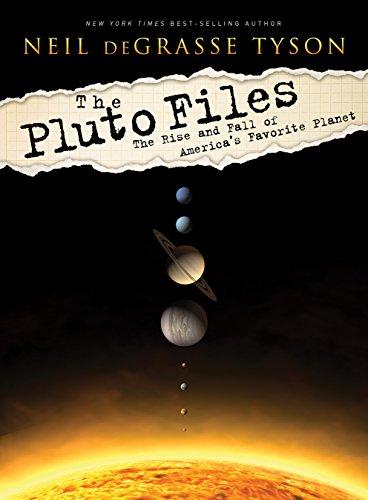
The Rise and Fall of America's Favorite Planet
It was discussed in the context of the controversy surrounding the reclassification of Pluto as a dwarf planet. The book features a section where the speaker expresses his opinion about the term 'planet'.
So what I did because of my episode dealing with the public in Pluto at the museum published a book called The Pluto Files, the rise and fall of America's favorite planet.
— Episode: Unveiling Pluto, with Alan Stern and Nei...
It was discussed in the context of the controversy surrounding the reclassification of Pluto as a dwarf planet. The book features a section where the speaker expresses his opinion about the term 'planet'.
So what I did because of my episode dealing with the public in Pluto at the museum published a book called The Pluto Files, the rise and fall of America's favorite planet.
It was mentioned that the book chronicled the rise and fall of Pluto as a planet, and that a song called 'Planet X' was included as an appendix.
In my book The Pluto Files, chronicling the rise and decline of Pluto,
I had to make sure that every word of every lyric from her song Pluto X is an appendix of that book.
It was mentioned as a book that the speaker had published, which dealt with the topic of Pluto's status as a planet and the public's reaction to it.
So what I did because of my episode dealing with the public in Pluto at the museum published a book called The Pluto Files, the rise and fall of America's favorite planet.
It was mentioned as chronicling the rise and fall of Pluto's planetary status, including lyrics from Christine Lavin's song 'Planet X' in the appendix.
In my book The Pluto Files, chronicling the rise and decline of Pluto,
I had to make sure that every word of every lyric from her song Pluto X is an appendix of that book.
Note: The book recommendations on this page are discovered automatically from podcast transcripts, and may be incorrect or incomplete.
Podcast Name