
Pastel Snow Scrapbook Paper Craft Pad
Creative Corner
Mentioned 7 months ago
Are We The Universe’s Way of Knowing Itself? With Brian Cox
Science, pop culture, and comedy collide on StarTalk Radio! Neil deGrasse Tyson, astrophysicist and Director of New York's Hayden Planetarium, and his comic co-hosts, guest celebrities, and scientific experts explore astronomy, physics, and everything else there is to know about life in the universe...
Recently mentioned
Creative Corner
Mentioned 7 months ago
Are We The Universe’s Way of Knowing Itself? With Brian Cox
Carl Sagan
Mentioned 7 months ago
Are We The Universe’s Way of Knowing Itself? With Brian Cox
Richard P. Feynman
Mentioned 7 months ago
Are We The Universe’s Way of Knowing Itself? With Brian Cox
Kimberly Arcand
Mentioned 1 year ago
Listening to the Universe with Kimberly Arcand
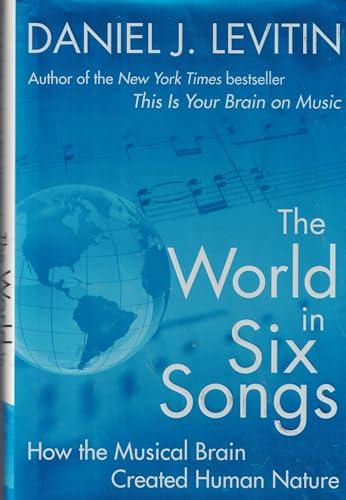
Daniel J. Levitin
Mentioned 1 year ago
Is Music the Language of the Universe? with Daniel Levitin
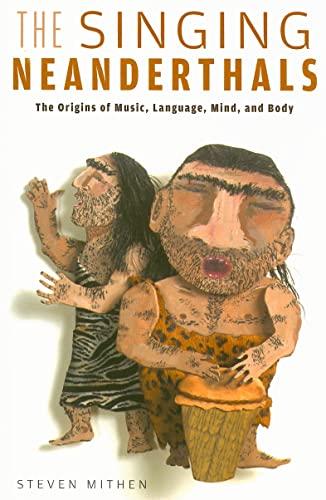
Steven Mithen
Mentioned 1 year ago
Is Music the Language of the Universe? with Daniel Levitin
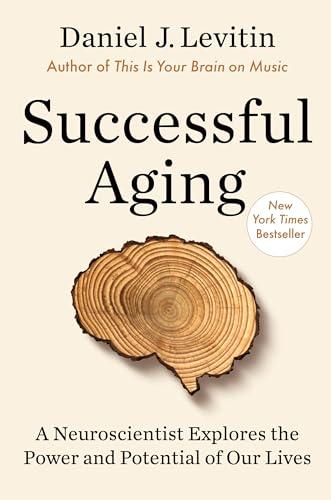
Daniel J. Levitin
Mentioned 1 year ago
Is Music the Language of the Universe? with Daniel Levitin
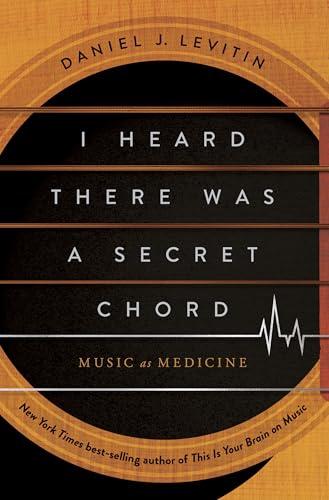
Daniel J. Levitin
Mentioned 1 year ago
Is Music the Language of the Universe? with Daniel Levitin
Jr. Lyman Spitzer
Mentioned 1 year ago
Dark Comets with Darryl Seligman
Frank H. Shu
Mentioned 1 year ago
Dark Comets with Darryl Seligman
G H Hardy
Mentioned 1 year ago
Our Mathematical Universe with Grant Sanderson (3Blue1Brown)
Carl Sagan
Mentioned 1 year ago
Revisiting the Drake Equation with David Grinspoon
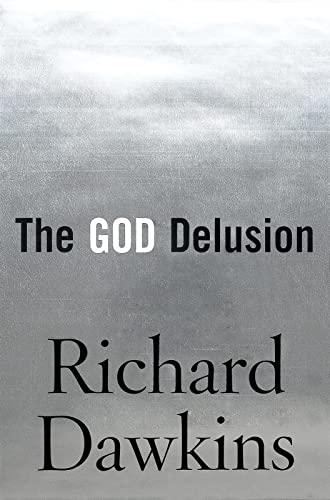
Dawkins discussed his book 'The God Delusion' and how it was motivated by the rise of intelligent design. He explained that the book was meant to present the evidence for evolution, which he felt was often misunderstood.
Here's one we all saw and know about, whether or not we read it, The God Delusion.
— Episode: Darwin’s Daring Idea with Richard Dawkin...
Dawkins discussed his book 'The God Delusion' and how it was motivated by the rise of intelligent design. He explained that the book was meant to present the evidence for evolution, which he felt was often misunderstood.
Here's one we all saw and know about, whether or not we read it, The God Delusion.
That puts you in the same plateau as... That puts you on a plateau to be identified as one of the Four Horsemen.
Not a phrase that any of us actually... It was bestowed upon you?
So it was Daniel Dannet, Christopher Hitchens. Sam Harris.
And both of them are past. Sam Harris and you.
It was mentioned as one of Richard Dawkins's books that Neil deGrasse Tyson had read and was described as a jewel. It was also revealed to be his best-selling book, with some sales coming from those within the religious community.
I've read The Selfish Gene. I've read The Blind Watchmaker. I've read The God Delusion and I've read parts of other books.
I'm afraid it is, yes.
I would like it to be one of the science books, but it is, yes.
Because people are interested in the subject of God.
It was mentioned as his best-selling book and described as a jewel of writing, science communication, and intellect, also being discussed in the context of its reception by evangelical religious people.
I've read The God Delusion
I'm afraid it is, yes.
I would like it to be one of the science books, but it is, yes.
It was mentioned that Richard Dawkins had written books, and that his mission was to convince people of the validity of atheism and that religious people were essentially foolish.
I think you're exaggerating the desire of the secular movement to convert everybody to our point of view.
We're not like missionaries knocking on the door and sort of saying have you found Jesus or that sort of thing. Or have you not found Jesus? Yes. Have you lost Jesus yet?
It isn't really like that. It's rather more, we want to convert you not to atheism, but to the view that atheists should not be discriminated against.
Dawkins's book was discussed in the context of atheism and the potential for discrimination against atheists. His mission to fight against discrimination was described as not being like traditional missionary work.
I think you're exaggerating the desire of the secular movement to convert everybody to our point of view. We're not like missionaries knocking on the door and sort of saying have you found Jesus or that sort of thing.
It isn't really like that. It's rather more, we want to convert you not to atheism, but to the view that atheists should not be discriminated against.
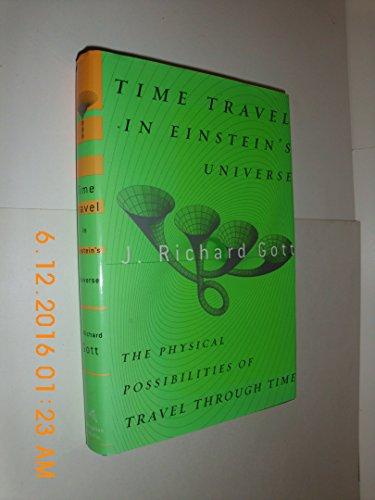
The Physical Possibilities of Travel Through Time
Richard Gott's book about time travel is mentioned, discussing how relativity can be used to travel not only forward but also backwards in time.
Plus, Richard Gott has a book called Time Travel in Einstein's Universe
— Episode: Cosmic Queries – Single Electron Univers...
Richard Gott's book about time travel is mentioned, discussing how relativity can be used to travel not only forward but also backwards in time.
Plus, Richard Gott has a book called Time Travel in Einstein's Universe
Which are all the ways you can use relativity to engage not only forward but also backwards time travel
It was mentioned as a book written by a colleague of Neil deGrasse Tyson, exploring solutions to Einstein's equations related to backwards time travel through a slingshot trajectory.
In fact, he's been on StarTalk before. He wrote a book called Time Travel in Einstein's Universe and he found an solution to Einstein's equations that allows backwards time travel with the kind of a slingshot trajectory but not around the sun.
It was mentioned as a book written by a colleague of Neil deGrasse Tyson who had found a solution to Einstein's equations that allowed for backward time travel using a slingshot trajectory around objects with extreme gravity.
His name is Rich Gott. In fact, he's been on Star Talk before. He wrote a book called Time Travel in Einstein's Universe.
It was mentioned as a book written by a colleague of Neil deGrasse Tyson, that explored a solution to Einstein's equations allowing backward time travel using a slingshot trajectory.
In fact, he's been on StarTalk before. He wrote a book called Time Travel in Einstein's Universe and he found an solution to Einstein's equations that allows backwards time travel with the kind of a slingshot trajectory but not around the sun.
It was mentioned as a book written by Rich Gott, a colleague of Neil deGrasse Tyson, who found a solution in Einstein's equations for backwards time travel with a slingshot trajectory.
His name is Rich Gott. In fact, he's been on StarTalk before. He wrote a book called Time Travel in Einstein's Universe.
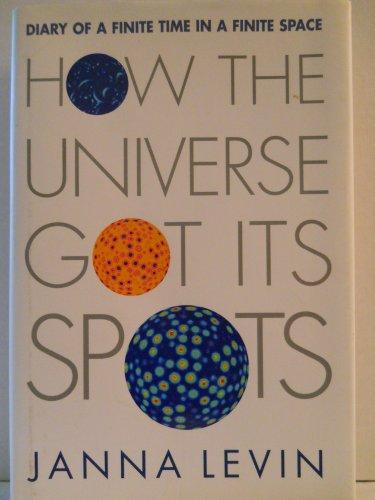
Diary of a Finite Time in a Finite Space
It was discussed as one of Janna Levin's three books.
So one of them is How the Universe Got Its Spots.
— Episode: Cosmic Queries – Bits of Spacetime with...
It was discussed as one of Janna Levin's three books.
So one of them is How the Universe Got Its Spots.
It was discussed as one of Neil deGrasse Tyson's favorite books. It is about upheavals in our understanding of how the world works and how we reacted to that.
And you're Director of Science here at Pioneer Works, Editor-in-Chief of the Pioneer Works podcast, author of How the Universe Got Its Spots.
One of my favorites, Black Hole Survival Guide.
It was mentioned as her first book, discussing the shape of space-time and the universe's size and infinity, rather than black holes.
And then you had a book before that, How Black Holes Got Their Spots?
How the Universe Got Its Spots.
And that's actually just about the shape of space-time and whether or not the universe is infinite.
It was mentioned as a work that explores the potential to determine the shape and size of the universe based on the hot and cold spots observed in the cosmic microwave background radiation.
My first book is about whether or not the universe is infinite or finite.
How the Universe Got Its Spots is about could we tell the shape and size of the universe by looking in the hot and cold spots in the Big Bang and the light left over from the Big Bang
So How the Universe Got Its Spots is actually very similar mathematical problem because you're asking about enzymes being high or low in the developing embryo and it turns out that the shape and the size of the animal and like whether It's tubular or when those spots are hitting it that it will determine what kind of spots the animal gets
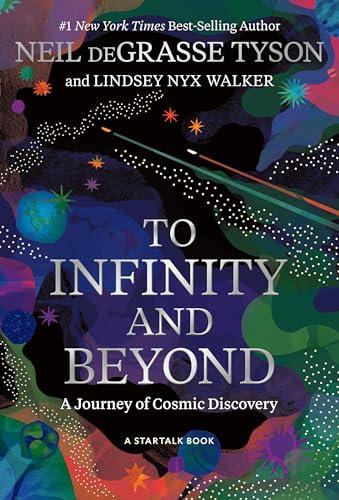
A Journey of Cosmic Discovery
The book discusses the search for nothingness, addressing the concept of 'nothing' at different levels, from air to molecules to the quantum vacuum. It highlights the ongoing quest to understand our place in the universe, exploring how our perception of infinity evolves as we delve deeper into the cosmos.
In a book published just months ago called To Infinity and Beyond, which I co-authored with our senior producer, Lindsay Nix Walker. All right. There's a whole conversation about the...
— Episode: Cosmic Queries – Science Epiphany
The book discusses the search for nothingness, addressing the concept of 'nothing' at different levels, from air to molecules to the quantum vacuum. It highlights the ongoing quest to understand our place in the universe, exploring how our perception of infinity evolves as we delve deeper into the cosmos.
In a book published just months ago called To Infinity and Beyond, which I co-authored with our senior producer, Lindsay Nix Walker. All right. There's a whole conversation about the search for nothingness.
Neil deGrasse Tyson mentioned that his latest book, "To Infinity and Beyond", focuses on the concept of "what is beyond", exploring how the idea of infinity shifts as we gain new knowledge and technology.
In fact, in the latest StarTalk book, we devote chapters and chapters to that kind of state of mind. You know, what is beyond, it's titled To Infinity and Beyond. The infinity is a moving target.
It's like in the 1700s, if I say go to the moon, say that's not possible. So the moon is at infinity to you for all your, for all you know, right? You can't ever get there.
This is the third book in a series of collaborations between StarTalk and National Geographic Books, co-authored by Neil deGrasse Tyson and Lindsay Nix Walker.
And I'm Lindsay Nix Walker and Neil and I, we just co-authored a brand new StarTalk book and it's coming out very soon. Yeah, this is the third in a series of collaborations with National Geographic Books and this one is titled To Infinity and Beyond.
And it's available for pre-order from the StarTalk website, startalkmedia.com slash books.
It is the third in a series of collaborations with National Geographic books and is available for pre-order on the StarTalk website.
Neil and I just co-authored a brand new StarTalk book coming out September 12th. Yeah, this is the third in a series of collaborations with National Geographic books And this one is titled To Infinity and Beyond.
And it's available for pre-order from the StarTalk website star talk media.com Books if you do pre-order the book you have a special access to a conversation That I'll be having with Lindsay Walker.
startalkmedia.com slash books
It was mentioned as a book that Neil deGrasse Tyson read years ago. It was described as being very influential to him, explaining that many advances in astrophysics come from advancements in other fields, particularly physics.
I just happen to be sitting in front of a book written by a colleague of mine. It's called Cosmic Discovery. This is published like 30 40 years ago. But this was very influential on me because as an astrophysicist I said I want to I want to see what he says about discovery.
And you read through it and half the book is a description of how advances in modern astrophysics only came about because of some advance in another field in particular physics.
The physicist invented some other detector or some other tool or some other thing. Then it gets applied to our work and then we make discoveries.
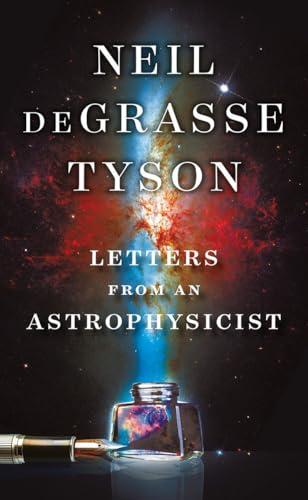
The book contains a chapter dedicated to exploring the intersection of religion and science, including communication with people who've had religious experiences or profound thoughts on the relationship between these two fields.
In my book, Letters from an Astrophysicist, there's an entire chapter of me communicating with people who had religious experiences or deep thoughts at the intersection between religi...
— Episode: Cosmic Queries – Science Epiphany
The book contains a chapter dedicated to exploring the intersection of religion and science, including communication with people who've had religious experiences or profound thoughts on the relationship between these two fields.
In my book, Letters from an Astrophysicist, there's an entire chapter of me communicating with people who had religious experiences or deep thoughts at the intersection between religion and science.
It was being translated into Portuguese in Brazil, and Neil wrote a letter to Brazil rather than the people of Brazil, as he felt it would be less divisive.
One of my books, Letters from an Astrophysicist was being translated into Portuguese in Brazil. And they said, do you mind writing a letter to the Portuguese people as a, just to welcome them to this book, to this translated book?
Let me write it to something that's not going to complain. Something that can't say anything. So I said, I wrote a letter to Brazil and that letter that it leads off the Brazilian translation of it. And it was, it's a celebration of all that we in America know in the United States know of Brazil and things that maybe they can be more proud of.
It was mentioned that Neil deGrasse Tyson had received letters from individuals including conspiracy theorists for this book, and Michael Shermer had him on his podcast to discuss it.
I was honored, Michael, that you had invited me onto your podcast for my last book which was Letters from an Astrophysicist.
I was honored that you saw that in me enough to have me as a guest on your podcast.
It was mentioned as a new book by Neil deGrasse Tyson, containing personal correspondence with the public on various topics, such as creationism and UFOs, and was said to include some heart-wrenching letters, like one from a prisoner.
At the risk of sounding like it's a shameless plug, um, I, I have a book coming out on Tuesday. It's called 'Letters from an Astrophysicist'.
And it contains correspondence I've had over the years with the public on all manner of very personal, private things that I just never talked about on YouTube videos or on shows such as this.
And you've never seen me debate a creationist, for example, or a ufologist. I'd never, I, they're in here.
Uh, someone asked is there a large hairy ape wandering the Pacific Northwest. I engaged that person in this book. Three letters are from prisoners.
One who's serving time and he won't be able to watch his kids grow through their teenage years wrote to me and said I just learned that they like science. Is there any advice you can give me that I can share with them to reassure them that I still love them?
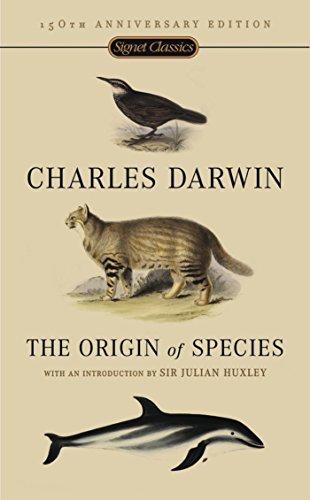
150th Anniversary Edition
Bill Nye mentioned that Darwin's book includes detailed naturalist experiments, highlighting his impressive work beyond observational naturalism.
And I'll add, if you ever read Origin of Species, Darwin did all kinds of very diligent naturalist experiments. He's a really impressive guy.
— Episode: Cosmic Queries: TV Sci-Fi with Bill Nye
Bill Nye mentioned that Darwin's book includes detailed naturalist experiments, highlighting his impressive work beyond observational naturalism.
And I'll add, if you ever read Origin of Species, Darwin did all kinds of very diligent naturalist experiments. He's a really impressive guy.
It was mentioned that Charles Darwin was an impressive experimentalist and naturalist who explored evolution without any knowledge of DNA in his book, 'Origin of Species'.
By the way, Darwin and Russell discovered evolution without any knowledge of DNA.
Don't forget if you ever read Origin of Species, Darwin did all kinds of very diligent naturalist experiments.
It was said that Darwin performed a lot of naturalist experiments when writing it, and that he was quite the experimentalist and observationalist.
If you ever read Origin of Species, Darwin did all kinds of very diligent naturalist experiments.
It was mentioned as a book where Darwin detailed various diligent naturalist experiments, proving he was an impressive experimentalist and observationalist.
And don't forget if you ever read Origin of Species, Darwin did all kinds of very diligent naturalist experiments.
It was discussed in the context of Darwin's theory of evolution, including his methods of collection and observation of evidence. It was said to be a significant influence on those interested in the natural world.
I'm sure that people here, kids here are influenced by reading Darwin and his Darwin's account of the history of life on Earth. Just as they are on the UK.
He collected beetles or thousands of beetles.
And that led people to think, why? And some people would say, because the good Lord decided he wanted three thousand. Good Lord likes beetles.
He came up with quite an important theory. What was that? According to evolution by natural selection.
Darwin collected stuff.
A Space Odyssey (Penguin Galaxy)
The Discovery ship from this book was mentioned as one of the ways to travel the universe, alongside Chuck Nice's CM Drive.
Is that you going far back on this? No, Star Trek Discovery. Star Trek Discovery. Okay. Yes, they travel around just as Chuck was saying in my CM Drive. I'm older than you. Discovery to me is the ship...
— Episode: Cosmic Queries – Holographic Universe &...
The Discovery ship from this book was mentioned as one of the ways to travel the universe, alongside Chuck Nice's CM Drive.
Is that you going far back on this? No, Star Trek Discovery. Star Trek Discovery. Okay. Yes, they travel around just as Chuck was saying in my CM Drive. I'm older than you. Discovery to me is the ship from 2001.
It was mentioned as a book that inspired the hosts, as they grew up dreaming of space exploration and the future that the book represented.
You and I both are children of Apollo and we grew up dreaming about space and going into space in 2001 of Space Odyssey and that was going to be the future in our life and neither one of us has gotten to go into space yet we're getting a little bit older who knows what's going to happen
It was mentioned as a film where the aliens were never shown, instead showcasing their intelligence through their handiwork, and was advised on by Carl Sagan.
So start with 2001 A Space Odyssey. That had aliens in them, you just never saw them. You saw the manifestation of their intelligence.
It was mentioned as a book that had aliens, but they were never shown, only their effects, and was mentioned as a movie from 1968, with Carl Sagan as an advisor.
So start with 2001 A Space Odyssey. That had aliens in them, you just never saw them. You saw the manifestation of their intelligence.
It was mentioned as a book that inspired dreams of space travel in the past, during the Apollo era.
You and I both are children of Apollo and we grew up dreaming about space and going into space in 2001 of Space Odyssey and that was going to be the future in our life and neither one of us has gotten to go into space yet we're getting a little bit older
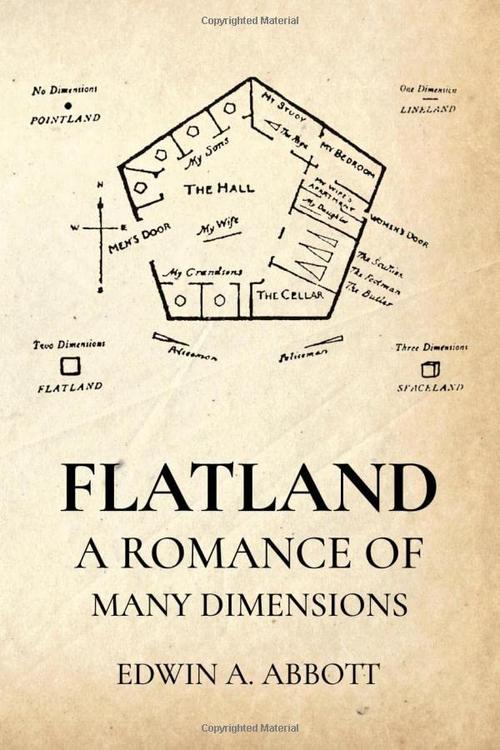
A Romance of Many Dimensions by Edwin A. Abbott
It was discussed as an example of a two-dimensional world with social commentary on Victorian values and hierarchies, particularly regarding women.
So Abbott talks about what he calls Flatland, which is a two-dimensional surface.
— Episode: Cosmic Queries: Time and Higher Dimensio...
It was discussed as an example of a two-dimensional world with social commentary on Victorian values and hierarchies, particularly regarding women.
So Abbott talks about what he calls Flatland, which is a two-dimensional surface.
He was a mathematician and circles and lines and polygons move around on this two-dimensional space.
He criticizes Victorian values, especially with regard to women. Women are just lines.
The polygons that have more sides are above, superior to triangles for example. The ideal is a circle.
He's taken to the third dimension. One of these creature characters in 2D. Yeah, he's a creature in 2D but a third-dimensional entity comes and takes him up and shows him what the third dimension looks like and he goes back and he kind of proselytizes for the existence of this.
The book Flatland was mentioned in the context of a discussion about the dimensionality of the universe, particularly in the context of the Earth being two-dimensional, as opposed to three-dimensional.
Now remember the beautiful book Flatland from By Eben Abed From decades ago A century ago
Neil deGrasse Tyson referenced 'Flatland' as an example of a book that explores higher dimensions and the concept of individuals from a 2D world encountering 3D realities.
There was a book written about this. I forget. Late 1800s, it was called Flatland by Edwin Abbott.
In fact, I've just been recently been asked to write a guest forward to a new edition of sort of a new printing of that book.
It's still in print and it explores what this community of shapes do when one of them pops out of their world and sees three dimensions.
It was discussed as an example of a two-dimensional world with social commentary, and the concept of a higher dimension was introduced, which the 2D characters couldn't comprehend.
So Abbott talks about what he calls Flatland, which is a two-dimensional surface. He was a mathematician.
He criticizes Victorian values, especially with regard to women. Women are just lines.
The polygons that have more sides are above, superior to triangles for example. The ideal is a circle.
He's taken to the third dimension. One of these creature characters in 2D. Yeah, he's a creature in 2D but a third-dimensional entity comes and takes him up and shows him what the third dimension looks like and he goes back and he kind of proselytizes for the existence of this.
They get angry because they can't conceive of it and they think he's some sort of quack or whatever.
Neil deGrasse Tyson referenced Edwin Abbott's 'Flatland' when discussing the concept of higher dimensions and the potential limitations of human perception in relation to them. He also mentioned that he was asked to write a forward for a new edition of the book.
There was a book written about this. I forget. Late 1800s, it was called Flatland by Edwin Abbott.
It's still in print and it explores what this community of shapes do when one of them pops out of their world and sees three dimensions.
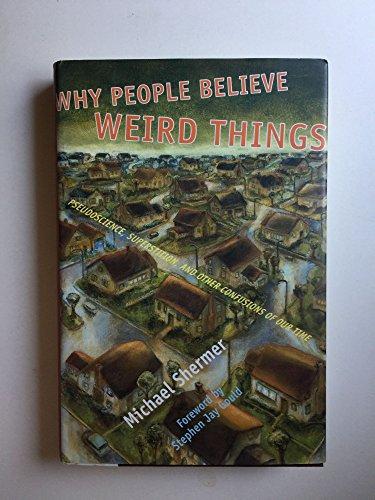
Pseudoscience, Superstition, and Other Confusions of Our Time
It was mentioned when discussing healthy skepticism, with a quote from the book emphasizing the balance between open-mindedness and critical thinking.
Carl Sagan had a great line that I quoted in my first book, Why People Believe Weird Things on the kind of healthy skepticism that finding the rub between being open minded enough to...
— Episode: Coronavirus and Conspiracy Theories, wit...
It was mentioned when discussing healthy skepticism, with a quote from the book emphasizing the balance between open-mindedness and critical thinking.
Carl Sagan had a great line that I quoted in my first book, Why People Believe Weird Things on the kind of healthy skepticism that finding the rub between being open minded enough to accept radical new ideas, but not so open minded that your brains fall out and you believe every wacky thing that comes down the pike.
It was mentioned as a resource for understanding pseudoscience, alongside other similar books that could provide more in-depth knowledge on the topic.
By the way, there are people out there who do this professionally. So this is just a service to our listeners, but there are books written by folks who, for example, Michael Schirmer, who wrote Why People Believe Weird Things.
It was mentioned as a book that professionally debunks pseudoscience, and the podcast host suggested listeners could find it and similar books to read more on the subject.
By the way, while I have a lot of thoughts to share about pseudoscience, there are people out there who do this professionally. So this is just a service to our listeners but there are books written by folks who, for example, Michael Schirmer who wrote Why People Believe Weird Things.
It was mentioned as a resource for understanding pseudoscience, and the podcast host recommended it to listeners interested in learning more.
Why People Believe Weird Things
It was mentioned as a good resource for understanding pseudoscience, and it was suggested to check out the 'customers who bought this book also bought' section for more related reading.
By the way, while I have a lot of thoughts to share about pseudoscience, there are people out there who do this professionally. So this is just a service to our listeners but there are books written by folks who, for example, Michael Schirmer who wrote Why People Believe Weird Things.
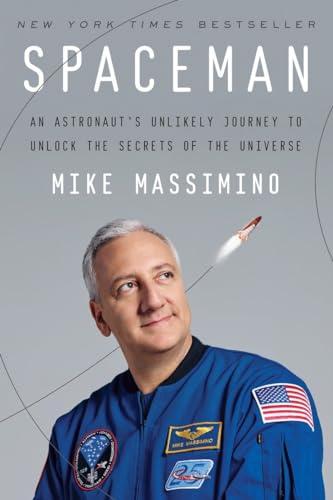
An Astronaut's Unlikely Journey to Unlock the Secrets of the Universe
Mike Massimino's book, 'Space Man', was recently released and discussed, and its title was jokingly compared to other possibilities like 'Garbage Man' and 'Jump Man'.
I just learned your book just came out.
— Episode: The Lunar Legacy, with Buzz Aldrin
Mike Massimino's book, 'Space Man', was recently released and discussed, and its title was jokingly compared to other possibilities like 'Garbage Man' and 'Jump Man'.
I just learned your book just came out.
Yes, very excited about it. Yes, yes and it's called Space Man or something?
Space Man.
Mike Massimino's book, 'Space Man', was recently released, and was described as having a cool title, likely chosen in a lottery over other, less cool, names.
I just learned your book just came out.
Yes, very excited about it. Yes, yes and it's called Space Man or something?
Space Man.
The book was positively reviewed for its authentic storytelling and engaging style, though the cover illustration was found to be somewhat comical.
And also this story and others we can find in your book, Spaceman.
Yes, it is a plug. It's authentically conceived. You're a great storyteller and I love the book.
Mike Massimino's book, "Space Man", was recently published and discussed, and was described as the coolest of the title options considered for the book.
I just learned your book just came out.
Yes, very excited about it. Yes, yes and it's called Space Man or something?
Space Man.
Yeah, alright. You can come up with that title. We kind of had a lottery and it was like Space Man, Fire Man, Garbage Man, Jump Man.
Mike Massimino's book, 'Space Man', was recently released and discussed. It was noted that the title was chosen over a number of other options, suggesting that it was the coolest choice.
I just learned your book just came out.
Yes, very excited about it. Yes, yes and it's called Space Man or something?
Space Man.
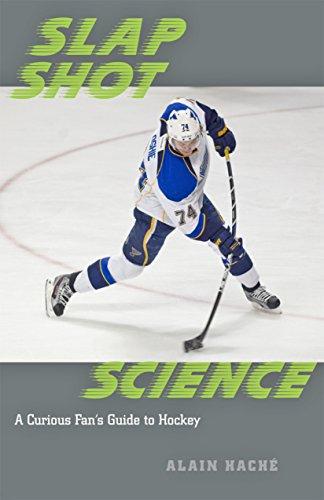
The book, 'Slap Shot Science', was discussed throughout the podcast episode. It was highlighted as a key resource for learning about the physics of hockey and was authored by Professor Alain Hach, a physics professor and hockey goalie.
And to help us achieve this, we have the multi-talented Alan Hachet, author of Slap Shot Science and the physics of hockey and professor of physics at Moncon University in Canada,
— Episode: #ICYMI: Hockey: Fan Questions and More
The book, 'Slap Shot Science', was discussed throughout the podcast episode. It was highlighted as a key resource for learning about the physics of hockey and was authored by Professor Alain Hach, a physics professor and hockey goalie.
And to help us achieve this, we have the multi-talented Alan Hachet, author of Slap Shot Science and the physics of hockey and professor of physics at Moncon University in Canada,
And to make sure we give you the best answers to what are some brilliant questions, we have Professor Alan Hache, author of Slap Shot Science and the physics of hockey and professor of physics at Moncton University in Canada.
It was mentioned as a book written by a physics professor about the science of hockey, particularly focusing on slap shots.
And illuminating it for us will be Alan Heshey, physics professor and author of Slap Shot Science and the physics of hockey.
The book, written by a physics professor, was discussed in relation to the physics and science behind the slap shot in hockey, specifically how the stick and ice interaction affects the puck's speed.
And to begin, we examine the science of the shot. The pass and the engineering and tech inside the sticks that bring it all together.
illuminating it for us will be Alan Heshey, physics professor and author of Slap Shot Science and the physics of hockey.
Not just a professor, but an author too. Author of Slap Shot Science as well as the physics of hockey.
It was mentioned as the book written by Professor Alain Hach who is a hockey goalie and professor of physics, discussing the physics of hockey.
And to help us achieve this, we have the multi-talented Alan Hachet, author of Slap Shot Science and the physics of hockey and professor of physics at Moncon University in Canada,
And to make sure we give you the best answers to what are some brilliant questions, we have Professor Alan Hache, author of Slap Shot Science and the physics of hockey and professor of physics at Moncton University in Canada.
It was mentioned as a book written by Alan Hache, a physics professor, who discussed the science behind hockey shots, especially the slap shot, in great detail during the podcast.
And illuminating it for us will be Alan Heshey, physics professor and author of Slap Shot Science and the physics of hockey.
Not just a professor but an author to author of Slap Shot Science as well as the physics of hockey.
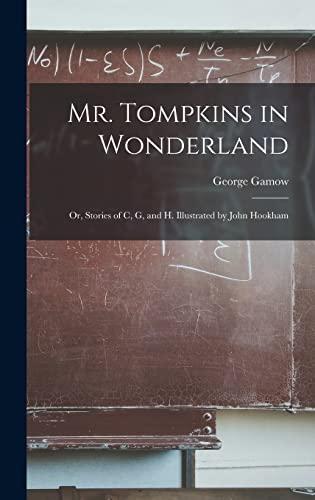
The charming illustrated book series by George Gamow is about a physicist named Mr. Tompkins who visits Wonderland and has adventures that change the values of the physical constants in an ordinary world.
I'm reminded of the charming illustrated book series by George Gamow, Mr. Tompkins in I guess Wonderland.
— Episode: The Smallest Ideas in the Universe with...
The charming illustrated book series by George Gamow is about a physicist named Mr. Tompkins who visits Wonderland and has adventures that change the values of the physical constants in an ordinary world.
I'm reminded of the charming illustrated book series by George Gamow, Mr. Tompkins in I guess Wonderland.
It was a book series that was discussed as being a great way to explore the concepts of theoretical physics for curious children, changing the values of physical constants to make hidden phenomena obvious.
And so I remembered both Brian Green and I when we grew up, we read a book series called Mr. Tompkins. And Mr. Tompkins in Wonderland. And this was a brilliantly conceived series. It's for curious kids where Mr. Tompkins occupies a world where the laws of physics are slightly different so that things that will otherwise be hidden from you in our world are completely manifest in his world.
One of the stories I remember they changed the value of Planck's constant to be something that produced macroscopic phenomenon. So you would walk... Macroscopic quantum phenomenon. Macroscopic quantum phenomenon. So you'd walk through a doorway and then you would refract. The way light would do it.
Or you play pool in the pool hall and you hit the cue ball and it passes through the ball that you're shooting at. Quantum tunnels. Yeah, that'd be like a really cool universe. It'd be a totally cool universe.
This book series, published in the 1940s, was discussed as an early example of exploring imaginary worlds where the constants of nature had different values, similar to the Ant-Man concept.
Oh, you mean Mr. Tompkins' Wonderland? Yeah, that was from, I think, the 1940s or something like that. And yeah, it was a wonderful series of books in which he imagined a universe in which somehow human beings are the same, but the constants of nature have a different value.
So Mr. Tompkins is doing the kinds of things that Paul Rudd is doing, but with not quite the same special effects.
It was a book series that both Neil deGrasse Tyson and Brian Greene enjoyed as children, exploring theoretical physics in a captivating way through a world where physical laws are slightly altered.
And so I remembered both Brian Green and I when we grew up, we read a book series called Mr. Tompkins. And Mr. Tompkins in Wonderland. And this was a brilliantly conceived series. It's for curious kids where Mr. Tompkins occupies a world where the laws of physics are slightly different so that things that will otherwise be hidden from you in our world are completely manifest in his world.
One of the stories I remember they changed the value of Planck's constant to be something that produced macroscopic phenomenon. So you would walk... Macroscopic quantum phenomenon. Macroscopic quantum phenomenon.
The Power of Passion and Perseverance
It was discussed as a book that she wrote on the topic of grit and perseverance, which had been on the New York Times Best Seller list for 21 weeks.
And I just want you to know Chuck that Angela wrote the book on Grit. She actually did. Wait a minute. Literally. Literally. See what happened there? You see what I did there? It's ju...
— Episode: Nature or Nurture with Eli Manning and D...
It was discussed as a book that she wrote on the topic of grit and perseverance, which had been on the New York Times Best Seller list for 21 weeks.
And I just want you to know Chuck that Angela wrote the book on Grit. She actually did. Wait a minute. Literally. Literally. See what happened there? You see what I did there? It's just so meta all over the place.
And there it is, author of Grit, The Power of Passion and Perseverance.
And that was released five years ago back in 2016. And it was on the New York Times Best Seller list for 21 weeks. So it hit a chord with many, many people.
I own a copy of your book, and if we're ever in person, I'm going to get you to sign it. It's an important book on the landscape of how we can all be all that we can be.
The book, "Grit," was discussed, focusing on the concept of grit as a combination of passion and perseverance for long-term goals, which was highlighted as a key factor in achieving success and excellence.
And you're author of an amazing book called Grit, The Power and Passion of Perseverance. Love it.
So in a nutshell, what I mean by Grit is this combination of passion and perseverance for really long-term goals.
And I think that's the part I really want to emphasize, not being like, oh my God, I want to be a standup comic and I so want to do it.
It's really like how do you sustain passion and perseverance for honestly years or decades?
Because I just don't think anything great ever happens overnight.
It was described as exploring passion and perseverance over long periods of time, and was said to be something that many people would like to have more of.
Author of Grit, The Power and Passion of Perseverance.
And that is to say they have passion and perseverance over really long time frames.
Angela Duckworth, a psychology professor, discussed her book 'Grit,' highlighting the importance of passion and perseverance in achieving long-term goals. It was mentioned that most people wish they were grittier.
In fact, she wrote the book on Grit, literally and figuratively.
Author of Grit, The Power and Passion of Perseverance.
After I wrote the book, I actually collected more data and most people actually would like to be Grittier.
Mind, Matter, and Our Search for Meaning in an Evolving Universe
This was his most recent book, published in 2020, right around the beginning of the pandemic.
And the one I think most people know if they know you at all, the elegant universe.
— Episode: Just Another Really Good Episode with Br...
This was his most recent book, published in 2020, right around the beginning of the pandemic.
And the one I think most people know if they know you at all, the elegant universe.
Until the End of Time was that your more recent memorization and that came out how long ago? 2020 right at the pandemic.
Brian Greene is a theoretical physicist and professor of physics and math at Columbia University. His most recent book is "Until the End of Time", which is his most favorite book.
and your books are still out there uh elegant universe uh uh give me the other two fabric of the cosmos hidden reality but the most recent is Until the End of Time and my most favorite so and is that out yet till the end of time
yeah that's out yeah oh cool and who published that that was khanoff khanoff very nice Until the End of Time we'll look for them all right dude thanks chuck always good to have you man always a pleasure all right this has been cosmic queries with the one the only inimitable brian green friend and colleague professor of physics and math right up the street here in new york city at columbia this is neil degrasse tyson as always bidding you to keep looking up
The book, "Until the End of Time," was described as a journey into the nature of space, time, and meaning. Brian Greene explored the ultimate fate of the universe and its implications for our understanding of life and consciousness.
That's the title. That's the title. That's the title. No, the subtitle. What's the subtitle? Mind, Matter, and Our Search for Meaning in an Evolving Universe.
Your book, Until the End of Time, brings me to the conclusion.
It's conceivable. I'm looking at the questions. He's got a fan base out there. He does.
This is his fourth book.
And his first book that anyone knows about was a mega bestseller, which was? The Elegant Universe.
It was mentioned as being Brian Greene's latest book that explores mind, matter, and the search for meaning in the universe.
And let me get the title correct of his latest book, because this title leaves nothing out. Here it is, Until the End of Time, Mind, Matter, and Our Search for Meaning in an Evolving Universe, came out last year.
Brian Green whose most recent book is, I gotta like read this title because it's so inclusive. Until the End of Time, mind matter and our search for meaning in an evolving universe.

Matt Ginsberg, the guest, published a book in 2018 called Factor Man. It was mentioned in the context of his background and experience in artificial intelligence.
Today's guest has a doctorate in mathematics from Oxford. That's the English. Love it. Was researching astrophysics and then decided to switch to AI. Author, yes, published author of a book in 2018 ca...
— Episode: Will AI Replace Us? with Matt Ginsberg
Matt Ginsberg, the guest, published a book in 2018 called Factor Man. It was mentioned in the context of his background and experience in artificial intelligence.
Today's guest has a doctorate in mathematics from Oxford. That's the English. Love it. Was researching astrophysics and then decided to switch to AI. Author, yes, published author of a book in 2018 called Factor Man.
The Factor Man, a fictional book, was discussed, and the concept of 'God's algorithm' within it was mentioned as a secret formula that would solve problems and the fight to control it.
You've got a book out there, a fictional book, The Factor Man.
I like fiction that is deeply informed by math and physics and the universe. And that's one such book where you introduced God's algorithm, the secret formula that will solve all the problems of the world and the fight to take command of it.
I love that. Maybe we'll talk about it later. Love where that's going.
It's about a guy who finds what's called God's algorithm. It lets him solve basically any problem. And my view is that he's anybody who finds this is it's a race whether the government kills him or he takes over the world first. And this guy realizes he realizes he's in this race. He doesn't actually want to take over the world. He mostly just wants to go to Disneyland with his kids. And it's about his attempted journey to make the world a better place before this technology is used to mess everything up.
And I think I think something like 10 percent of the serious computer scientists believe it.
It was described as a fictional book about a man who discovers God's Algorithm, a formula to solve all problems, and the ensuing race to control it.
You've got a book out there, a fictional book, The Factor Man.
And that's one such book where you introduced God's algorithm, the secret formula that will solve all the problems of the world and the fight to take command of it.
It's about a guy who finds what's called God's Algorithm. It lets him solve basically any problem.
And my view is that anybody who finds this, it's a race, whether the government kills him or he takes over the world first. And this guy realizes he's in this race.
He mostly just wants to go to Disneyland with his kids. And it's about his attempted journey to make the world a better place before this technology is used to mess everything up.
It was described as a mathematical thriller novel about a person who solves a problem that could lead to them taking over the world or being killed by the government.
It is, I have spent a lot of my professional career working on a particular technical problem and if you solve it, you can solve all the other problems literally. And it's a book about a guy who does. And it's a novel.
It's a thriller. It's a thriller. A mathematical thriller. Two words you've never seen in the same sentence.
I've often talked to my friends about, you know, if you solve this problem, it is actually a race between whether you take over the world or the government kills you. And this guy who solves this problem is in this race. He knows he's in this race. He doesn't really want to.

Dr. Ruth mentioned this book written by a British author, noting its popularity among women and its explicit nature. It was discussed in relation to changing attitudes towards female sexuality and the importance of women's agency.
there's a brand new book out I'm sure that you have heard about it I didn't write it a British woman wrote it it's called 50 Shades of Grey and women love it and it's very interesting
— Episode: The Science of Sex (Part 1)
Dr. Ruth mentioned this book written by a British author, noting its popularity among women and its explicit nature. It was discussed in relation to changing attitudes towards female sexuality and the importance of women's agency.
there's a brand new book out I'm sure that you have heard about it I didn't write it a British woman wrote it it's called 50 Shades of Grey and women love it and it's very interesting
in the olden days the British mother used to tell her daughter the Victorian Puritan mother lie back and think of England nothing in it for you right now there's a British woman she writes beautifully and it's very explicit I don't want to have the guy
I don't want to have that guy in my practice because I sent him to psychiatrist but it's interesting it proves the point professor I have talked about that a long time women first of all need a longer time to be sexually aroused than a man
a man when he's aroused is aroused a woman needs a longer time to get up off the curve of sexual arousal and they used to say that women are not aroused by pictures or by pornography it's actually explicit material not so women right now are devouring that book
which is a very interesting point in things have changed but we have to find a middle way so it's the freedom of women in society is what this is
It was used humorously to relate the broadening of tonal ranges in Romantic-era music to a similar exploration in other forms of art, particularly in literature.
50 shades of scales
Dr. Ruth mentioned the book '50 Shades of Grey', written by a British woman, as an example of explicit material that has gained popularity among women, demonstrating a shift in societal attitudes towards female sexuality.
There's a brand new book out I'm sure that you have heard about it I didn't write it a British woman wrote it it's called 50 Shades of Grey and women love it and it's very interesting.
In the olden days the British mother used to tell her daughter the Victorian Puritan mother lie back and think of England nothing in it for you right now there's a British woman she writes beautifully and it's very explicit I don't want to have the guy I don't want to have that guy in my practice because I sent him to psychiatrist but it's interesting it proves the point professor I have talked about that a long time women first of all need a longer time to be sexually aroused than a man.
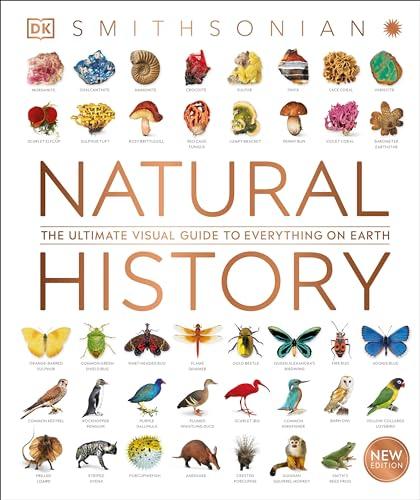
It was mentioned as a book published in 78 AD that contained the urban legend about elephants being afraid of mice, a widely held belief even back then.
Of all other living creatures, elephants cannot abide a mouse or a rat.
— Episode: Extended Classic: MythBusters (Part 2)
It was mentioned as a book published in 78 AD that contained the urban legend about elephants being afraid of mice, a widely held belief even back then.
Of all other living creatures, elephants cannot abide a mouse or a rat.
It was mentioned as a book published in 78 AD, containing all the natural knowledge of the day. The podcast host specifically mentioned a quote from it about elephants and mice.
Of all other living creatures, elephants cannot abide a mouse or a rat.
It was mentioned as a book published in 78 AD and containing information about elephants' fear of mice, showing that this belief existed long ago. A 1600s English translation was also mentioned.
Of all other living creatures, elephants cannot abide a mouse or a rat.
It was mentioned as a book published in 78 AD that contained the idea that elephants are afraid of mice, and was described as being the first encyclopedia of its time.
Of all other living creatures, elephants cannot abide a mouse or a rat.
Seven Paradoxical Tales
It was mentioned as a book by Oliver Sacks that included an essay titled 'The Last Hippie', which was later made into a film.
The music never stopped... It's based on one of his essays called The Last Hippie which was published in his book and anthropologist on Mars.
— Episode: Extended Classic: “Are You Out of Your M...
It was mentioned as a book by Oliver Sacks that included an essay titled 'The Last Hippie', which was later made into a film.
The music never stopped... It's based on one of his essays called The Last Hippie which was published in his book and anthropologist on Mars.
It was mentioned as a book whose title refers to Temple Grandin and her perspective on the world, which was described as if she were an alien observing human behavior.
Oliver Sacks wrote this book An Anthropologist On Mars okay and that title refers to Temple Grandin which I think is cool because it first it references Mars for any other reason and it also references that Mars had a civilization that way it says though you are you are from another planet then everything else is a fresh observation for you right watching people be behaving conduct themselves.
well you see when I was very young I didn't know that my thinking was different I didn't even know that people had all these eye signals until I read about them when I was 50 years old and but sometimes I mean when they give hints to one another from a distance. Sometimes I felt like I wasn't anthropologist on Mars like beyond a plane for example I'm in a window seat and the people in the aisle in the middle seat are like having a romance going on and they're kind of looking at each other's eyes and they're just like they're often heaven and I'm like I feel like I am An Anthropologist On Mars you know studying the Martians here on this planet beside me.
It was referenced as a book by Oliver Sacks, and the essay "The Last Hippie" within it was mentioned as being adapted into a film. The essay and book were mentioned shortly after discussing Oliver Sacks' book The Mind's Eye.
It's based on one of his essays called The Last Hippie which was published in his book and anthropologist on Mars.
The book's title is a reference to Temple Grandin, and she described the feeling of being an outsider, like an anthropologist studying a different culture on a different planet.
Oliver Sacks wrote this book An Anthropologist On Mars okay and that title refers to Temple Grandin which I think is cool because it first it references Mars for any other reason and it also references that Mars had a civilization that way it says though you are you are from another planet then everything else is a fresh observation for you right watching people be behaving conduct themselves.
Well you see when I was very young I didn't know that my thinking was different I didn't even know that people had all these eye signals until I read about them when I was 50 years old and but sometimes I mean when they give hints to one another from a distance. Sometimes I felt like I wasn't anthropologist on Mars like beyond a plane for example I'm in a window seat and the people in the aisle in the middle seat are like having a romance going on and they're kind of looking at each other's eyes and they're just like they're often heaven and I'm like I feel like I am An Anthropologist On Mars you know studying the Martians here on this planet beside me.
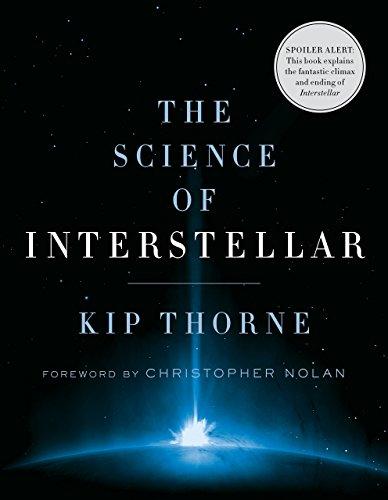
It was described as a companion book to the movie Interstellar, providing a scientific explanation of the movie's concepts, and was suggested to read before watching the movie.
Well, if you read the book, there was a tandem book. Matt, I guess you didn't get the book. The book is an explanatory book, The Science of Interstellar.
— Episode: Cosmic Queries: Time and Higher Dimensio...
It was described as a companion book to the movie Interstellar, providing a scientific explanation of the movie's concepts, and was suggested to read before watching the movie.
Well, if you read the book, there was a tandem book. Matt, I guess you didn't get the book. The book is an explanatory book, The Science of Interstellar.
This book was mentioned as a companion book to the film Interstellar, written by Kip Thorne, the science advisor for the movie.
And also, he wrote a companion book to the movie Interstellar called The Science of Interstellar.
It was mentioned as a companion book to the movie Interstellar, which explained the science behind the film.
Well, if you read the book, there was a tandem book. Matt, I guess you didn't get the book. The book is an explanatory book, The Science of Interstellar.
Written by one of the co-executive producers who's a professor of theoretical physics at Caltech.
It was mentioned as a companion book to the film Interstellar, written by Kip Thorne, one of the science advisors on the film.
And also, he wrote a companion book to the movie Interstellar called The Science of Interstellar.
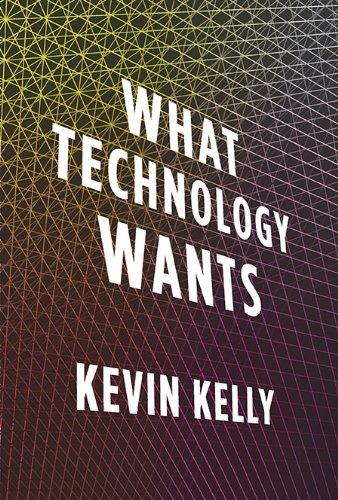
It was mentioned as containing the hypothesis that technology has been inevitable since the Big Bang, and its potential to aid in environmental restoration was discussed.
I'm reading Kevin Kelly's What Technology Wants.
— Episode: Extended Classic: Cosmic Queries: Human...
It was mentioned as containing the hypothesis that technology has been inevitable since the Big Bang, and its potential to aid in environmental restoration was discussed.
I'm reading Kevin Kelly's What Technology Wants.
It was mentioned that the book hypothesized that technology was inevitable from the Big Bang and that it could be used to heal the environment, but not alone.
I'm reading Kevin Kelly's What Technology Wants.
It was mentioned by a listener, who was reading it, and the book discusses the concept that technology's evolution was inevitable from the Big Bang, including the possibility of technology healing the environment.
I'm reading Kevin Kelly's What Technology Wants.
It was mentioned that one hypothesis within the book suggests that technology was inevitable from the Big Bang, and that this could be used to heal the environment.
I'm reading Kevin Kelly's What Technology Wants.
Note: The book recommendations on this page are discovered automatically from podcast transcripts, and may be incorrect or incomplete.
Podcast Name