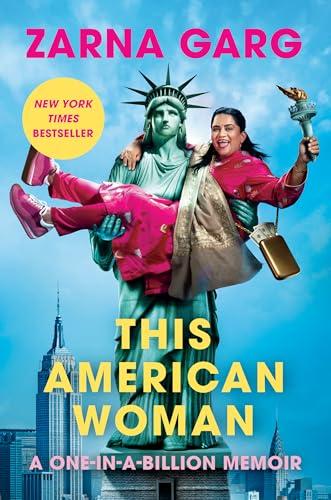
This American Woman
Zarna Garg
Mentioned 4 months ago
Why a Doomsday AI Blog Wiped Out $300 Billion
Prof G Markets breaks down the news that’s moving the capital markets, helping you build financial literacy and security. Join Scott Galloway and Ed Elson every weekday for no mercy, no malice insight on high flying stocks, booming sectors, and master of the universe CEOs. Like it or not, we live in...
Recently mentioned
Zarna Garg
Mentioned 4 months ago
Why a Doomsday AI Blog Wiped Out $300 Billion
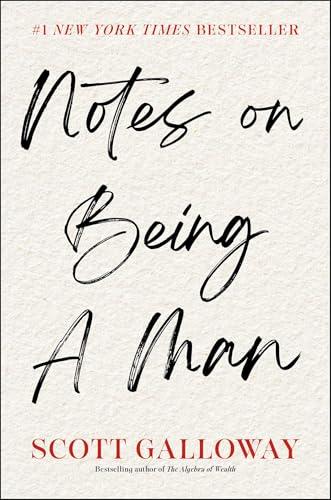
Scott Galloway
Mentioned 4 months ago
Why Big Tech Is Losing to Boring Stocks
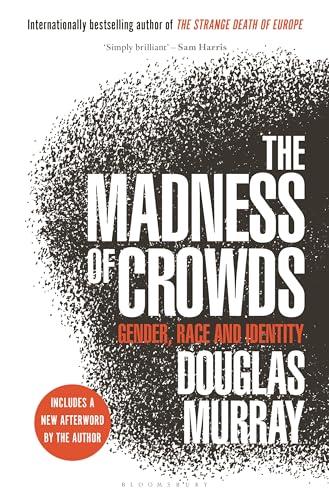
Douglas Murray
Mentioned 5 months ago
Markets are Ignoring Catastrophic Risks — ft. Aswath Damodaran
Eswar S. Prasad
Mentioned 5 months ago
The World Is In a Doom Loop — ft. Eswar Prasad
Scott Nations
Mentioned 6 months ago
Your Brain is the Worst Investor in the Room — ft. Scott Nations
Scott Nations
Mentioned 6 months ago
Your Brain is the Worst Investor in the Room — ft. Scott Nations
Thucydides
Mentioned 6 months ago
Is Imperialism Good for Your Portfolio?
Vivian Tu
Mentioned 6 months ago
Why the AI Bubble Hasn’t Popped — ft. Josh Brown
John Irving
Mentioned 6 months ago
Ask Me Anything — Figma, Dirty Jokes, Running for Office & More
John Irving
Mentioned 6 months ago
Ask Me Anything — Figma, Dirty Jokes, Running for Office & More
Stephen King
Mentioned 6 months ago
Ask Me Anything — Figma, Dirty Jokes, Running for Office & More
Jack Weatherford
Mentioned 6 months ago
Ask Me Anything — Figma, Dirty Jokes, Running for Office & More
Inside the Doomsday Machine
The host mentioned that Michael Lewis also wrote The Big Short while talking about the impact of gambling apps.
Michael Lewis, that's the guy who wrote Moneyball and The Big Short and Liar's Poker, has been thinking a lot about it
— Episode: Spotify’s First Year of Profitability +...
The host mentioned that Michael Lewis also wrote The Big Short while talking about the impact of gambling apps.
Michael Lewis, that's the guy who wrote Moneyball and The Big Short and Liar's Poker, has been thinking a lot about it
Rising Through the Wreckage of Wall Street
The host cited Liar's Poker as another book by Michael Lewis during the conversation about gambling app investments.
Michael Lewis, that's the guy who wrote Moneyball and The Big Short and Liar's Poker, has been thinking a lot about it
— Episode: Spotify’s First Year of Profitability +...
The host cited Liar's Poker as another book by Michael Lewis during the conversation about gambling app investments.
Michael Lewis, that's the guy who wrote Moneyball and The Big Short and Liar's Poker, has been thinking a lot about it
Premium Edition
The conversation referenced a paragraph from Hobbes's classic work, noting it was written about 350 years ago.
There was a paragraph written in the Leviathan 350 years ago by Thomas Hobbes.
— Episode: Trump Wins — ft. Anthony Scaramucci
The conversation referenced a paragraph from Hobbes's classic work, noting it was written about 350 years ago.
There was a paragraph written in the Leviathan 350 years ago by Thomas Hobbes.
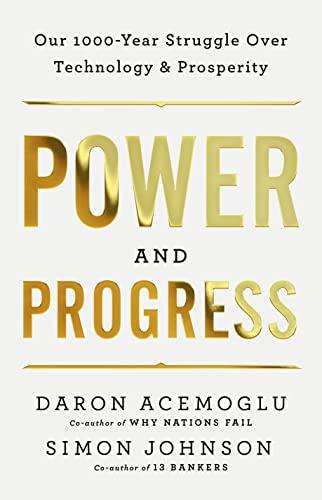
Our Thousand-Year Struggle Over Technology and Prosperity
The host highlighted it as one of Acemoglu's six books, focusing on the thousandyear struggle over technology and prosperity.
He is also the author of six books, including the New York Times bestselling Why Nations Fail and Power and Progress, Our Thousand-Year Struggle Over Technology and Prosperity.
— Episode: Are We Building AI for Progress or Power...
The host highlighted it as one of Acemoglu's six books, focusing on the thousandyear struggle over technology and prosperity.
He is also the author of six books, including the New York Times bestselling Why Nations Fail and Power and Progress, Our Thousand-Year Struggle Over Technology and Prosperity.
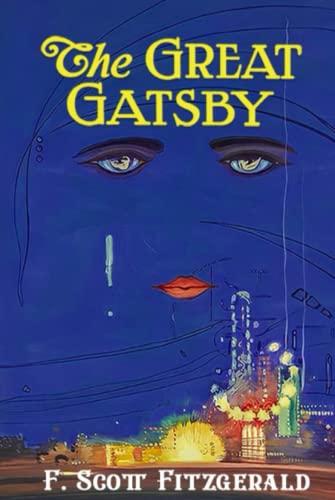
The Original 1925 Edition (Booklover's Library Classics)
Ed referenced a Great Gatsby-themed party at Mar-a-Lago, describing the décor as over-the-top and calling the event terrible. The book was mentioned only as a thematic backdrop and was not discussed in terms of its content or merit.
Ed described a Great Gatsby-themed party at Mar-a-Lago, noting its overthetop dcor including a girl in a martini glass.
Terrible. And then it's even worse to see The Great Gatsby-themed party at Mar-a-Lago from over the weekend, which even had, you know, a girl in a martini glass.
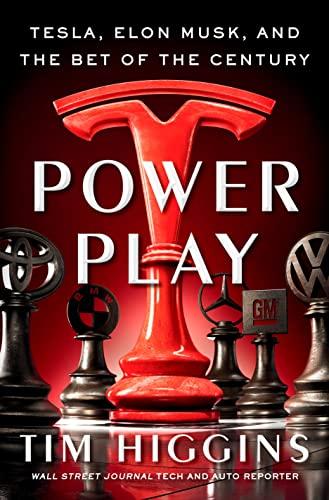
Tesla, Elon Musk, and the Bet of the Century
The host noted that Tim Higgins, the Wall Street Journal columnist, is the author of *Power Play*, a book about Tesla.
He is also a CNBC onair contributor and the author of Power Play, a book about Tesla, Tim.
— Episode: A Nightmare Tariff Scenario for the Auto...
The host noted that Tim Higgins, the Wall Street Journal columnist, is the author of *Power Play*, a book about Tesla.
He is also a CNBC onair contributor and the author of Power Play, a book about Tesla, Tim.
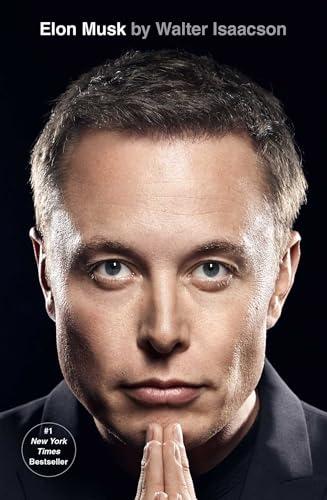
In the episode, Ed Elson cited the book to illustrate Elon Musk's management approach, noting his obsession with accelerating production schedules and demanding rapid results, even to the point of firing staff or forcing them to find solutions. He highlighted that, according to the biography, this relentless pressure often succeeded. The discussion presented the book as a useful reference for understanding Musk's tactics.
The book was referenced when discussing Elon Musk's management style and how he is obsessed with rushing production schedules and pushing up timelines.
If you read Walter Isaacson's book, that's one of the main conclusions is he's obsessed with rushing these production schedules and pushing up timelines. And whenever someone says, Hey, man, like, you know, we want to do this too, but we just don't think it's possible. He erupts or he fires them or and crucially, in some cases, he says figure it out. And they do. And it works.
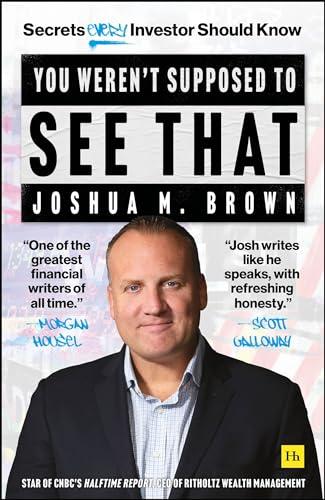
Secrets Every Investor Should Know
Josh Brown highlighted the book as a deep dive into economic inequality and the systemic issues that hinder investors, emphasizing that it offers essential insights for anyone navigating the market. He noted that the book expands on topics discussed in the episode and was slated for release in September, encouraging listeners to pre‑order it. The discussion positioned the title as a valuable resource for investors seeking a clearer understanding of the current economic landscape.
Josh Brown's new book, "You Weren't Supposed to See That", discusses inequality and the issues within the economy. It talks about why the economy isn't working for anyone and provides insights into what every investor should know.
The book is called You Weren't Supposed to See That. And some of the things that we talked about in terms of inequality and the issues with our economy and why it's not working for anyone. Those things are, in part, the focus of the book.
So I have much more to say on these topics and you will be able to read all about it this September.
Josh Brown is the CEO and co-founder of Ritholtz Wealth Management. His new book, You Weren't Supposed to See That, Secrets Every Investor Should Know, is available for pre-order now.
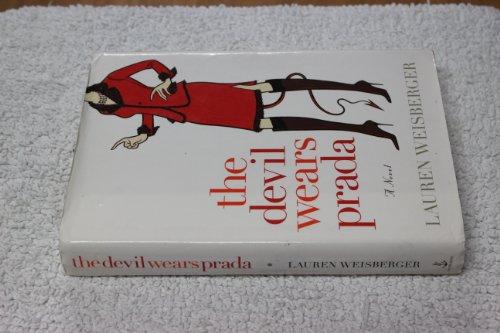
A Novel
They mentioned the novel, recalling a favorite line from its film adaptation and noting that the creative community was demanding a sequel to the story.
My favorite line in The Devil Wears Prada, and it's coming out next, is when she gets into the car, in the back of her car. And they're just sitting there and she goes, go. Go. That's...
— Episode: The Biggest Disruption Is Yet to Come —...
They mentioned the novel, recalling a favorite line from its film adaptation and noting that the creative community was demanding a sequel to the story.
My favorite line in The Devil Wears Prada, and it's coming out next, is when she gets into the car, in the back of her car. And they're just sitting there and she goes, go. Go. That's where I feel like every time I sit in, I'm like, go. I've already put in the fucking, what's the point of me putting in the address 20 minutes ago if you don't already have the route figured out?
The creative community was demanding a sequel to The Devil Wears Prada.
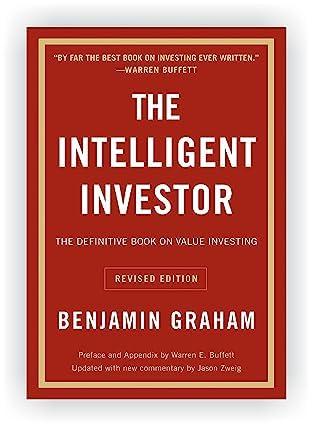
Ed noted that he had read Benjamin Graham's *The Intelligent Investor* and used its ruleofthumb for PE to argue that many claiming to be value investors had not actually read the book.
One thing I would make... Benjamin Graham's book, The Intelligent Investor, which I did read, I don't know if you remembered his rule of thumb about what a proper PE is. It's 12 times plus 2 times the...
— Episode: The Bull Case for 2026 — ft. Tom Lee
Ed noted that he had read Benjamin Graham's *The Intelligent Investor* and used its ruleofthumb for PE to argue that many claiming to be value investors had not actually read the book.
One thing I would make... Benjamin Graham's book, The Intelligent Investor, which I did read, I don't know if you remembered his rule of thumb about what a proper PE is. It's 12 times plus 2 times the growth rate. That is in his book.
I'm just saying, when someone says they're a value investor and they're saying stocks are expensive, I know they didn't read his book because I read the book.
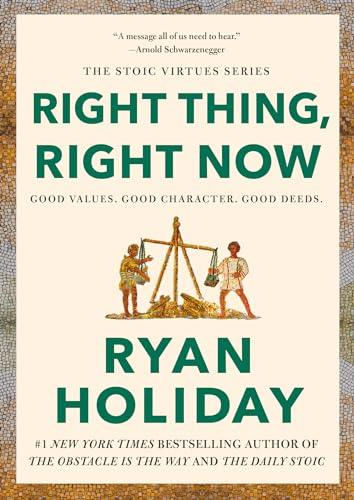
Good Values. Good Character. Good Deeds. (The Stoic Virtues Series)
The podcast host highlighted the book's focus on personal ethics and Stoic virtues, noting that it avoided policy arguments and was marketed to appeal widely. Ryan Holiday explained that framing the work around justice would have hindered its success, and the host pointed out its number‑one debut. Overall they presented it as a compelling introduction to Stoic character.
The podcast host mentioned the book by Ryan Holiday and discussed it's main themes, specifically how the Stoics believed one should live according to a personal code of ethics. Ryan also said that his book is not about policy arguments or politics. The podcast host mentioned that Ryan's book debuted at number one, but that it would not have done so had it not been marketed in a way that made the topic palatable to the public.
You describe in your new book, Right Thing Right Now, you define justice as holding the line.
If I had called this book, if the packaging and the titling and the marketing and all this book had been about justice, I guarantee it would not debut at number one.
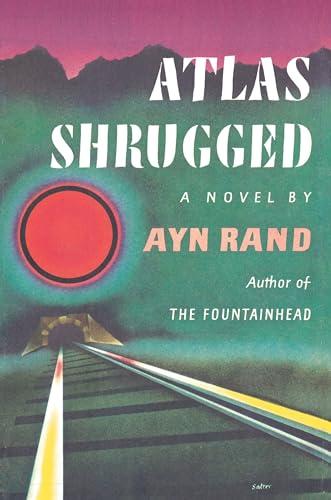
The hosts referenced the title as the famous story of business leaders creating their own society when government overreach made taxes burdensome, and suggested that Bill Ackman's viewpoint was at least partly informed by it.
The hosts referenced Atlas Shrugged as the famous story of business leaders forming their own society when government overreach made taxes burdensome, noting that Bill Ackman's viewpoint seemed influenced by the book.
It is the story of Atlas Shrugged, which is, of course, Ayn Rand's most famous work... a group of business leaders get together and they form their own little society because government is overreaching.
I'm sure his perspective is at least somewhat informed by that book.
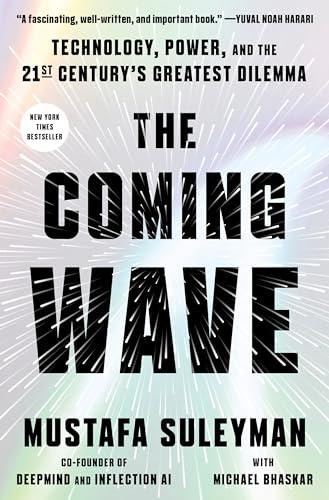
Technology, Power, and the Twenty-first Century's Greatest Dilemma
Tom Lee referenced it while discussing the unbounded risks of artificial intelligence, noting that several books, including this one, explore AI dangers.
there are many books, including The Coming Wave, that really talk about the risks of AI that's unbounded.
— Episode: The Market’s Biggest Risks and Opportuni...
Tom Lee referenced it while discussing the unbounded risks of artificial intelligence, noting that several books, including this one, explore AI dangers.
there are many books, including The Coming Wave, that really talk about the risks of AI that's unbounded.
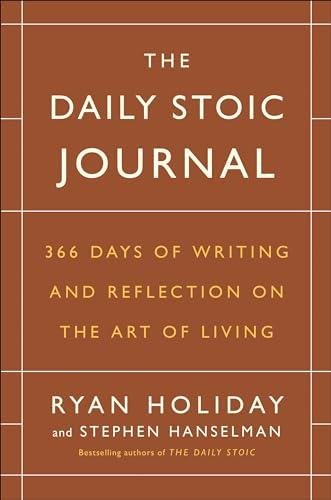
366 Days of Writing and Reflection on the Art of Living
The host and guest Ryan Holiday referenced the book while discussing how Stoic philosophy urges a balance between personal ambition and the desire for external recognition. They highlighted the book’s relevance to applying Stoic principles to financial decisions and personal growth. The mention positioned the title as a useful tool for listeners interested in integrating Stoicism into their lives.
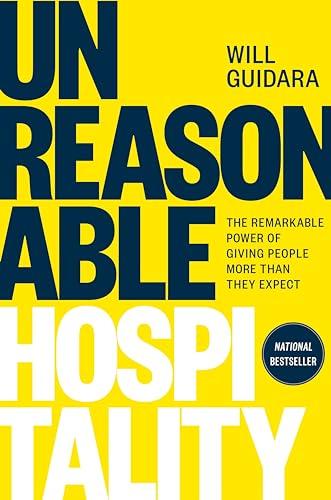
The Remarkable Power of Giving People More Than They Expect
David mentioned that he was reading the book, noting it had changed his perspective on service and was relevant to his work at Lyft.
I'm reading this book, Unreasonable Hospitality right now, which talks about all this stuff in terms of the restaurant industry.
— Episode: State of Play in the Rideshare Wars — ft...
David mentioned that he was reading the book, noting it had changed his perspective on service and was relevant to his work at Lyft.
I'm reading this book, Unreasonable Hospitality right now, which talks about all this stuff in terms of the restaurant industry.
I read Unreasonable Hospitality about a year ago. It actually, and it changed my life because I started to think about this very, very directly.
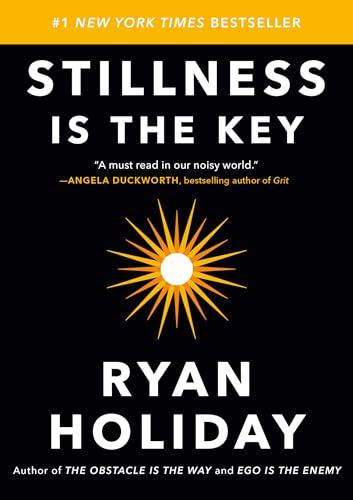
The host highlighted the book in the episode's closing remarks, noting that it blended the author's personal experiences with ancient Stoic philosophy. They suggested it illustrated how Stoicism can improve one's approach to money, making it a noteworthy read for listeners.
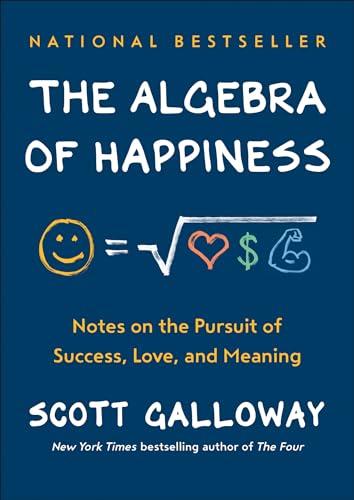
Notes on the Pursuit of Success, Love, and Meaning
The hosts suggested it as an ideal signed gift for a dad, highlighting its appeal for someone interested in personal finance and entrepreneurship.
The ultimate gift is a signed book of The Algebra of Happiness by Professor Scott Galloway.
— Episode: The Market’s Biggest Risks and Opportuni...
The hosts suggested it as an ideal signed gift for a dad, highlighting its appeal for someone interested in personal finance and entrepreneurship.
The ultimate gift is a signed book of The Algebra of Happiness by Professor Scott Galloway.
Gender, Race and Identity
The host noted that the book was one of his favorite titles while discussing the tension between crowd wisdom and crowd madness.
It's a great question because in many ways it creates a tension between the wisdom of crowds, which is the heart of all crowdfunding, which technology is bought in full time into, and The Madn...
— Episode: Markets are Ignoring Catastrophic Risks...
The host noted that the book was one of his favorite titles while discussing the tension between crowd wisdom and crowd madness.
It's a great question because in many ways it creates a tension between the wisdom of crowds, which is the heart of all crowdfunding, which technology is bought in full time into, and The Madness of Crowds, which is one of my favorite books.
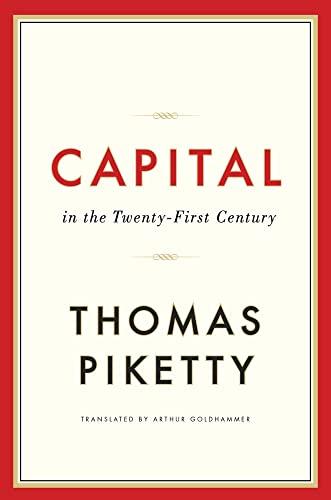
The book was brought up by Gary Stevenson, who noted that the 2011 work by the French economist tackled the issue of inequality. He mentioned it as a significant reference for understanding wealth distribution, highlighting its relevance to the episode's discussion on tariffs and inequality. The mention was positive but not an explicit endorsement.
Gary referenced Piketty's 2011 work, describing it as the book "Capital" that addresses inequality.
Then the big thing for me was, ... Piketty in 2011. So the French economist, for anyone who doesn't know, who wrote the book Capital about inequality.
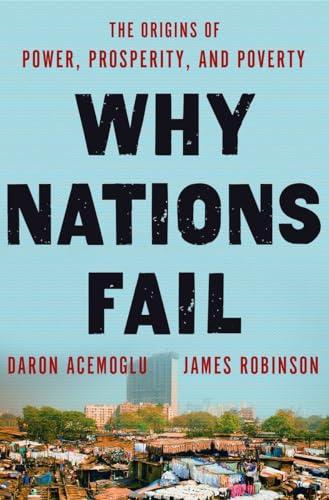
The Origins of Power, Prosperity, and Poverty
The host highlighted that the guest had authored a New York Times bestselling title among his six books, noting its prominence in discussions of power and prosperity. No further analysis of the book’s content was provided, and it was mentioned mainly to underscore the author’s credentials.
The host noted that it is a NewYorkTimes bestselling book among the six titles authored by Daron Acemoglu.
He is also the author of six books, including the New York Times bestselling Why Nations Fail and Power and Progress, Our Thousand-Year Struggle Over Technology and Prosperity.
Note: The book recommendations on this page are discovered automatically from podcast transcripts, and may be incorrect or incomplete.
Podcast Name