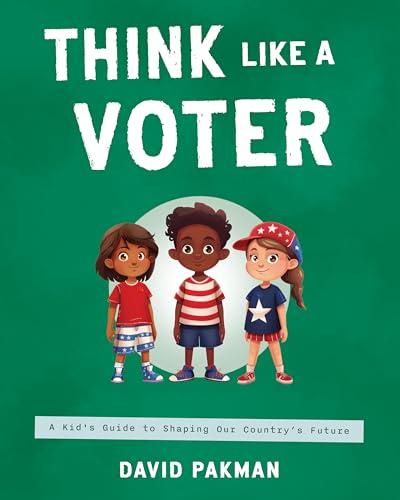
Think Like a Voter
David Pakman
Mentioned 5 months ago
Inside the MAGA Blueprint for Breaking the Midterms
It's on. Twice a week, award-winning journalist Kara Swisher gets to the heart of the story through no-holds-barred interviews with power players across business, tech, media, politics and beyond. So why do her guests show up? “Smart people,” says Kara, “like difficult questions.” Mondays and Thursd...
Recently mentioned
David Pakman
Mentioned 5 months ago
Inside the MAGA Blueprint for Breaking the Midterms
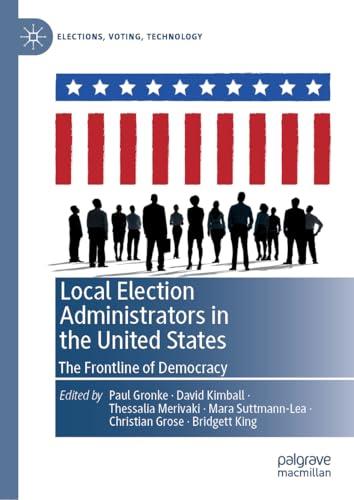
Paul Gronke
Mentioned 5 months ago
Inside the MAGA Blueprint for Breaking the Midterms
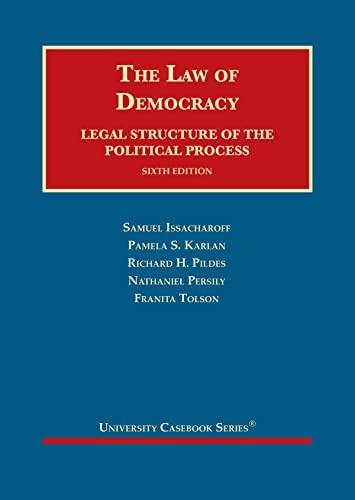
Samuel Issacharoff
Mentioned 5 months ago
Inside the MAGA Blueprint for Breaking the Midterms
Kara Swisher
Mentioned 7 months ago
Comedian Tig Notaro on Laughing Through Grief
Geraldine Brooks
Mentioned 7 months ago
Comedian Tig Notaro on Laughing Through Grief
Bill Gates
Mentioned 1 year ago
Bill Gates on How to Tax the Rich, AI, Misinformation, & the Election
Lyn Alden
Mentioned 1 year ago
Pete Buttigieg Thinks Trumpism is in Its Last Season
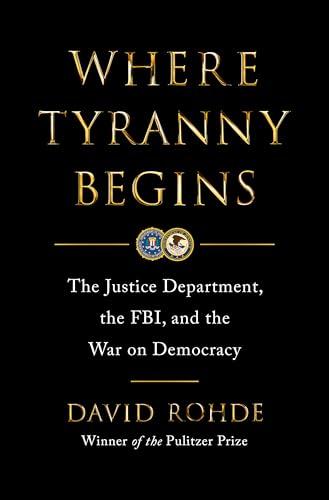
David Rohde
Mentioned 1 year ago
From “Witch Hunt” to “Weaponization”: The Impact of Trump’s War on the DOJ with David Rohde
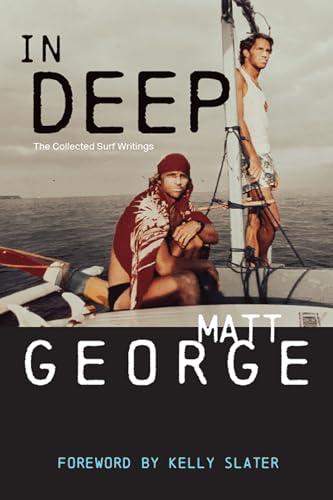
Matt George
Mentioned 1 year ago
From “Witch Hunt” to “Weaponization”: The Impact of Trump’s War on the DOJ with David Rohde
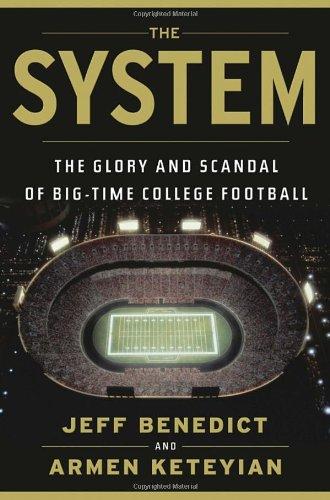
Jeff Benedict
Mentioned 1 year ago
Robert Reich on Trump, Harris, Musk and More
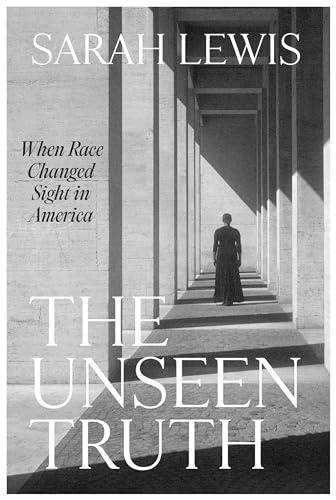
Sarah Lewis
Mentioned 1 year ago
Hillary Rodham Clinton Drops Truth Bombs
Hillary Rodham Clinton
Mentioned 1 year ago
Hillary Rodham Clinton Drops Truth Bombs
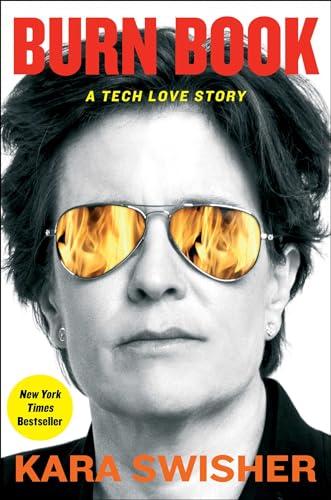
A Tech Love Story
The title was highlighted across several episodes as Kara Swisher's memoir chronicling three decades of tech reporting, offering an unflinching, sometimes scathing look at the industry while framing it as a love story. Hosts and guests such as Ted Sarandos and Margrethe Vestager praised its candid anecdotes, its critique of tech culture, and even its potential TV adaptation. The overall tone was enthusiastic, presenting the book as a must‑read for anyone interested in the tech world.
It is an unflinching, sometimes scathing examination of the tech industry and the founders who built it. The book does not shy away from confronting the consequences of tech titans' race to scale.
Her new book, Burn Book, is an unflinching, sometimes scathing examination of the tech industry and the founders who built it.
She doesn't shy away from confronting the consequences of tech titans race to scale.
This is a book written by Kara Swisher. It is a memoir about her career in technology journalism and how she got started covering the internet. She attributes her start in tech journalism to David Ignatius, who was her boss at the Washington Post. She was covering the local business feud between the half family, and was sent to cover the internet, after AOL began to grow and expand.
For people who don't know, David was a great boss, but he really did, as I attribute in my book, Burn Book, to sending me covering the internet.
She agreed with the idea that the book was a tech love story.
I always subtitle a tech love story.
The book is a biography of Kara Swisher's 30 years of tech reporting, including personal anecdotes, and a critique of the tech industry's culture and lack of accountability. Ted Sarandos was pleased with the book and highlighted the importance of being able to speak truth to power, as Swisher did in the book.
And the beauty of this book is you gave the answer in the book.
First make it a conversation.
Second, do not be afraid to ask the question everyone is thinking.
Third, conduct the discussion as if you were never going to interview this person again.
So I'm going to keep your advice in mind and really being the back of my head the whole time.
Kara Swisher discussed her new book, *Burn Book: A Tech Love Story*, about the tech industry and its culture. She mentioned that the first line of the book is "As it turns out, it was capitalism after all."
That's the first line of my book.
As it turns out, it was capitalism after all.
It says a love story.
This is Byrne book. At the top, it's bigger.
It was so funny. Wait, I'm off-thing. What was your question? Why do I love it? Oh, OK.
The book, "Burn Book: A Tech Love Story", is Kara Swisher's memoir about her experiences in the tech industry. In the podcast, Kara speaks about how she had to get confirmation for her stories from other sources, and how she felt that her editor wanted her to be more neutral in her reporting.
If you haven't heard already, my latest book, aptly titled Burn Book, a tech love story, came out earlier this week.
So you couldn't say, like, what got to me is I kept seeing all this ridiculousness in terms of valuations and everything else. It was way ahead of its're gonna run out of money. And it was too early. It wasn't directionally wrong. It was executionally wrong at the moment. And so I wanted to say that, and the editor actually said to me, can you get someone to say what you said? And I said, no, why would I do that?
Well, we need to put it to be sure. Some people think Webvan is great.
And I was like, to be sure, they're stupid if they say that.
And this was me as an employee. It was really not good.
It was mentioned that Desi Lydic's book was saved from not being turned in by Nell Scoble, who kicked her ass to get it in.
She worked on my book with me.
I didn't know she worked on Burn Book?
Yeah.
I didn't know that.
She saved it because I wasn't turning it in and she kicked my ass until I got it in.
It was mentioned that Nell Scoble helped Desi Lydic finish writing her book, possibly a memoir, and kicked her to get it submitted on time.
She worked on my book with me.
I didn't know she worked on Burn Book?
Yeah.
I didn't know that.
She saved it because I wasn't turning it in and she kicked my ass until I got it in.
The book, "Burn Book", was mentioned; its cover art features the author with fire sunglasses and aviators. It was said that the book was forthcoming.
the book is coming out it's called Burn Book the cover art came out yes yes it's a picture of me with fire sunglasses and the aviators yeah
The speaker mentioned that there was a TV show being made of their book, and the only requirement they had for the production company was to have a believable lesbian play them.
They're making the TV show of my book, Burn Book. Wow. And they said, what do you need for this? The production company. And I said, all I want is a believable lesbian playing me. That's all I have to do. Just a believable lesbian.
The book was brought up by Kara Swisher to point out J.D. Vance's perceived daddy issues and its availability at a local bookstore, and later Ron Klain referenced it when noting Vance's strong anti‑Trump stance at the time of its publication and his subsequent shift toward Trump‑aligned views. Both hosts used the title as a lens to discuss Vance's political evolution rather than to evaluate the book itself. The discussion was observational and neutral.
It was mentioned that J.D. Vance had very strong anti-Trump views in his book 'Hillbilly Elegy' and around the time of its publication, but he clearly moved over time to align more with Donald Trump's views.
I thought that in Hillbilly Elegy, and his statements around the time, he was very strong in his anti-Trump views. Very.
But he clearly moved over time. And he can explain that to voters. I'm not going to try to explain it to voters. He can try to explain it. But obviously, I agree more with the 2016 version of J.D. Vance than I do the 2024 version of J.D. Vance.
The book was mentioned in relation to J.D. Vance's perceived daddy issues and how this might influence his political approach. The book's availability at the Politics & Prose bookstore was also noted.
J.D. Vance clearly has a daddy problem from his book, if you read it, and you can buy it here, by the way, I'm sure.
An American Fight Against Fascism
The book was highlighted as a bestseller that traced the roots of far‑right extremism in mid‑century America and connected those historical patterns to today's political climate. Kara Swisher introduced it as a prequel to her Ultra podcast, while Martina Navratilova noted she had just finished it and praised its striking parallels to current events. Both presenters recommended it for its insightful look at American fascist history.
The book is a prequel to her podcast "Ultra" and focuses on far-right extremism in American politics in the 1940s and 50s. It was inspired by her deep research for the podcast. The book is a bestseller.
our current American struggle along these lines, it turns out has a Prequel.
it's a bestseller Prequel An American Fight Against Fascism.
Martina Navratilova mentioned recently finishing reading this book about fascism in the 1920s and 30s in America. She noted the striking similarities between the historical events and current political situations.
I just finished reading...Prequel by Ray Charmedowe about fascism in the 20s and 30s in America...the similarities are off the charts.
Hitler's Final Rise to Power
The book was highlighted by historian Timothy Ryback in two episodes, where he noted striking parallels between Hitler’s ascent and contemporary political dynamics, emphasizing that the Nazi takeover was not inevitable and that many alternatives existed. He argued that the work offered valuable historical context for understanding modern threats to democracy and urged listeners to consider its lessons. The overall tone was strongly supportive, presenting the title as an essential read for those concerned about fascist trends.
The book explores Hitler's rise to power as chancellor. It has some parallels with Maddow's book "An American Fight Against Fascism", specifically focusing on conspiracy theories, fake news, armed militias, and legislative dysfunction.
There's some rather stunning parallels between your brilliant new book Prequel and Takeover.
It chronicles the six months leading up to Hitler's seizure of power in 1933, detailing the political dealings happening behind the scenes. The historian Timothy Ryback used the Daily Press from July 1932 onwards, daily diaries and meeting protocols to determine that Hitler's rise to power was not inevitable.
I left academia 30 years ago and I've never looked back. I loved it when I was there but no, no, no. Tim is great.
Hitler was very much viewed as a buffoon. He was absolutely a political outsider but he was incredibly determined and his calculation on this with his 37% and there is a bit of method to this madness.
I would not blame Trump and I don't blame Hitler. I basically using that equation, the quote about Weimar Germany died twice. I actually would fault in a democratic system. I fault the public at large.
I would say, and I cut it off the day Hitler was appointed chancellor, we know everything that happened there. I would say, you don't even have to read my book to see what happens, but if you read the book, you would be going, oh my God, there were so many alternatives that the Germans could have taken.
I think for the voter, I'd say take Trump at his word and is this a country that you wanna live in? Is this what you want your country to become? Our 250th anniversary is in 2026. What kind of country do you wanna be living in in 2026? Just get out there and vote.
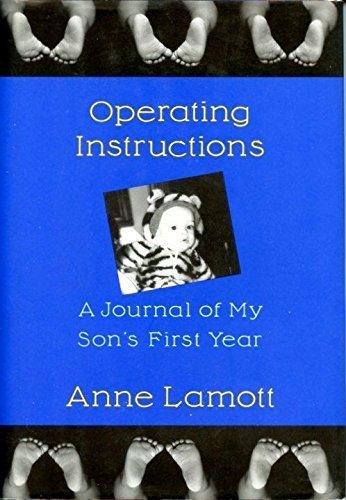
A Journal of My Son's First Year
Kara Swisher highlighted the book as a confessional memoir about the trials and tribulations of single motherhood, noting that it had been a major influence on her own parenting journey and was one of her favorite titles. She referenced it while discussing Ilana Glazer's new film that explores similar themes, and Anne Lamott herself appeared on the show to discuss the work. The hosts praised its honest and relatable portrayal of a single parent's first year with a baby.
Anne Lamott wrote this book about the trials and tribulations of being a single mother. The book was mentioned in relation to Ilana Glazer's new movie, Babes, which also explores the themes of single motherhood and friendship. Lamott's book was described as a confessional memoir and a big influence on Kara Swisher's own journey of motherhood.
Anne Lamott, whose first big hit was a confessional memoir OPERATING INSTRUCTIONS about the trials and tribulations of being a single mother.
And this week we have one from a guest we had on recently who wrote a book called OPERATING INSTRUCTIONS about having a baby as a single parent. It's Anne Lamott.
Hi, Alana. This is Anne Lamott and I love, love, love your work.
I want to ask you a question about being a single mother and preface it by saying I'm someone who loves to be alone and I loved my baby Sam literally more than life itself.
But there were periods of time, usually after he had gone to sleep when I would relish the quiet and the peace.
Anne Lamott journaled about her first year as a single mother in this memoir, which is also one of Kara Swisher's favorite books.
In her first bestselling memoir in the 1990s called OPERATING INSTRUCTIONS, which also happens to be one of my favorite books, Lamott journaled about her first year as a single mom, but she's probably most famous for her 1994 memoir slash writing manual, Bird by Bird, Some Instructions on Writing and Life, also important to me.

The book was highlighted as the source material for a biopic starring Jeffrey Wright, and a guest on the show described it as a satirical novel that felt personally tailored to him, prompting him to buy and instantly love it. Both hosts expressed enthusiasm for its themes and relevance, indicating strong endorsement for listeners.
The book is a biopic based on Percival Everett's book and Jeffrey Wright played the lead role. The interviewer mentioned that she is hoping to interview Jeffrey Wright soon.
He plays the lead role in Monk in American fiction.
American fiction is based on Percival Everett's Erasure.
The book resonated deeply with Cord Jefferson and he felt like it was written specifically for him, making him realize he needed to make it into a film. He bought the book and instantly fell in love with the material.
It felt like somebody had written a novel specifically for me. Like somebody sat down and said, I'm writing a gift for Cord Jefferson.
It was very, very early into the read. I don't know if you've ever had this feeling but it felt like somebody had written a novel specifically for me.
And so I was just picking up a book to read for fun over the holidays. So you got it yourself at the bookstore? Just to-
No one had recommended it. No, no. I was reading a book review actually for a different book called Interior Chinatown. And that book review said that it referenced Erasure as having a similar style of satire.
And so I had never heard of Erasure and I went and read a synopsis and it sounded intriguing. And so I bought it and with no auspices just read it because I was looking for a new thing to read over the holidays and instantly fell in love.
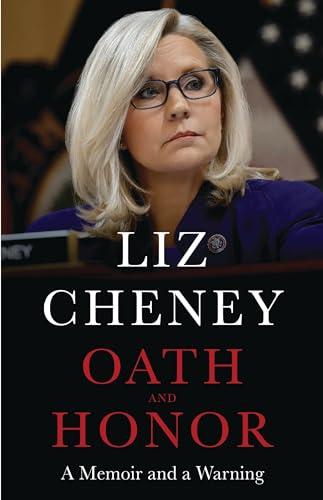
A Memoir and a Warning
The book was highlighted as a memoir that also serves as a warning about the direction of the Republican party, with Kara Swisher noting its subtitle and discussing its focus on Liz Cheney’s opposition to Donald Trump and the events surrounding January 6. Both episodes referenced the upcoming release and its thematic overlap with other political memoirs, presenting it as a noteworthy but not explicitly endorsed title.
In her memoir, Liz Cheney detailed her experiences within the Republican party and her decision to oppose Donald Trump, which led to her being ostracized from her party and losing her position and subsequent election. She described the events surrounding the January 6th Capitol attack and expressed her concerns about the direction of the Republican party and the threat posed by Donald Trump.
The subtitle of the book Oath and Honor is A Memoir and a Warning.
Orange Jesus was one of my favorites
Ted Cruz is an idiot and a suck up. You know, Mike Johnson is a suck up.
He's the one that would upend democracy.
I supported his policies. I think over 90% of the time. Yeah, 93.
This is Liz Cheney's memoir; it was mentioned as a book coming out later in the year, and it was expected to cover similar themes to Kinzinger's memoir.
So the book I imagine will scoop some of Liz Cheney's memoir, Oath and Honor that's coming out, which is a different title. It's set to come out later this year.
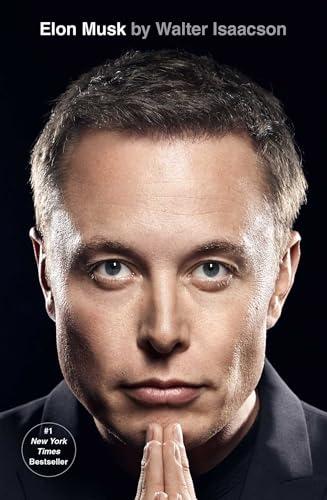
The hosts discussed the biography, noting that a guest's husband had flipped through it and remarked on the author's frequent use of profanity. They described the title as controversial, suggesting it was lenient toward Elon Musk's behavior and lacked deep scrutiny, while also referencing the concept of his "demon mode." Overall, the conversation highlighted criticism of the book's approach rather than endorsement.
The podcast speakers discussed the book, mentioning that one speaker's husband had flipped through it and commented on the author's use of profanity. The book was also referenced in relation to Elon Musk's 'demon mode'.
My husband flipped through it and he gave me his review and he said, you use a lot of profanity.
Walter Isaacson describes him as having a quote demon mode.
It was described as a biography that generated controversy, with critiques focusing on its perceived leniency towards Elon Musk's behavior and the potential for an "Isaacson Accord" between author and subject. The book details Musk's childhood, career, and various ventures, though some felt it lacked sufficient depth in scrutinizing his actions.
Sad and smart son, solely Morrison to mentally abusive father, he abhors except with rockets, cars and more money. Often writes sometimes wrong, petty jerk always might be crazy in a good way, but also a bad way.
In the beginning, I talked to his mother, May Musk. And she says, here's the issue for your book. The danger for Elon is that he becomes his father.
One of the things every biographer knows is it's all about the parents.
demon mode causes a lot of chaos, but it also gets a lot of shit done.
sometimes they're crazy ones but then you say crazy enough to change the world.
The Solutions We Have and the Breakthroughs We Need
The book was highlighted as a source of climate insight, with the host noting that many of its predictions were already unfolding during the interview. Steve Ells also mentioned that it inspired his approach to building a plant‑based food chain aimed at dramatically cutting greenhouse‑gas emissions by 2050. Both references conveyed strong approval of the title's ideas and relevance.
It was mentioned as an inspiration for Steve Ells' plant-based food chain, Kernel, particularly in terms of reducing greenhouse gases from what we eat.
I was inspired by reading Bill Gates' book and, um, from what I understood, the imperative is that we reduce our greenhouse gases dramatically by 2050 or so, or else we go over this, this, this tipping point.
This book was mentioned in the context of Bill Gates's previous interview on climate change, and the speaker noted that much of what Gates discussed in the book was coming true at the time of the interview.
The last interview we did was about climate change which is a book that he wrote and it's actually coming true today. A lot of the stuff he was talking about.
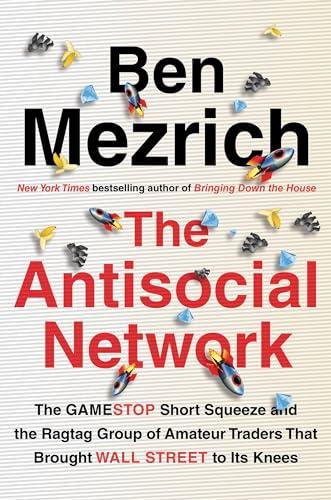
The GameStop Short Squeeze and the Ragtag Group of Amateur Traders That Brought Wall Street to Its Knees
The book was referenced in two episodes as the source material for the movie "Dumb Money" that dramatized the GameStop meme‑stock frenzy. In the Reddit CEO interview, the author introduced himself and the title, while in the Elon/Twitter discussion Kara Swisher described it as a Hollywood‑styled retelling of the tech‑focused story. Both mentions highlighted its relevance to the GameStop saga without offering a strong endorsement.
Ben Meserick, the author of "The Anti-Social Network", which was adapted into the movie "Dumb Money", is mentioned in the context of the GameStop stock frenzy and the rise of WallStreetBets.
Hi, I'm Ben Mesric, I'm the author of the Anti-Social Network, the book that was made into the movie Dumb Money.
It was mentioned as a book (later adapted into a movie) that focused on the meme stock phenomenon surrounding GameStop and other companies. It was described as a Hollywood-y version of the tech stories covered by tech reporters.
Dumb Money, which was a movie that came out about the meme stock thing around GameStop and others.
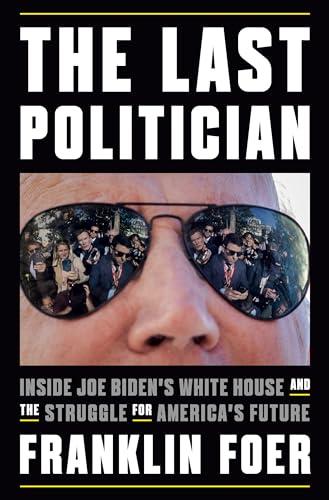
Inside Joe Biden's White House and the Struggle for America's Future
The book was cited when the hosts discussed President Biden's decision to exit the 2024 race, with the author providing insight into his psychological coping mechanisms and decision‑making. In a later episode it was described as an in‑depth account of Biden's first two years, drawing on the author's extensive reporting inside the White House. The discussion treated the title as a credible, detailed source on the administration’s inner workings.
The book was mentioned during a discussion about Joe Biden's decision to drop out of the 2024 presidential race and was referenced as a source of information about his decision-making process.
Franklin is a staff writer for The Atlantic and author of The Last Politician: Inside Joe Biden's White House and the Struggle for America's Future.
Franklin, before President Biden announced that he wouldn't run, you had written that he had stepped down in order to quote, avoid the long term indignity of being remembered as one of history's great fools. Were you concerned?
Totally. It was like it was a he has a psychological set of armor that he built up over many years in order to deal with humiliation and with episodes where he falls flat on his face and over the course of his career, he'd fallen flat on his face many, many times. And the story he told himself was that he always rebounded, that he had the ability to grit his way through.
I think that there's a reason why everyone's using the word consequential and not saying best, which is subjective in a different way. I think that there's no two ways about it. It's always going to be marked in the story of who he is, that he is a president who stepped away after one term.
I mean, I think we have to say that everything will be seen through the lens of this election. So if the bungled transition to Kamala Harris and the bungled process of Sinatra and culminates in a Trump presidency, that is the lens through which he is judged full stop.
When Race Changed Sight in America
The host highlighted a conversation with Sarah Lewis about her new title, describing it as a stunning work that explores how race reshaped visual perception in America. Both episodes emphasized the book’s relevance and insight, positioning it as a noteworthy addition for listeners interested in cultural history.
The podcast host mentioned having a conversation with Sarah Lewis about her new book, "The Unseen Truths."
Sarah Lewis and I are talking about her stunning new book, The Unseen Truths,
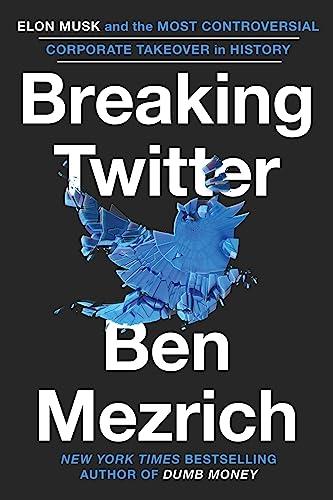
Elon Musk and the Most Controversial Corporate Takeover in History
The book was referenced as background for a discussion of Twitter's origins and then highlighted as a dramatic, cinematic account of Elon Musk's controversial takeover, blending hard facts with speculation. The author described it as one of the most important and thrilling stories he has told, populated by outsized personalities and polarizing ideologies. The podcast conveyed strong enthusiasm for the title as a compelling narrative of a pivotal moment in tech history.
It was described as a dramatic narrative account, blending hard facts with speculation, and presented the story of Elon Musk's tumultuous acquisition and subsequent management of Twitter in a cinematic style. The author aimed for a truthful portrayal while employing creative license for a more engaging narrative.
Breaking Twitter is populated by outsized personalities with polarizing ideologies. I believe it is one of the most important and thrilling stories I've ever told. The incredibly public, sometimes darkly comic battle between one of the most influential men of our time and the platform that sits at the center of our shared conversation.
scenes and comments from Elon's perspective are triangulated from various inside sources and are based on speculation as well as deep reporting.
How Money & Markets Really Work
The book was mentioned during a discussion about the US economy and why investors see hope in the United States.
We speak with Kyla Scanlon, educator and author of In This Economy.
— Episode: What Happened to Joe Biden? What’s Next...
The book was mentioned during a discussion about the US economy and why investors see hope in the United States.
We speak with Kyla Scanlon, educator and author of In This Economy.

How the Great Rewiring of Childhood Is Causing an Epidemic of Mental Illness
The book describes how smartphones and social media have led to a mental health crisis among teens, especially among teenage girls. The topic was discussed in detail, and Jonathan Haidt defended his arguments against the criticism that his claims are not supported by the data.
It describes how smartphones and social media have led to a mental health crisis among teens especially among teenage girls.
— Episode: Kids and Phones: Moral Panic or Time to...
The book describes how smartphones and social media have led to a mental health crisis among teens, especially among teenage girls. The topic was discussed in detail, and Jonathan Haidt defended his arguments against the criticism that his claims are not supported by the data.
It describes how smartphones and social media have led to a mental health crisis among teens especially among teenage girls.
In the book, I acknowledge gender dysphoria is real.
This is exactly what happened to her.
So now the debate has shifted from, oh, it's all correlational to okay, fine. You've got experiments, but they're not very good experiments.
The story for girls in social media was so clear in the data from the time I started working on this.
How Good Intentions and Bad Ideas Are Setting Up a Generation for Failure
Haidt explains that he was hesitant to attribute any causality in his book, The Coddling of the American Mind, because it was mostly correlational. He mentions that the data was not as strong in that book.
And I said, you know, parents don't, you know, don't freak out about this, you know, but because we really didn't know it's just correlational, mostly correlational then.
— Episode: Kids and Phones: Moral Panic or Time to...
Haidt explains that he was hesitant to attribute any causality in his book, The Coddling of the American Mind, because it was mostly correlational. He mentions that the data was not as strong in that book.
And I said, you know, parents don't, you know, don't freak out about this, you know, but because we really didn't know it's just correlational, mostly correlational then.
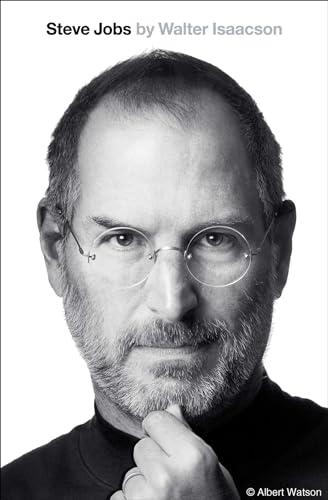
Reed Jobs was quoted in Walter Isaacson's biography of his father, Steve Jobs, saying that his interest in biotech was a silver lining of his father's illness.
One of the things your dad has quoted in a biography is by Walter Isaacson was that your interest in biotech was a silver lining of his getting sick. What did you think when you read that? You don't h...
— Episode: Why Reed Jobs is Betting on Cancer Innov...
Reed Jobs was quoted in Walter Isaacson's biography of his father, Steve Jobs, saying that his interest in biotech was a silver lining of his father's illness.
One of the things your dad has quoted in a biography is by Walter Isaacson was that your interest in biotech was a silver lining of his getting sick. What did you think when you read that? You don't have to comment on the book, but in general, do you think that was the case to get you here?
It is a silver lining. I don't think that's a bad way to put it at all. Again, most people who work in cancer do it for very personal reasons.
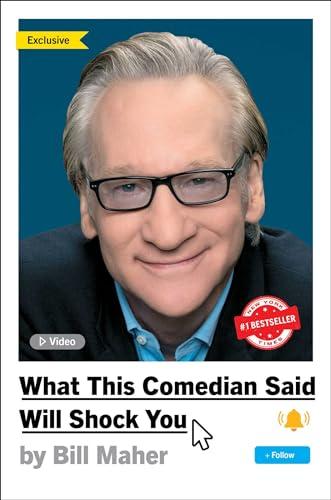
It is a collection of all the editorials he's done on the end of his show for the last 20 years, he reimagined them, rewrote them, and picked out the creme de la creme. He said that it took him 20 years to write this book. He also said that his material in the book is LOL tested and that it is funny on every page.
Bill's new book titled What This Comedian Said Will Shock You consolidates these editorials from the past 20 years.
— Episode: Bill Maher Won't Back Down (But He Might...
It is a collection of all the editorials he's done on the end of his show for the last 20 years, he reimagined them, rewrote them, and picked out the creme de la creme. He said that it took him 20 years to write this book. He also said that his material in the book is LOL tested and that it is funny on every page.
Bill's new book titled What This Comedian Said Will Shock You consolidates these editorials from the past 20 years.
This book is a collection of all the editorials I've done on the end of the show for the last 20 years.
So basically, it took me 20 years to write this book.
And so people have told me, it's just, and when I read it over, it's like, it is. It's funny on every page. I mean, LOL.
I mean, LOL. When I was reading them over, they're all very funny.
Our Thousand-Year Struggle Over Technology and Prosperity
The book 'Power and Progress' was mentioned as a study examining the impact of technology over a thousand years, concluding that society needs to establish rules to ensure technology benefits society.
There's a really interesting book that I read a couple years back Power and Progress and what it's an interesting study where I think we've always been adapted. I'm a pro technologist...
— Episode: On Creepy Fingers, Deep Fakes, and Fair...
The book 'Power and Progress' was mentioned as a study examining the impact of technology over a thousand years, concluding that society needs to establish rules to ensure technology benefits society.
There's a really interesting book that I read a couple years back Power and Progress and what it's an interesting study where I think we've always been adapted. I'm a pro technologist. Me too. I you know started my career out in the Bay Area and but we always assume that just technology for technology's sake will be beneficial to society.
That's what we've been fed and that's what we have been taught and their study really looks at technology over a thousand years and whether it is innately beneficial to society or whether society needs to put some level of rules around it in order to make it net beneficial and you know you go back to industrial revolution and basically you know the first hundred years of the industrial revolution were not beneficial to society as a whole they've been a benefited a small number of individuals but largely gave society nothing more than you know disease and you know it took things like regulations on limiting work weight, regulations on child labor. It took certain organizations like labor unions etc to ultimately get that you know technology leap forward to be something that was broadly beneficial to society and I think that is something that we need to think a little bit more about is not how do we stop AI, not how do we I'm not trying to put this technology in a box and kill it.
Why Good People Are Divided by Politics and Religion
This book explains the social intuitionist model, where intuitions come first and strategic reasoning second. It was mentioned in relation to the emotional aspect of the debate.
Your second book, The Righteous Mind, shows our morality is usually shaped by our emotions, not by rational inquiry.
— Episode: Kids and Phones: Moral Panic or Time to...
This book explains the social intuitionist model, where intuitions come first and strategic reasoning second. It was mentioned in relation to the emotional aspect of the debate.
Your second book, The Righteous Mind, shows our morality is usually shaped by our emotions, not by rational inquiry.
Note: The book recommendations on this page are discovered automatically from podcast transcripts, and may be incorrect or incomplete.
Podcast Name