Podcast
Pivot
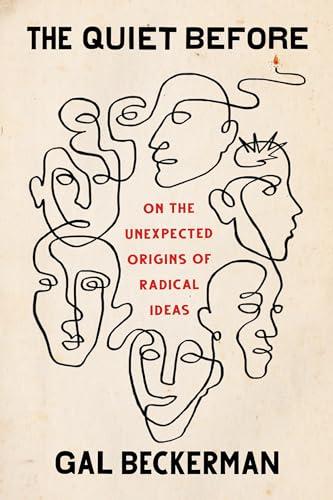
The book explores different communication methods used by social movements and revolutionaries throughout history, criticizing the over-reliance on social media in recent years and highlighting the importance of quieter spaces for strategizing and organizing. It also examines how social media's structure has influenced the expectations and understanding of social movements regarding change.
what i tried to do in the book is look at the various modes that social movements and and people who try to make revolution in their societies uh what modes of communication they have at their disposa...
— Episode: The Latest on Ukraine, A TikTok Investig...
Episode: The Latest on Ukraine, A TikTok Investigation, and...
The book explores different communication methods used by social movements and revolutionaries throughout history, criticizing the over-reliance on social media in recent years and highlighting the importance of quieter spaces for strategizing and organizing. It also examines how social media's structure has influenced the expectations and understanding of social movements regarding change.
what i tried to do in the book is look at the various modes that social movements and and people who try to make revolution in their societies uh what modes of communication they have at their disposal right so and and the criticism i have of the last 10 15 years is that we've sort of over relied on social media that the loud sort of bullhorn that twitter or facebook provides has has made it so that that activists dissidents people who are you know aching to make change don't recognize the smaller quieter spaces where they probably should be first communicating and strategizing
the thought is that you know all we need to do is gain this moment of visibility this moment of attention this sort of sugar high of everyone turning towards our way and our slogan and it's done and the reality is is we've seen sort of over and over again and I sort of track the beginnings of this to the quote-unquote twitter revolutions in the early 2010s and in the arab spring in particular uh what we've seen is that they do get these moments of attention visibility there's even you know moments where the conversation changes at a societal level and undoubtedly that's important especially when we're talking about the kind of progressive causes that we might all be on board on here but uh but then they just kind of fade away and they don't know how to translate that into the on-the-ground organizing and sort of uh you know moving laws in their direction kind of the actual real concrete tangible changes that that are in many cases the ultimate goals of these movements but that sort of gets swept away by by the by the hugeness of you know of that bullhorn
some of the movements that we that we look at today and we think about the kind of antisocial and terrible ways that they're affecting society they actually have had some of that quiet space and the reason is is that they've been sort of pushed down there right
I have a chapter on the white supremacists who sort of built up to Charlottesville and I was able to gain access to their chats sort of in the three or four months leading up to Charlottesville they were on discord you know the the gaming app because it was an extremely useful place for them to be they it was private they had their own moderators controlling their little chat rooms they could kick out anybody who wasn't sort of on board was what they were talking about and what I was able to observe there once I got past sort of the disgustingness of just even spending that much time in their presence was was people really incubating a certain set of ideas they were hashing things out they were they were working as a movement towards making the kind of change they wanted to make in the world and consolidating their visions figuring out hammering out ideology deciding optics optics was a huge thing for them you know they want to recruit more people to their worldview how are they going to do that you know what should they be wearing literally what should they be wearing and what should they not be wearing all of those questions had a space to really be discussed and worked out and one of my worries is that because the bullhorn is so attractive that the movements that are allowed to kind of flourish there take a black lives matter you know or a me too don't give themselves that space they and in fact we've kind of vilified those small quiet spaces you know we call them you know derisively safe spaces right and and I and my argument is that there is a definite role for them in the building and and and development of a movement
my book is focused you know on how kind of new ideas enter into the world and and the fact that the public sphere that we you know inhabit today is one that is not particularly good for generating those new ideas it's not twitchy and reductive twitchy and reductive and we know this this is not new you know we know this in almost every other realm of our life we know this right we've even in the time that I've been working on this book I feel like there's been such a more growing awareness of how how it's affecting us how it's affecting my kids but yet when it comes to the building of movements you know to change happening social and political change happening in the world I think we still hold on to this kind of romantic idea that all you need is a hashtag to go viral and like everything will change um and I mean I'm being a little flip but I do think a lot of people kind of still have that sense of it and what I would like people to do the extent that I have any recommendations for coming out of this book because it's essentially a book of stories that I hope people will sort of learn from but it is is that there are other modes of of communicating and that we should look for them and it's not that we can't find them online but we need to maybe stop vilifying the kind of value of seclusion a little bit you know and understand that that's important to connective tissue exactly and we need connective tissue it can't be through a tiktok dance video