Transcend
Scott Barry Kaufman
Mentioned 5 months ago
#1062 - Dave Evans - It’s time to rethink your entire life plan

Life is hard. This podcast will help. Lessons from the greatest thinkers on the planet with Chris Williamson. Including guests like David Goggins, Dr Jordan Peterson, Naval Ravikant, Sam Harris, Jocko Willink, Dr Andrew Huberman, Dr Julie Smith, Steven Bartlett, Ryan Holiday, Robert Greene, Matthew...
Recently mentioned
Scott Barry Kaufman
Mentioned 5 months ago
#1062 - Dave Evans - It’s time to rethink your entire life plan
Bill Burnett
Mentioned 5 months ago
#1062 - Dave Evans - It’s time to rethink your entire life plan
William Bridges
Mentioned 5 months ago
#1062 - Dave Evans - It’s time to rethink your entire life plan
James J. Sexton
Mentioned 5 months ago
#1059 - James Sexton - Divorce Lawyer: “Give her a prenup on the 3rd date”
Stephen R. Covey
Mentioned 5 months ago
#1059 - James Sexton - Divorce Lawyer: “Give her a prenup on the 3rd date”
Charles Duhigg
Mentioned 5 months ago
#1059 - James Sexton - Divorce Lawyer: “Give her a prenup on the 3rd date”
Scott Galloway
Mentioned 5 months ago
#1059 - James Sexton - Divorce Lawyer: “Give her a prenup on the 3rd date”
Jessica Baum LMHC
Mentioned 5 months ago
#1057 - Matthew Hussey - How to Know When to Leave a Relationship
Jessica Baum LMHC
Mentioned 5 months ago
#1057 - Matthew Hussey - How to Know When to Leave a Relationship
Richard Shotton
Mentioned 5 months ago
#1053 - Richard Shotton - 11 Psychology Tricks From the World’s Best Brands
Paul Rosolie
Mentioned 5 months ago
#1052 - Paul Rosolie - Uncontacted Tribes, Jungle Warfare & Being Eaten Alive
William MacAskill
Mentioned 5 months ago
#1052 - Paul Rosolie - Uncontacted Tribes, Jungle Warfare & Being Eaten Alive
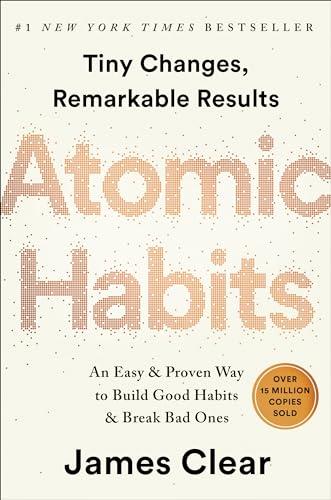
An Easy & Proven Way to Build Good Habits & Break Bad Ones
The book was highlighted across several episodes as a leading guide to habit formation, with hosts noting its four‑step framework, identity‑based change, and the power of marginal gains. It was cited as a best‑selling New York Times bestseller and praised by guests such as Spencer Greenberg, Steven Bartlett, and Chris Willx for its practical advice on systems versus goals. The consensus was that the title offered powerful, actionable insights for personal and professional growth.
James Clear's Atomic Habits has got four steps to embedding a habit.
James Clear's Atomic Habits has got four steps to embedding a habit. I often miss the fourth one.
The speaker says this quote is from James Clear and that it's about business being a vehicle for personal growth. It suggests that business ventures force individuals to confront their weaknesses and develop new skills.
It's a vessel for self-improvement disguised as a money making enterprise that it's the biggest driver of your personal growth because it comes in and just twisty nipples and finds all of the spots that you've got your trigger points and it will force you to level up and to learn those skill sets and to grow.
It was discussed as one of the best-selling non-fiction books in recent years, particularly regarding habit formation, and the concept of 'mini habits' was mentioned in relation to it.
Atomic Habits by James Clear, one of the best selling nonfiction books maybe ever but certainly of the last five years, probably the best selling nonfiction book over the last five years except for maybe some autobiographies.
And this will be familiar to people that have read James Clear's book. The idea is you take the habit that you want to form.
And before you know it, James talks so much about like identity based habit change, which I guess maybe one of the remaining two or maybe not.
Steven Bartlett discusses the book Atomic Habits by James Clear, highlighting the importance of marginal gains theory by using the example of Sir David Brailsford.
Sir David Brailsford who's known for his marginal gains theory and is written about in the first chapter of James Clear's book Atomic Habits said to me yet the the small gains the making the water bottle just a little bit bigger and the pillow soft are matted but the thing no one gives us credit for thing no one talks about is I took over a team that were depressed psychologically they were down and out they didn't want anything and by finding tiny little gains quote we felt like we were going somewhere that psychology of momentum is the greatest force in business.
It was mentioned as a very popular book, a New York Times bestseller, and one of Chris Willx's top 5 books on his 100 book list. It was also referenced in a discussion about systems versus goals.
It's still like the number one New York Times bestseller.
It's phenomenal. It's a powerhouse and rightly so, right?
As soon as he said, you do not rise to the level of your goals, you fall to the level of your systems,
Atomic Habits was mentioned in the context of iterative improvement, suggesting that small, consistent changes can lead to significant progress over time, especially when aligned with one's goals.
the Atomic Habits James Clear advice of just 1% better every day focus on the what you're going to iterate on day after day after day is a great way to operate that really really is.
You fall to your systems you don't rise to your goals however it only works in service of something that you care about because if you don't know the direction that you're going in each of the different iterations could take you in the wrong direction.
The speaker highlighted a rule from the book--never miss two days in a row--as a powerful habit insight.
My favourite is actually from James in Atomic Habits. And I think it's the best takeaway. ... and his rule is never miss two days in a row.
The host referenced the book while discussing the pitfalls of focusing on inputs over systems, noting it as a "phenomenal book" by its author.
Atomic Habits, by James Clear, phenomenal book, fantastic writer, but when he said, you don't rise to the level of your goals, you fall to the level of your systems.
The host described it as a phenomenal book that taught that you fall to the level of your systems rather than rise to the level of your goals.
as far as I can see, this is one of the issues, that came, in the wake of Atomic Habits, by James Clear, phenomenal book, fantastic writer, but, when he said, you don't rise to the level, of your goals, you fall to the level, of your systems
Sam referenced a story from Atomic Habits about the Chinese weightlifting team's lead coach, using it to illustrate the value of boring, consistent work.
But there's a cool story from Atomic Habits by James Clear. And, uh, I think it was the lead coach of maybe the Chinese weightlifting team, or maybe this is Ben Bergeron's Chasing Excellence.
The book was humorously referenced as a 19thcentury equivalent of habit formation.
It was Atomic Habits for the 1800s.
The book was highlighted as the bestselling personaldevelopment work, and its key lesson about never missing a habit for two consecutive days was credited as a major insight for the speaker.
My favorite out of all of Atomic Habits, bestselling personal development book of all time. The best thing that came out of that for me was never miss a habit two days in a row. He says one missed habit is a mistake. Two missed habits is the start of a new habit.
The podcast mentioned it as a topselling selfhelp book about building better habits.
Atomic Habits by James Clear, Morgan Housel, The Psychology of Money. I've spoken to each of these guys individually.
Cameron cited James Clear's advice that you fall to the level of your systems rather than your goals.
James Clear got this right in Atomic Habits where he said you don't rise to the level of your goals, you fall to the level of your systems.
The hosts referenced James Clear's bestseller while discussing the importance of doing boring, consistent actions to achieve elite performance, using weightlifting training as an example. They emphasized that habit stacking is essential for longterm success.
In Atomic Habits by James clear, he talks, I think it's like the head of the Chinese weightlifting team and they're super advanced. They're getting these kids from like five years old. He said the guys that are world champions are prepared to come in and do the boring things without complaining.
He mentioned it as a notable personalgrowth title alongside other bestselling books.
And obviously James Clear and Atomic Habits...
The book was highlighted as a very storyheavy work on habit formation.
James Clear's Atomic Habits, very story-heavy.
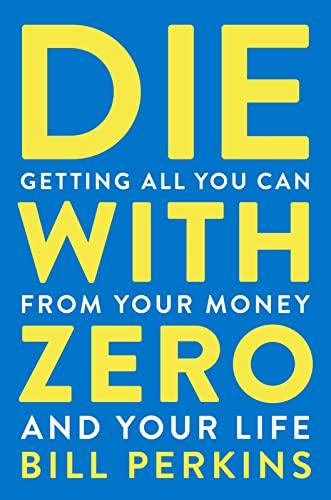
Getting All You Can from Your Money and Your Life
The book was highlighted across several episodes as a concise guide to balancing wealth, time, and health, encouraging readers to maximize experiences rather than accumulate assets. Chris Williamson and other guests repeatedly referenced its core message that extreme delayed gratification leads to no gratification, and praised its practical, four‑hour read. The overall tone was enthusiastic, positioning the title as a recommended resource for anyone seeking to live fully.
The host believes that the book is written for people with different challenges.
I would 100% agree with you that the people for whom your next book is written and the people for whom Die With Zero by Bill Perkins is written.
Dan Bilzerian mentioned "Die with Zero" as an example of a book that could teach two-dimensional lessons. He explained that reading the book or listening to it on an audiobook was a two-dimensional learning experience, while going to the author's house and seeing their lifestyle was a three-dimensional learning experience.
Bill mutual friend, good example of this 2d lessons and 3d lessons reading Die With Zero 2d lesson listening to the audio book, even listening to him on a podcast, like a two and a half D lesson going to Bill's house and seeing his dial-in system and the chef and the wake surfing and all the rest of it, 3d lesson.
It was mentioned by Chris in the context of monk mode, suggesting that delayed gratification to the extreme can result in no gratification.
Bill Perkins the dude that wrote Die With Zero who's now become a really good friend says delayed gratification in the extreme results in no gratification and with monk mode You practice in private so that you can perform in public Private practice in the extreme results in no public performance.
It was discussed as a book that provided a 2D lesson on wealth, time, and health, and how to maximize them for a fulfilling life. It was also highlighted as a good read, taking only four hours.
Bill Perkins book 'Die With Zero' in which he says that wealth time and health time and money are the three main parameters that you're playing with and you want to end up enjoying your life as much as possible which means maximize your health spend your wealth appropriately and utilize time as best you can
It was mentioned in relation to having surplus income and maximizing experiences over things, including the importance of experiencing life in different ways during certain periods.
I love that are you familiar with Die With Zero Bill Perkins stuff good book yeah I like that book
he has this shows the levels of wealth we're about to talk about your assistant this guy's got an experience architect who their only job is to find different things that they think he might want to do and then put them to him and then even if he says that he doesn't want to do them convince them that he's going to go and do them
health, wealth and time are the three factors that you play within his book your health is largely a determinant of what it is that you're able to do because your hips aren't going to take it skiing when you're 80 right
Bill Perkins, author of 'Die With Zero', wrote a quote about delayed gratification in the extreme resulting in no gratification. This was mentioned in relation to the 'not yet started life' fallacy, where people believe they will be happy in the future but often end up with no gratification due to delaying their goals.
Bill Perkins that wrote Die With Zero has got another amazing quote where he says, Delayed gratification in the extreme results in no gratification.
The host mentioned that he had read Bill Perkins' book "Die With Zero" and described its concept of consumption smoothing as an interesting economic idea.
I read Bill Perkins book, Die With Zero. And he's got this interesting idea from economics called consumption smoothing.
The book was mentioned while talking about Bill Perkins' Formula One party, noting that he authored Die With Zero.
Bill wrote Die With Zero. He's got a party over it.
The book was mentioned while discussing Bill Perkins' party, noting that Perkins authored Die With Zero. It was referenced as a recent work by the author.
Bill wrote Die With Zero. He's got a party over it.
The book was presented as a powerful guide on how to use money to create a fulfilling life, described as a "great book" and a concise threehour lesson worth reading.
Bill Perkins wrote a book called Die With Zero. Great book. Great book. Three hour lesson. Everyone should go and get it.
He described it as a great book that warns extreme delayed gratification leads to no gratification.
My friend Bill wrote a great book, Die With Zero. And in it, he says, delayed gratification in the extreme results in no gratification.
The hosts discussed Bill Perkins' book about spending wisely and living fully, noting they read it and then applied its lessons by going surfing together. The conversation highlighted the book's focus on maximizing life experiences rather than hoarding wealth.
He wrote this book called Die With Zero, which is about how to sort of make the most of your wealth. And it's written for people who struggle to spend money, even though they might earn a little bit more than they need to.
I read the book and then immediately after that, from the podcast, he said, oh, why don't you come and wake surf with me? And I got to learn the lesson both from the book and then from the podcast.
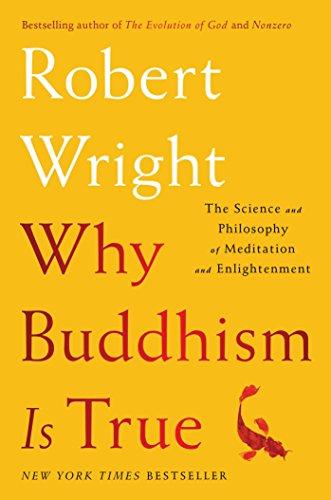
The Science and Philosophy of Meditation and Enlightenment
The book was repeatedly cited by Chris Williamson and other guests as a source of a striking quote that framed happiness as a choice between the discomfort of becoming aware of mental afflictions and the discomfort of being ruled by them. It was also referenced for clarifying a commonly mis‑attributed Buddhist saying about unsatisfactoriness and for helping the hosts understand how stress and religious‑like thinking influence well‑being. Across the episodes, the discussion highlighted its usefulness in framing human emotions and critiquing modern ideological parallels.
The quote from the book is about happiness coming from choosing between the discomfort of becoming aware of our mental afflictions and the discomfort of becoming ruled by them.
There's this really phenomenal quote I took from Robert Wright's Why Buddhism is True.
And he says, it's a quote from Ken P. Rinpoche. He says, ultimately happiness comes down to choosing between the discomfort of becoming aware of our mental afflictions and the discomfort of becoming ruled by them.
It was mentioned as a source for a quote that is often misattributed to the Buddha. The quote in question related to life being characterized by unsatisfactoriness, rather than suffering.
So this is from Robert Wright's Why Buddhism is True and in it, life is suffering is commonly quoted as coming from the Buddha, but scholars can test that the translation is actually wrong and the final word which is duke, d-u-k-k-h-a isn't translated as suffering, but unsatisfactoriness.
It was mentioned as a book that helped the podcast host frame the concept of human's predisposition to stress and how it's a challenge to maintain happiness.
That really helped. That was one of the first books that I read that kind of helped to frame it.
It was mentioned that the book contained a quote about happiness and the discomfort of becoming aware of mental afflictions versus being ruled by them.
ultimately, happiness comes down to deciding between the discomfort of becoming aware of your mental afflictions or the discomfort of becoming ruled by them.
Robert Wright's book "Why Buddhism is True" talks about religion. Sam spent a good part of his career deconstructing religion only for it to be replaced with similar religious thinking around things like identity politics.
I really enjoyed Robert Reitz book on Why Buddhism is True talking about religion you spent a good part of your career deconstructing religion only for it to then perhaps be replaced with some similar religious thinking around things like identity politics
The hosts mentioned Robert Wright's book as an example of an evolutionary psychologist who turned to mindfulness, noting its ideas about modular mind.
Robert Wright in Why Buddhism is True, evolutionary psychologist who then pivoted to do mindfulness, a lot of retreats and sort of have a take on Buddhism with an evolutionary lens.
He praised the book as a blend of evolutionary psychology and Buddhism, calling it a nice, exciting read.
Why Buddhism is True. That's a nice book. Fuck, dude. Blending evolutionary psychology with Buddhism. Awesome.
The book was praised for merging evolutionary psychology with mindfulness, and was described as a highly impactful read.
the first time i ever learned about that was in robert wright's Why Buddhism is True oh yeah he crushed with that book that was so good fuck i mean evolutionary psychology meets mindfulness for me it's like yeah
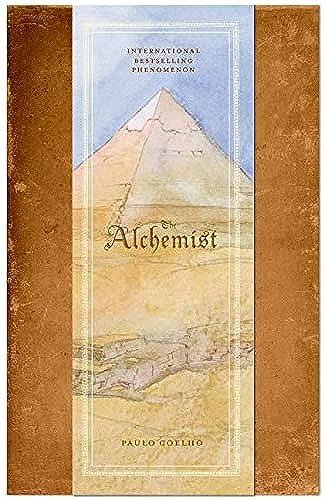
The book was repeatedly cited as a parable of cyclical journeys and personal transformation, with the host drawing parallels to geopolitical conflicts and individual life paths. MrBallen explicitly recommended it as a guide that broadened his perspective, and other guests noted its impact during moments of existential questioning. Overall, the discussion highlighted the title’s ability to inspire self‑discovery and was presented in a strongly positive light.
Mr. Ballen recommended it, as it was a book that helped him get back on his feet.
It's called 'The Alchemist,' by Paulo Coelho. It's about this young man who's basically, you know, he's got to make a big decision in his life.
When you're in the middle of something, you're in your own little bubble. The book kind of made me look at life from a wider lens.
The podcast host compared Dan Bilzerian's life journey to "The Alchemist" by Paulo Coelho, where the protagonist goes through a transformative journey to discover his true self and purpose.
It's like "The Alchemist" by Paulo Coelho where you end up going all the way back around to just stick to your words, say things that you believe are true, do hard things when you can.
The book was mentioned in the context of how stories can be encapsulated and remembered using a single word or phrase. It was said that if you've heard the story a couple of times, you remember what it is, you don't need to hear the story again. It was mentioned as an example of a parable.
The parable of the Mexican fisherman, if you've heard the story a couple of times you remember what it is, you don't need to hear the story again. You just hear the parable of the Mexican, oh yeah, of course it's the guy that over complicates his life and ends up coming back to the place where he began. The same stories you get in the alchemist by Paulo Coelho, etc. etc.
The book was mentioned in the context of the guest's experience on Love Island, and how it helped him during an existential crisis and out-of-body experience.
I just read Paulo Coelho's The Alchemist as well. He was like the first book I'd read in probably a decade.
So I was kind of in this weird out-of-body experience for a good chunk of that time where all of these things were going on and there was story lines or whatever and all I was thinking about was this guy. If anyone's not read the Alchemist by Paulo Coelho, there's this young shepherd boy going on a journey of self-discovery trying to find out who he is and that really, really spoke to me at the time.
The podcast host mentioned "The Alchemist" to illustrate the cyclical nature of the Afghanistan conflict, comparing it to the protagonist's return to his original starting point after a long journey.
It's like The Alchemist by Paolo Coelho. He could have just come back and in the yard outside of where he first started.
The Alchemist was mentioned as a favorite book that conveys intuitive meaningmaking.
I know that a book that you like is the alchemist.
The book was referenced as a metaphor for personal growth, illustrating the idea of circling back to where you started as part of the learning process.
the story of the alchemist, right?
He described it as a beautiful, easytoread fiction about Santiago's journey, calling it a trippy but meaningful story that everyone should read.
It's a really beautiful book and it's a, it's a fiction book. It's super easy to read. It's not a flex to say that you've read it, but it's kind of a bit trippy to read. It's this beautiful story about Santiago, this Spanish boy who goes on a journey and he comes back and spoiler alert. The treasure that he's looking for is in the backyard of the place that he started. And the story's takeaway is going on a journey to end up back where you began is not the same as having never left.
The New Brain Science of Contentment, Calm, and Confidence
The book was cited for its insights on cultivating happiness by training the brain, which tied into discussions about gratitude, intuition, and personal growth. It was highlighted by the host and a guest as a useful guide for marinating in positive experiences and celebrating wins, and a guest explicitly recommended it as a helpful read. Overall, the podcast presented it as a valuable resource for rewiring the mind toward contentment.
The podcast guest mentioned a book called "Hardwiring Happiness" by Rick Hanson, which focuses on training your brain for happiness.
there's a book called Hardwiring Happiness by Rick Hansen which is precisely about that
It was recommended as a good read, specifically for the concept of marinating in positive experiences and celebrating your wins as a means of rewiring your brain for happiness.
I think Hard Wiring Happiness by Rick Hansen is a really great book that it came out just a little bit before the podcast revolution, which is a shame because I think it would have really changed a lot of people.
What he basically says is that when good things happen, you should allow yourself to marinate in them as much as possible, even if it's just a small thing.
The book was cited when the host referenced Rick Hanson's ideas about cultivating happiness, showing its relevance to the conversation on gratitude and intuition.
Rick Hanson's idea from Hardwiring Happiness
James referenced Rick Hanson's book Hardwiring Happiness while discussing ideas for fostering a more compassionate world.
I'm on the board for the, given that I'm on the board, I really should know the name of it. ... He wrote Hardwiring Happiness.
The book was highlighted as a neurosciencefocused work that introduces the HEAL acronym for building positive experiences, with the speaker praising its practical framework.
Rick Hansen, who wrote Hardwiring Happiness, is 20, 25 years old. Hardcore neuroscience guy, Dharma teacher, meditation expert, life person. Fucking awesome intersection with all. And he has this wonderful acronym of HEAL. Have a positive experience. Enrich it.
The host praised Rick Hanson's book, noting it provides valuable insights on integrating neuroscience with mindfulness practices.
Rick Hanson, if you're familiar with Rick from Hardwiring Happiness, I think he's just so great. You know, he's got this unique intersection of Dharma and Buddhist mindfulness stuff, and then the hardcore science behind the neurosciencey things.
The host cited Hardwiring Happiness as a source of advice to absorb experiences and let them sink into you, emphasizing its practical technique for gratitude.
Rick Hanson in this great book called Hardwiring Happiness, he says, absorb the experience. Imagine it sinking down into you and becoming a part of you.
The host mentioned "Hardwiring Happiness" as a source of a quote about remembering what you have read and teaching it to others.
Hardwiring Happiness by Rick Hansen and I'm really starting to lean into this despite the fact that I had him on the show four years ago allowing yourself to feel gratitude and enjoyment for things well done shortly after you do them reinforces the positive pattern of encouraging you to do it again and that is not something that should be taken lightly it is really really powerful.
The book was brought up as a reference point for the pick‑up artist community’s marketing strategies and its shift toward exclusive lifestyles. Its author reflected on how the work exposed the manipulative tactics and harmful consequences of that scene, while also offering a quote about unspoken expectations turning into resentment. The hosts used the book to illustrate both the rise and the criticism of the movement.
Neil Strauss was referenced as the author of The Game while recalling a conversation about ideas and selfesteem, highlighting his influence on popular culture.
I spoke about this idea to Neil Strauss, the guy that wrote The Game and he wrote Rick Rubin's book
Neil reflected on his book "The Game" and how it was a big turning point in his journey from a pickup artist to his present self. He was asked about the impact of the book and the movement it kickstarted. He was also asked about what went wrong with the world of pickup.
I was at a point where I was looking at my life and asking, "What's the point of all this?" and a lot of the people who were involved in that world were very unhappy. The relationships that they were having were very shallow, and they weren't getting what they wanted out of life. So I wanted to write a book that would help people see the other side of that.
So I wrote "The Game" as a way to expose the tricks and techniques that these pickup artists were using to get women.
But I also wanted to show the dark side of that world. The fact that these guys were often hurting women and themselves.
I wanted to show that there was a better way. That you didn't have to be a pickup artist to find love and connection.
This book, by a pickup artist who has since transcended that, was cited as a source of a great quote regarding expectations and resentment. It was said that he would be on the show soon.
Just because we're throwing quotes at each other, one other one from last year that stopped me in my tracks from Neil Strauss, the guy that wrote The Game, who's a pickup artist dude and he's kind of now transcended that. He's actually coming on the show in a couple of weeks. He said, unspoken expectations are premeditated resentments.
The speaker cited a quote from Neil Strauss, author of "The Game", that said "Unspoken expectations are premeditated resentments."
Unspoken expectations are premeditated resentments.
The Game by Neil Strauss was mentioned in the context of the marketing tactics used in the pick-up artist world, with the book's focus on exclusive marketing being contrasted with the current emphasis on exclusive lifestyle.
The original world that we had when Neil Strauss who wrote The Game came up and did pick up what that was was exclusive marketing.
And I think that the world much of the world of men's online dating at the moment in the more sort of nihilistic black pill side is exclusive lifestyle.
James described it as a massively popular book that chronicled the pickup artist scene and how it evolved into later redpill communities.
The Game was like a huge, huge selling book and the pickup artist kind of community in the 2000, late 2000, late 2000s, early 2010s, it kind of morphs into the red pill community or kind of splits.
The Game was like a huge, huge selling book
The book was referenced when talking about the author's prominence and his role as a YouTuber.
the guy that wrote The Game
The book was highlighted as a phenomenal exploration of how people choose their status game in life and the trade‑offs involved. Hosts and guests, including Jimmy Carr and Chris Williamson, praised its fascinating insights and cited vivid examples such as a tribe that grew massive yams to signal status. The discussion emphasized the book’s relevance to understanding personal and societal competition for status.
It was described as phenomenal. It focuses on how you pick your status game in life and how you can't have everything.
I thought was phenomenal The Status Game.
It's wonderful but that thing of like going well actually you pick what status game you play in you can have anything you can't have everything.
It was recommended as a book that would be of interest due to its focus on status and how it impacts individuals and society.
Do you read Will Stor's book, The Status Game?
You'd love it. You would fall in love with it. It's absolutely fascinating.
It was referred to when discussing the concept that people will find new ways to compete for status, even if the current system is flattened, like the group in the book who grew yams to give to their enemies.
You've read Will Storsbach, The Status Game where he talks about that group that has yams. They grow the biggest yam and then they give it to their enemy.
Will Storr's book "The Status Game" talks about this tribe that grows massive yams and they have to take four men to wheelbarrow them in because they are so big. It is almost like this yam shaped middle finger that you are giving.
Will Storr who wrote that great book The Status Game you know there's this tribe somewhere that grows yams they grow massive yam these unbelievably huge yams and they have to take four men to wheelbarrow these yams in and I'm pretty sure that what you do is you give the yam to your greatest enemy or something like that and it's almost like this yam shaped middle finger that you
The book was mentioned as a work that explains how people are constantly navigating and competing for social status, influencing many aspects of life.
If you've read Will Storr's The Status Game, you've probably interviewed him at some point, his really, really good piece of work is that everyone is completely blessed with status.
The conversation referenced Will Storr's book about status dynamics, describing it as a "status game book" that the speakers admired.
It's that Will Storr thing, that status game book, which is again, I mean, it's just, he's such a genius writer. I love him.
It was referenced as another book authored by Will Storr, mentioned alongside his other works.
Will Storr, do you know him? He wrote The Science of Storytelling, The Status Game. So he was on the show yesterday, his new book, A Story is a Deal.
The host repeatedly praised the series, calling the author a legend and describing it as his favorite sci‑fi/fantasy saga. He mentioned rereading the first installment, finishing the final book, and even suggested it could be built into a franchise. The enthusiasm conveyed a strong endorsement, positioning the title as a must‑read for listeners.
It was described as a fantastic sci-fi/fantasy series set in the future, and the host had reread the first book and was about to finish the last one.
I fucking love that series so much. I went back and started again from the first one even though I haven't finished the seventh one or the sixth one whichever one it is now uh I went back and read the first one again and started it's so fantastic for the people that don't know what we're talking about Red Rising awesome sci-fi slash fantasy future novel series by Pierce Brown it's my favorite fiction series of all time
it's available at the modern wisdom reading list which you can get at chriswilliamson chriswillx.com slash books hundred books that you should read before you die all of my favorites and there's a link to this one in there and a justification for why I like it uh but I'm just about to finish the final book in the series and I can't wait to see what he does he's great
that series should come with a addiction warning label it's so fantastic
It was mentioned as Chris' favorite fiction book that he has reread multiple times, and the protagonist's name, Darrow, was discussed as a cool name.
Red Rising my favorite fiction book I must have read at least three times.
I like Red Rising and the lead protagonist in that it's called darrow I think darrow is a fucking dope name for a kid you're not having a loser if your son is called darrow like it's impossible to grow up and be called darrow and not be an absolute stud so darrow.
The host praised the series, calling Pierce Brown a legend and saying he loved the Red Rising books, mentioning he had previously DMed the author about the series.
Pierce Brown is the author of Red Rising and a fucking legend. I love the series and I'd love to bring him on at some point. I must have mentioned Red Rising on an episode, and I love the series.
The hosts suggested building a franchise around Red Rising as an example of a popular paperback series.
Why not start to build out Red Rising or The Name of the Wind or something else?
The host highlighted the Red Rising series as an addictive fiction series he recommends, noting it as amazing and part of his free 100book list.
books, book suggestions, Red Rising, which is this fiction series I've addicted everybody to and is amazing.
A dystopian scifi novel about a society divided by class that the hosts listened to as an immersive audiobook. It was highlighted as a favorite series that they keep revisiting.
The third life hack is Red Rising, the Red Rising series.
He said the series is still a mustread and not fading.
Red Rising's not going anywhere.
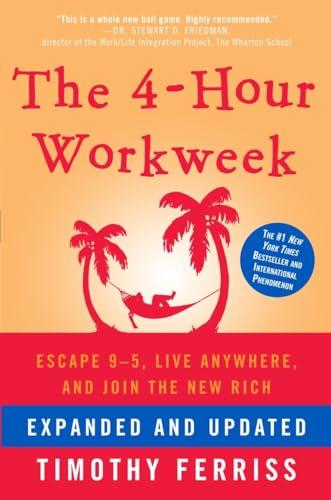
Escape 9-5, Live Anywhere, and Join the New Rich
Across six episodes, the book was highlighted as a catalyst for improving efficiency and breaking free from traditional work structures. Dan Martell credited it with prompting him to stop mail processing, Tim Ferriss called it one of his most gifted books and gave it to friends, and Rhonda Patrick noted its influence on building a health‑friendly business model. Other guests mentioned having read it or referenced its four‑factor approach. The overall tone was strongly positive, presenting it as a must‑read for anyone seeking to redesign their work life.
Tim Ferriss recommended this book as one of his most gifted books. It was inspired by the author's own desire to work less and travel more.
I gave that book to all my friends. It was a big deal for me.
It was recommended for its focus on efficiency and escaping the 9-to-5 grind.
One of the things I remember reading was The 4-Hour Workweek, and it was like, how can I hack this work stuff, like I don't have to be at the office.
It was mentioned briefly, and Tim Kennedy said he read it a long time ago.
I read that book, that 4-Hour Workweek a long time ago.
The book is mentioned as a resource for building your own business. Rhonda Patrick mentions it as a book that helped her understand that you don't have to work a traditional 9-5 job to be successful.
There was a book that really kind of helped me with that transition, which was "The 4-Hour Workweek" by Timothy Ferriss, and it talks about the idea that you can build your own business. You don't have to work a traditional 9 to 5 job to be successful, and you can set up your life in a way that is more conducive to your health and longevity.
The 4-Hour Workweek was briefly mentioned as an example of a book that follows a four-factor model, even though the speaker didn't know it at the time.
It was four-factor model based, even though I didn't know at the time, I came up with that.
Dan Martell mentioned that he was inspired by this book to stop doing mail processing, which was a time-consuming task in his early days.
I was at four hour workweek when it came out, you know, did and that's what really inspired me to stop doing the mail.
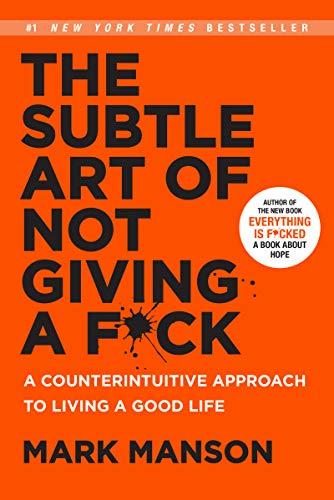
A Counterintuitive Approach to Living a Good Life
The book was highlighted across several episodes for its widespread popularity and its core message of ignoring others' judgments. Hosts referenced it as a standout work by Mark Manson that encourages readers to stop worrying about what people think, and one even called it a "really great" title. Its discussion underscored its relevance to topics like masculinity, emotional detachment, and modern dating.
The book was mentioned as an example of a book which tells readers to not mind what other people think.
And there's books out now, the Settle Art of Not Giving a Fuck and Girl, Wash Your Face. And these are all books that say don't mind what other people are saying.
It was mentioned as a great book by Mark Manson, also referencing his other book 'Models', which was discussed in relation to a study on female attraction.
I read 'Models' by Mark Manson, which is probably 10 years old now, so most people will know Mark for 'The Subtle Art of Not Giving a F*ck', really great book, but he actually wrote a, I guess we call it kind of like ethical pick-up artist history, but toward the back end of the Neil Strauss era in 2013-14.
The host noted that Mark Manson's later bestseller "The Subtle Art" followed his earlier dating book, highlighting its popularity.
Mark Manson wrote a book on dating. That was his first ever book before he did the subtle art.
Steve noted that neither he nor Mark Manson would ever write a book that outsells Manson's bestseller, noting its enduring impact.
I'm never going to write a book that does more than the subtle art.
He listed it among the great personalgrowth books, noting its impact on readers who want to stop caring about everything.
And some of the other greats, of course, Mark Manson did a marvelous job with, you know, subtle art...
He explained that his first bestseller surged so dramatically that it left him feeling lost and depressed for months after its release.
I think it succeeded so insanely highly, I honestly felt like there was no, where do I go from here? ... I spent probably half a decade with that as like my map... And then all those things are achieved and literally three to six months after the book came out, I was just completely at a loss for about six months.
That was the smash hit best selling book that blew up, and it made me depressed because the velocity of the success was so drastic that I didn't know what to do next for about six months.
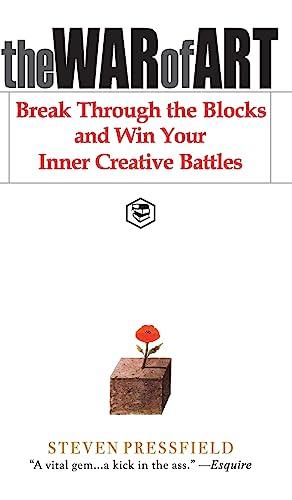
Break Through the Blocks and Win Your Inner Creative Battles
The book was repeatedly highlighted as a source of motivation for treating creative work like athletic training, encouraging listeners to 'turn pro' and adopt disciplined habits. Chris Williamson and guests referenced its ideas about the difficulty of simply sitting down to write and the notion of 'shadow careers' that divert aspiring artists. The discussions portrayed the book as a valuable guide for overcoming internal resistance and focusing on professional growth. Overall, the podcast presented it as highly recommended.
It was mentioned as a book that inspired the podcast host to think about treating his career like an athlete would train for a competition.
I'd read Steven Pressfield's The War of Art and then Turning Pro and I thought, wow, imagine what would happen if you treated the pursuit of my chosen career, which is podcasting, like an athlete.
Alex mentioned reading Stephen Pressfield's book, "War of Art", as inspiration to "turn pro" with his podcast. He was inspired to treat his work like an athlete would, dedicating himself fully to the pursuit.
I want to turn pro I read Stephen Pressfield War of Art and then I read Turning Pro I want to turn pro with the show what's that mean what would it mean if I treated this pursuit like an athlete does so an athlete they review game tape and they do mindset work and they've got a sports psychologist and they look at what they eat and they look at what they drink and they go to bed on time and they're hanging around with people that are growth minded and they're getting the right coaches and then all the rest everything is done in order to facilitate performance in the thing that they say they care about but everybody has the opportunity to do that you just need to define what the thing is I'm never going to be Patrick Mahomes right yeah I know but I managed to find my thing and then nearly kill myself in dedication toward it
The host referenced Steven Pressfield's "The War of Art" when discussing the importance of sitting down to write as a skill that must be built.
Stephen Pressfield says this in The War of Art real writers know that the difficulty isn't the writing part the difficulty is the sitting down to write part and that is it.
He said he had read the book during the pandemic and noted that a chapter from it, TurningPro, was later expanded into its own sequel.
I read it three years ago at the start of the pandemic and I actually read sorry I read The War of Art which is Steven Pressfield book and turning pro is a chapter in The War of Art which he then turned into a sequel and they're both great and you can get both of them by going to chriswillx.com books that is a list of 100 books you should read before you die and it'll explain why I like them in a little bit more detail and there's links to.
The host described Pressfield's concept of "shadow careers," noting how many aspiring actors end up in related but unsatisfying jobs.
There's a concept from Steven Pressfield's, The War of Art where he calls those shadow careers. He says the number of people that he met in LA who were failed actors or always wanted to become an actor, but ended up becoming an agent because it was tangential enough to the industry that it made them feel like they were maybe in the thing, but it wasn't the thing.
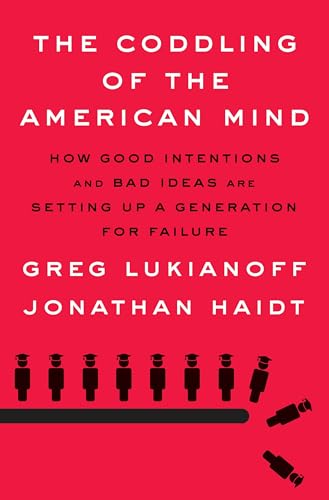
How Good Intentions and Bad Ideas Are Setting Up a Generation for Failure
The hosts repeatedly cited the title as a significant work that argued overprotective parenting and safe‑space culture were eroding resilience and fueling anxiety among young people, and that these trends also fed into cancel culture and campus free‑speech battles. Chris Williamson and guests such as Jonathan Haidt, Rikki Schlott and Jimmy Carr all presented it as an important, well‑researched contribution to the discussion. The overall tone was enthusiastic endorsement of its relevance.
The author discussed the book's focus on the overprotective parenting and overly cautious environment that is negatively impacting the mental health of young people. He referenced the book's arguments on how this coddling environment is contributing to anxiety, depression, and a lack of resilience in the younger generation.
Greg Lukianoff, one of the authors of "The Coddling of the American Mind", which is a pretty good book, a very important book.
"The Coddling of the American Mind" is this book that really talks about what you're talking about.
The book is about, it's written by a lawyer and a psychologist, they're both involved in higher education, they say that kids today are being harmed by overprotective parenting, by overly safe spaces, by the kind of "trigger warning" culture that really inhibits the development of resilience.
They argue that this overprotectiveness is leading to an increase in anxiety, depression, and an inability to cope with the difficulties of life.
And they go through these really interesting historical parallels between the way kids are being raised today and the way kids were raised in the Victorian era.
It was published a couple of years ago and discussed the canceling of the American Mind, which is a topic covered in a new book. The author said that it was interesting to see how the two are related, as a victimhood culture and overprotection of children results in a culture that is hyper concerned about dangerous speech and dangerous actions.
There's a very formative book a couple of years ago called The Coddling of the American Mind by Jonathan Height and Greg Lukyanov and Ricky and Greg have worked on this, which is the canceling of the American Mind, which is their new book.
And it's interesting to see kind of how the two are related and how a victimhood culture and an over a degree of cuddling for children results in a society and a culture which is hyper concerned about dangerous speech, dangerous actions.
And it's very interesting, especially when they've dug into the data and actually looked at this from a statistical standpoint too.
And my co author um his previous book is The Coddling of the American Mind which um concentrated quite a lot on parenting and its impact on politics and Gen Z um and so we think that there's a lot about leading by example as a parent and raising kids who will not be cancelers and understand their own vulnerability as well as the vulnerability of their friends um and I I do find a tremendous amount of hope in the fact that young people are so put off by cancel culture that if they were just given the positive restorative framework to fight back against it and um kind of a social pact that would be mutually protective that there's there's some hope they're going forward um we also think that divesting away from the elite university system just being the only way that people end up in in positions of power in society is a healthy thing um and that people who were hiring should consider kids coming from large state schools and kids from different backgrounds are people who didn't finish college or people who went down a different path in that we shouldn't just have this funnel of kids coming from consistently the most elite schools or the schools but the worst attitudes towards free speech which I think it's no surprise that we're seeing uh absolute chaos erupting on campuses like Harvard right now because if you abdicate free speech and you suppress students and send bad ideas underground for decades on end all of a sudden in a moment of cultural unrest they're going to explode and that's precisely what we're seeing right now um and so we believe that you know opening our minds to alternative education systems and not allowing these schools that seem to breed cancel culture and cancillers to you know take the reins of society consistently with every graduating class that's a positive um and also even people who are running corporations uh can I think take one note out of Netflix's book after the jade de chappelle controversy where they said you know if you can't tolerate the fact that we are going to publish viewpoint set you disagree with as as a platform for ideas and expression then you can leave um I think that's that was a remarkably unique and brave stance to take and actually coin based did that um a while ago their CEO Brian Armstrong was like we're just not going to make any institutional statements and if that's a problem for you you can go and like 10% of their employee base did actually go but like that's not the 10% of people that you want to work for you so I think um on the the level of corporations we can um I think there are a lot of we hear frequently Greg and I both from corporate leaders who are terrified of their like 23 year old hires and that's just such a bizarre power imbalance and it's very fixable if you just create a free speech culture from the get go but I also think weirdly um after october 7th there's a lot of people rediscovering the importance of institutional neutrality and of free speech and free expression and you know it's I think it's a really revealing moment for schools to suddenly say oh you know we had a statement about Kyle written house is acquittal and BLM and all these completely irrelevant things to the interworking of a university but we can't make a statement on this of course I think it's it's shocking that this is the moment that they've finally discovered that institutions are full of people with viewpoints and do not have viewpoints themselves but maybe there's a silver lining that this moment of just absolute chaos in an institutions free speech was not valued for so long where they're suddenly hiding behind the valence of free speech like maybe this is where we actually buy in and we realize that we're all vulnerable in a world where a liberalism is allowed to rein supreme
It was discussed in relation to the concept of safety culture and protectionism strategies, particularly on college campuses in the United States and possibly the UK, with the argument that it stuns development and emotional management.
It's like treating adults like infants, incapable infants who couldn't cope with a different opinion and if they have the misfortune of coming into contact with an opinion that makes them uncomfortable then they need a safe space with puppies and coloring books.
But this to me sounds a lot like the concern over protectionism strategies, especially on college campuses, especially in liberal arts colleges and stuff around America and maybe creeping into the UK as well.
He was described as someone big into anti-social media and concerned about what it's doing to young girls. It was mentioned in the context of him writing his next book publicly chapter-by-chapter.
That's right yeah that's a great book yeah fantastic and then he wrote this uh great essay for the washington post I think called the tower of babel and it's kind of a development on from where he was coddling of the american mind he's sort of big into this anti social media thing he's concerned about what it's doing to especially young girls sense of self and anxiety and so on and so forth however what he's doing on his maybe sub stack maybe something else he's writing the book chapter by chapter publishing it maybe just to paying members or maybe for free to everybody what they're just getting feedback on getting feedback and iterating so he will have released every single chapter of his books first draft for largely free over the space of a euro 18 months great idea
The host praised the book, saying they loved it and found it to be an excellent read.
I love Coddling of the American Mind, too.
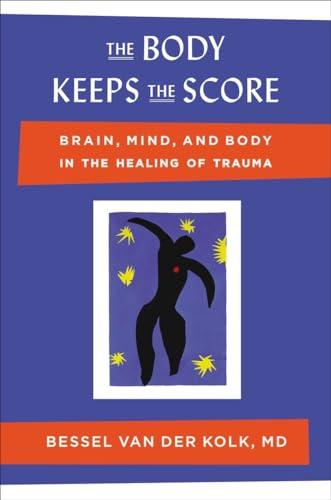
Brain, Mind, and Body in the Healing of Trauma
The hosts praised the book as a groundbreaking, highly influential work on trauma that reshaped discussions and reached millions of readers. Chris noted that its title sometimes led to misunderstandings, but both he and the author emphasized its holistic, non‑medication approach and its impact on how people perceive and recover from trauma. It was also referenced in a conversation about bullying’s effect on the body, underscoring its relevance.
The Body Keeps the Score was mentioned as a very influential book that "broke the internet". The author is a psychiatrist and researcher who has a more holistic approach to trauma recovery than traditional medication.
The Body Keeps the Score. This book absolutely broke the internet and there's so much to take away from today.
It is interesting indeed that it's so obvious and I actually have gotten, my bookstores sold 5 million copies. I've hardly had any blowback of people who say that I'm getting it wrong. I mean, it's really obvious but we come from a world of medicine where we try to define things very carefully.
I'm just writing a new book, finished last chapter for a new book and I started with a quote from Marcel Proust, in order to change, you need to see the world with new eyes.
So at the end, if you really want to recover from trauma, you need to, we need to help people to change their perceptions of the world. We're not gonna change the world out there, but we're going to change what they see and how they experience themselves and the people around them.
You mentioned that you tried every modality that you put in The Body Keeps the Score. Which is the one that you have found to be either most impactful or the one that you keep coming back to most regularly?
It was mentioned that the title of this book may have done it a disservice as some people did not read it but made assumptions about what it was about.
I think Bessel van der Kolk's really great book, the title I think probably did a lot of disservice and confused a lot of people who never read it and made assumptions about what was in the book.
The guest referenced the book while discussing implicit memory and how sensations are stored in the body.
I talk about implicit memory. I talk about sensations. Think The Body Keeps the Score.
The host referenced Bessel van der Kolk's book while explaining how the brain and body store emotional trauma, noting that more information travels from the body to the brain than viceversa.
the work of Bessel van der Kalk from The Body Keeps the Score.
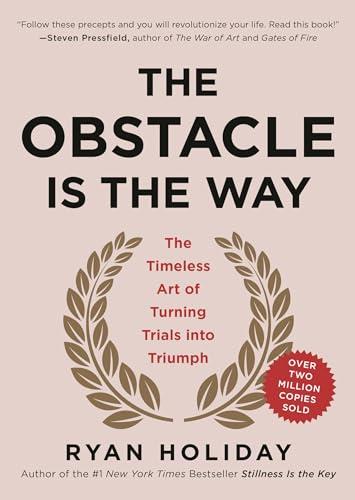
The Timeless Art of Turning Trials into Triumph
The book was recommended as part of a recovery stack for a ruptured Achilles and was highlighted by Tim Ferriss as his favorite that he rereads each year. Dr. K cited its core lesson of reframing obstacles as opportunities for growth, and Rich Roll noted that listeners had enjoyed it and that another title followed its spirit. Across the episodes, the discussion was uniformly positive.
Tim Ferriss highlighted this book as one of his favorite books, highlighting that he reads and re-reads it frequently.
I re-read this book, this is my favorite book probably in the world. The Obstacle Is the Way is a book I read at least once a year.
Dr. K referenced this book in the context of mental strength and overcoming obstacles. He mentioned its key message of re-framing challenges as opportunities for growth.
Ryan Holiday wrote a book called 'The Obstacle Is the Way' about this. So many people see obstacles, and they're like 'Oh, this is terrible.' But you know what? They're not terrible. Obstacles are opportunities for growth.
The book was recommended to the person who had a ruptured Achilles, as a part of a three-book stack together with 'Art of Resilience' and a documentary about Andy Murray's hip replacement, to aid in recovery.
Obstacle is the Way by Ryan Holiday, Art of Resilience by yourself on Audible.
He advised listening to Obstacle Is the Way as part of a recovery plan, recommending it alongside Art of Resilience for building resilience.
Read Art of Resilience by Ross Edgley, Obstacle is the Way by Ryan Holiday and watch the documentary resurfaced with Andy Murray.
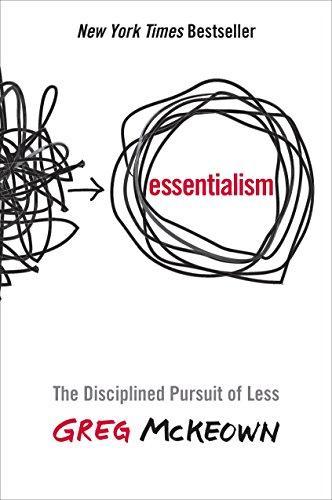
The Disciplined Pursuit of Less
The book was repeatedly highlighted as a major influence on guests and hosts for learning to focus on fewer, higher‑impact activities. It was praised as a formative work that earned a spot in multiple top‑five reading lists and was described as increasingly useful over the past decade. Overall, the podcast presented it as essential reading for anyone looking to prioritize the vital few over the trivial many.
It was recommended as one of the top five books in Chris' reading list and was discussed in relation to prioritizing and focusing on the vital few.
If you've downloaded my reading list you'll see that one of the top five books is Essentialism by greg mcqueen and being an essentialist i.e focusing on the vital few not the trivial many doing less but better is easy when you have fewer things available for you to do than time to do them in because you can say yes to everything and still feel like you've got spare time.
Essentialism by Greg McKeown I must have read at least twice or three times.
The guest explained that the book "Essentialism" had a major impact on his approach to focusing on fewer, higherimpact activities.
Essentialism by Greg McKeown was a huge influence on me.
The host praised Essentialism as a formative and increasingly useful book over the past decade, noting it stayed in his topfive reading list and helped address the problem of overcommitment.
Essentialism was superbly formative for me. If you've downloaded the Modern Wisdom reading list, you will know it's in the top five.
It's just so great, and it's become more useful over the last ten years since he released it.
It's a wonderful redress to a lot of the problems that those of us that like to try and achieve things face.
He mentioned reading the book as a guide to focusing on the most important tasks and eliminating the nonessential.
Greg McHugh, an author of Essentialism, was on the speaking circuit's 10th year anniversary of Essentialism next month.
He noted the book is a staple that isn't going anywhere.
Essentialism by Greg McKeown's not going anywhere.
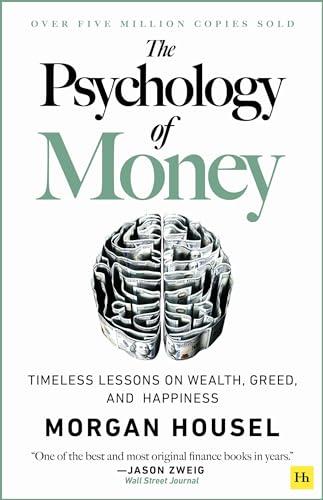
Timeless lessons on wealth, greed, and happiness
The book was highlighted as a leading personal‑finance title and was praised for its timeless insights into how people relate to money and goals. Host Morgan Housel and guest Chris Williamson both referenced its growing popularity and cited specific lessons, such as stopping the moving of goalposts, describing it as a standout work in the field.
It was previously discussed by the podcast host, and was mentioned as a book that is growing in popularity. The host mentioned he's concerned that his future books won't be as popular.
Your first book Psychology of Money was a beast and this next one is absolutely phenomenal.
I think about a lot and that was one of the points of talking to that author who I was speaking with because I know this is going to be my situation how do you prepare mentally when I hope to write many books in my career and I would bet very good money that the first book I wrote will by an order of magnitude be the biggest seller.
it's kind of a hard thing like when I'm 66 how am I going to feel knowing that I peaked at age 36 when psychology money came out it's probably not going to feel that great to be honest of all the problems to have it's not a bad one
I wrote about this in The Psychology of Money
There was another story that I wrote about in The Psychology of Money that I thought was just so ridiculous when I read it.
Morgan Housel's book "The Psychology of Money" was mentioned, specifically a quote from the book stating that the best way to win the game is to stop moving the goalposts. The book discusses the concept of how most people treat their relationship with their goals like the horizon, which gets further away with every step taken towards it.
There's a Morgan House will quote where he says the best way to win the game is to stop moving the goalposts.
And he's wrote this great book called The Psychology of Money.
And it's true that most people treat their goals. Their relationship to their goals is like the horizon that for every step toward it they get. Right. It then moves one step further away.
It was listed alongside other popular personalfinance titles during the discussion.
Atomic Habits by James Clear, Morgan Housel, The Psychology of Money. I've spoken to each of these guys individually.
Steve said he would never write a book that surpasses Housel's "The Psychology of Money" in influence or sales.
I'm never going to write a book that does more than The Psychology of Money.
It was praised as an outstanding book that makes a dry topic engaging through stories.
Morgan Housel's The Psychology of Money. What a book. Just outstanding.
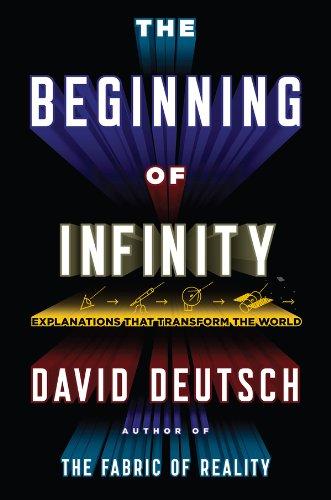
Explanations That Transform the World
The book was brought up across several episodes as a dense, intellectually demanding work that illustrates how ideas evolve and challenges listeners to think about humanity's long‑term future. It was cited by a host as a tough read for relaxation, described as dry enough to need AI assistance, used as an example of generational idea turnover, and praised by a guest who was blown away by its vision of humanity as just the first hundred billion among trillions to come. The discussion highlighted both its difficulty and its inspiring scope.
The speaker found the book quite dry and used ChatGPT to help him understand the key concepts. He suggests using the AI tool to break down complex topics by requesting explanations like a smart 10-year-old.
David doitch's book The Beginning of Infinity
He was blown away by the book and its idea that maybe humanity is only the first hundred billion people to live and trillions could live in the future.
I read David Deutsches The Beginning of Infinity and was just blown away by what if we're the first hundred billion people that's how many people have lived right yeah a hundred billion I'm including us in that and it could be trillions in the future
The book was mentioned as an example of a challenging read that, while potentially enjoyable for some, could be too mentally stimulating to be considered relaxing for recovery.
If you're trying to read beginning of infinity by fucking David Deutsch, you got a fucking yeah, exactly.
A physics book exploring the limitless potential of knowledge and scientific progress, mentioned as material the host was reading with ChatGPT.
I was reading David Deutsch's The Beginning of Infinity with chat GPT.
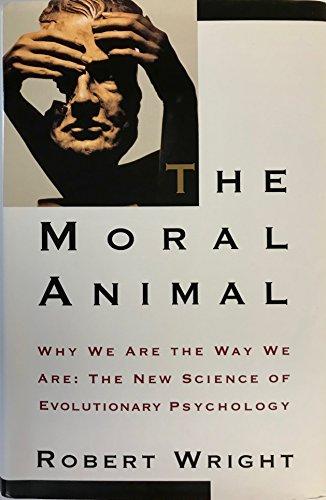
Why We Are The Way We Are
The book was highlighted as a foundational introduction to evolutionary psychology, with one guest noting it sparked his interest and remained a great read decades after publication. It was also recommended as a solid starting point for understanding sex differences, and the host described it as his coming‑of‑age "red pill" that still largely holds up after nearly thirty years.
It was recommended as a good starting point for understanding sex differences and evolutionary psychology, along with a few other titles.
the ape who understood the universe by steve stewart uh The Moral Animal by robert wright the happiness hypothesis by jonathan height um richard reeves of boys and men uh billy no mates another good book
It was mentioned as the podcast host's coming of age read on evolutionary psychology, and he noted it's still relevant even after nearly 30 years.
My coming of age red pill was The Moral Animal. Robert Wright's first one. I mean, what's that? 91, 92, 93. That book probably.
Well, dude, nearly 30 years and it still holds up. It's still read. There's some stuff that's like less so, but largely it's phenomenal.
Coyne recalled reading Wright's 1993 book years ago, calling it still fantastic and influential for understanding human behavior.
I got into evolutionary theory through Robert Wright's book from 1993? 1993? 1993? 1992? The Moral Animal. ... that book is still fucking fantastic. I love it.
The speaker recalled reading it years ago, noting that despite a small replication crisis the book remains compelling and was a favorite that introduced him to evolutionary psychology.
The Moral Animal from 1991 or 1992 or something. It's still, there's some of the stuff, a little replication crisis, but most of it's shit hot. And I loved it.
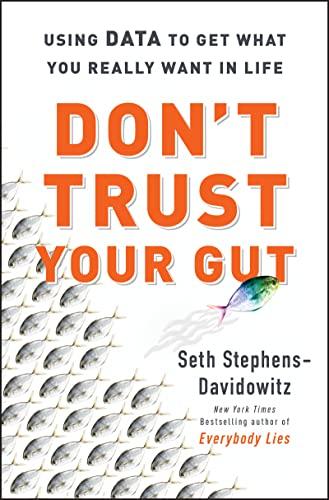
Using Data to Get What You Really Want in Life
The hosts repeatedly highlighted the book as a data‑driven follow‑up to the author’s earlier work, noting its insights into attraction, earnings, and even early COVID‑19 outbreak predictions. It was recommended as a useful resource for understanding relationship dynamics and was even offered to be emailed to a co‑host. Overall, the podcast treated it as a valuable, highly recommended read.
He noted that the book explained how men are biologically wired to find other women attractive, indicating it is a normal brain response rather than a sign of relationship problems.
Who was the dude that did Don't Trust Your Gut and Everybody Lies? Seth Stevens-Davidowitz, Don't Trust Your Gut. Wonderful book.
The book was mentioned alongside Everybody Lies as another title by Seth StephensDavidowitz discussed by the host.
I had a Seth StephensDavidowitz on the show who wrote Everybody Lies and Don't Trust Your Gut.
The newer book was described as a followup to Everybody Lies and was strongly recommended.
Don't Trust Your Gut is the new one.
The hosts cited the book as evidence that Google search data had been used to forecast COVID19 outbreaks several days before official reports, and also referenced its claim that earnings can influence perceived attractiveness.
Another stat, which I picked up last year from Seth Stevens Davidowitz's book, Don't Trust Your Gut is a man who works in hospitality and earns $300,000 a year is the same level of attractiveness as a firefighter or a lawyer that earned $60,000 a year.
If you're wanting to read more, Seth, the guy that wrote Don't Trust Your Gut, during COVID, during the first wave of COVID, he was able, using aggregated Google search data, to predict where outbreaks were going to occur three to five days before they did with greater accuracy than the CDC.
Waldinger mentioned the datascience book as a recent favorite that examines predictors of longterm relationship success, and later said he would email a copy to the host. It was highlighted as a useful resource for understanding relationship dynamics.
The other data science book that I got really interested in over the last year was Don't Trust Your Gut by Seth Stevens-Davidowitz.
I will send it over on email afterward, that book, Don't Trust Your Gut by Seth.
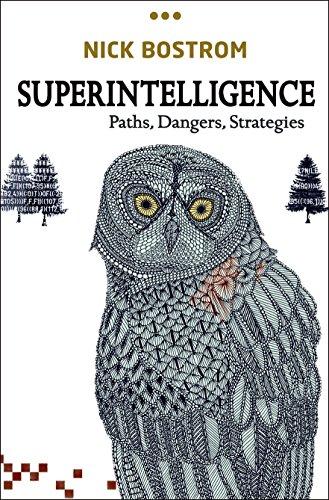
Paths, Dangers, Strategies
The book was highlighted as a seminal work that sparked the modern AI risk and alignment conversation, with Chris Williamson noting it as a formative and apocalyptic yet fascinating read. He and guest Nick Bostrom discussed how it frames the dangers of getting artificial intelligence wrong and the challenges of ensuring super‑intelligent systems align with human intentions. The episode hosts treated it as essential background for understanding AI futures.
It was published in 2014 and sparked the conversation about AI risk and alignment. The book focuses on the challenge of ensuring AI systems, especially super-intelligences, are aligned with the intentions of their creators, preventing them from acting against humans.
You may have heard me talk about Nick for quite a while, his book Superintelligence which came out 10 years ago in 2014 was super formative.
It basically kicked off the entire AI risk and alignment discussion, and now he's come back with a book that works out what happens if we get it right.
And it's still kind of apocalyptic actually, to be honest.
It's fascinating, it's so interesting, the question of what happens if things go well and what are the weird externalities that we face as a byproduct of that.
Back when Superintelligence came out, this was a very neglected area.
It discusses what could happen if we get AI wrong.
So Superintelligence was basically what happens if we get it wrong.
This book was mentioned as being relevant to discussions about Artificial General Intelligence, published about a decade prior to the podcast recording.
I remember reading Nick Bostrom's Superintelligence, what, a decade ago? I think that came out. Maybe, yeah, let's call it 10 years ago, something like that.
Dwarkesh recalled reading the book as his first introduction to AI risk discussions, highlighting its influence on his thinking about the future of AI.
I think my first introduction to this was probably 2016 or 17 when I read super intelligence by Nick Bostrom.
Note: The book recommendations on this page are discovered automatically from podcast transcripts, and may be incorrect or incomplete.
Podcast Name