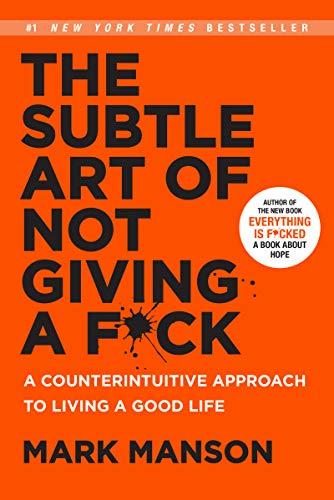
The hosts discussed the 220page selfhelp book, how it was being adapted into a documentary, its unconventional style that breaks readers' expectations, and Mark's experience pitching the manuscript to publishers.
"
So, I mean, the book is about 220 pages, and the first, you know, if you're going to turn a book into a movie, the first question is, okay, just to read this book out loud, it's probably about six hours to get through the whole thing. And we got to get that down to, like, 90 minutes, maybe 100 minutes at most. So we immediately have to cut out, like, 70% to 80% of this and figure out what are we going to keep.
In a movie, people need a person to sympathize with and to relate to. And so he was the one who was like, we need to put you front and center and make your story kind of the central focus of the film. Because in the book, it's like I use my own stories as a way to as examples for the concepts I'm talking about. Whereas in the movie, it's kind of the other way around.
And I think one of the reasons why people like the book so much is that it broke convention a lot. Like for decades, people, if you bought a selfhelp book, you kind of knew exactly what you were going to get. It was a lot of feelgood, fluffy, nice stories about success and happiness, and then three steps to achieve this. The book intentionally messed with people's expectations, was irreverent, funny, and mixed difficult stories with light ones.
When I was originally pitching Subtle Art to a bunch of different publishers back in 2015, I went to HarperCollins and met with my editor, Luke Dempsey. He put the manuscript on the table and said, I'm a cancer survivor. It's the best thing that ever happened to me. I'm going to publish your book. I don't care what it takes.
If you haven't read the book, I highly suggest watching the movie.