Transcend
Scott Barry Kaufman
Mentioned 5 months ago
#1062 - Dave Evans - It’s time to rethink your entire life plan

Life is hard. This podcast will help. Lessons from the greatest thinkers on the planet with Chris Williamson. Including guests like David Goggins, Dr Jordan Peterson, Naval Ravikant, Sam Harris, Jocko Willink, Dr Andrew Huberman, Dr Julie Smith, Steven Bartlett, Ryan Holiday, Robert Greene, Matthew...
Recently mentioned
Scott Barry Kaufman
Mentioned 5 months ago
#1062 - Dave Evans - It’s time to rethink your entire life plan
Bill Burnett
Mentioned 5 months ago
#1062 - Dave Evans - It’s time to rethink your entire life plan
William Bridges
Mentioned 5 months ago
#1062 - Dave Evans - It’s time to rethink your entire life plan
James J. Sexton
Mentioned 5 months ago
#1059 - James Sexton - Divorce Lawyer: “Give her a prenup on the 3rd date”
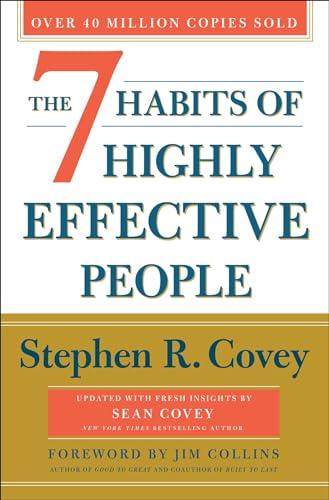
Stephen R. Covey
Mentioned 5 months ago
#1059 - James Sexton - Divorce Lawyer: “Give her a prenup on the 3rd date”
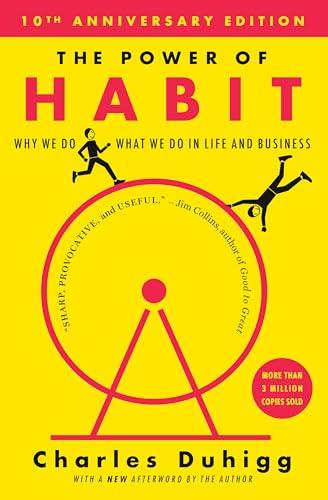
Charles Duhigg
Mentioned 5 months ago
#1059 - James Sexton - Divorce Lawyer: “Give her a prenup on the 3rd date”
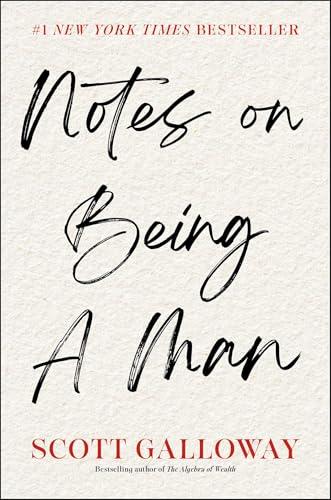
Scott Galloway
Mentioned 5 months ago
#1059 - James Sexton - Divorce Lawyer: “Give her a prenup on the 3rd date”
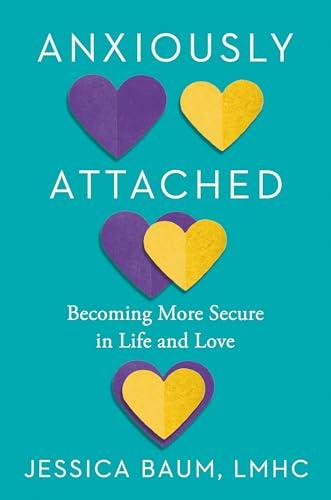
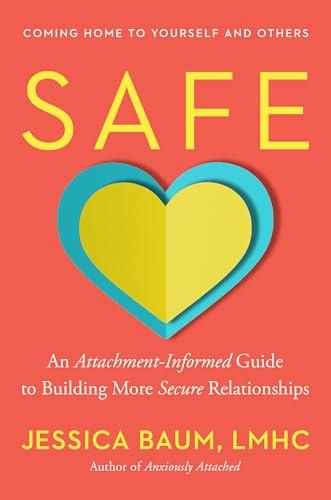
Jessica Baum LMHC
Mentioned 5 months ago
#1057 - Matthew Hussey - How to Know When to Leave a Relationship
Jessica Baum LMHC
Mentioned 5 months ago
#1057 - Matthew Hussey - How to Know When to Leave a Relationship
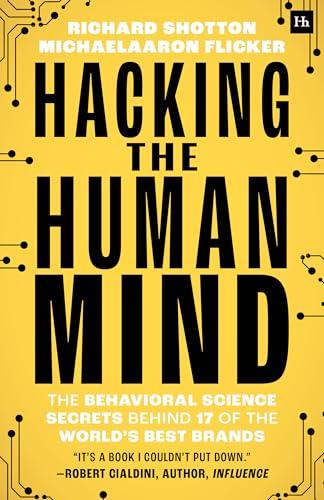
Richard Shotton
Mentioned 5 months ago
#1053 - Richard Shotton - 11 Psychology Tricks From the World’s Best Brands
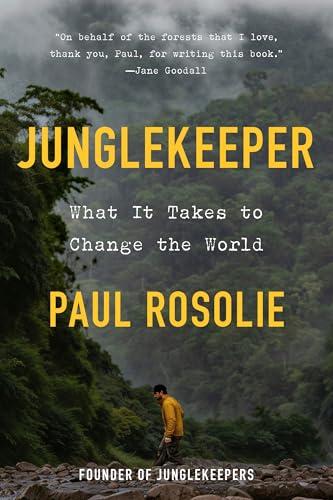
Paul Rosolie
Mentioned 5 months ago
#1052 - Paul Rosolie - Uncontacted Tribes, Jungle Warfare & Being Eaten Alive
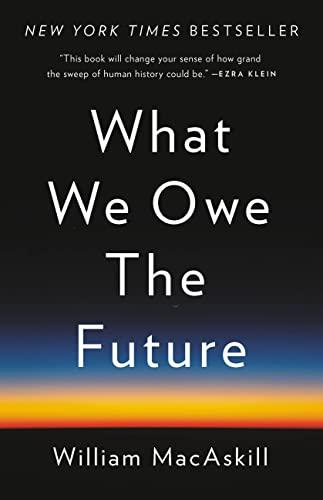
William MacAskill
Mentioned 5 months ago
#1052 - Paul Rosolie - Uncontacted Tribes, Jungle Warfare & Being Eaten Alive
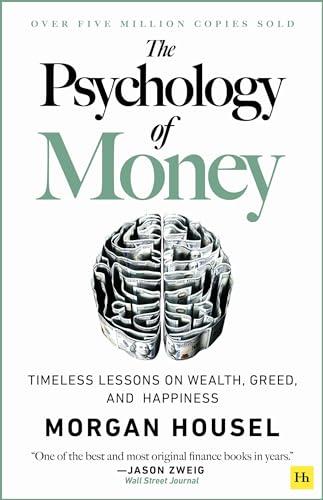
Timeless lessons on wealth, greed, and happiness
The book was highlighted as a leading personal‑finance title and was praised for its timeless insights into how people relate to money and goals. Host Morgan Housel and guest Chris Williamson both referenced its growing popularity and cited specific lessons, such as stopping the moving of goalposts, describing it as a standout work in the field.
It was previously discussed by the podcast host, and was mentioned as a book that is growing in popularity. The host mentioned he's concerned that his future books won't be as popular.
Your first book Psychology of Money was a beast and this next one is absolutely phenomenal.
I think about a lot and that was one of the points of talking to that author who I was speaking with because I know this is going to be my situation how do you prepare mentally when I hope to write many books in my career and I would bet very good money that the first book I wrote will by an order of magnitude be the biggest seller.
it's kind of a hard thing like when I'm 66 how am I going to feel knowing that I peaked at age 36 when psychology money came out it's probably not going to feel that great to be honest of all the problems to have it's not a bad one
I wrote about this in The Psychology of Money
There was another story that I wrote about in The Psychology of Money that I thought was just so ridiculous when I read it.
Morgan Housel's book "The Psychology of Money" was mentioned, specifically a quote from the book stating that the best way to win the game is to stop moving the goalposts. The book discusses the concept of how most people treat their relationship with their goals like the horizon, which gets further away with every step taken towards it.
There's a Morgan House will quote where he says the best way to win the game is to stop moving the goalposts.
And he's wrote this great book called The Psychology of Money.
And it's true that most people treat their goals. Their relationship to their goals is like the horizon that for every step toward it they get. Right. It then moves one step further away.
It was listed alongside other popular personalfinance titles during the discussion.
Atomic Habits by James Clear, Morgan Housel, The Psychology of Money. I've spoken to each of these guys individually.
Steve said he would never write a book that surpasses Housel's "The Psychology of Money" in influence or sales.
I'm never going to write a book that does more than The Psychology of Money.
It was praised as an outstanding book that makes a dry topic engaging through stories.
Morgan Housel's The Psychology of Money. What a book. Just outstanding.
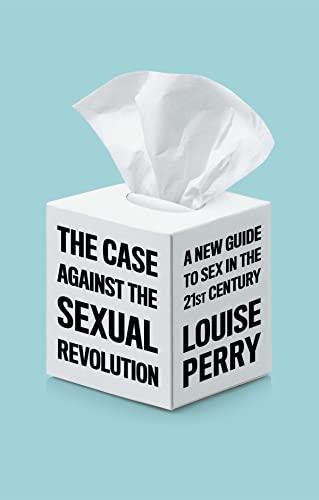
It was mentioned as a book that helped Bridget Phetasy frame her own experiences and regrets regarding her past promiscuity.
when Louise Perry wrote her book about the the case against sexual revolution it really put a frame around what I'd been trying to express
— Episode: #820 - Bridget Phetasy - “Sleep Your Way...
It was mentioned as a book that helped Bridget Phetasy frame her own experiences and regrets regarding her past promiscuity.
when Louise Perry wrote her book about the the case against sexual revolution it really put a frame around what I'd been trying to express
The podcast guest recommended that the host invite "Louise Perry" to be on his podcast because she wrote the book "The Case Against the Sexual Revolution".
one person you need to get on your podcast is Louise Perry so she wrote The Case Against the Sexual Revolution
Louise Perry mentioned that she authored a book titled The Case Against the Sexual Revolution, in which she critiques the sexual revolution and pornography.
I wrote a book called The Case Against the Sexual Revolution. I'm generally critical of the sexual revolution and porn.
It was identified as the book Louise Perry authored, mentioned as an amazing work addressing the sexual revolution.
Louise Perry wrote this amazing book called The Case Against the Sexual Revolution.
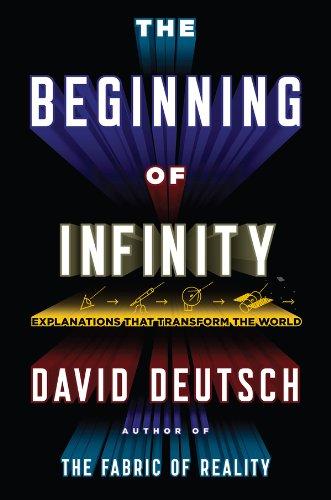
Explanations That Transform the World
The book was brought up across several episodes as a dense, intellectually demanding work that illustrates how ideas evolve and challenges listeners to think about humanity's long‑term future. It was cited by a host as a tough read for relaxation, described as dry enough to need AI assistance, used as an example of generational idea turnover, and praised by a guest who was blown away by its vision of humanity as just the first hundred billion among trillions to come. The discussion highlighted both its difficulty and its inspiring scope.
The speaker found the book quite dry and used ChatGPT to help him understand the key concepts. He suggests using the AI tool to break down complex topics by requesting explanations like a smart 10-year-old.
David doitch's book The Beginning of Infinity
He was blown away by the book and its idea that maybe humanity is only the first hundred billion people to live and trillions could live in the future.
I read David Deutsches The Beginning of Infinity and was just blown away by what if we're the first hundred billion people that's how many people have lived right yeah a hundred billion I'm including us in that and it could be trillions in the future
The book was mentioned as an example of a challenging read that, while potentially enjoyable for some, could be too mentally stimulating to be considered relaxing for recovery.
If you're trying to read beginning of infinity by fucking David Deutsch, you got a fucking yeah, exactly.
A physics book exploring the limitless potential of knowledge and scientific progress, mentioned as material the host was reading with ChatGPT.
I was reading David Deutsch's The Beginning of Infinity with chat GPT.
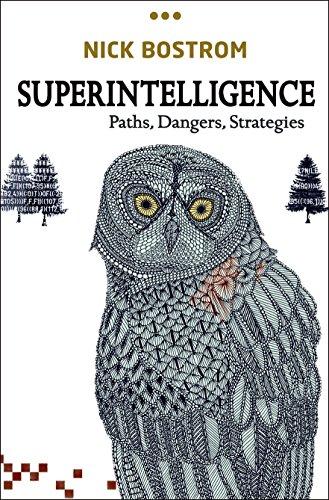
Paths, Dangers, Strategies
The book was highlighted as a seminal work that sparked the modern AI risk and alignment conversation, with Chris Williamson noting it as a formative and apocalyptic yet fascinating read. He and guest Nick Bostrom discussed how it frames the dangers of getting artificial intelligence wrong and the challenges of ensuring super‑intelligent systems align with human intentions. The episode hosts treated it as essential background for understanding AI futures.
It was published in 2014 and sparked the conversation about AI risk and alignment. The book focuses on the challenge of ensuring AI systems, especially super-intelligences, are aligned with the intentions of their creators, preventing them from acting against humans.
You may have heard me talk about Nick for quite a while, his book Superintelligence which came out 10 years ago in 2014 was super formative.
It basically kicked off the entire AI risk and alignment discussion, and now he's come back with a book that works out what happens if we get it right.
And it's still kind of apocalyptic actually, to be honest.
It's fascinating, it's so interesting, the question of what happens if things go well and what are the weird externalities that we face as a byproduct of that.
Back when Superintelligence came out, this was a very neglected area.
It discusses what could happen if we get AI wrong.
So Superintelligence was basically what happens if we get it wrong.
This book was mentioned as being relevant to discussions about Artificial General Intelligence, published about a decade prior to the podcast recording.
I remember reading Nick Bostrom's Superintelligence, what, a decade ago? I think that came out. Maybe, yeah, let's call it 10 years ago, something like that.
Dwarkesh recalled reading the book as his first introduction to AI risk discussions, highlighting its influence on his thinking about the future of AI.
I think my first introduction to this was probably 2016 or 17 when I read super intelligence by Nick Bostrom.
![Sapiens [Tenth Anniversary Edition]: A Brief History of Humankind Cover](https://media.podcastbookpicks.com/books/563.jpg)
A Brief History of Humankind
Ferriss highlighted how this book broadened his perspective on human history and the evolution of our species.
This book really changed my understanding of human history and where we came from.
— Episode: #780 - Tim Ferriss - The Lessons, Hacks...
Ferriss highlighted how this book broadened his perspective on human history and the evolution of our species.
This book really changed my understanding of human history and where we came from.
It was mentioned during the podcast and discussed as a book where the author talks about how wars will be fought in the future.
I think it was you, Veal Harari in Sapiens, where or no maybe it was Homo Deus, where he talks about how in the future the wars will be fought within intersubjective reality, within the reality of story, within the reality of narrative.
Dan Jones referred to the Sapiens series by Yuval Noah Harari as a hugely popular bestselling book.
Yuval No Harari Sapiens series
The host noted that Sapiens explained why massive inequality only became possible after about 15,000 years ago, when surplus resources allowed it.
That's one of the main things that I learned from Sapiens, right, by Yuval Noah Harari, about the fact that up until whatever, 15,000 years ago, there's no opportunity for people to have massive amounts of inequality because there's nowhere near enough surplus resources.
This book by Matthew Hussie, a dating coach, was described as a personal development book disguised as a dating book. He wrote about self-compassion and how people struggle to believe that they're worthy of moments of joy and peace without first putting themselves through a brutal schedule and monitoring their productivity levels.
He has this it's his new book is really really great it's basically a personal development book masquerading his dating book, he's got this line about self-compassion which I'm going to read to you.
— Episode: #772 - Oliver Burkeman - Why Our Obsessi...
This book by Matthew Hussie, a dating coach, was described as a personal development book disguised as a dating book. He wrote about self-compassion and how people struggle to believe that they're worthy of moments of joy and peace without first putting themselves through a brutal schedule and monitoring their productivity levels.
He has this it's his new book is really really great it's basically a personal development book masquerading his dating book, he's got this line about self-compassion which I'm going to read to you.
I struggle to believe I'm worthy of moments of joy and peace without first putting myself through a brutal schedule, monitoring my productivity levels down to the minute, perhaps some people apply this earn your cookie mindset in ways that lead to healthy achievements not me, mine is a mutation whereby joy and self-compassion are regularly outlawed by an internal tyrant who decides when I've been flogged enough for one day just when I'm about to collapse a voice inside says okay give him half an hour of peace before bed, but make sure he knows we'll start again bright and early in the morning.
The speakers discussed how the Bible is frequently banned, illustrating the inconsistency of book removal policies.
The Bible is a very banned book.
The hosts repeatedly emphasized reading the Bible as essential to their faith journey, noting it healed their minds and guided their lives.
She showed me the Bible and she spoon fed it to me every day.
I would go pick up a Bible and I would open it and I would give my life to Jesus if I were you because that's where you'll find everything.
The hosts referred to the Bible as the bestselling book of all time and cited the story of Adam and Eve as an early example of emotion dysregulation.
the bestselling book of all time, the Bible, one of the most famous stories in that book, story of Adam and Eve.
The book was highlighted as Mary Harrington's most recent work, offering a critical perspective on contemporary feminism and the erosion of chivalrous norms that affect women in lower socioeconomic groups. Hosts praised the writing as great and expressed enthusiasm for the insights it provided, noting its relevance to ongoing cultural discussions.
He praised her book "Feminism Against Progress", calling it great and saying he loved her writing.
Mary is so fun. I love her writing, her book Feminism against Progress was really great and she's part of the based British women squad along with Louise Perry and Nina power and stuff.
It was suggested that Mary Harrington's book offers insights into the decline of chivalrous norms and how it negatively impacts women from lower socioeconomic backgrounds.
did you read mary harrington's Feminism against Progress
Mary mentioned this as her most recent book, suggesting it offers a critical perspective on contemporary feminism.
My last book was Feminism against Progress.
Mary Harrington described finishing the manuscript of her own book, noting it explored the history of feminism and argued that modern feminism had not delivered true progress.
this is all what led me to writing the book, which I've just finished writing, Feminism against Progress.
Feminism against Progress will be linked in the show notes below. Go and get that on Amazon right now.
A Science of Life without Free Will
The book was highlighted across several episodes as Robert Sapolsky's forthcoming work that argues humans lack free will and explores the consequences for happiness and behavior. It was introduced by Sapolsky himself, noted by guests Jimmy Carr and Gad Saad as an upcoming topic for discussion, and briefly referenced by Erik Hoel who expressed disagreement with its premise. The podcast's tone was mainly curious and interested, treating the title as a notable upcoming release.
It is a book that argues against the existence of free will and explores the implications of this belief on how humans live and function within society. Dr Sapolsky said that it will be published in October.
thus I've sat you know collecting cobwebs for the last five years writing a sort of the sequel to that book it's coming out October it's called Determined a science of life without free will and I take what is far in a way a lunatic fringe stance which isn't saying that we have no free will whatsoever all we are is the sum of our biology and its interactions with environment and neither of which we had any fundamental control over and that's who we are
oh shit what's it called determine the size of life without free will you'd think i have that one sorted out by now oh my five years writing it and you can't remember i know my poor publicist just had like apoplexy if listening to this okay determine the science of life without free will penguin random house in your neighborhood grocers soon all of that
It was mentioned as a book about how to find happiness in a life with no free will. Sapolsky is a Harvard evolutionary biologist.
Robert sapolsky's got a new book coming out called Determined you know robert sapolsky harvard evolutionary biologist he's coming on in month and a bit and his new books called Determined and it's like how to find happiness in a life with no free will so it'll be interesting
It was mentioned as Robert Sapolsky's upcoming book about free will, with an upcoming podcast interview about it.
Sapolsky is coming on to talk about his new book Determined in the middle of October.
It was briefly mentioned as a new book by Robert Sapolsky that discusses the science of life in the context of free will, which Erik Hoel indicated that he would disagree with.
I got sent through literally today out front Robert Sapolsky's new book have you seen what that is I don't know if I've seen the new one Determined the science of life without free will yeah
well I think I I'll I'll just say it right I mean you know he's a primatologist evolutionist psychologist right neurobiologist I think an evolutionary biologist perhaps evolutionary biologist yeah
A Guide to Wealth and Happiness
The book was repeatedly highlighted as a concise compilation of Naval Ravikant's ideas, with the host and Chris Williamson both recommending it as a top‑five read. They noted its focus on leverage as a core principle and mentioned its popularity on Kindle, describing it as the most highlighted book per word. The discussion conveyed strong enthusiasm for the title as a useful reference for listeners seeking wealth and happiness insights.
It was recommended as one of the top five books in Chris' reading list and highlighted as a source that emphasizes the importance of leverage, which was later discussed.
The almanac of neval ravacant I must have read at least two or three times.
When everyone read the almanac and the val ravacant they believed that leverage was just the most important thing that you can force multiply your inputs to outputs through code media labor capital whatever the other one is but what it caused lots of people to do is take that eye off the ball and take that eye off the main thing which is the most important thing to them so they started to outsource and try and get leverage on the main thing that they do.
It was said to be a very highlighted book on Kindle, filled with aphorisms and maxims, and it led to discussions about leverage amongst the podcast host's peers.
There was a, the Almanac of Naval Ravikant is a book written by my friend Eric Jorgensen. It came out about five years ago. I think it's the most highlighted per word book on Kindle ever.
The host said the podcast episode reminded him of the book that compiles Naval Ravikant's wisdom, noting it as a concise reference for the thinker's ideas.
It's The Almanack of Naval Ravikant of podcasts.
He said Eric's book, the Almanack (referring to Naval Ravikant's collection), was one of the books he recommended.
I don't know what I'm reading. It's Eric's book, the Almanac and Naval, it's like, I give that away.
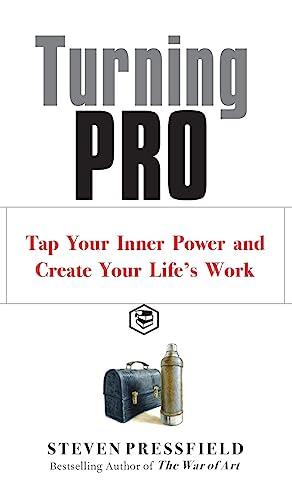
Tap Your Inner Power and Create Your Life's Work
It was mentioned alongside 'The War of Art' as inspiration for the podcast host to think of his career like an athlete's training.
I'd read Steven Pressfield's The War of Art and then Turning Pro and I thought, wow, imagine what would happen if you treated the pursuit of my chosen career, which is podcasting, lik...
— Episode: #717 - Jeremy Boreing - Going To War Wit...
It was mentioned alongside 'The War of Art' as inspiration for the podcast host to think of his career like an athlete's training.
I'd read Steven Pressfield's The War of Art and then Turning Pro and I thought, wow, imagine what would happen if you treated the pursuit of my chosen career, which is podcasting, like an athlete.
After reading "War of Art", Alex also read "Turning Pro" by Stephen Pressfield, which continued to inspire him to treat his podcast as a professional pursuit, similar to an athlete.
I want to turn pro I read Stephen Pressfield War of Art and then I read Turning Pro I want to turn pro with the show what's that mean what would it mean if I treated this pursuit like an athlete does so an athlete they review game tape and they do mindset work and they've got a sports psychologist and they look at what they eat and they look at what they drink and they go to bed on time and they're hanging around with people that are growth minded and they're getting the right coaches and then all the rest everything is done in order to facilitate performance in the thing that they say they care about but everybody has the opportunity to do that you just need to define what the thing is I'm never going to be Patrick Mahomes right yeah I know but I managed to find my thing and then nearly kill myself in dedication toward it
He noted that TurningPro, originally a chapter in TheWarofArt, was later published as its own book and he considered it a valuable sequel.
I read it three years ago at the start of the pandemic and I actually read sorry I read the war of art which is Steven Pressfield book and Turning Pro is a chapter in the war of art which he then turned into a sequel and they're both great and you can get both of them by going to chriswillx.com books
A passage from TurningPro was quoted to contrast the amateur's narcissism with the professional's focus, underscoring the episode's critique of overoptionality.
There was a quote I found from Steven Pressfield in Turning Pro. The amateur is a narcissist... He views the world hierarchically.
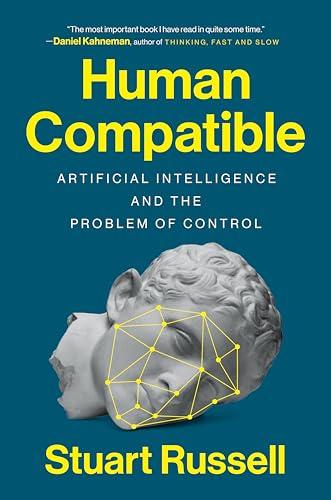
Artificial Intelligence and the Problem of Control
The hosts repeatedly highlighted the book as an essential, informative work on AI, describing it as a great and definitive textbook that explained how algorithms interact with humans. It was recommended by several guests as a key reference for understanding AI control and pro‑human design. The overall tone was strongly positive, indicating it was highly recommended for listeners interested in the subject.
They said it was a great book about AI that they had read and found informative.
There's a great book, Human Compatible by Stuart Russell.
The guest noted that Russell had written a new book called Human Compatible about how algorithms interact with humans.
He wrote a new book called Human Compatible, where he's talking about how algorithms are interacting with humans.
The speakers referred to it as a major textbook on artificial intelligence, noting that it had long been considered the definitive AI reference.
He wrote this book, Human Compatible. So the worldwide textbook on AI may still be the case, but it certainly was for a couple of decades.
The speaker mentioned Stuart Russell's book Human Compatible as a key textbook in computer science that discusses making algorithms more prohuman.
The thing that I learned from Stuart Russell, guy that wrote Human Compatible, he's also like, it's the textbook when it comes to computer science. I think he's Mr. Algorithms. And he wrote a book called Human Compatible.
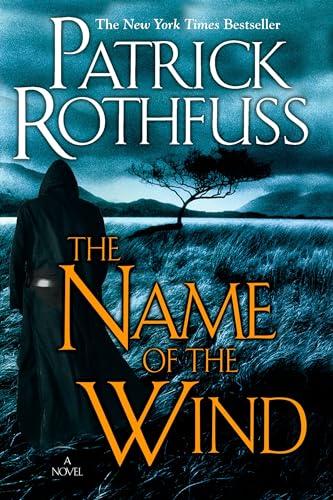
It was mentioned as an example of how a reader can become intimately familiar with a character and start to identify with them. The book's slow pace allows for a deep understanding of the character's inner world.
Anyone that's read The Name of the Wind by Patrick Rothfuss you know you become unbelievably familiar it's like pedestrianly slow for chapters and chapters and chapters you learn abou...
— Episode: #805 - Gurwinder Bhogal - 14 Uncomfortab...
It was mentioned as an example of how a reader can become intimately familiar with a character and start to identify with them. The book's slow pace allows for a deep understanding of the character's inner world.
Anyone that's read The Name of the Wind by Patrick Rothfuss you know you become unbelievably familiar it's like pedestrianly slow for chapters and chapters and chapters you learn about this guy's walk to the bar that he plays his luta and the sound of his shoes on the cobblestones and all of this so you become really really sort of familiar with him so of course you if it's a well-written character you start to have this sort of sense of affinity with them and you think well he has done well by design especially outright fiction not just uh like new uh news masquerading or fiction masquerading as new should i say um
The hosts mentioned The Name of the Wind as another example of a book that could be turned into a franchise.
Why not start to build out Red Rising or The Name of the Wind or something else?
The host recalled reading Rothfuss's novel and highlighted its famously detailed scene describing a character's walk over cobblestones.
I remember once in The Name of the Wind by Patrick Rothfuss. He spends like two full chapters explaining this kid's walk to work where he goes to play his loot or something. And he's describing in intense detail the type of cobblestones he walks over.
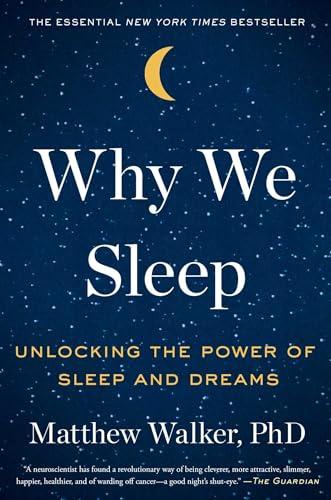
Unlocking the Power of Sleep and Dreams
The podcast host references a book called 'Why We Sleep' by Matthew Walker. The book talks about the importance of sleep, and how it can affect athletic performance, as well as health. He uses it as an example of how the work of doctors and surgeons who work long shifts and drive home are at higher risk of accidents.
did you see was it Matthew Walker's book the percentage of doctors or surgeons who work particularly extended shifts and then get in their car to drive home and drive back at the same hospital having...
— Episode: #682 - Stan Efferding - Do This To Build...
The podcast host references a book called 'Why We Sleep' by Matthew Walker. The book talks about the importance of sleep, and how it can affect athletic performance, as well as health. He uses it as an example of how the work of doctors and surgeons who work long shifts and drive home are at higher risk of accidents.
did you see was it Matthew Walker's book the percentage of doctors or surgeons who work particularly extended shifts and then get in their car to drive home and drive back at the same hospital having just been in an accident it's like a non insignificant number of doctors and surgeons it was Matthew Walker also talked about how they were able to predict when lost percentages in basketball games based on looking at the sleep schedule not knowing the teams just looking at when they were doing back to back east coast west coast travel and just looking at who was going to lose the most sleep they had like a 78% win loss accurate guess and I think that at least as I understand it from the study is that that prompted maybe it was LeBron at the time to go into the players union and say look we need to fix this it was like four games in five days and they were east coast west coast and stuff like that was increasing injury risk
Peter Diamandis mentioned there is a great book called Why We Sleep, referring to it as an insightful read about sleep.
There's a great book called why, uh, Why We Sleep, which is amazing.
He referenced MatthewWalker's book Why We Sleep while discussing the need to bring him onto the show.
Matthew Walker is a guy that wrote Why We Sleep... I've heard a lot of criticisms of Matthew Walker's book and I don't know why.
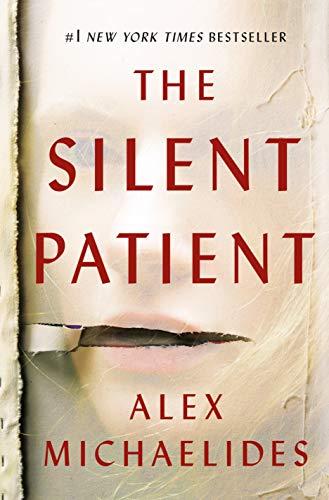
The author recommended the book "The Silent Patient" by Alex Michaelides for a bedtime read, emphasizing the big twist near the end.
Highly recommended if people need a bedtime lesson.
— Episode: #806 - Brian Klaas - Chaos Theory: The H...
The author recommended the book "The Silent Patient" by Alex Michaelides for a bedtime read, emphasizing the big twist near the end.
Highly recommended if people need a bedtime lesson.
There's a big twist nearly at the end of the book.
The novel was referenced as a thriller the speaker had been reading before bed, noting its popularity.
I've been getting into chick stuff, a lot of chick stuff... I read The Silent Patient. It's like thrillers, really by chicks.
He called the thriller a great paperback with a good twist at the end, recommending it.
The Silent Patient. Also really great. Good twist at the end.

Books 1-7 (Slipcase)
The hosts noted that the book had become a massive cultural brand that no longer generates new sales, warned that reading too much could lead to people trying to cast spells when intoxicated, and referenced the author's recent controversies as part of broader cultural commentary. Their discussion was observational rather than promotional, using the title to illustrate larger points about media and public perception.
Reading too much Harry Potter could lead to people trying to cast spells when they're drunk.
Be careful what you read if you read too much harry potter you're going to try and cast spells on people once you've had one too many but this is this there's three really that are that are very very interesting here that i think link link together
It was mentioned in context of JK Rowling being 'cancelled' for her views, but not specifically what the views were or how she was 'cancelled'.
You know, J.K. Rowling, she's had a bit of a rough time.
You know, she's had a bit of a rough time, she's been cancelled.
They noted that Harry Potter had become a massive cultural brand but no longer drives new book sales.
When was the last time we had, say, a Harry Potter series? Something that crosses over into mainstream cultural awareness.
Harry Potter Omnibuses. But my point was, you know, those are really dated. The first one will be coming up on 20 years now, or maybe it'll already be over 20 years old.
Harry Potter world at Universal Studios and all of the clothing. And you go to Edinburgh and there's Harry Potter stores, bookshops all over the place, memorabilia.
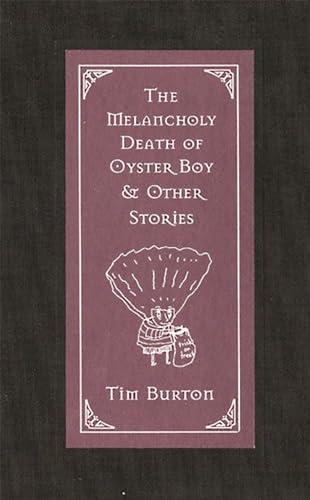
It was given to the podcast host by his speech coach and he reads a couple of poems before each episode to help with vocal diction and precision.
It sits on the desk next to where I record my podcast. And just by having that there, it was given to me by my speech coach. And I read a couple of poems before I start the episode because it's whimsi...
— Episode: #804 - Dr Mike Israetel - Exercise Scien...
It was given to the podcast host by his speech coach and he reads a couple of poems before each episode to help with vocal diction and precision.
It sits on the desk next to where I record my podcast. And just by having that there, it was given to me by my speech coach. And I read a couple of poems before I start the episode because it's whimsical and it's good for vocal diction and precision and stuff like that. But the main reason is that that is a physical representation of, I care about precision in speech. And by having it there, every time that I go into the room, I go, you must remember to be precise when I speak.
Sheehan mentioned the Tim Burton book as a fun and witty graphic novel, noting its depth and humor.
I mentioned to you that I'd read some Tim Burton, The Melancholy Death of Oyster Boy, which is really great and fun.
He highlighted the book as a poetry collection that his speech coach recommended for its unusual rhythms.
I've got here The Melancholy Death of Oyster Boy by Tim Burton, which is poetry. And this is from my speech coach, and he's been getting me to do poetry because it's got these sort of weird rhythms to it. And it's great. I learned the word bivalve the other day, which is, I think, kind of like a clam. Yeah, it must be because he's an oyster, obviously. But just it's cool.
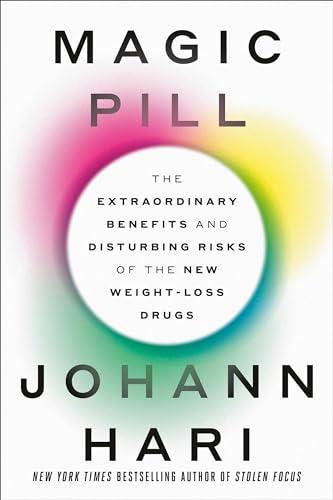
The Extraordinary Benefits and Disturbing Risks of the New Weight-Loss Drugs
The book was brought up to examine the surge of GLP‑1 weight‑loss drugs and their wide‑reaching economic and health implications. Host Chris highlighted the potential societal shifts—from lighter airline passengers to reduced demand for joint replacements—while the author framed the drugs as both promising and possibly illusory, emphasizing the need for careful consideration of their risks. The discussion was cautious and exploratory rather than a strong endorsement.
The author argues that GLP-1 agonists are an artificial solution for an artificial problem, caused by our modern processed food environment that undermines our natural satiety. He also explores the potential benefits and risks of these drugs, including their effects on weight loss, mental health, addiction, and pregnancy.
The book is called Magic Pill because there are three ways these drugs could be magic.
The second way in which it could be magic is it could be like a magic trick, an illusion.
The third way, I actually think is the most likely. If you think about the classic stories about magic that we grew up with, think about Aladdin, right? You find the lamp, you rub it, the genie appears and you get to make your wishes and your wishes come true but never quite in the way that you expected, right?
These drugs are an interesting and important tool. The way I think of it is, for a lot of us we're in a trap, and this is the rusty risky trap door we're being offered.
I go through how we can do it. I've been to places that have done it but for now we're facing a pretty shitty decision and we've got to think it through in detail.
Johan Hari's book, Magic Pills, explores the rising use of GLP-1 medication for obesity and its potential impact on society.
I've had a number of conversations Johan Hari's new book Magic Pill. He came on Scott Galloway came on he spoke about it Dr. Mike Israel tell who you just had on your show. He came on he spoke about it The internet really especially maybe my corner of the internet the personal development, bro high agency sovereign individual thing Very concerned about it and I'm Cautiously optimistic but it seems to me based on all of the smart people that I know who would not typically Fall for the he says as he recommends something that's about to destroy the entire world Would not typically fall for something that wasn't robust and that they hadn't done the research on they are Basically saying that this is going to be as big of a revolution as the smartphone was But for health care that you know, we've been promised and I understand why Fen-fen and all of these previous iterations of drugs that had wild crazy side effects super toxic or dangerous or you know Had long-term Risks, I understand why people are not too confident about this one but it does seem like a difference in kind not just a difference in degree and Yeah Flight companies the airlines predicting lower fuel costs because of a lighter populace to transport around Confectionery companies trying to drill their margins because they're expecting to do less sales volume the hip and knee replacement companies Expecting to do lower sales volume and the most interesting one jewelers Because they've had to spend money people's fingers have got fattest They've had to spend money to get their wedding rings changed and increased in size so there's going to be an initial increase boon to get the Jewelry changed again and then after that a little bit of a nosedive because there will be less gold that will be need to fit ever thinner fingers
Yohan Harry, a guest on the show, has written a new book called "Magic Pill" about Ozempic and the most interesting things that the author found were all of the economic impacts downstream.
Yohan Harry's written this new book "Magic Pill" about Ozempic and the most interesting stuff that I found are all the economic impacts downstream.
So uh airline companies predicting lower fuel costs because of a lighter populace all of the confectionary companies Ben and Jerry's are trying to dial in their margins because they know that the sales volume is going to go through the floor.
Hip and knee replacement companies way fewer of those because people are less and this was this was the wildest one jewelers using less gold for fat fingers.
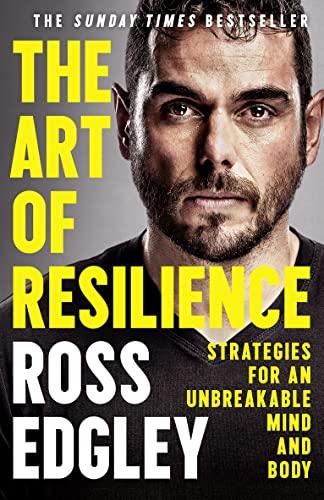
The book is by Ross Edgley and is about resilience. Chris Williamson recommended it.
I think that appeals to a lot of people because it protects them. Some parts of that philosophy, if you don't go the whole way, appeal because it sounds like I can armor myself against the world. But...
— Episode: #770 - David Brooks - Why Is Everyone So...
The book is by Ross Edgley and is about resilience. Chris Williamson recommended it.
I think that appeals to a lot of people because it protects them. Some parts of that philosophy, if you don't go the whole way, appeal because it sounds like I can armor myself against the world. But I think you also armor yourself against the beauty of the world as well. And I think what you're talking about there is, like, if you're going to crack yourself open, you will feel highs, but you're also going to feel lows. Yeah, there's a therapist have a phrase, some people need tightening and some people need loosening. And some people who are manic, they need tightening, I needed loosening.
And so that was my process. But the problem might one of my problems with stoicism, and I too have great admiration for it in general. But one of the great myths of Western civilization is that reason is separate from emotion. And that if you're more, it's like a teeter talk of the more rational you are, the less emotional you are. That is a complete myth.
Art of Resilience by Ross Edgley, Ryan's book, Ego is the Enemy Obscrupters the Way, both been really formative for me.
It was described as a semi-autobiographical diary of Ross's swim around the UK, where he applies Stoic philosophy and sports science to his experience. It was recommended as a spiritual successor to 'The Obstacle Is The Way'.
For anybody that's going through a bit of a tough time, if you've read or listened to The Obstacle is the Way, enjoyed it and thought I want more. A spiritual successor to that book is The Art of Brazilians from Ross.
He suggested reading Art of Resilience as part of a plan to recover from a severe Achilles injury, pairing it with other resilience resources.
Read Art of Resilience by Ross Edgley, Obstacle is the Way by Ryan Holiday and watch the documentary resurfaced with Andy Murray.
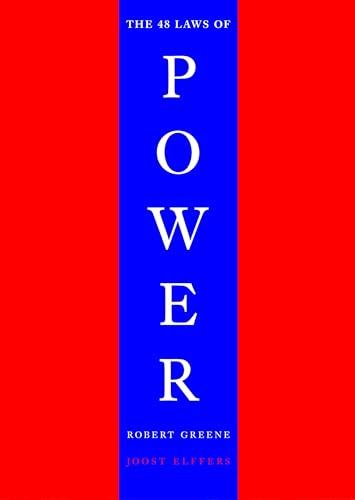
The title was highlighted for its eye‑catching leather‑bound, gold‑embossed edition that even revealed the author's face and a portrait of Machiavelli when the pages were fanned. Hosts praised its elaborate power strategies, with one calling it "magic" and another discussing how its lessons on aloofness illustrate the risks of withdrawing from social engagement. Overall, the book was presented as a noteworthy and compelling guide to power dynamics.
The book was mentioned as containing elaborate strategies for power, which Alex found interesting.
Have you seen, speaking of that, and you mentioned Robert Green earlier on, you're on the same mailing list for that. There's some of these that are super, super elaborate.
And I remember being like, oh, that was like, I don't know, like cool or whatever, but that Robert Green book, as soon as I saw that it did that, and I'm sending a fucking video of this to anyone that I can. This is like magic.
A special edition of this book was mentioned, featuring a unique design with the author's face and a portrait of Machiavelli visible when the pages are fanned out in different directions. The speaker expressed great admiration for its design.
It's leather bound, gold embossed, 48 on the front.
And then as you look at the side, it's gold, like just like a gold boundary on the outside of the paper.
But as you splay the pages out in one direction, it's your face. As you splay the pages out in the other, it's that famous portrait of Machiavelli.
It's the sort of thing you can't not take a photo of.
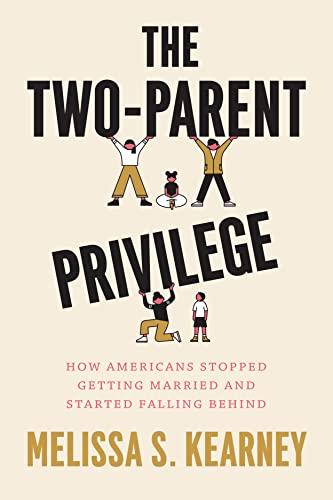
How Americans Stopped Getting Married and Started Falling Behind
The book was highlighted for its research showing that children raised in two‑parent households enjoy significant advantages, and the author's insights into how the decline of such families affects economic outcomes were discussed. Hosts noted that while the work sparked some controversy online, it received validation from practitioners working with single‑parent families and was praised for its clear, policy‑relevant analysis. Overall, the discussion conveyed strong endorsement of the book's relevance to the podcast's audience.
It was mentioned as a recent book that explored the impact of family structures on children's development and well-being, with a particular focus on the two-parent household.
Melissa Carney's new book The Two Parent Advantage, you know, looks at this through a policy-wank DC lens, right? There's very little ideology coming into this.
I had Melissa Carney who wrote The Two Parents Advantage recently and I think a book comes out today and it's causing all manner of a shit storm on Twitter which is just fantastic it doesn't surprise me
It was discussed how the book has received a variety of responses, including some criticism and vitriol. However, the author found validation from individuals who understood the reality of single-parent households.
What has the response been like to you writing a book called The Two Parent Advantage How Americans Stopped Getting Married and Started Falling Behind?
It's a lot of it is wow you're brave and it really shouldn't be that brave.
And then sort of more quietly people are like this makes a lot of sense and I'm glad you're talking about this so I've been actually really encouraged by the response I'm getting and the other sort of set of responses that have been particularly validating or bolstering to me are from people who work in the communities really impacted by the decline in the two-parent family groups that work with single moms, unmarried parents.
The things I was really worrying about like did I miss something? Did I not connect the dots in some particular way that I'm missing and I haven't gotten any negative reactions that's made me question anything I've written in the book.
If you expect an absolute shit storm and just get a small amount of shit I guess that or an okay amount of shit that proportionally that should be fine.
Note: The book recommendations on this page are discovered automatically from podcast transcripts, and may be incorrect or incomplete.
Podcast Name