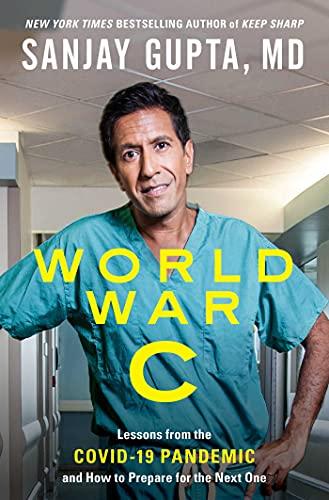
World War C
Sanjay Gupta M.D.
Mentioned 7 months ago
How to Identify Medical Misinformation & Fake AI Ads
All over the world, there are people who are living extraordinary lives, full of happiness and health – and with hardly any heart disease, cancer or diabetes. Dr. Sanjay Gupta has been on a decades-long mission to understand how they do it, and how we can all learn from them. Scientists now believe...
Recently mentioned
Sanjay Gupta M.D.
Mentioned 7 months ago
How to Identify Medical Misinformation & Fake AI Ads
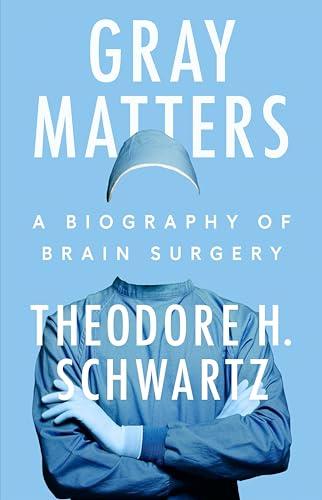
Theodore H. Schwartz
Mentioned 1 year ago
The Secret Lives of Neurosurgeons
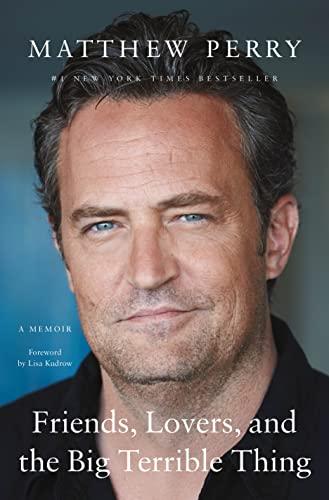
Matthew Perry
Mentioned 1 year ago
The Wild West of Ketamine Treatment
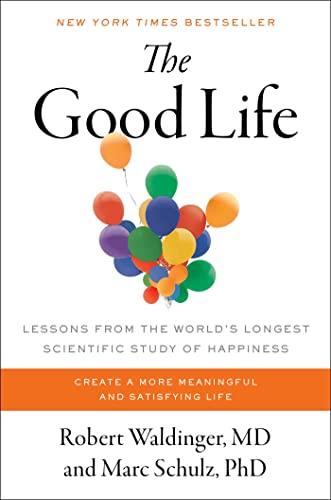
Robert Waldinger M.D.
Mentioned 1 year ago
Living Your Happiest Life
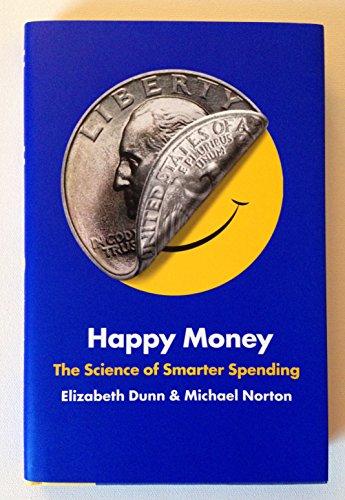
Elizabeth Dunn
Mentioned 1 year ago
Does Money Buy Happiness?
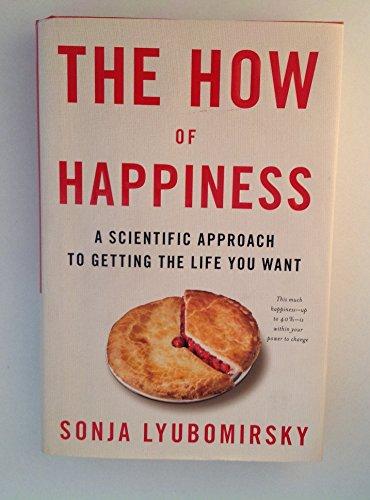
Sonja Lyubomirsky
Mentioned 2 years ago
The Habits of Happy People
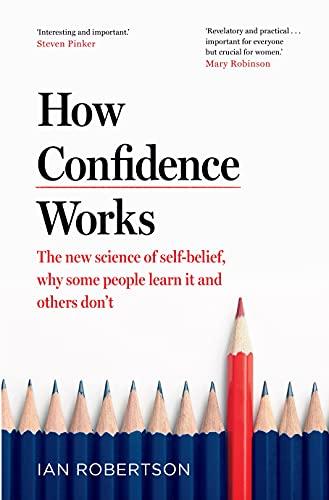
Ian Robertson
Mentioned 2 years ago
Want to be Happier? Confidence Can Help
Gabor Maté MD
Mentioned 2 years ago
Your Trauma May Be Making You Sick
Jaak Panksepp PhD
Mentioned 2 years ago
Your Trauma May Be Making You Sick
Kelly McGonigal
Mentioned 2 years ago
How Exercise Can Make Us Happier
Anthony Fauci M.D.
Mentioned 2 years ago
Are We Prepared for Bird Flu?
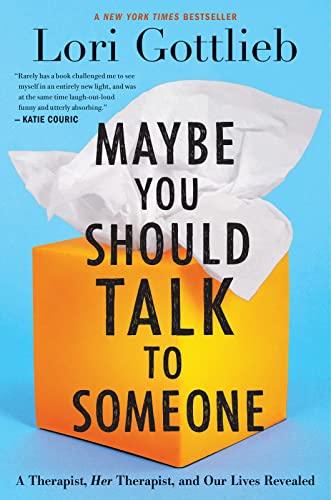
Lori Gottlieb
Mentioned 2 years ago
Should Everyone Consider Therapy to Be Happier?
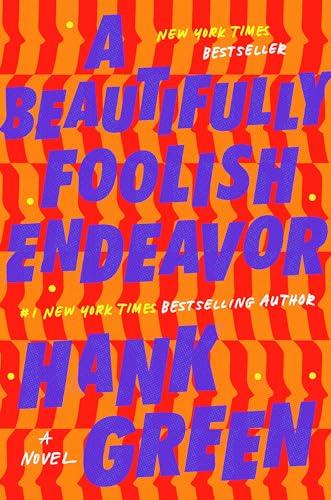
A Novel (The Carls)
The title was brought up as an example of Hank Green’s fiction that reflects his personal experiences with internet fame and the digital world. Dr. Sanjay Gupta noted it alongside Green’s other novel while discussing the internet’s tendency to generate conflict. The hosts treated it as a relevant but not heavily emphasized reference.
This work of fiction draws inspiration from Hank Green's personal experiences, exploring his perspective on the internet and its tendency to generate conflict.
Hank published two books that touch on Internet fame and the digital world. They are called An Absolutely Remarkable Thing and A Beautifully Foolish Endeavor.
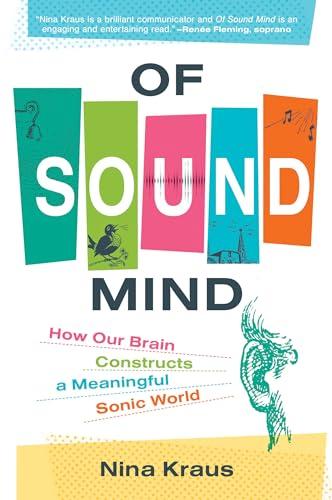
How Our Brain Constructs a Meaningful Sonic World
During the episode, Dr. Sanjay Gupta praised the book as beautifully written prose rather than a dry academic text, describing it as a love letter to sound. Nina Kraus also reflected on how the book revealed the surprising importance of sound to listeners. The discussion highlighted the book's engaging exploration of how our brains construct a meaningful sonic world, leading the hosts to recommend it enthusiastically.
It was described as a beautifully written book, not a dry academic text, exploring how our brains make sense of sound; the author considered it a love letter to sound.
It's called Of Sound Mind, How Our Brain Constructs a Meaningful Sonic World. But make no mistake, this isn't a dry academic text. It's beautifully written prose. She calls it her love letter to sound.
When I sent it off to the editor, I thought, you know, why did I even write this book? Everything that I say is so obvious. And yet the resounding comments that I get from people all over the place is I had no idea sound is so important.
Saving Our Children From Nature-Deficit Disorder
This book discusses the problems associated with not spending enough time outdoors, coining the term 'nature deficit disorder'. It was mentioned in relation to the negative health impacts of excessive screen time and lack of green time for children.
There was a book by author Richard Louvre from the US called The Last Child in the Woods and he coined this term nature deficit disorder.
— Episode: Why Are Doctors Prescribing Nature?
This book discusses the problems associated with not spending enough time outdoors, coining the term 'nature deficit disorder'. It was mentioned in relation to the negative health impacts of excessive screen time and lack of green time for children.
There was a book by author Richard Louvre from the US called The Last Child in the Woods and he coined this term nature deficit disorder.
How Your Mindset Can Change Your World
This book explores how changing one's mindset can have a significant impact on physical and mental health. The author details how expectations shape our experiences and create self-fulfilling prophecies.
In fact, this notion of changing expectations was so transformative for David that he decided to write all about it. His new book is called The Expectation Effect, How Your Mindset Ca...
— Episode: Resetting Expectations
This book explores how changing one's mindset can have a significant impact on physical and mental health. The author details how expectations shape our experiences and create self-fulfilling prophecies.
In fact, this notion of changing expectations was so transformative for David that he decided to write all about it. His new book is called The Expectation Effect, How Your Mindset Can Change Your World.
If you do want to learn more about this, you should check out David's new book. It's called The Expectation Effect, How Your Mindset Can Change Your World, and it comes out February 15th.
How the New Science of Resilience Is Changing How We Think About PTSD
It was recently published and explores the new science of resilience and how it changes the way we think about PTSD. The author's research over 30 years found that resilience is less about specific traits and more about a willingness to adapt.
He just published this new book called The End of Trauma, How the New Science of Resilience is Changing How We Think About PTSD.
— Episode: In the Blink of an Eye
It was recently published and explores the new science of resilience and how it changes the way we think about PTSD. The author's research over 30 years found that resilience is less about specific traits and more about a willingness to adapt.
He just published this new book called The End of Trauma, How the New Science of Resilience is Changing How We Think About PTSD.
For the last 30 years, he's been trying to understand what predicts resilience, looking at everything from personality to immune function. And what he's found is that resilience is not about any particular personality trait or resource. He says it's largely about being willing to adapt.
Lessons from the Covid-19 Pandemic and How to Prepare for the Next One
It focuses on how healthier eating can prepare us for future pandemics; the book highlights the impact of diet on overall health and disease prevention.
I wrote about this in my new book called World War C. What I really wanted to focus on is how we can start eating healthier to help prepare us for a next potential pandemic.
— Episode: Food as Medicine
It focuses on how healthier eating can prepare us for future pandemics; the book highlights the impact of diet on overall health and disease prevention.
I wrote about this in my new book called World War C. What I really wanted to focus on is how we can start eating healthier to help prepare us for a next potential pandemic.
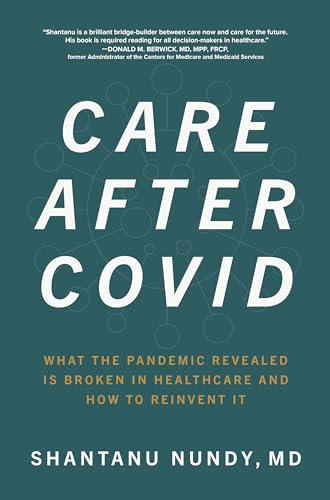
What the Pandemic Revealed Is Broken in Healthcare and How to Reinvent It
Dr. Shantanu Nundy's book, "Care After COVID," discussed the pandemic's impact on healthcare and offered insights on how to improve the system. It was mentioned as highlighting the critical role of trust in healthcare.
Earlier this year, Dr. Nandy wrote a book called Care After Covid, what the pandemic revealed is broken in health care and how to reinvent it.
— Episode: Trust Me
Dr. Shantanu Nundy's book, "Care After COVID," discussed the pandemic's impact on healthcare and offered insights on how to improve the system. It was mentioned as highlighting the critical role of trust in healthcare.
Earlier this year, Dr. Nandy wrote a book called Care After Covid, what the pandemic revealed is broken in health care and how to reinvent it.
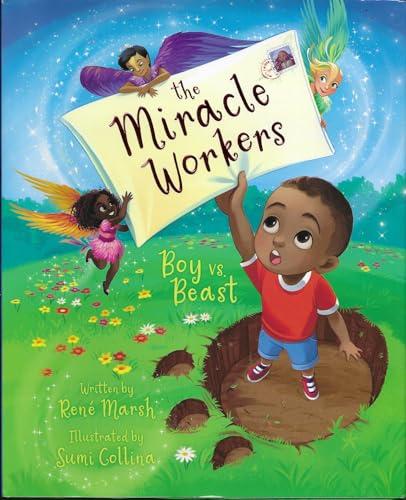
Boy vs. Beast
It is a children's book written by Renee Marsh, inspired by her son Blake's love for reading. The proceeds from the book's sales will be donated to the Pediatric Brain Tumor Foundation.
Renee is releasing a children's book in honor of her son's favorite pastime, reading. It's called The Miracle Workers, Boy vs. Beast.
— Episode: Chasing a Cure
It is a children's book written by Renee Marsh, inspired by her son Blake's love for reading. The proceeds from the book's sales will be donated to the Pediatric Brain Tumor Foundation.
Renee is releasing a children's book in honor of her son's favorite pastime, reading. It's called The Miracle Workers, Boy vs. Beast.
In a magical land, a place filled with glee, lies a colorful garden with sugarplum trees. Little girls dance there and little boys race. Yes, miracles happen because of this place.
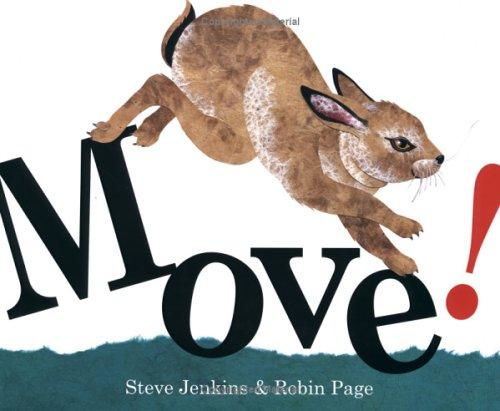
Tony Horton, the book's author and a fitness trainer, discussed the mental and emotional benefits of exercise, emphasizing that it's not just about aesthetics but also improving the quality of one's daily life. He encourages readers to find a routine they can stick to, regardless of whether they enjoy the activity, focusing on the positive outcomes.
I don't work out for aesthetic reasons. For me, it's a mental and emotional process now more than anything else.
— Episode: The Body That Got Me Through
Tony Horton, the book's author and a fitness trainer, discussed the mental and emotional benefits of exercise, emphasizing that it's not just about aesthetics but also improving the quality of one's daily life. He encourages readers to find a routine they can stick to, regardless of whether they enjoy the activity, focusing on the positive outcomes.
I don't work out for aesthetic reasons. For me, it's a mental and emotional process now more than anything else.
fitness is about being able to do things you couldn't do without it.
the brisk walk is a brilliant way.
it's going to improve our memory and our cognition and maybe our sex drive and your productivity and the glass is going to feel half full as opposed to half empty. That's what exercise does.
any form of movement, from walking around the block to a spontaneous dance party in the kitchen, can help make our bodies and our minds happy.
Tony Horton's book, "Move", was mentioned; the fourth chapter discusses how physical activity affects mental and emotional states, emphasizing that for Horton, it's more of a mental and emotional process than aesthetic reasons. The importance of showing up for workouts and focusing on the process rather than specific results was also discussed.
I don't work out for aesthetic reasons. For me, it's a mental and emotional process now more than anything else.
— Episode: The Body That Got Me Through
Tony Horton's book, "Move", was mentioned; the fourth chapter discusses how physical activity affects mental and emotional states, emphasizing that for Horton, it's more of a mental and emotional process than aesthetic reasons. The importance of showing up for workouts and focusing on the process rather than specific results was also discussed.
I don't work out for aesthetic reasons. For me, it's a mental and emotional process now more than anything else.
You talk about it in the fourth chapter of your book, move.
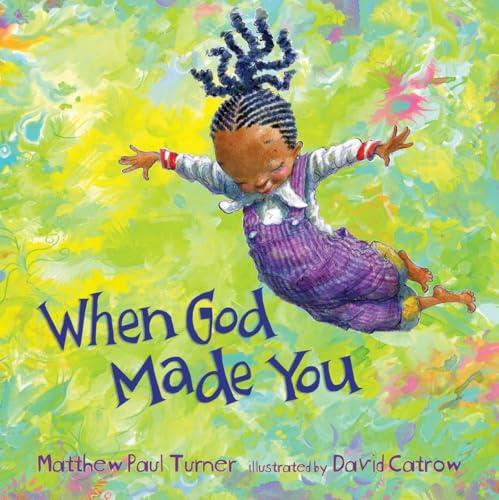
A children's book about Dr. Fauci was mentioned, highlighting its positive reception.
There's a children's book about you, which I just think is wonderful.
— Episode: Dr. Fauci's Long Year
A children's book about Dr. Fauci was mentioned, highlighting its positive reception.
There's a children's book about you, which I just think is wonderful.
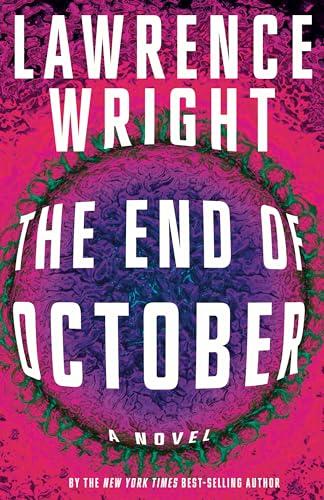
A novel
It is a fictional pandemic story that started as a screenplay, then became a book published in April 2020, about a month into the real-life COVID-19 pandemic. The main character is an epidemiologist who discovers a highly contagious and deadly disease outbreak.
Pandemic was interesting because I had done some work at the Centers for Disease Control as a young reporter.
— Episode: When Truth is Stranger Than Fiction
It is a fictional pandemic story that started as a screenplay, then became a book published in April 2020, about a month into the real-life COVID-19 pandemic. The main character is an epidemiologist who discovers a highly contagious and deadly disease outbreak.
Pandemic was interesting because I had done some work at the Centers for Disease Control as a young reporter.
Eventually, it became a book called The End of October.
All I did was listen to the experts, read their papers, watch the tabletop exercises, and transfer that into fiction.
I wanted something that scientists would look at and say, yeah, that could happen. And those properties are totally believable.
I felt in some ways I had already done my pandemic story.
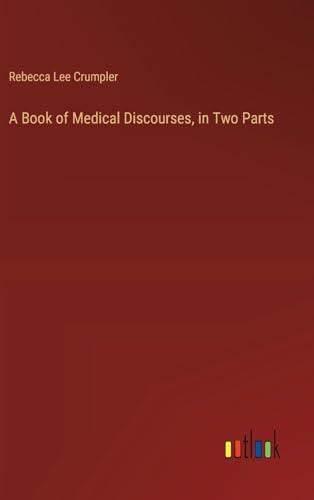
In her book, Dr. Crumpler expressed her early interest in alleviating the suffering of others. She detailed her experiences and perspectives on medicine and patient care.
I early conceived a liking for and sought every opportunity to be in a position to relieve the suffering of others.
— Episode: Honoring a Forgotten Medical Pioneer
In her book, Dr. Crumpler expressed her early interest in alleviating the suffering of others. She detailed her experiences and perspectives on medicine and patient care.
I early conceived a liking for and sought every opportunity to be in a position to relieve the suffering of others.
This book was mentioned at the end of the podcast as a great book to learn more about the adventure of the 1918 flu.
There's a great book written about this whole adventure by Gina Collada called Flu.
— Episode: Presenting Science Vs.: Hunting A Killer...
This book was mentioned at the end of the podcast as a great book to learn more about the adventure of the 1918 flu.
There's a great book written about this whole adventure by Gina Collada called Flu.
The Inside Story of Humanity, Innovation, and Lessons Learned During the COVID-19 Crisis
It was described as having many fascinating insights into the COVID-19 crisis, including the importance of preparedness and communication. The authors discussed the experiences of Northwell Health in New York and the lessons learned during the pandemic.
The book is called Leading Through a Pandemic and I was reading it last night and there's so many fascinating things there.
— Episode: Leading through a Pandemic
It was described as having many fascinating insights into the COVID-19 crisis, including the importance of preparedness and communication. The authors discussed the experiences of Northwell Health in New York and the lessons learned during the pandemic.
The book is called Leading Through a Pandemic and I was reading it last night and there's so many fascinating things there.
One of the things you talk about, New Orleans, they're planning for a hundred-year flood and they build these levees to essentially plan for a 10-year flood. Whereas in Holland, they're planning for a hundred-year flood and they say we're going to build the levees and the dams for a thousand-year flood. We want to be overprepared. We want to really make sure this doesn't affect us.
Our War Against Killer Germs
In 2017, Osterholm wrote this book discussing the most pressing infectious disease threats and how to best address them, with a focus on preventing and preparing for a global flu pandemic. The book was described as a 'must-read'.
Back in 2017, he wrote a must-read book called Deadliest Enemy, Our War Against Killer Germs.
— Episode: This Is Going to Be a House on Fire for...
In 2017, Osterholm wrote this book discussing the most pressing infectious disease threats and how to best address them, with a focus on preventing and preparing for a global flu pandemic. The book was described as a 'must-read'.
Back in 2017, he wrote a must-read book called Deadliest Enemy, Our War Against Killer Germs.
A Biography of Brain Surgery
Dr. Sanjay Gupta read Dr. Theodore Schwartz's book, Gray Matters, which discusses what neurosurgeons do, what their lives are like, and what motivates them. It was described as a biography of a brain surgeon, revealing stories of the field and addressing myths about brain surgery.
And as I read his book, Gray Matters, I realized that many people don't know a lot about what neurosurgeons do, what our lives are like, what motivates us.
— Episode: The Secret Lives of Neurosurgeons
Dr. Sanjay Gupta read Dr. Theodore Schwartz's book, Gray Matters, which discusses what neurosurgeons do, what their lives are like, and what motivates them. It was described as a biography of a brain surgeon, revealing stories of the field and addressing myths about brain surgery.
And as I read his book, Gray Matters, I realized that many people don't know a lot about what neurosurgeons do, what our lives are like, what motivates us.
You know, I felt that the public really didn't know a lot about what brain surgeons do.
But I wanted--there were so many stories that are in our field that we know very well about famous neurosurgeons that have been influential on us, famous people who've had brain surgery, what it's like to really do what we do, you know, and to make those decisions in the operating room where someone's future is really in your hands and you're responsible for their future day in and day out over a course of an entire career where you really get no break, and to put that in a way that the general public could really absorb and not be intimidated by the subject.
And it was really a passion project, and it was just so much fun because I was not only telling stories that I've always wanted to tell and put down in words, I've been talking about myself a little bit, but also researching things that I really didn't know that much about that I wanted to learn more about.
You've got to read the book. I read the book. I loved it.
Note: The book recommendations on this page are discovered automatically from podcast transcripts, and may be incorrect or incomplete.
Podcast Name