World War C
Sanjay Gupta M.D.
Mentioned 7 months ago
How to Identify Medical Misinformation & Fake AI Ads
All over the world, there are people who are living extraordinary lives, full of happiness and health – and with hardly any heart disease, cancer or diabetes. Dr. Sanjay Gupta has been on a decades-long mission to understand how they do it, and how we can all learn from them. Scientists now believe...
Recently mentioned
Sanjay Gupta M.D.
Mentioned 7 months ago
How to Identify Medical Misinformation & Fake AI Ads
Theodore H. Schwartz
Mentioned 1 year ago
The Secret Lives of Neurosurgeons
Matthew Perry
Mentioned 1 year ago
The Wild West of Ketamine Treatment
Robert Waldinger M.D.
Mentioned 1 year ago
Living Your Happiest Life
Elizabeth Dunn
Mentioned 1 year ago
Does Money Buy Happiness?
Sonja Lyubomirsky
Mentioned 2 years ago
The Habits of Happy People
Ian Robertson
Mentioned 2 years ago
Want to be Happier? Confidence Can Help
Gabor Maté MD
Mentioned 2 years ago
Your Trauma May Be Making You Sick
Jaak Panksepp PhD
Mentioned 2 years ago
Your Trauma May Be Making You Sick
Kelly McGonigal
Mentioned 2 years ago
How Exercise Can Make Us Happier
Anthony Fauci M.D.
Mentioned 2 years ago
Are We Prepared for Bird Flu?
Lori Gottlieb
Mentioned 2 years ago
Should Everyone Consider Therapy to Be Happier?
Lessons From the Healthiest Places on Earth
Dan Buechner, a National Geographic fellow and author, coined the term "blue zones" to help describe places where people live the healthiest and longest lives, such as the Nicoya Peninsula in Costa Rica. He explains that the residents of the Nicoya Peninsula have a diet rich in corn, beans, and squash, as well as a strong sense of family and religion, which contributes to their longevity.
He studies longevity and he coined the term blue zones to help describe places where people live the healthiest and longest lives.
— Episode: Making Resolutions with Chasing Life
Dan Buechner, a National Geographic fellow and author, coined the term "blue zones" to help describe places where people live the healthiest and longest lives, such as the Nicoya Peninsula in Costa Rica. He explains that the residents of the Nicoya Peninsula have a diet rich in corn, beans, and squash, as well as a strong sense of family and religion, which contributes to their longevity.
He studies longevity and he coined the term blue zones to help describe places where people live the healthiest and longest lives.
One of those places is the Nicoya Peninsula in Costa Rica.
Well, first of all, they're eating a Mesoamerican staple diet or they have for most of their life, which consists of three foods.
I argue it's the best diets humans have ever invented. Corn, beans and squash. You bring those three foods together, anybody can afford them.
A lot of tropical fruits. Everybody had a garden around their homes full of papaya and mango and pipayan.
And year round they were eating tropical fruits.
None of these centenarians have driven.
They've walked their whole lives. They have an outsized sense of family, outsized sense of religion.
Most of them are very religious, which gives them a sense of purpose, but also a healthy community to rally around.
And I think increasingly we're realizing that we need to look at preventing, looking upstream and preventing disease in the first place.
And that's what, you know, people in blue zones are living a long time because they're not getting the diseases that foreshorten our lives like diabetes, metabolic syndrome, cardiovascular disease, cancers of the GI tract.
And now we're even finding much lower rates of dementia.
So we ought to be paying attention to these places who manifestly are doing it better than America at a fraction of the cost that we spend trying to stay healthy.
Whole foods, exercise, community, gratitude.
The Science of Focus in the Digital Age
Gloria Mark, a professor of informatics, wrote this book about restoring balance, happiness, and productivity by improving attention span. The podcast discussed the book's concepts and practical advice for improving focus.
She's also author of the book, Attention Span, a groundbreaking way to restore balance, happiness and productivity.
— Episode: The Distracted Brain
Gloria Mark, a professor of informatics, wrote this book about restoring balance, happiness, and productivity by improving attention span. The podcast discussed the book's concepts and practical advice for improving focus.
She's also author of the book, Attention Span, a groundbreaking way to restore balance, happiness and productivity.
Developmental, Educational, and Social Perspectives
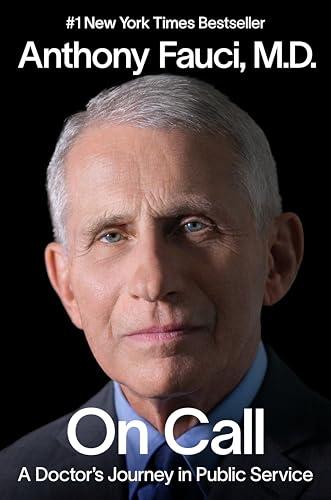
A Doctor's Journey in Public Service
Dr. Sanjay Gupta discussed his upcoming podcast episode with Dr. Anthony Fauci about his new book, "On Call: A Doctor's Journey in Public Service."
Next week on Chasing Life, I'm talking with Dr. Anthony Fauci about his new book, On Call, A Doctor's Journey in Public Service.
— Episode: Are We Prepared for Bird Flu?
Dr. Sanjay Gupta discussed his upcoming podcast episode with Dr. Anthony Fauci about his new book, "On Call: A Doctor's Journey in Public Service."
Next week on Chasing Life, I'm talking with Dr. Anthony Fauci about his new book, On Call, A Doctor's Journey in Public Service.
What the New Science of Psychedelics Teaches Us About Consciousness, Dying, Addiction, Depression, and Transcendence
In the episode, Dr. Sanjay Gupta highlighted the book's exploration of psychedelics as a therapeutic tool for addiction and depression, noting that the author personally experimented with these substances while researching. The discussion emphasized the book's insight into how altering brain habits could aid mental health recovery, presenting it as a valuable resource for listeners interested in the science of psychedelics.
It explored the therapeutic potential of altering brain habits with psychedelics for those struggling with addiction and depression. The author used psychedelics while researching and writing the book.
Pollan used psychedelics in the process of writing his book, How to Change Your Mind.
My Journey as a Vaccine Scientist, Pediatrician, and Autism Dad
It is a personal account of the author's daughter's autism diagnosis, and it presents scientific evidence refuting the claim that vaccines cause autism. The book was written in response to the anti-vaccine movement.
He is the Dean of the National School of Tropical Medicine, Professor of Pediatrics, Molecular Virology and Microbiology at Baylor College of Medicine in Houston, Texas. Dr. Hotez also wrote a book ca...
— Episode: Addressing Vaccine Skepticism
It is a personal account of the author's daughter's autism diagnosis, and it presents scientific evidence refuting the claim that vaccines cause autism. The book was written in response to the anti-vaccine movement.
He is the Dean of the National School of Tropical Medicine, Professor of Pediatrics, Molecular Virology and Microbiology at Baylor College of Medicine in Houston, Texas. Dr. Hotez also wrote a book called, Vaccines Did Not Cause Rachel's Autism. It's a really personal account of his daughter's autism diagnosis and it lays out the overwhelming scientific evidence that it had nothing to do with vaccines.
The book was a forceful response to many in the anti-vaccine movement who falsely believe there is a connection between autism and vaccines.
A Memoir
Matthew Perry's memoir discussed his struggles with addiction, including his numerous trips to rehab and the number of Alcoholics Anonymous meetings he attended. It was published one year before his death.
when I die I don't want friends to be the first thing that's mentioned I want that helping other addicts to be the first thing that's mentioned and I'm going to live the rest of my life proving that
— Episode: The Wild West of Ketamine Treatment
Matthew Perry's memoir discussed his struggles with addiction, including his numerous trips to rehab and the number of Alcoholics Anonymous meetings he attended. It was published one year before his death.
when I die I don't want friends to be the first thing that's mentioned I want that helping other addicts to be the first thing that's mentioned and I'm going to live the rest of my life proving that
I would like to be remembered as somebody who lived well loved well was a seeker and his paramount thing is that he wants to help people that's what I want
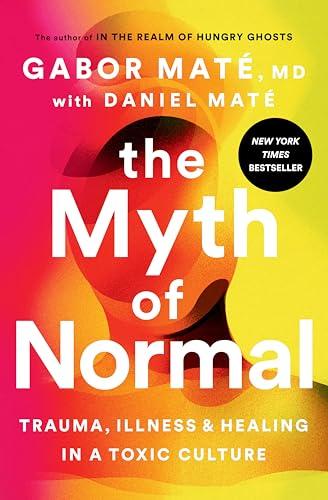
Trauma, Illness, and Healing in a Toxic Culture
The author discussed his belief that many people experience trauma, even if they haven't had a big T trauma. The author believes that trauma, big or small, can manifest as a physical illness and can be the root cause of many diseases, including addiction.
He has this book called Myth of Normal, where he makes the case that our understanding of trauma is all wrong. And that many more of us than you might think are living with trauma.
— Episode: Your Trauma May Be Making You Sick
The author discussed his belief that many people experience trauma, even if they haven't had a big T trauma. The author believes that trauma, big or small, can manifest as a physical illness and can be the root cause of many diseases, including addiction.
He has this book called Myth of Normal, where he makes the case that our understanding of trauma is all wrong. And that many more of us than you might think are living with trauma.
He goes so far as to say that he believes trauma is the root cause of many diseases, including things like addiction in our society.
As Mat writes in The Myth of Normal, quote, the past hijacks and co-ops the present, again and again.
He basically is saying that trauma is literally making us sick.
In other words, Jack Bankstead, the newest scientist, he wrote a book called The Archaeology of the Mind.
Stephen King says he thinks of things like the Torrance family, the Overlook Hotel and The Shining when he's writing a book.
It's the idea of somebody being trapped, like the Torrance family and the Overlook Hotel and The Shining.
— Episode: Stephen King on Fiction and the Frighten...
Stephen King says he thinks of things like the Torrance family, the Overlook Hotel and The Shining when he's writing a book.
It's the idea of somebody being trapped, like the Torrance family and the Overlook Hotel and The Shining.
The New Science of How Your Body Can Heal Itself
It explains how certain foods can heal or harm our bodies; the book's research showed basic foods like garlic, kale, artichoke, green tea, and berries were as effective as some cancer drugs at blocking angiogenesis.
He's written a book called Eat to Beat Disease, which explains how certain foods can heal or harm our bodies.
— Episode: Food as Medicine
It explains how certain foods can heal or harm our bodies; the book's research showed basic foods like garlic, kale, artichoke, green tea, and berries were as effective as some cancer drugs at blocking angiogenesis.
He's written a book called Eat to Beat Disease, which explains how certain foods can heal or harm our bodies.
What these foods do is essentially starve tiny cancers and prevent them from being able to grow larger by stopping those extra blood vessels from growing.
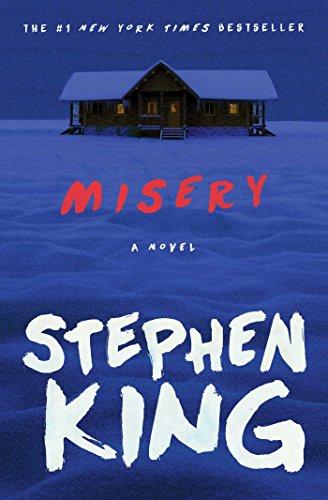
A Novel
The Stand is one of the podcast host's all-time favorite books by Stephen King.
Stephen King has written some of my all-time favorite books. The Stand, It, Misery.
— Episode: Stephen King on Fiction and the Frighten...
The Stand is one of the podcast host's all-time favorite books by Stephen King.
Stephen King has written some of my all-time favorite books. The Stand, It, Misery.
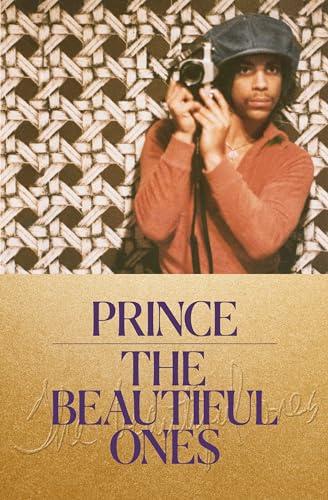
In his posthumous memoir, Prince discussed his parents' volatile relationship, including an incident where his mother shielded him from his father's anger.
Violence and jealousies permeated their relationship.
— Episode: Chasing Life presents The Prince Mixtape
In his posthumous memoir, Prince discussed his parents' volatile relationship, including an incident where his mother shielded him from his father's anger.
Violence and jealousies permeated their relationship.
Maddie and John both craved attention and excitement. They always needed to be the best dressed when they went out,
The Original 1926 Unabridged And Complete Edition (Ernest Hemingway Classics)
The podcast speaker, Tom O'Shea, taught his students to love Hemingway's works, highlighting the impact of his literature on his students.
Tom O'Shea taught his students to love Hemingway and Wendell and Brooks and also how to deliver a good left hook.
— Episode: Obituaries in the Age of the Coronavirus
The podcast speaker, Tom O'Shea, taught his students to love Hemingway's works, highlighting the impact of his literature on his students.
Tom O'Shea taught his students to love Hemingway and Wendell and Brooks and also how to deliver a good left hook.
A Therapist, HER Therapist, and Our Lives Revealed
The book was mentioned in passing as the author, Lori Gottlieb, discussed her work as a psychotherapist. Lori Gottlieb also uses her own experience with therapy to illustrate her points in the book.
And that's why I wrote about it in my book. I follow four patients and Maybe You Should Talk To Someone.
— Episode: Should Everyone Consider Therapy to Be H...
The book was mentioned in passing as the author, Lori Gottlieb, discussed her work as a psychotherapist. Lori Gottlieb also uses her own experience with therapy to illustrate her points in the book.
And that's why I wrote about it in my book. I follow four patients and Maybe You Should Talk To Someone.
I follow their stories. But I put myself as the fifth patient in the book because I wanted people to see that I do the same things when I go to therapy.
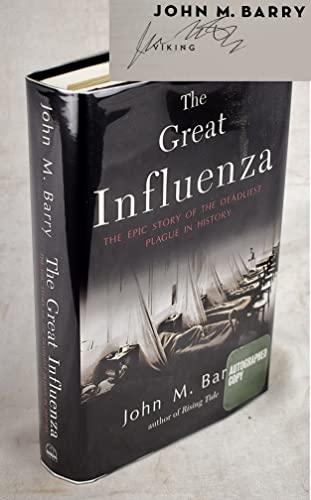
The Epic Story of the Deadliest Plague in History
The book 'The Great Influenza' was mentioned in the context of President George W. Bush's awareness of pandemic risks following 9/11. It prompted a discussion about the importance of pandemic preparedness and the challenges of maintaining focus on such threats.
George W. Bush tells a story where he read The Great Influenza and called Fran Townsend and basically says we've got to do something potentially about the risk of a pandemic.
— Episode: Preparing for the Next Pandemic
The book 'The Great Influenza' was mentioned in the context of President George W. Bush's awareness of pandemic risks following 9/11. It prompted a discussion about the importance of pandemic preparedness and the challenges of maintaining focus on such threats.
George W. Bush tells a story where he read The Great Influenza and called Fran Townsend and basically says we've got to do something potentially about the risk of a pandemic.

The Complete and Uncut Edition
The Stand is one of the podcast host's all-time favorite books by Stephen King.
Stephen King has written some of my all-time favorite books. The Stand, It, Misery.
— Episode: Stephen King on Fiction and the Frighten...
The Stand is one of the podcast host's all-time favorite books by Stephen King.
Stephen King has written some of my all-time favorite books. The Stand, It, Misery.
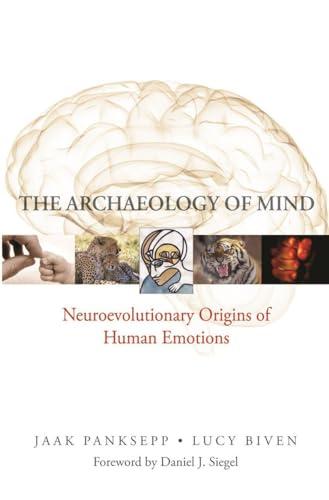
Neuroevolutionary Origins of Human Emotions (Norton Series on Interpersonal Neurobiology)
The author referenced this book about the archaeology of the mind, which he said encourages people to dig into their own minds to find the root cause of their issues.
In other words, Jack Bankstead, the newest scientist, he wrote a book called The Archaeology of the Mind.
— Episode: Your Trauma May Be Making You Sick
The author referenced this book about the archaeology of the mind, which he said encourages people to dig into their own minds to find the root cause of their issues.
In other words, Jack Bankstead, the newest scientist, he wrote a book called The Archaeology of the Mind.
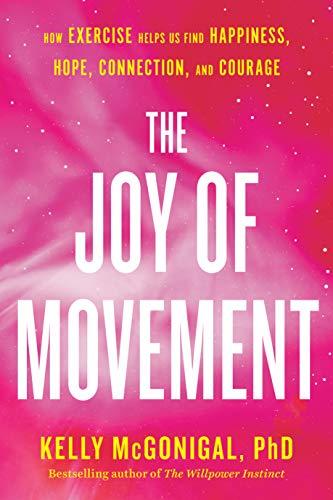
How exercise helps us find happiness, hope, connection, and courage
The book was written by a Stanford University lecturer and a health psychologist. The book explores how movement, in any form, can be a source of joy, helping people find happiness, hope, connection and courage.
She's a Stanford University lecturer and a health psychologist. She's a group fitness instructor and she's also author of the book, The Joy of Movement, how exercise helps us find hap...
— Episode: How Exercise Can Make Us Happier
The book was written by a Stanford University lecturer and a health psychologist. The book explores how movement, in any form, can be a source of joy, helping people find happiness, hope, connection and courage.
She's a Stanford University lecturer and a health psychologist. She's a group fitness instructor and she's also author of the book, The Joy of Movement, how exercise helps us find happiness, hope, connection and courage.
It's about joy. It's about embracing joy as not something that is frivolous or self-indulgent or out of reach until your life is perfect and free of problems. It's really about embracing the capacity for joy as something that affirms the value of life and helps us connect with others and is a way to find meaning even when life is difficult.
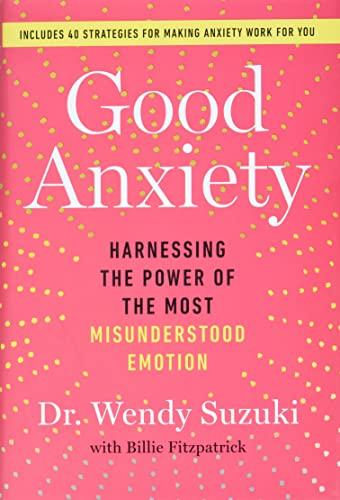
Harnessing the Power of the Most Misunderstood Emotion
It's a book about understanding how anxiety can actually serve a positive purpose and how to harness it for good. The author was motivated to write it after losing her father and brother in a short time period.
She's a professor of neuroscience at New York University, and she's also author of the book Good Anxiety.
— Episode: Can Anxiety Be A Good Thing?
It's a book about understanding how anxiety can actually serve a positive purpose and how to harness it for good. The author was motivated to write it after losing her father and brother in a short time period.
She's a professor of neuroscience at New York University, and she's also author of the book Good Anxiety.
I tragically I lost both my father, who was in his 80s and he had dementia. But also my 50 year old brother died of a heart attack in the middle of writing my book.
Oh, my Good Anxiety. And I thank you.
It was, of course, I stopped writing the book. I can't think of anxiety, Good Anxiety right now. I was mourning. It was it was the worst time I've ever gone through.
And I realized in going through that, that that difficult time and all of that grief and the waves of grief that came over that. The grief was so bad because the love was so strong.
Note: The book recommendations on this page are discovered automatically from podcast transcripts, and may be incorrect or incomplete.
Podcast Name