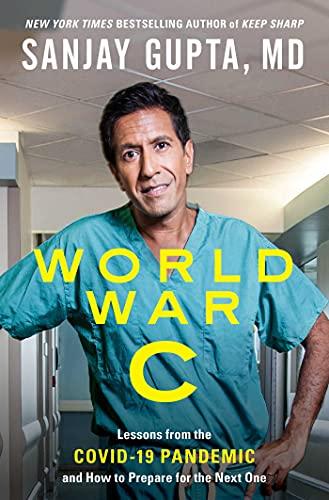
World War C
Sanjay Gupta M.D.
Mentioned 7 months ago
How to Identify Medical Misinformation & Fake AI Ads
All over the world, there are people who are living extraordinary lives, full of happiness and health – and with hardly any heart disease, cancer or diabetes. Dr. Sanjay Gupta has been on a decades-long mission to understand how they do it, and how we can all learn from them. Scientists now believe...
Recently mentioned
Sanjay Gupta M.D.
Mentioned 7 months ago
How to Identify Medical Misinformation & Fake AI Ads
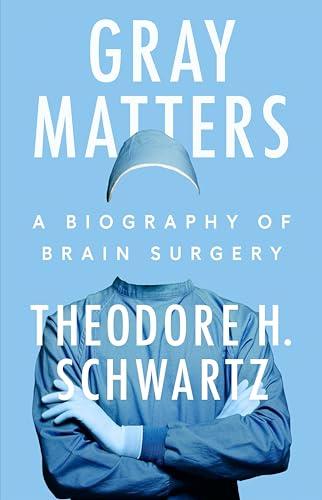
Theodore H. Schwartz
Mentioned 1 year ago
The Secret Lives of Neurosurgeons
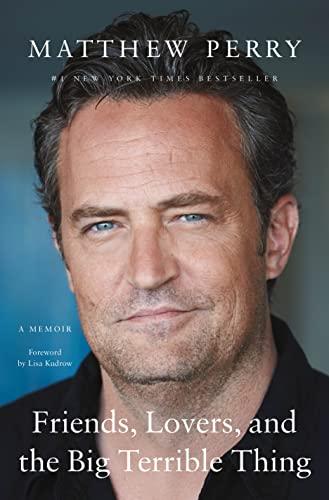
Matthew Perry
Mentioned 1 year ago
The Wild West of Ketamine Treatment
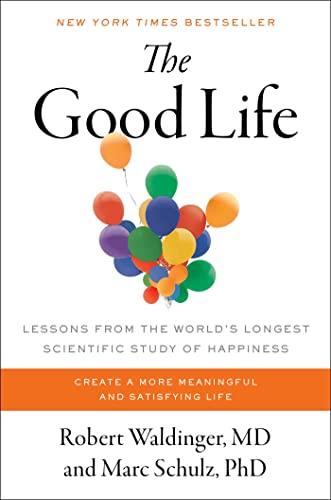
Robert Waldinger M.D.
Mentioned 1 year ago
Living Your Happiest Life
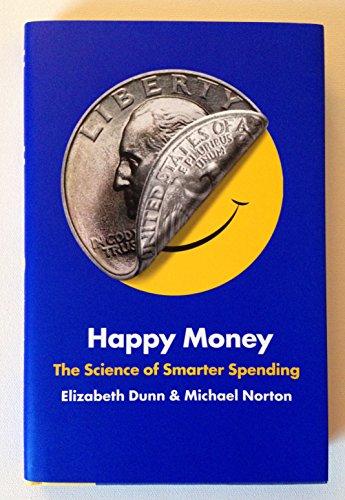
Elizabeth Dunn
Mentioned 1 year ago
Does Money Buy Happiness?
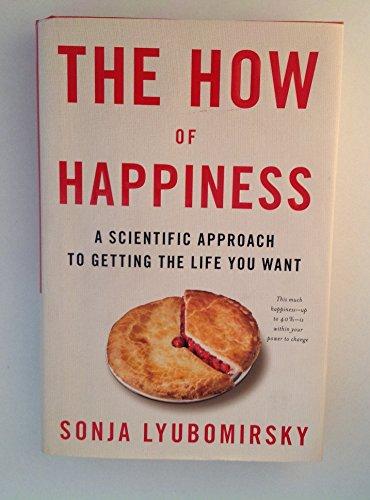
Sonja Lyubomirsky
Mentioned 2 years ago
The Habits of Happy People
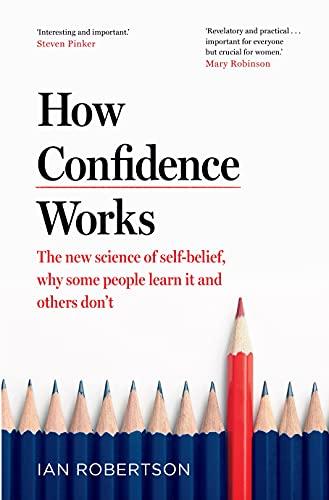
Ian Robertson
Mentioned 2 years ago
Want to be Happier? Confidence Can Help
Gabor Maté MD
Mentioned 2 years ago
Your Trauma May Be Making You Sick
Jaak Panksepp PhD
Mentioned 2 years ago
Your Trauma May Be Making You Sick
Kelly McGonigal
Mentioned 2 years ago
How Exercise Can Make Us Happier
Anthony Fauci M.D.
Mentioned 2 years ago
Are We Prepared for Bird Flu?
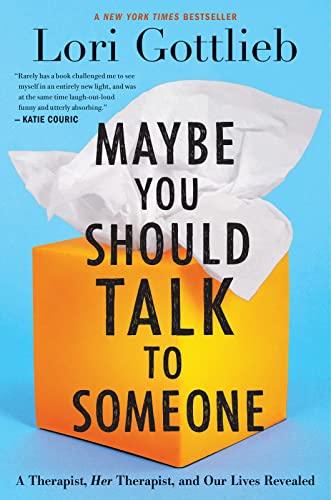
Lori Gottlieb
Mentioned 2 years ago
Should Everyone Consider Therapy to Be Happier?
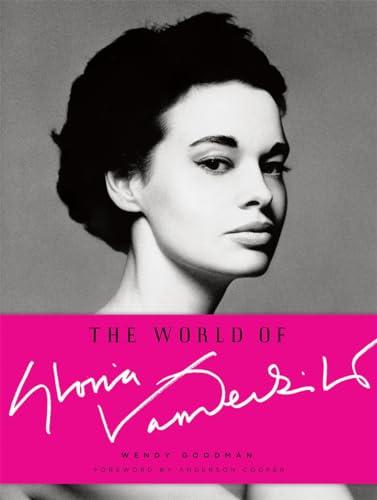
The hosts referenced the book as a coffee‑table volume that chronicled Gloria Vanderbilt’s life and her many design projects, noting that it was created in collaboration with her friend Wendy Goodman. They highlighted Vanderbilt’s habit of constantly redecorating her apartments and the long friendship that underpinned the project. The discussion was descriptive rather than an endorsement.
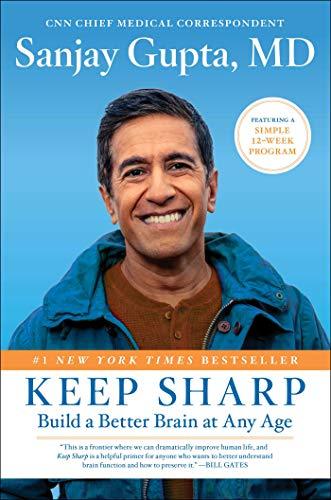
Build a Better Brain at Any Age
The book was highlighted by Dr. Sanjay Gupta, who discussed its core advice about keeping the brain active through new experiences, regular exercise, social connection, attention to memory encoding, and proper nutrition, and it was also referenced by Robert Sapolsky. Across the episodes, the hosts presented the title as a practical guide for maintaining brain health and mitigating stress effects. The overall tone was supportive and encouraging, positioning the book as a useful resource for listeners.
The book emphasizes the importance of keeping your brain active and suggests things like trying new things, exercising regularly, and connecting with others to maintain brain health.
And I talk a lot about this in my book, Keep Sharp.
The book's author, Dr. Sanjay Gupta, discussed the role of attention in memory, highlighting that forgetting can sometimes stem from a failure to initially encode the memory due to distractions or inattention. It was mentioned in relation to memory and attention.
I had worked on this book called Keep Sharp for some time, and the role of attention was something that really struck me.
And tip five, eat well. Don't forget how to nourish yourself. If you remember my conversation with Dr. Uma Naidoo from last season, there is a strong connection between your diet and your brain health.
In his new book, Professor Sapolsky discusses strategies to alleviate stress and its effects on the brain, including deep breathing, forest bathing, engaging in creative activities and practicing gratitude.
Well, I talk about this a bit in my new book. It's called Keep Sharp, Build a Better Brain at Any Age.
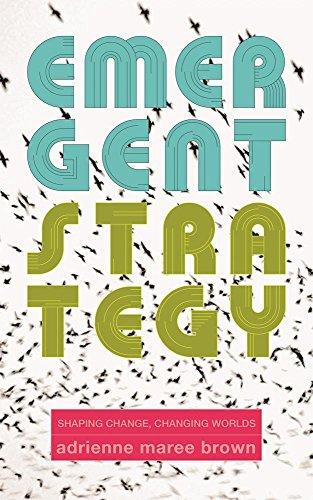
Shaping Change, Changing Worlds
The book was described as a guide for shaping our relationship with the changing Earth, and its author shared personal feelings of climate anxiety and hopelessness after years of activism. The hosts highlighted its relevance to the episode's discussion of climate anxiety and sustainable futures.
It was described as a book about shaping our relationship with the changing Earth; the author, an activist for decades, mentioned feeling hopeless after 15 years of activism and questioning how to build a sustainable formation.
Oh yeah, I definitely have climate anxiety. Sometimes I might even say I have climate despair, you know?
After I had been organizing for like 15 years, I was feeling very hopeless. You know, I was just like, I don't understand how we get ourselves into a formation that can survive.
It is a book about shaping our relationship with the changing Earth. The author, a social and environmental justice activist, discussed feeling hopeless after 15 years of activism and how the book reflects on that journey.
Oh yeah, I definitely have climate anxiety. Sometimes I might even say I have climate despair, you know?
That's Adrienne Marie Brown, a social and environmental justice activist and author of Emergent Strategy, a book about shaping our relationship with the changing Earth.
After I had been organizing for like 15 years, I was feeling very hopeless. You know, I was just like, I don't understand how we get ourselves into a formation that can survive.
It was described as a book about shaping our relationship with the changing Earth; the author, a social and environmental justice activist, mentioned feeling hopeless after 15 years of activism, questioning how to achieve a sustainable future.
Oh yeah, I definitely have climate anxiety. Sometimes I might even say I have climate despair, you know?
After I had been organizing for like 15 years, I was feeling very hopeless. You know, I was just like, I don't understand how we get ourselves into a formation that can survive.
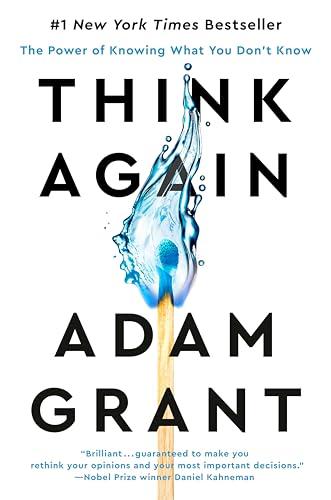
The Power of Knowing What You Don't Know
The book was highlighted as a standout work by its author, showcasing his expertise in psychology and human behavior, and was praised as his best writing. Dr. Sanjay Gupta also called it a great new title that examined how the pandemic reshaped work and offered ways to reduce stress. The hosts presented it as a valuable resource for understanding uncertainty and improving workplace wellbeing.
It was described as a great new book that explores how the pandemic has transformed the way we live and work. The author studies how to make work less stressful.
He's also got this great new book. It's called Think Again
It was described as a great new book that explores how the pandemic has transformed the way we live and work. The author studies how to make work less stressful.
He's also got this great new book. It's called Think Again
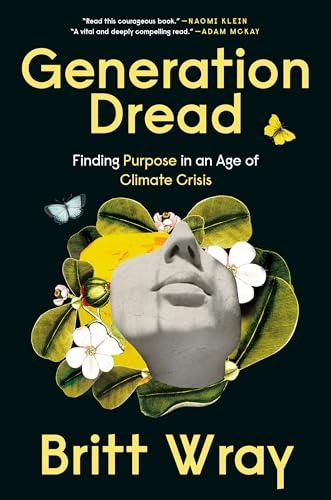
Finding Purpose in an Age of Climate Crisis
The book was introduced during a discussion on climate anxiety, where the author—a Stanford human and planetary health fellow—shared how personal concerns about climate predictions led her to research the psychological impacts of the crisis. The hosts noted that the title examines ways to find purpose amid climate change and serves as a resource for listeners grappling with eco‑anxiety. Overall, it was presented as a thoughtful contribution to the conversation without explicit endorsement.
This book explores finding purpose in an age of climate crisis; the author's transition to climate work was spurred by personal concerns, including anxieties around having children given climate predictions and the lack of swift action from those in power.
That's Britt Rae, a human and planetary health fellow at Stanford University and author of the book Generation Dread, Finding Purpose in an Age of Climate Crisis.
And I no longer felt that that was the wisest thing to do or the most compassionate thing to do, given what climate predictions were coming across my desk when I was not seeing rapid, swift action from power holders.
And I thought, well, I am surely not the only one feeling this way. Let's do some research and figure out what the psychological impacts of the climate crisis are for other people. And that's why the book was written in the first place.
The book explores the mental health effects of the climate crisis. The author, a climate activist and expert in this field, describes her personal journey with climate anxiety, which led her to conduct research and write the book.
That's Britt Rae, a human and planetary health fellow at Stanford University and author of the book Generation Dread, Finding Purpose in an Age of Climate Crisis.
And I thought, well, I am surely not the only one feeling this way. Let's do some research and figure out what the psychological impacts of the climate crisis are for other people. And that's why the book was written in the first place.
It is a book about finding purpose in an age of climate crisis, written by a climate activist and expert in the mental health effects of climate change; the author described her journey into climate work, initially fueled by personal concerns and anxiety about having children given climate predictions and government inaction.
That's Britt Rae, a human and planetary health fellow at Stanford University and author of the book Generation Dread, Finding Purpose in an Age of Climate Crisis.
And I no longer felt that that was the wisest thing to do or the most compassionate thing to do, given what climate predictions were coming across my desk when I was not seeing rapid, swift action from power holders.
And I thought, well, I am surely not the only one feeling this way. Let's do some research and figure out what the psychological impacts of the climate crisis are for other people. And that's why the book was written in the first place.
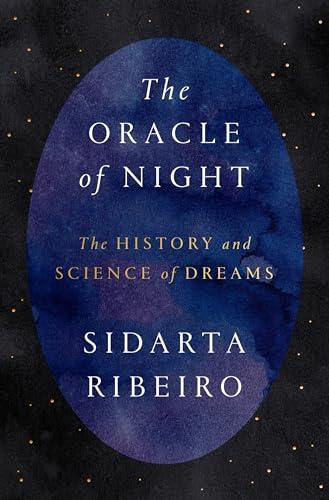
The History and Science of Dreams
The host referenced the title in three episodes, noting it as the author's published work that examines the science and history of dreams and linking it to a guest's expertise in memory, sleep, and dreaming.
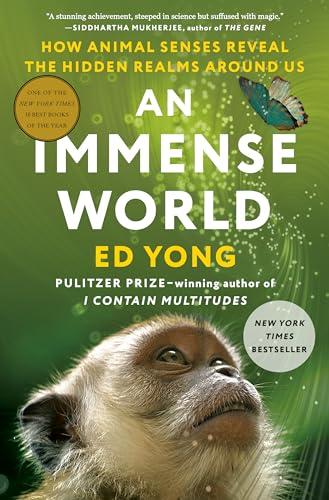
How Animal Senses Reveal the Hidden Realms Around Us
The host mentioned that they had recently read the book and found it amusing, noting its familiar themes from a earlier TED Talk on Umwelt. They highlighted how the author’s exploration of animal senses revealed surprising facts, such as sea turtles navigating via Earth’s magnetic field and dogs experiencing the world primarily through smell. The discussion emphasized that each creature lives in a unique sensory bubble, which deepens our understanding of both animal and human perception.
The podcast host recently read this book and found it humorous, noting its familiarity with a TED Talk given seven years prior that discussed the concept of Umwelt.
You know, I have to tell you, just as a bit of a side note, I recently read Ed Yong's book, An Immense World, and it was so funny because I listened to your TED Talk from 2015 actually, so seven years ago, and you were talking about Umwelt back in that talk, which is something, I don't know if you've read Ed's book yet, it's gonna sound very familiar.
The author, while writing this book about animal senses, became a dog owner, which profoundly impacted his understanding of canine senses, particularly smell. He details how different creatures experience the world through vastly different sensory perceptions, emphasizing that each animal's experience is unique and limited by its sensory capabilities.
He also just published a book called An Immense World, How Animal Senses Reveal the Hidden Realms Around Us.
We go on what we call a sniff walk. Like we go at his pace and we do what he wants. And what he wants to do is sniff.
Until I read Ed's book, I didn't even know that they could see. I also didn't know that sea turtles use the Earth's magnetic field to allow them to swim around the world and then still find the exact beach where they were hatched.
So each of us is trapped in our own sensory bubble and perceiving just this thin sliver of the fullness of reality.
I think it's that I feel that I gain so much from thinking about the creatures around us. I understand them better, and I understand my world better.
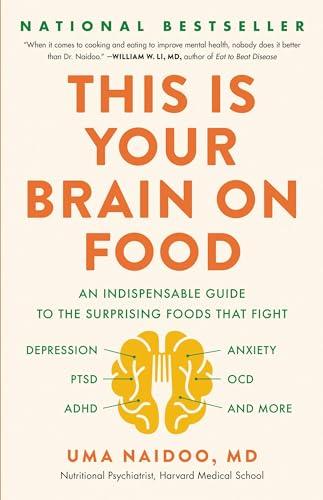
An Indispensable Guide to the Surprising Foods that Fight Depression, Anxiety, PTSD, OCD, ADHD, and More
The book was introduced as a work by Dr. Uma Naidoo, a psychiatrist, nutrition specialist, and professional chef, who uses food to help patients with mental health challenges. Both hosts explained that it explores how diet can affect conditions such as depression, anxiety, PTSD, OCD, and ADHD, positioning food as a form of medicine. No explicit endorsement was given, but it was presented as a relevant resource for listeners interested in nutritional approaches to mental health.
It was mentioned as one of Dr. Uma Naidoo's books, a nutritional psychiatrist and chef who is also a professional chef. She works with patients to improve their mental health with the help of medication and food.
She's also a professional chef. She's the author of the books, This Is Your Brain on Food and Calm Your Mind with Food.
The book is about how food impacts the brain and mental health; it was mentioned that the author is a psychiatrist, nutritionist and professional chef, and advocates for improving mental health through diet.
Dr. Uma Naidoo is a psychiatrist, a nutritional specialist, and a professional chef. She wrote a book called This Is Your Brain on Food.
Lessons from the World's Longest Scientific Study of Happiness
The book was highlighted as a concise summary of the Harvard Study on Adult Development, explaining that happiness varies moment to moment rather than being constant. Host Sanjay Gupta, along with the author, urged listeners to read it to understand what truly contributes to a happy, healthy life. The discussion conveyed strong endorsement of the title.
It was discussed as a book summarizing the Harvard Study on Adult Development, which explores what makes people happy and healthy throughout their lives, emphasizing that happiness fluctuates and is not constant.
Bob has shared his findings in his latest book called The Good Life, lessons from the longest scientific study of happiness.
What we found was that no life is good all the time. Moment to moment, happiness changes.
I've read your book. I've read your research.
It is in your book, which is great and everyone should read it.
I'd encourage everyone to read his book, The Good Life.
It was discussed as a summary of the Harvard Study on Adult Development, focusing on what truly makes people happy and healthy, and how happiness is not constant.
Bob has shared his findings in his latest book called The Good Life, lessons from the longest scientific study of happiness.
What we found was that no life is good all the time. From moment to moment, happiness changes.
I've read your book. I've read your research.
I'd encourage everyone to read his book, The Good Life.
It's partly happy. Every life has ups and downs. It's a good life is where we feel that we can meet most of the time the challenges that come our way, because challenges are always coming our way.
The book was referenced in two episodes where the hosts explained its five stages of grief model, noting that it resonated in certain situations but was not a universal or linear experience for everyone. They highlighted both its usefulness as a framework and its limitations, emphasizing that people may not follow the stages in order or at all.
The book's five stages of grief were discussed, and the speaker noted that, while sometimes applicable, it is not universally experienced in that order or at all.
I always, I read the book and there were times when I felt like, wow, that really seems to fit in this particular scenario. And there's other times when people did not seem to go through the stages or they didn't go through the stages in order or they didn't go through the stages at all.
The book's five stages of grief were mentioned and discussed; the speaker found it relatable in some scenarios but not universally applicable, and acknowledged the limitations of a prescribed model for grief.
I always, I read the book and there were times when I felt like, wow, that really seems to fit in this particular scenario. And there's other times when people did not seem to go through the stages or they didn't go through the stages in order or they didn't go through the stages at all.
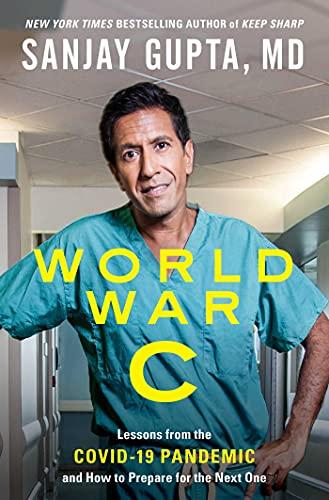
Lessons from the Covid-19 Pandemic and How to Prepare for the Next One
In two episodes, Dr. Sanjay Gupta introduced the book, noting it distilled lessons from the COVID‑19 pandemic and provided practical advice for personal health and future pandemic preparedness. He emphasized its value for understanding recent events and evaluating personal risk. The discussion presented the title as a useful guide for listeners.
Dr. Sanjay Gupta's book, "World War C," offered lessons learned from the COVID-19 pandemic and guidance on preparing for future pandemics. The book's release was announced during the podcast.
I hope you get a chance to also pick up my new book comes out today. It's called World War C, the lessons from the COVID-19 pandemic and how to best prepare for the next one, including your own personal health.
Dr. Sanjay Gupta's book, 'World War C,' discusses the COVID-19 pandemic, offering insights into the events of the past two years and guidance on personal risk evaluation and preparedness. The book aims to help readers understand the pandemic and its impact on their lives.
I'll also take a moment to tell you about a new book that I've just written. It's called World War C. And it comes out October 5th.
An Unsanitized History
The book was highlighted for its deep dive into the history of hygiene, tracing America’s fixation on cleanliness back to ancient Rome. Both episodes noted its unsanitized perspective on the evolution of cleaning habits. The hosts presented it as an informative look at cultural shifts.
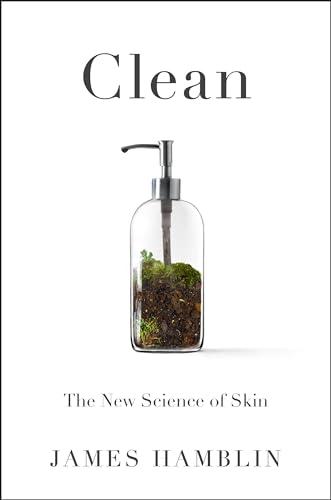
The New Science of Skin
The hosts highlighted the book for its fresh look at skin science, promoting a more minimalist approach to hygiene and questioning traditional cleanliness habits. They noted the author's personal experiment of skipping showers as an illustrative case, and overall presented the title as a compelling read for rethinking daily routines.
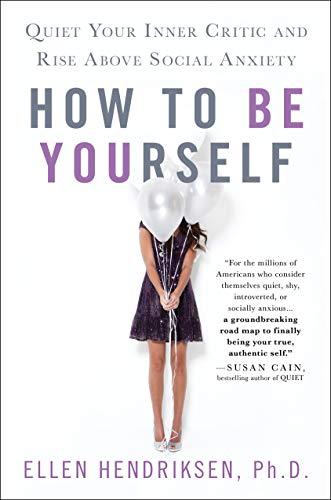
Quiet Your Inner Critic and Rise Above Social Anxiety
The hosts highlighted the book as a clinically grounded guide that addressed common unhelpful advice for socially anxious people and offered practical strategies for managing self‑doubt and fostering authentic connections. Dr. Ellen Hendriksen explained how the work draws on her experience with patients, describing social anxiety as "self‑consciousness on steroids" and illustrating how re‑framing thoughts can calm the amygdala’s over‑reactivity. The host Harry Enten recommended it as a useful tool for quieting the inner critic and rising above social anxiety.
It was inspired by the author's work with socially anxious patients and addresses common unhelpful advice given to those experiencing social anxiety. It offers strategies for managing self-doubt and improving social interactions.
So How to Be Yourself is based off of the advice that a lot of socially anxious people will get when they're feeling nervous or anticipating social interaction.
But at the same time, being genuine, being authentic really is the best way to connect and to create a positive feedback loop of less anxiety and more connection.
In your book, you basically say that social anxiety is sort of self-consciousness on steroids.
The classic example, which I use in my book is if we text a friend and then nothing, they don't text us back. Our amygdala might say, she hates me. And our prefrontal cortex can kind of logic it down and say, you know, she's probably in a meeting. She's probably busy. She'll get back to you soon. It's fine.
So when we encounter a threat for someone with social anxiety, that threat sensor, the amygdala might be calibrated like just a little too sensitively.
It was mentioned by the host as a book written by a clinical assistant professor at Boston University Center for anxiety and related disorders; the book helps people to quiet their inner critic and rise above social anxiety.
That's dr Ellen Hendrickson a clinical assistant professor at Boston University Center for anxiety and related disorders and the author of How to Be Yourself Quiet your inner critic and rise above social anxiety
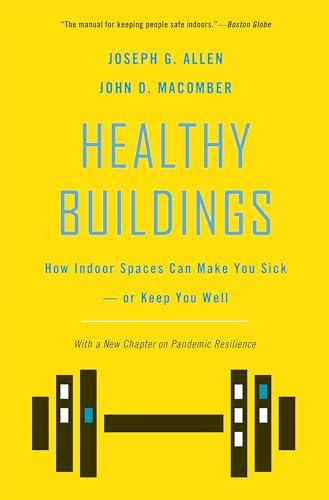
How Indoor Spaces Can Make You Sick―or Keep You Well
The hosts referenced the book while discussing how indoor environments influence performance, productivity, and the spread of airborne illnesses, especially COVID-19. Dr. Sanjay Gupta highlighted the author's research on airflow and health, using the book as a key source for understanding transmission risks. The discussion emphasized the importance of building design for well‑being and disease prevention.
It discusses how indoor spaces influence performance and productivity, and much of the research within focuses on how airflow in buildings promotes good health. The book was mentioned in relation to the author's research on airborne transmission of the novel coronavirus.
He's also the co-author of the book Healthy Buildings, How Indoor Spaces Drive Performance and Productivity.
Lessons from the Covid-19 Pandemic and How to Prepare for the Next One
The book was brought up by Clara Duffy as a reference to Dr. Gupta’s analysis of how disinformation spread during the COVID‑19 pandemic, highlighting the experience that shaped his understanding of medical misinformation and his subsequent appearance on the Joe Rogan podcast to debunk false claims. The discussion framed the title as a useful context for the episode’s focus on identifying misinformation.
Dr. Gupta wrote this book detailing how disinformation spread during the COVID-19 pandemic in 2021, which was an experience that helped him appreciate the scope of medical misinformation.
You wrote in your book, World War C, about how disinformation spread during the COVID-19 pandemic in 2021.
You went on Joe Rogan's podcast to debunk false claims. What did you learn about medical misinformation from that experience?
Dr. Gupta wrote this book concerning how disinformation spread during the COVID-19 pandemic in 2021.
Sort of on that note, you wrote in your book, World War C, about how disinformation spread during the COVID-19 pandemic in 2021.
The Stand is one of the podcast host's all-time favorite books by Stephen King.
Stephen King has written some of my all-time favorite books. The Stand, It, Misery.
— Episode: Stephen King on Fiction and the Frighten...
The Stand is one of the podcast host's all-time favorite books by Stephen King.
Stephen King has written some of my all-time favorite books. The Stand, It, Misery.
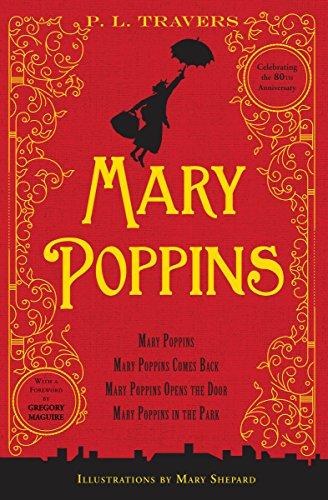
Mary Poppins, Mary Poppins Comes Back, Mary Poppins Opens the Door, and Mary Poppins in the Park
It was the book that the Sherman brothers were asked to read and interpret for a musical adaptation. The story and characters inspired the creation of several songs, including "A Spoonful of Sugar."
He handed them this little red book and it was Mary Poppins. And he said, tell me, read it and tell me what you think.
— Episode: A Spoonful of Hope
It was the book that the Sherman brothers were asked to read and interpret for a musical adaptation. The story and characters inspired the creation of several songs, including "A Spoonful of Sugar."
He handed them this little red book and it was Mary Poppins. And he said, tell me, read it and tell me what you think.
Dad read the book and then read it to me and my older sister, Lori.
And Walt Disney said, that's what it's all about, isn't it?
The book explores the science behind confidence, arguing that even accomplishing small tasks helps build confidence and contributes to a sense of success. The author highlights that confidence can be a significant factor in well-being and happiness, and he also discusses the importance of control and agency in life.
His basic premise is this, even accomplishing small tasks help us to build confidence, help us to feel successful.
— Episode: Want to be Happier? Confidence Can Help
The book explores the science behind confidence, arguing that even accomplishing small tasks helps build confidence and contributes to a sense of success. The author highlights that confidence can be a significant factor in well-being and happiness, and he also discusses the importance of control and agency in life.
His basic premise is this, even accomplishing small tasks help us to build confidence, help us to feel successful.
He has been studying psychology and the brain for decades. He's published books and articles. He has a reputation as a renowned neuroscientist, but he still remembers times when even his confidence was low.
He is author of How Confidence Works, The New Science of Self-Belief.
Confidence is a bridge over uncertainty.
Confidence is probably the most important resource in human well-being and human performance, I believe of course.
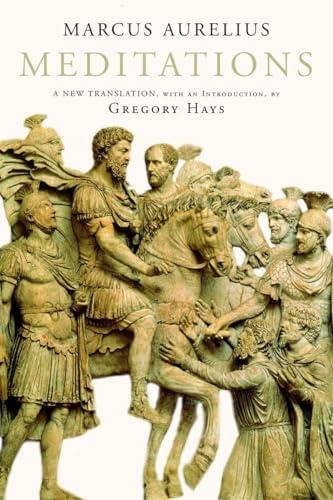
A New Translation (Modern Library)
It was described as a journal where the Roman emperor wrote notes about himself and others he cared about, focusing on what he noticed as constant amidst chaos. The speaker noted its usefulness in managing life's stresses and finding meaning.
One of the things that's really cool about Marcus Aurelius is he led this action-packed life. He was emperor of Rome when they were having their own massive pandemic. He's fighting this huge war with...
— Episode: In Search of Lost Time
It was described as a journal where the Roman emperor wrote notes about himself and others he cared about, focusing on what he noticed as constant amidst chaos. The speaker noted its usefulness in managing life's stresses and finding meaning.
One of the things that's really cool about Marcus Aurelius is he led this action-packed life. He was emperor of Rome when they were having their own massive pandemic. He's fighting this huge war with the tribes in Germany. He's got all of these day-to-day pressures. But if you read Marcus' journal, The Meditations, he doesn't talk that much about how he's handling his day-to-day stresses. And instead, he writes himself little notes every day about things that he's noticing about himself and things he's noticing about other people that he really cares about that he wants to remember and he thinks are constant in the midst of all of the chaos.
Note: The book recommendations on this page are discovered automatically from podcast transcripts, and may be incorrect or incomplete.
Podcast Name