Our Man in Mexico
Jefferson Morley
Mentioned 1 year ago
10/8/24: Kamala Says Iran Greatest Threat, US Approved IDF Aid Strikes, Hillary Demands Censorship, CIA Caught In Major Coverup

Breaking Points is a fearless anti-establishment multi-week Youtube and Podcast which holds the powerful to account hosted by Krystal Ball and Saagar Enjeti
Recently mentioned
Jefferson Morley
Mentioned 1 year ago
10/8/24: Kamala Says Iran Greatest Threat, US Approved IDF Aid Strikes, Hillary Demands Censorship, CIA Caught In Major Coverup
Tess Gerritsen
Mentioned 1 year ago
10/7/24: October 7th One Year Later, Biden Bribes Israel To Limit Iran Attack, New Trump The Apprentice Movie
Malcolm X
Mentioned 1 year ago
10/3/24: Jill Stein Sounds Off On Dem Lawfare, Lesser Of Two Evils Voting

J.D. Vance
Mentioned 1 year ago
Tim Walz Vs. JD Vance Debate Best And Worst Moments
Michelle Obama
Mentioned 1 year ago
9/24:24: Nebraska Saves Kamala, Trump Too Old For Rallies, Trump Takes Bernie Policy, How CIA Propped Up Afghan Heroin
Don Winslow
Mentioned 1 year ago
9/24:24: Nebraska Saves Kamala, Trump Too Old For Rallies, Trump Takes Bernie Policy, How CIA Propped Up Afghan Heroin
Evan Wright
Mentioned 1 year ago
9/24/24: US Floods Troops To Middle East, Ryan Unloads On IDF Al Jazeera Raid, Josh Shapiro Signs Ukraine Bombs
Cooper Gauldin
Mentioned 1 year ago
9/17/24: Hezbollah Pagers Detonated, JD Blames Media For Ohio Bomb Threats, Kamala Pressed At Black Journo Event, China Secures Pakistan Port, Matt Walsh Confronted On US Racism
Nate Silver
Mentioned 1 year ago
9/12/24: Trump Meltdown On Fox, Abortion Tops Search Term, RFK Says Kamala Won Debate, Taylor Swift Voter Surge, GenZ Men Pro-Trump, Kamala Google Collusion

Glynnis MacNicol
Mentioned 1 year ago
8/30/24 DEBATE: Did RFK Jr BETRAY His Voters w/Trump Endorsement? | CounterPoints Friday

Naomi Klein
Mentioned 1 year ago
8/29/24: Kamala First Interview, American Dream Over, Trump Tariff Debate, Trump Facing Six Years In Prison, UN Aid Car Shot By IDF, Bernie To Trump Pipeline
Mollie Hemingway
Mentioned 1 year ago
8/28/24: Tulsi Joins Trump Campaign, Swing States Keep RFK On Ballot, Israel Attacks West Bank, Zuckerberg Admits Biden Censorship, France Erupts Over Macron Election Denial, Independent Tied In NB
A History of American Labor and the Working Day (Contributions in Labor Studies)
It was discussed in the context of the Warrior Met Coal strike, focusing on how the reduction of working hours has been a unifying factor throughout the history of the American labor movement.
the reduction of working hours constituted the prime demand in the class conflicts that spawned America's first industrial strike, its first citywide trade union councils, its first labor party, its f...
— Episode: Mini Show #32: The Art of Class War, Bil...
It was discussed in the context of the Warrior Met Coal strike, focusing on how the reduction of working hours has been a unifying factor throughout the history of the American labor movement.
the reduction of working hours constituted the prime demand in the class conflicts that spawned America's first industrial strike, its first citywide trade union councils, its first labor party, its first general strikes, its first organizing uniting skilled and unskilled workers, its first strike by females and its first attempts at regional and national labor organization.
It was discussed in relation to the history of American labor and the significance of the fight for shorter workdays, especially in uniting workers across various divides.
the reduction of working hours constituted the prime demand in the class conflicts that spawned America's first industrial strike, its first citywide trade union councils, its first labor party, its first general strikes, its first organizing uniting skilled and unskilled workers, its first strike by females and its first attempts at regional and national labor organization

Dr. Oz was said to have authored 350 books, but no specific titles were mentioned.
He has authored 350 books.
— Episode: Best of Week 4/9: PA Senate, Food Prices...
Dr. Oz was said to have authored 350 books, but no specific titles were mentioned.
He has authored 350 books.
How Private Power Crushed American Liberty--and What to Do About It
It was discussed as a new book by Sohrab Ahmari about how private power has allegedly crushed American liberty, particularly in relation to the rail industry and the UAW.
Tyranny Inc., How Private Power Crushed American Liberty and What to Do About It.
— Episode: 9/6/23: Mark Meadows May Flip On Trump,...
It was discussed as a new book by Sohrab Ahmari about how private power has allegedly crushed American liberty, particularly in relation to the rail industry and the UAW.
Tyranny Inc., How Private Power Crushed American Liberty and What to Do About It.
It was discussed as a book that tackles corporate power and how it has potentially diminished American liberty, and explores solutions.
I'm also excited to talk to Saurabh Amari this morning about his new book, Tyranny, which is a hard look at corporate power and what we can do to check it, something we are obviously very interested in here.
It's all about corporate power. The subhead here is how private power crushed American liberty and what to do about it.
It was discussed in the context of the 2020 social justice movement, with a focus on how it was potentially derailed or co-opted by elites, and how little changed materially for working-class people of color.
I just had a feeling in sort of early 2022. So I sold the book in May of 2022.
— Episode: 9/5/23: Nate Silver On Biden's Shocking...
It was discussed in the context of the 2020 social justice movement, with a focus on how it was potentially derailed or co-opted by elites, and how little changed materially for working-class people of color.
I just had a feeling in sort of early 2022. So I sold the book in May of 2022.
I had this feeling that I was just going crazy because a couple years earlier, everyone was talking about revolution.
And then in a couple years later, it just felt like everyone had kind of decided to sideline that, ignore it, and pretend like it didn't happen because they were embarrassed by the fact that nothing changed.
I think that the events of 2020 indicated very deep and very real problems with our country, and that those problems need to be met effectively, and that didn't happen in 2020.
And if you take those problems seriously, you have to ask, how can we do this better in the future? And that's what the book is all about.
Freddie DeBoer's book, which was mentioned as forthcoming, was described as exploring how the social justice movement has been co-opted by elites, and was discussed in the context of AOC's political trajectory.
He is a writer and also author and has a new book coming out. We're very excited about titled How Elites Ate the Social Justice Movement that is going to be dropping this fall.
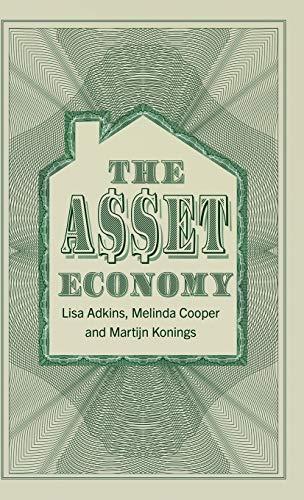
It was mentioned as a book that argues persuasively that the key element shaping inequality is no longer the employment relationship but whether one is able to buy assets.
the thesis of a book that he cites titled The Asset Economy by economist Lisa Adkins, Melinda Cooper, Martin Kohli, in it they argue persuasively that the key element shaping inequali...
— Episode: 3/31/22: Russia-Ukraine War Strategy, Do...
It was mentioned as a book that argues persuasively that the key element shaping inequality is no longer the employment relationship but whether one is able to buy assets.
the thesis of a book that he cites titled The Asset Economy by economist Lisa Adkins, Melinda Cooper, Martin Kohli, in it they argue persuasively that the key element shaping inequality is no longer the employment relationship but rather whether one is able to buy assets that appreciate at a faster rate than both inflation and wages.

It was discussed and recommended due to its analysis of demographic shifts in countries around the world, and how those changes impact political systems and voter behavior, specifically regarding the Latino vote.
Yeah and by the way guys the book is called Majority Minority that's why we mentioned that a couple of times. We can go ahead and put that book jacket up on the screen and highly reco...
— Episode: Mini Show #28: Union Busting, Latino Vot...
It was discussed and recommended due to its analysis of demographic shifts in countries around the world, and how those changes impact political systems and voter behavior, specifically regarding the Latino vote.
Yeah and by the way guys the book is called Majority Minority that's why we mentioned that a couple of times. We can go ahead and put that book jacket up on the screen and highly recommend it to all of you.
So this is particularly noteworthy because it's the opposite of predictions that were being made both by the Democratic Party that had this idea of the coalition of the Ascendant and these demographic changes in the country were just going to like guarantee their political power forever and now they're in a situation where they're facing down likely significant losses in the midterms, Biden looks extraordinarily weak for reelection of course you never want to outright that against incumbent president.
It was discussed in the context of demographic shifts in the United States and how minority groups are growing, which has led to changes in voting patterns, especially among Latino voters.
Yeah and by the way guys the book is called Majority Minority that's why we mentioned that a couple of times. We can go ahead and put that book jacket up on the screen and highly recommend it to all of you.
So this is particularly noteworthy because it's the opposite of predictions that were being made both by the Democratic Party that had this idea of the coalition of the Ascendant and these demographic changes in the country were just going to like guarantee their political power forever and now they're in a situation where they're facing down likely significant losses in the midterms, Biden looks extraordinarily weak for reelection of course you never want to outright that against incumbent president
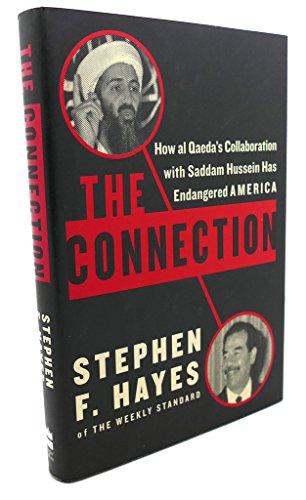
How al Qaeda's Collaboration with Saddam Hussein Has Endangered America
It was mentioned by Saagar as a book Stephen Hayes wrote in the lead-up to the Iraq War, where he falsely claimed Al Qaeda had deep connections with Saddam Hussein. This was discussed in the context of a conversation about Jonah and Stephen Hayes's past propaganda work and their subsequent resignation from Fox News.
Stephen Hayes wrote how Al Qaeda's collaboration with Saddam Hussein has endangered America.
— Episode: 11/23/21: Waukesha Attack, Economy News,...
It was mentioned by Saagar as a book Stephen Hayes wrote in the lead-up to the Iraq War, where he falsely claimed Al Qaeda had deep connections with Saddam Hussein. This was discussed in the context of a conversation about Jonah and Stephen Hayes's past propaganda work and their subsequent resignation from Fox News.
Stephen Hayes wrote how Al Qaeda's collaboration with Saddam Hussein has endangered America.
The Connection, Stephen Hayes of the weekly standard, that is the person that we're dealing with, this one of the chief drivers of the war in Iraq, wrote a book literally claiming falsely that Al Qaeda had deep connections with Saddam Hussein in the war in Iraq.

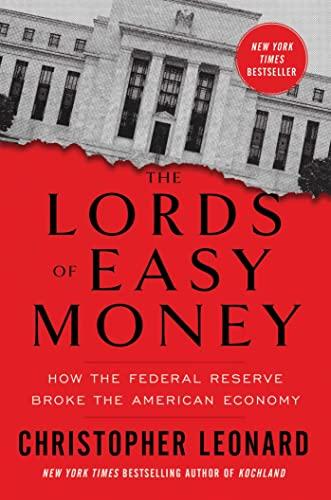
How the Federal Reserve Broke the American Economy
The author of the book, Chris Leonard, discussed his work in the context of the Federal Reserve's role in the current economic crisis and the long-term impact of its policies since 2010.
He is the author of The Lords of Easy Money, how the Federal Reserve broke the American economy.
— Episode: Mini Show #40: Inflation Causes, Fed Pol...
The author of the book, Chris Leonard, discussed his work in the context of the Federal Reserve's role in the current economic crisis and the long-term impact of its policies since 2010.
He is the author of The Lords of Easy Money, how the Federal Reserve broke the American economy.
Well, I would say, look at the risk of being predictable, The Lords of Easy Money, this book I wrote really tries to calmly walk through the last decade of monetary policy.
It was described as providing a calm and comprehensive explanation of monetary policy over the last decade, particularly the Federal Reserve's actions, and helping to explain the current economic climate.
He is the author of The Lords of Easy Money, how the Federal Reserve broke the American economy.
Well, I would say, look at the risk of being predictable, The Lords of Easy Money, this book I wrote really tries to calmly walk through the last decade of monetary policy.

A Novel
Ross Barkin, a writer for New York magazine, columnist with Jacobin, also a contributor at The Nation, mentioned this book as one of his three published books.
He's a writer for New York magazine, columnist with Jacobin, also contributor at The Nation, author of three books including The Night Burns Bright.
— Episode: 6/9/22: Jan 6th Hearings, Uvalde Survivo...
Ross Barkin, a writer for New York magazine, columnist with Jacobin, also a contributor at The Nation, mentioned this book as one of his three published books.
He's a writer for New York magazine, columnist with Jacobin, also contributor at The Nation, author of three books including The Night Burns Bright.
Ross Barkin, a writer for New York magazine, columnist with Jacobin, also a contributor at The Nation, is the author of three books including The Night Burns Bright.
He is a writer for New York magazine, columnist with Jacobin, also contributor at The Nation, author of three books including The Night Burns Bright.
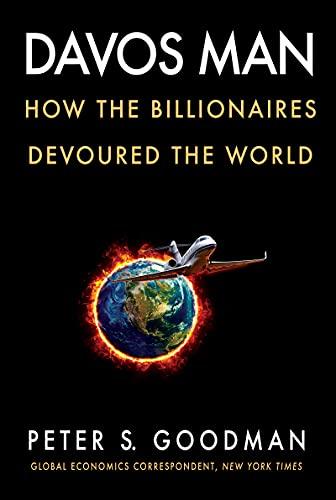
How the Billionaires Devoured the World
It was discussed in relation to the World Economic Forum and the influential figures attending. The book explores the powerful and elite individuals who benefit from the status quo and shape global decisions.
I'm really excited. Yep, here it is. Hey breaking points and joined by Peter Goodman he's the author of Davos Man we're here to talk about Davos the word economic forum and the big ev...
— Episode: Mini Show #37: BLM Finances, DHS Board,...
It was discussed in relation to the World Economic Forum and the influential figures attending. The book explores the powerful and elite individuals who benefit from the status quo and shape global decisions.
I'm really excited. Yep, here it is. Hey breaking points and joined by Peter Goodman he's the author of Davos Man we're here to talk about Davos the word economic forum and the big event which is drawing a lot of attention basically from everyone this week let's just start with a very basic question what is Davos and why is it on everyone's mind at the point where you wrote a book about it.
The book was mentioned in the context of a discussion about the World Economic Forum, its participants, and their influence on global issues. It was presented as a critical examination of the forum and its impact.
I'm really excited. Yep, here it is. Hey breaking points and joined by Peter Goodman he's the author of Davos Man we're here to talk about Davos the word economic forum and the big event which is drawing a lot of attention basically from everyone this week let's just start with a very basic question what is Davos and why is it on everyone's mind at the point where you wrote a book about it.
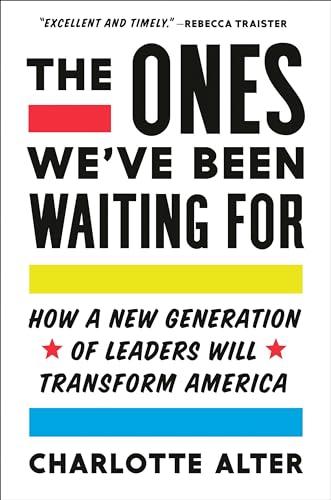
How a New Generation of Leaders Will Transform America
Charlotte Alter's book focused on Millennial's and their views on politics. It was written in a more optimistic tone, but in the years since publication, the author's outlook has become more pessimistic.
The Ones We've Been Waiting For, Millennial's Young People and Politics.
— Episode: Mini Show #36: Progressive Wins, GOP Shi...
Charlotte Alter's book focused on Millennial's and their views on politics. It was written in a more optimistic tone, but in the years since publication, the author's outlook has become more pessimistic.
The Ones We've Been Waiting For, Millennial's Young People and Politics.
I'm one of the things that I find interesting is that almost all of the people in my book are still active in politics right now.
But I do think that they're, I am still optimistic in the long run. I think we've got a pretty thorny couple of years ahead, particularly when it comes to democracy. But if you were to, if I was, if somebody were to ask me to bet whether American democracy would still exist in its current form 15 years from now, I would say yes.
The argument of the book is not that young people will save us. The argument of the book is that this generational shift, which is coming partly because your listeners are right that our existing government is so, so old that this coming generational shift is going to usher in a new type of political paradigm.
And I'm not necessarily, I'm not necessarily saying that's good, you know, more Madison Cawthorne's in Congress is not good.
This book focused on millennials and young people in politics and was initially optimistic, but the author has since become less optimistic. The author notes that a generational shift is coming in politics, which will usher in a new type of political paradigm.
Yeah, I'm really glad that you mentioned Elise Stefanik because she's somebody, you know, here's the thing. What is always a risk that you run when you write a book about people who are at the beginning of their careers like I did is that things change, you know, there's a reason that most people write like biographies once the person's kind of like retired. And my book isn't a biography, by the way, it's sort of like a snapshot in time.
You know, the argument of my book is not that young people will save us. The argument of the book is that this generational shift, which is coming partly because your listeners are right that our existing government is so, so old that this coming generational shift is going to usher in a new type of political paradigm.
And I think that there are some issues, some areas in which it could be good. I think, you know, for example, climate utter climate denialism is probably going to like be on its way out when this new generation takes over.
I think you're completely right. And, you know, one thing I always feel that I have to clarify is, you know, the argument of my book is not that young people will save us.
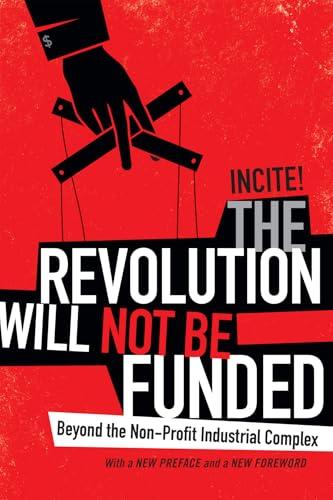
Beyond the Non-Profit Industrial Complex
The book examines the negative impact of the non-profit industrial complex. It criticizes how large amounts of money are used by wealthy patrons to control or co-opt social movements and stifle real change.
The nonprofit industrial complex popularized by a book called The Revolution Will Not Be Funded this idea that because the nonprofit industry is so lucrative like we discussed before...
— Episode: Mini Show #36: Progressive Wins, GOP Shi...
The book examines the negative impact of the non-profit industrial complex. It criticizes how large amounts of money are used by wealthy patrons to control or co-opt social movements and stifle real change.
The nonprofit industrial complex popularized by a book called The Revolution Will Not Be Funded this idea that because the nonprofit industry is so lucrative like we discussed before over 2.6 trillion dollars in annual revenue there will undoubtedly be as one scholar defined it quote a set of symbiotic relationships that link political and financial technologies of state and owning class control with surveillance over public political ideology including an especially emergent progressive and leftist social movements
This book explores the idea of the "nonprofit industrial complex," which is a set of symbiotic relationships that link political and financial technologies of state and owning class control with surveillance over public political ideology.
The idea of the nonprofit industrial complex popularized by a book called The Revolution Will Not Be Funded this idea that because the nonprofit industry is so lucrative like we discussed before over 2.6 trillion dollars in annual revenue there will undoubtedly be as one scholar defined it quote a set of symbiotic relationships that link political and financial technologies of state and owning class control with surveillance over public political ideology including an especially emergent progressive and leftist social movements to put it in simple terms the nonprofit sector can and will be used by wealthy powerful interests to surveil and even co-op nascent social movements that threaten their wealth and power so the nonprofit industrial complex does not exist to create fundamental change but rather exist to protect its own status and that of its patrons which makes it possible for the ruling class to not only contain a revolution but to shut it down altogether for example in the case of black lives matter despite huge amounts of grassroots support and engagement nearly every corporation in america was able to to co-op the BLM slogan without most of them enacting any kind of fundamental changes to their business practices even in cases where said corporations employed an exploited disproportionately black and brown workforce i'm looking at you amazon when BLM first published their website back in 2015 the co-founders described themselves as quote train marxists but by 2021 they were doing zoom events sponsored by global capitalist boot brand ug so looking at the story of the BLM global network foundation it's hard not to assume some significant character flaws of its leaders but it's also not hard to imagine that all the money and attention from corporate interests did have some effect on their tactics as well philosopher mary herrington wrote recently in unheard magazine quote people in glass houses are famously advised not to throw stones and as the progressive worldview has become more monolithically elite in class terms it's also lost its antagonism to big business this is just an observation my observation but i think the in the streets activist leaders of the 1960s civil rights movement look very different from the champagne sipping activist leaders of the modern BLM era civil rights movement right just something i read recently just in handsford a Howard university professor joke that having an organization called the black lives matter global foundation would be akin to having a group in the 1960s call themselves civil rights ink essentially everything today has been corporatized the the activists movements used to be so much more skeptical of the nonprofit sector because of its obvious ties to money and power but that distress has seemed to all but disappear quote another example is plan parenthood's action fund which reinforces and perpetuates the idea that the solution to large-scale political problems is donating to an organization that then hires a lobbyist as opposed to say building a mass movement capable of occupying congress or otherwise disrupting business as usual until its demands are met we seem to have adopted a kind of leave it up to experts mentality there's there's a nonprofit today for basically every cause BLM plan parenthood or the many ukraine relief funds that have recently popped up and for the most part we just kind of assume that they all know what they're doing and have the best interests of those they claim to serve in mind so for most socially conscious folks who want to feel like they are contributing positively to society but are also busy living their own lives the logical conclusion is to just give money to a nonprofit and let them handle it but the question is can the interest of the nonprofit industrial complex with its ties to mega foundations funded by corporations in the ultra wealthy actually align to the interests of the people who they claim to serve because one has to wonder are these wealthy powerful people setting up these foundations for purely altruistic or humanitarian reasons or do these foundations serve ulterior purposes such as protecting the reputations and projecting the power of the people who run them and perhaps no other foundation raises this question more than that of the world's largest charitable foundation in the world the gates foundation the world is on the brink of a great scientific achievement a covid-19 vaccine will likely be ready by early next year in fact we'll probably have more than one vaccine ready these vaccines will allow us to save millions of lives they'll also have another enormous benefit they'll allow us to develop a plan for the world to globally eliminate covid-19 that was bill gates from september of 2020 speaking at an event hosted by the who called accelerating the end of the covid-19 pandemic but my question and the question we should all be asking is how did bill gates how did a billionaire in seattle gain so much power over global public health in an article titled with the exact same question slate mary harris interviewed journalist tim schwab who explains all in all the gates foundation spent 1.8 billion dollars on global public health in 2020 alone but that meant there were a few checks or balances on what gates funded groups were up to if you look across global health they're funding everybody nobody is more than one degree removed from the gates foundation so it's really difficult to avoid the foundation's money and that's also the case for journalists if you're a journalist writing about global health you might end up getting a fellowship or grant to do reporting that's funded by the gates foundation so it's really hard to overstate how much influence that gives the foundation i think the gates foundation has undoubtedly fundamentally altered the image of bill gates right in the past viewed as a kind of a monopolistic robber baron when he began building his riches at microsoft gates is now seen today as this magnanimous humanitarian by a lot of folks because he has bought that image through massive investments funneled through his foundation but i think to no one's surprise consistently the gates foundation has advocated for this kind of top down arguably neocolonial interventionist policies where the so-called experts from the developed world go into the developing world to once again quote unquote solve their problems schwab continues quote the gate foundation is a very top down technocratic enterprise where bill gates sees himself as this really smart guy with these innovative ideas and technology and he surrounds himself with this elite cadre of highly educated experts and it's his view that from this person seattle they can devise solutions to fix all the problems of the global poor and that's a very different approach than going out into a poor nation or a poor community and talking to people and asking them what they need and what they want i've talked about the power of capital in my previous breaking point segment and i think it's very applicable here this idea that in modern america capital and the interests of capital have risen above the american nation and political authority is unable to check the power of capital right through the gates foundation bill gates has successfully inserted himself at the top of this kind of complex philanthropic empire that allows him to have a major impact on policymaking regarding numerous pressing global issues all while getting significant tax breaks from the u.s government you know bill gates is one of the richest people in the world the idea that he's giving away all of his money is just not true in fact he's getting richer and richer every year so should this really be considered charity i think my point is that there should be more scrutiny of the non-profit sector from all angles the government needs to do more to ensure effective oversight and enforcement the media should do more to dedicate more resources into investigating the non-profit sector beyond just the whims of dredging up fodder for political theater or for partisan interests and i think we can do more to follow the money when it comes to the non-profit sector who is leading these groups what might be their ulterior motives how is my donation money being spent but perhaps more important it may behoove us to examine and think about why activism in america today is mostly mediated through the non-profit industrial complex and how the proliferation of nonprofits and activism has likely shifted and conflated america's values and beliefs when it comes to what we imagine could activism to be uh that is all from me this time i hope you enjoyed today's discussion about the dark side of the non- profit industrial complex if you'd like to know more about this topic and many others please check out my channel 5149 with james lee on youtube where i release weekly videos about topics relating to the intersection of business politics and society the link will be in the description below and of course subscribe to breaking points thank you so much for your time today
Saagar mentioned reading this book in the context of the war in Ukraine, and in particular, the concept of Rasputitsa, which impacted the German advance during the Battle of Stalingrad.
I was actually just reading this morning that the things that you know you never know you're gonna learn until it comes to a crisis like this the Russian military is very dependent on rail and especia...
— Episode: 3/8/22: Ukraine War News, Gas Prices Sur...
Saagar mentioned reading this book in the context of the war in Ukraine, and in particular, the concept of Rasputitsa, which impacted the German advance during the Battle of Stalingrad.
I was actually just reading this morning that the things that you know you never know you're gonna learn until it comes to a crisis like this the Russian military is very dependent on rail and especially because I guess the situation with roads in Russia is not always the best so when it comes to rail and when it comes to their own country they're very very strong but once you get outside of a large network of rail yards that's when you start to have problems and then of course as we've been tracking since this didn't go as quickly as they thought they really weren't provisioned for the long term and so that's why you've seen you know trouble with fuel trouble with food trouble with morale I was also reading most western countries have a sort of system where from the ground you're sending back reports of okay we need these supplies we need these provisions Russia tends to operate more on a sort of push system where there's like a regular basis that they're trying to resupply troops and ration troops and that because this has gone on longer than they ultimately expected they didn't achieve their objectives in the timeframe that they thought that has also been a problem in terms of um reprovisioning and you know so all that being said the fact of the matter is even though the Ukrainians have put up a fierce resistance that was more than most analysts expected the bulk of the military might still lies on the Russian side most analysts still think it's a matter of time before they take Kiev before they you know take Odessa and actually achieve the objectives in terms of the cities that they want to claim here so that's why when we're looking from the outside we're like eh giving up Crimea and the eastern separatist republics that might not be great but that's probably the best that you could possibly get if you put aside the other pieces the giving up having the puppet government the demilitarization so listen that's why this is out of standstill and we're likely to face a long sort of grinding civil war insurgency kind of dynamic
...I just read a Andrew Roberts History of the Second World War and this was something that bit the germans in the ass during this battle of stalingrad and they were like hey none of our mechanized inf or mechanized tanks work we're literally stuck in the mud oh and that's how two million people froze in a field in stalingrad so it's something that they're now repeating the mistake of people who've invaded them from the east and napoleon as well apparently it happened to him and the term is so famous that it's a military terminology you know has its own page and everything
Saagar mentioned reading Andrew Robert's 'A History of the Second World War' in the context of the Rasputitsa, the muddy season in Russia, and how it impacted military operations, referencing past invasions.
I was actually just reading this morning that the things that you know you never know you're gonna learn until it comes to a crisis like this the Russian military is very dependent on rail and especially because I guess the situation with roads in Russia is not always the best so when it comes to rail and when it comes to their own country they're very very strong but once you get outside of a large network of rail yards that's when you start to have problems and then of course as we've been tracking since this didn't go as quickly as they thought they really weren't provisioned for the long term and so that's why you've seen you know trouble with fuel trouble with food trouble with morale I was also reading most western countries have a sort of system where from the ground you're sending back reports of okay we need these supplies we need these provisions Russia tends to operate more on a sort of push system where there's like a regular basis that they're trying to resupply troops and ration troops and that because this has gone on longer than they ultimately expected they didn't achieve their objectives in the timeframe that they thought that has also been a problem in terms of um reprovisioning and you know so all that being said the fact of the matter is even though the Ukrainians have put up a fierce resistance that was more than most analysts expected the bulk of the military might still lies on the Russian side most analysts still think it's a matter of time before they take Kiev before they you know take Odessa and actually achieve the objectives in terms of the cities that they want to claim here so that's why when we're looking from the outside we're like eh giving up Crimea and the eastern separatist republics that might not be great but that's probably the best that you could possibly get if you put aside the other pieces the giving up having the puppet government the demilitarization so listen that's why this is out of standstill and we're likely to face a long sort of grinding civil war insurgency kind of dynamic.
I just read a Andrew Roberts History of the Second World War and this was something that bit the germans in the ass during this battle of stalingrad and they were like hey none of our mechanized inf or mechanized tanks work we're literally stuck in the mud oh and that's how two million people froze in a field in stalingrad so it's something that they're now repeating the mistake of people who've invaded them from the east and napoleon as well apparently it happened to him and the term is so famous that it's a military terminology you know has its own page and everything.
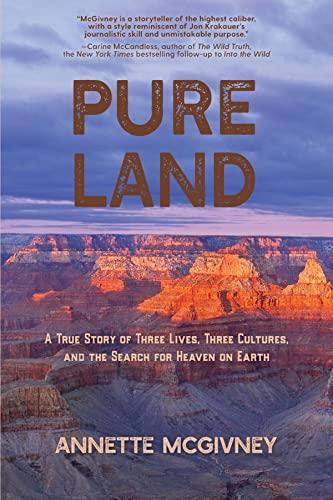
A True Story of Three Lives, Three Cultures and the Search for Heaven on Earth
The book was described as a military history, and it was mentioned in the context of a direct quote about the mistakes of the Israelis in Gaza.
He wrote a book on the search. I highly recommend it. It's like an actual military history.
— Episode: 5/16/24: Biden And Trump Rig 2024 Debate...
The book was described as a military history, and it was mentioned in the context of a direct quote about the mistakes of the Israelis in Gaza.
He wrote a book on the search. I highly recommend it. It's like an actual military history.
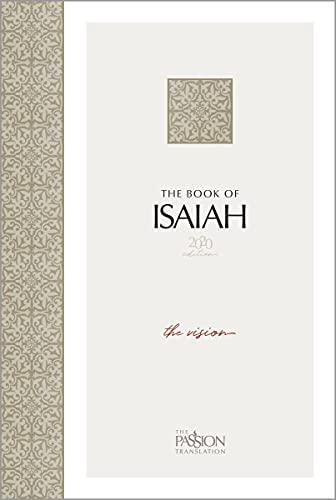
The Vision (The Passion Translation (TPT))
The book of Isaiah was mentioned in the context of Israeli Prime Minister Benjamin Netanyahu's rhetoric, which included a reference to fulfilling a biblical prophecy, suggesting a claim to the entire land and potentially violent implications.
We shall realize the prophecy of Isaiah. There will no longer be stealing at your borders and your gates will be of glory.
— Episode: 10/26/23: Maine Shooter On The Loose, Is...
The book of Isaiah was mentioned in the context of Israeli Prime Minister Benjamin Netanyahu's rhetoric, which included a reference to fulfilling a biblical prophecy, suggesting a claim to the entire land and potentially violent implications.
We shall realize the prophecy of Isaiah. There will no longer be stealing at your borders and your gates will be of glory.
Including the new Speaker of the House, which we'll get into specifically with that reference to we will fulfill the prophecy of Isaiah.
But it also without coming out and directly saying it is an indication of the entire land from the river to the sea, as they said, should be our land.
For those who are Christians, I'm sorry. I didn't grow up Christian. You know, I don't know anything about the Bible or the prophecy of Isaiah or whatever.
It is why evangelical Christian groups often make pilgrimages to Israel because it's described as like the final battleground.
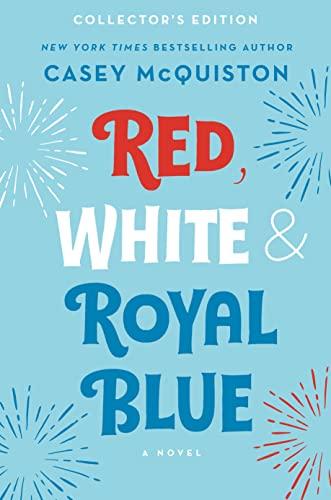
Collector's Edition
It was described as a very popular book and mentioned to be in many bookstores in D.C. with stacks of copies.
One of the hottest books of the last year, last several years, honestly, we're trying to set up a debate about.
— Episode: 4/26/24: Don Lemon CONFRONTED On Media B...
It was described as a very popular book and mentioned to be in many bookstores in D.C. with stacks of copies.
One of the hottest books of the last year, last several years, honestly, we're trying to set up a debate about.
Was it that hot? We're talking about White Royal Rage.
We can say it.
It's every bookstore I walk past in D.C. has like a stack of them.
Oh, it's been rebutted in like all of these different publications. It's been promoted in all these different publications. I'd say it's pretty hot.
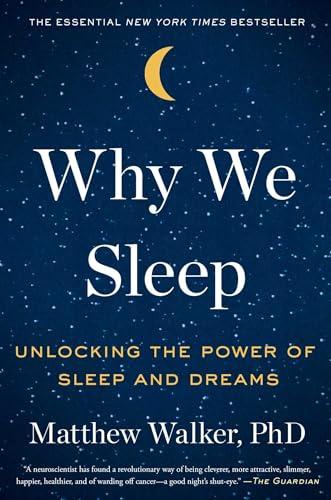
Unlocking the Power of Sleep and Dreams
It was mentioned as a great book and that the author had been on several podcasts, discussing the importance of sleep and circadian rhythms in relation to the podcast's topic.
But also it gets to some of the workaholism culture also that pervaded, and also, you know, a grind set. Now, I don't think grind set is always bad, but I think it was profoundly bad whenever it was i...
— Episode: 7/20/23: Media Ignores Biden IRS Whistle...
It was mentioned as a great book and that the author had been on several podcasts, discussing the importance of sleep and circadian rhythms in relation to the podcast's topic.
But also it gets to some of the workaholism culture also that pervaded, and also, you know, a grind set. Now, I don't think grind set is always bad, but I think it was profoundly bad whenever it was impacting people's sleep.
I'm getting a lot of this from Matthew Walker, by the way, if anybody's interested. He's got a great book, and also he's been on several podcasts.
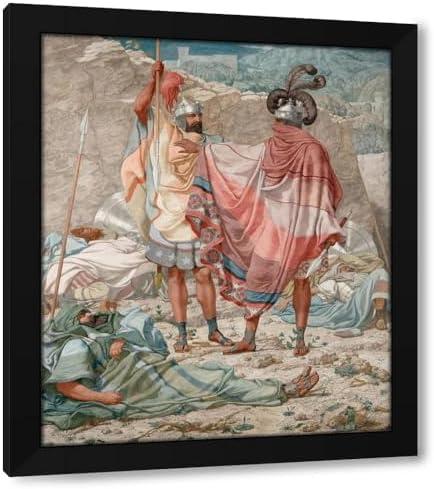
Mercy,David Spareth Saul's Life (1854)
Prince Harry's memoir was mentioned in the context of a South Park episode satirizing him and Meghan Markle's desire for privacy and media attention, and was contrasted with the episode's fictional book, 'Wha?', a satirical take on 'Spare'.
And then they end up moving to South Park across across from Kyle Anyway, and his book in the South Park episode instead of what is it called spare?
— Episode: 3/10/23: Taibbi Attacked By Dems in Twit...
Prince Harry's memoir was mentioned in the context of a South Park episode satirizing him and Meghan Markle's desire for privacy and media attention, and was contrasted with the episode's fictional book, 'Wha?', a satirical take on 'Spare'.
And then they end up moving to South Park across across from Kyle Anyway, and his book in the South Park episode instead of what is it called spare?
Yes, that's right. It's called wha?
Note: The book recommendations on this page are discovered automatically from podcast transcripts, and may be incorrect or incomplete.
Podcast Name