Breakneck
Dan Wang
Mentioned 1 month ago
Elon Musk and America's Tech Oligarchy with Quinn Slobodian
On Mondays, Jon Stewart hosts The Daily Show, but on Thursdays, he's back in your ears with The Weekly Show -- a podcast featuring in-depth conversations with a range of special guests. From experts and advocates, to stakeholders and thought leaders, we discuss the challenges, changes, and ideas tha...
Recently mentioned
Dan Wang
Mentioned 1 month ago
Elon Musk and America's Tech Oligarchy with Quinn Slobodian
Quinn Slobodian
Mentioned 1 month ago
Elon Musk and America's Tech Oligarchy with Quinn Slobodian
Quinn Slobodian
Mentioned 1 month ago
Elon Musk and America's Tech Oligarchy with Quinn Slobodian
Ezra Klein
Mentioned 1 month ago
Elon Musk and America's Tech Oligarchy with Quinn Slobodian
William Gibson
Mentioned 1 month ago
Elon Musk and America's Tech Oligarchy with Quinn Slobodian
Donna J. Haraway
Mentioned 1 month ago
Elon Musk and America's Tech Oligarchy with Quinn Slobodian
Chris Miller
Mentioned 2 months ago
America, China, and the Tech Cold War with Chris Miller
Ben McKenzie
Mentioned 3 months ago
The Other Side of the (Bit)Coin with Ben McKenzie
Inc. Peter Pauper Press
Mentioned 3 months ago
America vs. The Rest with Alastair Campbell
Renee DiResta
Mentioned 4 months ago
The Real Election Threat with Casey Newton and Renée DiResta
Richard H. Thaler
Mentioned 5 months ago
The Irrational Economy with Richard Thaler
Radley Balko
Mentioned 5 months ago
The ICE Age of Surveillance and Enforcement
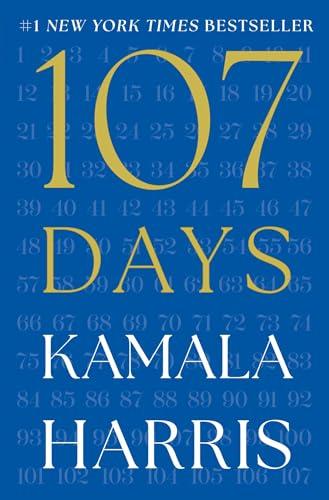
The episode highlighted the memoir as a recent account of Kamala Harris's 107‑day presidential campaign, with Jon Stewart noting that the hosts all read and discussed it like a book club. The conversation emphasized its insightful look at campaign challenges and presented it as an engaging, accessible read compared to more academic titles.
The book recounted Harris's experience during the 107day presidential campaign, describing the challenges and insights she faced while running for president in 2024.
who has just written a book called 107 Days About the Campaign for President in 2024
We all read the book. We all talked about the book. It was like our little book club.
On 107 Days. And it was doable. Not like that Jill Lepore book.
The hosts mentioned Kamala Harris's book, noting that it had generated a lot of discussion and criticism, and that its premise was that a short period was insufficient for meaningful change.
And I don't mean to bring this up just from the Democrats, but there is a trust issue that we have right now between the rhetoric of our politics and the reality of our politics. And Kamala Harris's book, I think, has done a real I know everybody's shitting on it. I haven't read it yet. It's a it does a real service.
Do you have a sense that you know? Kamala Harris' book is called 107 Days. Yep. And the premise of the book is, it's just not enough time.
Jon Stewart noted that Kamala Harris had written a book titled "107 Days," remarking that she only had 107 days and couldn't assemble a coherent governance plan.
Kamala Harris wrote a book, 107 Days. I only had 107 Days. I couldn't put together a coherent governance plan.
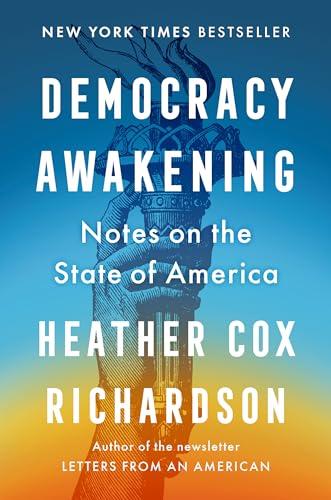
Notes on the State of America
The book was highlighted when Heather Cox Richardson appeared as a guest, where Jon Stewart introduced her as the author and discussed how its historical perspective sheds light on the current state of American democratic institutions. In a later episode, the title was cited as a useful framework for understanding the links between populist politics and economic policy. Both hosts treated it as a valuable resource for listeners seeking context on contemporary political challenges.
The book's author, Heather Cox Richardson, joined the podcast to discuss the state of America and how the past can teach lessons about democratic institutions.
Professor Heather Cox Richardson, author of Democracy Awakening Notes on the State of America.
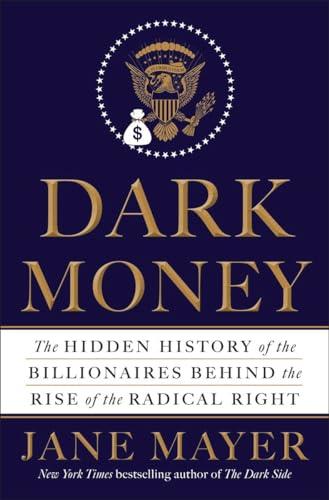
The Hidden History of the Billionaires Behind the Rise of the Radical Right
The book was cited by Jon Stewart as the source of an idea about tracking taxpayer contributions, and its author appeared as a guest to discuss the hidden influence of billionaire financiers on the rise of the radical right and the resulting threats to democracy. Both mentions highlighted the work’s relevance to understanding political corruption and the impact of money in politics.
The book, mentioned in relation to tracking taxpayer money, was referenced by Jon Stewart as a source for an idea about tracking tax contributions and their effects.
Jane Mayer, who wrote the book Dark Money, brought up an idea by the New Republic's Michael Tomaski about tracking sort of this idea that your tax contribution is tracked.
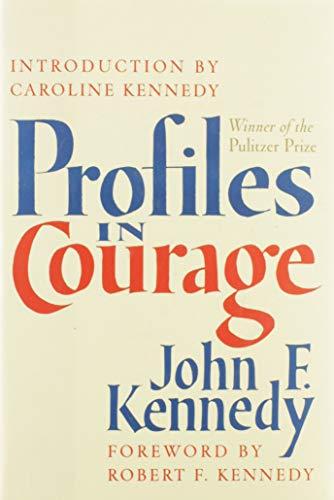
JFK's Pultizer Prize-Winning Classic
Jon Stewart mentioned the title while debating whether a work like it could be produced in today's political climate, noting that it was authored by Kennedy and questioning its contemporary readership. He highlighted the book's historic prestige but expressed doubt about its appeal to modern readers.
The hosts discussed whether a book like Profiles in Courage could be written in today's political climate, noting that Kennedy originally authored it and questioning whether anyone would read such a work now.
Given the current state of politics, could a book like Profiles in Courage even be written today? First of all, it could absolutely be written. I think the problem with books is not if they can be written, it's if anybody's going to read them. And I have no idea what profiles. Yeah. I mean, and by the way, to think that Profiles in Courage, written by Jeff, we have a tendency to lionize and with glossy haze, look back. John F. Kennedy wrote that book.
Jon Stewart noted that before becoming president, Kennedy wrote the book "Profiles in Courage," which recounts the brave actions of eight American figures and references 175 years of U.S. history.
When John F. Kennedy was the president of the United States of America, before he was president, he wrote a book called Profiles in Courage after 175 years of American history. There was only eight people in that book.
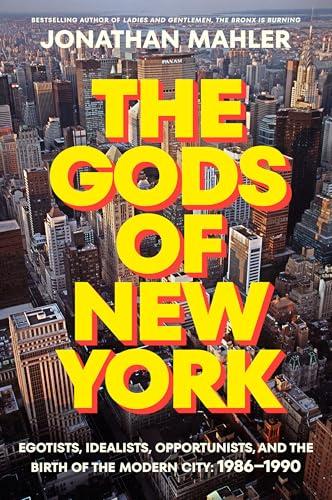
Egotists, Idealists, Opportunists, and the Birth of the Modern City
The book was cited as a vivid portrait of 1980s New York, highlighting its egotists and the rise of figures like Trump. Both Jon Stewart and Fareed Zakaria mentioned they had just finished it and suggested listeners would find it fascinating. Their comments conveyed strong enthusiasm for its insight into the era.
Fareed Zakaria mentioned that he had just read the book, describing it as a fascinating look at New York in the 80s that featured Trump as a prominent character.
I just read this book, The Gods of New York, which is New York in the 80s. You'd love it, actually. It's really fascinating. It's when I moved there. And Trump is a huge character in it.
Jon Stewart said he had just read the book and described it as covering New York in the 1980s.
I just read this book, The Gods of New York, which is the New York in the eighties.
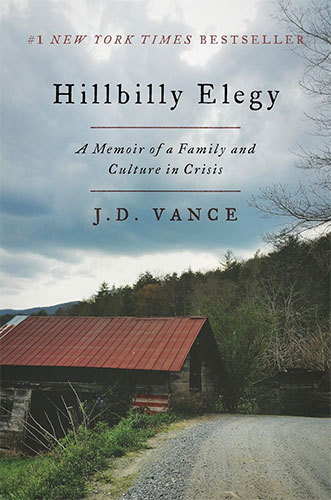
The book was brought up during a discussion about political narratives and was criticized for its perceived lack of solidarity with the working class. Jon Stewart highlighted that the author's remarks blamed the working class for their own circumstances, which contrasted sharply with the author's populist image. The overall tone was critical of the book's perspective on labor and socioeconomic mobility.
The book was criticized for its perceived lack of solidarity with the working class, contrasting with Vance's populist image. The author's criticism of the working class was highlighted.
So he wrote this supposedly populist book, also popular, Hillbilly Elegy, where he really, I hate to say it, like craps on the working class saying, the reason you haven't gone to Yale Law School like me, the reason you're not billionaires like my friend Peter Thiel is that you're lazy, you're shiftless. And it's really kind of ugly in terms of showing so little solidarity for the people he grew up with.
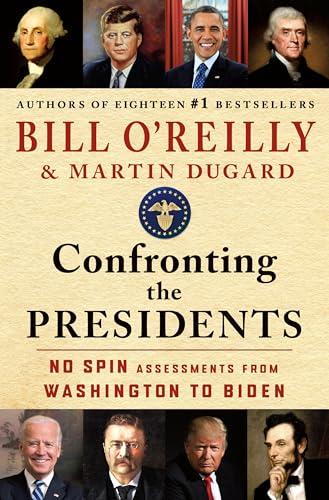
No Spin Assessments from Washington to Biden
Bill O'Reilly's upcoming book, "Confronting the Presidents," was mentioned; the discussion included his past appearances on The Daily Show and his views on political rhetoric.
And then we moved on and I thought that was a real - I thought we gave a lesson to the country in how -
— Episode: Trump Assassination Attempt Aftermath wi...
Bill O'Reilly's upcoming book, "Confronting the Presidents," was mentioned; the discussion included his past appearances on The Daily Show and his views on political rhetoric.
And then we moved on and I thought that was a real - I thought we gave a lesson to the country in how -
But the main point that I think we both agree on is that you can have robust political debate without trying to destroy - and I mean that literally - the person you disagree with.
I wrote a book, The United States of Trump, which you did not read, but you desperately need to know.
And I hope after it comes out September 10th, we can discuss it.
And you'll learn all about Jimmy when you read Confronting the Presidents, because by a wild statement, Biden caused a wild statement.
Stewart remarked that someone could read War and Peace without it taking very long, using it as a hyperbolic example of endurance.
You could read War and Peace and it wouldn't take you that long.
— Episode: Who Is Government? Storytime with Michae...
Stewart remarked that someone could read War and Peace without it taking very long, using it as a hyperbolic example of endurance.
You could read War and Peace and it wouldn't take you that long.
The Art of Winning an Unfair Game
Lewis mentioned that a colleague recognized him because he had read Moneyball, highlighting the book's influence.
He knows who I am because he's read Moneyball.
— Episode: Who Is Government? Storytime with Michae...
Lewis mentioned that a colleague recognized him because he had read Moneyball, highlighting the book's influence.
He knows who I am because he's read Moneyball.
Inside the Doomsday Machine
Lewis referenced his earlier work, The Big Short, while discussing the 2008 financial crisis.
The Big Short, you're talking about in 2008, destroying almost the entire world financial system.
— Episode: Who Is Government? Storytime with Michae...
Lewis referenced his earlier work, The Big Short, while discussing the 2008 financial crisis.
The Big Short, you're talking about in 2008, destroying almost the entire world financial system.
The Definitive Edition
Jon Stewart referenced reading the diaries of Anne Frank while reflecting on historical tragedies.
When I read, you know, the diaries of Anne Frank, you know, ...
— Episode: On Gaza and Humanity with Mosab Abu Toha
Jon Stewart referenced reading the diaries of Anne Frank while reflecting on historical tragedies.
When I read, you know, the diaries of Anne Frank, you know, ...
The Fight for the World's Most Critical Technology
Jon Stewart introduced Chris Miller as the author of Chip War, noting it examines the fight for the world's most critical semiconductor technology.
He's the author of Chip War, the fight for the world's most critical technology.
— Episode: America, China, and the Tech Cold War wi...
Jon Stewart introduced Chris Miller as the author of Chip War, noting it examines the fight for the world's most critical semiconductor technology.
He's the author of Chip War, the fight for the world's most critical technology.
Thanks for joining. This has been absolutely fascinating. Thanks for all the insights. Chris Miller, author of Chip War, the fight for the world's most critical technology.
Will Donald Trump Joe Biden in Shaping the Foundation of Our American Heritage?
During the episode, Representative Hakeem Jeffries noted that Republicans had produced a book outlining a strategic plan that they had developed with think tanks. He referenced the title as an example of the party's coordinated effort, but did not offer a recommendation or critique. The discussion highlighted the book as a political artifact rather than a literary recommendation.
It was mentioned that Republicans have a book called Project 2025 that they have been working on with think tanks, suggesting it outlines a specific strategy.
They've got a book, Project 2025. They've been working on that with think tanks and everything else.
In the episode, Nick Gillespie highlighted the book as a pivotal influence on the modern environmental movement, noting that it sparked the near‑complete planetary ban on DDT. He credited it with inspiring widespread ecological awareness and policy change. The discussion conveyed a strong endorsement of the title’s historical impact.
The book was credited with inspiring the modern environmentalist movement and was cited as the origin for the near-complete planetary ban on DDT.
the kind of planetary ban, almost complete planetary ban on DDT comes from Rachel Carson in Silent Spring.
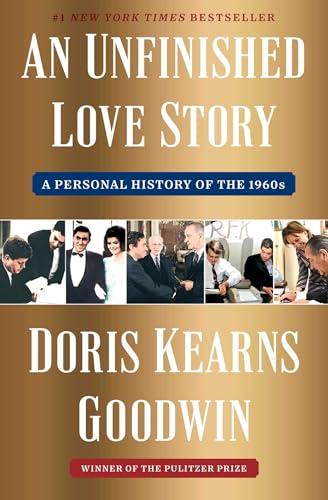
A Personal History of the 1960s
The book was highlighted as Doris Kearns Goodwin's most recent work, offering a personal history of the 1960s. The hosts discussed its relevance to current events, drawing parallels between the challenges faced by past presidents and those of today. Their comments suggested the title was a useful lens for understanding contemporary political dynamics.
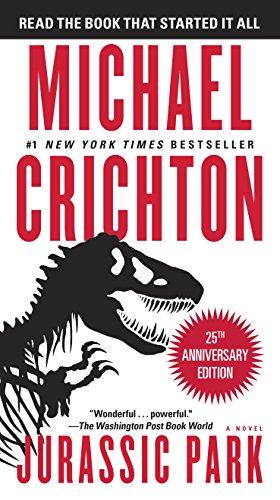
A Novel
The hosts likened Trump's first hundred days in his second term to the scene in Jurassic Park where velociraptors learn to turn doorknobs.
my favorite line from, there was an Atlantic piece that came out a bit ago where a Trump guy said, you know, watching him in his second term, the first hundred days was like the part of Jurass...
— Episode: Protests, Emergency Powers, and Petty Fe...
The hosts likened Trump's first hundred days in his second term to the scene in Jurassic Park where velociraptors learn to turn doorknobs.
my favorite line from, there was an Atlantic piece that came out a bit ago where a Trump guy said, you know, watching him in his second term, the first hundred days was like the part of Jurassic Park when the velociraptors learn how to turn the doorknobs. And that's what it is, right? Like, that's the- Okay.
Unlock the Secrets to Financial Abundance with the Timeless Classic
During a conversation about rural broadband, the host referred to a book called Abundance that discusses a new theory of democratic governance.
I was talking to Ezra Klein about a book called abundance about maybe a new theory of democratic governance.
— Episode: Who Is Government? Storytime with Michae...
During a conversation about rural broadband, the host referred to a book called Abundance that discusses a new theory of democratic governance.
I was talking to Ezra Klein about a book called abundance about maybe a new theory of democratic governance.
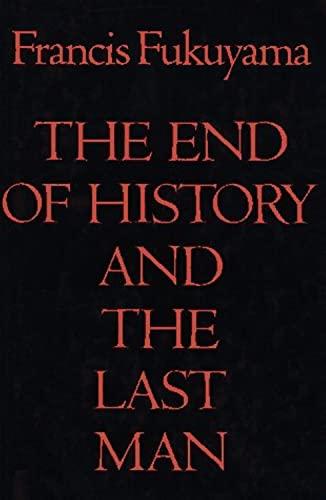
Jon Stewart recalled that about twentyfive years ago Francis Fukuyama wrote "The End of History".
It was only, you know, maybe 25 years ago that Francis Fukuyama wrote the end of, you know, what was it? The, the, the end of history, the end of history.
— Episode: Trump’s New World Disorder with Adam Too...
Jon Stewart recalled that about twentyfive years ago Francis Fukuyama wrote "The End of History".
It was only, you know, maybe 25 years ago that Francis Fukuyama wrote the end of, you know, what was it? The, the, the end of history, the end of history.
Note: The book recommendations on this page are discovered automatically from podcast transcripts, and may be incorrect or incomplete.
Podcast Name