Breakneck
Dan Wang
Mentioned 1 month ago
Elon Musk and America's Tech Oligarchy with Quinn Slobodian
On Mondays, Jon Stewart hosts The Daily Show, but on Thursdays, he's back in your ears with The Weekly Show -- a podcast featuring in-depth conversations with a range of special guests. From experts and advocates, to stakeholders and thought leaders, we discuss the challenges, changes, and ideas tha...
Recently mentioned
Dan Wang
Mentioned 1 month ago
Elon Musk and America's Tech Oligarchy with Quinn Slobodian
Quinn Slobodian
Mentioned 1 month ago
Elon Musk and America's Tech Oligarchy with Quinn Slobodian
Quinn Slobodian
Mentioned 1 month ago
Elon Musk and America's Tech Oligarchy with Quinn Slobodian
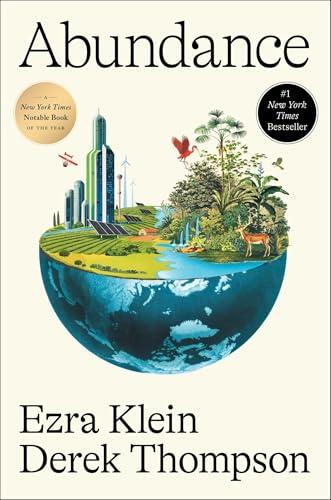
Ezra Klein
Mentioned 1 month ago
Elon Musk and America's Tech Oligarchy with Quinn Slobodian
William Gibson
Mentioned 1 month ago
Elon Musk and America's Tech Oligarchy with Quinn Slobodian
Donna J. Haraway
Mentioned 1 month ago
Elon Musk and America's Tech Oligarchy with Quinn Slobodian
Chris Miller
Mentioned 2 months ago
America, China, and the Tech Cold War with Chris Miller
Ben McKenzie
Mentioned 3 months ago
The Other Side of the (Bit)Coin with Ben McKenzie
Inc. Peter Pauper Press
Mentioned 3 months ago
America vs. The Rest with Alastair Campbell
Renee DiResta
Mentioned 4 months ago
The Real Election Threat with Casey Newton and Renée DiResta
Richard H. Thaler
Mentioned 5 months ago
The Irrational Economy with Richard Thaler
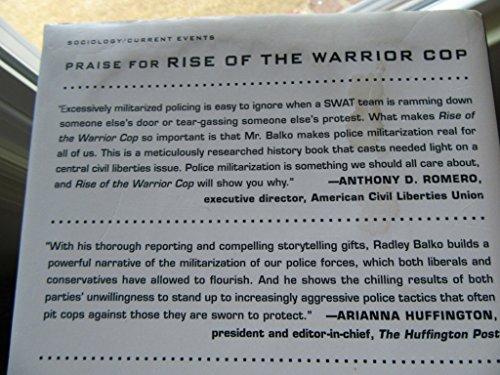
Radley Balko
Mentioned 5 months ago
The ICE Age of Surveillance and Enforcement
Twenty Lessons from the Twentieth Century
In the episode, Jon Stewart referenced the book as the source of a striking lesson that one should not obey a dictator in advance, highlighting it as the first of the author's twenty lessons on tyranny. He presented this insight as a powerful warning for the current political climate, underscoring the book's relevance. The discussion conveyed a strong endorsement of the book's historical perspective.
This book was cited as the source for the powerful point that one should not obey a dictator in advance, which was presented as the first of its lessons.
Tim Snyder has made the powerful point, you don't obey the dictator in advance.
It's the first of his 20 lessons from tyranny in the 20th century.
Money, Democracy, and the Life of John Maynard Keynes
The book was introduced during a discussion of economic history, with Jon Stewart noting Zachary Carter as its author and Oren Cass urging listeners interested in the 1920s and 1930s to check it out, calling it amazing. It was highlighted as a thorough biography that links money, democracy, and Keynes's life, and the hosts gave it a strong endorsement.
Zachary Carter was introduced as the author of this book, which discusses the life of John Maynard Keynes.
And Zachary Carter, author of The Price of Peace, Money, Democracy, and the Life of John Maynard Keynes.
So I think we agree, obviously, a lot on the diagnosis. ... And just to say, if you're interested in the 20s and 30s, Zach's biography of Keynes is amazing.
The Militarization of America's Police Forces
The episode highlighted the book as a key source on police militarization, with Jon Stewart introducing Radley Balko as the investigative journalist behind it. Balko explained that his research explored the historical reasons for separating the military from domestic policing. The conversation positioned the title as an informative backdrop for the episode's themes without an explicit endorsement.
Jon Stewart introduced Radley Balko as the author of this book on police militarization, and Balko later referred to his own experience writing it.
investigative journalist, author of the book Rise of the Warrior Cop, Militarization of America's Police Forces, the publisher of the Substack newsletter, The Watch.
When I wrote the Warrior Cop book, I did a lot of research on the founding era and kind of why we have these traditions of not letting the military serve as domestic police and why we have a castle doctrine and all of that.
The Political and Economic Origins of Our Time
James discussed the book as a framework for understanding how the modern state emerged to regulate capitalism and protect workers, noting its relevance to the episode's focus on state intervention. He suggested it provided valuable insight into the political and economic origins of our time.
James referenced Karl Polanyi's Great Transformation as a framework for understanding how the modern state emerged to regulate capitalism and protect workers, noting its relevance to their discussion about state intervention.
the vision of kind of Karl Polanyi's book, Great Transformation.
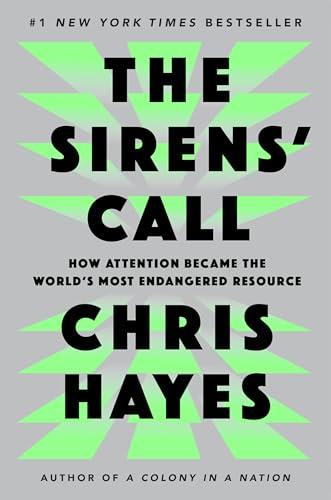
How Attention Became the World's Most Endangered Resource
The book was highlighted as a New York Times bestseller and noted as the author’s notable work during the episode. Jon Stewart mentioned it while introducing Chris Hayes, emphasizing its top ranking on the Times list. The discussion presented the title as a prominent and successful contribution from the guest.
The book was highlighted as a New York Times bestseller and noted as the author's notable work.
Chris Hayes, host of MSNBC's All In With Chris Hayes, author of the number one Times bestselling book, The Sirens Call.
Chris Hayes, author, uh, the number one times bestseller, the sirens call.

Holy Bible, King James Version
The hosts referenced the book while joking about the sheer number of titles in a library, noting its iconic status and suggesting it could serve as a single, unifying text. Their comment was light‑hearted rather than a recommendation.
The hosts mentioned the King James Bible while joking about the overwhelming number of books in a library, noting its iconic status.
I think, wouldn't it be easier if there was just one book? The King James Bible.
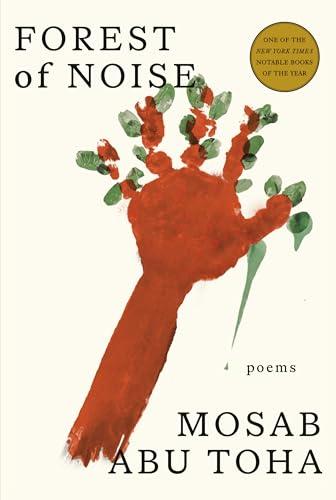
Poems
During a conversation about Gaza and humanity, the guest highlighted his poetry collection, noting that it features a long poem titled Under the Rubble. He referenced the book as part of his work but did not elaborate further on its themes or impact.
Mosab mentioned his poetry collection titled Forest of Noise, noting it contains a long poem called Under the Rubble.
I have a long poem in my collection, Forest of Noise, called Under the Rubble.
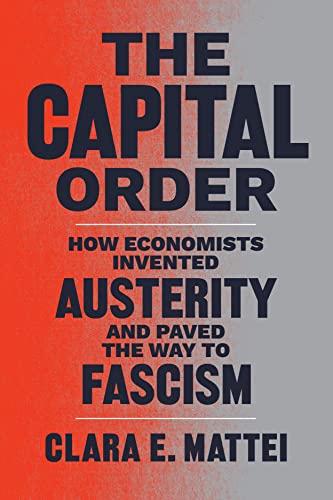
How Economists Invented Austerity and Paved the Way to Fascism
The hosts introduced the author as a professor of economics and highlighted the book as central to her research on the origins of neoclassical economics. They praised it as a great work that informs her analysis of capitalism and labor, noting its importance for understanding economic history.
The hosts introduced Clara Matei as the author of The Capital Order and later highlighted the book as central to her research on the origins of neoclassical economics. The book was praised as a great work that informs her analysis of capitalism and labor.
Clara Matei, professor of economics at the university of Tulsa, executive director of free, the forum for real economic emancipation, author of The Capital Order.
In my own historical work and my book, The Capital Order, this is all I've been doing is looking at the origins of neoclassical economics, mainstream economics, to understand how it came into being in the moment in which people were saying, you know, value comes from us.
Clara Matei, professor of economics, University of Tulsa, the executive director of FREE, the forum for real economic emancipation, author of The Capital Order. It's a great book.
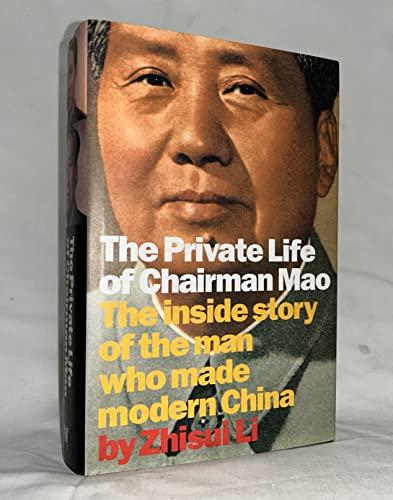
The Memoirs of Mao's Personal Physician Dr. Li Zhisui
In the episode, Mike Duncan praised the book as one of the most incredible reads, noting its rare personal perspective from someone close to a major historical leader. He acknowledged possible doubts about its credibility but emphasized its uniqueness as a memoir from Mao's physician. The overall tone was highly enthusiastic, effectively recommending it to listeners.
It was described as one of the most incredible books the speaker had read, offering a personal account from someone close to a historical dynastic leader.
Maybe this book's discredited. Maybe Mike will know more. But I think one of the most incredible books I ever read was, because I don't think there's ever been a personal account of someone who was so close to an historical dynastic leader is Mao's doctor's book.
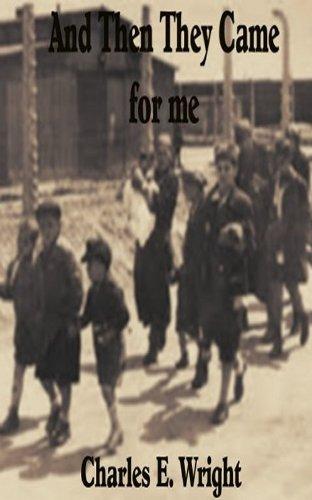
Jon Stewart introduced the memoir, explaining that it recounts Maziar Bahari's solitary‑confinement experience after being imprisoned for reporting on the Green Revolution. He provided background on why the title was relevant to the discussion.
Jon Stewart noted that Maziar Bahari wrote a memoir about his solitaryconfinement experience titled Then They Came for Me.
He wrote a book about his time in solitary confinement. He was imprisoned for reporting on the Green Revolution in 2008, 2009, during that election. And wrote a book about it called, And Then They Came For Me.
I want to step back for the audience right now just to give a sense of where Maziar is coming from. So Maziar, for many of you who don't remember, wrote a book called And Then They Came For Me.
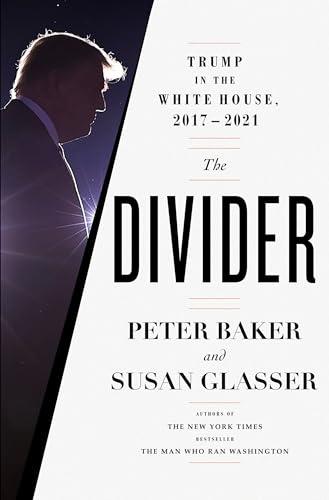
Trump in the White House, 2017-2021
In the episode, Jon Stewart briefly noted the title as a coauthored work by Susan Glasser that covers Trump's presidency from 2017 to 2021, without offering further commentary or endorsement.
The book was mentioned as a coauthored work by Susan Glasser, a New Yorker staff writer, covering Trump's presidency from 2017 to 2021.
Susan Glasser, staff writer at the New Yorker, coauthor of The Divider Trump in the white house, 2017, 2021.
Susan Glasser, staff writer at the New Yorker and coauthor of The Divider, Trump in the White House, 2017, 2021.
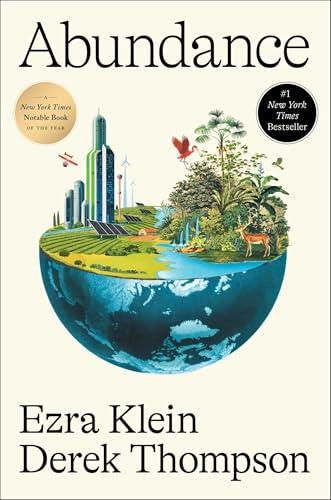
The book was highlighted as a recent coauthored work that examined progressive visions and the mechanics of government, and it was praised for providing ample food for thought about future governance. Jon Stewart congratulated the author and encouraged listeners to obtain the book, emphasizing its relevance and insight.
The book was discussed as a recent coauthored work that examined progressive visions and government mechanics, receiving a strong reception.
coauthor of Abundance with Derek Thompson, staff writer at the Atlantic. It's Ezra Klein, Ezra. John. What is man? I feel like this book, first of all, congratulations on the book.
And get the book. It's called Abundance. And it really does give an awful lot to think about as far as, you know, there's an opportunity for the next iteration of what that type of governance will look like.

How the Great Rewiring of Childhood Is Causing an Epidemic of Mental Illness
The book was referenced by Jon Stewart as an example of a title that sparked a structured debate about education and policy, illustrating its relevance to the discussion. It was mentioned without a strong endorsement, serving mainly as a contextual reference.
The title was mentioned as an example of a book that created a structured debate about education and policy.
The Anxious Generation by John Haidt, I think was a version of that.
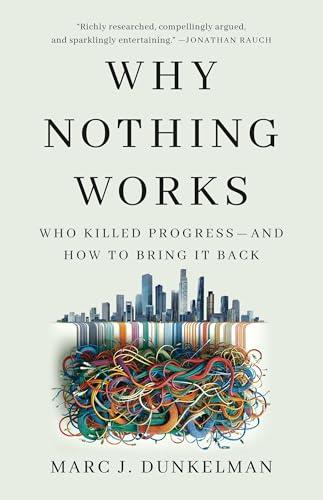
Who Killed Progress―and How to Bring It Back
In the episode, the host cited the title as one of several works that illustrate how governance failures are analyzed, noting its relevance to the discussion on systemic problems. The mention was brief and presented without strong endorsement.
The book was cited as one of several works that illustrate how governance failures are analyzed in the discussion.
Mark Dunkelman's Why Nothing Works

Jon Stewart referenced the title during the episode as an example of policy-focused literature, mentioning it alongside other works. The brief comment highlighted the book's relevance to discussions about policy without offering a detailed endorsement.
The title was referenced alongside other books to show examples of policyfocused literature.
Yoni Applebaum, Stuck
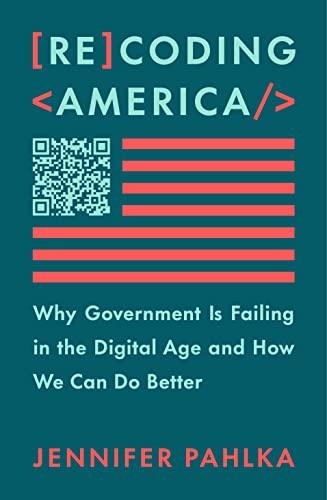
Why Government Is Failing in the Digital Age and How We Can Do Better
In the episode, Jon Stewart praised the book as a major source that illustrated how bureaucratic processes become overly complex and frustrating. He described himself as a huge fan and recommended it for understanding government failures in the digital age.
The book was highlighted as a key source that explains how bureaucratic processes can become overly complex.
I am a huge fan of this book by Jen Palka called Recoding America, which it absolutely shows like how the bodies are buried and how frustrating this is.

Celebrate Your Child's Uniqueness with a Personalized Alphabet Book - A Meaningful Keepsake for Years to Come!
Jon Stewart mentioned that he might read the Olivia Nitzi book, noting that she was very honest about its content.
If you'd read the Olivia Nitzi book like she said I mean she's very honest about that.
— Episode: Wrapping 2025 with Jon Favreau and Tim M...
Jon Stewart mentioned that he might read the Olivia Nitzi book, noting that she was very honest about its content.
If you'd read the Olivia Nitzi book like she said I mean she's very honest about that.
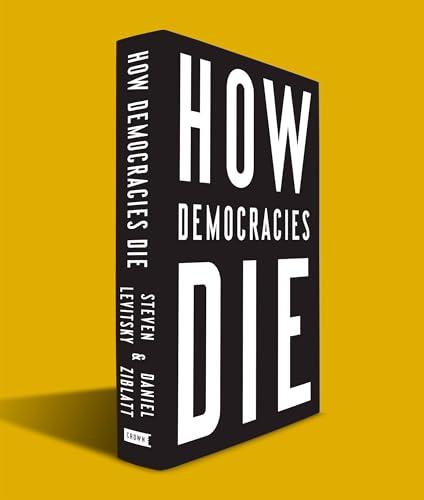
The hosts referenced the title as a scholarly work by two professors, noting that it outlined historical guardrails against demagogues and helped frame their discussion on threats to democracy. They presented it as a valuable resource for understanding how democracies can erode.
The discussion highlighted a book titled How Democracies Die, attributing it to two professors, Ziblatt and Levitsky, as a reference for historical guardrails against demagogues.
There's a book called How Democracies Die written by two professors, Ziblatt and Levitsky, I think.
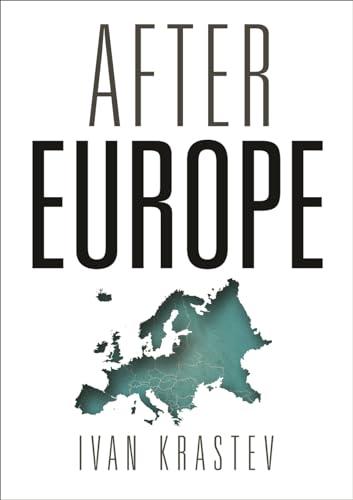
The host introduced the guest by noting they were the author of the title and speculated that a sequel, After America, was being worked on. No further commentary on the book's content or quality was provided.
The host noted that the guest was the author of the book After Europe and mentioned a sequel titled After America.
You are the author of the book After Europe.
I'm assuming you are working as we speak on After America, the sequel, to After Europe.
Thaler recalled coauthoring the book Nudge with Cass Sunstein, describing it as a work on how subtle policy designs can steer people toward better decisions.
I wrote a book with Cass Sunstein called Nudge. Yes, I remember Nudge. It was a book about how we can help in this kind of situation.
— Episode: The Irrational Economy with Richard Thal...
Thaler recalled coauthoring the book Nudge with Cass Sunstein, describing it as a work on how subtle policy designs can steer people toward better decisions.
I wrote a book with Cass Sunstein called Nudge. Yes, I remember Nudge. It was a book about how we can help in this kind of situation.
Nudge has two sets of critics.
Note: The book recommendations on this page are discovered automatically from podcast transcripts, and may be incorrect or incomplete.
Podcast Name