Project Hail Mary
Andy Weir
Mentioned 1 week ago
Selects: The First Road Trip
If you've ever wanted to know about champagne, satanism, the Stonewall Uprising, chaos theory, LSD, El Nino, true crime and Rosa Parks, then look no further. Josh and Chuck have you covered.
Recently mentioned
Andy Weir
Mentioned 1 week ago
Selects: The First Road Trip
Stephen King
Mentioned 1 week ago
Selects: The First Road Trip
John Steinbeck
Mentioned 2 weeks ago
Kola: The World’s Deepest Hole
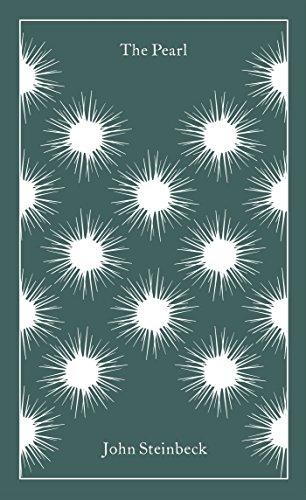
STEINBECK JOHN
Mentioned 2 weeks ago
Kola: The World’s Deepest Hole
Bethany McLean
Mentioned 3 weeks ago
Selects: How Enron Fooled the World
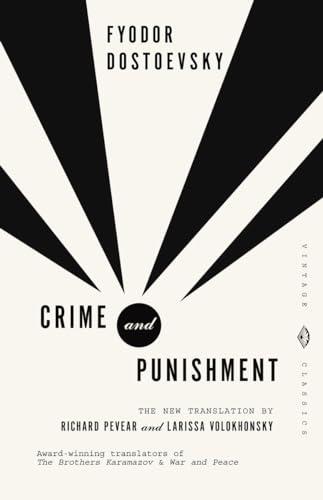
Fyodor Dostoevsky
Mentioned 3 weeks ago
Short Stuff: Why does it feel good to be scared?
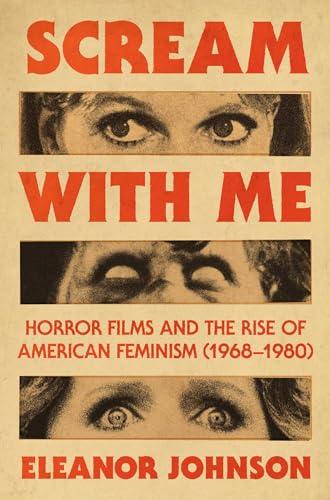
Eleanor Johnson
Mentioned 3 weeks ago
Short Stuff: Why does it feel good to be scared?
John Kennedy Toole
Mentioned 4 weeks ago
Some Interesting Curses
Mordecai RICHLER
Mentioned 4 weeks ago
Some Interesting Curses
Michael Crichton
Mentioned 1 month ago
The Stuff You Should Know Doin’ Science Playlist: How Chaos Theory Changed the Universe
Naomi Oreskes
Mentioned 1 month ago
How Global Warming Works
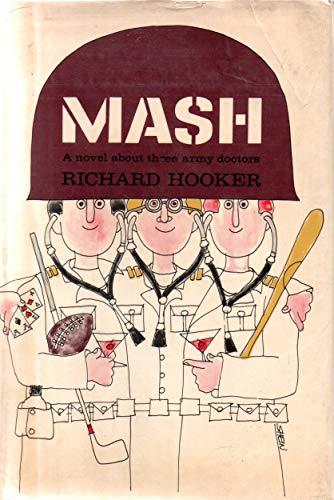
Richard Hooker
Mentioned 1 month ago
M*A*S*H: The Story of the 4077th
It was mentioned that the podcast hosts would conclude their crime and punishment series with an episode about this book.
It'll be over Chuck when we do an episode that's actually about the Dostoevsky book.
— Episode: Criminal Records: No Thanks!
It was mentioned that the podcast hosts would conclude their crime and punishment series with an episode about this book.
It'll be over Chuck when we do an episode that's actually about the Dostoevsky book.
We will seal the Crime and Punishment suite with that one.
It was mentioned that the 'Crime and Punishment' series would conclude with an episode about this particular book by Dostoevsky.
It'll be over Chuck when we do an episode that's actually about the Dostoevsky book.
We will seal the Crime and Punishment suite with that one.
One host mentioned having read the novel the day before while discussing the idiom "sixes and sevens".
I was reading a book last yesterday. It was Crime and Punishment. And I'm not just saying this just to show everybody I'm reading Crime and Punishment. But somebody mentioned something being like sixes and sevens.
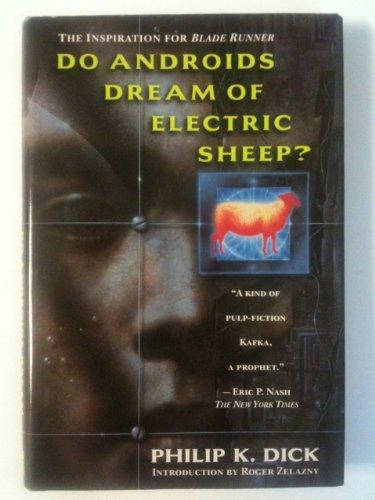
It was mentioned as one of Philip K. Dick's works, which was adapted into the film 'Blade Runner'.
Philip K. Dick, who wrote Do Androids Dream of Electric Sheep which became Blade Runner.
— Episode: SYSK’s Scare Your Socks Off Halloween Sp...
It was mentioned as one of Philip K. Dick's works, which was adapted into the film 'Blade Runner'.
Philip K. Dick, who wrote Do Androids Dream of Electric Sheep which became Blade Runner.
It was mentioned as one of Philip K. Dick's most famous books, and it was adapted into the movie Blade Runner.
Philip K. Dick, who wrote Do Androids Dream of Electric Sheep which became Blade Runner.
And he was like yes let's do Philip K. Dick.
The podcast mentioned it as one of Philip K. Dick's works that was adapted into the movie Blade Runner. It was also briefly mentioned in the context of other works by the author.
Philip K. Dick...who wrote Do Androids Dream of Electric Sheep which became Blade Runner.
And this one he also wrote a bunch of short stories and this one I found was like in the public domain so I said let's do Philip K. Dick.
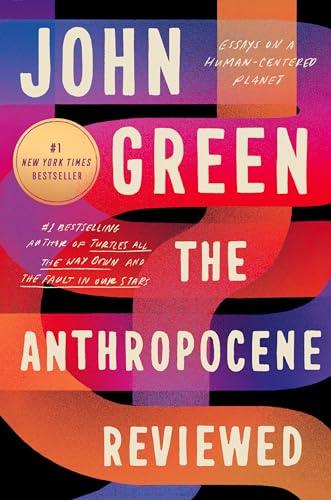
Essays on a Human-Centered Planet
It was mentioned that the podcast 'The Anthropocene Reviewed' had been adapted into a book, indicating its popularity and success.
And the YA novel Paper Towns was actually turned into a movie. So Connie says thanks for always making Connie smile. Connie was dropping a lot of extra information here, so we always appreciate that....
— Episode: Roller Skating: Fun and Cool
It was mentioned that the podcast 'The Anthropocene Reviewed' had been adapted into a book, indicating its popularity and success.
And the YA novel Paper Towns was actually turned into a movie. So Connie says thanks for always making Connie smile. Connie was dropping a lot of extra information here, so we always appreciate that. Thanks a lot, Connie.
It was mentioned as an article explaining the insignificance of humans on Earth, despite their impact, emphasizing how easily the planet can recover.
There's another article called The Anthropocene is a Joke...a guy named Peter Brannan, who's a science writer wrote it...basically he's explaining just how insignificant humans have been on Earth even as much as we've affected Earth, just how insignificant it actually is and how easily Earth will shake our stuff off.
Each fossil was its own miracle sampled randomly from almost 200 million years of history, a few stray windblown pages of a library.
If you really wanna get that driven home go read Peter Brandon's The Anthropocene is a joke.
It was mentioned that John Green's podcast of the same name was turned into a book.
And the YA novel Paper Towns was actually turned into a movie. So Connie says thanks for always making Connie smile.
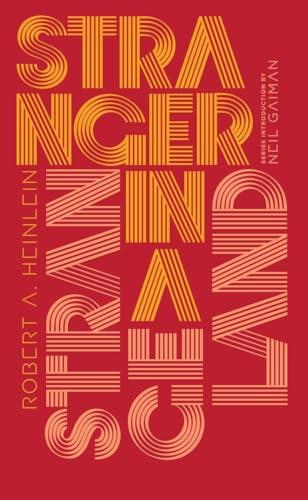
It was mentioned that Robert Heinlein, a prolific science fiction writer, described waterbeds in detail in his books, which eventually became a factor in the patent process for Charles Hall's waterbed design.
Robert Heinlein, the very famous and prolific science fiction writer, he had basically described water beds so frequently and in such detail that he was considered the intellectual property holder of...
— Episode: Selects: Waterbeds: The Sexiest Bed?
It was mentioned that Robert Heinlein, a prolific science fiction writer, described waterbeds in detail in his books, which eventually became a factor in the patent process for Charles Hall's waterbed design.
Robert Heinlein, the very famous and prolific science fiction writer, he had basically described water beds so frequently and in such detail that he was considered the intellectual property holder of water bed designs.
He liked to describe stuff in his books apparently.
a pump to control water level, side supports to permit one to float rather than simply lying on a not very soft water filled mattress, right. A thermostatic control temperature safety interfaces to avoid all possibility of electric shock, which was a big sort of urban legend at the time.
a waterproof box to make it leak proof, um, which was another probably legitimate con for a water bed.
It was mentioned that Robert Heinlein, a famous science fiction author, described waterbeds in great detail in his book, which led to him being considered the initial intellectual property holder of the design.
Robert Heinlein, the very famous and prolific science fiction writer, he had basically described water beds so frequently and in such detail that he was considered the intellectual property holder of water bed designs.
He liked to describe stuff in his books apparently. I haven't read any of them yet.
And one of the things that he kept, he, that always popped up was these water beds.
a pump to control water level, side supports to permit one to float rather than simply lying on a not very soft water filled mattress, right. A thermostatic control temperature safety interfaces to avoid all possibility of electric shock, which was a big sort of urban legend at the time.
a waterproof box to make it leak proof, um, which was another probably legitimate con for a water bed.

It was highly recommended, as it details the experiences of the Merry Pranksters and their involvement with LSD in the 1960s.
Um, and it documents a Merry Prankster. It was basically a school bus, uh, psychedelically painted full of hippies driving around with gallons and gallons of acid.
— Episode: Selects: How LSD Works
It was highly recommended, as it details the experiences of the Merry Pranksters and their involvement with LSD in the 1960s.
Um, and it documents a Merry Prankster. It was basically a school bus, uh, psychedelically painted full of hippies driving around with gallons and gallons of acid.
One of my favorite books. Required reading. Really good.
Chuck mentioned it as a book he read around the same time as Hunter S. Thompson's work and expressed a preference for Tom Wolfe's writing style over Hunter's.
I also read Electric Kool-Aid Acid Test around the same time. And I was just like, I love Hunter Thompson, but Tom Wolfe is just, I think by far the better journalist.
The Electric Kool-Aid Acid Test by Tom Wolfe was mentioned as a book that documents the Merry Pranksters, a group of hippies who were known for their LSD-fuelled travels in a psychedelically painted bus.
He was notable for being a part of the Merry Pranksters, which, um, is documented in the great, great Tom Wolf book, The Electric Kool-Aid Acid Test.
One of my favorite books.
Required reading.
Really good.
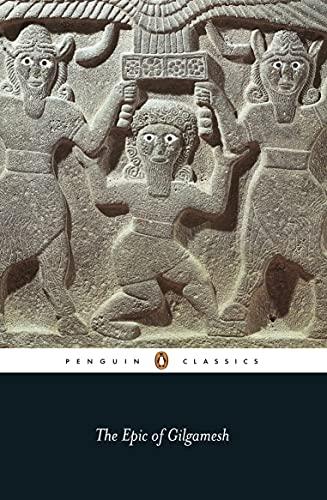
It was mentioned as a potential candidate for the oldest book, but it was written on clay tablets from the 7th century BCE, and therefore did not meet the definition of a book discussed in the podcast.
either Homer's Iliad or the Epic of Gilgamesh.
— Episode: Short Stuff: What's the oldest book?
It was mentioned as a potential candidate for the oldest book, but it was written on clay tablets from the 7th century BCE, and therefore did not meet the definition of a book discussed in the podcast.
either Homer's Iliad or the Epic of Gilgamesh.
The Epic of Gilgamesh, the oldest is a very old book. The British Museum has one, but it's written on clay tablets from the seventh century BCE.
Doesn't count.
It was mentioned as a potential candidate for the oldest book, but was later disqualified because it's written on clay tablets and not bound.
either Homer's Iliad or the Epic of Gilgamesh.
The Epic of Gilgamesh, the oldest is a very old book. The British Museum has one, but it's written on clay tablets from the seventh century BCE.
Doesn't count. And yeah, it's not bound.
It was mentioned as a potential oldest book, but was written on clay tablets and not bound, therefore not qualifying as a book based on Laurent Ferry's definition.
either Homer's Iliad or the Epic of Gilgamesh.
The Epic of Gilgamesh, the oldest is a very old book. The British Museum has one, but it's written on clay tablets from the seventh century BCE.
Doesn't count. And yeah, it's not bound.
It was briefly mentioned as one of the challenged books during the discussion of frequently challenged books.
a few of these are the Color of Earth series by Kim Dong Hua and the Reasons Why, nudity, sex education, the Hunger Games trilogy.
— Episode: SYSK Selects: How Book Banning Works
It was briefly mentioned as one of the challenged books during the discussion of frequently challenged books.
a few of these are the Color of Earth series by Kim Dong Hua and the Reasons Why, nudity, sex education, the Hunger Games trilogy.
It was discussed as a challenged book, due to the content and themes, including nudity and sexual education.
A few of these are the Color of Earth series by Kim Dong Hua and the Reasons Why, nudity, sex education, the Hunger Games trilogy.
The book series was listed as one of the books challenged in the past year, for reasons such as nudity and sex education.
A few of these are the Color of Earth series by Kim Dong Hua
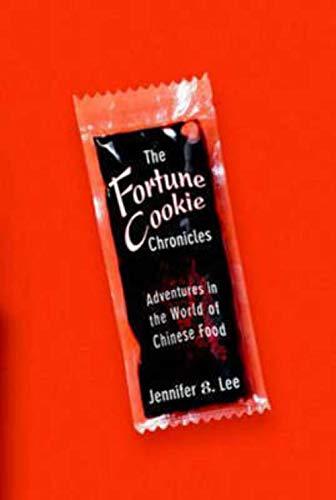
Adventures in the World of Chinese Food
It was mentioned as a source of information about fortune cookies, detailing the author's scholarly research on the topic.
I want to give a shout out to What's Cooking America, LA Times, Today, History, and Jennifer A. Lee, who popped up in I think our Chinese Food on Christmas episode. She wrote The Fortune Cooki...
— Episode: Short Stuff: Fortune Cookies
It was mentioned as a source of information about fortune cookies, detailing the author's scholarly research on the topic.
I want to give a shout out to What's Cooking America, LA Times, Today, History, and Jennifer A. Lee, who popped up in I think our Chinese Food on Christmas episode. She wrote The Fortune Cookie Chronicles, Adventures in the World of Chinese Food.
It was mentioned as a source of information and scholarly research on the topic of fortune cookies, highlighting the author's work in the field of Chinese food.
I want to give a shout out to What's Cooking America, LA Times, Today, History, and Jennifer A. Lee, who popped up in I think our Chinese Food on Christmas episode. She wrote The Fortune Cookie Chronicles, Adventures in the World of Chinese Food.
It was mentioned as a source of scholarly research on fortune cookies, which were the topic of the episode.
I want to give a shout out to What's Cooking America, LA Times, Today, History, and Jennifer A. Lee, who popped up in I think our Chinese Food on Christmas episode. She wrote The Fortune Cookie Chronicles, Adventures in the World of Chinese Food.
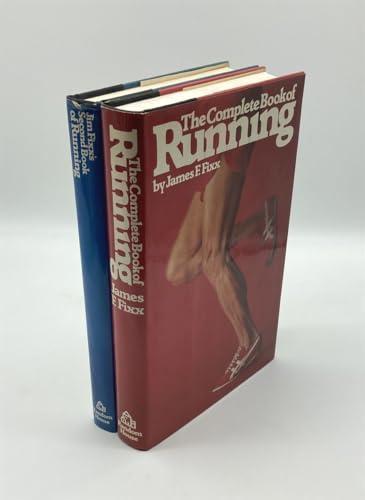
It was released in 1977 and heavily promoted running as a form of exercise, ironically, Jim Fix died while jogging, seemingly from a heart attack.
There was another guy who really brought jogging to the masses. His name was Jim Fix. He wrote The Complete Book of Running, released in 1977.
— Episode: The Semi-Recent History of Exercise
It was released in 1977 and heavily promoted running as a form of exercise, ironically, Jim Fix died while jogging, seemingly from a heart attack.
There was another guy who really brought jogging to the masses. His name was Jim Fix. He wrote The Complete Book of Running, released in 1977.
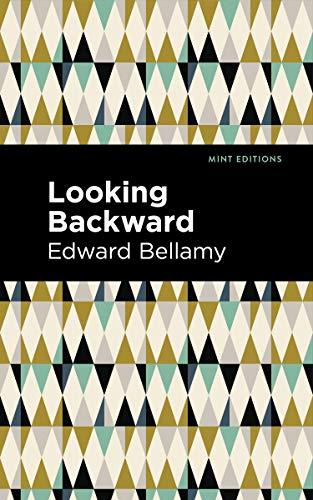
It was discussed as a utopian novel that envisioned a future without inequality, early retirement, and a life of leisure, influenced by Christian socialist values.
And Looking Backward was basically about how, you know, by the year 2000, inequality will have been done away with and people won't work, will retire at 45 and have a life of leisure.
— Episode: Short Stuff: The Pledge of Allegiance
It was discussed as a utopian novel that envisioned a future without inequality, early retirement, and a life of leisure, influenced by Christian socialist values.
And Looking Backward was basically about how, you know, by the year 2000, inequality will have been done away with and people won't work, will retire at 45 and have a life of leisure.
A Novel
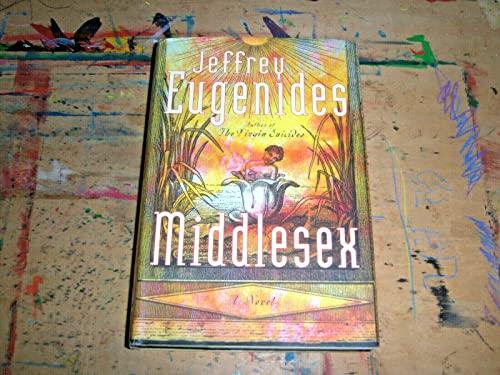
Chuck Bryant recommended it as one of the great books he's read, praising it as a wonderful and great all-around book.
I don't know if I have a favorite book, but I always recommend the book Middlesex just because it's one of the great books that I've read. Jeffrey Eugenides. Oh, yeah, yeah. I think t...
— Episode: Selects: How Snake Handlers Work
Chuck Bryant recommended it as one of the great books he's read, praising it as a wonderful and great all-around book.
I don't know if I have a favorite book, but I always recommend the book Middlesex just because it's one of the great books that I've read. Jeffrey Eugenides. Oh, yeah, yeah. I think that's right. He's written a lot of great books, but Middlesex is wonderful. Great all-around book.
It was highly recommended as a great book, and one of the best that the speaker had read.
I don't know if I have a favorite book, but I always recommend the book Middlesex just because it's one of the great books that I've read.
Jeffrey Eugenides. Oh, yeah, yeah. I think that's right. He's written a lot of great books, but Middlesex is wonderful. Great all-around book.
Chuck highly recommended it as one of the best books he'd read, praising it as a great all-around read.
I don't know if I have a favorite book, but I always recommend the book Middlesex just because it's one of the great books that I've read. Jeffrey Eugenides. Oh, yeah, yeah. I think that's right. He's written a lot of great books, but Middlesex is wonderful. Great all-around book.
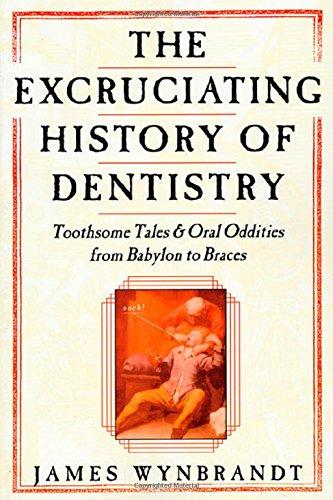
Toothsome Tales & Oral Oddities from Babylon to Braces
It was mentioned as a book about the history of dentistry, and the hosts briefly discussed the title in a humorous way.
And then a book by James Weibrandt called The Excruciating History of Dentistry, insert colon sound.
— Episode: The Twisted History of Dentistry
It was mentioned as a book about the history of dentistry, and the hosts briefly discussed the title in a humorous way.
And then a book by James Weibrandt called The Excruciating History of Dentistry, insert colon sound.
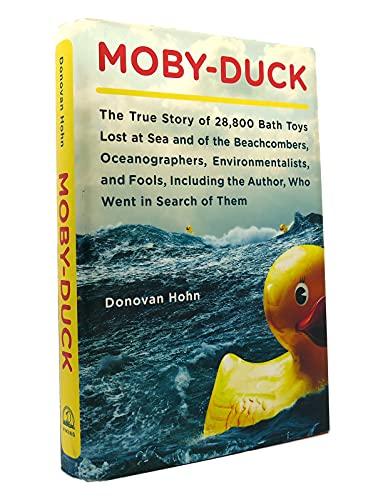
The True Story of 28,800 Bath Toys Lost at Sea & of the Beachcombers, Oceanograp hers, Environmentalists & Fools Including the Author Who Went in Search of Them
It was mentioned as a book that was written about the rubber ducky spill and was considered cute, also possibly being partially responsible for introducing the public to the Great Pacific Garbage Patch.
Somebody wrote a book called Moby Duck, which is even cuter.
— Episode: Short Stuff: Friendly Floatees
It was mentioned as a book that was written about the rubber ducky spill and was considered cute, also possibly being partially responsible for introducing the public to the Great Pacific Garbage Patch.
Somebody wrote a book called Moby Duck, which is even cuter.
between that guy Donovan Hone's book, Moby Duck, and Curtis Ebsmeyer's press that he got from his models and predictions, I feel like that might have been what introduced the average person or the media to the Great Pacific Garbage Patch.
It was mentioned as a book about the friendly floaties incident, which is even cuter, and potentially helped introduce people to the Great Pacific Garbage Patch.
Somebody wrote a book called Moby Duck, which is even cuter.
It was mentioned as being about the rubber duckies that spilled into the ocean, with the book's title being cute, and it was mentioned as potentially increasing awareness of the Great Pacific Garbage Patch.
Somebody wrote a book called Moby Duck, which is even cuter.
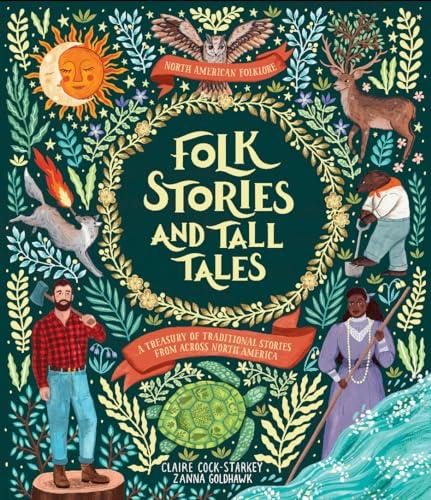
It was mentioned as a book from a Folk Life Folklore magazine, likely published by the University of Louisiana, that helped to provide structure and shape to the hosts' understanding of folklore.
It was from a, I think the University of Louisiana or something like that. They have a Folk Life Folklore magazine. And they have a book called The Folklore of the American Folk. or something like tha...
— Episode: Selects: What is folklore?
It was mentioned as a book from a Folk Life Folklore magazine, likely published by the University of Louisiana, that helped to provide structure and shape to the hosts' understanding of folklore.
It was from a, I think the University of Louisiana or something like that. They have a Folk Life Folklore magazine. And they have a book called The Folklore of the American Folk. or something like that.
It was mentioned as a book published by a department of Folk Life and Folklore, possibly at the University of Louisiana, and served as a helpful resource for the podcast hosts when exploring and organizing their understanding of the topic of folklore.
It was from a, I think the University of Louisiana or something like that. They have a Folk Life Folklore magazine. And they have a book called The Folklore of the American Folk. or something like that.
It was mentioned as a book from a folk life/folklore department, likely at a university, which helped to clarify and structure the often amorphous topic of folklore.
It was from a, I think the University of Louisiana or something like that. They have a Folk Life Folklore magazine. And they have a book called The Folklore of the American Folk. or something like that. They have a Folk Life Folklore department.
It was mentioned as one of the books in Mr. Abney's library, which was said to be a collection of books on mysteries and religious beliefs of the later pagans.
Certainly his library contained all the then-available books bearing on the mysteries, the Orphic poems, the worship of Mithras, and the Neoplatonists.
— Episode: 2021 Halloween Spooktacular!
It was mentioned as one of the books in Mr. Abney's library, which was said to be a collection of books on mysteries and religious beliefs of the later pagans.
Certainly his library contained all the then-available books bearing on the mysteries, the Orphic poems, the worship of Mithras, and the Neoplatonists.
It was a focus of study for Mr. Abney, whose library contained books about the topic.
Certainly his library contained all the then-available books bearing on the mysteries, the Orphic poems, the worship of Mithras, and the Neoplatonists.
It was said that the worship of Mithras was a subject of interest for Mr. Abney and that his library contained books related to it.
Certainly his library contained all the then-available books bearing on the mysteries, the Orphic poems, the worship of Mithras, and the Neoplatonists.
It was a follow-up to his previous work on Borley Rectory, which had been published after the rectory burned down. It continued to detail the history and events related to the alleged hauntings.
And then after the fire, I believe he wrote a second book, a follow-up book called The End of Borley Rectory.
— Episode: Short Stuff: Most Haunted House in Engla...
It was a follow-up to his previous work on Borley Rectory, which had been published after the rectory burned down. It continued to detail the history and events related to the alleged hauntings.
And then after the fire, I believe he wrote a second book, a follow-up book called The End of Borley Rectory.
It was a follow-up book by Harry Price after the Borley Rectory fire and solidified the reputation of the rectory as a haunted location for a time.
And then after the fire, I believe he wrote a second book, a follow-up book called The End of Borley Rectory.
It was a follow-up book written by Harry Price after the Borley Rectory fire, further solidifying the house's reputation for hauntings in the minds of ghost believers.
And then after the fire, I believe he wrote a second book, a follow-up book called The End of Borley Rectory.
It was mentioned as a play and movie adaptation related to the Salem witch trials, but the hosts did not feel it captured the essence of the historical event.
I did read The Crucible, but I read it in the context.
— Episode: Salem Witchcraft Trials: More Bonkers Th...
It was mentioned as a play and movie adaptation related to the Salem witch trials, but the hosts did not feel it captured the essence of the historical event.
I did read The Crucible, but I read it in the context.
And that didn't do it?
No, it really didn't.
No shade though on Arthur Miller. He was great and his play was great. And it was very timely for the time.
Well, I think part of the reason why there hasn't been that great one yet is because historians are still like actively competing at explaining just what exactly happened in Salem.
It was mentioned, but one of the hosts didn't find it impactful until later, when they imagined themselves in the shoes of those accused.
I did read The Crucible, but I read it in the context.
And that didn't do it?
No, it really didn't. Because I don't know if it was me. Maybe I wasn't mentally or emotionally prepared to accept it on that level. Who knows?
But no, it was like imagining myself in the shoes of the people who are going to die that got me researching this.
It was mentioned, but one of the hosts felt that it didn't fully capture the horror of the trials, particularly the thought of being in the shoes of those condemned.
I did read The Crucible, but I read it in the context. And that didn't do it?
No, it really didn't. Because I don't know if it was me. Maybe I wasn't mentally or emotionally prepared to accept it on that level. Who knows? But no, it was like imagining myself in the shoes of the people who are going to die that got me researching this.
No shade though on Arthur Miller. He was great and his play was great. And it was very timely for the time.
Well, I think part of the reason why there hasn't been that great one yet is because historians are still like actively competing at explaining just what exactly happened in Salem.
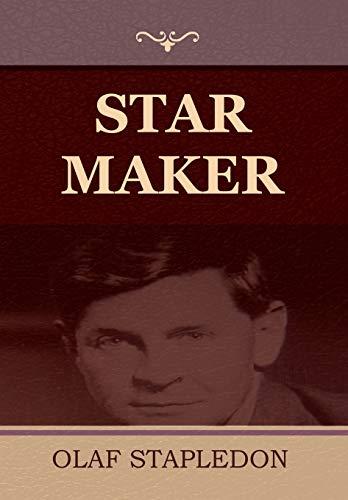
It was mentioned as a science fiction book from 1937 that Freeman Dyson read in the 1960s. It was described as a landmark science fiction and science book that predicted virtual reality and inspired the concept of a Dyson sphere.
He in the 1960s was reading a book from 1937 called Star Maker from science fiction author Olaf Stapledon.
— Episode: Selects: Will We Find Evidence of Aliens...
It was mentioned as a science fiction book from 1937 that Freeman Dyson read in the 1960s. It was described as a landmark science fiction and science book that predicted virtual reality and inspired the concept of a Dyson sphere.
He in the 1960s was reading a book from 1937 called Star Maker from science fiction author Olaf Stapledon.
And he said, hey, this light trap sounds like a good idea. I'm going to rip it off.
And this book also had predicted things like virtual reality and it's kind of a pretty much a landmark sci-fi science book.
It was mentioned as a science fiction book published in 1937, that Freeman Dyson read in the 1960s, which predicted things like virtual reality and contained a concept called a light trap, that he found interesting and used as inspiration.
He in the 1960s was reading a book from 1937 called Star Maker from science fiction author Olaf Stapledon.
And he saw this thing called a light trap from this book.
And this book also had predicted things like virtual reality and it's kind of a pretty much a landmark sci-fi science book.
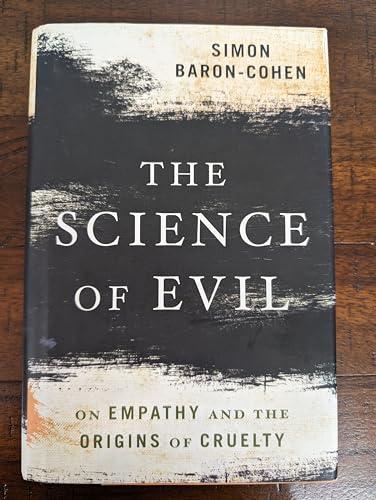
On Empathy and the Origins of Cruelty
It was mentioned as a book written by Simon Baron-Cohen, published in 2011, that explored empathy and featured an empathy curve ranging from 0 to 6. It discussed the concept of emotional empaths and how some individuals, like the therapist Hannah, experience a heightened state of empathy.
Simon Baron-Cohen wrote a book in 2011 called The Science of Evil and he's way down with empathy.
— Episode: Selects: How Empathy Works
It was mentioned as a book written by Simon Baron-Cohen, published in 2011, that explored empathy and featured an empathy curve ranging from 0 to 6. It discussed the concept of emotional empaths and how some individuals, like the therapist Hannah, experience a heightened state of empathy.
Simon Baron-Cohen wrote a book in 2011 called The Science of Evil and he's way down with empathy.
And he has a ranking system, an empathy curve from zero to six and zero is no empathy. Basically you're a sociopath. And six is, I guess the most hardcore of emotional empaths.
You call it a constant state of hyper arousal.
It's probably a great job for her, but she's just one of these people that by all accounts is just wired that way. Like her friends and her family and her patients, like she just really feels for them all. Like it's not just her job.
And he also does make the point that friends and family don't like, they need a certain amount of that empathy, but you don't want someone that's always like in that state.
It was mentioned as a book written in 2011, which details a ranking system for empathy, from 0 (no empathy, sociopath) to 6 (extreme emotional empathy). It described one woman with extreme emotional empathy as being headed towards burnout.
Simon Baron-Cohen wrote a book in 2011 called The Science of Evil and he's way down with empathy.
And he has a ranking system, an empathy curve from zero to six and zero is no empathy. Basically you're a sociopath. And six is, I guess the most hardcore of emotional empaths.
You call it a constant state of hyper arousal.
And he had this one woman that he used in his little example named Hannah, who was a therapist. It's probably a great job for her, but she's just one of these people that by all accounts is just wired that way. Like her friends and her family and her patients, like she just really feels for them all. Like it's not just her job.
And he also does make the point that friends and family don't like, they need a certain amount of that empathy, but you don't want someone that's always like in that state.
It was mentioned as a book about empathy, featuring an empathy curve from zero to six, with six being the most emotionally empathetic, and zero being a sociopath. One of the book's examples was about a therapist named Hannah, who felt intensely for her patients.
Simon Baron Cohen wrote a book in 2011 called The Science of Evil and he's way down with empathy.
And he has a ranking system, an empathy curve from zero to six and zero is no empathy. Basically you're a sociopath. And six is, I guess the most hardcore of emotional empaths.
It's probably a great job for her, but she's just one of these people that by all accounts is just wired that way. Like her friends and her family and her patients, like she just really feels for them all. Like it's not just her job.
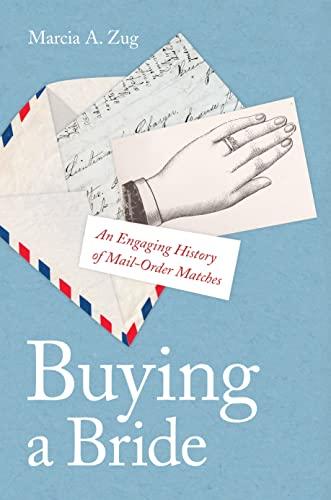
An Engaging History of Mail-Order Matches
It was discussed as providing a history of mail order marriages and a relatively fair, yet robust, defense of its history through time, including the agency it provided for some women.
And Dave Ruse helped us put this together. And this was a tough assignment for him, but he used a lot of information from a book by a legal professor originally from the University of South Carolina n...
— Episode: How Mail Order Marriages Work
It was discussed as providing a history of mail order marriages and a relatively fair, yet robust, defense of its history through time, including the agency it provided for some women.
And Dave Ruse helped us put this together. And this was a tough assignment for him, but he used a lot of information from a book by a legal professor originally from the University of South Carolina named Marcia Zugg called Buying a Bride.
And engaging history of mail order matches where it seems like she gives a, you know, a fair but fairly full throated defense of its history through the ages as far as and we'll get into this.
But what's really bad is what undocumented immigrants have to suffer through in this country because they have no legal rights. They can't go to the police. They can't leave their spouse or their partner for fear of deportation.
No, she definitely almost I get the impression that she is defensive on behalf of the industry just because of how mistreated it's been in her opinion unfairly in large part.
But she does make some compelling arguments that throughout history it wasn't that way at all.
It was discussed as an engaging history of mail order marriages, giving a defense of the history of the practice and how it has provided women with more agency and rights.
And Dave Ruse helped us put this together. And this was a tough assignment for him, but he used a lot of information from a book by a legal professor originally from the University of South Carolina named Marcia Zugg called Buying a Bride.
And engaging history of mail order matches where it seems like she gives a, you know, a fair but fairly full throated defense of its history through the ages as far as and we'll get into this.
But what's really bad is what undocumented immigrants have to suffer through in this country because they have no legal rights. They can't go to the police. They can't leave their spouse or their partner for fear of deportation.
No, she definitely almost I get the impression that she is defensive on behalf of the industry just because of how mistreated it's been in her opinion unfairly in large part.
But she does make some compelling arguments that throughout history it wasn't that way at all.
It was discussed as providing a relatively fair and well-rounded history of mail-order marriages, defending the practice to a degree and exploring the women's agency and rights throughout history.
And Dave Ruse helped us put this together. And this was a tough assignment for him, but he used a lot of information from a book by a legal professor originally from the University of South Carolina named Marcia Zugg called Buying a Bride.
And engaging history of mail order matches where it seems like she gives a, you know, a fair but fairly full throated defense of its history through the ages as far as and we'll get into this.
But what's really bad is what undocumented immigrants have to suffer through in this country because they have no legal rights. They can't go to the police.
They can't leave their spouse or their partner for fear of deportation.
And you run into that criticism today. I mean just as much as you would have back in 1924 when they passed the Immigration Act against Japanese people.
Note: The book recommendations on this page are discovered automatically from podcast transcripts, and may be incorrect or incomplete.
Podcast Name