Podcast
Stuff You Should Know
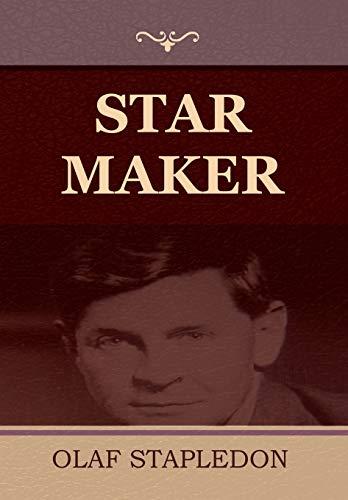
It was mentioned as a science fiction book from 1937 that Freeman Dyson read in the 1960s. It was described as a landmark science fiction and science book that predicted virtual reality and inspired the concept of a Dyson sphere.
He in the 1960s was reading a book from 1937 called Star Maker from science fiction author Olaf Stapledon.
— Episode: Selects: Will We Find Evidence of Aliens...
Episode: Selects: Will We Find Evidence of Aliens by Their...
It was mentioned as a science fiction book from 1937 that Freeman Dyson read in the 1960s. It was described as a landmark science fiction and science book that predicted virtual reality and inspired the concept of a Dyson sphere.
He in the 1960s was reading a book from 1937 called Star Maker from science fiction author Olaf Stapledon.
And he said, hey, this light trap sounds like a good idea. I'm going to rip it off.
And this book also had predicted things like virtual reality and it's kind of a pretty much a landmark sci-fi science book.
Episode: Selects: Will We Find Evidence of Aliens by Their...
It was mentioned as a science fiction book published in 1937, that Freeman Dyson read in the 1960s, which predicted things like virtual reality and contained a concept called a light trap, that he found interesting and used as inspiration.
He in the 1960s was reading a book from 1937 called Star Maker from science fiction author Olaf Stapledon.
And he saw this thing called a light trap from this book.
And this book also had predicted things like virtual reality and it's kind of a pretty much a landmark sci-fi science book.